Reading the city

2015/01/img_4867.jpg

2015/01/img_4866.jpg

2015/01/img_4868.jpg

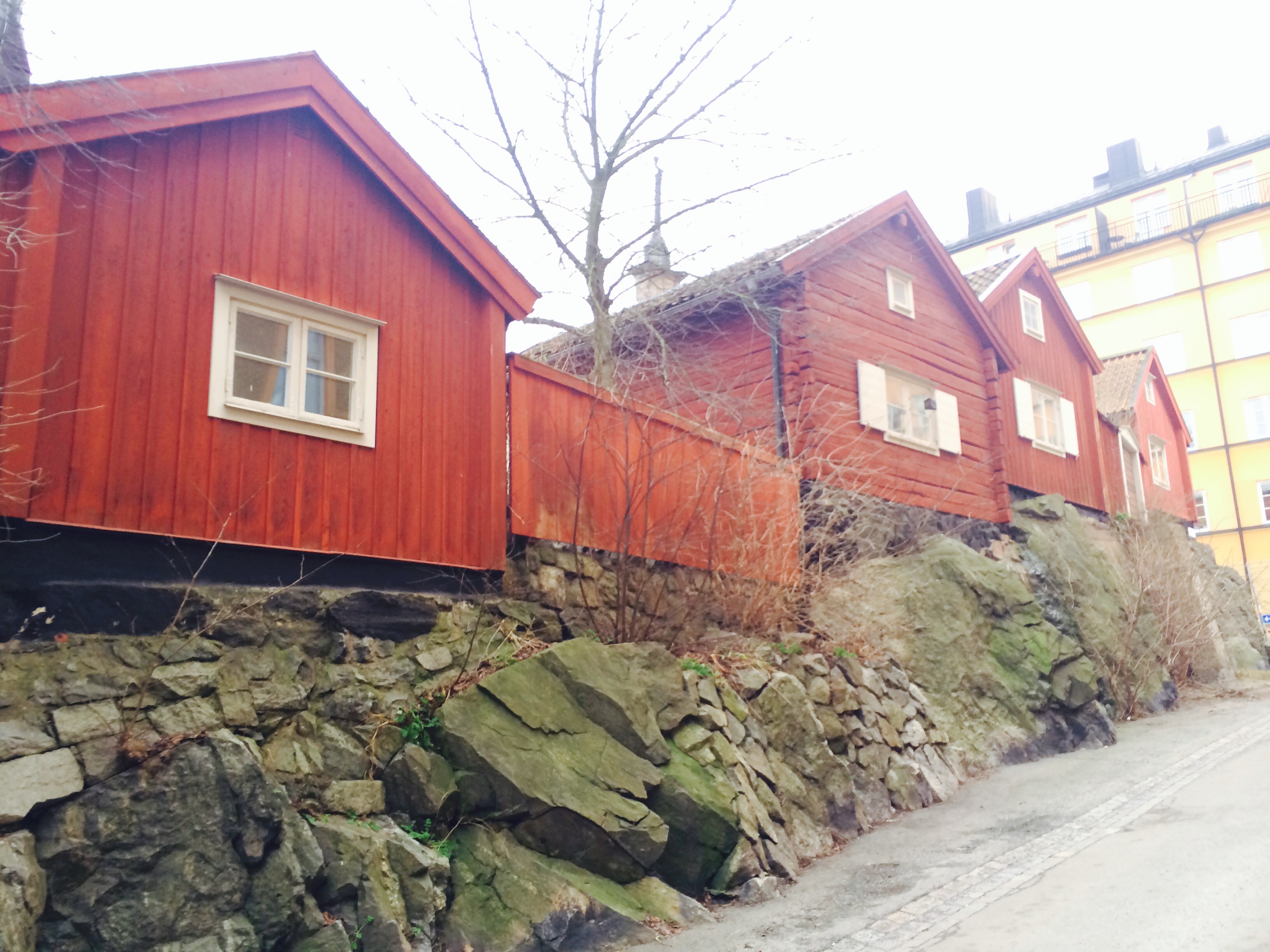
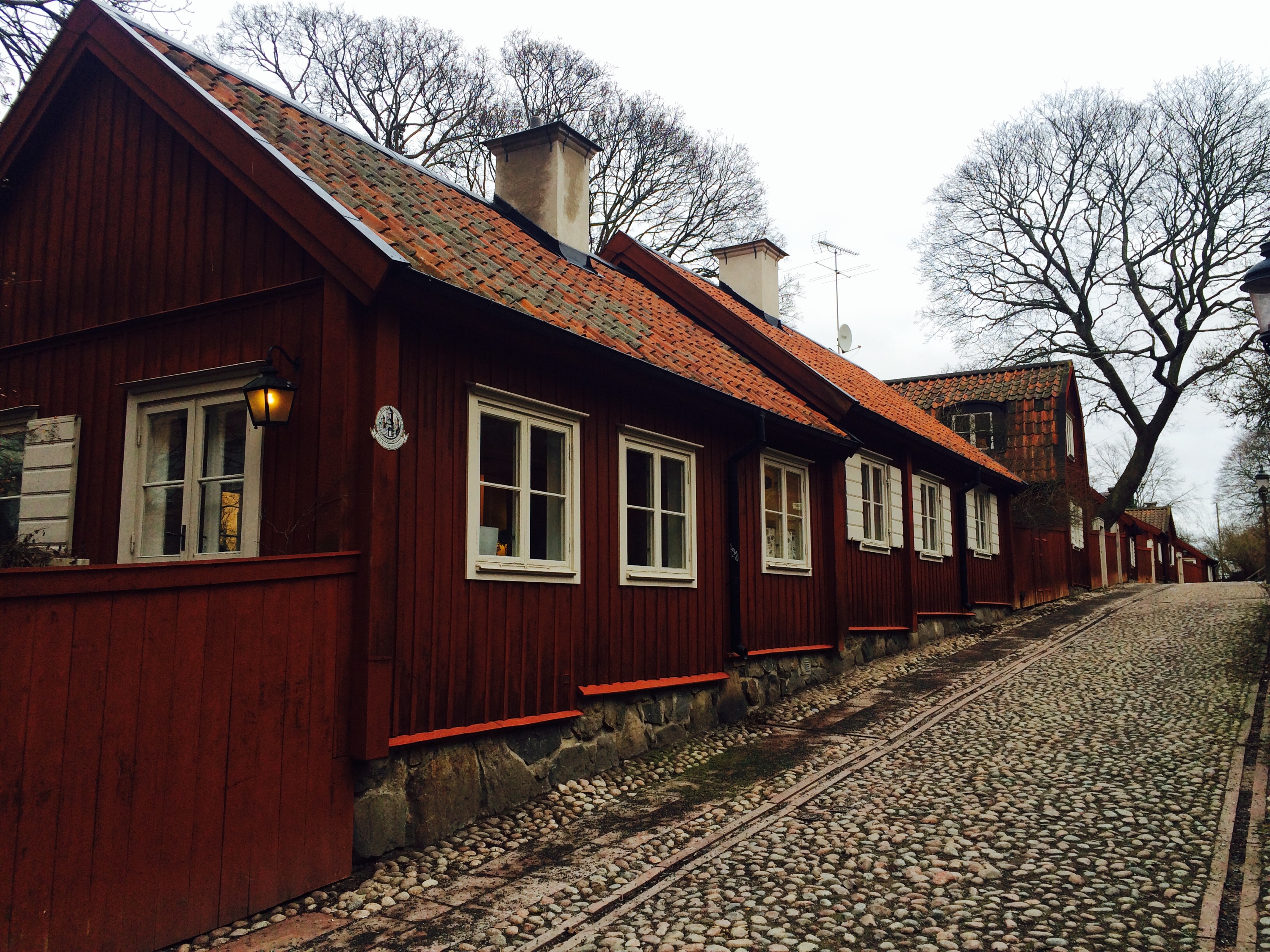
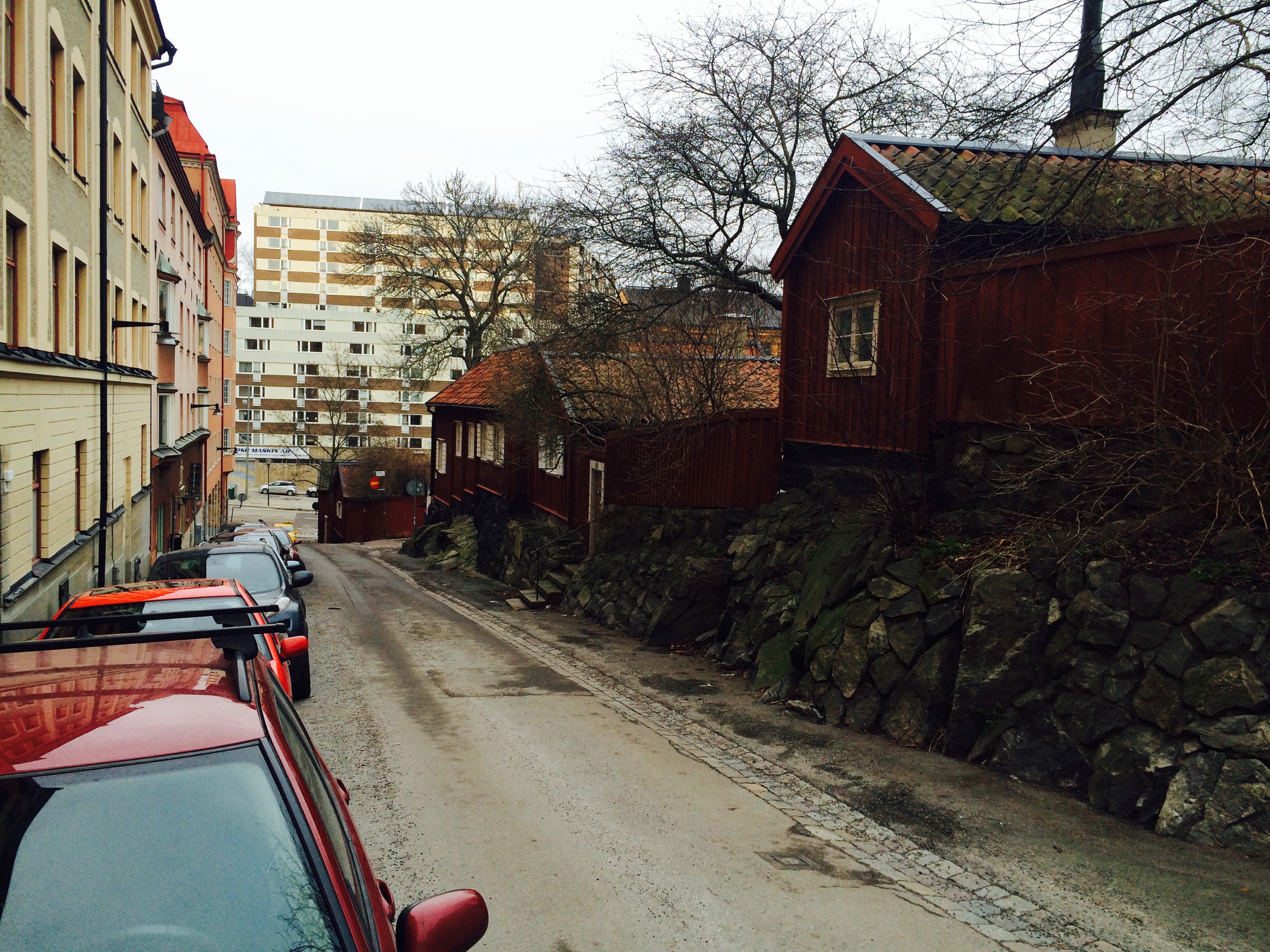
One of the best things about walking around a city is that you can read the layers of architecture which gives you an insight into the lives and times of current and earlier city residents.

And Stockholm is no exception.

On the island of Södermalm, there is a cluster of old red, wooden houses perched amongst blocks of flats from the twentieth century. Most of these houses originate from the 1700’s and were homes to workers in the nearby tar yard and the docks. These were stinky, tough and perilous jobs. And, just like today, Stockholm was rapidly growing and people migrated into the city in droves. And just like today, there was a housing crisis even then. In the 1800’s and 1900’s these small, red houses were so overcrowded and filthy that they became dilapidated and dangerous.

Eventually in 1956, the government decided to renovate and improve the living standards for the poverty-stricken residents.

Today, the area is protected due to its cultural relevance and is still a residential area for a lucky few.

So next time you’re out walking, lift your eyes up. Look at the buildings around you – what does it tell you about your city’s earlier dwellers?


Swedes – the world’s best bosses?

worlds best boss

If you are Swedish, I would like some help from you.

I am carrying out some informal research into what Swedes perceive to be the best management qualities and behaviours. There’s a lot of research out there, but a lot of it is old. I’d like to get some contemporary and fresh input. And I need your help.

If you’d like to help me, please answer the following two questions in the comments field below:

1) What do you think are the most important qualities of a good manager?

2) What do you think are the most important behaviours of a good manager (in relation to you and your work)?

List as many qualities/behavours as you want.

Thank you very much for your help!!

Please walk on the right

right traffic

On the way to work this morning I tested something out. I have to admit I was a bit scared. I took my life in my hands and my heart was beating rapidly. I saw, coming towards me, a group of people. Freshly off the train, they hit the pavement and were stomping with determination to their places of work. As they approached me, I decided to test cultural expectations and see what would happen.

I shifted position and walked on the left side of the pavement.

In Sweden, cars drive on the right side of the road. On escalators, people stand on the right side and let people climbing the escalator pass on the left. It’s an unwritten cultural rule that this also translates to the pavement. When masses of people move along the street, they automatically migrate to right-side walking.

But not me. Not this morning anyway. I wanted to test this cultural assumption.

As the masses approached me, and I walked on the left, I paid attention to the expression on people’s faces. Many ignored me. Others saw me and looked surprised. But the majority, gave me the evil eye. This came in a variety of forms, from staring at me and grimacing, to rolling the eyes upwards to audibly tutting as they walked past or were forced to navigate around me. Nobody reproached me or scolded me. Nobody told me I was doing it wrong. But many of them looked annoyed at my existence and the fact that I was inconveniencing them.

This little experiment highlighted a classic concept in intercultural competence. We are so preoccupied with our own view of the world that we fail to see other people’s perspectives. There are often situations where others don’t know the ‘rules’, but we judge them as though they do know the rules – but are just idiotic or rude. Consequently, we become angry or frustrated and this affects our interaction and our communication.

The solution? Instead of thinking ‘that person’s an idiot’, we can think ‘that’s interesting, why might they be doing that differently?’  

Think about that next time you get irritated because somebody isn’t following the norms that you believe in.

Swedish goats on fire

/home/wpcom/public_html/wp-content/blogs.dir/6dc/32262531/files/2014/12/img_4735.jpg

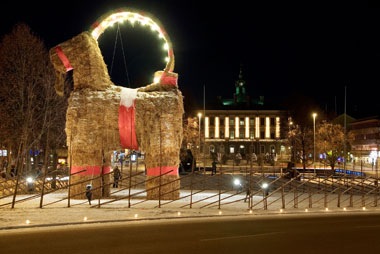
Since the 60’s, in the town of Gävle, north of Stockholm, they have had the Christmas tradition of building a large hay goat in the town centre. Oddly, the goat is a Christmas symbol in Sweden. This ‘Gävle Goat’ has become famous throughout the nation because it has spawned another, less Christmassy tradition. Every year, with few exceptions, the giant goat has been vandalised or set on fire.

This year, guards have successfully intercepted several people during the weeks prior to Christmas who had a mission to set the goat aflame. But it survived! This year, the fortunate goat made it to Christmas Eve without being graffitied, singed or doused in any form of flammable liquid.

But will it make it to 2015? Or will it go up like a New Year’s firework? Well, that cliffhanger will be resolved in a few days.

Ett öppet brev till Jimmie Åkesson

20140913-111047-40247371.jpg

Dear Jimmie
När jag flyttade till Sverige för 20 år sen kom jag till ett land som välkomnade mig med öppna armar, som såg mig som en individ som kunde bidra till svenskt samhället både ekonomiskt och kulturellt. Jag fattade rätt snabbt att jag tillhörde en priviligierade grupp – den engelsktalande invandrare. Min invandring sågs inte som ett problem, folk tyckte det var roligt att prata engelska med mig och vi enkelt hittade gemensamma beröringspunkter. Jag undrar ofta hur min integration hade varit annorlunda om jag hade kommit från Somalia eller Rumänien. Saken är så här, det som jag bidrar med till Sverige sitter inte i mitt ursprungsland. Det som jag bidrar med är mänskligt. Alla vi har nåt att bidra med och genom det berikar vi det samhället som vi lever i. Du Jimmie vill begränsa invandring, du vill stänga dörren till livrädda människor som söker fristad en stund. Du ser bara parasiter och inte människor. Du ser inte vad de kan ge utan vad de tar.

Jag antar att du liksom jag aldrig upplevt krig. Du har inte behövt genomlida smärta, rädsla och hot. Du har levt ett tryggt liv i Sverige. Det är kanske därför du verkar sakna empati. Jag tycker vi som har det tryggt har en skyldighet att ta hand om dem som behöver vår hjälp och det gäller de inom och utanför Sveriges gränser. Du snackar så fint om att hjälpa folk på plats bara dem inte försöker komma hit. Sverige hjäper behövande lokalt redan, och du vill faktiskt minska budgeten för det. Du pratar om integration men du menar assimilering. Att leva i ett integrerat och pluralistiskt samhälle betyder att man öppnar sig för skillnader, man söker synergier, man lever tillsammans och parallellt. Det betyder inte att man gör allt man kan för att hålla Sverige svenskt. Man omvärderar och omdefinierar vad det betyder att vara svenskt. Vi kan leva tillsammans och fortsätta att bygga Sverige. Det är möjligt. Men det krävs empati, mod och öppenhet. Och tyvärr verkar det vara brist på det hos dig.

På Söndag är det val, Sverige är ju en demokrati. Vi får se hur mycket stöd du har bland svenska folket. Jag vet att jag kommer inte rösta på er. Jag kommer satsa på ett parti som värdesätter olikheter och har en färgglad vision av Sverige. Med dig är framtiden bara mörkt.

Have a Gay National Day!

Tomorrow 6 June is Sweden’s National Day and there are many celebrations going on around the country to celebrate the nation. This is the day Swede’s gather to celebrate their Sweden, and they do it in a variety of ways. With the rise of extreme right wing parties in the EU and in Sweden, a National Day might seem dubious to some people. However, If you want to avoid the ‘traditional’ celebrations, one suggestion is that you make your way to Boulevard Teater on Götgatan on Södermalm in Stockholm. There, at 7pm, National Day is being celebrated with a twist. A very gay one.Stockholm’s Gay Choir are holding the first of three concerts. The second two concerts are at 3pm and 7pm on Saturday 7 June.

All of the songs have Swedish roots and reflect how the choir sees Sweden, what it means to the HBTQ community and why they love their country. The songs are a mixture of passion, glamour, tragedy, vulnerability and joy. In an environment of increasing intolerance, these songs are needed and Stockholm’s Gay Choir stand up for openness, love and acceptance. Tickets can be bought at www.stockholmsgaykor.se or on www.ticnet.se or the box office at the theatre.

So if you want a different kind of celebration, a modern and diverse perspective – have a Gay National Day!

See you there! 🙂

Please share and spread this blog!

20140605-154535.jpg

20140605-154623.jpg

Afton – Swedes’ favourite celebration

20140419-235128.jpg

In the UK, we celebrate ‘Days’ such as Christmas Day & Easter Day. But in Sweden, it is always the Eve ( ‘afton’) that is the big celebration time. There’s Julafton, Påskafton, Valborgsmässoafton, Midsommarafton, nyårsafton, trettondagsafton. Why is this? Anyone know? Cos I’ve always wondered. Surely it can’t just be to get an extra day’s holiday?

Swedish Long Friday, English Good Friday

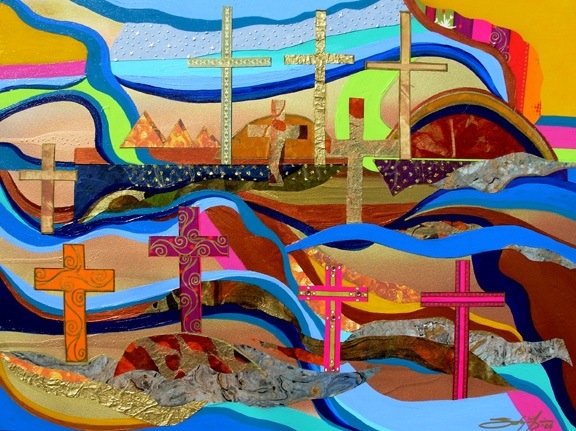
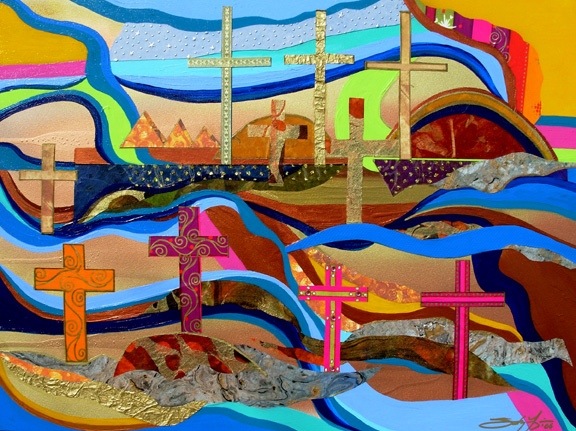
Today is Long Friday in Sweden, Good Friday in English-speaking countries. If you hold to the Christian belief, it’s the day Jesus was crucified on Golgata, outside of Jerusalem.

Why the differences in names for this day? In English-speaking countries, there are differences of opinions as to why it’s called Good Friday. Some people claim Good is an old English word meaning Holy – so Holy Friday. Others say it’s a development of the word God. And other theories say it is good because it is the day Jesus, dying on his cross, was victorious over sin, death and the devil and took upon him all the sins of Mankind. Heavy stuff.

In Sweden, it is called Long Friday as it was said to be a day of mourning for the long day of suffering that Jesus endured will being crucified.

In Sweden, as in the UK, today is a public holiday, people don’t need to dress in black anymore and all the shops and places of entertainment are open. Some people go to church, some paint eggs and decorate Easter trees, some prepare food for Easter Saturday.

I think it’s interesting to know the origins of our traditions. Often these origins are long forgotten. But understanding the history helps put things into perspective as we celebrate in the way we prefer, traditions that have been followed for centuries before and centuries to come.

20140418-082902.jpg

20140418-085041.jpg

Pink Thursday?

20140417-074309.jpg

Today is ‘Skärtorsdag’, or Maundy Thursday in English. In Sweden it’s celebrated by children dressing up as witches. This tradition originates from the belief centuries ago that tonight was the witches night, where witches would make their journey to Blåkulle – the Blue Mountain. It was a night of danger and evil, and Swedish people would bar their doors to their houses and barns and leave outside gifts that would make the witches’ journey easier – food, milk, clothes, broomsticks. Today, Swedes give the children sweets and money.

But why is it called Skärtorsdag’? The word ‘skär’ means ‘pink’. But does that make today Pink Thursday?

Actually not.

The word ‘skär’ has another, pre-Nordic meaning that is more relevant – ‘clean’.

If you know your bible stories, today being the day before Good Friday is the day when Jesus gathered his disciples together for the last supper, introduced communion, and was later betrayed by Judas, and condemned to death on the cross. It is the day evil was said to be released – hence the witches described earlier in this text.

Prior to the last supper, Jesus washed the feet of the disciples. And he washed them clean – a symbolic metaphor for purification and the washing away of sin.

So, today isn’t Pink Thursday – it’s Clean Thursday.

I’d better start mopping the kitchen floor then.

Austrian stereotypes of Swedes

I was in Vienna at a wedding this weekend and mingled with the other guests. When they found out I lived in Sweden, they wanted to talk about Stockholm and Swedish people. They were very pleasant and what was interesting is how stereotypes persist. Amongst other stereotypes, they thought Swedes were reserved and formal. When I explained that maybe some are but it’s not the case entirely,they actually looked sceptical.

This is the funny thing about stereotypes – they’re often outdated and almost always wrong. How can a single characteristic be applied to 9,000,000 Swedes, or 70 million Brits, and still be accurate? Stereotypes can be fun to talk about but if we start believing them, we’re in trouble. Instead, let’s look at the individual to form our perceptions of that person (understanding we can still be wrong) and try to avoid sweeping condemnations of the collective. I think we’ll get a lot further in our cultural sensitivity that way.