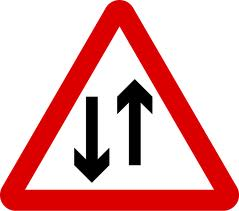
Please walk on the right

right traffic

On the way to work this morning I tested something out. I have to admit I was a bit scared. I took my life in my hands and my heart was beating rapidly. I saw, coming towards me, a group of people. Freshly off the train, they hit the pavement and were stomping with determination to their places of work. As they approached me, I decided to test cultural expectations and see what would happen.

I shifted position and walked on the left side of the pavement.

In Sweden, cars drive on the right side of the road. On escalators, people stand on the right side and let people climbing the escalator pass on the left. It’s an unwritten cultural rule that this also translates to the pavement. When masses of people move along the street, they automatically migrate to right-side walking.

But not me. Not this morning anyway. I wanted to test this cultural assumption.

As the masses approached me, and I walked on the left, I paid attention to the expression on people’s faces. Many ignored me. Others saw me and looked surprised. But the majority, gave me the evil eye. This came in a variety of forms, from staring at me and grimacing, to rolling the eyes upwards to audibly tutting as they walked past or were forced to navigate around me. Nobody reproached me or scolded me. Nobody told me I was doing it wrong. But many of them looked annoyed at my existence and the fact that I was inconveniencing them.

This little experiment highlighted a classic concept in intercultural competence. We are so preoccupied with our own view of the world that we fail to see other people’s perspectives. There are often situations where others don’t know the ‘rules’, but we judge them as though they do know the rules – but are just idiotic or rude. Consequently, we become angry or frustrated and this affects our interaction and our communication.

The solution? Instead of thinking ‘that person’s an idiot’, we can think ‘that’s interesting, why might they be doing that differently?’  

Think about that next time you get irritated because somebody isn’t following the norms that you believe in.
25 words for snow!

2015/01/img_4847.jpg

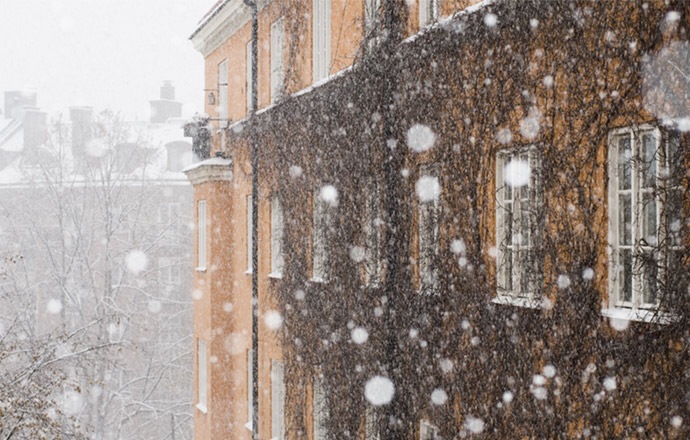
As the snow tumbles down over the city, I am reminded of the many different words for snow that Swedes have. Not surprisingly when living in a country where it snows a lot, people start to see differences and nuances in the type of snow, whereas in English the word might just be an unsatisfactory ‘snow’.

1) Blötsnö – wet, slushy snow
2) Drivsnö – snow that is blown into troublesome snow drifts
3) Aprilsnö – snow in April, according to suspicion signifies plenty of food for the coming season
4) Hårdsnö – compacted hard snow
5) Konstsnö – artificial snow
6) Kramsnö – squeezy snow, perfect for making snowballs
7) Julesnö – snow at Christmas
8) Klabbsnö – wet, warm snow for building snowmen
9) Kolsyresnö – frozen carbondioxide
10) Kornsnö – small white snow breadcrumbs
11) Lappvante – thick, falling snow
12) Lössnö – snow that can loosen and be dangerous
13) Majsnö – surprising and unwelcome snow in May
14) Modd – snow that has partly melted due to salt
15) Natursnö – real snow (as opposed to artificial)
16) Nysnö – fresh snow, crisp and white
17) Pudersnö – powder snow
18) Rekordsnö – an unusual amount of snow, breaking previous snow records
19) Slask – slushy snow mixed with rain and dirt on the ground
20) Snö – snow
21) Snöblandat regn – snow mixed with rain
22) Snömos – sloppy snow that resembles mashed potato
23) Snörök – faint particles of snow that look like smoke
24) Yrsnö – snow being whipped around by the wind in all directions
25) Åsksnö – snow that pours down during a thunder storm

Swedish life balance

/home/wpcom/public_html/wp-content/blogs.dir/6dc/32262531/files/2015/01/img_4842.jpg

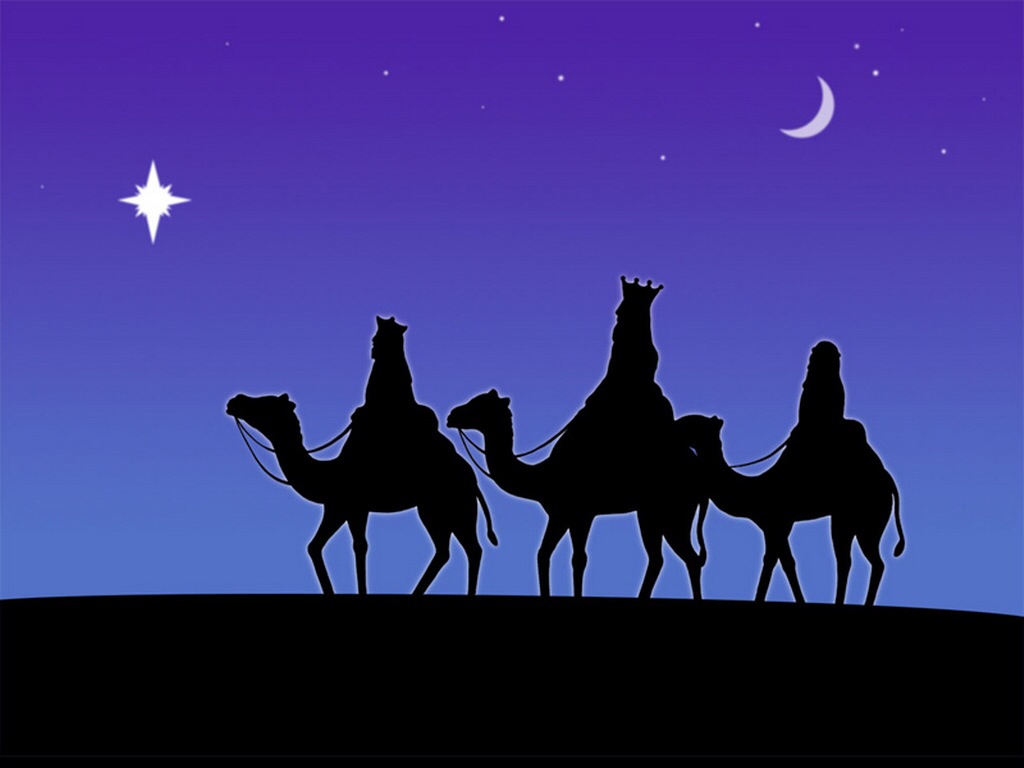
It’s said that Swedes have an enviable work life balance and this festive season has been no exception. Similar to many countries, Christmas and New Year are both bank holidays in Sweden. Similar to a few countries, today is also a bank holiday – kings’ day, epiphany or the twelfth day of Christmas. Biblically it signifies the arrival of the three wise men and the baptism of Jesus. Secularly, it means another day off for most people.

This festive season has been a great opportunity for time off. By taking only 5 days’ holiday, workers have been able to be off for two and a half weeks. And with 8 days’ holiday – 3 weeks off was the reward.

A strong belief in work life balance is behind this. In general, Swedes work really hard and are dedicated. Coupled with the darkness at this time of the year, many people are exhausted by the time Christmas comes around. A long break is seen as a necessary way to recharge batteries, and regain motivation. There’s a great Swedish word that you frequently hear after these long breaks – people describe themselves as ‘utvilade’. This translates as ‘thoroughly rested’, and is essential to survive the long, dingy winter season.

Swedish goats on fire

/home/wpcom/public_html/wp-content/blogs.dir/6dc/32262531/files/2014/12/img_4735.jpg

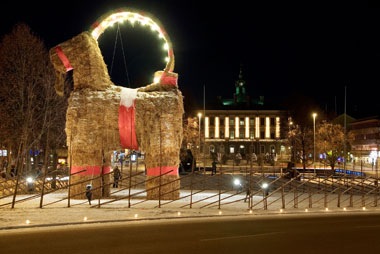
Since the 60’s, in the town of Gävle, north of Stockholm, they have had the Christmas tradition of building a large hay goat in the town centre. Oddly, the goat is a Christmas symbol in Sweden. This ‘Gävle Goat’ has become famous throughout the nation because it has spawned another, less Christmassy tradition. Every year, with few exceptions, the giant goat has been vandalised or set on fire.

This year, guards have successfully intercepted several people during the weeks prior to Christmas who had a mission to set the goat aflame. But it survived! This year, the fortunate goat made it to Christmas Eve without being graffitied, singed or doused in any form of flammable liquid.

But will it make it to 2015? Or will it go up like a New Year’s firework? Well, that cliffhanger will be resolved in a few days.

A literal Swedish Christmas

/home/wpcom/public_html/wp-content/blogs.dir/6dc/32262531/files/2014/12/img_4734.jpg

Swedish is often a very literal language. Today, the 26th December, is a good example of that.

In the UK, today is known as ‘Boxing Day’. In Finland, it’s ‘Stefani Day’. In Ireland it’s ‘Wren’s Day’. In South Africa, it’s the ‘Day of Goodwill’.

And in Sweden? Well, here comes the literalness.

It’s called ‘Second Christmas Day’.

Do Swedish good looks make good politics?

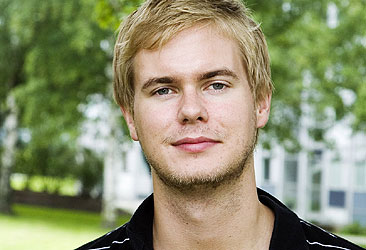
Sweden’s New Public Health Minister, Gabriel Wikström, has created a storm on social media due to his good looks. Called ‘the handsome minister’ he’s getting a great deal of attention. Here’s my blog from the end of last year in which I listed Sweden’s top 10 handsome politicians. Gabriel Wikström didn’t make the list then. Maybe it should be revised?

It doesn’t come as a surprise that looks count in politics. We all know that PR people try to pimp their candidates so that they look more attractive and gain votes. We all know that, although politics is all about the issues, a winning smile doesn’t hurt. At the weekend, some friends and I designed a list of Sweden’s most handsome politicians. We came up with the Top Ten! This list is in no way objectively researched but purely the subjective reflections and objectifications of this little international group. So, here’s the list!

Position 10 – Tomas Tobé. Moderaterna Tomas_Tobe_0000149000

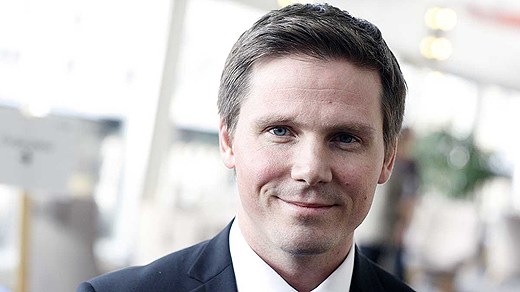
Position 9 – Erik Ullenhag, Folkpartiet
erik ullenhag

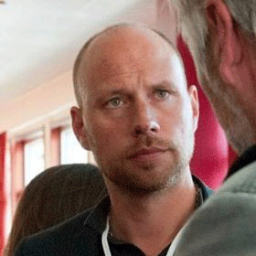
Position 8 – Christopher Fjällner, Moderaterna
christopher fjallner

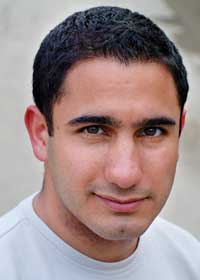
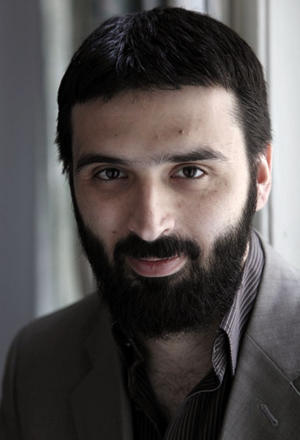
Position 7 – Ardalan Shekarabi, Social Demokraterna
Shekarabi_Ardalan

Position 6 – Hans Lindberg, Social Demokraterna
hans lindberg

Position 5 – Gustav Fridolin, Miljöpartiet
gustav fridolin

Position 4 – Ali Esbati, Vänsterpartiet
ali esbati

Position 3 – Hampus Magnusson, Moderaterna
Hampus-med-Lars2

Position 2 – Hans Linde, Vänsterpartiet
02_Hans-Linde-192

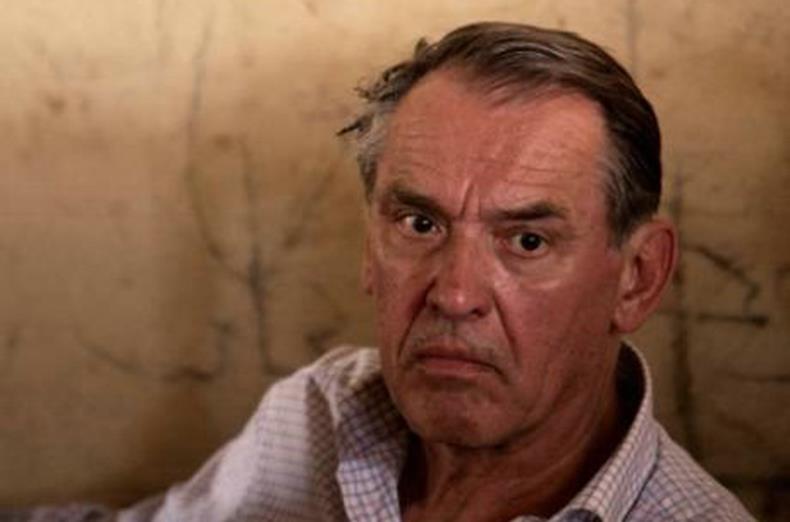
Position 1 – Jan Eliasson, Social Demokraterna
jan eliasson

Stockholm A-Z: ÅÄÖ

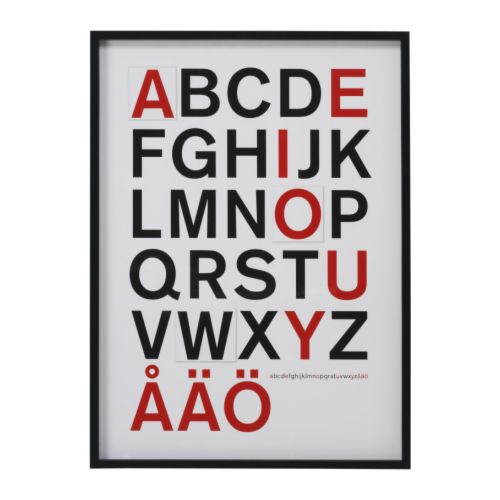
A-Z doesn’t stop here. No, not in Sweden. As if the Swedish language isn’t difficult enough to learn, there are three more letters of the alphabet to contend with: Å, Ä and Ö.

Å is pronounced like ‘or’
Ä is pronounced like ‘air’
Ö is pronounced like ‘urr’

These letters are partly what gives the Swedish language its distinctive sound and can be a bit difficult for foreign learners to get their brains and mouths around.

Interestingly, the letter Ö is also a word – Island. Think about that if you head into the archipelago and see many of the place names ending with ö.

IMG_4415.JPG

Stockholm A-Z: Yumpin’ Yimminy

IMG_4413.JPG

In 1941, a Hollywood movie was released starring Vaudeville actor El Brendel. The movie was about a simple Swedish immigrant who unknowingly becomes assistant to a jewel thief. As an expression of surprise, he exclaims ‘Yumpin’ Yimminy!’ instead of the phrase ‘Jumping Jimminy’ which was popular at the time. This, of course, was a way of ridiculing the Swedish difficulty of pronouncing J and similar jokes highlighting this are for example ‘do you have any use (ie juice) for my wife?’

The Swedish language that we see on signs can still today provide us with some giggles. It’s useful to know what some of the words mean when you’re visiting Stockholm.

Infart – this sounds painful, but it’s the Swedish word for entrance (usually for vehicles)
Utfart – the word for exit (usually for vehicles)
Ned – on the underground, this means down
Rea – not a singer but the Swedish word for Sale
Slutrea – not a tarty singer but a Final Sale
Slutspurt – rather unappealing word that means end of Sale rush
Realisation – oh my god!! It’s a sale!
T – banan – not a funny shaped banana but the underground metro (Tunnelbana)
Mynt – not fresh breath tablets, but coins
Kök – pronounced ‘shurk’, this means kitchen and nothing else
Herrtoalett – confusingly not her toilet but his toilet. Herr in this context is the Swedish word for Gents
Drag – not a suggestion to wear women’s clothes but a suggestion to pull a door open
Tryck – push the door
Väg – nothing female, just the Swedish word for road

My privileged Swedish bubble

I live a very privileged life in Sweden. I know it. I have a great job, a decent income, I own my flat in Stockholm’s trendiest inner-city area, I travel, I eat out at restaurants, I consume. I’m happily married, we have lots of friends, a BMW, trips to the theatre and to dinner parties. We have a country house. Everything’s smooth. Even at the A&E on Sunday after I sprained my ankle, I was in and out in less than 2 hours. Sweden has made this lifestyle possible for me, and many others. But it’s a privileged bubble we live in. We’re not confronted by the poverty in the suburbs, by the substance abuse in families. We don’t witness the children who fall out of the system because they happen to be born in a certain area, to certain parents. Our children are well-groomed, well-fed and well educated. We don’t see the horrors in old people’s homes, nor do we have to scrape together every last krona just to put food on the table because we’re sick, or injured or unable to find work. But this exists in Sweden. From our little bubble we just don’t see it. But it’s there. There are widening gaps in Swedish society between the old and the young, the rich and the poor, the educated and the uneducated, the sick and the healthy, the urban and the suburban, the always beens and the newly arrived. And the uncomfortable truth is the wider these gaps become, the more stretched our bubble becomes. And one day this bubble will explode.

Voting in an election is our democratic right. The dilemma is how we vote. Do we vote for what is good for ourselves or for what is good for our society? Do we protect ourselves or do we lift our eyes and look out of our bubble and see that what benefits society in the long run benefits all of us?

On Sunday, we make that choice.

Have a Gay National Day!

Tomorrow 6 June is Sweden’s National Day and there are many celebrations going on around the country to celebrate the nation. This is the day Swede’s gather to celebrate their Sweden, and they do it in a variety of ways. With the rise of extreme right wing parties in the EU and in Sweden, a National Day might seem dubious to some people. However, If you want to avoid the ‘traditional’ celebrations, one suggestion is that you make your way to Boulevard Teater on Götgatan on Södermalm in Stockholm. There, at 7pm, National Day is being celebrated with a twist. A very gay one.Stockholm’s Gay Choir are holding the first of three concerts. The second two concerts are at 3pm and 7pm on Saturday 7 June.

All of the songs have Swedish roots and reflect how the choir sees Sweden, what it means to the HBTQ community and why they love their country. The songs are a mixture of passion, glamour, tragedy, vulnerability and joy. In an environment of increasing intolerance, these songs are needed and Stockholm’s Gay Choir stand up for openness, love and acceptance. Tickets can be bought at www.stockholmsgaykor.se or on www.ticnet.se or the box office at the theatre.

So if you want a different kind of celebration, a modern and diverse perspective – have a Gay National Day!

See you there! 🙂

Please share and spread this blog!

20140605-154535.jpg

20140605-154623.jpg