Swedish social control or just health consciousness?

smoking outdoors

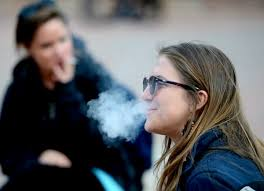
For a long time, there has been a ban on smoking Indoors in public places in Sweden. A new law is now being prepared to ban smoking also in outdoor public places such as bus stops, beaches, parks and even on people’s private balconies.

It’s unclear as yet if this law will pass but it’s an interesting case of Swedish beaurocratic imposition on the freedoms of the individual. Those for the ban claim the argument of health consciusness and respect for others in the public environment. They also claim that public spaces will become more accessible for people who today cannot move freely in public spacers such as asthmatics. Those against the ban claim that this is the state ínvolving themselves in something that is about individual choice and that barbecuing should also be banned in public spaces by the same argument.

Those for the ban suggest that it is easier to deal with unpleasant smoking habits if the law is on your side. For example, if a neighbour smokes on their balcony, and this smoke rises up into your apartment, it’s easier to get them to stop by throwing the law book at them.

Culturally, I think this is interesting. Is this about facilitating dialogue? I don’t believe so.

I think it’s more about the Swedish tendency to want to create law and legislation to solve interpersonal problems.

Do Swedish good looks make good politics?

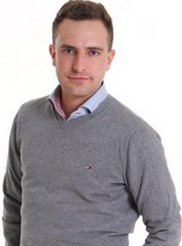
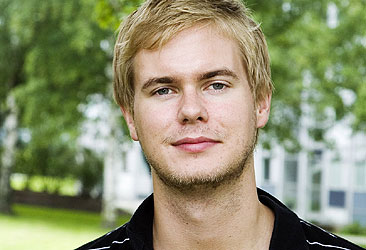
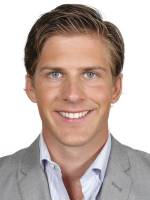
Sweden’s New Public Health Minister, Gabriel Wikström, has created a storm on social media due to his good looks. Called ‘the handsome minister’ he’s getting a great deal of attention. Here’s my blog from the end of last year in which I listed Sweden’s top 10 handsome politicians. Gabriel Wikström didn’t make the list then. Maybe it should be revised?

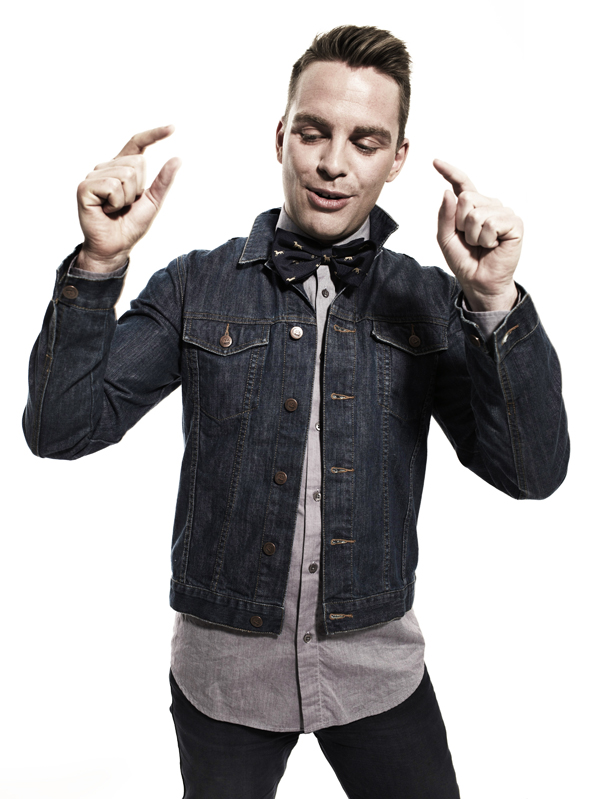
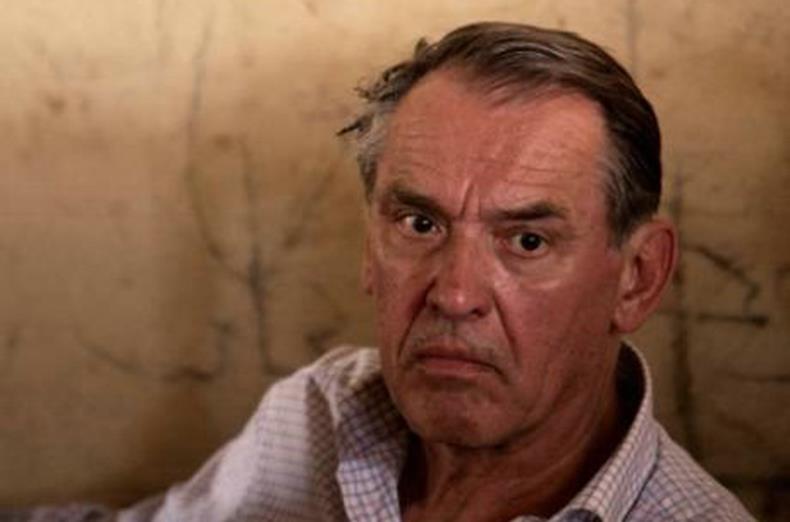
It doesn’t come as a surprise that looks count in politics. We all know that PR people try to pimp their candidates so that they look more attractive and gain votes. We all know that, although politics is all about the issues, a winning smile doesn’t hurt. At the weekend, some friends and I designed a list of Sweden’s most handsome politicians. We came up with the Top Ten! This list is in no way objectively researched but purely the subjective reflections and objectifications of this little international group. So, here’s the list!

Position 10 – Tomas Tobé. Moderaterna Tomas_Tobe_0000149000

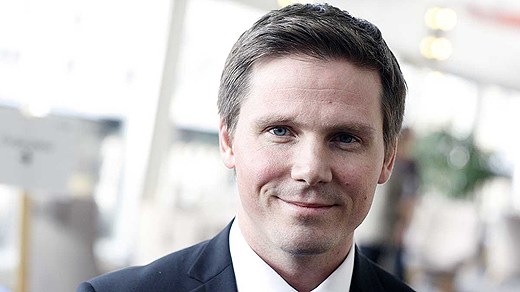
Position 9 – Erik Ullenhag, Folkpartiet
erik ullenhag

Position 8 – Christopher Fjällner, Moderaterna
christopher fjallner

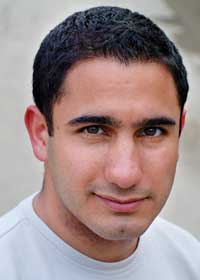
Position 7 – Ardalan Shekarabi, Social Demokraterna
Shekarabi_Ardalan

Position 6 – Hans Lindberg, Social Demokraterna
hans lindberg

Position 5 – Gustav Fridolin, Miljöpartiet
gustav fridolin

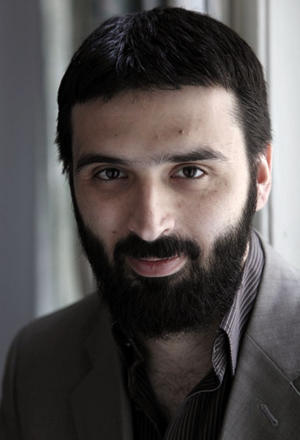
Position 4 – Ali Esbati, Vänsterpartiet
ali esbati

Position 3 – Hampus Magnusson, Moderaterna
Hampus-med-Lars2

Position 2 – Hans Linde, Vänsterpartiet
02_Hans-Linde-192

Position 1 – Jan Eliasson, Social Demokraterna
jan eliasson

The seriousness of xenophobia

us and them

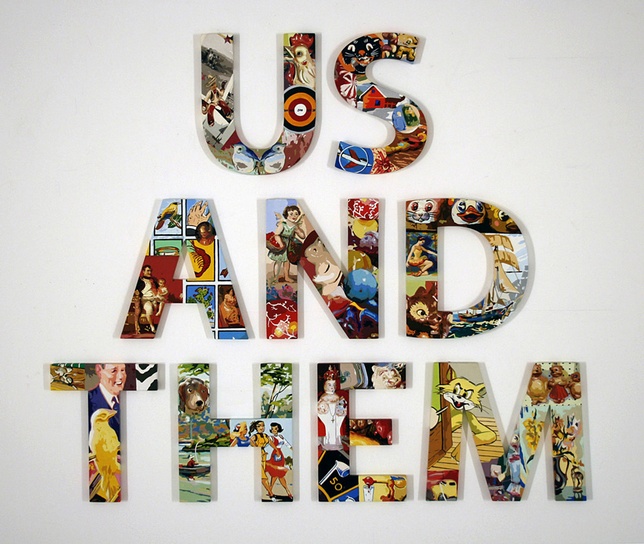
In Greek, the word xenos means strange or foreigner. The word phobos as we know means fear. Putting those together gives us the well-known concept of xenophobia – the deep-rooted, irrational fear of something strange or foreign. Xenophobia can present itself in many ways, including the fear that immigrants and refugees are too abundant in a society.

In cultural research, we often talk about in-groups and out-groups. The in-group is usually the majority who belong to a somewhat homogenous culture. The out-group are the ‘others’ who live side by side but rarely amongst the in-group. One way to look at xenophobia is to see it as the relations and perceptions of an in-group towards an out-group. This may include a fear of losing identity, suspicion of the out-group’s activities, aggression, and desire to eliminate their presence to ensure a presumed security.

Xenophobia in a society is often aimed at a group of people who are not considered part of that society, eg beggars from Rumania and refugees from Northern Africa. When xenophobia becomes systematised it often leads to hostile and violent reactions, such as the phsyical attacks on beggars that we are seeing in Sweden or the call for expulsion of immigrants by SD voters. In extreme cases of systemitised xenophobia, genocide becomes the result.

To combat this issue, the Council of Europe in 1993 formed “The European Commission Against Racism and Intolerance”>. This is an independent human rights monitoring body specialised in combating racism, discrimination, xenophobia, antisemitism and intolerance. The organisation produced The Vienna Declaration and Programme of Action, also known as VDPA – a human rights declaration. In this declaration it clearly states the following:

”the VDPA urges all governments to take immediate measure and to develop strong policies to prevent and combat all forms and manifestations of racism, xenophobia or related intolerance, where necessary by enactment of appropriate legislation, including penal measure.’

We know that the winds of fear are sweeping over Sweden and Europe. And we know that governments can do what they can to combat this – changing policy, engaging in dialogue, ignoring the issue, closing the borders. But as soon as there is a manifestation of racism or xenophobia I think Sweden should have a zero tolerance policy. This might include infringing on civil liberties such as freedom of speech and right to demonstrate, but xenophobia is a creeping cancer that leads to horrific actions. We just have to take a look through history to understand that.

Ett öppet brev till Jimmie Åkesson

20140913-111047-40247371.jpg

Dear Jimmie
När jag flyttade till Sverige för 20 år sen kom jag till ett land som välkomnade mig med öppna armar, som såg mig som en individ som kunde bidra till svenskt samhället både ekonomiskt och kulturellt. Jag fattade rätt snabbt att jag tillhörde en priviligierade grupp – den engelsktalande invandrare. Min invandring sågs inte som ett problem, folk tyckte det var roligt att prata engelska med mig och vi enkelt hittade gemensamma beröringspunkter. Jag undrar ofta hur min integration hade varit annorlunda om jag hade kommit från Somalia eller Rumänien. Saken är så här, det som jag bidrar med till Sverige sitter inte i mitt ursprungsland. Det som jag bidrar med är mänskligt. Alla vi har nåt att bidra med och genom det berikar vi det samhället som vi lever i. Du Jimmie vill begränsa invandring, du vill stänga dörren till livrädda människor som söker fristad en stund. Du ser bara parasiter och inte människor. Du ser inte vad de kan ge utan vad de tar.

Jag antar att du liksom jag aldrig upplevt krig. Du har inte behövt genomlida smärta, rädsla och hot. Du har levt ett tryggt liv i Sverige. Det är kanske därför du verkar sakna empati. Jag tycker vi som har det tryggt har en skyldighet att ta hand om dem som behöver vår hjälp och det gäller de inom och utanför Sveriges gränser. Du snackar så fint om att hjälpa folk på plats bara dem inte försöker komma hit. Sverige hjäper behövande lokalt redan, och du vill faktiskt minska budgeten för det. Du pratar om integration men du menar assimilering. Att leva i ett integrerat och pluralistiskt samhälle betyder att man öppnar sig för skillnader, man söker synergier, man lever tillsammans och parallellt. Det betyder inte att man gör allt man kan för att hålla Sverige svenskt. Man omvärderar och omdefinierar vad det betyder att vara svenskt. Vi kan leva tillsammans och fortsätta att bygga Sverige. Det är möjligt. Men det krävs empati, mod och öppenhet. Och tyvärr verkar det vara brist på det hos dig.

På Söndag är det val, Sverige är ju en demokrati. Vi får se hur mycket stöd du har bland svenska folket. Jag vet att jag kommer inte rösta på er. Jag kommer satsa på ett parti som värdesätter olikheter och har en färgglad vision av Sverige. Med dig är framtiden bara mörkt.

My privileged Swedish bubble

I live a very privileged life in Sweden. I know it. I have a great job, a decent income, I own my flat in Stockholm’s trendiest inner-city area, I travel, I eat out at restaurants, I consume. I’m happily married, we have lots of friends, a BMW, trips to the theatre and to dinner parties. We have a country house. Everything’s smooth. Even at the A&E on Sunday after I sprained my ankle, I was in and out in less than 2 hours. Sweden has made this lifestyle possible for me, and many others. But it’s a privileged bubble we live in. We’re not confronted by the poverty in the suburbs, by the substance abuse in families. We don’t witness the children who fall out of the system because they happen to be born in a certain area, to certain parents. Our children are well-groomed, well-fed and well educated. We don’t see the horrors in old people’s homes, nor do we have to scrape together every last krona just to put food on the table because we’re sick, or injured or unable to find work. But this exists in Sweden. From our little bubble we just don’t see it. But it’s there. There are widening gaps in Swedish society between the old and the young, the rich and the poor, the educated and the uneducated, the sick and the healthy, the urban and the suburban, the always beens and the newly arrived. And the uncomfortable truth is the wider these gaps become, the more stretched our bubble becomes. And one day this bubble will explode.

Voting in an election is our democratic right. The dilemma is how we vote. Do we vote for what is good for ourselves or for what is good for our society? Do we protect ourselves or do we lift our eyes and look out of our bubble and see that what benefits society in the long run benefits all of us?

On Sunday, we make that choice.

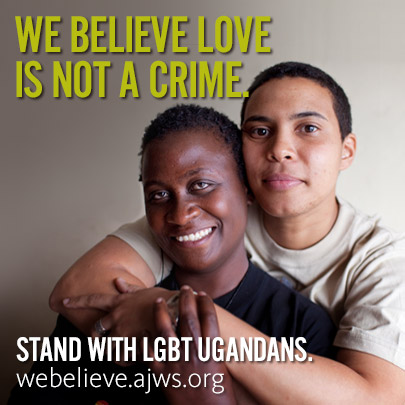
Demand a redirection of Swedish aid to Uganda!!!!

Image

This is a human rights challenge!!

Sweden prides itself on being a democracy that believes in equality and human rights. It is the Swedish brand, the Swedish identity and the Swedish discourse. Part of this self-image is embodied in the large amount of overseas aid Sweden provides to developing countries or nations in need. Rarely disputed, this money is taken as a natural redistribution of Swedish tax payers money in the name of solidarity and humanism.

In a true democracy, Swedish citizens, which I have become, should have a right to influence how this tax money-funded aid is divided and where it goes. In the light of this, I want to take a stand. A stand for humanism, for human rights and against one current Swedish aid policy.

I am talking about Uganda. Earlier this week, the Ugandan President signed a vile law outlawing homosexuality. The draconian law increases penalties for homosexual acts, including life imprisonment for ‘aggravated homosexuality’. One Ugandan politician justifed the law by saying that in fact they are being tolerant (as requested by the Pope) because ‘at least we are not massacring them’.

It might be convenient for us to look at Uganda and think that their laws don’t affect us. But it’s when the rights of minorities or the disenfranchised are at risk that we must stand up. Nobody is protected until we are all protected equally under the law. And one way for a nation to speak up is via aid programs.

Sweden provides 250 million Swedish kronor to Uganda in aid. Of that amount, approximately 85 million goes directly to the government – the same government that just signed the anti-gay law. Denmark and Norway have redirected its aid in protest of this new law but the Swedish government refuses to do so. They want to observe the situation first and see what happens. This weird neutrality, for me, contradicts directly with the Swedish brand of human rights and equality. I wonder if the Ugandan law had been targeted at Jews, white people or at a specific tribal group, if the Swedish government had reacted differently?

As a tax payer in Sweden, I do not support aid being provided to Uganda. I demand that the Swedish government redirects the aid currently donated to the Uganda government.

I encourage everyone write to Aid Minister Hillevi Engström – hillevi.engstrom@regeringskansliet.se or call her on 08-405 10 00 and demand an immediate redirection of aid from Uganda.

Also mail The Foreign office on utrikesdepartementet.registrator@regeringskansliet.se

Or why not the Foreign Minister Carl Bildt on carl.bildt@regeringskansliet.se

Please spread this blog onwards! Please share!!

Sweden 2014 – two hundred years of peace?

20131230-084644.jpg

So it’s soon the start of a new year – 2014. Another year of sublime and strange Swedish things.

Over Christmas the Swedish King mentioned something in his speech, something that is repeated in the media. For Sweden, 2014 marks the 200th year of peace. In 1814, Sweden signed a treaty with Norway thereby giving them independence. And Sweden, it is claimed, haven’t been at war since then. 200 years of peace is something that the media is proud of.

But hang on a minute. Sweden was ‘neutral’ in the Second World War, but still allowed German troops to cross the nation as they occupied Norway and the country sold iron to Germany for their weapon industry.

In 1961, Sweden was involved in the war in Congo, in the 1990’s in Bosnia and, as we speak, Swedish armed forces are active in Afghanistan and the Libyan Civil War.

Maybe it’s semantic, but is there actually any difference between being in a war and being at war?

Sweden’s Top 10 Most Handsome Politicians

It doesn’t come as a surprise that looks count in politics. We all know that PR people try to pimp their candidates so that they look more attractive and gain votes. We all know that, although politics is all about the issues, a winning smile doesn’t hurt. At the weekend, some friends and I designed a list of Sweden’s most handsome politicians. We came up with the Top Ten! This list is in no way objectively researched but purely the subjective reflections and objectifications of this little international group. So, here’s the list!

Position 10 – Tomas Tobé. Moderaterna Tomas_Tobe_0000149000

Position 9 – Erik Ullenhag, Folkpartiet
erik ullenhag

Position 8 – Christopher Fjällner, Moderaterna
christopher fjallner

Position 7 – Ardalan Shekarabi, Social Demokraterna
Shekarabi_Ardalan

Position 6 – Hans Lindberg, Social Demokraterna
hans lindberg

Position 5 – Gustav Fridolin, Miljöpartiet
gustav fridolin

Position 4 – Ali Esbati, Vänsterpartiet
ali esbati

Position 3 – Hampus Magnusson, Moderaterna
Hampus-med-Lars2

Position 2 – Hans Linde, Vänsterpartiet
02_Hans-Linde-192

Position 1 – Jan Eliasson, Social Demokraterna
jan eliasson

IKEA – part of the problem or the solution?

CSR

IKEA, the ultimate representative of Swedishness abroad, is currently in hot water. In their customer magazine, IKEA LIVE, they often present articles on people, the reason being to inspire and motivate their members to shop. The idea is that readers don’t just buy a piece of furniture, they buy a ‘Lifestyle’. In 26 countries, the latest IKEA magazine portrays a lesbian couple, Clara and Kirsty, in their home. In terms of representing the Swedish values of equality and tolerance, so far so good.

However, this report on Clara and Kirsty has been removed from the IKEA magazine that is circulated in Russia. IKEA defend their action by stating that they do not want to break the Russian anti-gay propaganda law, a law that has been criticised by the UN for breaking international Human Rights laws. IKEA also says ‘our job is to sell furniture in Russia’.

Many voices, including mine, have been raised in criticism of this action.

Who is it who can take a stand against discriminatory laws?
Who is it who can protect human rights?
Who is it who can lead by example?

In this economically-driven globalized world, it is the large, international corporations who can! IKEA can! If they wanted to. They are concerned that breaking the law may get them sued. I wonder how likely that actually is and even if being sued led to them being forced to remove the article portraying gay lifestyle, that in itself would be taking a stand.

But here is the real twist. Just because IKEA is Swedish do we expect them to represent Swedish values in general? Respect. Honesty. Egalitarianism. Solidarity. The bottom line is that IKEA is a business run purely for profit. Their job is to earn money for their shareholders by ‘selling furniture in Russia’. And, however cynical that may be, are we really surprised at their behaviour?

IKEA like many companies have a policy for Corporate Social Responsibility (CSR). In the light of these latest actions, their policy is a mockery:

‘The IKEA vision is to create a better everyday life for the many people. This includes doing what we can to help create a world where we take better care of the environment, the earth’s resources, and each other. We know this continuous improvement is a never-ending job, and that we are sometimes part of the problem. But we work hard to be part of the solution’.

Clearly in this case, IKEA is part of the problem. I would like to understand what they are doing to be a part of the solution.

Please LIKE and SHARE this post.

Throwing cakes in Swedish politics

jimmie cake

Yesterday evening I happened to be on Nytorget, a square in Stockholm, at the same time as the extreme right wing party, Sweden Democrats, were having a rally. Jimmie Åkesson, the leader of the party, which is gaining favour in Sweden, was signing his newly-released book and a queue of people were standing there to get their copies signed. There was a large group of anti-fascist demonstrators there chanting and protesting their opposition. The whole thing was monitored by armies of police and, despite this, one demonstrator managed to squeeze past security and throw a cake into Jimmie Åkesson’s face. Now, while I in no way condone the thowing of the cake, in fact I think it’s undemocratic and counter-productive, it is a sign of anger and frustration at the politics the Sweden Democrats are trying to enforce in Sweden.

On the way home, I walked past the now-deserted location of the demonstration and saw a lot of trampled flyers on the floor. I picked one up to read what message was being preached by this party. And I was struck by the excellent rhetoric, the smart marketing and the smooth packaging. I don’t care to repeat the message here as I don’t accept it, but needless to say the PR included in the flyer complained about the cost of immigration and appealed to the major concerned groups in society – to the sick, to the elderly, to families and those scared about crime and national security. At the same time, the material promotes ‘safety and tradition’ and the maintenance of the fallacious Swedish identity.

The effective rhetoric is remniscent of a time in the not-so-distance past and the success of the 1930’s Nazi party. Hitler was a clever rhetorician and had the ability to appeal to the masses and exploit their fears in order to gain power and introduce a disgusting politics. All over Europe today, other right-wing rhetoricians are manipulating the citizens and gaining power to implement cynical policies in their respective countries. And they are on the rise in Sweden.

For those of us who are against their xenophobic, homophobic and mysogynistic agenda, we can take a stand by exercising our freedom of speech and our democratic vote. Throwing cakes is not a way to win this argument, it just fuels the sympathy for them. The way to win is in dialogue, debate and discussion – with our parents, our colleagues, our children.