Swedish Advent – let the cosy season begin


It’s the first of Advent today, which is an atmospheric and almost romantic time in Sweden.

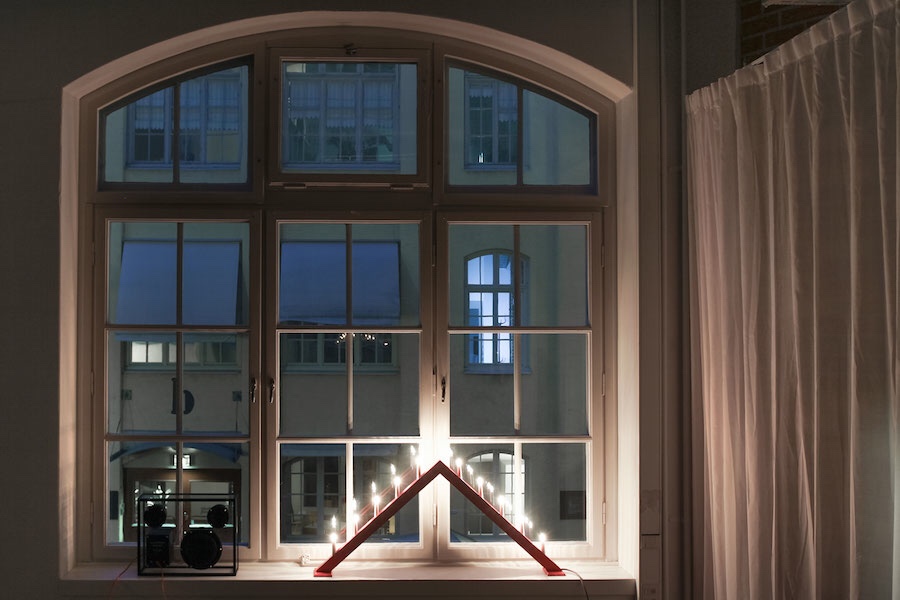
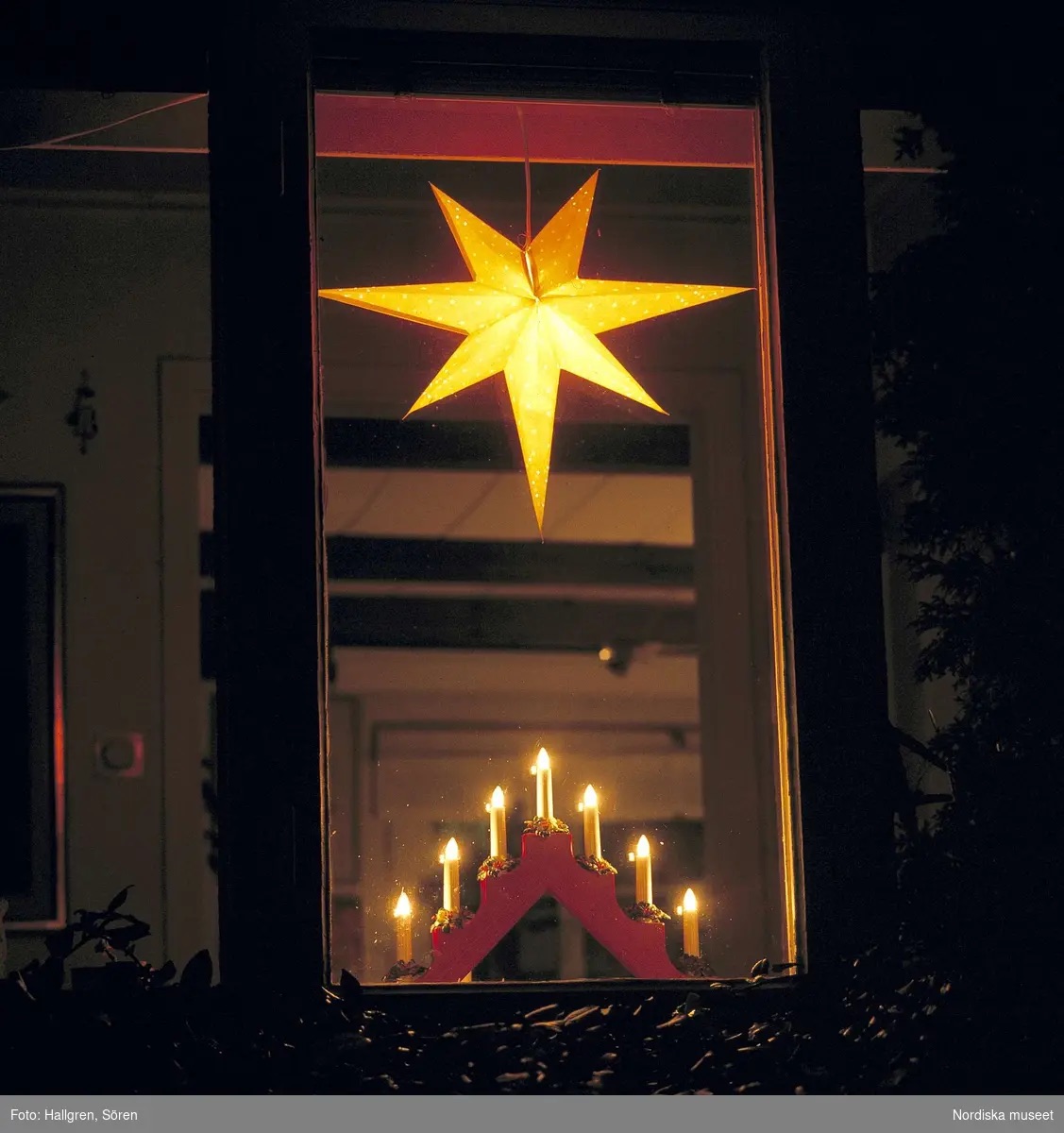
Swedes decorate their houses, apartments and windows with lights. From ceilings, illuminated stars are hung. On window ledges, electric advent candles are placed. On tables, four candles are positioned and one is lit every Sunday up until Christmas. Small candles, often red, are dotted about the home. People eat gingerbread and drink mulled wine. Some people go to an advent concert in their local church or concert house. I personally went to a very atmospheric and cosy concert in Stockholm’s City Hall yesterday.

Some years, there is already deepish snow at the first of Advent. But this year in Stockholm, it is warm, so there isn’t any. Instead, it is very dark. The collective advent decoration is a definite reprieve from this darkness as light is spread into these murky places.

The word ‘advent’ comes from the Latin ‘adventus’ which means ‘arrival’ and is traditionally the start of the period where we wait for the arrival of nativity, or Christmas. Some religions also see it as waiting for the second coming of Christ. But in this secular society that is Sweden, the waiting is probably for the snow to come, the cold to hit, the water to freeze to ice and for winter to clasp its fingers firmly around us.
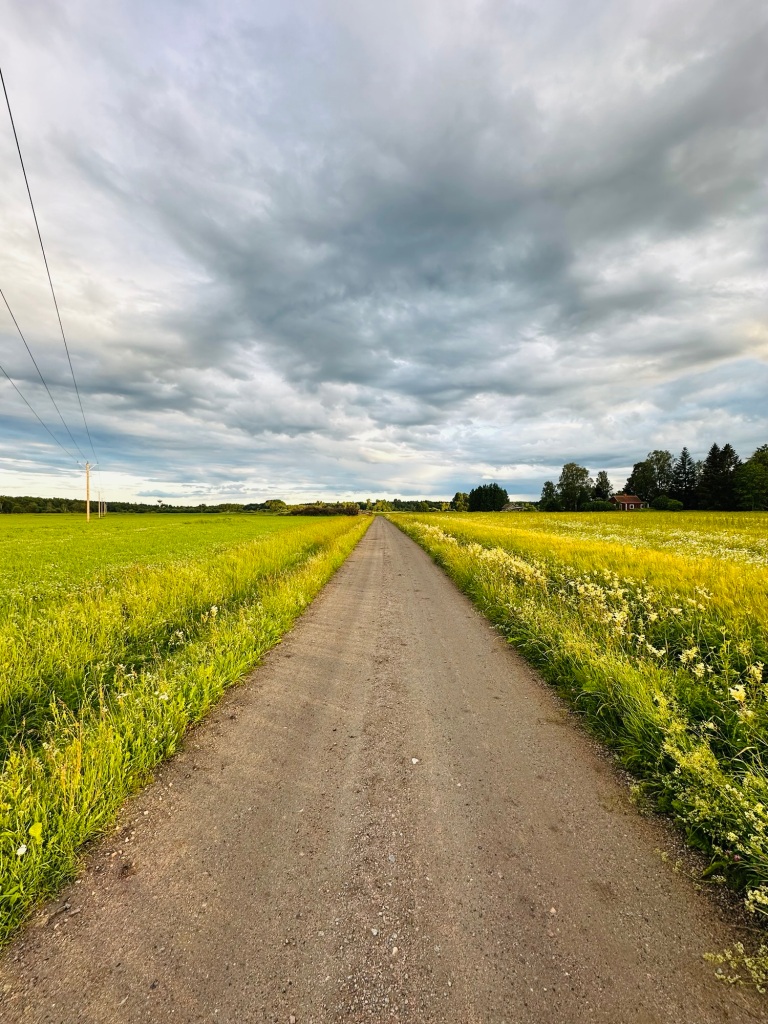
A rainy Swedish summer

While Southern Europe is experiencing temperatures over 30-40 degrees, Sweden is undergoing a cold, rainy summer. The sun is forecast to arrive tomorrow to many parts of the country for a few days, followed by more rain.

I guess we shouldn’t be surprised. Rain is a characteristic of a typical Swedish summer. In fact, the two rainiest months of the year across much of the country are July and August. (February being the driest).

Ironically, these are also the months that most Swedes take their holidays – because of the warmer temperatures, the lighter days and the school system.

So there’s nothing to do but lie on the sofa and read books, or play card games around the kitchen table while the rain smatters the windows. Alternatively, put on your wellies and go for a wet walk. Or go to IKEA, or for a coffee somewhere nearby. And wait until the sun shows its face, albeit temporarily, in the Swedish summer sky.

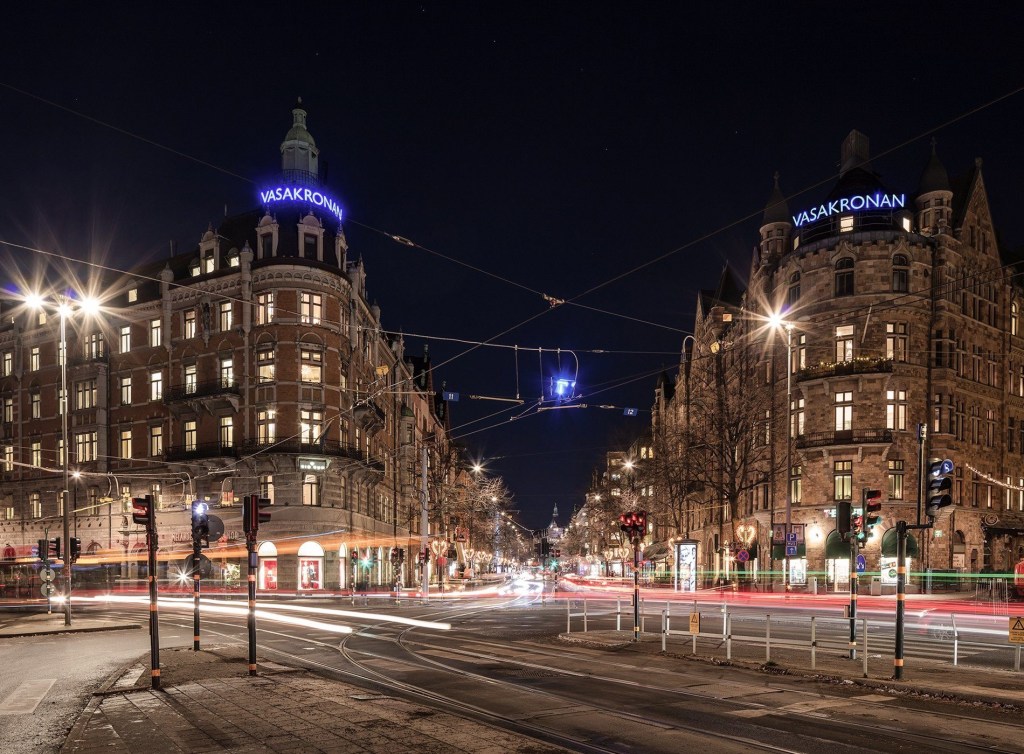
The streets and squares of Sweden: Birger Jarlsgatan

You can learn a lot about a culture from the names of its streets and squares. From heros, to events, and significant dates, you often find cultural concepts immortalised in the names the citizens choose to give their roads. This is my next series of posts – the streets and squares of Sweden.

First out – Birger Jarlsgatan, a major road cutting through the center of Stockholm. The word ‘gata’ means street.

But who then was Birger Jarl?

Birger Jarl was a Swedish statesman, and later regent, who played an important role in the consolidation of Sweden. He lived 1210-1266 and is attributed with the foundation of Stockholm. He was a significant character in Sweden’s history.

Not only is he commemorated with his own street, but he also has his own city square, decorated with a bronze statue of the man himself.

Additionally, Sweden’s most well known cenotaph – outdoors at the foot of the tower at Stockholm City Hall – was intended to hold his remains when it was built in 1923. However, the local parish in Vadstena refused to release them. So, the grand sarcophagus has remained empty – unlike the street that bears his name and is one of the busiest in the city.

Birger Jarlsgatan.

Swedish Advent


It’s the first of Advent today, which is an atmospheric and almost romantic time in Sweden.

Swedes decorate their houses, apartments and windows with lights. From ceilings, illuminated stars are hung. On window ledges, electric advent candles are placed. On tables, four candles are positioned and one is lit every Sunday up until Christmas. Small candles, often red, are dotted about the home. People eat gingerbread and drink mulled wine.

Some years, there is already deepish snow at the first of Advent. But this year in Stockholm, it is unseasonably warm, so there isn’t any. Instead, it is very dark. The collective advent decoration is a definite reprieve from this darkness as light is spread into these murky places.

The word ‘advent’ comes from the Latin ‘adventus’ which means ‘arrival’ and is traditionally the start of the period where we wait for the arrival of nativity, or Christmas. Some religions also see it as waiting for the second coming of Christ. But in this secular society that is Sweden, the waiting is probably for the snow to come, the cold to hit, the water to freeze to ice and for winter to clasp its fingers firmly around us.
Swedish Province flowers

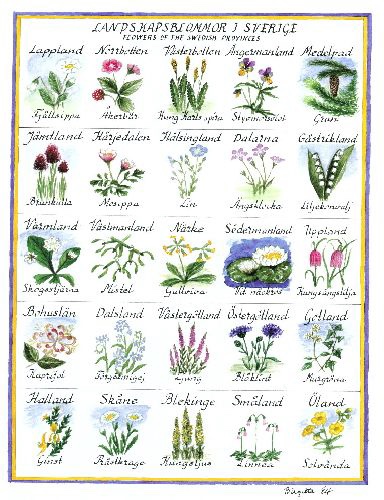
Since 1908, each of Sweden’s 25 provinces (landskap) has its own animal, coat of arms, flag and flower to define its identity.

Stockholm, for example, is on the border of two provinces – Uppland and Södermanland. The flower of Uppland is the beautiful ‘kungsängslilja’ (snake’s head fritillary). Södermanland has the floating ‘vit näkros’ (white water lily).

Other official provincial flowers include heather, daisy, honeysuckle, forget-me-not, lily of the valley, cowslip and, interestingly in Blekinge, they have the English oak.

Some provinces have been in disagreement for over 100 years on which flower to settle on – so they have two. To see the full list, go to the following link: http://www.ugglemor1.se/Hembygd/sweden-flowers.htm or https://swedesinthestates.com/swedens-provincial-flowers/

In 2021, Sweden’s new national flower was chosen in a public vote. The winner? The colourful and ubiquitous harebell, also known as the small bluebell (in Swedish Blåklocka’.)

I’m from County Durham in the UK, where we have the vivid spring gentian as our county flower. The UK national flower is, since the 1400’s, the Tudor rose.

What’s the national or provincial/county flower where you come from?

The Finnish island where everyone speaks Swedish

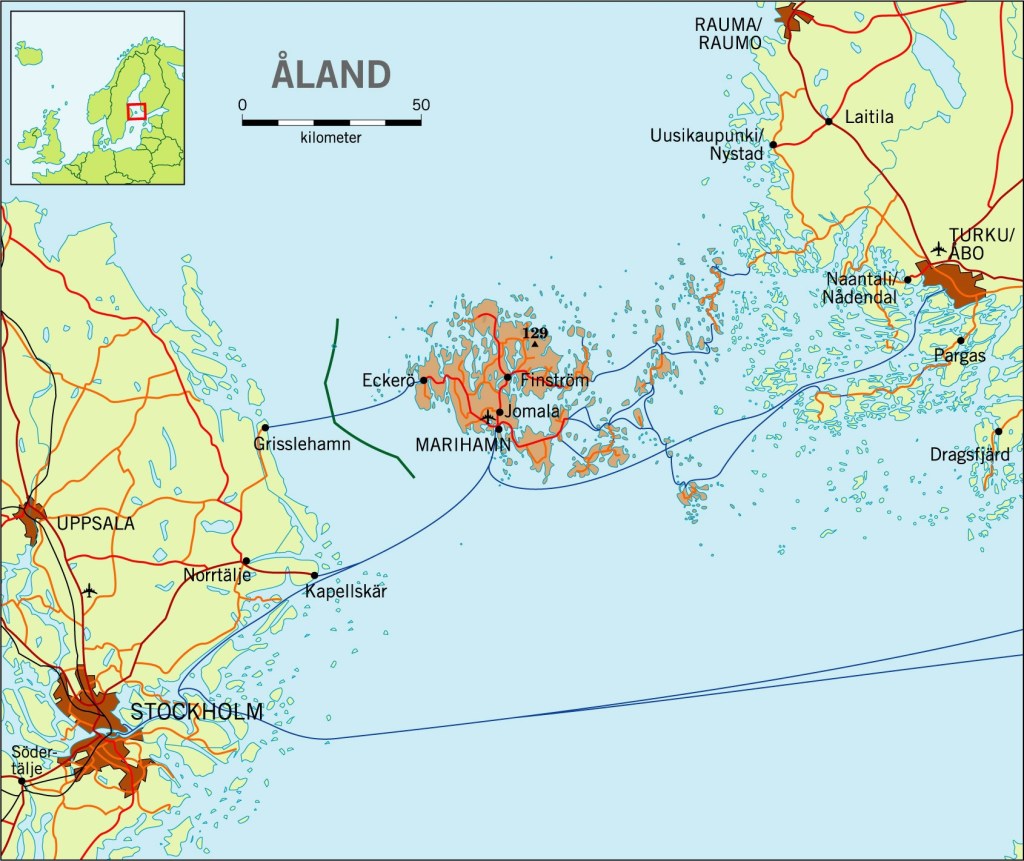
I am currently on an island in the Baltic Sea, at the mouth of the Bay of Bothnia. It is a Finnish island called Åland. The island is about 170 km from Stockholm and 160 km from Åbo in Finland. Åland consists of Fasta Åland on which 90% of the population resides and about 6,500 skerries and islands, of which 60–80 are inhabited. The capital city, where I am, is called Mariehamn where around 15,000 people live.

So how come the official language of Åland is Swedish?

The island was originally a part of the Swedish Empire, but has also belonged to Russia, France, Germany and Sweden again, before becoming a part of Finland. After much conflict, the League of Nations decided in 1920 that, although belonging to Finland, the island would be independent and self-governing. By law, Åland is politically neutral and entirely demilitarised, and residents are exempt from conscription. Åland was granted extensive autonomy by new legislation of the same name in 1951 and 1991. Åland remains exclusively Swedish-speaking by this act.

Speaking to the locals, the accent sounds like an interesting blend of Swedish, Finnish and Gotlandic (another Baltic island).

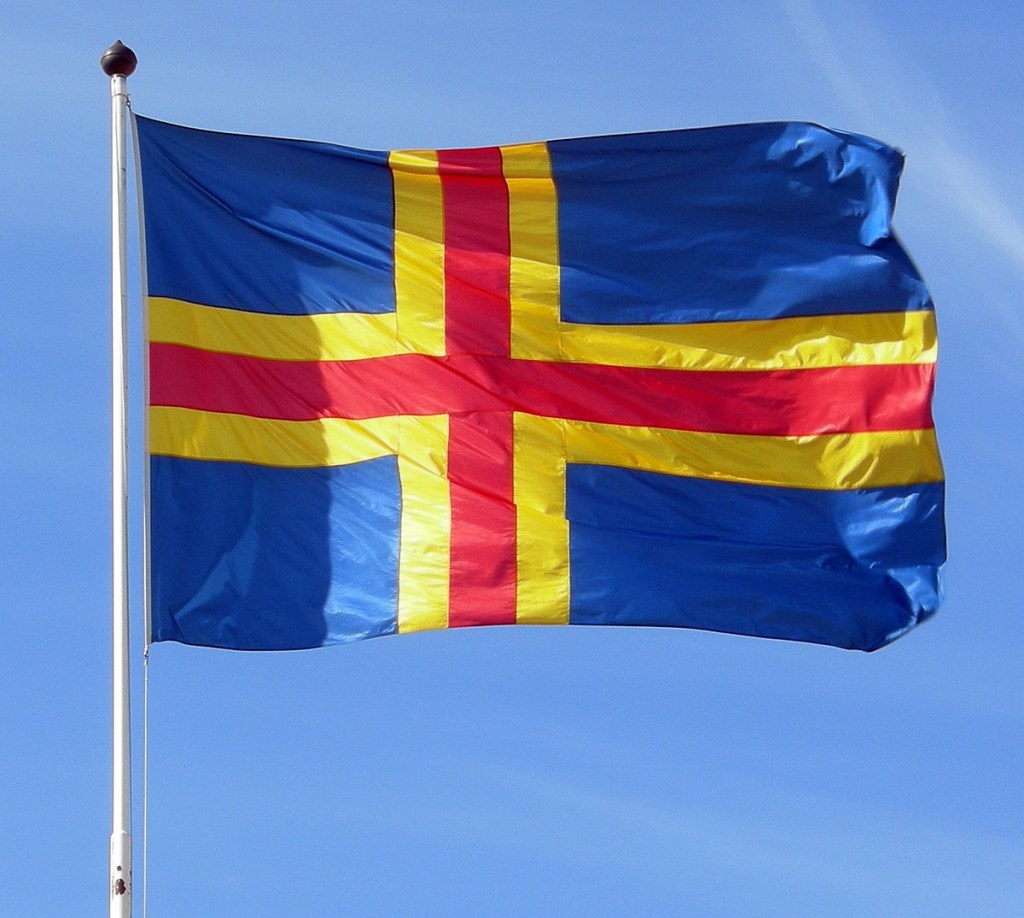
Åland, as an autonomous region, has its own parliament, police force, bank, postal service and flag. It is also a tax-free zone, and is a daily stopping point for ferries from Sweden and Finland where passengers are able to buy duty-free alcohol, tobacco and other goods. In fact, about 2 million people a year visit Åland, but usually only to switch boats. I have to confess this has been the way for me also. This trip is the first time I’ve actually ventured into the town and further onto this beautiful island.

Vasaloppet in Sweden – the world’s longest cross country ski race


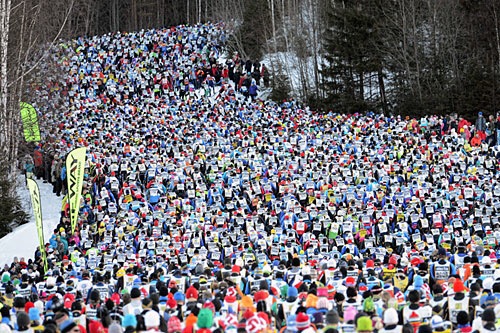
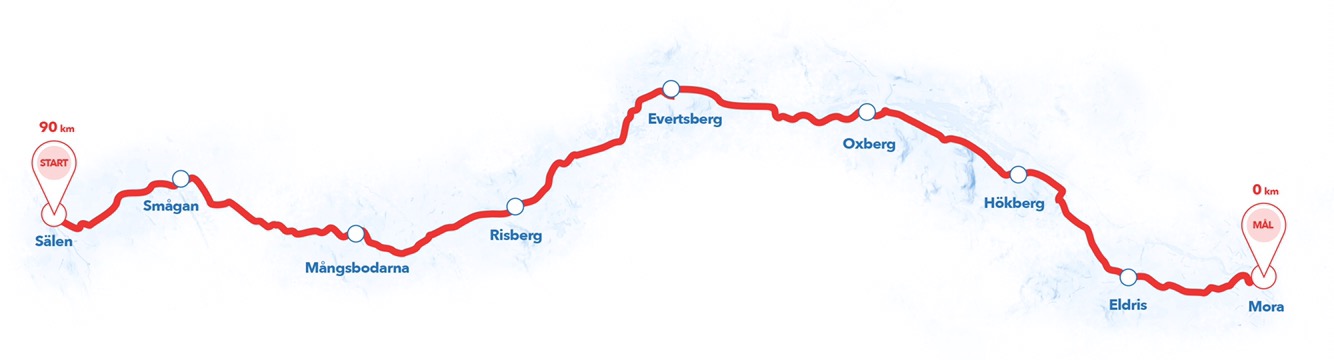
Today, the world’s longest cross country ski race takes place in Sweden. Called Vasaloppet, it entails the approximately 15,000 participants skiing 90 kilometers from start to finish. It’s an extremely popular international race which is broadcast live on tv. When tickets to participate are released, they usually sell out in 15 minutes – it’s that popular.

This year is the 99th occasion. The first Vasalopp was in 1922 and takes place annually, the first Sunday in March and it is a first sign of spring.  Normal participants can take up to 12 hours to complete the gruelling course, but the elite athletes do it in a comparatively speedy time of around 4 hours.

So why is this race called ‘Vasaloppet’? Well, it takes its name from a Swedish king. The race commemorates the escape to Norway, through the forest, of King Gustav Vasa in 1521. Legend has it that he carried out the long journey on skis, but experts believe he more likely completed this escape on snow shoes. Nevertheless, out of this legend sprung the race which is so popular today. ‘Vasa’ after the king, and ‘loppet’ meaning ‘the race’.

Modern day skiers don’t see the experience as an escape, they see it as a challenge and for many of them it’s a rite of passage.

And as you sit watching the TV comfortably from the sofa, with tea and toast, you take vicarious pleasure in this long, amazing Swedish race.

It is broadcast today from 7.30 on SVT ( Swedish TV). You can also check it out on the internet in the streaming service SVT Play.

World Book Day – and my book on Sweden

Today is UNESCO World Book Day, to celebrate books and promote reading. The 23 April is a significant day as it commemorates the death of many famous writers such as William Shakespeare, Miguel de Cervantes and Inca Garcilaso de la Vega.

Every year a World Book Capital is nominated. The first one, in 2001, was Madrid, Spain. This year it is Guadalajara in Mexico.

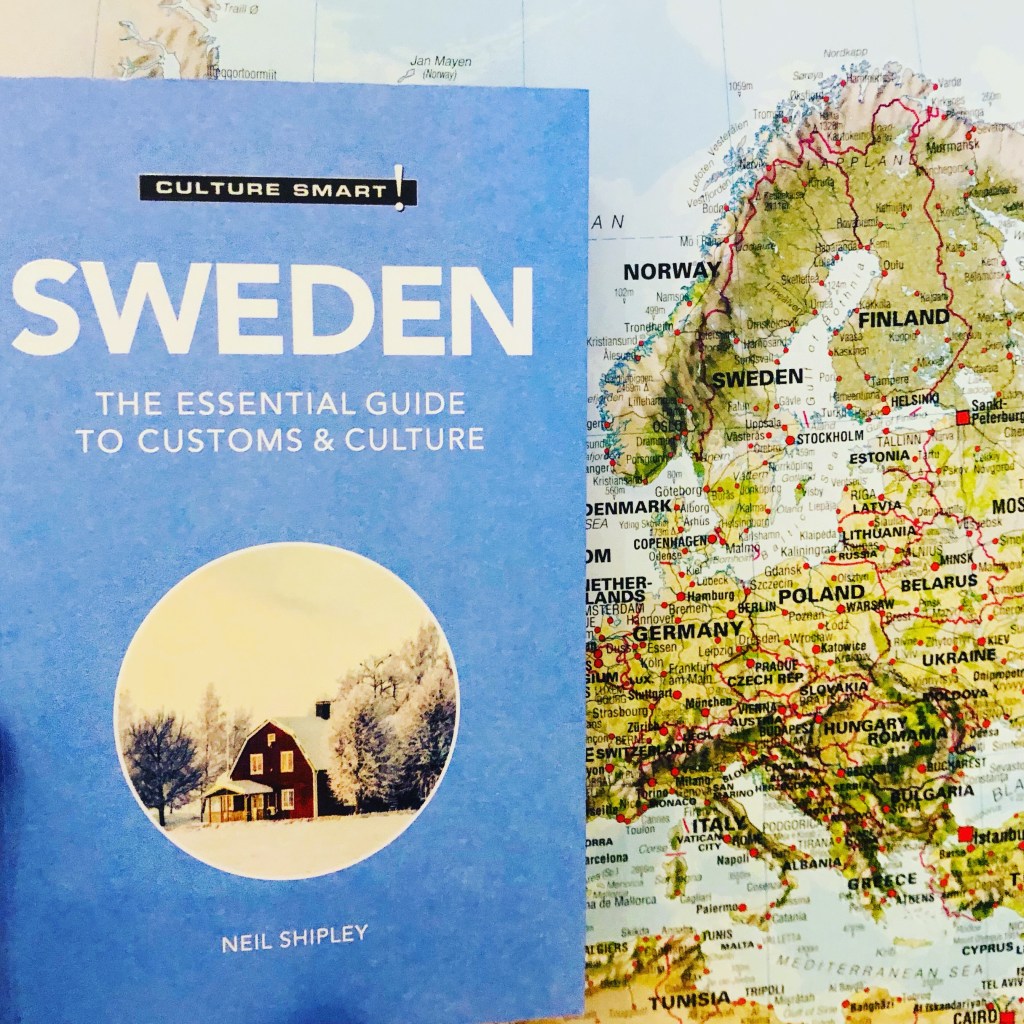
So today is a good day to buy a book, or to gift one. If you know anybody who is interested in learning about Sweden, or planning on visiting Sweden, then my guide book is a good match! I published it in 2021.

You can buy it on Amazon, Bokus, Akademibokhandeln and Adlibris amongst other online stores. Sweden, by Neil Shipley, published by Kuperard 2021. You can also buy it straight from the publisher at http://www.culturesmartbooks.co.uk

I still have a few copies left, so if you’d like to buy a signed copy, just let me know!

60 years of Sweden’s Sun film

Every Monday, once a week, from the beginning of the year until the Summer Solstice, the ‘Sun film’ is broadcast on Swedish TV. The film shows what time the sun goes up and down in Lund, Stockholm, Kiruna and Lycksele.

Fantastically retro, the film has been broadcast for almost 60 years.

And tonight, I recorded it for you….