A rainy Swedish summer

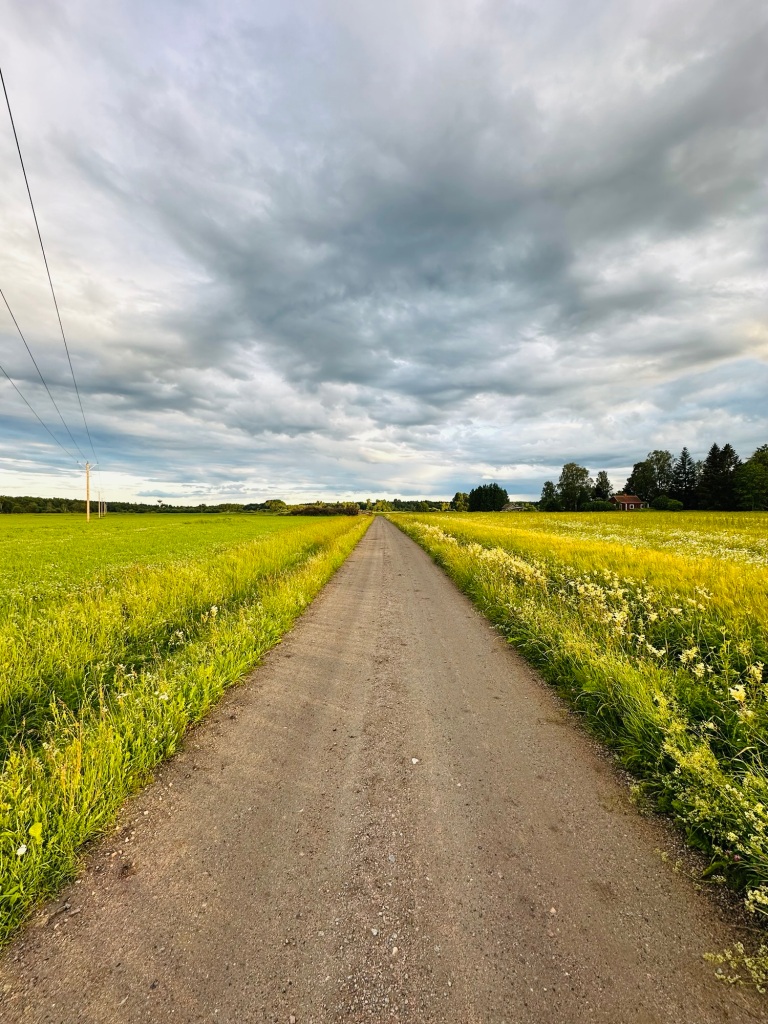
While Southern Europe is experiencing temperatures over 30-40 degrees, Sweden is undergoing a cold, rainy summer. The sun is forecast to arrive tomorrow to many parts of the country for a few days, followed by more rain.

I guess we shouldn’t be surprised. Rain is a characteristic of a typical Swedish summer. In fact, the two rainiest months of the year across much of the country are July and August. (February being the driest).

Ironically, these are also the months that most Swedes take their holidays – because of the warmer temperatures, the lighter days and the school system.

So there’s nothing to do but lie on the sofa and read books, or play card games around the kitchen table while the rain smatters the windows. Alternatively, put on your wellies and go for a wet walk. Or go to IKEA, or for a coffee somewhere nearby. And wait until the sun shows its face, albeit temporarily, in the Swedish summer sky.

Swedish Midsummer – food and drink

Swedish Midsummer celebrates abundance and as such, a great deal of food and drink is consumed. After guests arrive and have their first drink(s), the wreaths start to get made, the potatoes peeled, strawberries topped and the maypole gets decorated with flowers and leaves. Once erected, and danced around, it’s time for lunch.

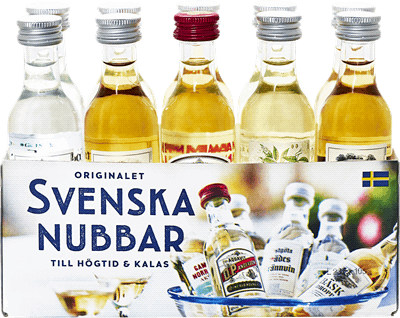
As far as drinking goes, ‘nubbe’, or snaps, is a common tipple accompanied by traditional drinking songs and washed down with beer. A popular brand of snaps is OP Anderson which is flavored with aniseed and fennel and is 40% proof. The drink has been around for 130 years on the market – the first snaps being sold in 1891! Another popular nubbe , the Danish Jubileums, is 40% proof and tastes of dill, coriander and bitter orange. There are also small-sized bottles than can be bought in fun packages that have a mixture of flavorings.

When it comes to the food, in the evening it has become popular in recent years to have a barbecue. But it is at lunch time when the traditional food is consumed, with a Midsummer smorgasbord (buffet).

On this buffet, it is common to find various types of pickled herring, soused herring, boiled new potatoes, gravlax with ‘hovmästare’ sauce, smoked salmon, Västerbotten cheese pie, crisp bread and mature cheese, chopped herbs, red onion, egg halves, ‘silltårta’ (herring cake), various sauces and mixes, fresh and smoked shrimps, fish roe.

As you can imagine, this food is very rich and fatty, which is why it is usually eaten together with the alcoholic snaps.

For dessert, the only thing to eat are Swedish strawberries and cream or a home-made strawberry cake. Anything else would be sacrilege. Some families also eat rhubarb pie.

After lunch, bolstered by the snaps, it’s usually time for garden games, a walk in the woods or a quick dip in the not-quite-yet-warm-enough lake or sea.

If the party lasts really late into the night, then there can also be a ‘vickning’. This is a ‘midnight meal’ designed to sober up drunk guests. It often includes some leftovers from the day, or can also be a very welcome hot dog. 🌭

50 Swedish words for snow

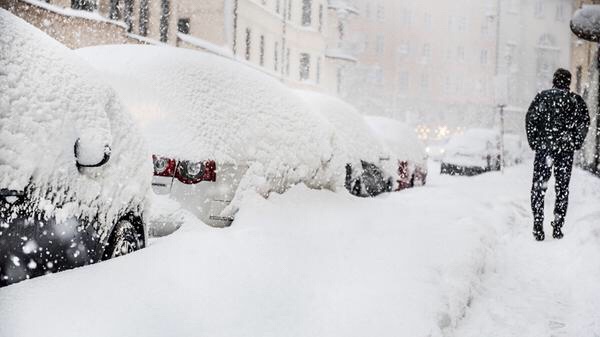
A massive amount of snow has landed on Stockholm over the weekend – and it is still tumbling down. So, I thought it’s worth sharing this list again.

Not surprisingly when living in a country where it snows a lot, people start to see differences and nuances in the type of snow, whereas in English the word might just be an unsatisfactory ‘snow’.

The Swedish language makes it easy to join words together to describe these nuances.

Here is a list of 50 Swedish words related to snow.

1) Blötsnö – wet, slushy snow
2) Drivsnö – snow that is blown into troublesome snow drifts
3) Aprilsnö – snow in April, according to superstition, signifies plenty of food for the coming season
4) Hårdsnö – compacted hard snow
5) Konstsnö – artificial snow
6) Kramsnö – squeezy snow, perfect for making snowballs
7) Julesnö – snow at Christmas
8) Klabbsnö – wet, warm snow for building snowmen
9) Kolsyresnö – frozen carbondioxide
10) Kornsnö – small white snow breadcrumbs
11) Lappvante – thick, falling snow
12) Lössnö – snow that can loosen and be dangerous
13) Majsnö – surprising and unwelcome snow in May
14) Modd – snow that has partly melted due to salt
15) Natursnö – real snow (as opposed to artificial)
16) Nysnö – fresh snow, crisp and white
17) Pudersnö – powder snow
18) Rekordsnö – an unusual amount of snow, breaking previous snow records
19) Slask – slushy snow mixed with rain and dirt on the ground
20) Snö – snow
21) Snöblandat regn – snow mixed with rain
22) Muohta – the Sami word for snow (it is said the Sami actually have 200 words for snow!)
23) Snörök – faint particles of snow that look like smoke
24) Yrsnö – snow being whipped around by the wind in all directions
25) Åsksnö – snow that pours down during a thunder storm

26) Snökanon – the word for the snow canon that creates artificial snow on ski slopes has also come to mean a sudden blast of snow that suddenly hits a place, and feels like snow has been dumped on you.

27) Jungfrusnö – virgin snow

28) Snösmocka – a huge amount of snow

29) Snötäcke – snow on the ground

30) Sjösnö – snow over the sea that can roll in over land

31) Snöfall – snow in the air

32) Flingsnö – snow with larger crystals

33) Skarsnö – a crispy surface on a blanket of snow

34) Packsnö – thickly packed snow

35) Pärlsnö – snow like small pearls that hurts when it hits your face

36) Snöglopp – wet snow mixed with rain

37) Spårsnö – snow that allows footprints to be formed

38) Fjöcksnö – a light, fluffy snow

39) Flister – snow the consistency of salt that stings the face when it falls

40) Flaksnö – a sheet of snow

41) Upplega – snow on the upper side of a tree branch

42) Firn – liquid-like snow that can initiate an avalanche

43) Fimmel – sandy snow that falls at low temperatures

44) Själja – a thin layer of ice on top of the snow that resembles glass

45) Knarrsnö – crispy snow that creaks when you walk on it

46) Snöfyk – wet snow

47) Torrsnö – dry snow

48) Månsilver – a poetic word to describe the dusting of snow

49) Snöis – snow on cold water that forms an icy solid surface

50) Stöp – a mixture of snow and ice resembling porridge that forms on top of cold water

So, let it snow! Let it snow! Let it snow!
Shitty Swedish Weather

I moved to Sweden in October 1994, and was due to return to the UK to visit family the following May. May 13th in fact. Exactly 25 years ago today.

I arrived at Arlanda airport in Stockholm to be informed that the plane was delayed due to bad weather. The weather was high winds and snow. SNOW! On May 13th! When I finally arrived in the UK, I arrived to a London basking in sunshine and its citizens walking around in T-shirts and shorts. As you can understand, I questioned my choice of moving to Sweden at that point.

Since then May 13th 1995 has held the shittiest weather record for me. Until today that is – May 13th 2020.

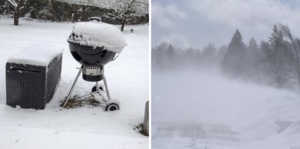
Last night it snowed. Tonight it is forecast to snow and be minus degrees. Today’s weather is a freezing drizzle. It’s even worse further north in the country. This sucks for May.

However maybe there is a positive side to this. I’m not sure what nature was saying 25 years ago, but today the message seems clear. The streets are mostly deserted and the cafe terraces are abandoned. This is surely nature’s way of telling us to stay the hell at home.

Bad Swedish summer

Last week I was in the Swedish county of Dalarna – where it was 3 degrees and hailed! That was extreme, but also fairly typical of this summer so far.

After last year’s mega warm and long summer, expectations were high for this year. These expectations have been crushed. Cold winds, low temperatures and rain have been the melody of summer 2019 and people are not happy.

There’s a great Swedish expression – ‘there’s no such thing as bad weather, only bad clothes’. I wonder how many people agree with that saying at the moment. Summers like this are filled with reluctant book-reading and crossword solving and not so much sunbathing and swimming.

I guess it’s early days still. The weather can change and August could be amazing. That’s what we all keep telling ourselves.

And that takes us to another great Swedish expression -‘Hope is last thing to abandon us’.

10 Swedish words about the climate

The new words that arrive in a language reflect the main topics of the time. Thanks to the environmental issues that have taken precedence over the years, a bevy of new words has entered the Swedish language. Here are 10 of the newest Swedish environment words:

  1. Klimatångest – ‘climate anxiety’ – a sense of worry about the state of the climate and the environment
  2. Klimataktivist – ‘climate activist’ – someone who campaigns and fights for environmental issues
  3. Flygskam – ‘flying shame’ – the sense of shame that comes when travelling in a plane
  4. Klimatsmart – ‘climate clever’ – living in a way that is beneficial to the environment and climate
  5. Klimatkompensera – ‘to climate compensate’ – the extra fee you can pay when booking a flight that goes to research and development of more ‘climate clever’ solutions
  6. Plogga – to jog and pick up trash at the same time (combination of the Swedish words ‘jogga’ and ‘plocka’ which means pick)
  7. Klimatkollaps – ‘climate collapse’
  8. Plastbanta – ‘to plastic diet’ – the process of cutting down or removing plastic products from your home
  9. Klimatskuld – ‘climate debt’ – the debt that developed countries have to Mother Earth due to the overconsumption of natural resources
  10. Klimatavtryck – carbon footprint – the impact each and everyone of us has on the climate and environment

Do you know any other words that should be on this list?

If you’d like to check your carbon footprint, go to http://www.klimatkontot.se where you can answer some questions and see the result. The test is in Swedish and English.

Please share this post in your channels.

Sleepless in Stockholm

We are rapidly approaching Midsummer and the nights are getting lighter and lighter. Here in Stockholm, it is still daylight at 10pm and it starts to get dark towards midnight. For 6 weeks or so, we experience so-called ‘white nights’, where the sun is below the horizon for less than 6 hours. This makes it bloody difficult to motivate yourself to go to bed and, once there, to get to sleep.

Mind you, this is nothing compared to the northern town of Kiruna in Sweden, where from the 27 May to the 16 July the sun never sets and they have months and months of white nights.

Have you ever seen the movie ‘Insomnia’ with Al Pacino? Based on a Norwegian film with the same name, he plays a cop from LA who goes to Alaska to solve a crime. As time goes on, he suffers more and more from insomnia due to the day-round light and starts to lose his grip on reality. This time of year, I start to feel a bit like Al Pacino.

On week days, when you need to get up for work, nights are spent battling with the bright chinks of daylight that pierce the window shades and shine like an aura around the bedroom door. Effective sleep time is reduced to a few hours and, heavy headed in the morning, you climb into the shower like a zombie to try to bring yourself to life.

So how to survive this period of sleeplessness?

There are a few options:

  • Black-out blinds – sold amongst other places for a reasonable price at IKEA
  • Blindfold – stolen amongst other places from airlines
  • Sheet over head – not very comfortable and rather sweaty
  • Brick up the windows – probably not approved by the local council, or the residents’ board
  • Rain dancing – to try to conjure up dark clouds to block out the daylight
  • Get up and do yoga – no, just kidding
  • Drugs – always an option, but can bring on a whole new set of problems
  • Lavender under the pillow – supposed to relax you, just makes me sneeze and the bedroom smell
  • Take your bedding to the windowless bathroom and sleep in the bathtub – effective but tragic

Or alternatively, just suck it up and enjoy the white nights as an exotic natural Scandi-phenomenon. Reassure yourself that thankfully you don’t live in Kiruna, or Alaska.

And finally, philosophically remind yourself that this too will pass – and all too soon it will be day-round darkness.

Ice, ice baby: 15 Swedish words for ice

Currently in the depths of winter, the Swedish landscape is covered in snow and ice.

I previously published a blog about 50 Swedish words for snow. So I became curious about how many words are there to describe ice.

I was surprised to find an enormous number of words. I guess it’s not so surprising for a Nordic country with so many lakes, rivers and waterways that there are many words to describe the different stages and shapes of frozen water.

Here are 15 of the words I found: 15 words for ice.

  1. Is – the standard word for ice
  2. Blankis – ice that shines like a mirror
  3. Nyis – ice that’s only a couple of centimeters thick and transparent
  4. Fast is – thick ice, often not transparent
  5. Issörja – when the air is cold but the water is moving, a kind of ice slop forms
  6. Tallrikis – plates of ice that form when above mentioned ice slop clusters together
  7. Pannkaksis- similar to tallriksis but formed when water with different amount of salt content meet each other
  8. Svallis – the kind of yellowish ice that freezes on mountainsides or rocky walls
  9. Drivis – large pieces of ice that float on the water and are driven by wind
  10. Isflak – a large, loose sheet of ice floating on water
  11. Rutten is – literally ‘rotten ice’, the first stage of thawing ice
  12. Skruvis – when thin ice layers itself on top of each other, like filo pastry.
  13. Istapp – icicle
  14. Svartis – black ice on the ground
  15. Glattis – an evenly compact layer of ice on the ground

What other words for ice do you know?

Follow me on Instagram! Watchingtheswedes!

A young Swedish hero who puts us to shame

Unless you’ve been living under a rock for the last decade, the imminent threat of climate change can not have escaped you. Many people the world over are concerned, if not terrified, about the future of our planet. The word ‘klimatångest‘ has popped up in the Swedish language – climate anxiety – to reflect the growing stress people are feeling as the weather changes and the earth burns.

In contexts of concern, unlikely heroes often rise up, and many of them are women. Women who sit in the white section of the bus, women who attack neo nazis with their handbags, women who protest school shootings in USA, women who bite back against haters and mysogynists on social media. Women who take no shit.

Such a young woman is the Swedish climate activist Greta Thunberg. At 16 years old, she has made headlines for her bravery, her directness and the fact that she calls us out – the older generations who are failing her generation. Currently in the snow topped village of Davos, she is attending the World Economic Forum. She attacked, in a speech, the wealthy who continue to earn money at the expense of the earth’s resources. She criticised them for flying in on private jets instead of travelling the train, as she did, for 30 hours. It was like seeing David defeat Goliath. Listening to her, the powerful audience gave a weak, unconvinced round of applause. It’s clearly uncomfortable to be called out by a 16 year old Swede.

What’s amazing about Greta Thunberg is her conviction and her single-mindedness. She puts it down to her Aspergers diagnosis saying she can focus on what’s important instead of focusing on the ‘social game that seems to be so important for so many people’.

It’s wonderful to watch her, and listen to her as she continues to tear a hole in the establishment with her wit and uncompromising fierceness. And it’s a reminder that we don’t need to look to our elders to find inspiration. It can certainly be found by looking at the generations behind us. Tomorrow’s heroes are there. They want change and they have a sense of urgency.

Greta Thunberg wants us to act as if the house is on fire.

Because, in her words, the house is on fire.

Sweden’s longest night

winter solstice

Today, Friday Dec 21st is the longest night for people in Sweden and the rest of the northern hemisphere. At this time of year, it doesn’t get much darker than this. In Swedish, there’s an expression – now we’re moving towards brighter times – and it’s really relevant today, as from tomorrow the amount of daylight will gradually extend until June.

The winter solstice is the official start of astronomical winter, and this year it will be extra special. The winter solstice marks the exact moment each year when the Northern Hemisphere reaches its greatest possible tilt away from the sun, according to National Oceanic and Atmospheric Administration. It signals the beginning of winter in the Northern Hemisphere and the summer season in the Southern Hemisphere.

But this year, the solstice isn’t the only celestial show in the coming days. A full moon known as the Cold Moon will take place on Saturday. The moon will appear full for a few days. However, it is the first time it coincides with the winter solstice since 2010. It won’t occur again until 2094, by which time most of us will be dead. In addition to the full moon, a meteor shower will take place on Friday and Saturday nights, according to NASA.

So it might be dark and dreary outside, but look up to the sky. You might just witness something spectacular – and I don’t mean Santa and his sleigh.