Watching the Swedes Advent Calendar – Dec 8: Ernst

Welcome to the Watching the Swedes (WtS) Advent Calendar. Every day, I will open a window containing a Swedish word that has something to do with Christmas and the festive season.

Today’s word is ‘Ernst‘ which translates as, well… Ernst.

What on earth is an Ernst you might wonder? Well, the question should rather be ‘who’ is Ernst. Ernst Kirschsteiger is a person who, by many, is considered to be Mr Christmas in Sweden. He is a very popular interior designer who currently has a TV program called Ernst’s Christmas.

In his program he simply explodes festive spirit. He decorates and bakes and creates. He wallpapers and chisels and hammers. He sews and paints and he crafts. I would describe his design ethic as a nature-oriented retro scandi chic. He has a poetic, philosophical attitude to interior design coupled with practical solutions. This week he made, for example, Christmas decorations out of mandarin peel and wire and inspired us with a wreath of dried garden flowers, moss and brussel sprouts.

Some people find him very cheesy and goofy but he has definitely cornered the market on Christmas coziness. Many viewers see him as the idea of male perfection – a sensitive man who cooks, builds and decorates the home – all wrapped up in one sweet Christmas treat.

Since his tv debut in 2000, Ernst Kirschsteiger has grown to be a phenomena who only needs referring to by his first name, like Cher, Madonna and Prince. So popular is he that a book of his quotes and poetic wisdoms called ‘Ernstologi’ was released in 2006 and became a popular Christmas present that year.

If you want to witness the phenomena (in Swedish however), watch this YouTube clip and enjoy!
Watching the Swedes Advent Calendar – Dec 7: Julskinka

Welcome to the Watching the Swedes Advent Calendar. Every day, I will open a window containing a Swedish word that has something to do with Christmas and the festive season.

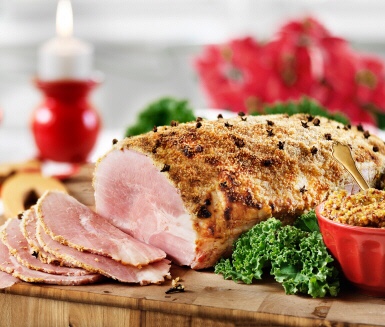
Today’s word is ‘Julskinka‘ which translates as ‘Christmas ham’ and is pronounced yule-hwinka (ish).

In the UK, I grew up eating roast turkey at Christmas. But in Sweden, it’s the ham that counts!

Swedes have been eating Christmas ham during the festive season since the 1800’s and many people consider it an obligatory part of the Christmas meal. Traditionally the cured ham is oven baked or boiled before it is coated in mustard and breadcrumbs and grill roasted. Here is a recipe.

The ham is often eaten with mustard and apple sauce. And the cold leftovers are eaten for days afterwards.

Many people these days don’t eat meat, and there are plenty of veggie alternatives to the julskinka from soya and Quorn hams to roasted cauliflower heads.

WtS Advent Calender Dec 6: Julmarknad

Welcome to the Watching the Swedes (WtS) Advent Calendar. Every day, I will open a window containing a Swedish word that has something to do with Christmas and the festive season.

Today’s word is ‘Julmarknad‘ which translates as ‘Christmas Market’

A popular recurring event during the weeks leading up to Christmas in Sweden is the Julmarknad – the Christmas Market.

Christmas markets are a very cosy affair. Here you can walk around and enjoy the smell of glögg and roasted chestnuts. You can listen to the sound of Christmas carols echoing through the air. You can bathe in the lights and decorations strewn around the marketplace. And you can see traditional handicrafts and locally produced goods on sale, such as scarves, hats, festive food and decorations. If you’re lucky, snow is tumbling down and crunching under foot.

Christmas markets have been around in Sweden since the 1800’s and take place up and down the country on town squares, in gardens, in museums, farms, barns, greenhouses, castles, garden centers and stately homes.

For a list of some recommended markets, check here.

WtS Advent Calendar Dec 5: Julmust

Welcome to the Watching the Swedes (WtS) Advent Calendar. Every day, I will open a window containing a Swedish word that has something to do with Christmas and the festive season.

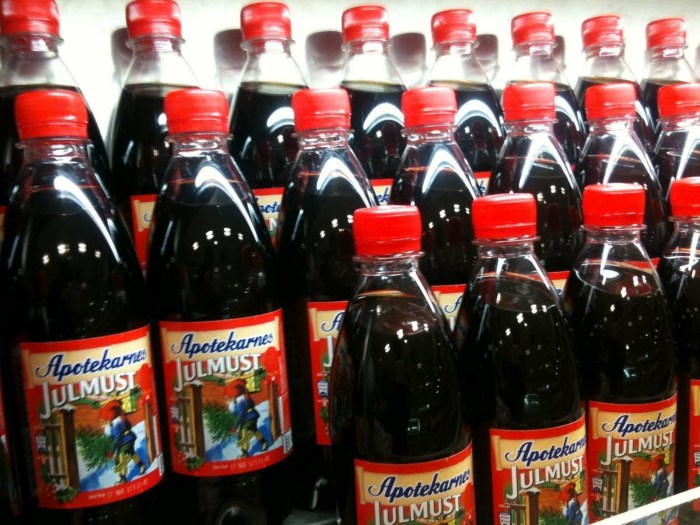
Today’s word is ‘Julmust‘ which is a fizzy Christmas beverage.

I would venture to say every Swede likes to drink at least one glass of julmust at Christmas. However, according to statistics it is even more! Apparently Swedes drink an average of 5 litres per person of the fizzy drink during December. The alcohol-free soft drink is bought in bottles at the supermarket and comes in different sizes, fully sugared and also in a diet form.

Said to include over 30 ingredients, its actual recipe is top secret, only known to three people. Despite all the cloak and dagger stuff, the connoisseur can detect the flavour of hops and malt. The taste is reminiscent of the old-fashioned ‘Dandelion and Burdock’ drink for those of you that understand that British reference.

Julmust was invented by a teetotaler and sales began in 1910 as an alternative to ale and port. Although intended to be alcohol-free, the drink is often blended into Christmassy cocktails or mixed with porter or stout and other ingredients to create a Christmas drink called Mumma.

I have even drunk it mixed with red wine – a so called Kalimusto. I recommend trying the experience – although it actually is a fairly unpleasant one!

WtS Advent Calendar Dec 4: Julkalendern

Welcome to the Watching the Swedes (WtS) Advent Calendar. Every day, I will open a window containing a Swedish word that has something to do with Christmas and the festive season.

Today’s word is ‘Julkalendern‘ which translates as ‘Christmas Calendar’

Julkalendern is a television series broadcast on Swedish TV every day in December leading up to Christmas Eve. It is a popular and heavily-anticipated program that children and adults traditionally watch at 7.15 in the morning (or on line). Typically each episode is 15 minutes long, and every year there is a new story.

The first Julkalendern was broadcast in 1960 and was called ‘Titteliture’. In 2016, a competition was held to vote for the all-time favourite Julkalendern. It was won by a series called ‘Sune’s Christmas’ (1991) followed by ‘The Mystery at Greveholm’ (1996), ‘Time of the Trolls’ (1979) and ‘The old woman who shrunk to the size of a teaspoon’ (1967).

This year, the series is called ‘Panic in Santa’s workshop’ and stars many popular Swedish actors. And according to the latest statistics, it has already broken the viewing records of previous years. It has caused some controversy, which is not unusual, with parents complaining about the suitability of the content for children.

But controversy and complaints aside, Julkalendern endures as a self-evident and undeniable part of the Swedish lead up to Christmas.

See the program here.

Advent Calendar Dec 3: Gävlebocken

Every day, I will open a window containing a Swedish word that has something to do with the festive season.

Today’s word is ‘Gävlebocken‘ which translates as ‘The Gävle Goat’.

This strange tradition takes place in the Swedish town of Gävle. Every year, a giant handcrafted straw goat is built on the town’s Castle Square. And almost every year, it gets burned to the ground by a pyromaniac.

One year, it was even burned down before its inauguration. Consequently, the local authority have increased security and have managed to prevent the burning for the last three years.

The symbol of the goat is a traditional Christmas decoration in Sweden, called a ‘julbock’ – a Christmas goat. Usually made of straw, a goat is placed under the Christmas tree or small goats are hung from the branches. The symbol of the goat has ancestry in Scandinavia far back in Nordic mythology and, up to the 1800’s, it was the goat who brought presents during the festive season. A kind of precursor to Santa Claus.

So although the Christmas goat has endured for centuries, it remains to be seen if the Gävle goat survives until the New Year.

161 years old today!

If Selma Ottilia Lovisa Lagerlöf was alive today, she would be celebrating her 161st birthday.

Born 20 November 1858, Selma Lagerlöf was a Swedish author, publishing her first novel, ‘Gösta Berling’s Saga’, at the age of 33. She is considered to be one of Sweden’s most significant writers throughout history.

She was a woman of firsts. She was the first female writer to win the Nobel Prize in Literature, which she was awarded in 1909.

Additionally, she was the first female to be granted a membership in The Swedish Academy in 1914 – the famous literary committee that selects the Nobel prize laureate amongst other things.

She wrote prolifically – mostly novels, religious texts and short stories. Other than ‘Gösta Björlings Saga’, her most famous works are probably ‘Jerusalem’, ‘The Treasure’ and ‘The Wonderful Adventures of Nils Holgersson’. The latter has been translated into over 30 languages.

Selma was a politically active woman – involved as a speaker for the Swedish Suffragette movement, and herself living in a controversial same sex relationship. She was also a vocal anti-nazi.

The house where Selma Lagerlöf was born on 20 Nov 1958, grew up and later lived is today open to the public as a museum. If you’d like to visit, it’s in the county of Värmland and can be checked out at Mårbacka

20 Swedish words for rain

It feels like it has rained for ever in Stockholm. We awaken to rain, we walk in the rain, we come home in the rain, and we go to bed to the sound of the rain.

I guess the wetness is positive as it is replenishing the water magazines that have dried out, and soaking the forest beds to extinguish any lingering embers from the forest fires.

But it is so boring and a bit depressing. In English, we have lots of words for rain, with some fun ones such as drizzle, mizzle, sleet, spit and ‘ache and pain’.

So I became curious about how many Swedish words there are. Here are 20 that I found:

  1. Regn – rain
  2. Duggregn – a light rain, spit
  3. Dusk – drizzle
  4. Snöblandad regn – rain mixed with snow, sleet
  5. Hällregn – heavy rain, pouring down
  6. Ösregn – torrential rain
  7. Skyfall – sudden heavy rain, a cloud burst
  8. Skur – shower
  9. Störtregn – heavy rain, a downpour
  10. Skval – constant, uninterrupted rain
  11. Sommarregn – light, summer rain
  12. Regnby – rain shower
  13. Slagregn – heavy rain, a deluge
  14. Glopp – rain with large snow flakes in
  15. Arlaregn – refreshing morning rain
  16. Strilregn – steady rain
  17. Nederbörd – precipitation
  18. Dagsregn – precipitation
  19. Regndroppe – rain drop
  20. Rotblöta – a large amount of rain, usually in the summer

So the next time, look out of the window and see what word best describes the rain outside. It might at least give you a few seconds of distraction in this November drudge.

Sweden’s most common surnames

Surprisingly there are 9 people in Sweden who have the same surname as me. I’m very curious to know who they are.

According to the Swedish Statistics Bureau, which surnames are then the most common in Sweden? Any guesses?

Here is the latest top 10 list from 2018:

  1. Andersson
  2. Johansson
  3. Karlsson
  4. Nilsson
  5. Eriksson
  6. Larsson
  7. Olsson
  8. Persson
  9. Svensson
  10. Gustafsson

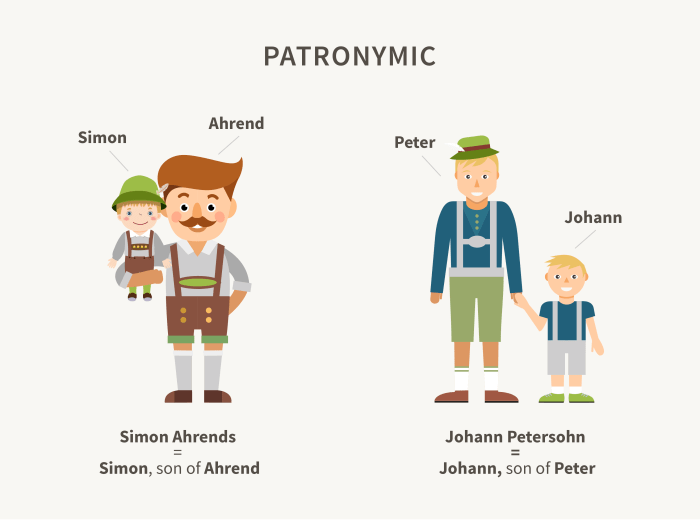
Notice a pattern?! In fact, the first name that doesn’t end in the patronymic ‘son’ is the name Lindberg which lands in 17th position.

Interestingly there are a few more ‘sons’ after that and then Lindström, Lindqvist and Lindgren are the next ones. So ‘Lind’, which is a small tree, is also very common.

The first ‘non-Swedish’ name on the list is Ali, which lands in 44th position.

If you’re interesting in knowing about your name, go to scb and check it out under ‘namnstatistik’.

What does it mean to be Swedish?

SWEDEN

I was born in the UK and I am proud to live in Sweden and I am proud, and fortunate, to have received Swedish citizenship. This is a country that, in my mind, builds on equality and solidarity. This a country that tries to do the best for its people. This is a country that stands up and does the humane thing, even in difficult circumstances. I wouldn’t want to live anywhere else.

I try to look at the world with open eyes. Sweden, like all other countries, has its problems: an ageing population and an expensive welfare state, challenges of integration and inclusion, social problems, unrest and crime. Of course this exists. To claim these didn’t exist would be naive. And of course crime should be fought. But I truly believe that Sweden can solve these issues. And I truly believe that the way forward is the continued path of openness and solidarity. Not fear and defensiveness. Not nationalism. And not lies.

I am proud to be Swedish and live in Sweden. And I am patriotic. But being a Swede is not about eating meatballs, or herring, or chocolate balls, or flying the flag or singing the national anthem. And it is not about being blonde or blue-eyed.

What does it mean to be Swedish then (to me)?

  • Swedes take in thousands of people in their direst need
  • Swedes help people survive war and starvation
  • Swedes lead the way  in social and humanitarian issues
  • Swedes do not criminalize poverty
  • Swedes flourish in a diverse and multicultural society
  • Swedes stand up for human rights and equality between men and women
  • Swedes believe in self-fulfillment –  you can be whoever you want to be
  • Swedes respect children
  • Swedes believe in self expression and the right of free speech
  • Swedes understand the work life balance
  • Swedes cherish the environment

In my mind, this is what it is to be Swedish. These are the very things that brought me to Sweden and made me fall in love with the country and its residents.

This is my call to action. Do not buy into the lies and falsehoods that are spread about this country. Do not buy into the fearmongering of power-hungry conservative politicians. Do not buy into the nationalistic rhetoric.

On social media, on the streets and in your life, question the source of all information. Challenge racism. Do not just swallow the bullshit. And whenever you disagree, stand up and be a proud Swede!

Have no fear – the Swede is here!