Window 6: Today’s word is ‘Julmarknad‘ which translates as ‘Christmas Market’
A popular recurring event during the weeks leading up to Christmas in Sweden is the Julmarknad – the Christmas Market.
Christmas markets are a very cosy affair. Here you can walk around and enjoy the smell of glögg and roasted chestnuts. You can listen to the sound of Christmas carols echoing through the air. You can bathe in the lights and decorations strewn around the marketplace. And you can see traditional handicrafts and locally produced goods on sale, such as scarves, hats, festive food and decorations. If you’re lucky, snow is tumbling down and crunching under foot. The whole thing feels like being momentarily caught in a giant snow globe.
Christmas markets have been around in Sweden since the 1800’s and take place up and down the country on town squares, in gardens, in museums, farms, barns, greenhouses, castles, garden centers and stately homes.
This year, Christmas markets are back with a vengeance after last year’s Covid restrictions. But remember, even if you are outdoors and even if it’s cold – keep your distance.
In Stockholm, the most popular markets are in Skansen and on the main square in the Old Town. The Royal Palace of Drottningholm and Taxinge Castle outside Stockholm are also popular, as is the small picture-postcard town of Sigtuna about an hour north of the capital.
In Gothenburg, the market at Liseberg is a popular experience and in Malmö head to the market on Gustav Adolf Square.
Every day, I will open a window containing a Swedish word that has something to do with Christmas and the festive season.
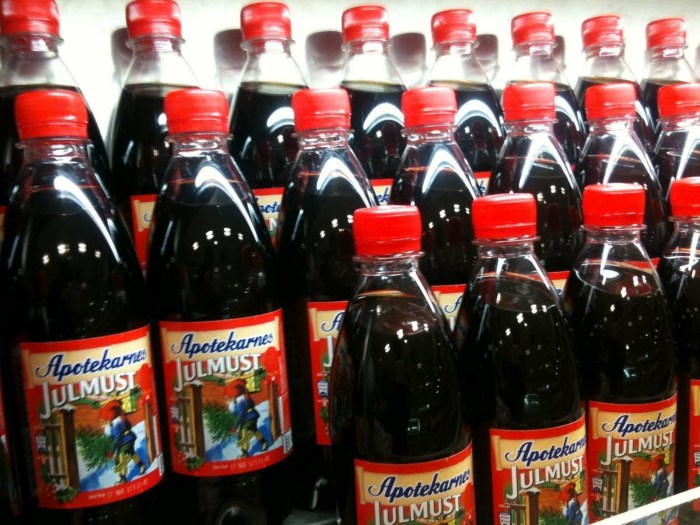
Today’s word is ‘Julmust‘ which is a fizzy Christmas beverage.
I would venture to say every Swede likes to drink at least one glass of julmust at Christmas. However, according to statistics it is even more!
Apparently, Swedes drink an average of 5 litres per person of the fizzy drink during December. The alcohol-free bottled soft drink comes in different sizes, fully sugared and also in diet form.
Said to include over 30 ingredients, its actual recipe is top secret, only known to three people. Despite all the cloak and dagger stuff, the connoisseur can detect the flavour of hops and malt. The taste is reminiscent of the old-fashioned ‘Dandelion and Burdock’ drink for those of you that understand that British reference.
Julmust was invented by a teetotaler and sales began in 1910 as an alternative to ale and port. Although intended to be alcohol-free, the drink can be mixed with gin, vodka, rum or Jägermeister to make Christmassy cocktails. When blended with porter or stout and other ingredients, it creates a classic Christmas drink called Mumma.
I have even drunk julmust mixed with red wine – a so called Kalimusto. I recommend trying the experience – although it actually is a fairly unpleasant one!
If you live outside of Sweden and want to try julmust, head to your nearest Ikea! Called Vintersaga, they sell the beverage in 500ml bottles.
Every day leading up to Christmas, I will open a window containing a Swedish word that has something to do with the festive season.
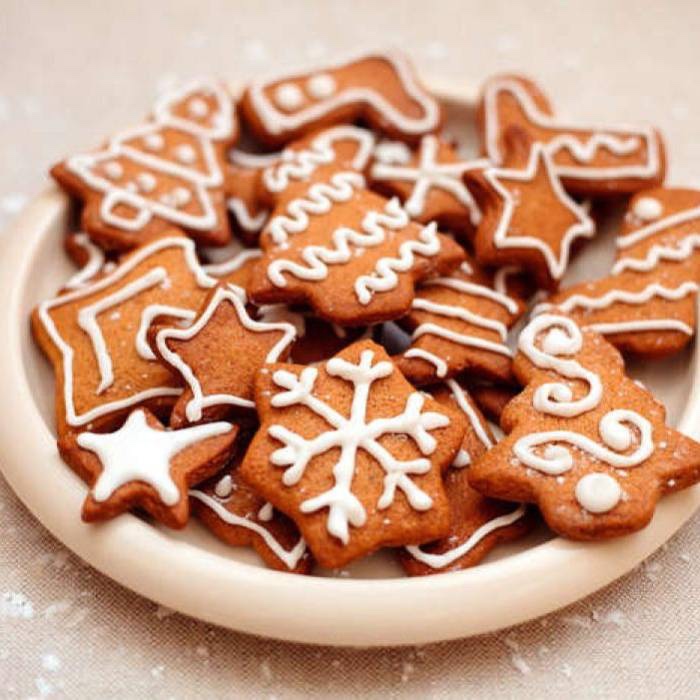
Today’s word is ‘pepparkaka‘, which translates as gingerbread.
Other than glögg, nothing else is more synonymous with the Swedish festive season than pepparkaka (gingerbread).
The Swedish version of gingerbread comes in the form of thin crispy biscuits flavoured with cinnamon, cardamon, ginger and cloves. Formed in different shapes such as hearts, trees, and stars, gingerbread is eaten plain or decorated with icing. Many people buy squeezy blue cheese in a tube and squirt it onto the biscuit before consumption. Some people build gingerbread houses as part of their Christmas decorations.
Making your own pepparkaka is a cosy a Christmas tradition – here is a typical recipe. However, most people buy their gingerbread ready-made.
Pepparkaka has been associated with Christmas in Sweden since the 1800’s but was eaten much earlier than that. The first documented record of pepparkaka in Sweden is from 1335 for a royal wedding. In a recipe from the 1400’s, gingerbread included pepper, which could be why it has the name pepparkaka. But nobody is really sure.
Ever wondered why Swedish people are so nice? Well, the answer lies in an old myth – apparently the very eating of pepparkaka is what makes you nice.
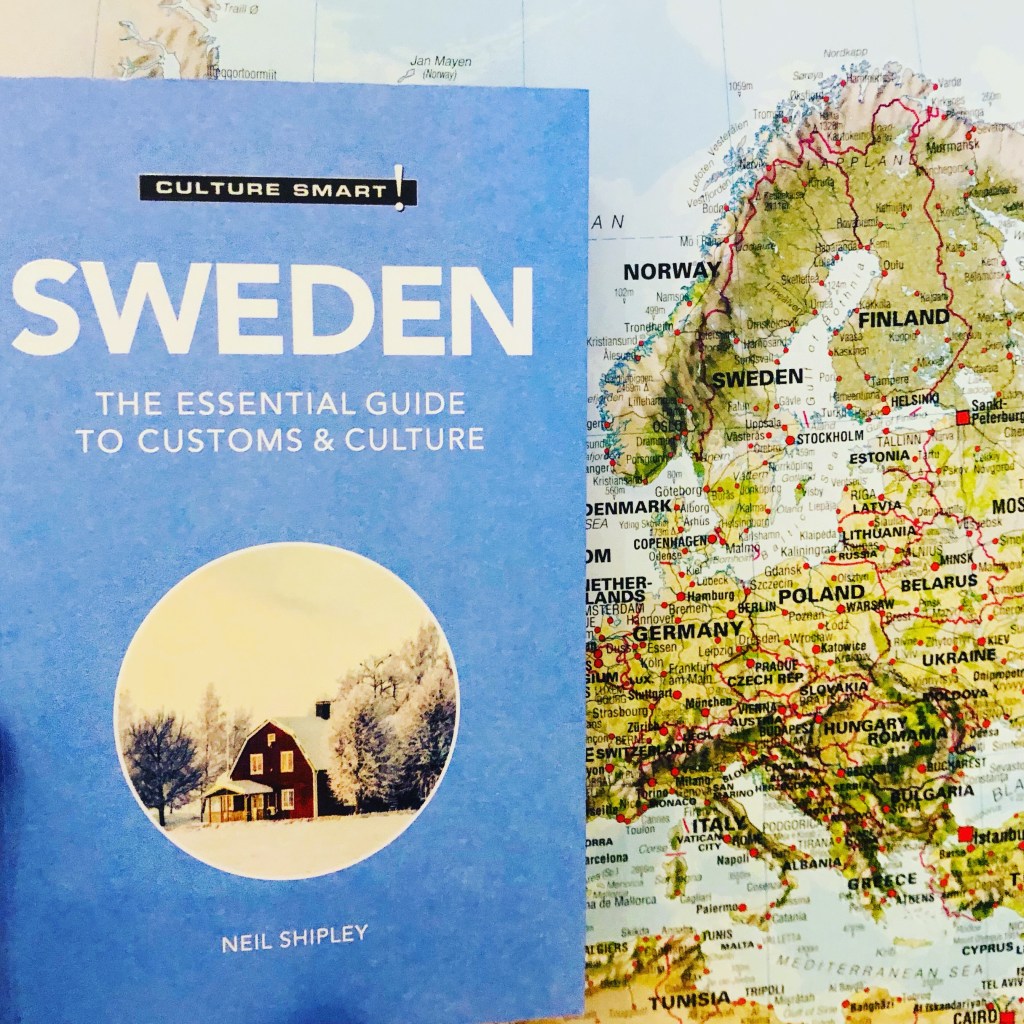
My book is doing really well, which I’m very proud of. You can buy it on Amazon, Bokus, Akademibokhandeln and Adlibris amongst other online stores. Sweden, by Neil Shipley, published by Kuperard 2021.
I still have a few copies left, so if you’d like to buy a signed copy, just let me know!
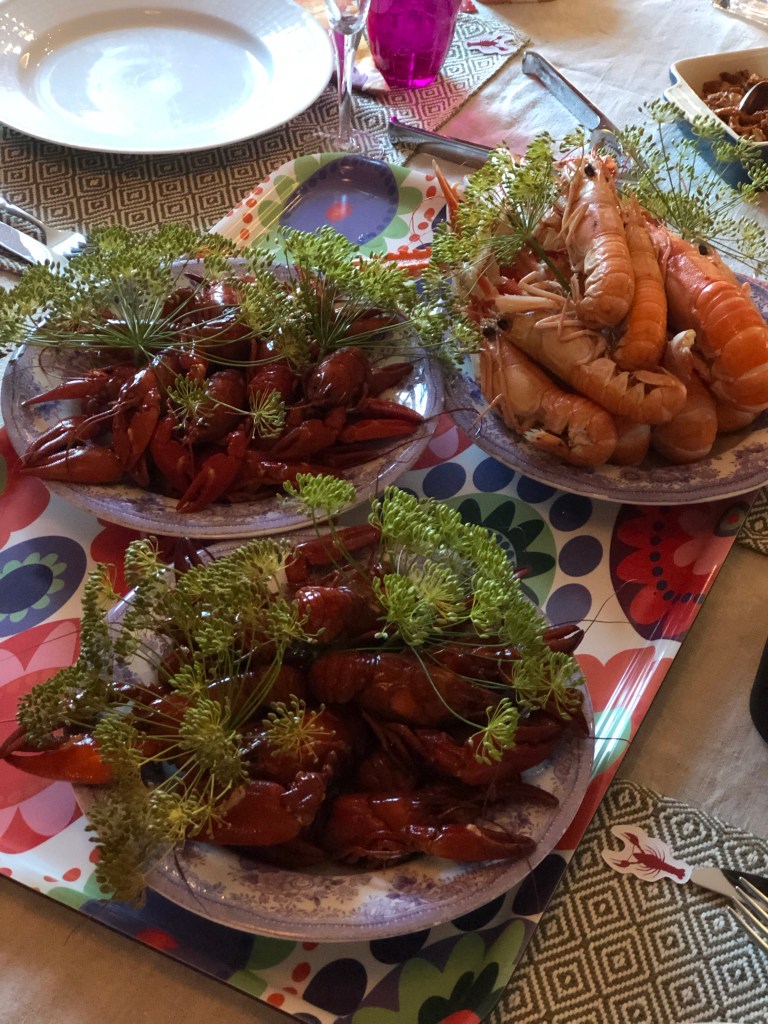
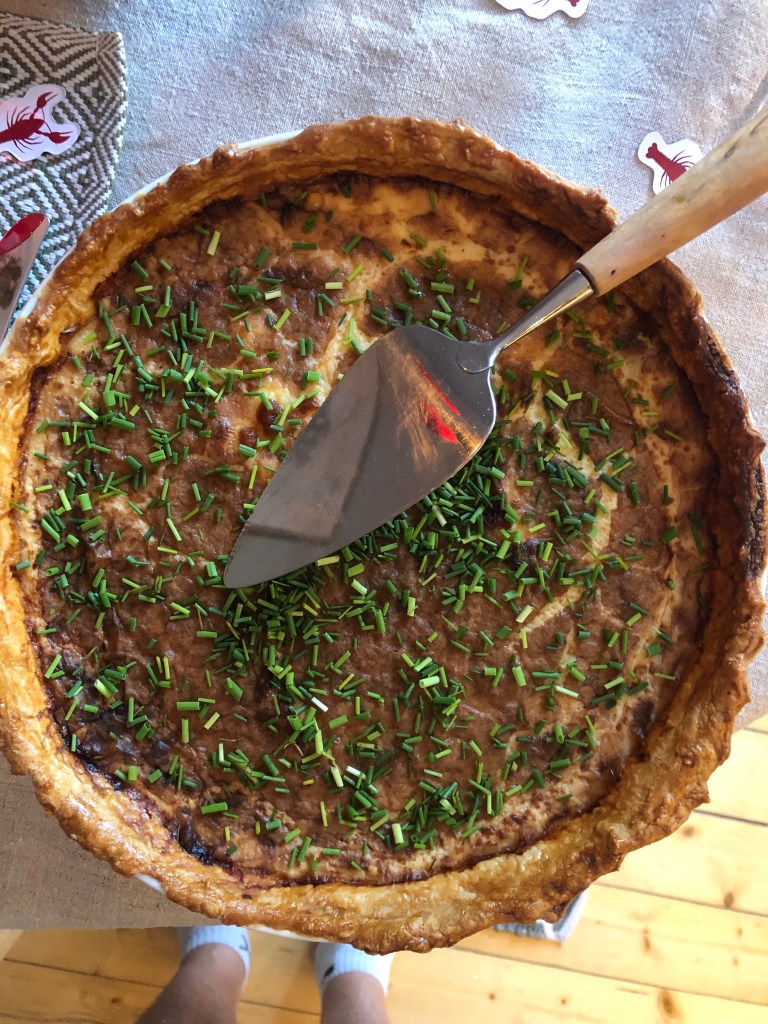
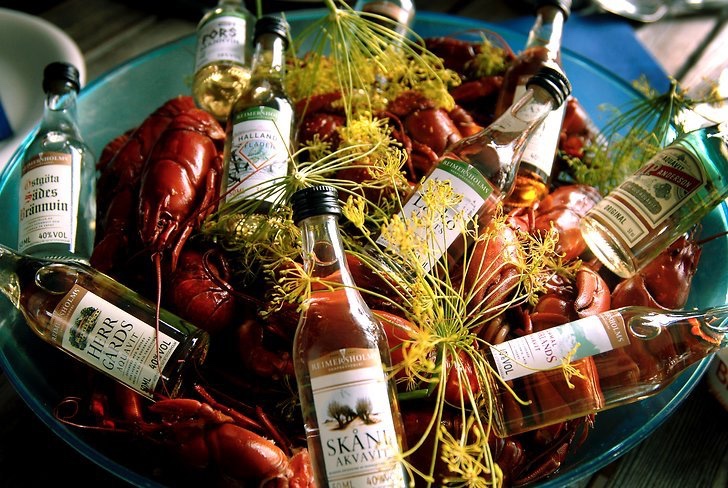
This time of the year is the traditional crayfish party in Sweden. These small red crustaceans are usually eaten with Västerbottens cheese pie. Of course, crayfish parties don’t have to involve alcohol, but the traditional approach is to wash it all down with copious amounts of snaps and beer.
Throughout the years, I’ve been to my fair share of crayfish parties. I was at one last night. The bon ami, the snaps songs, the silly paper hats and the noisy, messy slurping make it, for me, one of the best festivities in the Swedish calendar.
One thing is certain though. The day after a crayfish party, one feels a little….delicate. After snaps cometh headache.
A snaps is a small glass of ‘burnt wine’ – or brännvin in Swedish. Brännvin is a spirit distilled from potatoes or grain with a high alcohol contented at least 37.5%. So it is not the same as a shot! It can be plain and colourless, or flavoured with herbs and spices. Brännvin includes vodka and akvavit, but akvavit is always flavoured with caraway and dill.
Brännvin has been in Sweden since around the late 1400’s and is an integral part of Swedish custom. It has been given many different names throughout history. Some synonyms are: ‘eldvatten’ (fire water), ‘jodlarsaft’ (yodel juice), ‘hojtarolja’ (shouting oil), ‘polarvätska’ (polar liquid), and ’spånken’ (originating in the Latin and Greek word for mushroom – spongia).
If you’re ever here, you should try it. But take it carefully!
I’ve written previously about the cream bun called a semla that is eaten around this time of year in Sweden. Traditionally consumed on Shrove Tuesday, this is a sweet, wheat bun filled with whipped cream and almond paste. And it is de-lish-us.
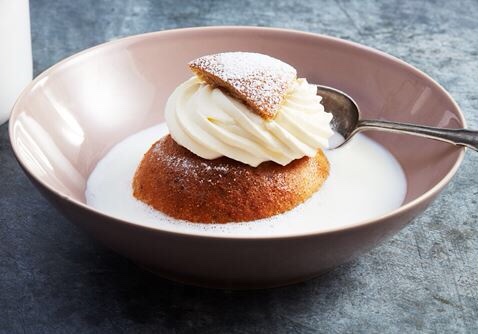
However, there is a way to eat it that I have never got on board with. A traditional method called the ‘hetvägg’, which translates literally a ‘hot wall.’ This is when the semla is placed into a bowl of warm milk, and eaten with a spoon. The result is a sugary, creamy slop.
The ‘hetvägg’ has a long history, going way back to the 1700’s when a warm, wedge-shaped spiced bun was served in a bowl of warm milk. This was eaten around Europe. In fact, the name ‘hetvägg’ has nothing to do with ‘hot wall’, but comes from the German for ‘hot wedge’ – “heisse wecke”. The top of today’s semla is often wedge-shaped as a historical nod to the original bun.
It is said that King Adolf Fredrik died from eating too many ‘hetvägg’ in 1771, but in fact it was a heart attack. Granted, he was a gluttonous man, and eating ‘hetvägg’ was indeed part of his questionable diet. After his death, there was a call to ban the sugary treat, as it was rumoured to have murdered the king.
The ‘hetvägg’ wasn’t banned and today it is still a popular way to consume the semla. I personally prefer mine dry and fluffy. But, hey, as they say in Swedish – ‘taste is like the backside – divided!’
Many Swedes have a sweet tooth and the average Swede consumes around 40kg of sugar per year. This is, however, far less than the average American who consumes around 70kg per year. In the UK, the figure is surprisingly lower at 32kg.
The Swedish sweet tooth is reflected in the supermarket shelves stacked with candy and cakes and the freezers bulging with ice cream. A very popular type of sweet in Sweden is something called ‘lösgodis’. These are individual unwrapped sweets that you can pick and mix with a small shovel into a paper bag.
The popularity of these types of pick and mix sweets is huge. In 2019, Swedes purchased candy from the leading brand Cloetta, for 1.6 billion crowns in the months of April-May alone.
However, corona has had its impact, as in most areas of life. The idea of eating exposed, individual, potentially-fingered and spat on candy has reduced in popularity. In the month of April this year, consumption dropped by 70%. In June, the drop was 40% compared to the year before.
So does this mean Swedes have stopped eating sweet stuff? Probably not. Individually-wrapped candy has increased in consumption, after an initial drop. Ice cream remains very popular. In fact, Sweden is the country in Europe that eats the most ice cream after Finland. In a normal year, Swedes consume 12 litres of ice cream per person. And baked goods also remain popular. During the early days of the pandemic, sweet yeast was totally sold out everywhere, suggesting that Swedes were at home hungrily baking cinnamon buns and other sweet delights.
So it seems that the Swedes are still getting their sugar fix even if the ‘lösgodis’ counter remains intact for a while longer.
A question to my Swedish readers. What is your favourite ‘lösgodis’? I have to admit mine is the fudge cube.
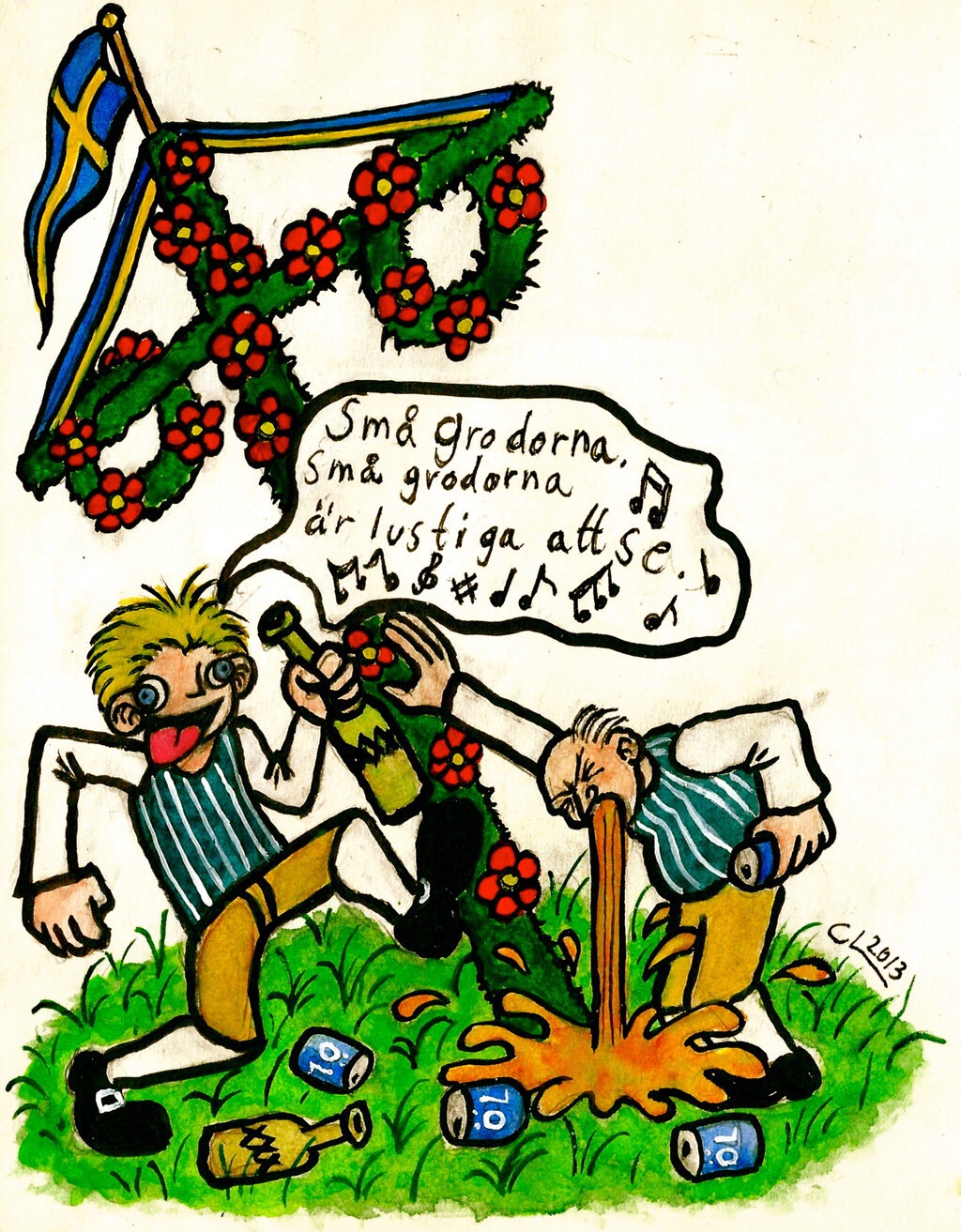
With Midsummer arriving tomorrow, it is time to start planning for your survival. Midsummer’s Eve is the craziest custom in the Swedish calender and the time of the year when Swedes go a little bonkers. As a non-Swede, get ready to brace yourself.
Since we are not fully out of the pandemic, it is important to wash hands regularly and keep a physical distance. Apart from these guidelines, here are a few more hacks to make sure you make it to Midsummer’s Day in one piece.
Greet like a Swede. In Sweden it is considered polite to greet everybody individually, even if you plan to never speak to them again or remember their name. The appropriate way is to stand 1-2 meters away, look directly in their eyes, say ‘hej’ followed by your name. They will do the same. You might even give a small wave or shake hands if you are comfortable doing so. If you are feeling adventurous, follow up your ‘Hej’ with a ‘trevligt’ or even a ‘Glad Midsommar’. Job done. Now you can hit the booze.
Snaps is not the same as a shot. A lot of alcohol gets drunk on Midsummer’s Eve, especially beer and snaps With the popularity of shots in recent years, it’s easy to make the mistake that Swedish snaps is the same thing. Believe me, it is not. Snaps can be up to 40% proof, considerably more than your normal shot. So, go easy and sip the snaps or see yourself slipping sideways off your chair before the strawberry dessert has even been put on the table.
Take tissue. Midsummer’s Eve is a looong day and you probably will need the loo at some point. The trouble is, so will everybody else – to the detriment of the supply of toilet paper. There’s a big chance you will be seeking relief in the woods so come equipped with the appropriate amounts of paper for your needs.
If shy, bring swimwear. Bathing in the icy June waters is a common activity at Midsummer. Swedes generally are not afraid of skinny dipping when they do this. If you are, then come prepared with swimwear and a towel.
Shelve your maturity. Part of Midsummer is dancing around the maypole, playing silly games, pretending to be a frog, participating in competitions. To survive these activities, it helps to conjour up your inner child and forget you are an adult for a while.
Protect yourself. Given the amount of alcohol consumed at Midsummer, it is no surprise that the many babies in Sweden are made on this day. It you don’t want to join the ranks of parents, remember to put it on before you put it in.
Throw in the thermals. It looks like it might be super sunny and warm this Midsummer’s Eve. One of the warmest ever! But it is good to be prepared. It is not unusual that temperatures fall into single figures and that pesky rain pours down onto the smorgasbord. So bring a jumper, a rain jacket and even thermals to enhance your experience.
Don’t expect culinary miracles on Midsummer’s Eve. The food is exactly the same as is eaten at Christmas and Easter, with a few small summery exceptions – strawberries, cream, dill and new potatoes. Remember to use hand disinfectant before you attack the buffet.
Learn a drinking song. On Midsummer’s Eve, food and alcohol is accompanied by Swedish drinking songs. Learn one in advance and shine at the table. Even better sing one in your own language and you are guaranteed to use those rubbers you packed just for the occasion. For me, ‘what shall we do with the drunken sailor’ works every time.
Argue over the rules. At Midsummer a popular Swedish garden game is called kubb. Involving the throwing of sticks, everybody seems to have their own understanding of the way to play. If you want to feel really Swedish, make sure you start an argument about the rules.
Take pills. Of varying types. Allergy pills are good because there are flowers everywhere: on the table, in the maypole, on peoples’ heads. Pain killers are good as a lot of snaps is consumed. Indigestion pills are good as the food is oily, fatty, acidic, smoky and rich. The after day pill is good, well… because…
That’s it! Follow this guide and you are sure to have a wonderous Midsummer’s Eve in Sweden.
Glad Midsommar!
Please share this post to help others get ready for the big day!
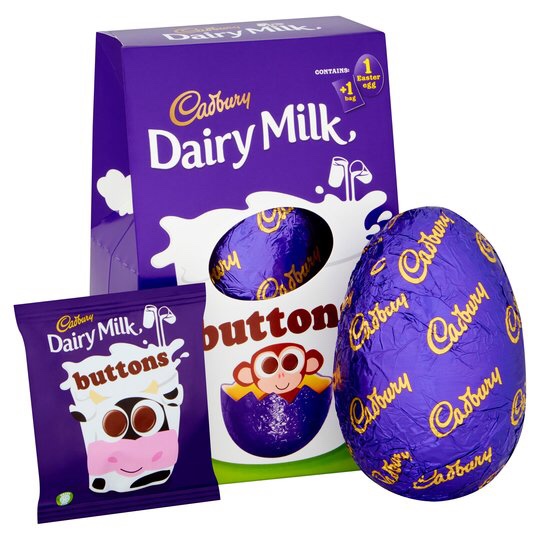
In the UK, Easter eggs are usually bought ready-made. The big egg is itself made of chocolate, and inside is a small bag of more chocolates. It is wrapped in colourful packaging, and marketed around a particular brand of chocolate such as Maltesers, or Buttons or Dairy Milk.
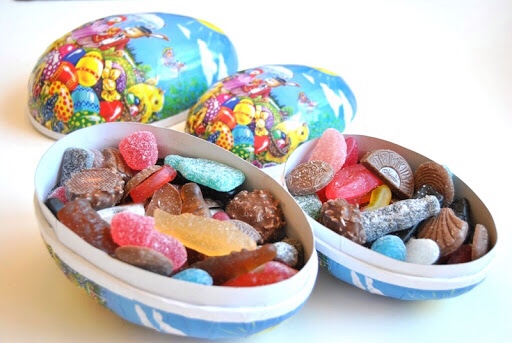
For me that was what an Easter egg liked like. Until I moved to Sweden. Here, Easter eggs look quite different. The Swedish egg is usually an inedible cardboard egg, emblazoned with colourful Easter motifs. It can also be made of tin or porcelain. So, the egg itself is also the packaging. Inside the egg, is pick ‘n’ mix, usually consisting of a few candied eggs and other well-chosen sweets such as cola bottles, sour dummies and fudge. This style of Easter egg was actually also popular in the UK around the reign of Queen Victoria.
Giving Easter eggs as gifts in Sweden became popular in the 1800’s and was facilitated by the paper-making industry. Although decorating eggs dates further back, to the 1600’s, when Swedes would paint eggs to celebrate the spring.
Whatever the type of egg the Easter bunny brings you this year, I hope you enjoy it!
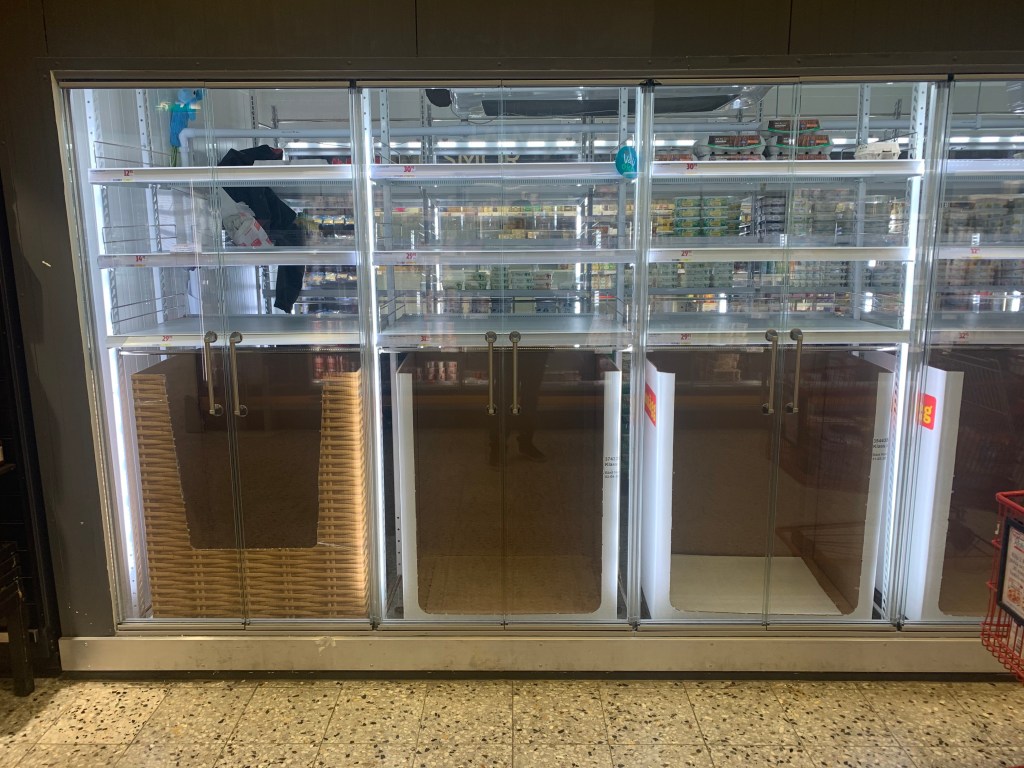
As the corona virus sweeps across the world, it’s interesting to watch how people react. While the measures the Swedish government are making do not seem as extreme as many other countries, the behaviour of some people is. Panic buying seems to be the name of the game. Panic buying and hoarding. And it doesn’t seem unique to Sweden.
Social media is awash with images of empty supermarket shelves. People are hoarding certain obvious items – such as hand gel, pasta, eggs, rice, beans and flour. But also weird items. For example, in my local supermarket, cucumbers are totally gone! And the Italian red wine shelf was pumped dry at my local wine store!
But the item causing the most debate seems to be toilet paper. Apparently the loo roll shelves have been totally cleaned out. It seems Swedes, and many others around the world, are seriously worried about wiping their bums if they get the virus.
Currently in Sweden, there is no general quarantine or curfew, as in many other countries. However, many companies have temporarily closed and employees are being asked to work from home. Public gatherings of over 500 people are forbidden. At the time of writing this the borders are still open and so are the schools.
We do have to be vigilant and we do have to act responsibly. Washing hands regularly, avoiding people who show symptoms, coughing/sneezing into the fold of our arms and not participating in large gatherings of people are a few of the ways. ‘Social distancing’ is the term this has been given – a new word for the 2020 dictionary.
But wiping out the supermarket shelves? In general, it’s good to have enough food at home to last a couple of weeks I guess. But do we really need enough toilet paper and red wine to last 6 months?
Hoarding is a logical panic reaction to a crisis situation, and it’s interesting to see how quickly people succumb to herd mentality. But it’s also a selfish action. Draining the supermarket shelves means that there is nothing left to buy for lower income people (elderly, unemployed, studying, sick) who live day to day and do not have the economic means to bulk buy. So let’s remember the concept of solidarity next time we go shopping.
One thing I’ve observed so far from this crisis; how quickly self-interest and self-preservation takes over.



 Watching the Swedes