Sweden’s Easter tree – wiping, witching or whipping?

In Sweden, they don’t only have Christmas trees, they also have Easter trees. This Easter tree is an interesting cultural phenomena – but where does it originate?

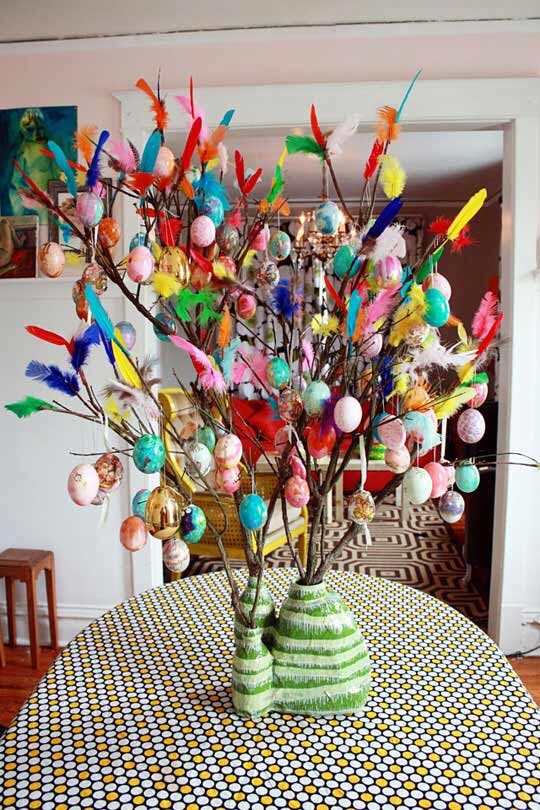
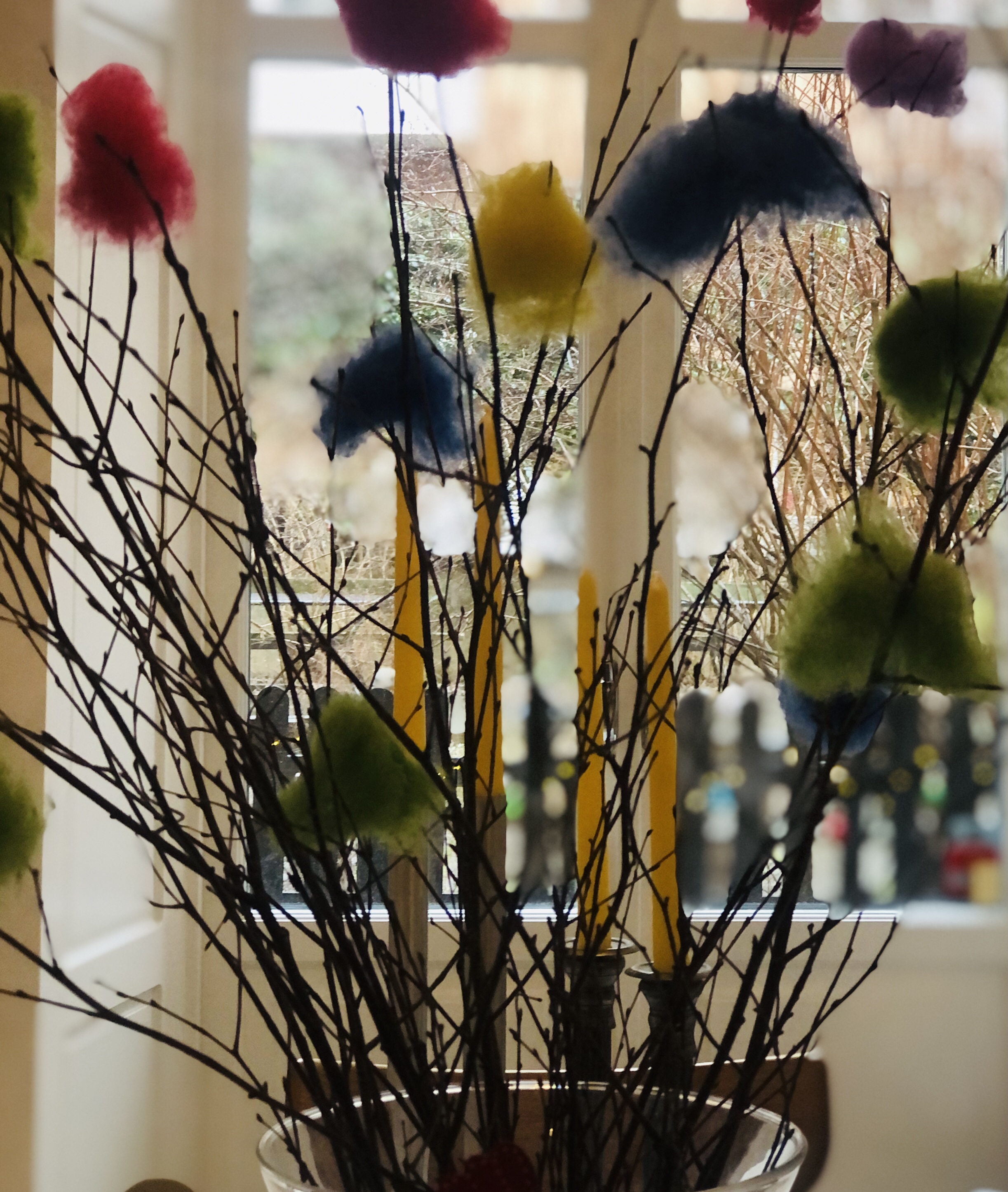
This Easter tree, known as ‘påskris’, is a handful of twigs and sticks (usually birch) installed in a vase with brightly-coloured feathers attached to the ends. Sometimes people put water in the vase, so that the twigs can bud and open. Påskris often includes painted eggs and other decorations such as chickens. Sometimes people replace the feathers, which can be seen as unethical, with colored wool, or paper.

The Easter tree can be seen all over the country at this time of year: outside shop entrances, in peoples’ living rooms, in gardens, in the middle of roundabouts.

So, what about its origin?

Wiping: One theory is that it symbolises the wiping away of the winter. The twigs represent a broom – and the feathers get caught in the broom as we sweep.

Witching: Another, more mystical, theory is that the ‘påskris’ represents witchcraft. The twigs represent a witch’s broomstick and the feathers indicate flight. This theory is aligned with the tradition of Swedish kids dress up as witches at Easter and do a kind of ‘trick or treating’ for Easter eggs.

Whipping: But, apparently the Easter tree has a completely different origin and symbolism. Swedish people, in the 1600’s, used to take twigs and sticks and beat each other with them on Good Friday to commemorate the suffering of Jesus. In the 1800’s and 1900’s, they started to be decorated and became a symbolic decoration for Easter.

So, wiping, witching or whipping. Who would have thought the colourful Easter tree would have such a colourful history?

In the middle of Sweden’s ‘Tranquil Week’

Did you know that today is ‘Dymmelonsdag’ – Clapper Wednesday? It is part of Sweden’s ‘Stilla Veckan’, which literally translates as ‘tranquil week’ or ’quiet week’. It is historically intended to be a week of reflection and melancholy leading up to Easter. In English this week is known as Holy Week and every day has a special name.

Last Sunday, the Sunday before Easter, is called ’Palmsöndag’ – Palm Sunday. According to scripture, it commemorates Jesus’ triumphant arrival into Jerusalem. The crowds threw palm branches in front of him as he approached.

The Monday before Easter is commonly called Blå Måndag – Blue Monday – although it can have other names. The Tuesday before Easter is called ‘Vittisdagen’ (White Tuesday). Both Blue Monday and White Tuesday were originally four weeks before Easter. At some point in history, they were moved to describe the Monday and Tuesday before Easter instead. Blue Monday refers to the colour that church rooms were painted on this day. Since White Tuesday is an old name for Shrove Tuesday, Fettisdag in Swedish, it probably refers to the flour that was used to make the Lent buns.

That takes us to today – the Wednesday before Easter – ‘Dymmelonsdag’. This literally translates as ‘Clapper Wednesday’. The clapper that this is referring to is a wooden clapper that was traditionally put inside the church bells on this day so that the chimes would have a more subdued, mournful sound during Easter weekend.

The Thursday before Easter is called ‘Skärtorsdag’ in Swedish. This translates as ‘Clean Thursday’ and refers to the ritual of Jesus washing the feet of the disciples before the Last Supper. In English, this day is called Maundy Thursday.

The Friday is called Good Friday in English – from an obsolete meaning of the word good as being holy. In Old English, this day was called Long Friday, which is the name that was adopted in Swedish – ‘Långfredag’.

And finally, the weekend arrives consisting of Holy Saturday which is called ’Påskafton’ in Swedish – Easter Eve. Then comes ‘Påskdagen’ – Easter Sunday, and ‘Annandag påsk’ (literally second day Easter) – Easter Monday in English.

So Clapper Wednesday is not about fervent clapping, or going like the clappers, or getting the clap. Instead, take a moment of quiet reflection on this, the most holy of Wednesdays.

A Swedish walk in the park

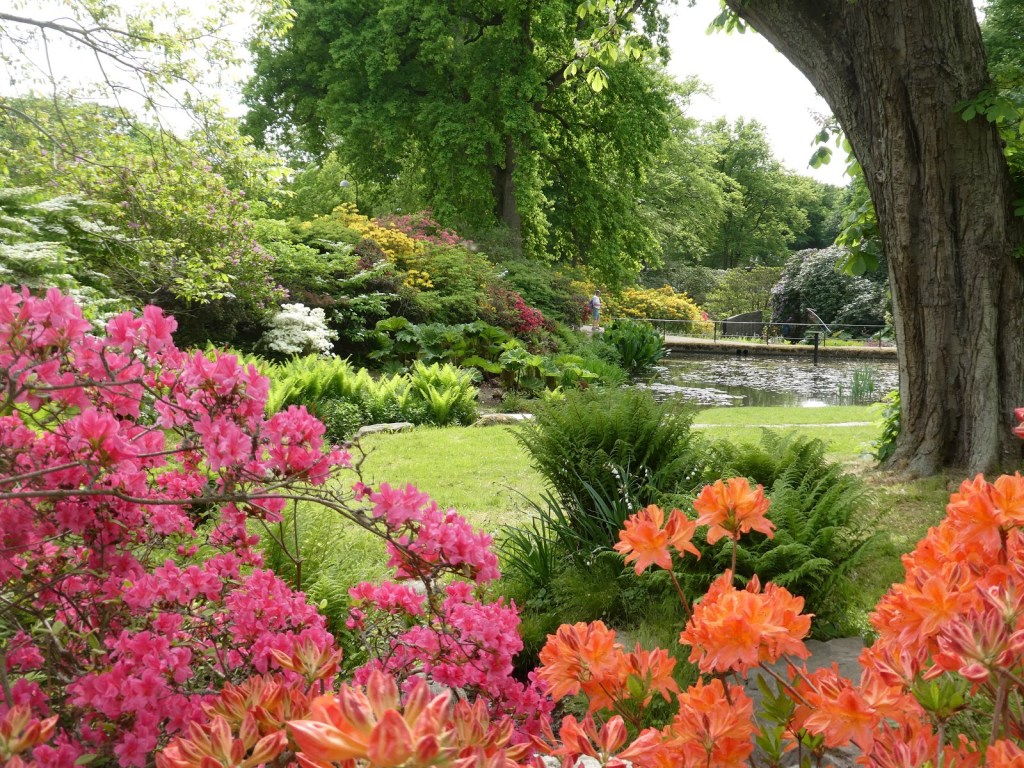
Today, 30 March, is International ‘Take a walk in the park’ Day. While some residents in some locked down countries might not appreciate the irony of it, here in Sweden it is fully possible to celebrate today by stepping out into one of the many green areas.

Take a Walk in the Park Day was founded to celebrate small excursions and the difference they can make to our mental, physical and emotional health.

In Sweden, there are thousands of parks and 30 official National Parks. What kind of park you prefer is of course a matter of taste. However, according to our friends on the internet, the three most beautiful parks in the country are Sofiero slottsträdgårdar in Helsingborg, Hagaparken in Stockholm and Boulognerskogen in Gävle. I’m sure there are a lot of people with other opinions.

Sweden also has a tradition of the ‘Folkpark’ which is a place for entertainment, cabaret, theatre, relaxation and enjoying the great outdoors. Folkpark’s had their heydey in the 1940’s-1960’s where artists would play on the stages and there would be party party and dance. The first Folkpark was built in Hällefors in 1796. Today they still exist, but have faced a lot of competition from festivals, arenas and other outdoor entertainment spaces.

For most urban dwellers around the world, the parks are the lungs of the city. And it’s the same in Sweden’s built up regions. Living in Stockholm, I am so lucky to have many parks and green areas within easy walking distance.

So, depending on where you live, and your time zone, it might not be too late. Put on your shoes and step out into your street, and go take a walk in the park. After all, today is ‘Take a Walk in the Park Day’.

Swedish icons 14: The Swedish Chef

I can’t write a series about Swedish icons without mentioning the Swedish chef. He was probably my second introduction to the Swedish culture when he appeared on the Muppet Show in 1975. Abba winning Eurovision in 1974 was my first. And in my ears when the members of Abba spoke – they sounded just like the Swedish chef!

The Swedish chef character is a puppet that was invented by Jim Henson and Frank Oz. The puppet’s live hands where performed by Oz, while Henson controlled the head and did the classic voice. The gobbledygook that the character spoke was supposed to be Swedish, and had the occasional English word thrown in. It was basically gibberish and sounded like ‘hurdy gurdy’ and ‘bork, bork, bork’. He was known for his ridiculous cooking methods, his accident prone nature and the fact that he almost always tried to cook living animals that, in the end, attacked him.

As a kid, I thought that the Swedish chef was hilarious. I don’t know if my love affair with Sweden began there but I certainly found him entertaining and intriguing. To date, he has been seen in over 100 countries, and in some places he might be all they know about Sweden. Interestingly in Germany, he’s known as the Danish Chef.

Real-life Swedish chef Lars Bäckman claims that he is the inspiration for the character. Allegedly he performed catastrophic screen test in the USA in the 70’s which Henson saw and imitated. Bäckman’s claim has however never been corroborated by the Muppet Show.

So, does he sound like a Swede? Well, most Swedes would say absolutely not. To them, he sounds more Norwegian. I can say that in all the years I’ve lived in Sweden, I’ve only heard a handful of people speak in the ‘hurdy gurdy’ style of the Swedish chef when speaking English. It is so unusual that it is almost a shock when you encounter it. So, the answer is no – the Swedish chef is not accurate, but he is a comedy icon in his own way.

Clocks forward in Sweden

Tonight the clocks go forward in many countries, Sweden included. In English, we say ‘spring forward, fall back.’ It’s a handy way of remembering that the clocks go forward one hour in spring, and back one hour again in autumn.

This pun doesn’t work in Swedish though. Instead they use a metaphor of a barbecue, or garden furniture. In the spring you ‘ställa fram grillen’ (literally put forward the barbecue, also meaning put out the barbecue.) And in the autumn you ‘ställa tillbaka grillen’ (put the grill back, meaning put it away.)

Swedish icons 13: Max von Sydow

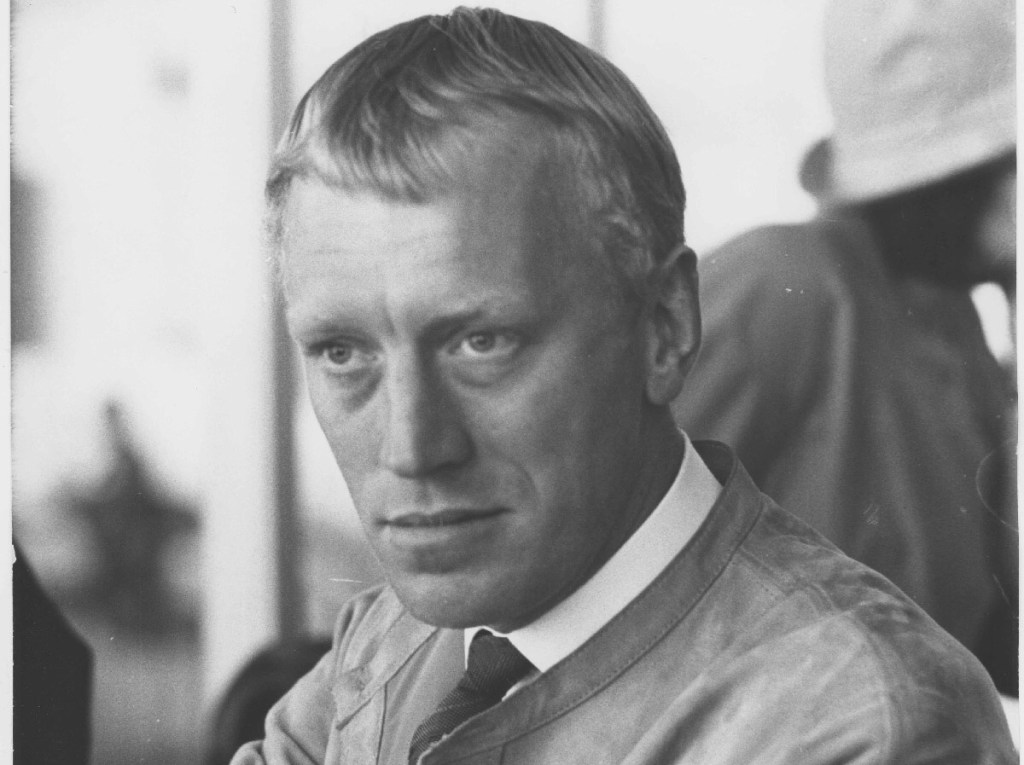
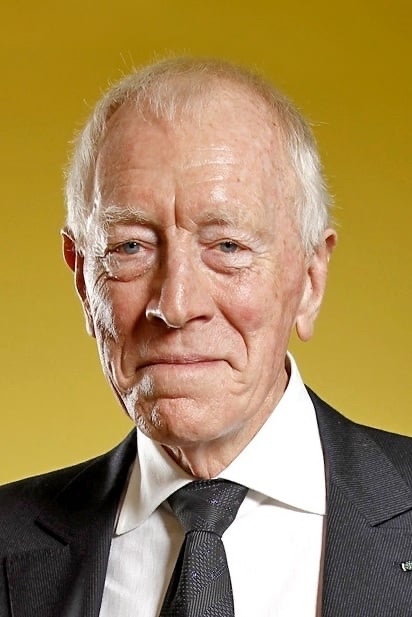
What words can be used to describe Swedish acting legend Max von Sydow’s career? Extensive? Impressive? Formidable? Whatever the word, there is no doubt that this man, whose career spanned 70 years, is a true Swedish icon.

In 1929, Carl Adolph von Sydow was born into an academic family in the university town of Lund. In early adult life, he moved to Stockholm to start studying at Sweden’s Royal Dramatic Theater in Stockholm. Here, he also took the name Max as people kept spelling his name incorrectly.

Max von Sydow’s career spanned theater, television, many genres and over 150 movies. To some he is known as an Ingemar Bergman actor, and especially known for playing chess with death in The Seventh Seal. In total, he starred in 11 Bergman films.

To others he’s known as the actor who played Karl Oskar in the epic Swedish film series The Emigrants about poor Swedes who emigrate from Småland, Sweden, to Minnesota in the mid-19th century.

To mention some other films, he starred in classics such as The Greatest Story Ever Told, The Exorcist, Flash Gordon, Pelle the Conqueror, Dune, Hannah and Her Sisters, The Quiller Memorandum, Minority Report, Never Say Never Again, Shutter Island, Robin Hood and Star Wars: The Force Awakens. Younger generations might remember him as the enigmatic Three-Eyed Raven in HBO’s Game of Thrones.

Max von Sydow had a enormously successful international career. But it wasn’t always destined to be so. Early on, he was satisfied with his life in Sweden, and consequently turned down iconic roles such as Captain Von Trapp in The Sound of Music and Dr No.

Towards the end of his life, Max von Sydow became a French citizen and had to relinquish his Swedish passport. He died in Provence and was survived by his wife and four sons.

Swedish icons 12: Queen Christina

Great Britain has its strident Queen Elisabeth I, France has its flamboyant Marie Antoinette and Russia has its legendary Catherine the Great. For Sweden, there is one Queen to measure up against them in icon status – the notorious Queen Christina.

Born 1626, Christina was the Queen of Sweden from 1632 to 1654, although the country was governed by a regency council until she reached the age of 18.

She is known to have been an independent, outspoken and untraditional woman, and as such has ignited the imagination of novelists, play-writes and film makers throughout history.

Christina’s father was Gustav II Adolph, one of Sweden’s warrior kings, a military commander credited with the rise of Sweden as a great European power. He wanted Christina to be raised in the same way a boy would be – so Christina was an unorthodox and controversial person already at an early age. She studied 10 hours per day, could hunt and fight, was knowledgeable in politics and could speak seven languages other than Swedish.

This learned young woman who was ‘masculine’ and ‘rough around the edges’, was a great sponsor of the arts. Wanting to turn Stockholm into a centre of learning and culture, she attracted many great minds to her court. This was, however, very expensive and eventually the dream died – gaining her a reputation for being wasteful and extravagant in the process.

She was also a peace maker, negotiating peace that ended the 30 Year War. Under her reign, Sweden settled New Sweden in the USA, which is today in the area of Joe Biden’s hometown Delaware.

However, she is mostly remembered for three main things. Firstly, her refusal to marry. Secondly, her unprecedented abdication in 1654. And thirdly, her scandalous conversion to Catholicism.

Christina expressed a distaste for marriage and felt pressure to provide an heir. She realised that if she married she would effectively hand power to her husband. She is quoted as saying ‘I am unsuited for marriage.’ In today’s terms, she would have been defined as lesbian, and she had several mistresses – the most important one being Ebba Sparre, who she called ‘La Belle Comtesse.’

She gave up the throne partly because of her refusal to marry, but mostly due to her increasing unpopularity and pending religious conversion. After her abdication, she shook off the shackles of court protocol and dressed more frequently in male clothes. Historians often describe Christina as unattractive and androgynous in her physical appearance. Whether this is true, or whether her ‘ugly’ appearance was exaggerated in order to undermine her position is unknown. After her cousin took over the throne, Christina quickly left Sweden and ultimately settled in Italy. Although she made several attempts to regain power in Europe, she never succeeded and eventually died in Rome aged 62.

Queen Christina’s funeral was held at St Peters Basilica, reflecting her provenance, prominence and influence. She is one of only three women to buried in the Vatican. That alone is enough to earn her icon status.

Pakistan in Sweden

Today is Pakistan Day – a national holiday in Pakistan commemorating the Lahore Resolution passed on 24 March 1940 and the adoption of the first constitution of Pakistan. In Islamabad, the day is celebrated with much pomp and circumstance.

In Sweden, there are approximately 28,000 Pakistanis, making them one of the smallest immigrant groups in the country. In fact, according to Sweden’s statistical office, they are the thirtieth largest immigrant group. The majority of Pakistani immigrants came to the Nordic region in the 1970’s and 1980’s, seeking employment and a better standard of living. Most of them were also very highly educated.

Sweden has solid relations with Pakistan, and has an embassy in Islamabad, as well as honorary consulates in Karachi and Lahore. Several networks exist to build relations between Swedes and Pakistanis such as the Swedish Pakistani Friendship Society and the Pakistani Sweden Business Council.

Pakistani cuisine is well worth a taste. Influenced by the Arabic and Indian kitchens, Pakistani food is fragrant and spicy, with the all important roti bread as a staple. According to Trip Advisor, the best Pakistani restaurants in Stockholm are Punjabi Masala Grill, Chili Masala Grill and the geographically accurate-sounding Lilla Karachi.

In the northern town of Umeå, restaurant Malala is named after the Pakistani schoolgirl who was shot in the head by the Taliban on her way to school. Some years later, she won the Nobel prize for her education activism. 1% of the restaurant’s turnover and tips is donated to supporting education for poor girls in rural areas in Pakistan.

Swedish icons 10: Monica Zetterlund

Born 1937 in the small town of Hagfors, Monica Zetterlund was Sweden’s most prominent jazz singer throughout time. She was also a celebrated cabaret artist and actor.

She started her career as a teenager singing in her father’s band, and gradually gained fame touring in Sweden, Europe and the USA. She sung mostly in Swedish, but did release a few albums in English. The most famous album was Waltz for Debby that she recorded with the legendary Bill Evans Trio. As a singer, she was frequently compared to Ella Fitzgerald, Billie Holiday and Peggy Lee, and she performed with Quincy Jones and Louis Armstrong, amongst others.

As an actor, she participated in many popular theatre and cabaret productions and acted in many successful films. Her most famous role was in The Emigrants where she played an award-winning role of Ulrika, the fiercely independent village whore. A biographic film of her life, called Monica Z, was released in 2013 and is, in fact, one of the best Swedish films I’ve ever seen.

Throughout her life, she was plagued with severe back pain and developed scoliosis. She walked with a cane and often sat down on stage, and towards the end of her life she was in a wheelchair. She died tragically in 2005 in a fire in her apartment in Stockholm, caused by her smoking in bed.

In Stockholm, there is a park near her home called Monica Zetterlund’s Park. Here there is a sound installation, where you can sit on a bench and listen to her sultry tones.

Below is a sample of her music:

Swedish Press Freedom – the first in the world

In several countries, I would not be allowed to freely write what I want in this blog. Many nations are fighting for press freedom and against censorship – some of them not very far away. Thankfully, Sweden has solved this issue of media independence. Everyone is free to express themselves in writing, provided they do not publicly defame another person or commit an illegal act.

Obviously, Sweden didn’t always have freedom of the press. In the early days of print, Swedes fought many battles against censorship and limitations on the printed word. However, things changed when, on 2 December 1766, Sweden became the first country in the world to write freedom of the press into the constitution. The Swedish Freedom of the Press Act also allowed public access to information, which made it legal to publish and read public documents.

The Act that applies today actually came into effect in 1949. Today, laws cover press ethics, disputes, freedom of expression over digital media and protection of the individual and of whistleblowers.

Compared with other countries in the EU, Sweden is the 3rd best country in terms of media independence, preceded by Finland and Denmark. Sweden holds the 4th position on a global scale, the number one country being Norway.

According to Reporters without Borders, one reason that Sweden isn’t ranked higher is that over 50% of local media is owned only by five major companies. These control the editorial line and job security.

Additionally, one third of Swedish journalists claim they self censor due to threats and harassment from trolls, violent groups, heads of overseas states and security forces. Very few perpetrators are sentenced.