Every day, I will open a window containing a Swedish word that has something to do with the festive season.
Today’s word is ‘Gävlebocken‘ which translates as ‘The Gävle Goat’.
This strange tradition takes place in the Swedish town of Gävle. Every year, a giant handcrafted straw goat is built on the town’s Castle Square. And almost every year, it gets burned to the ground by a pyromaniac.
One year, it was even burned down before its inauguration. Consequently, the local authority have increased security and have managed to prevent the burning for the last three years.
The symbol of the goat is a traditional Christmas decoration in Sweden, called a ‘julbock’ – a Christmas goat. Usually made of straw, a goat is placed under the Christmas tree or small goats are hung from the branches. The symbol of the goat has ancestry in Scandinavia far back in Nordic mythology and, up to the 1800’s, it was the goat who brought presents during the festive season. A kind of precursor to Santa Claus.
So although the Christmas goat has endured for centuries, it remains to be seen if the Gävle goat survives until the New Year.
Every day leading up to Christmas, I will open a window containing a Swedish word that has something to do with the festive season.
Today’s word is ‘pepparkaka‘, which translates as gingerbread.
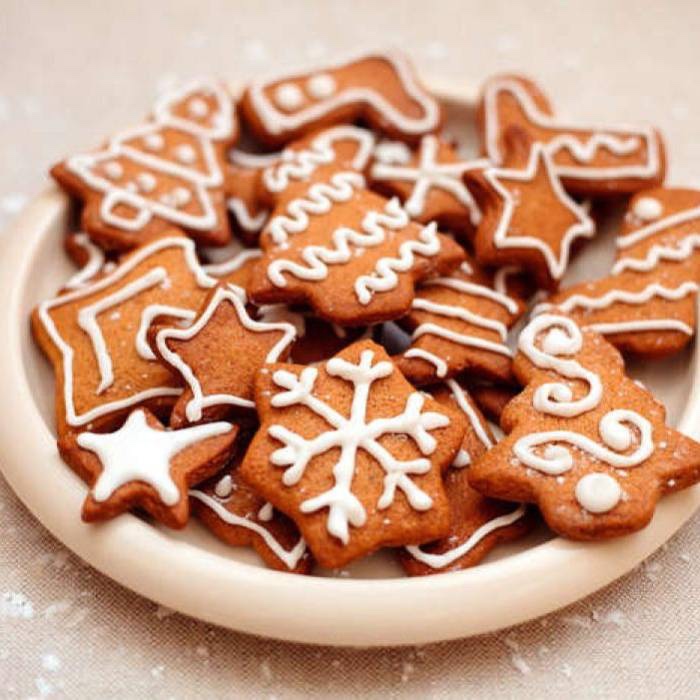
Other than glögg, nothing else is more synonymous with the Swedish festive season than pepparkaka (gingerbread).
The Swedish version of gingerbread comes in the form of thin crispy biscuits flavoured with cinnamon, cardamon, ginger and cloves. Formed in different shapes such as hearts, trees, and stars, gingerbread is eaten plain or decorated with icing. Many people buy squeezy blue cheese in a tube and squirt it onto the biscuit before consumption. Some people build gingerbread houses as part of their Christmas decorations.
Making your own pepparkaka is a cosy a Christmas tradition – here is a typical recipe. However, most people buy their gingerbread ready-made.
Pepparkaka has been associated with Christmas in Sweden since the 1800’s but was eaten much earlier than that. The first documented record of pepparkaka in Sweden is from 1335 for a royal wedding. In a recipe from the 1400’s, gingerbread included pepper, which could be why it has the name pepparkaka. But nobody is really sure.
Ever wondered why Swedish people are so nice? Well, the answer lies in an old myth – apparently the very eating of pepparkaka is what makes you nice.
Welcome to the Watching the Swedes Advent Calendar 2021
Every day before Christmas, I will open a window containing a Swedish word that has something to do with the festive season. Today’s word is the fantastic-to-say ‘glögg‘. (Pronounced ‘glugg’)
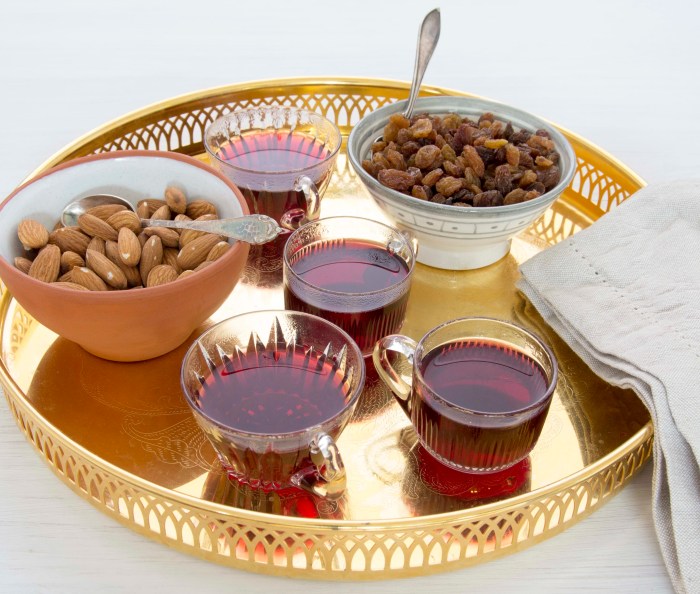
Glögg is festive Swedish mulled wine: heated wine, most commonly red, with spices. It is drunk together with almonds and raisins added in. And it is delicious!
Glögg is very popular, having been drunk in Sweden around Christmas since the 1890’s. However, the earliest record of drinking heated wine dates back to the 1500’s.
The word glögg comes from the Old Swedish word ‘glödg’, and the verb ‘glögda’ – to heat up. This, in turn, has its origins in the verb glöder (to glow).
Some make their own glögg, here is a typical recipe. Glögg can be with, or without, alcohol.
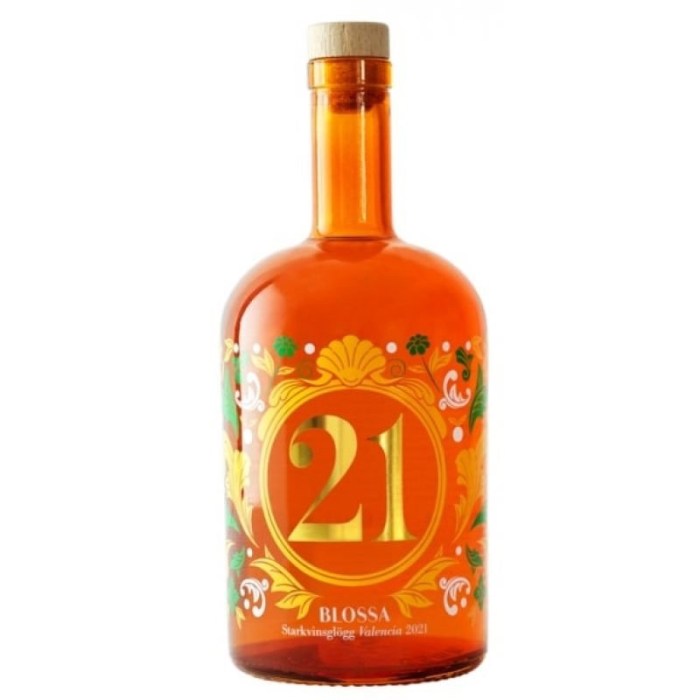
However, most Swedes buy their glögg ready-made in a bottle. In addition to the traditional flavours, each year a new flavour of the nectar is released and there’s always a debate regarding its success. This year’s glögg (2021) is called Valencia and is an infusion of Spanish oranges, lemon and bitter orange. Yummy!
Today, the first of Advent, the light shines strong in the darkness.
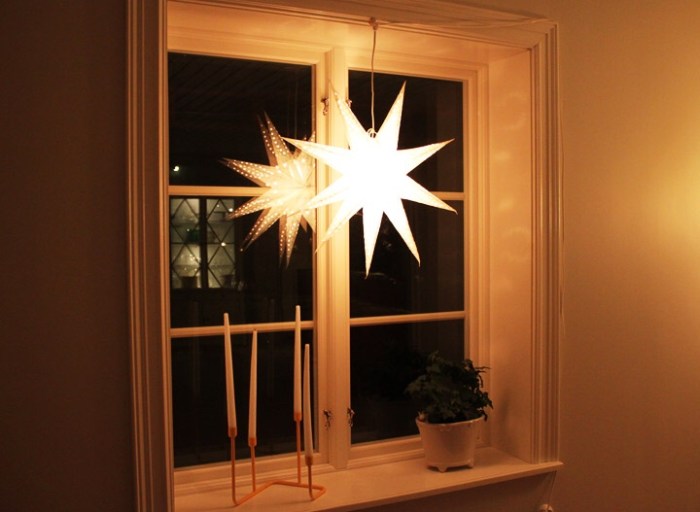
Swedes decorate their houses, apartments and windows with lights. From ceilings, illuminated stars are hung. On window ledges, electric advent candles are placed. On tables, four candles are positioned and one is lit every Sunday up until Christmas. Small candles, often red, are dotted about the home. Some people change curtains and populate their homes with small gnomes and flowers.
Since November is a grim month, the collective advent decoration is a welcome arrival as light is spread into the murky places. From the dark street, it is lovely to see windows lit up in every apartment.
This weekend is also the starting signal for the Swedish ‘glöggfest’. People go to each other’s homes and drink ‘glögg’ (mulled wine), eat gingerbread and saffron buns. It is a very cosy time of year.
On the FB site New Swedes, the author writes about Swedish dialects and accents:
‘Dialekter skiljer sig väldigt mycket åt, och nästan varje stad har flera ord som är snudd på omöjligt att uppfatta om man inte kommer just därifrån. Vilken är Sveriges vackraste dialekt tycker du 😅?
Roughly translated this means:
Dialects differ very much and almost every town has words that are virtually impossible to understand if you don’t come from there. Which is Sweden’s most beautiful dialect do you think?
Around 100 people have answered, and the most popular dialects seem to be Värmländska, from county Värmland, and Gotländska, from the island of Gotland.
I would tend to agree, although I also really like the dialects from Dalarna and Västra Götaland.
In Sweden, the first Saturday in November is All Saints’ Day – not necessarily November 1st as in most other countries. In 1983, the Sunday after All Saints’ Day was given the official name All Souls’ Day to separate between the saints and the dead.
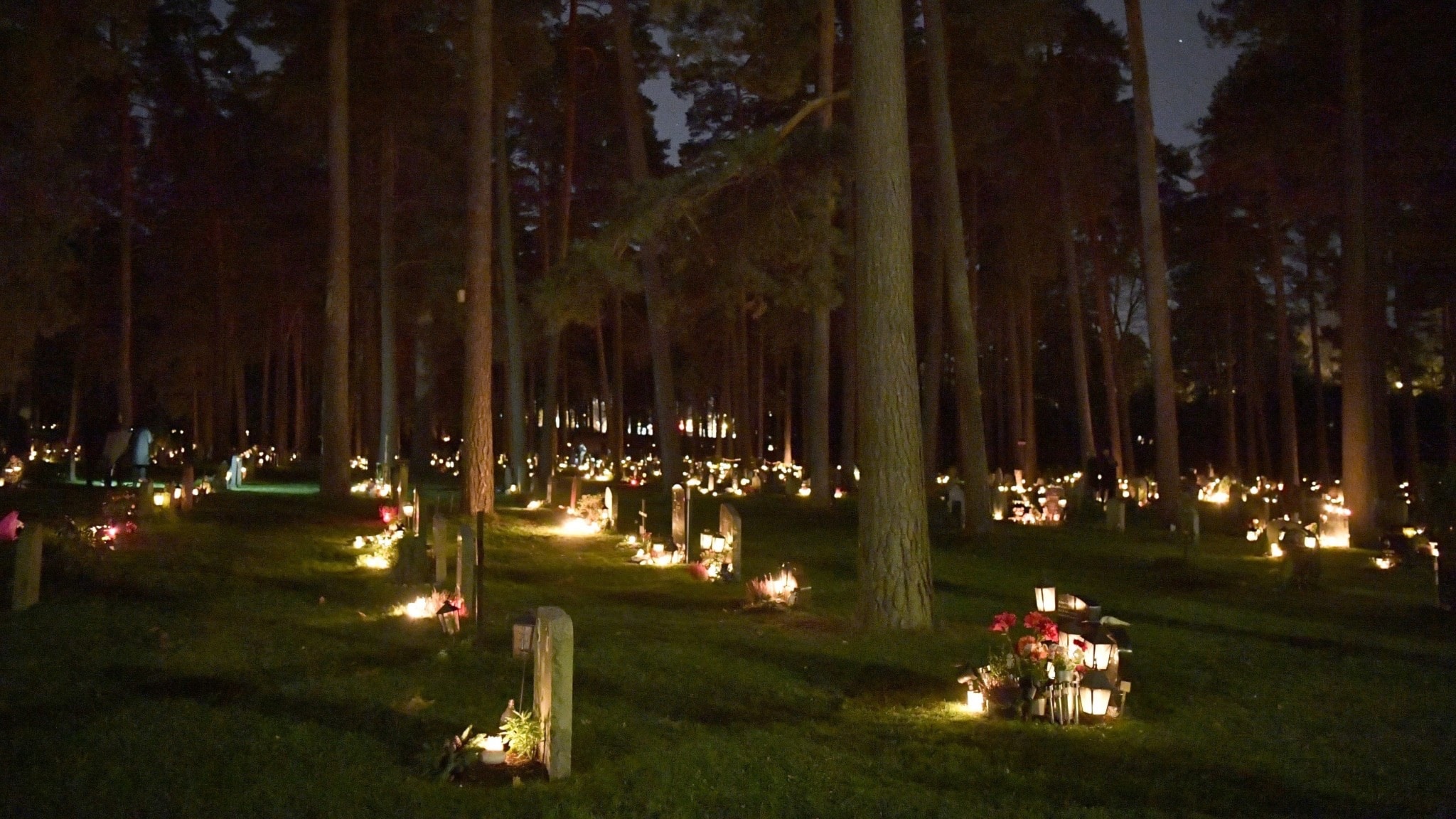
Since the 1800’s Swedes have, during this weekend, made pilgrimage to graveyards up and down the country to decorate the graves with candle light.
It is a beautiful experience to walk through the churchyards this weekend. In pitch black November, it is a shimmering reminder of those who have gone before us. Individual graves blink in the Nordic darkness, and memory groves blaze with the collective light of hundreds of flames.
If you are in Sweden today, go to a cemetery. If you happen to be in Stockholm, head for the Forest graveyard (Skogskyrkogården) for a specifically spectacular experience.
In Sweden, the first Saturday in November is All Saints’ Day – not necessarily November 1st as in most other countries. In 1983, the Sunday after All Saints’ Day was given the official name All Souls’ Day to separate between the saints and the dead.
Since the 1800’s Swedes have, during this weekend, made pilgrimage to graveyards up and down the country to decorate the graves with candle light.
It is a beautiful experience to walk through the churchyards this weekend. In pitch black November, it is a shimmering reminder of those who have gone before us. Individual graves blink in the Nordic darkness, and memory groves blaze with the collective light of hundreds of flames.
If you are in Sweden today, go to a cemetery. If you happen to be in Stockholm, head for the Forest graveyard (Skogskyrkogården) for a specifically spectacular experience.
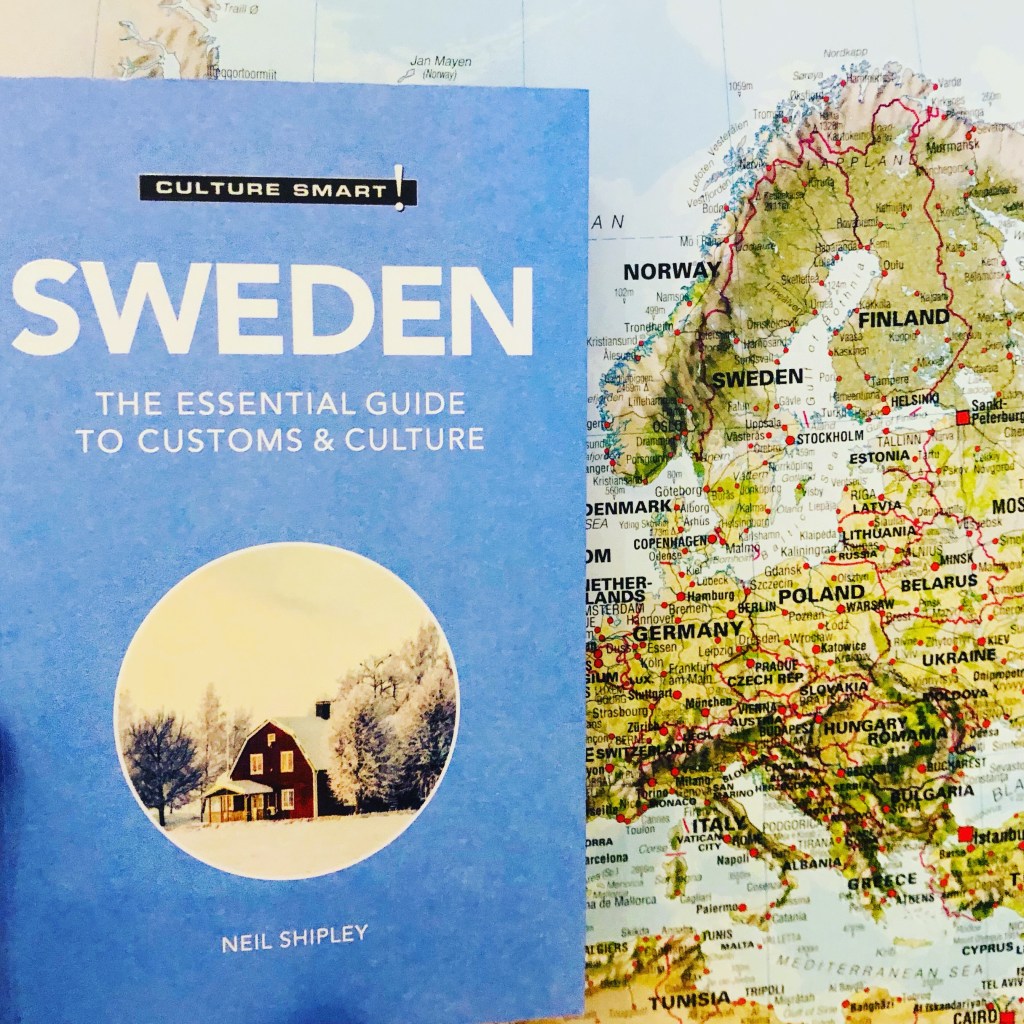
My book is doing really well, which I’m very proud of. You can buy it on Amazon, Bokus, Akademibokhandeln and Adlibris amongst other online stores. Sweden, by Neil Shipley, published by Kuperard 2021.
I still have a few copies left, so if you’d like to buy a signed copy, just let me know!
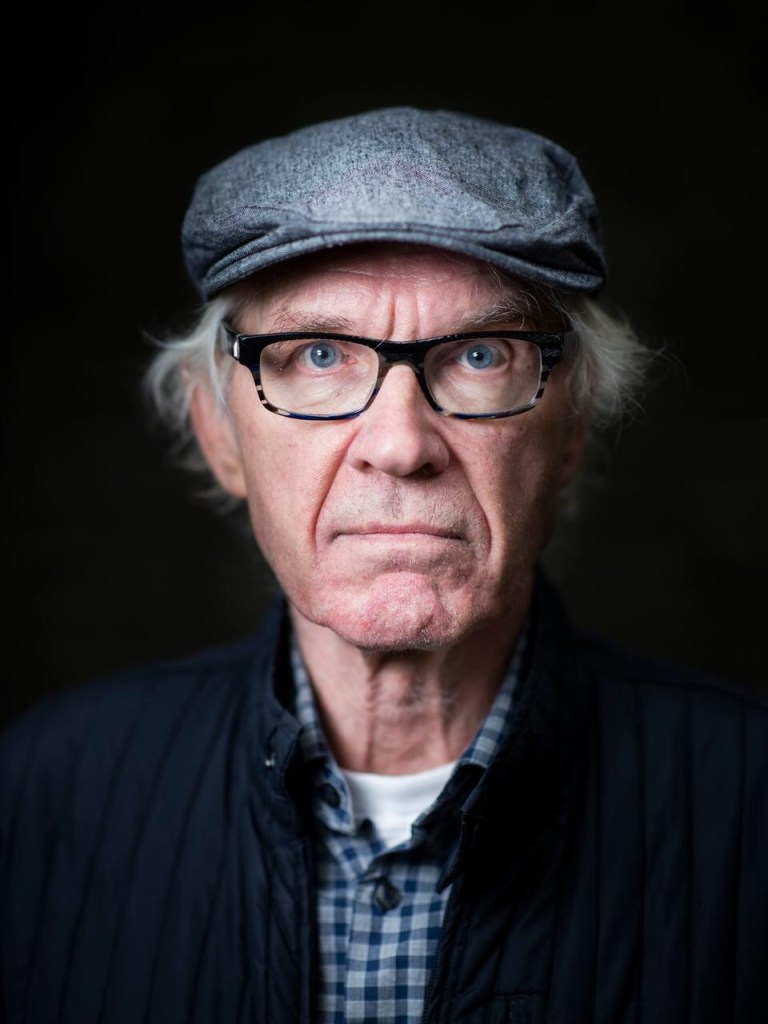
On Sunday, Lars Vilks, a controversial Swedish artist was killed in a car crash on a motorway in Sweden. Police are investigating the death for suspicious circumstances. It seems as if a tire exploded causing his car to break the central barrier and crash head on into an oncoming lorry. In the vehicle with him were two policemen – his protection.
Lars Vilks had 24-hour police protection as he was living under a fatwa issued by al Qaida. The price on his head was 100,000 USD and an extra 150, 000 if the perpetrator slit his throat.
The fatwa was a response to a series of drawings that Lars Vilks produced in 2007 in a local art show. His pictures depicted the prophet Muhammad, something that is considered blasphemous in anti-iconic Islamic tradition. To create double impact, Vilks depicted the prophet as a so-called ‘roundabout dog’ – a type of street art in Sweden. Depicting the prophet as a dog was deemed extra offensive. It caused such a local and international response that some newspapers in Sweden printed some of his drawings in articles about freedom of speech – causing even more fury.
The whole Lars Vilks case generated huge debate around issues of freedom of speech, respect, art, censorship, religious influence and terror. Throughout the years, he was the victim of many attacks and murder attempts, including bombing and arson.
The catalyst for Vilks’ work was the ‘Jyllands-Posten Muhammad cartoons controversy’ which began after the Danish newspaper Jyllands-Posten published 12 editorial cartoons in 2005. Most of the pictures showed Muhammad. The newspaper announced that this was a debate about criticism of Islam and self-censorship. Muslim groups in Denmark complained, and the issue eventually led to protests around the world, including violent demonstrations, deaths and riots in some Muslim countries.
Vilks saw the specific response to his cartoons as part of the artwork itself. All of the consequences, all the reactions, all of the outrage and all of the violence was an integral part of the art, and a political comment. By that definition, even this blog has become a part of the artwork.
One can, however, wonder if he thought it was worth it in the end.
Lars Vilks was 75 when he died, and he produced a great deal of other work during the decades. He was always conceptual and often controversial and the debate he contributed to will continue long after his death.
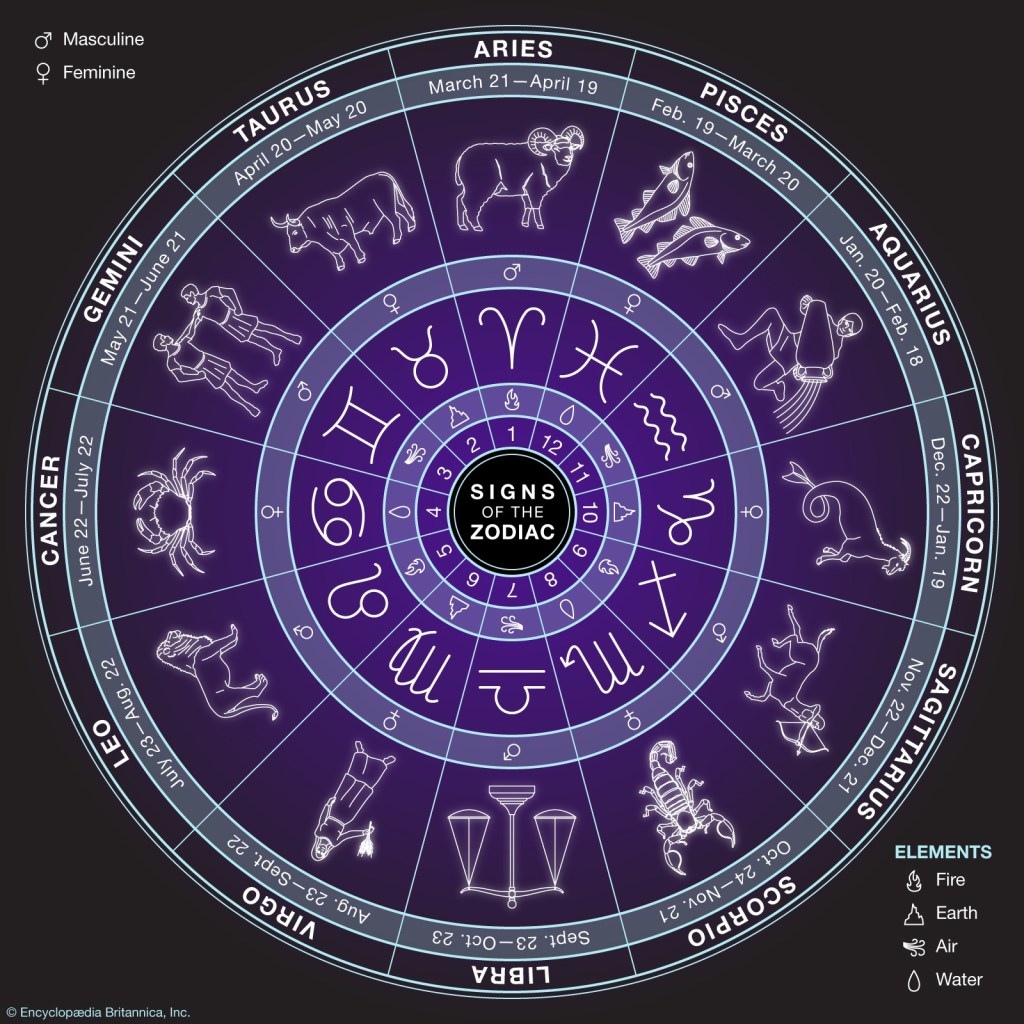
The earliest astrology can trace its roots to 19th Century BC. Beginning in Mesopotamia, it later spread to Greece and Rome, and eventually Central and Northern Europe.
Western astrology has twelve signs, reflecting the month in which you were born. In English, these signs are named after the original Greek words. But not the Swedish names. Like much else in the Swedish language, the words for these signs are very literal. They are also in the definite form.


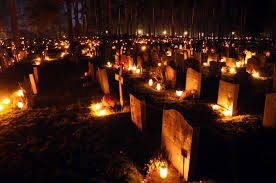 In Sweden, the first Saturday in November is All Saints’ Day – not necessarily November 1st as in most other countries. In 1983, the Sunday after All Saints’ Day was given the official name All Souls’ Day to separate between the saints and the dead.