Sweden is the third largest exporter of pop music after the USA and the UK. Today we look at iconic duo Roxette’s biggest hit – The Look. You knew they were Swedish, right?
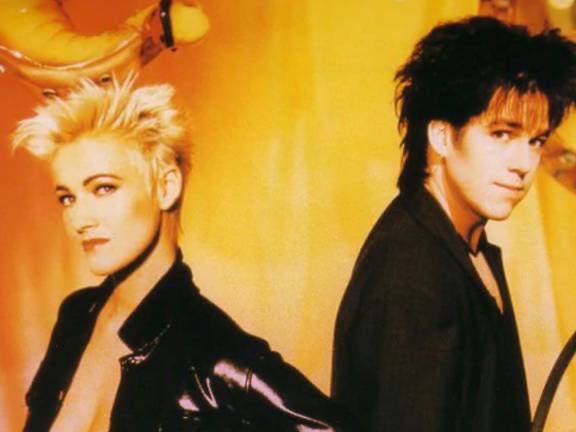
Swedish double act Roxette had numerous number 1 hits including ‘It Must Have Been Love’, ‘Joyride’, ‘Listen to Your Heart’ and ‘Dressed For Success.’ However, it was their 1989 hit ‘The Look’ that became their biggest – marginally. Topping the charts in 25 countries, the song was the biggest selling song of the year and their first US Billboard number 1.
Roxette consisted of Per Gessle and Marie Fredriksson, both from small towns in southern Sweden. Per Gessle wrote The Look and the song has been covered by several artists and in several languages including Cantonese. According to Gessle the strange lyrics of the first two verses were just scribbled down for something to say and then somehow were never changed. That explains weird lines such as ‘she’s a juvenile scam’, ‘tasty like a raindrop’ and ‘kissing is a colour’.
Roxette is Sweden’s second most successful music group of all time, after Abba. However, both singers also had successful careers outside of Roxette – Marie as a soloist and Per mostly with his Swedish-singing pop rock band Gyllene Tider.
Marie Fredriksson died in 2019, aged 61, from health issues relating to a brain tumour diagnosis. She left behind her a legacy of strong hits, and the lasting image of this leather-clad woman with cropped peroxide hair. She certainly had The Look.
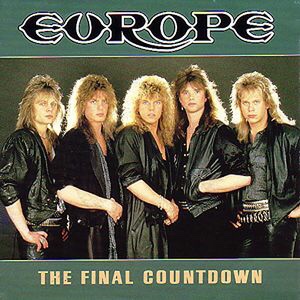
Sweden is the third largest exporter of pop music after the USA and the UK. In this series, I will include hits that you may not even know are Swedish and ones that are so Swedish, they almost smell of meatballs and aquavit. The third hit is the classic rock anthem The Final Countdown. Did you know it was Swedish?
The Final Countdown was written by Joey Tempest and released by Swedish rock band Europe in 1986. The song is as synonymous with the band as their 80’s poodle haircuts. It achieved number 1 position on the charts in 25 countries and top 10 in many others. The album, The Final Countdown, sold over 15 million copies and is still today frequently streamed.
Joey Tempest, who’s real name is Joakim Larsson, wrote many other successful songs such as Rock the Night, Cherokee and Open your Heart for Europe, but The Final Countdown was their biggest hit. In an interview Tempest said that the song was inspired by David Bowie’s Space Oddity, although the similarities evade me I have to say.
The band Europe were, and remain, enormously popular and no after ski drinking session, anywhere in the world, would be complete without the iconic tunes of The Final Countdown belting out into the night.
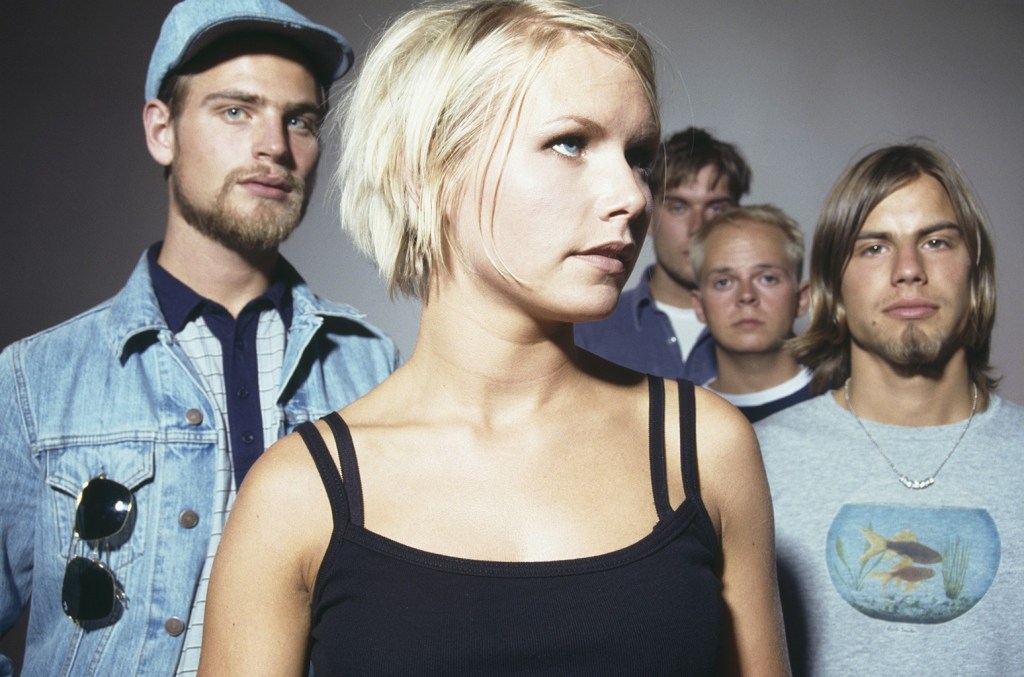
This series is about hits that you may not even know are Swedish and ones that are so Swedish, they almost smell of meatballs and aquavit. In the first post, we talked about Waterloo by Abba. This time we focus on Lovefool by The Cardigans.
This song, written by Peter Svensson and Nina Persson, was released in 1996 and marked the international breakthrough for this Swedish rock band. It was a massive hit in the UK and USA and was featured in the film Romeo and Juliet starring Leonardo DiCaprio. Tne Cardigans also appeared in an episode of Beverly Hills 90210 where they performed Lovefool at a graduation party.
The album which contained Lovefool sold platinum within three weeks in Japan, and gold in the US. The Cardigans were a very successful band selling over 18 million albums. They still tour occasionally today. They had several other hits such as Erase/Rewind and My Favourite Game but nothing achieved the huge global success of Lovefool.
With the Eurovision contest over, it is safe to say that Sweden’s song won’t be an international hit. Sweden does generally well in the competition, partly because they take it very seriously and partly because they have many talented song writers, singers and musicians. In fact, Sweden is the third largest exporter of pop music after the USA and the UK.
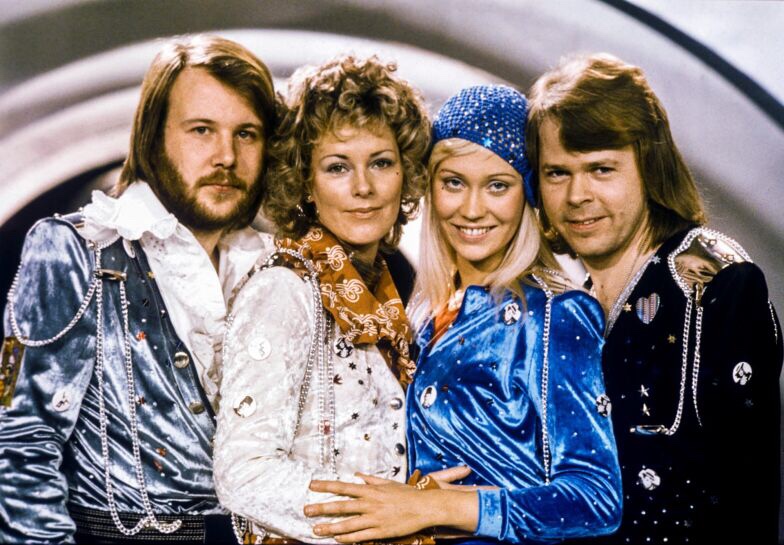
So this has inspired my next series – Swedish hits. I will include hits that you may not even know are Swedish and ones that are so Swedish, they almost smell of meatballs and aquavit. The first hit – an obvious choice – is ABBA’s Waterloo.
ABBA represented Sweden in 1974 in Brighton and won the competition. It was Sweden’s first win of six, and it catapulted ABBA into a legendary career. The song itself was a huge international success, achieving number 1 chart positions in 8 countries and the top 10 in countless others.
The song, written by Andersson, Ulvaeus and Anderson was originally given the much worse title of ‘Honey Pie’. The song was voted the best Eurovision song from the competition’s first 50 years and has somehow come to symbolise the contest because of its catchy tune, memorable lyrics and ABBA’s camp outfits.
Waterloo wasn’t ABBA’s most successful song however. Dancing Queen is their undeniable biggest hit, followed by Super Trouper and Knowing Me Knowing You.
After a decades-long hiatus, ABBA has announced that they will be releasing new music this year. This has been met by ecstasy from fans all over the world. Let’s hope that the songs are not a disappointment and that Abba finally faces its waterloo.
Finally, after six long weeks of televised qualifying competitions, Sweden voted for the song to represent the country in the Eurovision Song Contest. Called ‘Voices’, the song is about everybody’s right to be be who they are and to be heard. The song won far ahead of its nearest competitor.
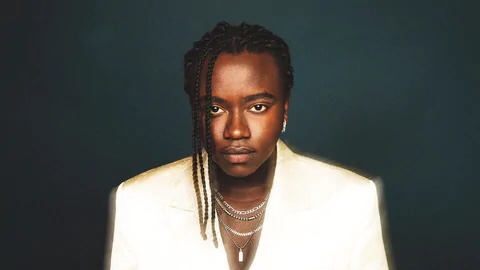
Perhaps the most interesting thing about the winning song is actually the singer. His name is Tousin Chiza, but he is known as Tusse. In 2019, he won the Swedish equivalent of Pop Idol.
The 19 year-old singer came to Sweden as an unaccompanied child refugee, fleeing the conflict in the Democratic Republic of the Congo in 2009. He ended up in the small village of Tällberg in county Dalarna where he still lives today and has an adopted Swedish family. He has been widely criticized for his appearance, as he often wears non gender normative outfits.
This is a moment where the lyrics of the song and the artist are closely connected, which possibly explains its popularity and success in the competition. Tusse sings:
‘There’s fire in the rain But we’ll get up again We’re thousand miles apart But we’ll overcome I’ll never let you down World is turning us around But I feel it in my heart Let’s make a brand new start Can’t stop us now, forget the haters Get up and live and make it matter There’s more to life so go ahead and sing it out’
It’s certainly a song that is a product of its time and it remains to be seen if the message resonates with the voters of Eurovision.
On 22 May in Rotterdam, Sweden will get the answer, and we will see if Tusse is Sweden’s 7th winner. If so, Sweden joins Ireland as the country with the most Eurovision wins since the competition began.
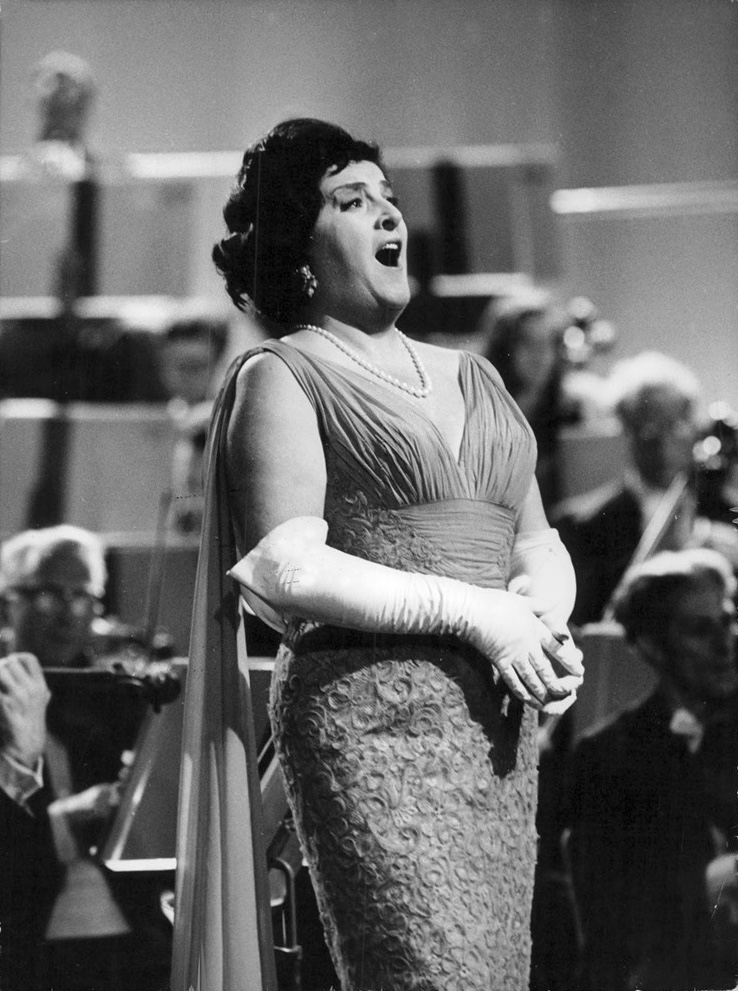
The diva of all divas, Swedish opera singer Birgit Nilsson was born 1918 in the county of Skåne in southern Sweden. She had an impressive global operatic career spanning decades, and was most known for her performances of Wagner and Strauss.
She had a belter of a voice – the New York Times referred to it as ‘a voice of impeccable trueness and impregnable stamina’. She was like an Olympian athlete, and with her enormously powerful voice, she became the most famous Wagnerian soprano of her time. During her career she played most of the significant roles for a soprano, such as Aida, Tosca, Electra, Brunhilde, Turandot and Salome.
Birgit Nilsson received numerous prestigious awards, one of which was Court Singer to the Swedish Royal Court. Once, asked what was her favourite role, she answered: “Isolde made me famous. Turandot made me rich“.
Birgitta Nilsson was often called ‘La Nilsson’ and, although she wasn’t considered difficult, she was notorious for her assertiveness, directness and her wit. When asked what it was like to sing Isolde with an unattractive male colleague, she responded : “I just close my eyes and think of Plácido Domingo.” When answering a question about her rival Joan Sutherland and if her bouffant hair was real, she gave the iconic response: “I don’t know, I haven’t pulled it yet.’’
Birgit Nilsson died in county Skåne in 2005, at the grand age of 87. She had no children but left an huge musical legacy behind her.
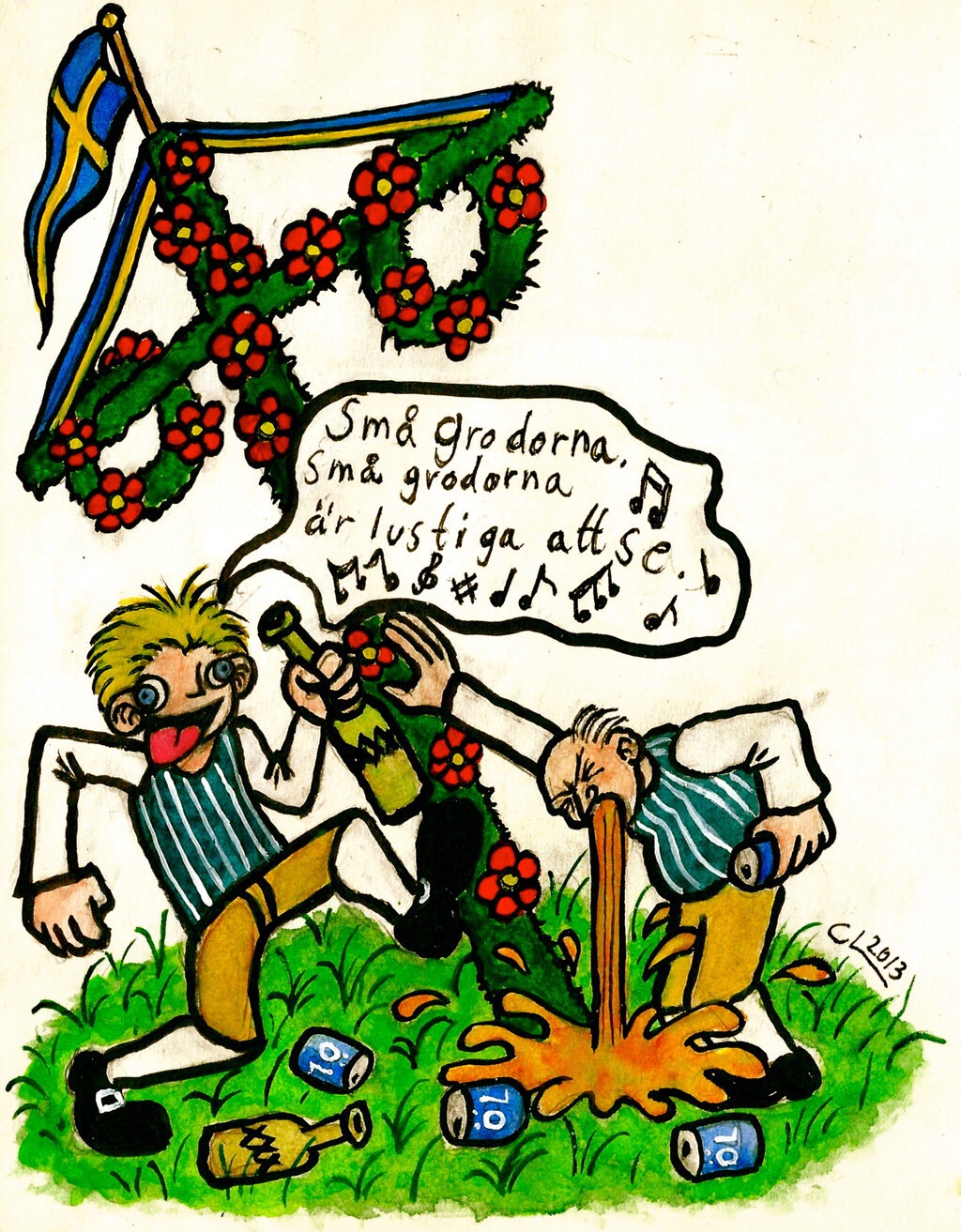
With Midsummer arriving tomorrow, it is time to start planning for your survival. Midsummer’s Eve is the craziest custom in the Swedish calender and the time of the year when Swedes go a little bonkers. As a non-Swede, get ready to brace yourself.
Since we are not fully out of the pandemic, it is important to wash hands regularly and keep a physical distance. Apart from these guidelines, here are a few more hacks to make sure you make it to Midsummer’s Day in one piece.
Greet like a Swede. In Sweden it is considered polite to greet everybody individually, even if you plan to never speak to them again or remember their name. The appropriate way is to stand 1-2 meters away, look directly in their eyes, say ‘hej’ followed by your name. They will do the same. You might even give a small wave or shake hands if you are comfortable doing so. If you are feeling adventurous, follow up your ‘Hej’ with a ‘trevligt’ or even a ‘Glad Midsommar’. Job done. Now you can hit the booze.
Snaps is not the same as a shot. A lot of alcohol gets drunk on Midsummer’s Eve, especially beer and snaps With the popularity of shots in recent years, it’s easy to make the mistake that Swedish snaps is the same thing. Believe me, it is not. Snaps can be up to 40% proof, considerably more than your normal shot. So, go easy and sip the snaps or see yourself slipping sideways off your chair before the strawberry dessert has even been put on the table.
Take tissue. Midsummer’s Eve is a looong day and you probably will need the loo at some point. The trouble is, so will everybody else – to the detriment of the supply of toilet paper. There’s a big chance you will be seeking relief in the woods so come equipped with the appropriate amounts of paper for your needs.
If shy, bring swimwear. Bathing in the icy June waters is a common activity at Midsummer. Swedes generally are not afraid of skinny dipping when they do this. If you are, then come prepared with swimwear and a towel.
Shelve your maturity. Part of Midsummer is dancing around the maypole, playing silly games, pretending to be a frog, participating in competitions. To survive these activities, it helps to conjour up your inner child and forget you are an adult for a while.
Protect yourself. Given the amount of alcohol consumed at Midsummer, it is no surprise that the many babies in Sweden are made on this day. It you don’t want to join the ranks of parents, remember to put it on before you put it in.
Throw in the thermals. It looks like it might be super sunny and warm this Midsummer’s Eve. One of the warmest ever! But it is good to be prepared. It is not unusual that temperatures fall into single figures and that pesky rain pours down onto the smorgasbord. So bring a jumper, a rain jacket and even thermals to enhance your experience.
Don’t expect culinary miracles on Midsummer’s Eve. The food is exactly the same as is eaten at Christmas and Easter, with a few small summery exceptions – strawberries, cream, dill and new potatoes. Remember to use hand disinfectant before you attack the buffet.
Learn a drinking song. On Midsummer’s Eve, food and alcohol is accompanied by Swedish drinking songs. Learn one in advance and shine at the table. Even better sing one in your own language and you are guaranteed to use those rubbers you packed just for the occasion. For me, ‘what shall we do with the drunken sailor’ works every time.
Argue over the rules. At Midsummer a popular Swedish garden game is called kubb. Involving the throwing of sticks, everybody seems to have their own understanding of the way to play. If you want to feel really Swedish, make sure you start an argument about the rules.
Take pills. Of varying types. Allergy pills are good because there are flowers everywhere: on the table, in the maypole, on peoples’ heads. Pain killers are good as a lot of snaps is consumed. Indigestion pills are good as the food is oily, fatty, acidic, smoky and rich. The after day pill is good, well… because…
That’s it! Follow this guide and you are sure to have a wonderous Midsummer’s Eve in Sweden.
Glad Midsommar!
Please share this post to help others get ready for the big day!
Welcome to the Watching the Swedes Advent Calendar. Every day, I will open a window containing a Swedish word that has something to do with Christmas and its approaching weeks.
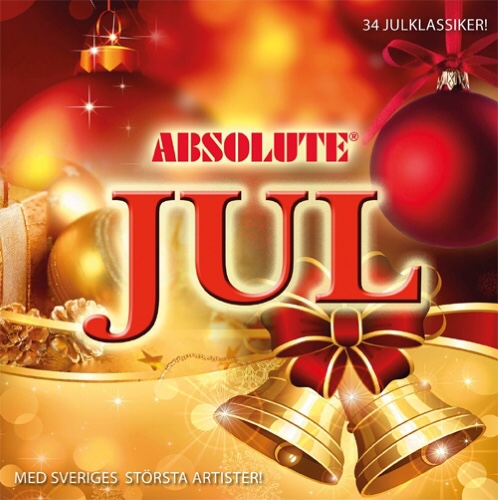
Today’s word is ‘Jullåt‘ which translates as ‘Christmas song’. The ‘å’ letter in Swedish is pronounced something like ‘or’.
Obviously, the Christmas song is not unique to a Swedish Christmas. Like many other countries around the world, the playing of Christmas music starts in shops sometime in November and probably gives the shop assistants PTSD by the time Christmas has actually arrived.
The big international songs are popular in Sweden. According to the top list released by STIM (Sweden’s Music Copyright Protection Organisation), the most played international songs on Swedish radio are Wham’s ‘Last Christmas’, ‘All I want for Christmas is you’ by Mariah Carey and Band Aid’s ‘Do they know it’s Christmas’.
However, there is also a plethora of Christmas music in Swedish to torment us – classic, carols, hymns, psalms and pop. Many of the songs have predictable titles about Christmas time and lighting candles. The top three most-played Swedish songs are called ‘Tänd ett ljus’ (Light a candle), ‘Jul, jul, strålande jul’ (Christmas, Christmas, glorious Christmas) and ‘Mer jul’ (More Christmas).
But there are also some songs with rather strange titles. Here are just a few of them:
Hello (Christmas) goblins
The fox rushes over the ice
Our Christmas ham has escaped
Shine over sea and shore
Three gingerbread men
The Christmas goat
Staffan was a stable boy
Drunk again at Christmas
The gnomes’ Christmas night
If you’d like to listen to some Swedish Christmas music, check it out here
With Midsummer rapidly approaching on Friday this week, it is time to start planning for your survival.
Midsummer’s Eve is the craziest custom in the Swedish calender and the time of the year when Swedes go a little bonkers.
As a non-Swede, get ready to brace yourself. And follow this simple survival guide to make sure you make it to Midsummer’s Day in one piece.
Greet like a Swede. In Sweden it is considered polite to greet everybody individually, even if you plan to never speak to them again or remember their name. The appropriate way is as follows, shake hands and look direct in eyes, say ‘hej’ followed by your name. They will do the same. If you are feeling adventurous, follow it up with a ‘trevligt’ or even a ‘Glad Midsommar’. Job done. Now you can hit the booze.
Snaps is not the same as a shot. A lot of alcohol gets drunk on Midsummer’s Eve, especially beer and snaps With the popularity of shots in recent years, it’s easy to make the mistake that Swedish snaps is the same thing. Believe me, it is not. Snaps can be up to 40% proof, considerably more than your normal shot. So, go easy and sip the snaps or see yourself slipping sideways off your chair before the dessert has even been put on the table.
Take tissue. Midsummer’s Eve is a looong day and you probably will need the loo at some point. The trouble is, so will everybody else – to the detriment of the supply of toilet paper. There’s a big chance you will be seeking relief in the woods so come equipped with the appropriate amounts of paper for your needs.
If shy, bring swimwear. Bathing in the icy June waters is a common activity at Midsummer. Swedes generally are not afraid of skinny dipping when they do this. If you are, then come prepared with swimwear and a towel.
Shelve your maturity. Part of Midsummer is dancing around the maypole, playing silly games, pretending to be a frog, participating in competitions. To survive this, it helps to conjour up your inner child and forget you are an adult for a while.
Protect yourself. Given the amount of alcohol consumed at Midsummer, it is no surprise that the most babies in Sweden are made on this day. If you don’t want to join the ranks of parents, remember to put it on before you put it in.
Throw in the thermals. It looks like it might be sunny and warm this Midsummer’s Eve. But it is good to be prepared. It is not unusual that temperatures fall into single figures and that pesky rain pours down onto the smorgasbord. So bring a jumper, a rain jacket and even thermals to enhance your experience.
Don’t expect culinary miracles on Midsummer’s Eve. The food is exactly the same as is eaten at Christmas and Easter, with a few small summery exceptions – strawberries, cream, dill and new potatoes.
Learn a drinking song. On Midsummer’s Eve, food and alcohol is accompanied by Swedish drinking songs. Learn one in advance and shine at the table. Even better sing one in your own language and you are guaranteed to use those rubbers you packed just for the occasion. For me, ‘what shall we do with the drunken sailor’ works every time.
Argue over the rules. At Midsummer a popular Swedish garden game is called kubb. Involving the throwing of sticks, everybody seems to have their own understanding of the way to play. If you want to feel really Swedish, make sure you start an argument about the rules.
Take pills. Of varying types. Allergy pills are good because there are flowers everywhere: on the table, in the maypole, on peoples’ heads. Pain killers are good as a lot of snaps is consumed. Indigestion pills are good as the food is oily, fatty, acidic, smoky and rich. The after day pill is good, well… because…
That’s it! Follow this guide and you are sure to have a wonderous Midsummer’s Eve in Sweden. Glad Midsommar!
Please share this post to help others get ready for the big day!
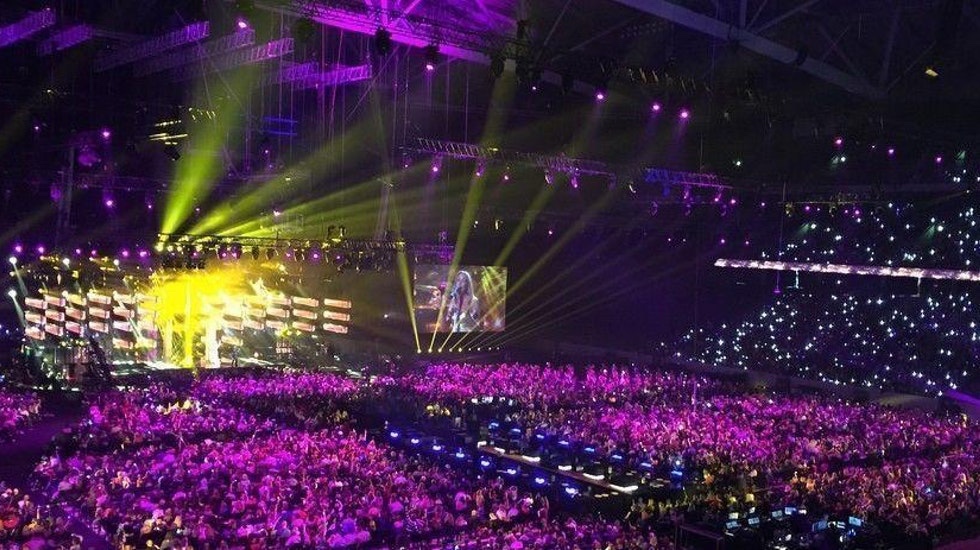
We are in the middle of the Eurovision qualification rounds (known colloquially as ‘Mello’) in Sweden – three weeks in, three weeks to go. This extended selection period occupies every Saturday night for 6 weeks, and results in the song and artist who will represent the country in the big final in Israel.
People gather up and down the country to have ‘Mello’ parties. Social media and traditional media are full of comments about the bad quality of the contestants this year (and every year). People are raging that the wrong songs are voted to move on in the league table.
Nobody, and I mean nobody takes their Eurovision (ESC) more seriously than the Swedes.
But why is that? Here are a few theories:
Brightening up the winter blues. Mello comes during the deepest, darkest, dreariest time of the year. The glittery colourfulness of Mello brightens up February and early March, when nothing much else happens.
Reliving the glory days. ABBA’s legacy is a constant reminder to Swedes that they once reached long-lasting global fame and it all started at ESC. Every year is a hunt for the next big thing, when the international light will shine once more on this little country in the north.
Organized ‘religion‘. Sweden is, relatively speaking, not a religious country. So the human need for organising ourselves into a collective manifests itself in other ways. Hockey and football become a form of organized religion. And ‘Mello’ is another variation on the same theme. Ask Swedes why they like Mello and many use the word ‘folk fest’ – a ‘national party for the people.’
Swedish traditions. Sweden is a country that is good at holding on to traditions – crayfish parties, snaps songs, semla cream buns, Easter trees – to name just a few. Therefore it is easy for this society to absorb, and structure, new traditions. Halloween is now a thing here. So is Valentine’s Day. So Mello becomes another tradition and slots nicely into the national calendar.
Vicarious extrovertism. Swedes are not generally known for being outgoing and extroverted, although there are of course exceptions. This means that Mello becomes so attractive, as it’s an opportunity for Swedes to live vicariously through the ‘crazy’ performers who dance around in sequins and funny outfits. It’s also an opportunity to push your own boundaries and wear a glittery hat or a pink feather boa. And all under organised, acceptable conditions.
Love of music. Because some Swedes actually like the music.
Which theory is most accurate do you think? Do you have another theory?
 Watching the Swedes