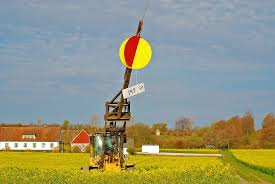
Sweden’s Easter Art Drive

Now it’s Easter break with 4 lovely days off for most of us. In Sweden, this is a time that many people go out to their country houses or travel abroad to warmer climes. If you’re still in Sweden, and looking for something to do, one suggestion is to head south to the county of Skåne, and the region within Skåne called Österlen. Every year, over Easter, this area hosts an Easter Art Drive, or ‘Open Studios Week’ where you can travel around and get a rare glimpse into the homes and studios of working artists.

This event started in 1968, when a few artists decided to open their studios to the public. Within six years, this had expanded to well over 60 artists welcoming people directly in to their places of work. Most of the artistic fields are represented – sculptors, painters, textile artists, glassblowers, silversmiths, ceramic artists, printmakers, handcraftsmen, wood and computer artists.

It is a fantastic experience. Driving through the beautiful Swedish countryside between villages, wandering amongst the studios built from renovated barns, drinking coffee in the temporarily opened out buildings and hen houses.  The artists themselves are usually there and it is easy to engage in conversation about their work and their inspiration. Everything is for sale, so you can also leave Easter week with a unique and reasonably-priced piece of art under your arm.

For more information, check out http://www.oskg.nu/english

A witchy pink Thursday in Sweden

easterwitchmooon

Today is ‘Maundy Thursday’ in English and in Swedish it has the unusual name of ‘Skärtorsdag’. The word ‘skär’ means ‘pink’. But does that make today Pink Thursday?Actually not. The word ‘skär’ has another meaning that might be more relevant – ‘clean’ – and it is a biblical reference.

If you know your bible stories, today being the day before Good Friday is the day when Jesus gathered his disciples together for the Last Supper, introduced communion, and was later betrayed by Judas, and condemned to death on the cross. Prior to the Last Supper, Jesus washed the feet of the disciples. And he washed them clean – a symbolic metaphor for purification and the washing away of sin.

So, today isn’t Pink Thursday – it’s Clean Thursday. In fact, in English ‘Maundy Thursday’ also relates to the same act in the bible – the act of ritual cleaning is known an The Maundy.

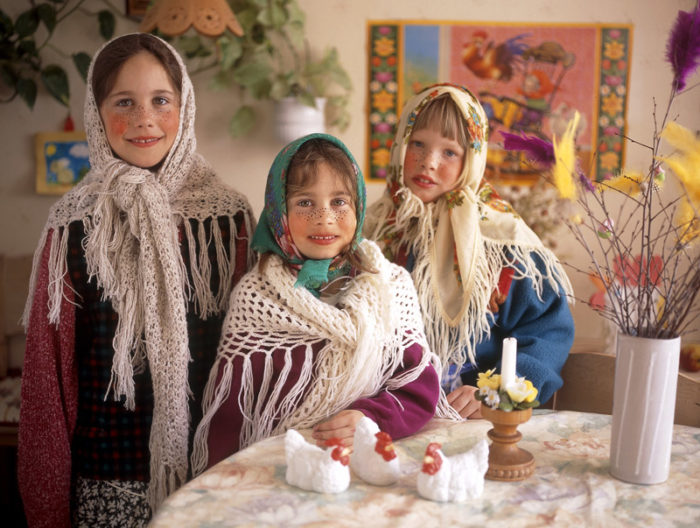
However, in Sweden, today isn’t that much about washing feet – it’s more about witchcraft! Today is celebrated by children dressing up as witches, rather like we do in the UK and USA on Halloween. Children go door to door in their outfits begging for sweets. Well, at least this is what I have heard. In the 20 years I have lived in Sweden, no witchy child has ever knocked on my door. Maybe that’s a city thing?  Perhaps the tradition is more popular in the suburbs and the countryside?

But why do they dress at witches in the first place? Well, this tradition originates from the belief centuries ago that the Skärtorsdag was the night of the witches, where these wicked hags would climb onto their broomsticks and fly to a mountain called Blåkulle. It was a night of danger and evil, and Swedish people would bar their doors to their houses and barns and leave outside gifts that would make the witches’ journey easier – food, milk, clothes, broomsticks. Today, that translates into the Swedish version of trick or treating.

paskkarringar-2-700x528

So if you celebrate by cleaning, or by dressing up as a witch or by eating candy – you’ll be kicking off your Easter the Swedish way!

25 Swedish False Friends

Sorry to potentially disappoint you but this post isn’t about the deceitful nature of Swedish people. It’s about a linguistic concept known as the ‘false friend’.

When we are learning a foreign language, there are many words that are similar in our own language and in the language that we are trying to learn. In some cases, these words have the same meaning and that’s all good. In other cases, these similar-sounding words have different meanings and trick us into a fake sense of security – these words are called bilingual homophones or ‘false friends’.

The origin of the term is as a shortened version of the expression “false friend of a translator”, the English translation of a French expression introduced by linguists Maxime Kœssler and Jules Derocquigny in their 1928 book, ‘False Friends, or the Pitfalls of the English Vocabulary’.

So prepare yourself. Here are 25 false friends between Swedish and English:

    ‘Eventuellt’ in Swedish does not mean ‘eventually’ in English. It means ‘possibly’.
    ‘Smälla’ (pronounced smella) in Swedish means ‘burst’, not ‘smell’
    ‘Advokat’ in Swedish does not mean ‘advocate’, it means ‘lawyer’.
    ‘Vrist’ is your ‘ankle’, not your ‘wrist’
    ‘Ansvar’ is responsibility, not ‘answer’
    ‘Nöt’ (kött) is not ‘nut’, it is the Swedish word for ‘beef’. ‘Biff’ isn’t ‘beef’, it’s more of a burger or a beef steak
    ‘Blankett’ in Swedish doesn’t mean ‘blanket’. It is the word for a ‘form’ that one fills in.
    ‘Kind’ (pronounced shind) isn’t ‘chin’ or ‘shin’. It is the Swedish word for ‘cheek’.
    ‘Kock’ is the Swedish word for ‘chef’. Say no more. ‘Chef’ is the Swedish word for ‘manager’.
    ‘Konkurrera’ does not mean ‘concur’. Quite the opposite in fact, it means ‘compete’.
    ‘Kostym’ isn’t ‘costume’. It means ‘suit’.
    ‘Delikat’ means ‘delicious’, not ‘delicate’.
    ‘Fabrik’ means ‘factory’, not ‘fabric’
    ‘Familjär’ sounds like it would mean ‘familiar’. But it doesn’t, it means ‘intimate’ in English.
    ‘Grind’ doesn’t mean ‘grind’ in English. It is the Swedish word for a ‘gate’.
    ‘Hammock’ sounds like it would be ‘hammock’ in English but it isn’t – it is the word for a ‘porch swing’.
    ‘Hugga’ won’t get you a hug in Swedish, it’ll get you a ‘stab’
    ‘Kiss’ isn’t a loving kiss in Swedish. It is the word for pee/piss. Something altogether different.
    If you ask for a ‘pensel’ in Sweden, you won’t get a ‘pencil’ – you’ll get a paintbrush,
    ‘Recept’ means ‘recipe’ or ‘prescription’ – not ‘receipt’
    ‘Stol’ is not a ‘stool’. It’s a chair.
    ‘Vikarie’ isn’t ‘vicar’. It’s a stand-in or a replacement.
    ‘Blinka’ is not ‘blink’, it is ‘to wink’. And ‘vinka’ is ‘to wave’.
    ‘Necessär’ isn’t ‘necessary’. It is what Swedes call their ‘toiletary bag’ or ‘wash bag’.
    If you give somebody ‘dricks’, you are giving them a ‘tip’, not a drink.

What others can you think of?

Swedish False Friends

Sorry to potentially disappoint you but this post isn’t about the deceitful nature of Swedish people. It’s about a linguistic concept known as the ‘false friend’.
When we are learning a foreign language, there are many words that are similar in our own language and in the language that we are trying to learn. In some cases, these words have the same meaning and that’s all good. In other cases, these similar-sounding words have different meanings and trick us into a fake sense of security – these words are called bilingual homophones or ‘false friends’.

The origin of the term is as a shortened version of the expression “false friend of a translator”, the English translation of a French expression introduced by linguists Maxime Kœssler and Jules Derocquigny in their 1928 book, ‘False Friends, or the Pitfalls of the English Vocabulary’.

So prepare yourself. Here are 25 false friends between Swedish and English:

    ‘Eventuellt’ in Swedish does not mean ‘eventually’ in English. It means ‘possibly’.
    ‘Smälla’ (pronounced smella) in Swedish means ‘burst’, not ‘smell’
    ‘Advokat’ in Swedish does not mean ‘advocate’, it means ‘lawyer’.
    ‘Vrist’ is your ‘ankle’, not your ‘wrist’
    ‘Ansvar’ is responsibility, not ‘answer’
    ‘Nöt’ (kött) is not ‘nut’, it is the Swedish word for ‘beef’. ‘Biff’ isn’t ‘beef’, it’s more of a burger or a beef steak
    ‘Blankett’ in Swedish doesn’t mean ‘blanket’. It is the word for a ‘form’ that one fills in.
    ‘Kind’ (pronounced shind) isn’t ‘chin’ or ‘shin’. It is the Swedish word for ‘cheek’.
    ‘Kock’ is the Swedish word for ‘chef’. Say no more. ‘Chef’ is the Swedish word for ‘manager’.
    ‘Konkurrera’ does not mean ‘concur’. Quite the opposite in fact, it means ‘compete’.
    ‘Kostym’ isn’t ‘costume’. It means ‘suit’.
    ‘Delikat’ means ‘delicious’, not ‘delicate’.
    ‘Fabrik’ means ‘factory’, not ‘fabric’
    ‘Familjär’ sounds like it would mean ‘familiar’. But it doesn’t, it means ‘intimate’ in English.
    ‘Grind’ doesn’t mean ‘grind’ in English. It is the Swedish word for a ‘gate’.
    ‘Hammock’ sounds like it would be ‘hammock’ in English but it isn’t – it is the word for a ‘porch swing’.
    ‘Hugga’ won’t get you a hug in Swedish, it’ll get you a ‘stab’
    ‘Kiss’ isn’t a loving kiss in Swedish. It is the word for pee/piss. Something altogether different.
    If you ask for a ‘pensel’ in Sweden, you won’t get a ‘pencil’ – you’ll get a paintbrush,
    ‘Recept’ means ‘recipe’ or ‘prescription’ – not ‘receipt’
    ‘Stol’ is not a ‘stool’. It’s a chair.
    ‘Vikarie’ isn’t ‘vicar’. It’s a stand-in or a replacement.
    ‘Blinka’ is not ‘blink’, it is ‘to wink’. And ‘vinka’ is ‘to wave’.
    ‘Necessär’ isn’t ‘necessary’. It is what Swedes call their ‘toiletary bag’ or ‘wash bag’.
    If you give somebody ‘dricks’, you are giving them a ‘tip’, not a drink.

What others can you think of?

The night I lost my sight in Sweden

Last night some friends and I had an interesting dining experience in Stockholm. We went to a place called Svartklubb – which translates as ‘black club’ and is also the Swedish word for a speak-easy. The name of the place is a clever play on words, because the entire dining room is actually plunged into darkness, and the waiting staff are blind.

The purpose of the restaurant is to provide guests with the experience of how it is to be without sight. And it’s an interesting, and humbling, way to spend a few hours. The dining room was pitch black, you were guided through the darkness to your seat, you couldn’t see your hand in front of your own face. An unknown three-course meal (delicious) and drinks were served to you and you had to navigate the use of cutlery and glassware without spilling on yourself, smashing glasses or spraying your neighbours. You had no idea what your environment looked like, what the other diners on the next table looked like or even how far away you were sitting from each other.

The thing that I found most disturbing was the noise level in the room. When sight is removed, our other senses increase, and to me it felt like people were screaming and shouting. This was a surprising insight into how it must be for blind people on a daily basis.

Once out of the dining room, as my eyes adjusted to the dim light in the bar, a sense of relief swept over me. At last my sight was back. And again the realization hit me that, for blind people, their sight doesn’t come back. What we just experienced for a short time is the reality for them 24-7. It certainly gave me a sense of reverence.

In Sweden, there are approximately 100,000 people registered as blind or visually impaired. According to the WHO, there are 253 million people globally who are visually impaired – 36 million people of them who are fully blind. That number will increase to 115 million people by 2050. The majority of these are in developing countries, and the tragedy is that roughly 75% of blindness could be prevented or cured with a simple operation.

If you are interested in donating some money to help, then check out the organization http://www.sightsavers.org

If you are interested in trying out Svartklubben, you can book a table at http://www.svartklubben.com or via Ticketmaster.

Who is Sweden’s Patron Saint?

Last night I was at a party (not the picture above). I was clad in green, and wearing a green sign saying Lucky and depicting a pot of gold. Over the speakers, a mix of folk music, U2 and the Cranberries blasted out. Offensive green-coloured beer was served.

Today, 17 March, is St Patrick’s Day. St Patrick, the Patron Saint of Ireland, is being celebrated all over the world. And just like me last night, people are donning green clothes, dancing to fiddely-diddely music and downing beer.

Out of curiosity, I wondered who Sweden’s Patron Saint is. So I researched and I have to say the answer wasn’t totally clear. One Saint in particular kept popping up, but in only one case did I see her referred to as the Patron Saint of Sweden. She is however one of Europe’s 6 Patron Saints.

Do you know who I’m referring to?

I am referring to Saint Brigit, known in Swedish as Saint Birgitta. She is definitely the most celebrated saint of Sweden. Born 1303 into a wealthy noble family, she entered a Catholic convent after the death of her husband. By this time she was 41 and had 8 children. In 1350, she went to Rome to meet the Pope and there she remained until her death at the age of 70. Her feast day is 23 July, the day she died. Brigit established the Swedish religious community which was to become the Order of the Most Holy Saviour, or the Brigittines at the Swedish town of Vadstena.

Brigit is known for her many influential visions. In her first, at the age of 10, she saw Jesus suspended on a cross. Ages. Her visions of the birth of Jesus came to affect nativity art for centuries to comethe infant Jesus lying on the ground and emitting light himself, the Virgin as blond-haired, a single candle attached to the wall, and the presence of God the Father above. Her visions were recorded in Revelationes coelestes (“Celestial revelations”) and made her a revered and controversial celebrity in the Middle

In Sweden people know vaguely who Birgitta is. I wonder if many know that she is the Patron Saint of the country. She is fairly far from the minds of most Swedes and, unlike the Irish St Patrick, or the Welsh St David, not at all integrated into Swedish identity.

Probably because of her ‘invisibility’, I actually haven’t heard of annual celebrations in Sweden to commemorate Brigit. I’m guessing it’s a low-key affair for the converted. I’m guessing it’s about prayer, meditation and reverence. I’m guessing it’s not about dressing in a unified colour and dancing the jig. And I assume very little beer guzzling is involved.

Why Germans don’t like Swedish curtains

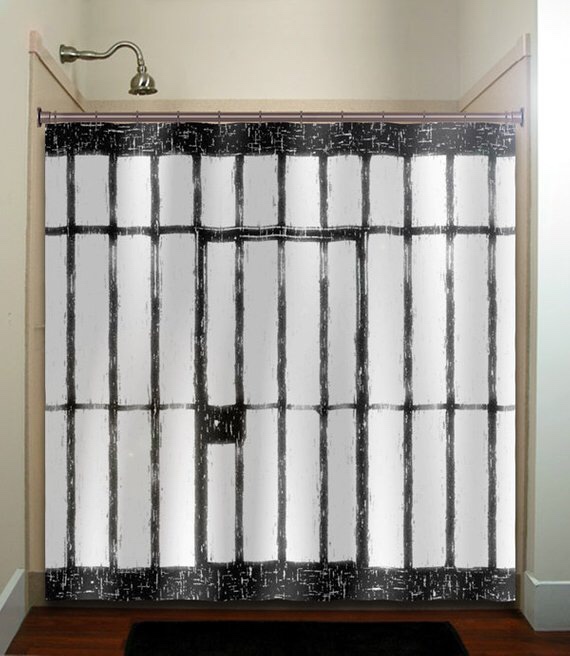
Ask people to think about Sweden and invariably they will say IKEA. The massive flat-pack corporation has world dominance when it comes to home furnishings. However, in Germany, Swedish curtains are not necessary an attractive option.

To be ‘hinter schwedischen Gardinen’ (behind Swedish curtains) in colloquial German means to be in prison.

Not entirely sure of the reason but one theory is as follows:

German bars used to be made from strong Swedish steel, as they were particularly strong and escape-proof. When the bars formed a grille, they became the kind of ‘curtain’ that you don’t want to be behind!

Please share this post if you found it interesting.

Follow me at #watchingtheswedes

‘Don’t act like you’re a Swede!’

Unfortunately I can’t speak Spanish very well. However, I have heard a phrase in Spanish that is somewhat derogatory to the Swedes.

In Spanish there is a well-known expression ‘no te hagas el suecowhich means ‘Don’t act like you’re a Swede.’ A related expression is ‘hacerse el sueco‘ which means ‘to play Swedish’.

The expression apparently means ‘don’t pretend you don’t understand’ or ‘don’t act dumb’. It is often used when somebody is trying to get out of taking responsibility for something.

Clearly there’s an element of dishonesty underlying this expression and that’s not particularly favorable towards Swedes.

I wonder what has happened in Spanish history that was the catalyst for this well-known and well-used expression? I’m not playing dumb, I’m afraid I don’t know.

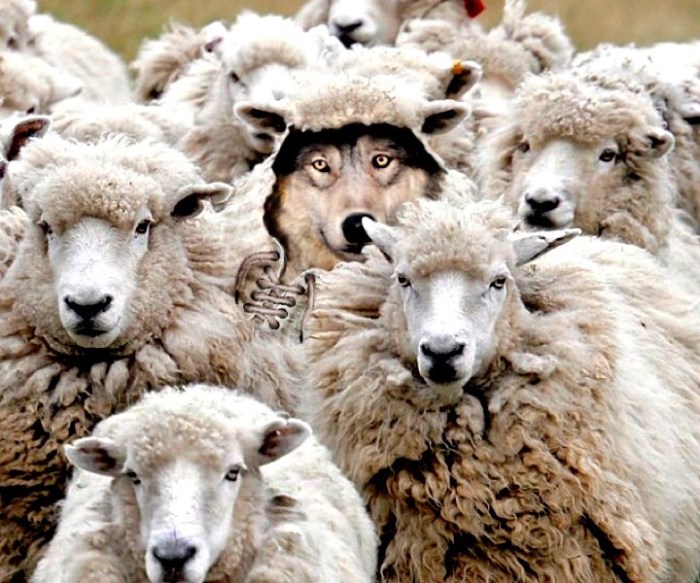
Oh my God! Am I pretending to be Swedish?!!

Please share this post and follow me at #watchingtheswedes

Swedish ‘Ski shooting’ – the king of the hybrids

In the Swedish town of Östersund, the World Championships in biathlon is currently taking place. For the uninitiated of you, the biathlon is a winter sport that combines cross-country skiing and rifle shooting. In Swedish, it is called ‘skidskytte’ – literally ‘ski shooting’. The sport is a race where the contestant with the shortest total time wins. Depending on the competition, missed shots result in extra distance or time being added to the contestant’s total.

The biathlon is an example of a hybrid sport – one which combines two or more sports in order to create a new sport. Waterpolo, which combines swimming and handball, is another example. Biathlon is the king of the hybrids as it is the only one to be recognised as an Olympic sport.

As usual, I got curious about what other hybrid sports exist. So I did some research. Here are some of the, according to me, funniest ones:

Bossaball – combines the many elements of volleyball, football, gymnastics and the Brazilian martial art Capoeira. Strangely, it is played on an inflatable field with 2 trampolines at each side of the net. These allow players per side to bounce high to spike or touch the ball.

Chess boxing – weirdly combines the sport of boxing with games of chess in alternating rounds. Chess boxing fights have been organized since early 2003.

Darchery – combines darts and archery, using crossbows and arrows typically used for archery, but the target is a dart board.

Footgolf – combines football with golf. Players kick a football into large holes placed around a golf course.

Headis – combines table tennis and football. Players use their heads to hit a football across the table tennis table and net. Sounds exhausting.

Kronum – combines handball, football, basketball and rugby played on a circular field with four goals at each end.

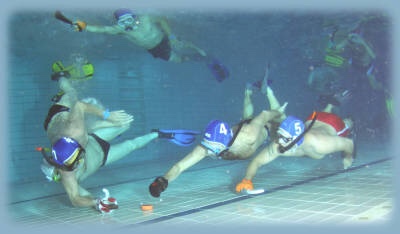
Octopush – combines swimming, diving and hockey. Players try to push around a hockey puck at the bottom of a swimming pool. The goal is to shoot the puck with a small, curved piece of wood into the opposing team’s goal.     

Do you play any of these sports? Or do you play another hybrid sport? Let me know!

Please share this post if you liked it, and follow me on Insta #watchingtheswedes

It’s fatty Tuesday – Swedish style!

Today it’s ‘Fat Tuesday’ in Sweden, known as Shrove Tuesday or Mardi Gras around the world.

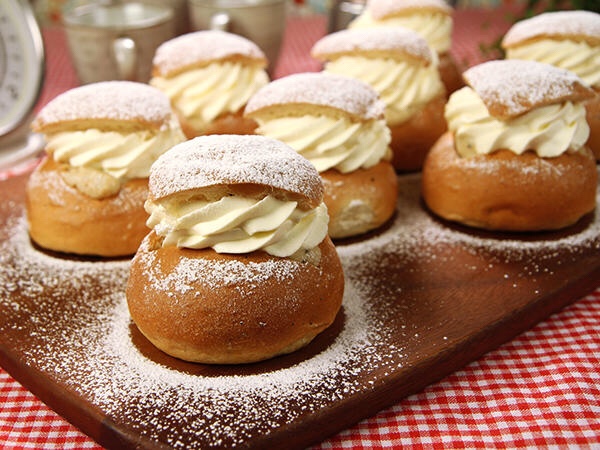
While in the UK we eat pancakes (today is even called Pancake Day) and in Latin America they scoff down fried bread, Swedes celebrate by eating the traditional cream Lent bun – the ‘semla’. I’m also clearly going to indulge. In fact, my mouth is watering just writing this post.

The semla is a creamy bun filled with delicious almond paste. They were eaten traditionally in Sweden to commemorate the start of Lent and the great Fast, leading up to Easter. In the south of Sweden, they still refer to them as ‘fastlagsbullar’ – Shrovetide buns. Nowadays however, semlas are usually sold anytime between Christmas and Easter.

I just love them. I could eat a barrel load. But I’d end up looking like a barrel if I did. I love the taste of them, and the feeling of luxurious indulgence. I also love the knowledge that as you take a bite into a creamy semla, you are biting into over 500 years’ history of Scandinavian baking.

The word ‘semla’ comes from the Latin ‘simila’ which means fine flour and originally referred just to the bun without any filling. As long ago as the 1500’s, bakers started to hollow out the middle of the bun and fill it with cream and butter. As ingredients became more available, bakers started adding almond and cardemon and the type of semla that we know today developed towards the end of the 1800’s. After rationing of sugar and dairy products ceased at the end of WW2, the semla took off and became very popular.

Nowadays the semla trend has reached new heights. Every year bakers around the country try to launch new types of semla, with their own spin on it -for example, the semla wrap, the semla burger, the semla layer cake, the semla cocktail, the chocolate semla, the vanilla semla, the lactose-free, gluten-free vegan semla. This year, the gross-sounding fermented Baltic herring semla was revealed.

But I’m a traditionalist in this matter. Give me a round fluffy cardemon-scented wheat bun brimming over with whipped cream and almond paste.

And give it to me NOOOOWWW!!!