Why do Swedes have a winter sport break? 

Around this time of the year, schools have a week’s holiday. Called Sportlov it’s a traditional time for a winter sport break. 

This tradition was introduced in 1940 and was initially a way to save energy. Heating up schools cost money and, due to rationing, councils were instructed to drastically reduce their heating expenses. To give the pupils something meaningful to do while the school was shut, the authorities organised various activities, many focused on being outdoors and exercising. During the 50’s, experts realised that infection spread less widely at this time of the year if schools were closed for a week. So the winter sport break became cemented and an official disease control method. 

Nowadays, many families head off to the mountains to go skiing, some head off to the Alps for the same purpose.

For those of us left in town, it’s sheer bliss. 

There is hardly anybody on the buses and tube, traffic is significantly thinner and less noisy and it’s easy to get a seat at lunch time. 

And the fact that there are hardly any children in town means the rest of us don’t get infected with kid flu bacteria on our way to work. 

Swedes – look up!!

IMG_4975

I shared the bus journey this morning with ten other people. Of these ten people, 8 of them had their heads buried in their mobile phones. White headphones on, they were captivated by their little screens. Reading the news, playing a game, updating their statuses was more important than what was going on physically around them.

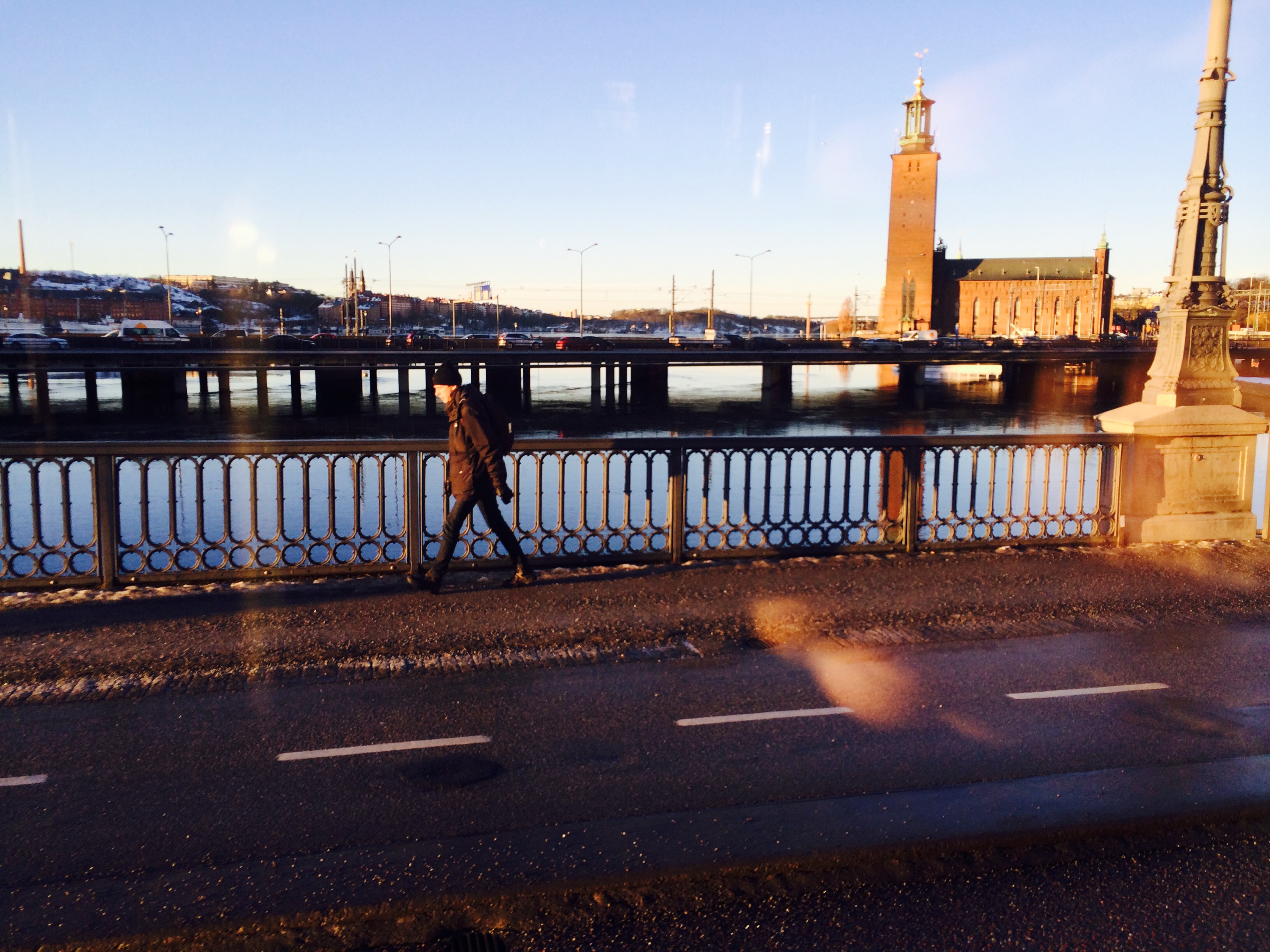
Outside the sun was shining, the sky was blue and Stockholm looked fantastic. It was a lovely morning, full of energy and light. But these 8 people completely missed it. Think what we all miss when we get sucked into our screens rather than observing the environment around us. Think of the beauty we do not encounter, or the opportunities we miss.

So I’d like to issue a challenge. Next time you’re on the bus, or the tube, or the train – look up! Who knows what you might discover.

Sunny Stockholm Sunday

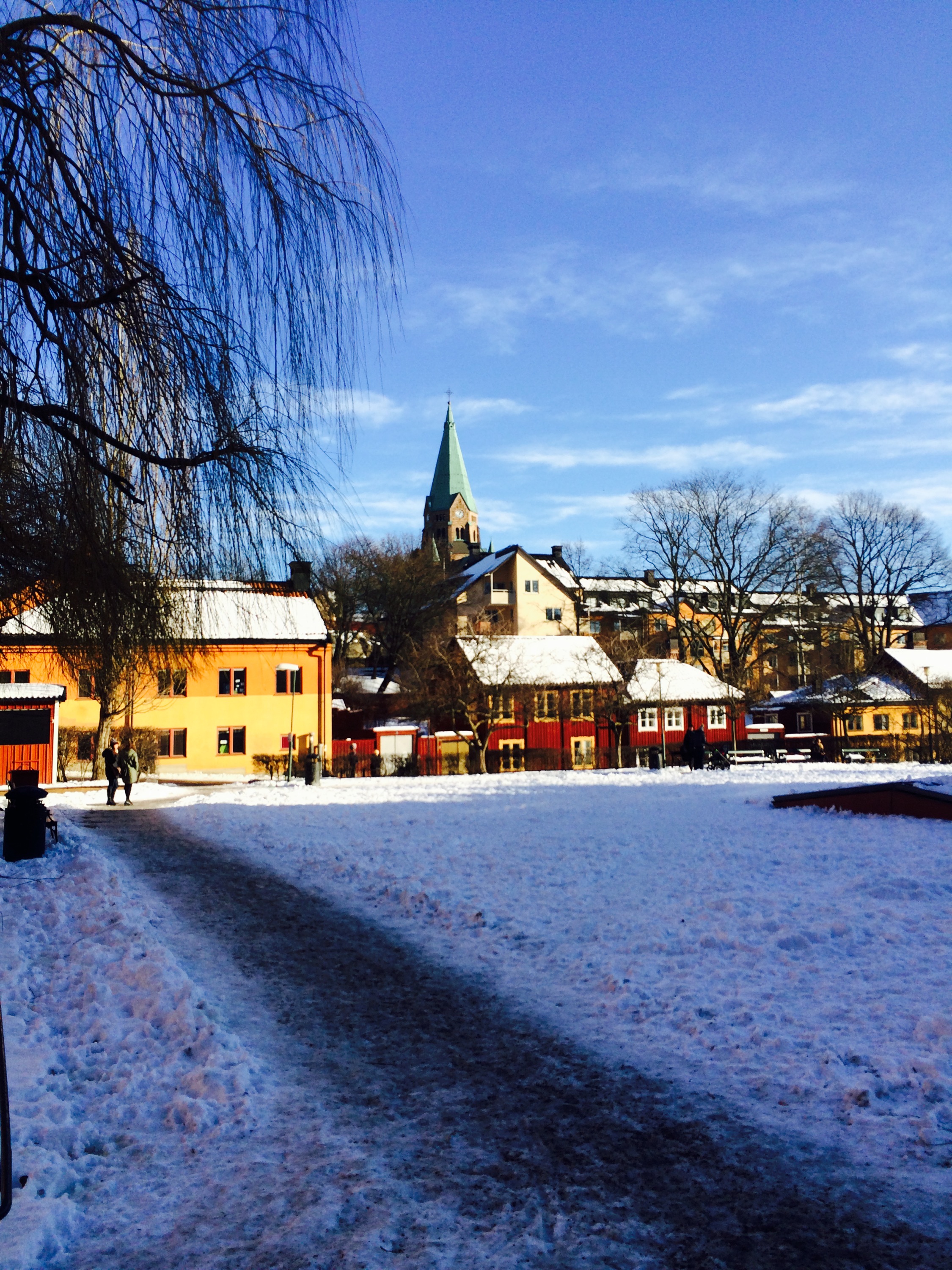
Facebook is today inundated with photographs of the great outdoors. After a long, dark autumn the sun is shining brightly over Stockholm and the sky is royally blue. Photos of people on skis, frozen lakes, rust-colored facades, glistening trees, ice crystals, chilly dogs, and snow-covered rooves abound. Like hibernating bears, the people of the Swedish capital emerge from their lairs when the sun appears. And at this time of the year, a cold, bright white sun is the perfect remedy to the winter blues. Stockholm is a breath-takingly beautiful city on these crisp, February days. So, it’s just to put on the woolly hat, the scarf, gloves, thick coat and winter boots and head outside for your shot of beauty and vitamin boost.

Here’s a picture from my walk:

IMG_4964

Reading the city

2015/01/img_4867.jpg

2015/01/img_4866.jpg

2015/01/img_4868.jpg

One of the best things about walking around a city is that you can read the layers of architecture which gives you an insight into the lives and times of current and earlier city residents.

And Stockholm is no exception.

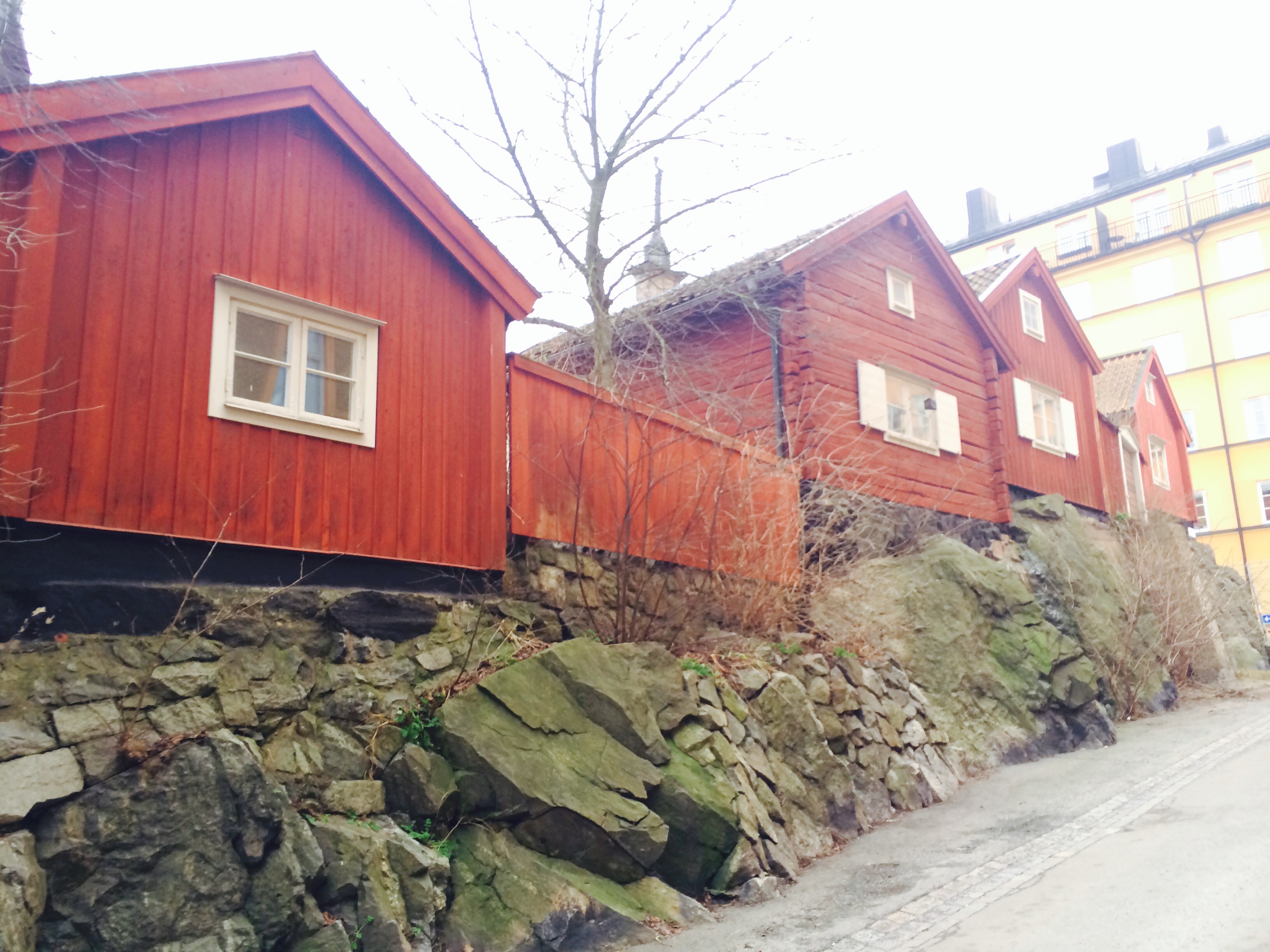
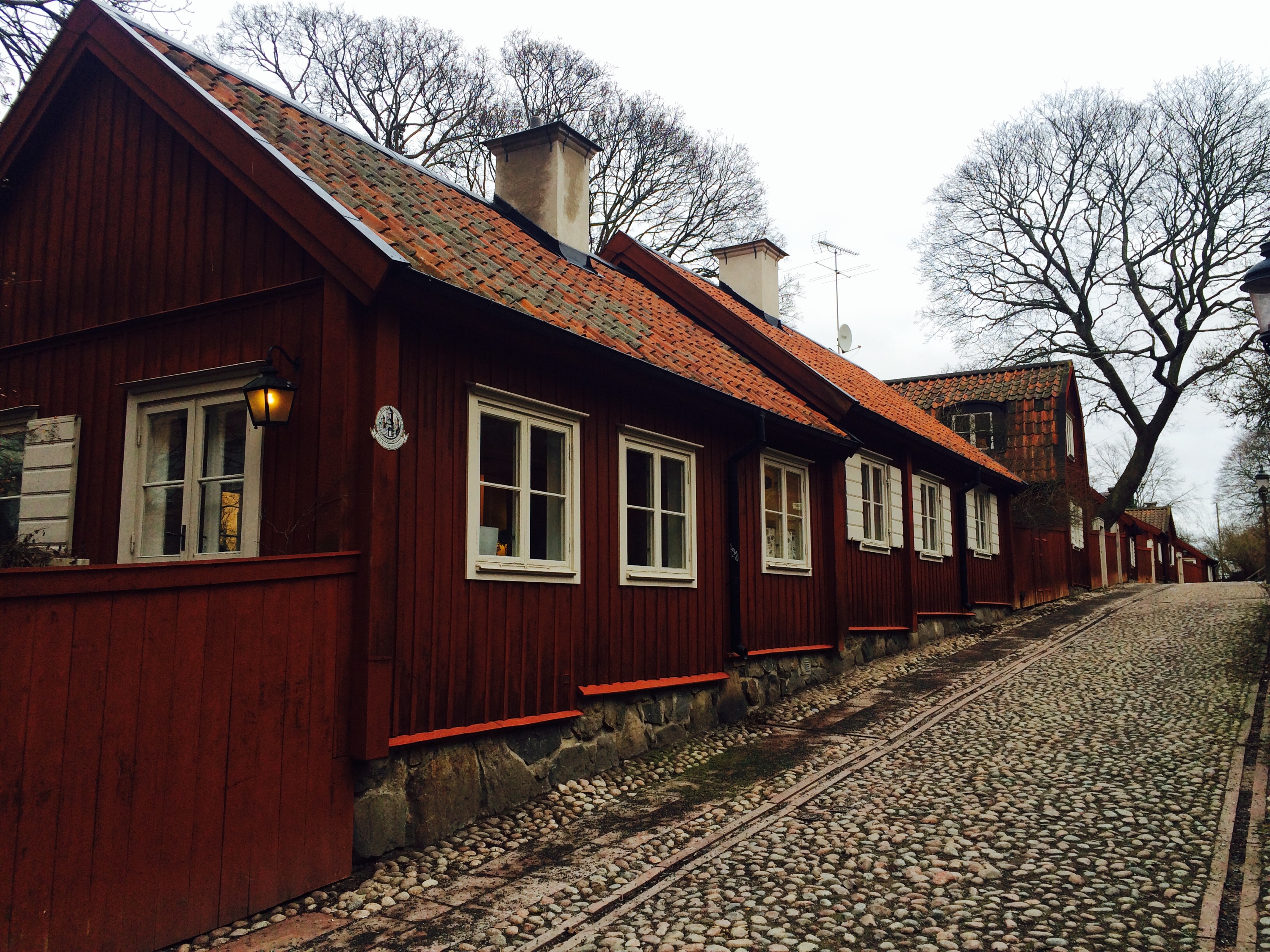
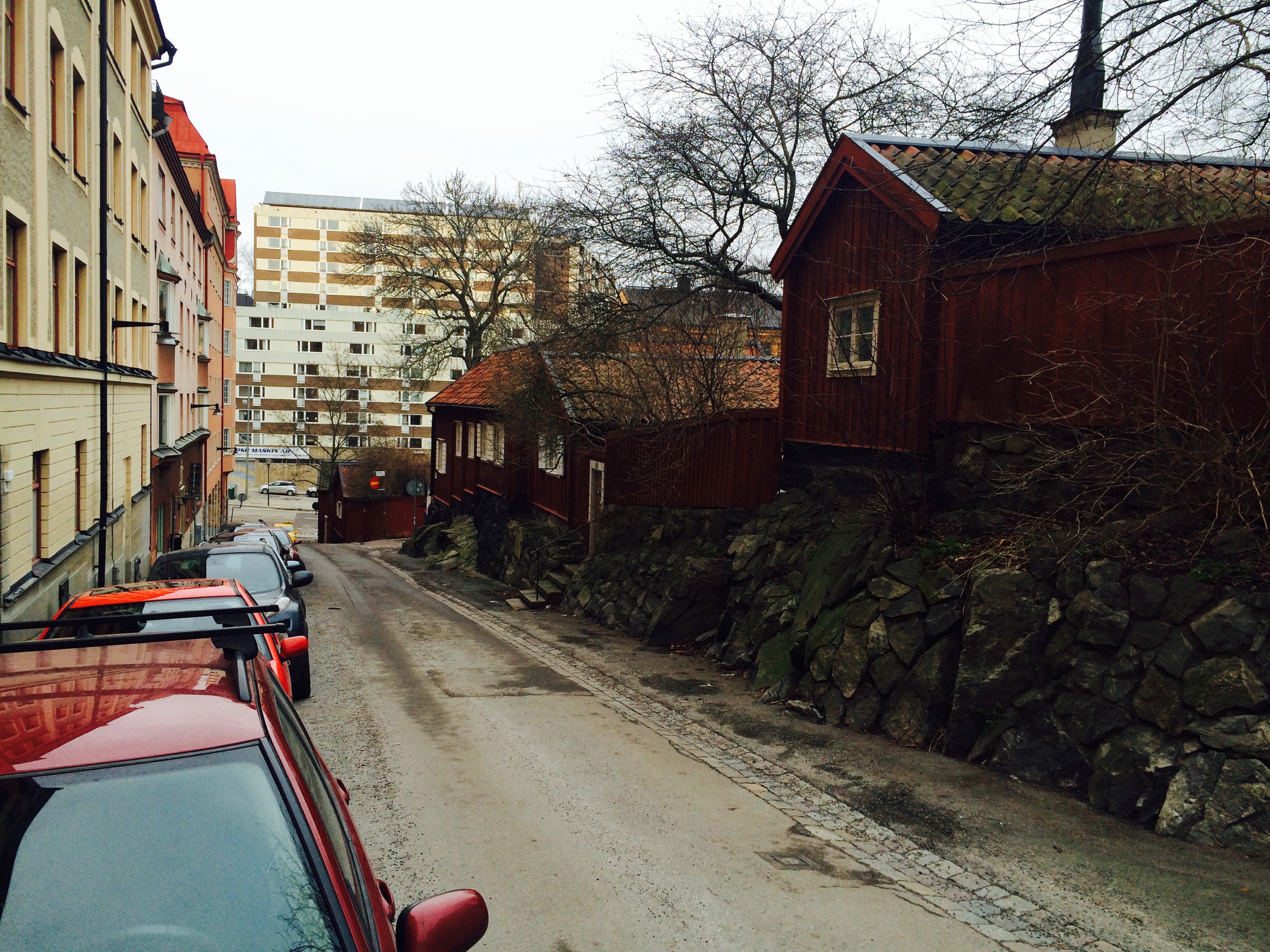
On the island of Södermalm, there is a cluster of old red, wooden houses perched amongst blocks of flats from the twentieth century. Most of these houses originate from the 1700’s and were homes to workers in the nearby tar yard and the docks. These were stinky, tough and perilous jobs. And, just like today, Stockholm was rapidly growing and people migrated into the city in droves. And just like today, there was a housing crisis even then. In the 1800’s and 1900’s these small, red houses were so overcrowded and filthy that they became dilapidated and dangerous.

Eventually in 1956, the government decided to renovate and improve the living standards for the poverty-stricken residents.

Today, the area is protected due to its cultural relevance and is still a residential area for a lucky few.

So next time you’re out walking, lift your eyes up. Look at the buildings around you – what does it tell you about your city’s earlier dwellers?

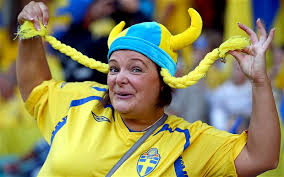
Happy Swedes? That’s the question.

happy swede

Yesterday, I ran a seminar on Swedish culture and I got a thought-provoking question from an audience member. It was a question I have never had before.

‘Are Swedes happy with what they are?’ was the question. Somewhat taken aback, I tried to answer the question in the best way I could based on my interpretation of it. I talked about anthropologists are yet to find a culture that thinks their way is wrong. Every culture thinks their way is the right way – otherwise they wouldn’t do things the way they do them. Being culturally competent is about understanding that there are lots of right ways.

After the seminar, I thought more about the question – are Swedes happy with what they are? It resonates around my head still. How happy is the average Swede? How happy is the average person in general? I sincerely hope that most people are happy and living lives that fulfill and enrich them. I hope they are living lives where they can be grateful for what they have and not envious about what they don’t have. I hope they are living lives where they can be the best they can be, surrounded by people they like and free to make the best choices for themselves. I hope their lives are full of life. For me that’s happiness. And in Sweden, that’s the life I am able to live.

So at least I’m happy to be the way I am – in Sweden!

Swedish healthcare – best i test!

2015/01/img_4860.jpg

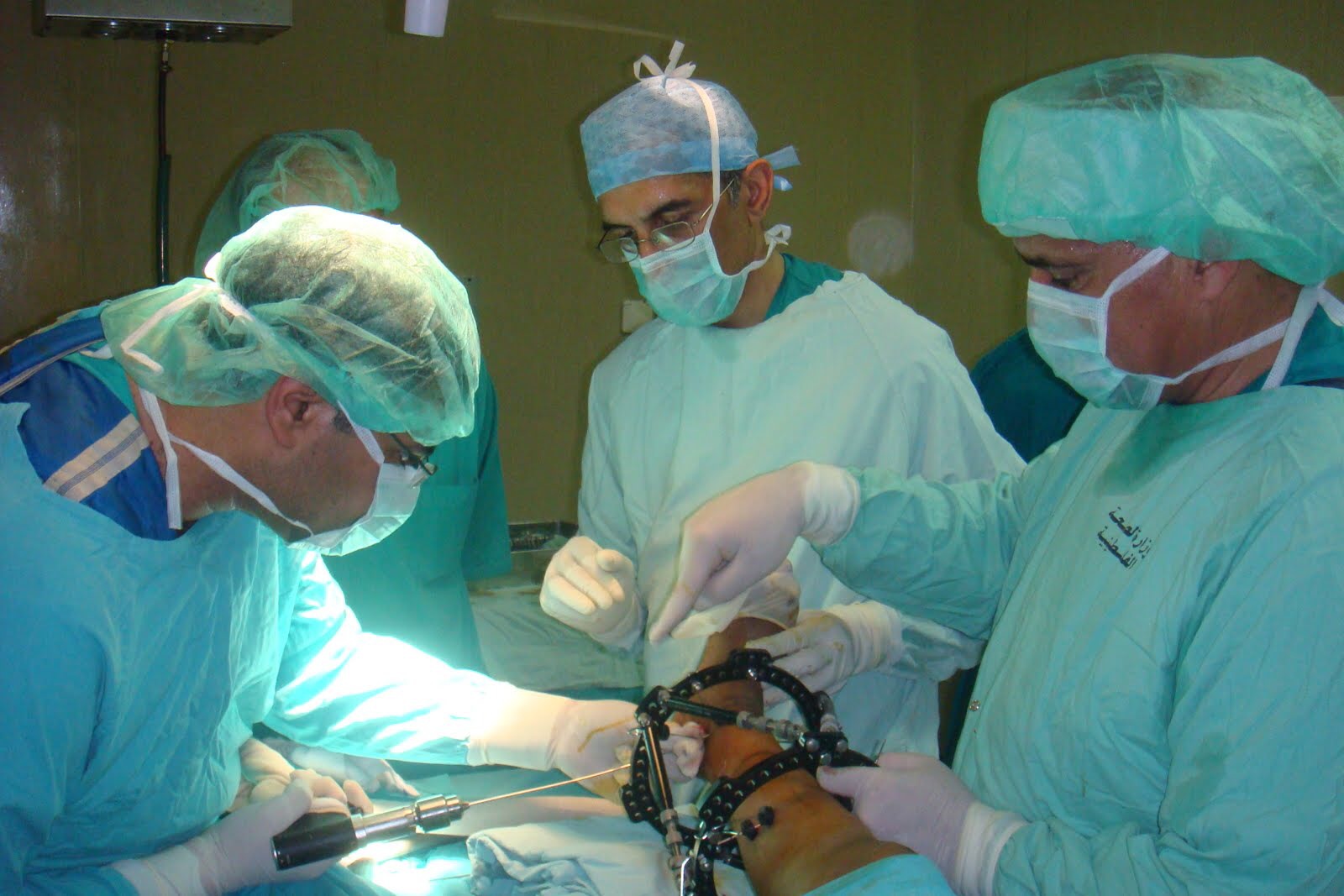
I’ve always been a fan of Swedish healthcare. Socialised since the 1940’s but publically funded to some degree since the 1700’s, Sweden’s public health care is cheap, egalitarian and of high quality. At least that’s how I’ve always experienced it.

Living in Stockholm though, it seems like the best hospitals are not here. Nor are they in the other large cities such as Malmö or Gothenburg. According to the Medical newspaper ‘Dagens Medicin’, the best hospitals in the three classes ‘university hospital’, ‘medium sized hospital’ and ‘small hospital’ are in the towns of Linköping, Jönköping and Oskarshamn respectively.

So now we know where to head to if we need the best quality healthcare in Sweden.

Say ‘Welcome to Sweden’ – and mean it!

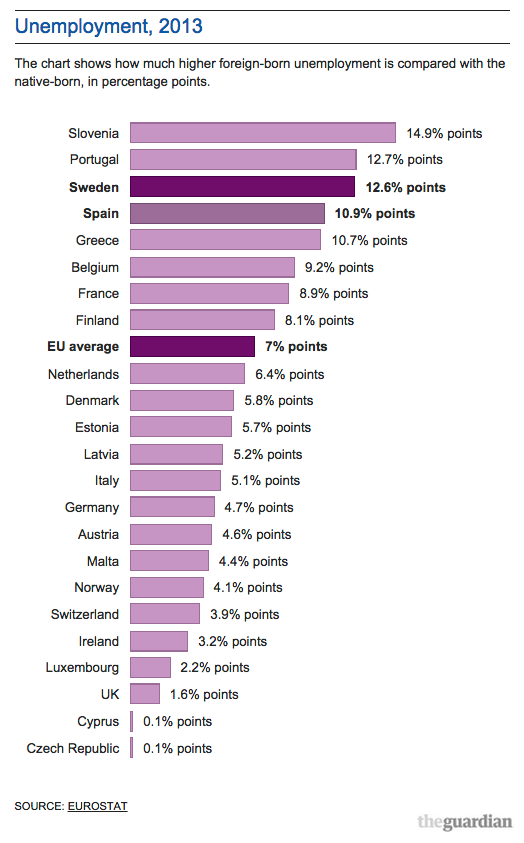
Unemploymentcopy

Last night, I was thinking about my working career and realised that I have always had a job. I have never been unemployed more than a few days. When I lived in the UK, I hopped from employment to employment. When I moved to Sweden 20 years ago I got a job teaching English within a week.  Working in Sweden is probably one of the main contributors to my successful integration into society. Through working, I met Swedes, I learned the language and developed an understanding of the culture. I became participative in Swedish life, I paid taxes and I felt a strong sense of involvement and motivation to contribute.

I know I am one of the privileged ones. The latest statistics from Eurostat compares unemployment amongst foreign-born and native-born residents in various European countries. In Sweden during 2013, unemployment was 12.3% higher for foreigners than for natives. This percentage is only higher in Portugal and Slovenia. According to the research, ‘immigrants in Sweden are now more than twice as likely to be unemployed as their native counterparts. In part this is explained by the integration challenge, but in many cases the children of immigrants of certain ethnic backgrounds need to send twice the number of CV’s compared to native-born job applicants before landing a job interview – alongside the challenge, there is also a hint of discrimination.’

This is serious. On the one hand, Sweden is an open and tolerant country. On the other hand, we see the rise of nationalism and the focus on immigration and integration. I strongly believe that what is required are jobs. But not just McJobs. Qualified, relevant jobs. As in my case, through work comes involvement and integration. In Sweden, the foreign-born population is actually more likely to have a higher education compared to the native Swedes. But Sweden has failed to leverage on this. This leads to doctors, lawyers and engineers working as cab drivers and cleaners, something that is corroborated in the OECD International Migration Outlook report which shows that Sweden’s over-qualification rates are among the worst when compared to other advanced economies.

It is no surprise that a failure to integrate foreign born population into Swedish society creates frustration and anger on both sides of the equation. This can be allievated through broad, far-reaching employment initiatives which Sweden has been so good at historically, So be shocked by the statistics and shout this out to the politicians! When we say ‘Welcome to Sweden’, we should mean it.

Please walk on the right

right traffic

On the way to work this morning I tested something out. I have to admit I was a bit scared. I took my life in my hands and my heart was beating rapidly. I saw, coming towards me, a group of people. Freshly off the train, they hit the pavement and were stomping with determination to their places of work. As they approached me, I decided to test cultural expectations and see what would happen.

I shifted position and walked on the left side of the pavement.

In Sweden, cars drive on the right side of the road. On escalators, people stand on the right side and let people climbing the escalator pass on the left. It’s an unwritten cultural rule that this also translates to the pavement. When masses of people move along the street, they automatically migrate to right-side walking.

But not me. Not this morning anyway. I wanted to test this cultural assumption.

As the masses approached me, and I walked on the left, I paid attention to the expression on people’s faces. Many ignored me. Others saw me and looked surprised. But the majority, gave me the evil eye. This came in a variety of forms, from staring at me and grimacing, to rolling the eyes upwards to audibly tutting as they walked past or were forced to navigate around me. Nobody reproached me or scolded me. Nobody told me I was doing it wrong. But many of them looked annoyed at my existence and the fact that I was inconveniencing them.

This little experiment highlighted a classic concept in intercultural competence. We are so preoccupied with our own view of the world that we fail to see other people’s perspectives. There are often situations where others don’t know the ‘rules’, but we judge them as though they do know the rules – but are just idiotic or rude. Consequently, we become angry or frustrated and this affects our interaction and our communication.

The solution? Instead of thinking ‘that person’s an idiot’, we can think ‘that’s interesting, why might they be doing that differently?’  

Think about that next time you get irritated because somebody isn’t following the norms that you believe in.


Swedish life balance

/home/wpcom/public_html/wp-content/blogs.dir/6dc/32262531/files/2015/01/img_4842.jpg

It’s said that Swedes have an enviable work life balance and this festive season has been no exception. Similar to many countries, Christmas and New Year are both bank holidays in Sweden. Similar to a few countries, today is also a bank holiday – kings’ day, epiphany or the twelfth day of Christmas. Biblically it signifies the arrival of the three wise men and the baptism of Jesus. Secularly, it means another day off for most people.

This festive season has been a great opportunity for time off. By taking only 5 days’ holiday, workers have been able to be off for two and a half weeks. And with 8 days’ holiday – 3 weeks off was the reward.

A strong belief in work life balance is behind this. In general, Swedes work really hard and are dedicated. Coupled with the darkness at this time of the year, many people are exhausted by the time Christmas comes around. A long break is seen as a necessary way to recharge batteries, and regain motivation. There’s a great Swedish word that you frequently hear after these long breaks – people describe themselves as ‘utvilade’. This translates as ‘thoroughly rested’, and is essential to survive the long, dingy winter season.