Advent Calendar – Dec 8: Ernst

December 8th window: ‘Ernst‘ which translates as, well… Ernst.

What on earth is an Ernst you might wonder? Well, the question should rather be ‘who’ is Ernst.

Ernst Kirschsteiger is a person who, by many, is considered to be Mr Christmas in Sweden. He is a very popular interior designer who currently has a TV program called Ernst’s Christmas.

In his program he simply explodes festive spirit. He decorates and bakes and creates. He wallpapers and chisels and hammers. He sews and paints and he crafts. I would describe his design ethic as a nature-oriented retro scandi chic. He has a poetic, philosophical attitude to interior design coupled with practical solutions.

One week he made, for example, Christmas decorations out of mandarin peel and wire and inspired us with a wreath of dried garden flowers, moss and brussel sprouts.

Some people find him very cheesy and goofy but he has definitely cornered the market on Christmas coziness. Many viewers see him as the idea of male perfection – a sensitive man who cooks, builds and decorates the home – all wrapped up in one sweet Christmas treat.

Since his tv debut in 2000, Ernst Kirschsteiger has grown to be a phenomena who only needs referring to by his first name, like Cher, Madonna and Prince. So popular is he that a book of his quotes and poetic wisdoms called ‘Ernstologi’ was released in 2006 and became a popular Christmas present that year.

If you want to witness the phenomena (in Swedish however), watch this YouTube clip and enjoy!
And so it is Advent – Swedish style


Today, the first of Advent, the light shines strong in the darkness.

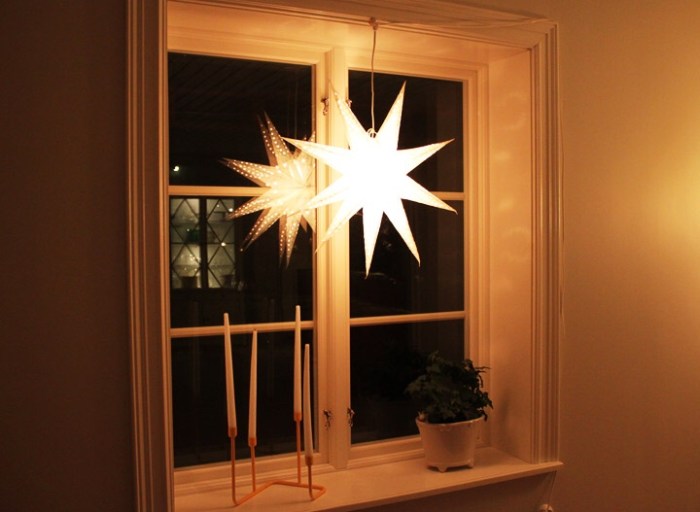
Swedes decorate their houses, apartments and windows with lights. From ceilings, illuminated stars are hung. On window ledges, electric advent candles are placed. On tables, four candles are positioned and one is lit every Sunday up until Christmas. Small candles, often red, are dotted about the home. Some people change curtains and populate their homes with small gnomes and flowers.

Since November is a grim month, the collective advent decoration is a welcome arrival as light is spread into the murky places. From the dark street, it is lovely to see windows lit up in every apartment.

This weekend is also the starting signal for the Swedish ‘glöggfest’. People go to each other’s homes and drink ‘glögg’ (mulled wine), eat gingerbread and saffron buns. It is a very cosy time of year.

And so it is Advent – Swedish style


Today, the first of Advent, the light shines strong in the darkness.

Swedes decorate their houses, apartments and windows with lights. From ceilings, illuminated stars are hung. On window ledges, electric advent candles are placed. On tables, four candles are positioned and one is lit every Sunday up until Christmas. Small candles, often red, are dotted about the home. Some people change curtains and populate their homes with small gnomes and flowers.

Since November is a grim month, the collective advent decoration is a welcome arrival as light is spread into the murky places. From the dark street, it is lovely to see windows lit up in every apartment.

This weekend is also the starting signal for the Swedish ‘glöggfest’. People go to each other’s homes and drink ‘glögg’ (mulled wine), eat gingerbread and saffron buns. It is a very cosy time of year.

Sweden gets its first female Prime Minister

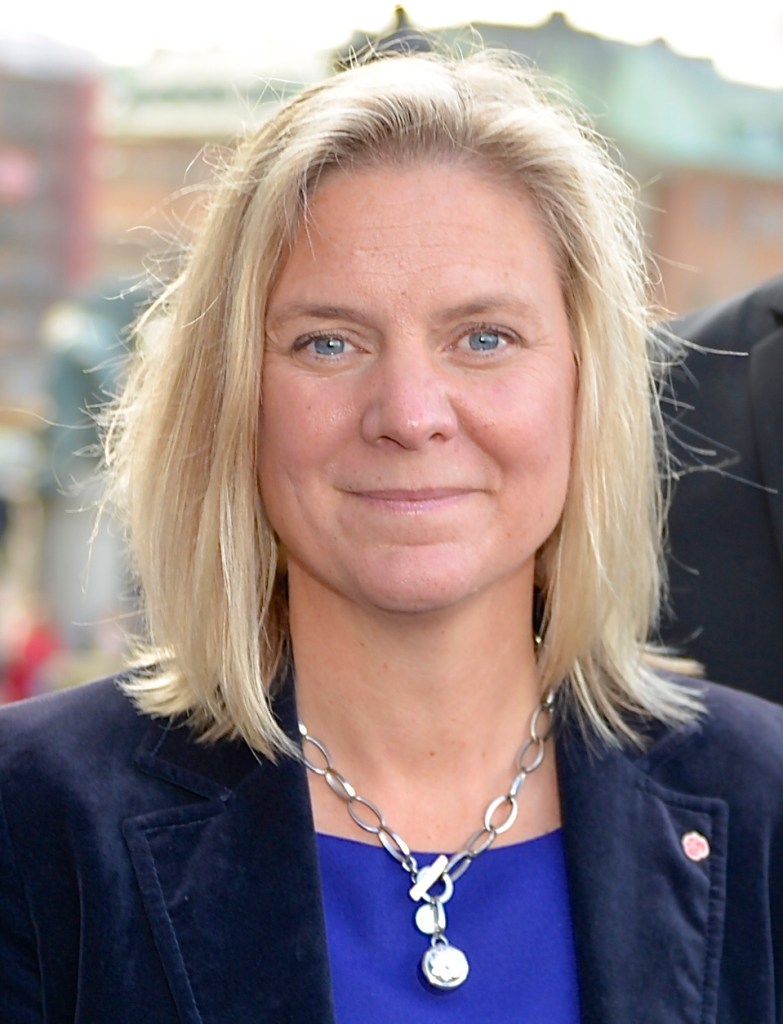
Today is a historic day in Sweden. Magdalena Andersson has been chosen by the Parliament as Prime Minister, and as such, is the first woman to have the post in the history of Swedish politics. A great day for equality, and not a day too soon. It seems rather odd that it took Sweden so long.

Around the world, women have been politically appointed as state head since the 1940’s. However, the first woman to be democratically elected as prime minister was Sirimavo Bandaranaike of Ceylon (present-day Sri Lanka) in 1960. The first woman democratically elected president of a country was Vigdis Finnbogadottir of Iceland in 1980.

The other Nordic countries have a better track record than Sweden. Norway has had two female Prime Ministers to date, the first being Gro Harlem Brundtland in 1981. Denmark has had two – Helle Thorning Schmidt was first elected in 2011. Finland has had three female Prime Ministers with the first, Anneli Tuulikki Jäätteenmäki, elected in 2003.

With the appointment of Magdalena Andersson, four of the five current leaders of the Nordic countries are female.

Sweden’s most beautiful dialect

On the FB site New Swedes, the author writes about Swedish dialects and accents:

‘Dialekter skiljer sig väldigt mycket åt, och nästan varje stad har flera ord som är snudd på omöjligt att uppfatta om man inte kommer just därifrån.
Vilken är Sveriges vackraste dialekt tycker du 😅?

Roughly translated this means:

Dialects differ very much and almost every town has words that are virtually impossible to understand if you don’t come from there. Which is Sweden’s most beautiful dialect do you think?

Around 100 people have answered, and the most popular dialects seem to be Värmländska, from county Värmland, and Gotländska, from the island of Gotland.

I would tend to agree, although I also really like the dialects from Dalarna and Västra Götaland.

What do you think?

The shimmering cemeteries of Sweden

In Sweden, the first Saturday in November is All Saints’ Day – not necessarily November 1st as in most other countries. In 1983, the Sunday after All Saints’ Day was given the official name All Souls’ Day to separate between the saints and the dead.
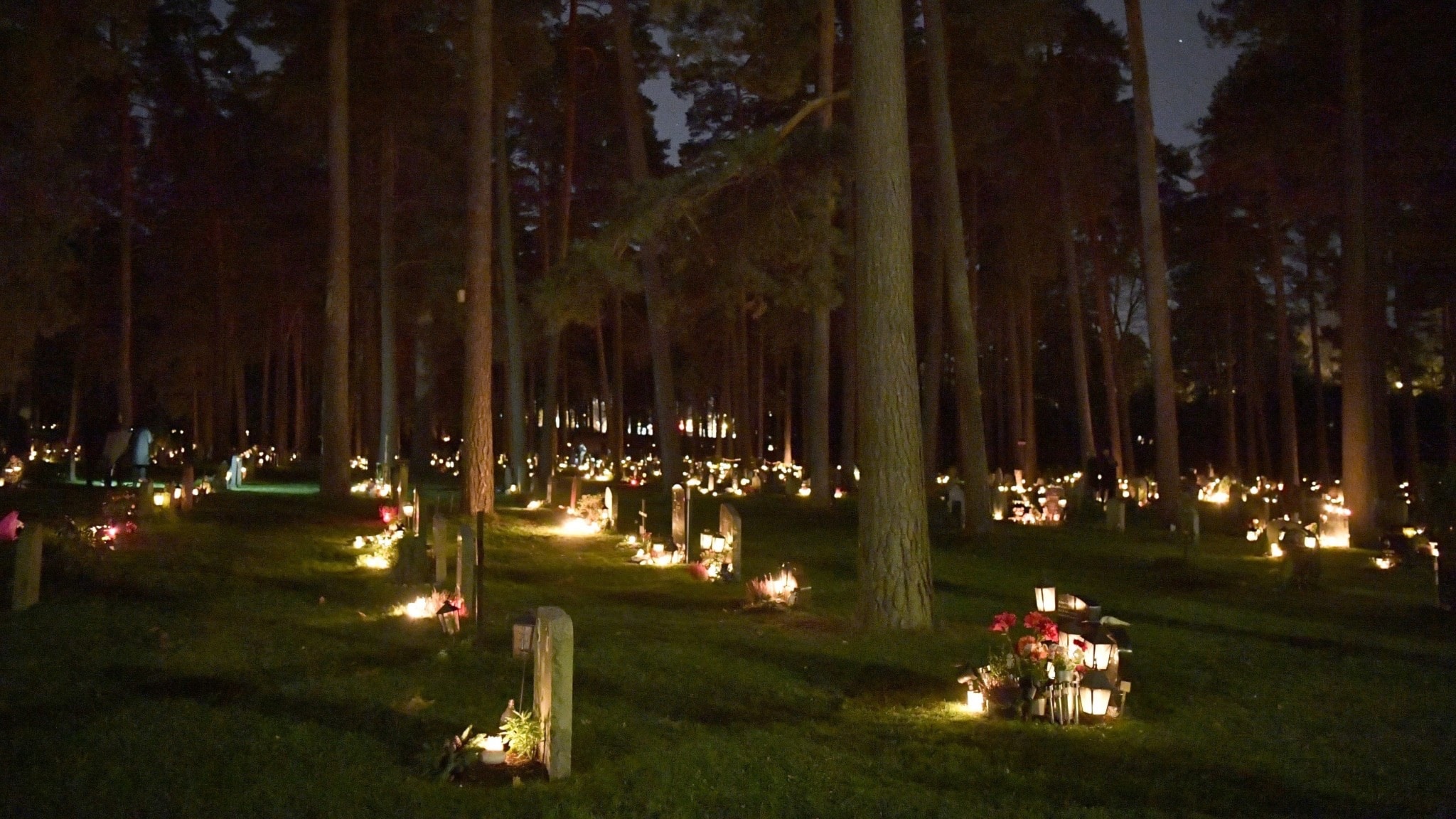
Since the 1800’s Swedes have, during this weekend, made pilgrimage to graveyards up and down the country to decorate the graves with candle light.

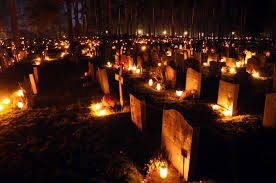
It is a beautiful experience to walk through the churchyards this weekend. In pitch black November, it is a shimmering reminder of those who have gone before us. Individual graves blink in the Nordic darkness, and memory groves blaze with the collective light of hundreds of flames.

If you are in Sweden today, go to a cemetery. If you happen to be in Stockholm, head for the Forest graveyard (Skogskyrkogården) for a specifically spectacular experience. 

The shimmering cemeteries of Sweden

In Sweden, the first Saturday in November is All Saints’ Day – not necessarily November 1st as in most other countries. In 1983, the Sunday after All Saints’ Day was given the official name All Souls’ Day to separate between the saints and the dead.
Since the 1800’s Swedes have, during this weekend, made pilgrimage to graveyards up and down the country to decorate the graves with candle light.

It is a beautiful experience to walk through the churchyards this weekend. In pitch black November, it is a shimmering reminder of those who have gone before us. Individual graves blink in the Nordic darkness, and memory groves blaze with the collective light of hundreds of flames.

If you are in Sweden today, go to a cemetery. If you happen to be in Stockholm, head for the Forest graveyard (Skogskyrkogården) for a specifically spectacular experience. 

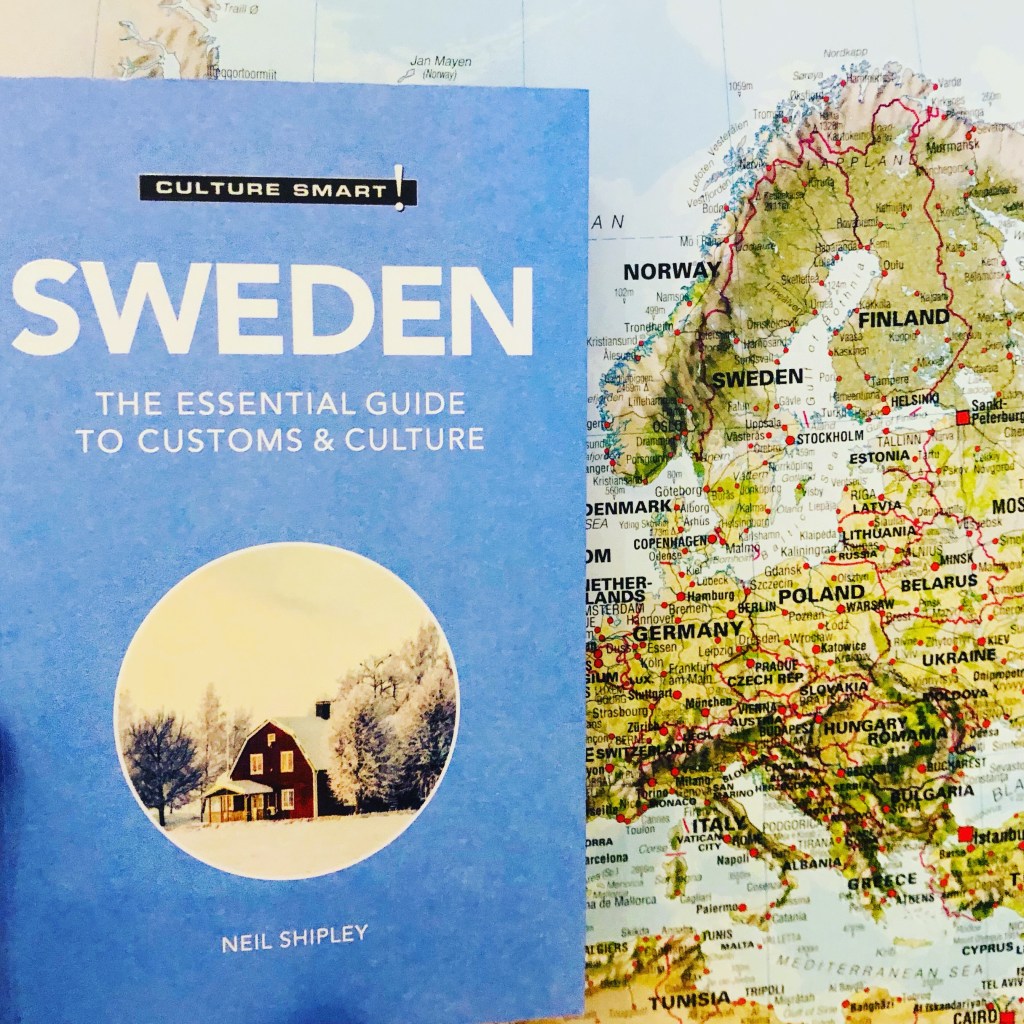
My book on Sweden – the Essential Guide!

My book is doing really well, which I’m very proud of. You can buy it on Amazon, Bokus, Akademibokhandeln and Adlibris amongst other online stores. Sweden, by Neil Shipley, published by Kuperard 2021.

I still have a few copies left, so if you’d like to buy a signed copy, just let me know!

Book recommendation – how to adapt to Swedish culture

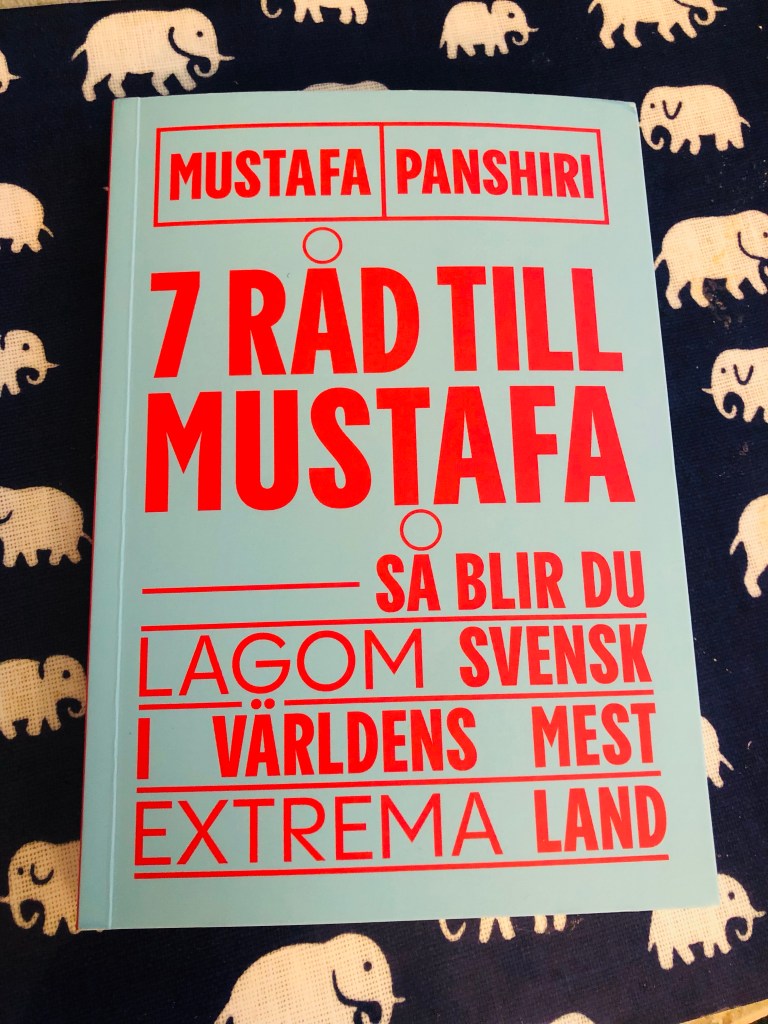
I have just finished reading Mustafa Panshiri’s 2021 book ‘7 Råd Till Mustafa’. If you understand Swedish, I strongly recommend you read it.

Mustafa Panshiri came to Sweden as a child from Afghanistan. In his book, he cleverly weaves his own experience of integration with seven pieces of advice he wishes he would have been given. This makes the book not only interesting to read, but very practical and useful. He has an non ‘Western-centric’ perspective which I found fascinating to read about and reflect over.

Aimed at readers who want to understand Swedish culture, and integrate into society, the book is also relevant to Swedes. Panshiri includes sections with advice to ‘Svenssons’.

Integration is a complex issue and Mustafa Panshiri does not claim to solve all of the problems. However, with this book, and his endless youth outreach work, he will clearly make a difference.

The book can be bought on line and at good book shops.

Sweden’s ‘Britt Summer’

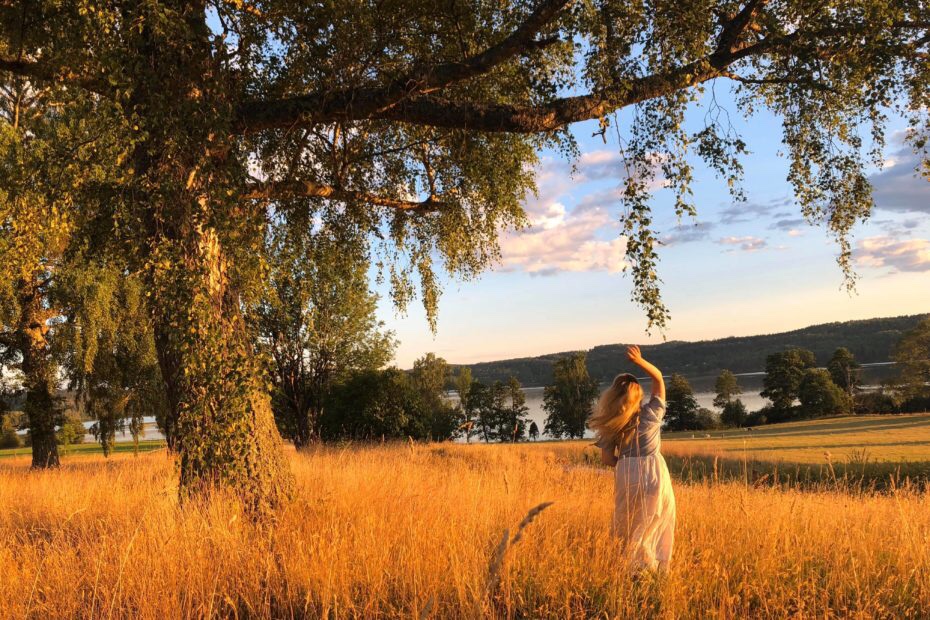
Currently, many places in Sweden are experiencing warmer summer-like temperatures. The sun is shining, the air is warm but the leaves on the trees are golden brown. Known in English as Indian Summer, this brief, warm spell in the autumn is, in Swedish, called a ‘Britt Summer.’ It has nothing to do with Britain as you might assume but something completely different.

To be an official Britt Summer, the warm spell has to roughly coincide with the 7th October. This date is known as Birgitta Day, or Britt Day in the Swedish calendar – hence the name. The day celebrates the canonisation of Swedish Saint Birgitta. Legend has it that Saint Birgitta thought the temperature in Sweden was too cold so she prayed for the citizens of the country. And the Lord answered her prayer by providing everybody with a few extra days of summer!

These warm, sunny days are very welcome – the last throws of summer, before we are plunged into darkness and winter takes us in its grasp.

Interestingly, and oddly, Britt Summer is also known as ‘Fattigmanssommar’ (Poor man’s Summer) and Grävlingsommar (Badger Summer).

If anyone knows the reason why, please share it with us!