Advent Calendar – Dec 11: Nubbe

Window 11. Today’s word is ‘Nubbe‘ which is the colloquial word for an alcoholic shot known as snaps.

Nubbe, or snaps, is a really popular drink that Swedes enjoy at Christmas time. At its base, it is a strong spirit (30-38% alcohol content) called ‘brännvin’ which is distilled from potatoes or grain.

It can be plain and colourless, or flavoured with herbs and spices. Sometimes it can be sweet and infused with, for example blackcurrant, elderflower or raspberry. Others can be so bitter they make your toes curl – flavoured with for example aniseed, wort or wormwood. If it includes caraway or dill, it can according to EU patent protection be called akvavit.

A mouthful-size of ‘brännvin’ is called a snaps or a nubbe and it is drunk out of small glasses. Usually it is consumed when eating traditional food, and may also be accompanied by a ‘snapsvisa’ – a drinking song.

One popular drinking song at Christmas is called ‘Hej Tomtegubbar‘ which translates roughly as:

‘Hello goblins, fill your glasses and let’s be jolly together.

Hello goblins, fill your glasses and let’s be jolly together.

Our time is brief upon the earth, with many troubles and little mirth

Hello goblins, fill your glasses and let’s be jolly together.

After a few snapses, the party atmosphere usually begins – with more singing and speeches. For Swedes, snaps is such an important tradition that it is drunk not only at Christmas but at most festive times – such as Easter, Midsummer and autumn’s crayfish party.

According to The Swedish alcohol monopoly, Swedes have been flavouring their ‘brännvin’ since the 1500’s and the word ‘Nubbe’ as a slang word for snaps turned up first in 1892.

Advent Calender Dec 2 – Pepparkaka

Every day leading up to Christmas, I will open a window containing a Swedish word that has something to do with the festive season.

Today’s word is ‘pepparkaka‘, which translates as gingerbread.

Other than glögg, nothing else is more synonymous with the Swedish festive season than pepparkaka (gingerbread).

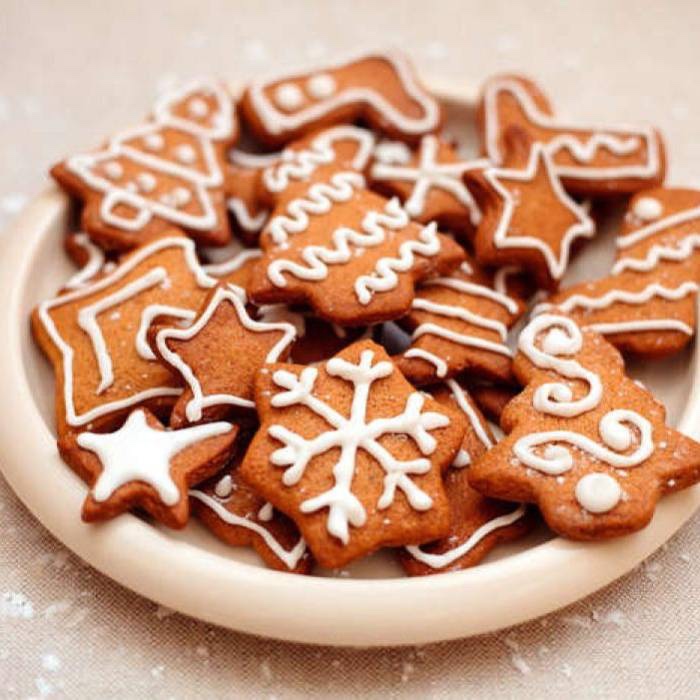
The Swedish version of gingerbread comes in the form of thin crispy biscuits flavoured with cinnamon, cardamon, ginger and cloves. Formed in different shapes such as hearts, trees, and stars, gingerbread is eaten plain or decorated with icing. Many people buy squeezy blue cheese in a tube and squirt it onto the biscuit before consumption. Some people build gingerbread houses as part of their Christmas decorations.

Making your own pepparkaka is a cosy a Christmas tradition – here is a typical recipe. However, most people buy their gingerbread ready-made.

Pepparkaka has been associated with Christmas in Sweden since the 1800’s but was eaten much earlier than that. The first documented record of pepparkaka in Sweden is from 1335 for a royal wedding. In a recipe from the 1400’s, gingerbread included pepper, which could be why it has the name pepparkaka. But nobody is really sure.

Ever wondered why Swedish people are so nice? Well, the answer lies in an old myth – apparently the very eating of pepparkaka is what makes you nice.

Advent Calendar Dec 1 – Glögg

Welcome to the Watching the Swedes Advent Calendar 2024

Every day before Christmas, I will open a window containing a Swedish word that has something to do with the festive season. Today’s word is the fantastic-to-say ‘glögg‘. (Pronounced ‘glugg’)

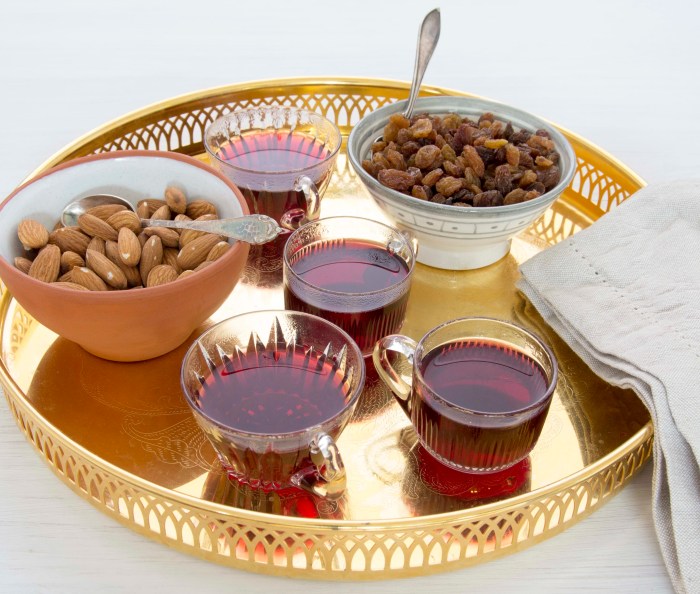
Glögg is festive Swedish mulled wine: heated wine, most commonly red, with spices. It is drunk together with almonds and raisins added in. And it is delicious!

Glögg is very popular, having been drunk in Sweden around Christmas since the 1890’s. However, the earliest record of drinking heated wine dates back to the 1500’s.

The word glögg comes from the Old Swedish word ‘glödg’, and the verb ‘glögda’ – to heat up. This, in turn, has its origins in the verb glöder (to glow).

Some make their own glögg, here is a typical recipe. Glögg can be with, or without, alcohol.

However, most Swedes buy their glögg ready-made in a bottle. In addition to the traditional flavours, each year a new flavour of the nectar is released and there’s always a debate regarding its success. This year’s glögg (2024) is called Edinburgh and is an infusion of dried fruit, cinnamon, orange, vanilla and whisky. raspberry and hops. Yummy!

Swedish Advent


It’s the first of Advent today, which is an atmospheric and almost romantic time in Sweden.

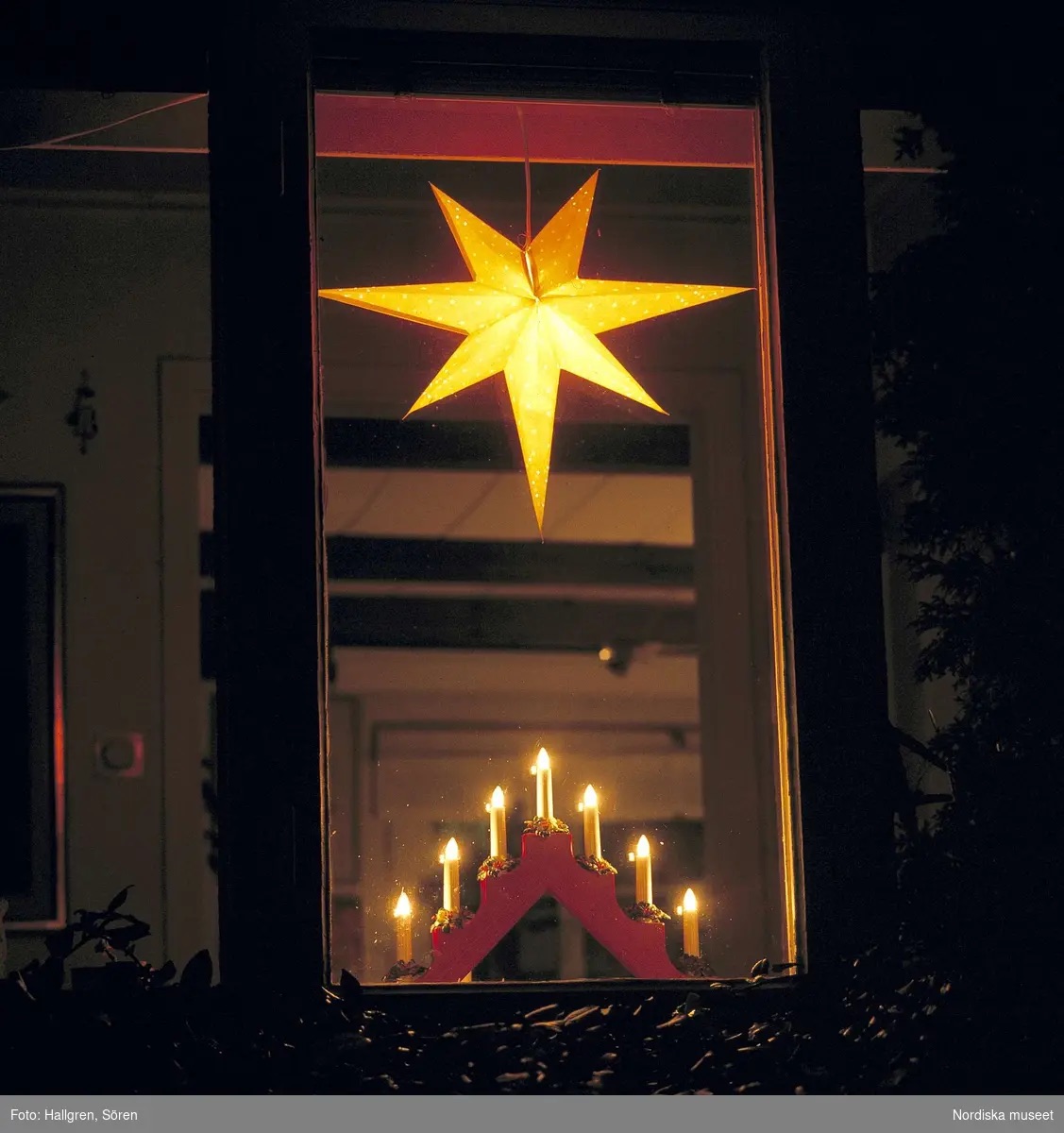
Swedes decorate their houses, apartments and windows with lights. From ceilings, illuminated stars are hung. On window ledges, electric advent candles are placed. On tables, four candles are positioned and one is lit every Sunday up until Christmas. Small candles, often red, are dotted about the home. People eat gingerbread and drink mulled wine.

Some years, there is already deepish snow at the first of Advent. But this year in Stockholm, it is unseasonably warm, so there isn’t any. Instead, it is very dark. The collective advent decoration is a definite reprieve from this darkness as light is spread into these murky places.

The word ‘advent’ comes from the Latin ‘adventus’ which means ‘arrival’ and is traditionally the start of the period where we wait for the arrival of nativity, or Christmas. Some religions also see it as waiting for the second coming of Christ. But in this secular society that is Sweden, the waiting is probably for the snow to come, the cold to hit, the water to freeze to ice and for winter to clasp its fingers firmly around us.

Why does Sweden still need Pride?

This week is Stockholm Pride. It culminates on Saturday with a huge parade. The event has gone on for over 25 years, and some people question if it is still needed or relevant.

The answer, unfortunately, is more than ever.

But we’ll come to that later.

Currently there are 73 Pride festivals in Sweden during the year. From Arctic Pride way up in the north to Malmö Pride in the south, it is possible to celebrate throughout the year.

This indicates that many Swedes seem to have embraced the concept of Pride with open arms. There is, of course, a commercial benefit but the main reason seems to be that LGBTQI+ Pride resonates well with the societal Swedish values of equality, tolerance and acceptance.

However, like everything, it has its opponents.

Sweden’s current conservative government is in power, solely with the support of a right-wing populistic party. This party has consistently attacked LGBTQI+ people and the Pride movement.

This leads to aggressive counter demonstrations, homophobic, anti-Pride propaganda and personal physical attacks. LGBTQI+ people are still regularly abused, discriminated against and attacked in Sweden. It happened to a person I know in Stockholm just last week.

And if we lift our eyes to the broader world, we see examples of LGBTQI+ rights being restricted or removed, and same sex relations being criminalized and punishable with the death penalty. Human rights are under attack all throughout Europe, USA and many other countries.

At Stockholm Pride’s opening ceremony yesterday, we heard from a lesbian who is being deported to Uganda, just because she cannot prove she is ‘lesbian enough’ to stay in Sweden with her Swedish wife. She is being returned to imprisonment and possible death. If you’d like to know more about this specific case, see the petition here: https://www.mittskifte.org/petitions/urgent-appeal-to-stop-the-deportation-of-davita-nassuna-facing-lifetime-or-death-row-in-uganda

This is one of the many reasons why Pride is still needed, not only as a celebration, but as a political manifestation of human rights.

If you’d like to know where a Pride is near you, go to http://www.svenskapride.se which collects all the Swedish events in one place.

The top 5 most disgusting Swedish foods

Like everything, food is a very personal preference. Swedish food in general is great, I think. That said, here is my list of the 5 most revolting foods that Sweden has produced.
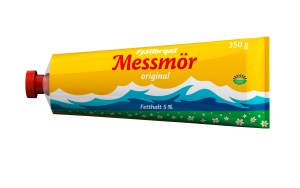
messmor_350g_original_front Messmör – Soft whey butter

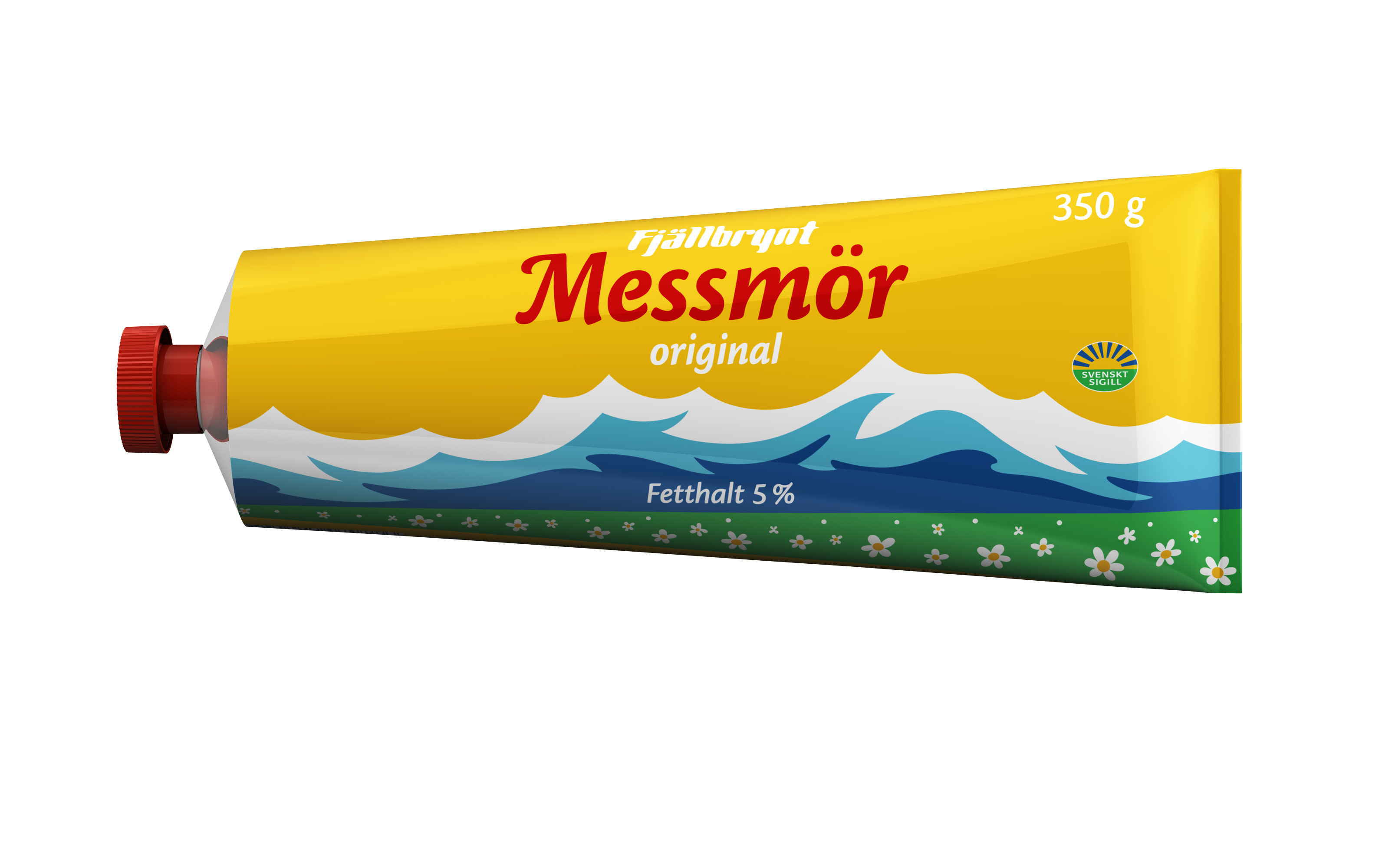
Translated as soft whey butter, this disgusting sandwich topping and comes in two delightful choices: goat milk-based and cow milk-based. Whey is pressed out from cheese and then boiled until it caramlises and gets an unappetising brown colour. It looks nasty and tastes revolting.
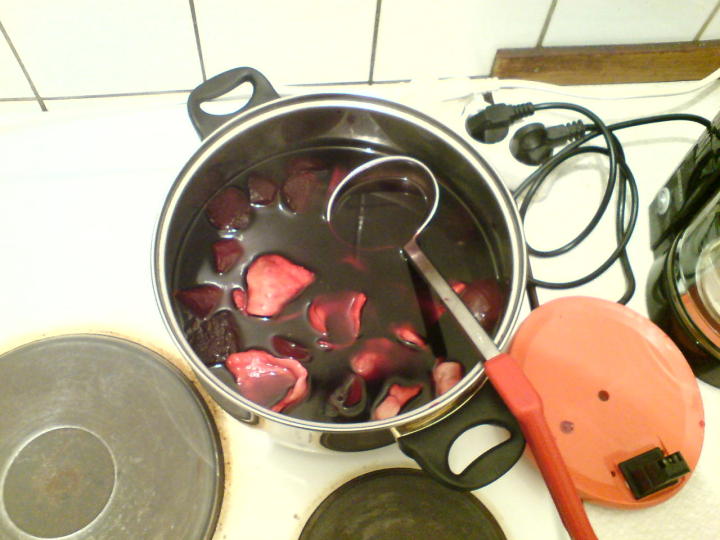
blodspoppa

Svartsoppa – Black soup

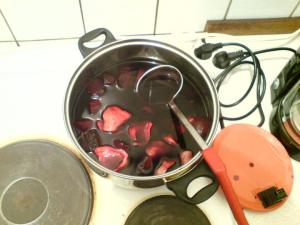
Black soup is a soup made of goose blood which is thickened and flavoured with stock, syrup, wine, cognac, vinegar, cloves, ginger and pepper. It is traditionally eaten with a roast goose dinner and it dates back to the Renaissance period. Historically, it was a useful source of iron.
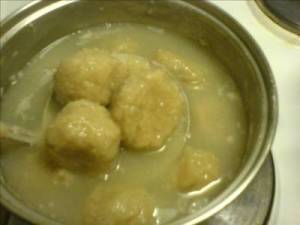
palt

Palt

Palt is a kind of potato dumpling stuffed with boiled pork. The dumpling is boiled in very salty water. It is normally eaten with butter and lingonberry jam and some Swedes drink milk when they eat it to help it slink down the throat.
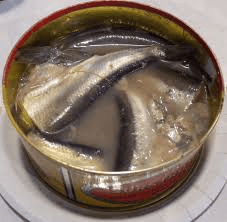
surströmming

Surströmming – fermented Baltic herring

This offensive dish consists of herring that is caught just prior to spawning and packed into a tin of brine to ferment. The fermentation starts from an enzyme in the spine of the fish, together with bacteria. Hydrogen sulphide is produced in the tin. Sounds appetizing? The salt in the brine allows the bacteria responsible for rotting to thrive. This bacteria prospers and decomposes the fish, making it sour. When the tin is opened, the contents release a strong and sometimes overwhelming odour which smells like human excrement. The dish is ordinarily eaten outdoors as the reek will fill out an entire building if eaten indoors. The fish is usually eaten on crispbread, or rolled in thin bread, with potatoes and sour cream. This way of preparing food was historically a process of preserving food in order to survive through the winter. But in modern-day Sweden, it is so unnecessary – now we have fridges!!!
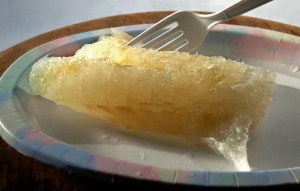
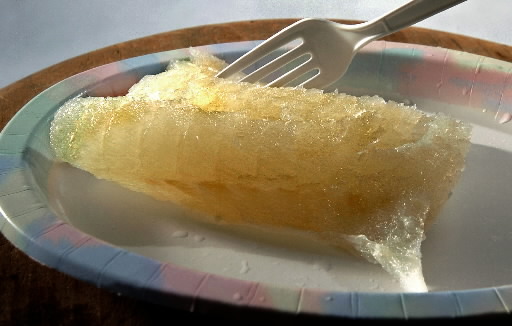
lutefisk-akta

Lutfisk – Sodium Hydroxide fish

Imagine your mouth full of jelly. Wobbly, quivering jelly. Now add a creamy sauce to that consistency. Slush it round in the mouth. Now add the flavour of fish! And there you have it! Lutfisk! This revolting food is a dish consisting of dried whitefish prepared with lye (deadly sodium hydroxide) and a sequence of particular treatments. The first treatment is to soak the dried stockfish in cold water for five to six days. The saturated stockfish is then soaked in cold water and lye for an additional two days. The fish swells during this soaking, and produces a jelly-like consistency. When this treatment is finished, the fish (saturated with lye) is caustic and therefore poisonous. To make the fish edible, a final treatment of yet another four to six days of soaking in cold water is needed. Eventually, the lutfisk is ready to be boiled and then served with a creamy spiced white sauce and potatoes. This has to be the most vile thing I have ever eaten, it is truly repugnant. The good news is however that Lutfisk is a Christmas dish, so it only ever gets dumped infront of you once a year! Thank Santa for small mercies!

Other food in Sweden that is definitely an acquired taste: Kalles kaviar (fish roe paste), inlagd sill (pickled herring), grisfötter i gelé (pig trotters in jelly), fiskbullar (fish quenelles in sauce), hamburger kött (horse meat), falukorv (a processed-meat sausage), långfil (fermented, coagulated milk).

Any others you can think of?
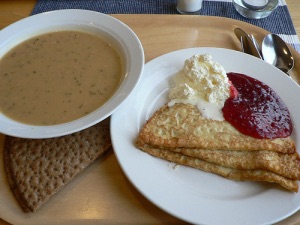
Pea Soup and Pancakes

In all cultures, there is an element of predicatability. Some things that you can feel will always happen. Things that give you a sense of security because you can depend on them.

In Sweden, it’s pea soup and pancakes.

Today is Thursday. In most lunch restaurants and every staff canteen that sells Swedish food, pancakes are on the menu. You can rely on it. It feels dependable. The pancakes are served in a particular way – with whipped cream and jam – and always, always served together with a bowl of steaming pea soup and bread.

Pea soup and pancakes have been consumed in Sweden since the 1200’s. It’s believed that because Friday was a day of fasting, people ate as much filling food as possible on the Thursday before. And that’s how the tradition was born.

It’s fun to watch Swedes on Thursdays. In the staff canteen, grown men queue up to ladle their soup into their bowls and pile pancake after pancake onto a plate like a Scooby snack. Then they gleefully paste on the jam and smother it with whipped cream. It’s like watching a jelly and ice cream party for 10-year olds.

Pancakes on Thursdays is especially interesting for us Brits. Traditionally, we only get to eat pancakes once a year – on ‘Pancake Day’ – Shrove Tuesday. On this day, when Swedes traditionally tuck into the Lent bun called ‘semla’, we Brits make pancakes and cover them with sugar, lemon juice and chocolate sauce.

Sweden’s 20th day of Christmas – it’s officially over!

Today – 13 January – is the official last day of Christmas in Sweden. Known as ‘Tjugondedag jul’ (twentieth day of Christmas) or ‘tjugodag Knut’ (twentieth day Knut), it marks the twentieth, and final, day of the festive season.

The name ‘Knut’ comes from the fact that today is St Knut’s Day in Sweden – commemorating the Danish king who was assassinated in 1131. One of laws that Knut introduced was that nobody should fast during twenty days of Christmas, and that January 13 was the official end of the period.

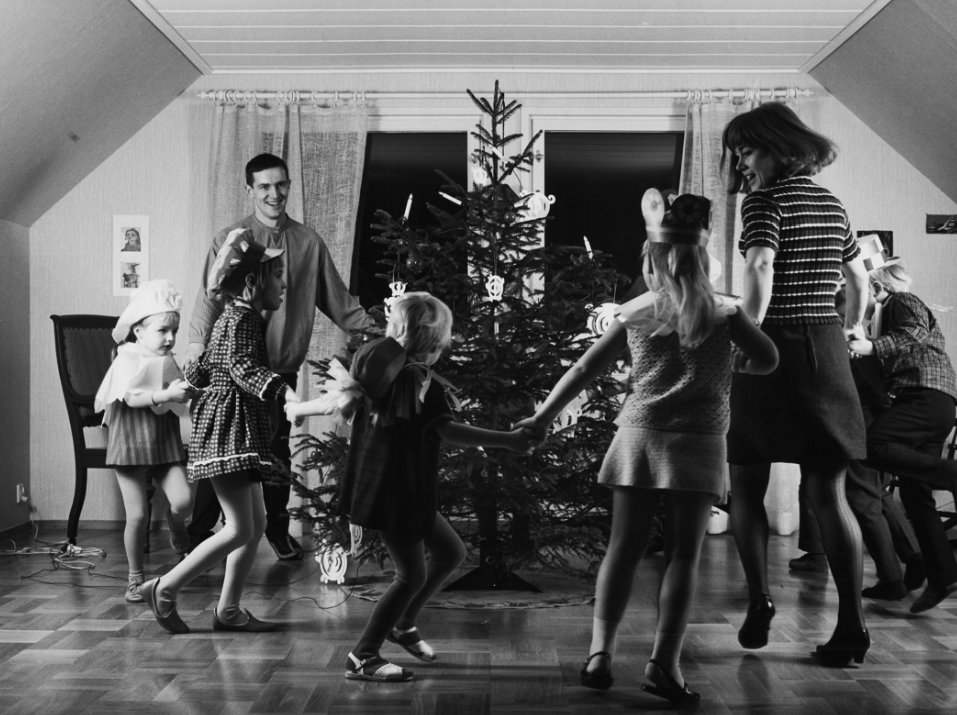
In Sweden, today is the day when Christmas should be ‘danced out’. Traditionally, the Christmas tree is removed via ‘julgransplundring’ (Christmas tree plundering), in which Swedes remove decorations, eat the edible ones, dance around the tree and throw it out.

This is known as the St Knut’s Party and originated in the mid 1800’s.

On a more practical note, the discarded Christmas trees are gathered by the local councils and burned to provide heating or used on the traditional spring bonfires in April.

Swedish New Year’s pizza – with cabbage! 


Today, January 1st, is the most popular day to eat take-away pizza in Sweden. Partly it’s easy to order but also its greasiness acts as a great remedy for sore heads and tired bodies.

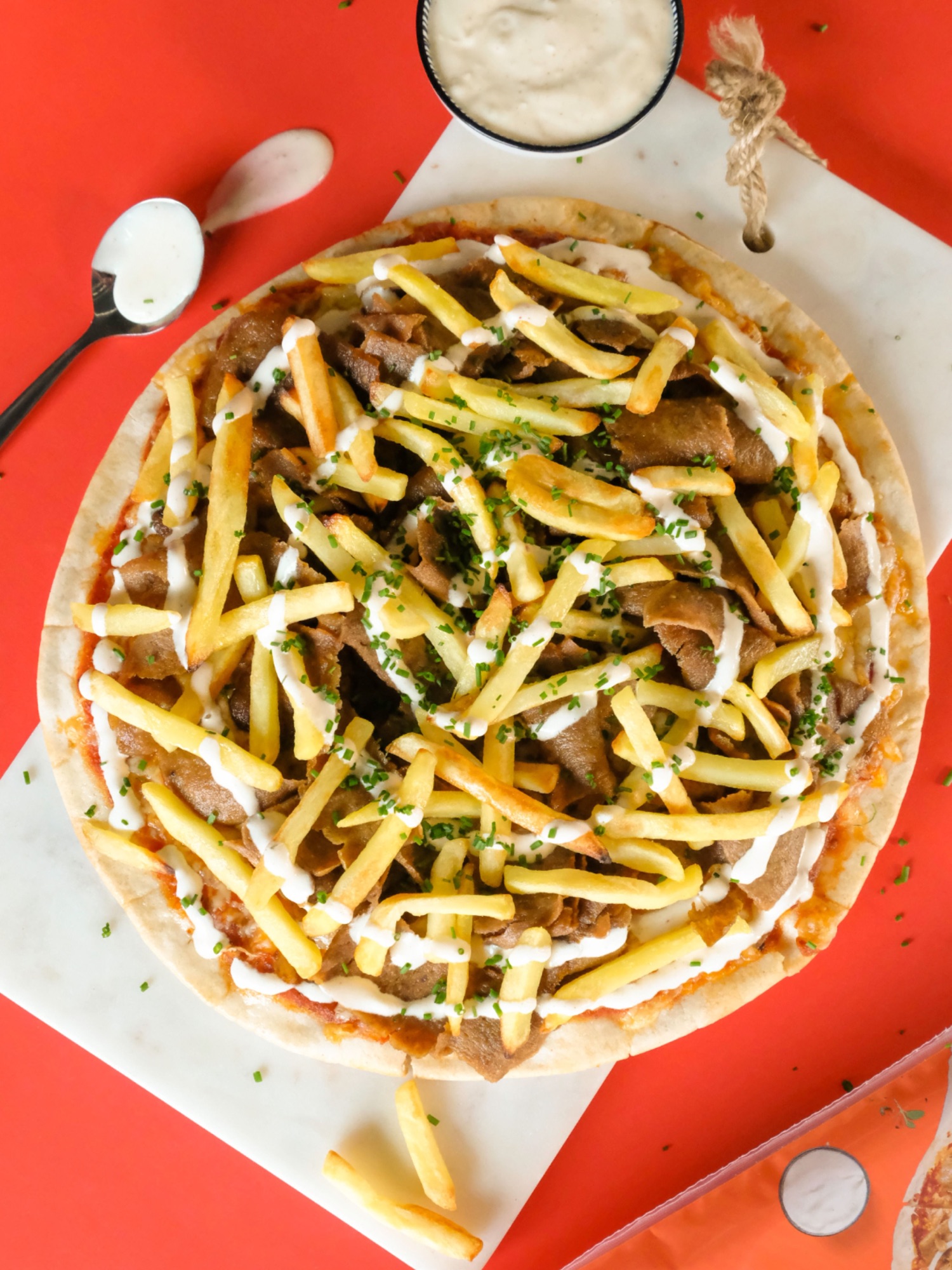
The Vesuvio and the Capricciosa are very popular pizzas in Sweden. However, the number 1 ‘national pizza’ is the Kebab pizza – a greasy pizza with kebab meat (and sometimes fries) dumped on the top.

When you order a pizza in Sweden, you will also experience a very strange bedfellow.

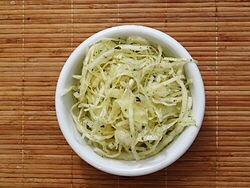
In Sweden, pizza is served with complimentary salad, in both restaurants and take aways. This salad is called creatively –  ‘pizza salad’ and is made of cabbage. It is a kind of coleslaw with white wine vinegar, salt, pepper and oil. It’s fresh, crispy and a bit weird. 

This odd combination is, as far as I know, only offered in the Nordic countries and its origin is a bit unclear.

One theory is that when the first pizzerias opened in Sweden, the traditional tomato salad wasn’t an option due to the climate in the winter. So, subsequently the pizza baker decided to use a more available, local vegetable – the cabbage – inspired by the Croatian salad ‘kupus salata’. 

Whatever it’s origin, the pizza salad is so ingrained in the Swedish mentality, it’s become a cultural ‘classic’.  In fact, it’s hard to imagine a pizza without cabbage salad in Sweden. Especially on New Year’s Day!

Advent Calendar – Dec 19: Julklappsrim

Window 19. Today’s word is ‘Julklappsrim‘ which translates as ‘Christmas present rhyme’

If you receive a gift at Christmas time,

You’ll find in Sweden that it comes with a rhyme.

The packets are wrapped, the present to hide

And a poem describes all the contents inside.

You see, Swedes write poems on the label

Sometimes direct, sometimes a fable.

They sit in a workshop creating their verse,

It needs to be brief, but not at all terse.

The poem is read, the packet ripped open

And you see what you got, but it still leaves you hopin’

For a phone or a trip or a book about crime,

Wrapped up with a Swedish Christmas rhyme.