Don’t choke on the almond

And so it is Christmas. Like many places around the world, Sweden celebrates on Christmas Eve. Festivities throughout the day include eating the Christmas ham, receiving a visit from Santa, opening presents, drinking, playing board games and eating more. 

But the day usually kicks off with a steaming bowl of rice porridge. This delightful dish is made of rice, milk, sugar and cinnamon. Deep inside the porridge, there is often an almond. Presuming you don’t choke on it, if you find the almond it means you will be married during the following year. In the south of Sweden, and in Denmark, Norway and Iceland, the person finding the almond receives a gift. During the 1920’s it became trendy in Sweden to replace the almond with a ‘porridge doll’ made of porcelain and hide that in the porridge instead. 

Really superstitious people will even leave a bowl of porridge outside tonight to appease the house gnome who, according to legend, can make your cows dry up if he’s pissed off. 

But hopefully nobody should be pissed off on a day like today. And with family and friends gathered around a twinkling Christmas tree, a bowl of steaming hot rice porridge is a great way to kick off a lovely day. 


Sweden’s forest cemetery 

  
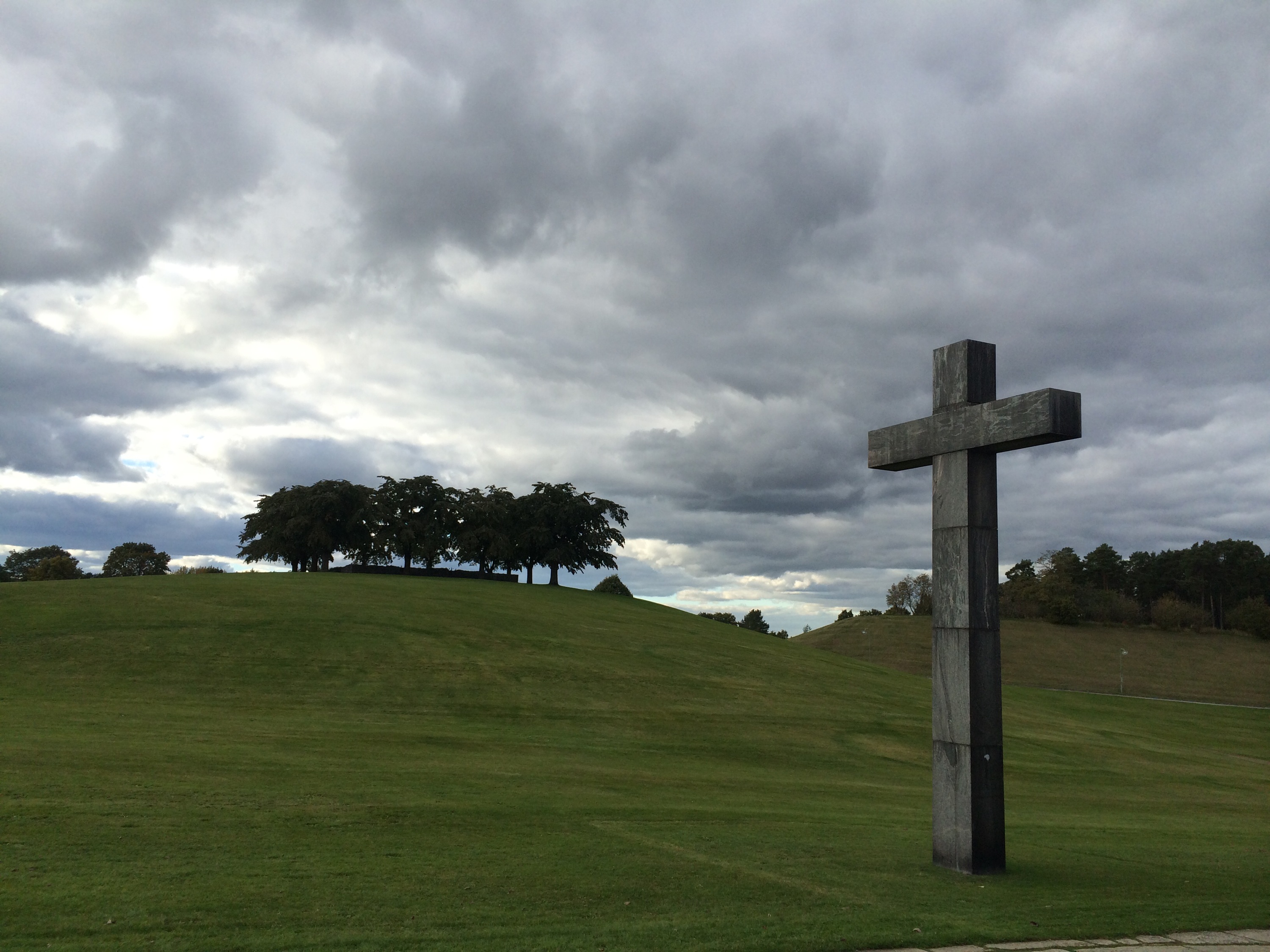
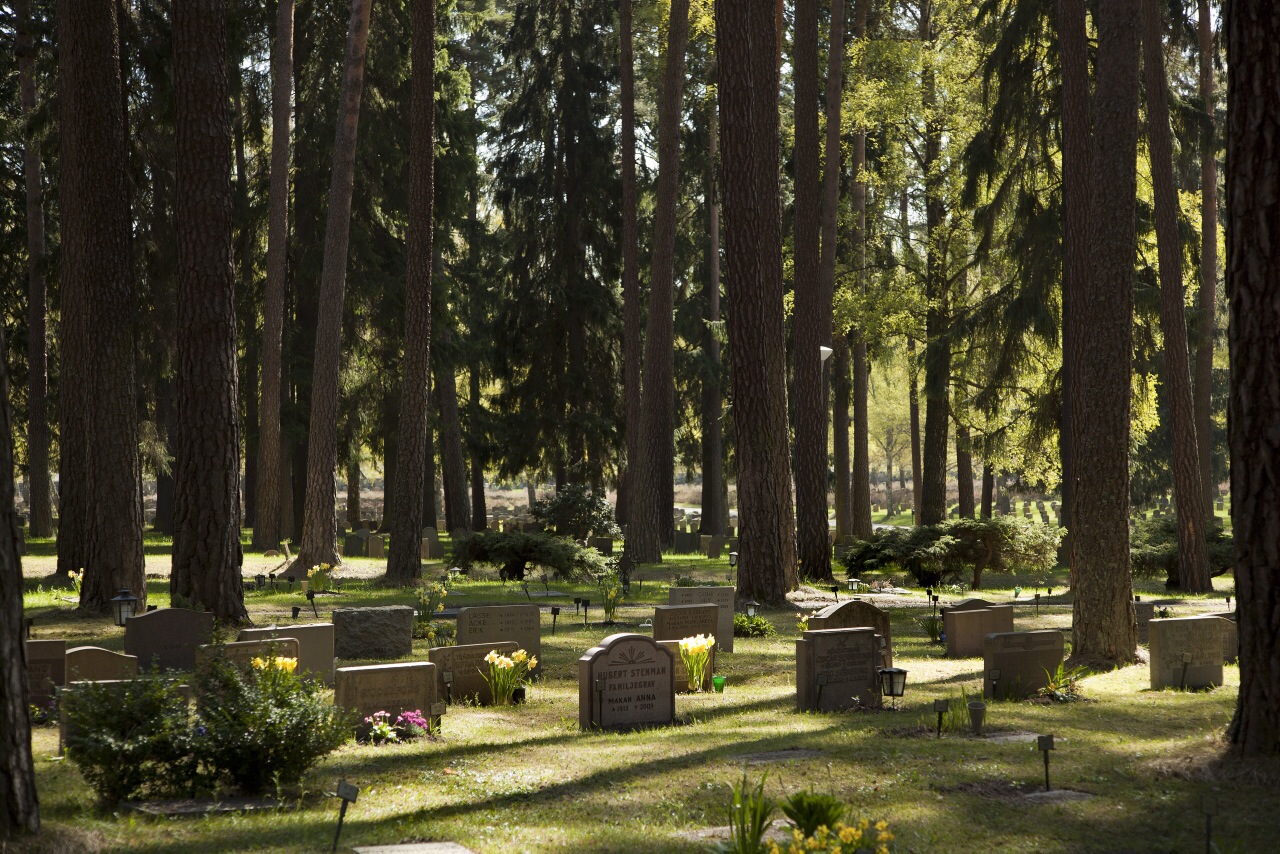
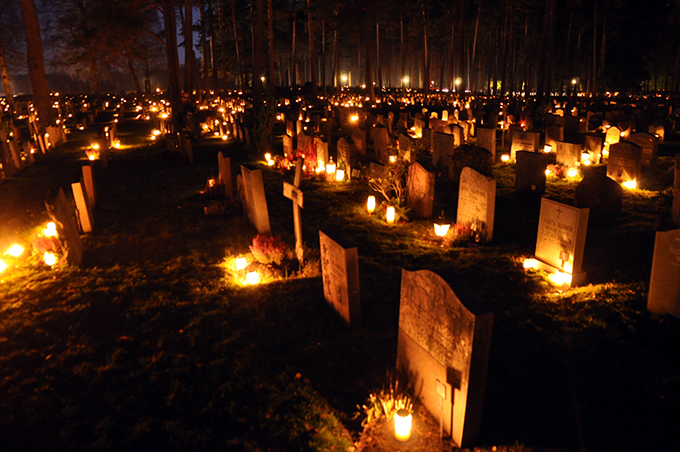
Today I visited a peaceful, magical place in Stockholm – Skogskyrkogården – the Forest Cemetery. 

Built between 1919 and 1940, this location combines a burial ground with a chapel of rest and a coniferous forest.

Listed since 1994 as a World Heritage Site, the Forest Cemetery is a wonderfully serene place to say goodbye, to remember or just to visit. 
  

Discovering a Swedish corpse 

This summer, I visited the town of Varberg and its museum where I saw a very old, very famous and historically significant corpse – the Bocksten man. This man was found well-preserved in a peat bog in the 1930’s and he dates from around 1350 making him one of the oldest, best preserved findings of this type in the world. 

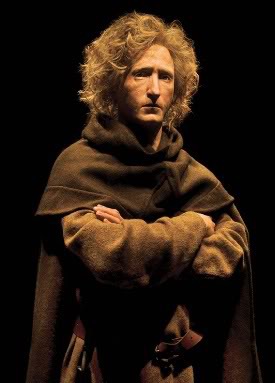
A weird thing about Mr Bocksten is that his clothes were miraculously in tact and he has a full head if hair. It’s a rather creepy site to see his flowing blond locks on top of his skull. 

  
Lots of theories abound regarding him. Was he murdered? It seems so. Was he an envoy to the pope? Maybe. A tax collector? Likely. Was he a vampire? Possibly. The final theory is backed up by the fact that the body was discovered with poles staked through it so that he would not rise again after death. 

700 years after his death, a team of experts reconstructed the corpse’s face and gave the Bocksten man an eery appearance. When you stand in front of the cabinet containing this reconstruction, he stares right back at you – his eyes full of history and woe. 

  
I remember at school learning about the similar, but even older, Tollund Man  in Denmark and other corpse findings in peat bogs in England and Ireland. I don’t recall learning about the Bocksten Man however, which is strange considering how well preserved and how important the finding was. 

I’m so glad I got the chance to discover it now, and learn about another dimension if Swedish history and culture. 

Sweden’s Pink Thursday – washing and witches

jesus feet

Today, the Thursday before Easter is called Skärtorsdag in Swedish. As the word ‘skär’ translates as a shocking pink colour, many people joke that today is ‘pink Thursday’. But the word ‘skär’ in this case relates to something else – something far more biblical.

The word ‘skär’ is an early Nordic word meaning clean and pure. And here, we see a parallel to the English word for ‘Skärtorsdag’. In English, today is called ‘Maundy Thursday’ and it relates to the religious rite known as ‘the maundy’ which involved the ritualistic cleaning of feet. According to Christian belief, today was the day that Jesus performed this act until the recipients had clean and pure feet. It also is the day of the infamous Last Supper.

However, in Sweden today, ‘Skärtrorsdag’ is not celebrated in any great religious fashion but in a pagan manner. A old pagan belief in Sweden was that on this day witches would mount their broomsticks to fly away to the legendary mountain known as Blåkulla. At Blåkulla it was believed that the devil held his earthly court. There the witches celebrated their sabbath and danced with the devil.

In modern day Sweden, we see this reflected in the many children who dress up as witches. These kids paint Easter cards and walk around the neighbourhood knocking on doors to wish everybody a happy Easter. In exchange, they hope to receive Easter sweets.

påskkkärring

How a Swedish hand bag can cause a storm

Lady Bracknell’s horror when she exclaims ..‘a handbag!!?’ in Oscar Wilde’s ‘The Importance of Being Ernest’, has never been so relevant as it is today. 

Indeed, a handbag is causing quite a stir in Sweden. 

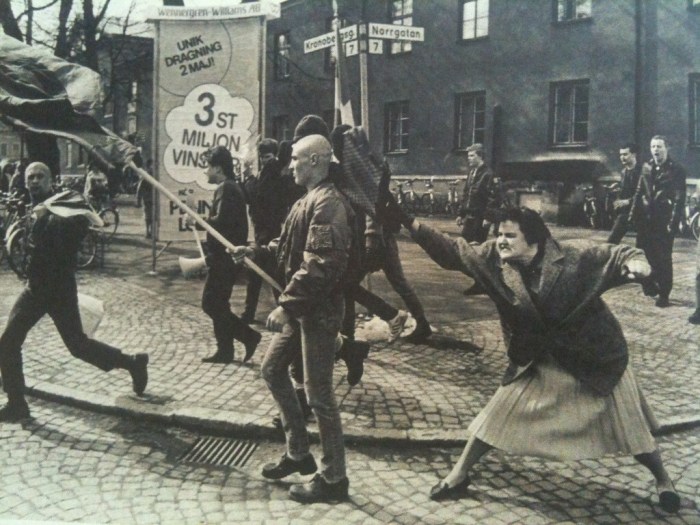
A famous photograph from 1985 is the catalyst. This photograph depicts Danuta Danielsson stepping out from a crowd to hit a neo Nazi across the head with her handbag. Now, a statue has been made depicting this snapshot of time but the local council in the Swedish town of Växsjö is refusing to allow it to be erected. The reason? They claim that the statue commemorates violence and say that it is not ok to hit somebody just because you disagree with them. 

And I agree with that. But there is another perspective. The statue can reflect an act of individual courage or symbolise the very real relationship between nationalism and anti-fascism that we see in Sweden today. 

It seems like this handbag is dividing the country. As a response to this situation, handbags have been mysteriously appearing on statues all over the country. 

Yes….‘a handbag!!?’


Reading the city

2015/01/img_4867.jpg

2015/01/img_4866.jpg

2015/01/img_4868.jpg

One of the best things about walking around a city is that you can read the layers of architecture which gives you an insight into the lives and times of current and earlier city residents.

And Stockholm is no exception.

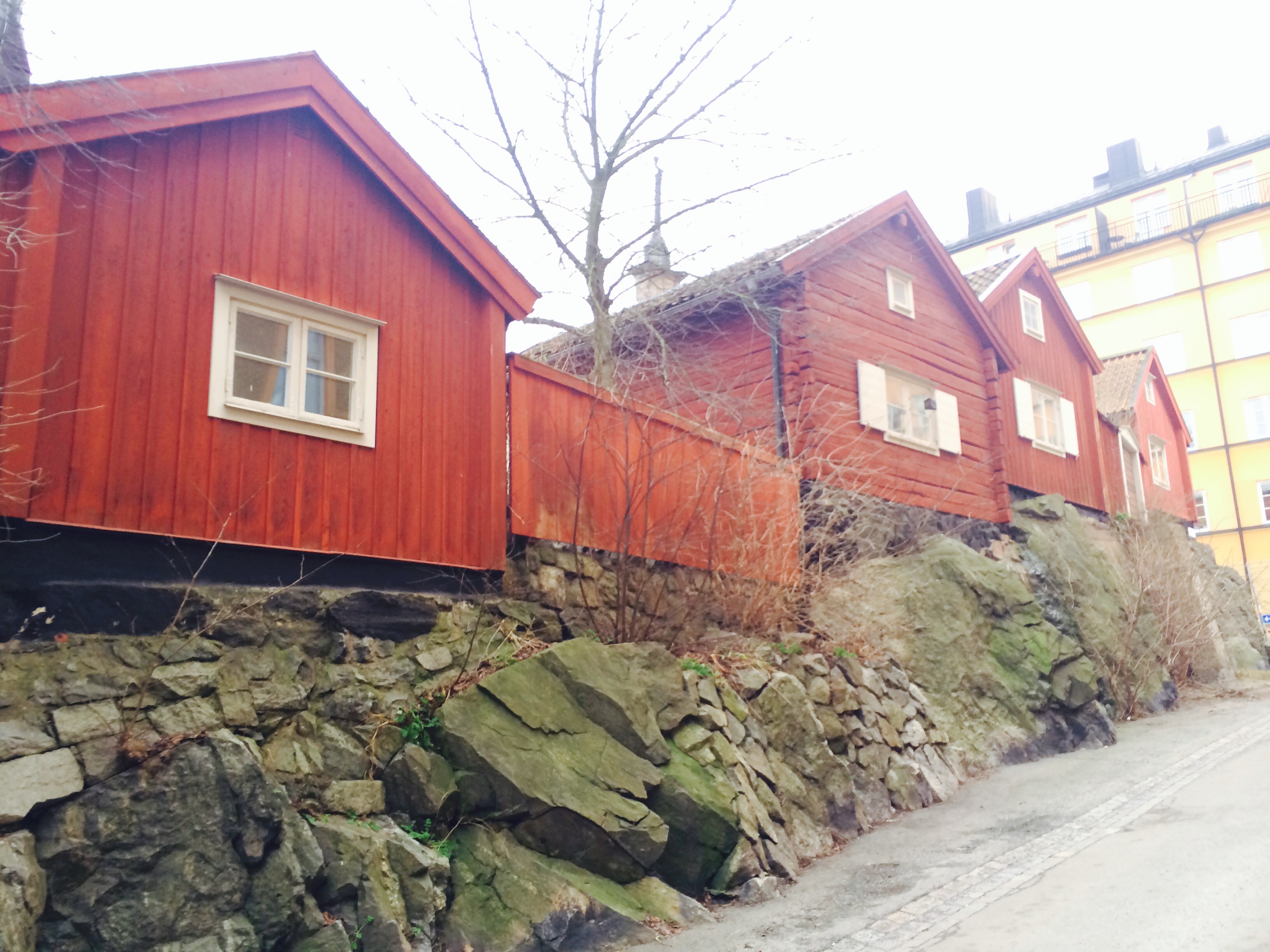
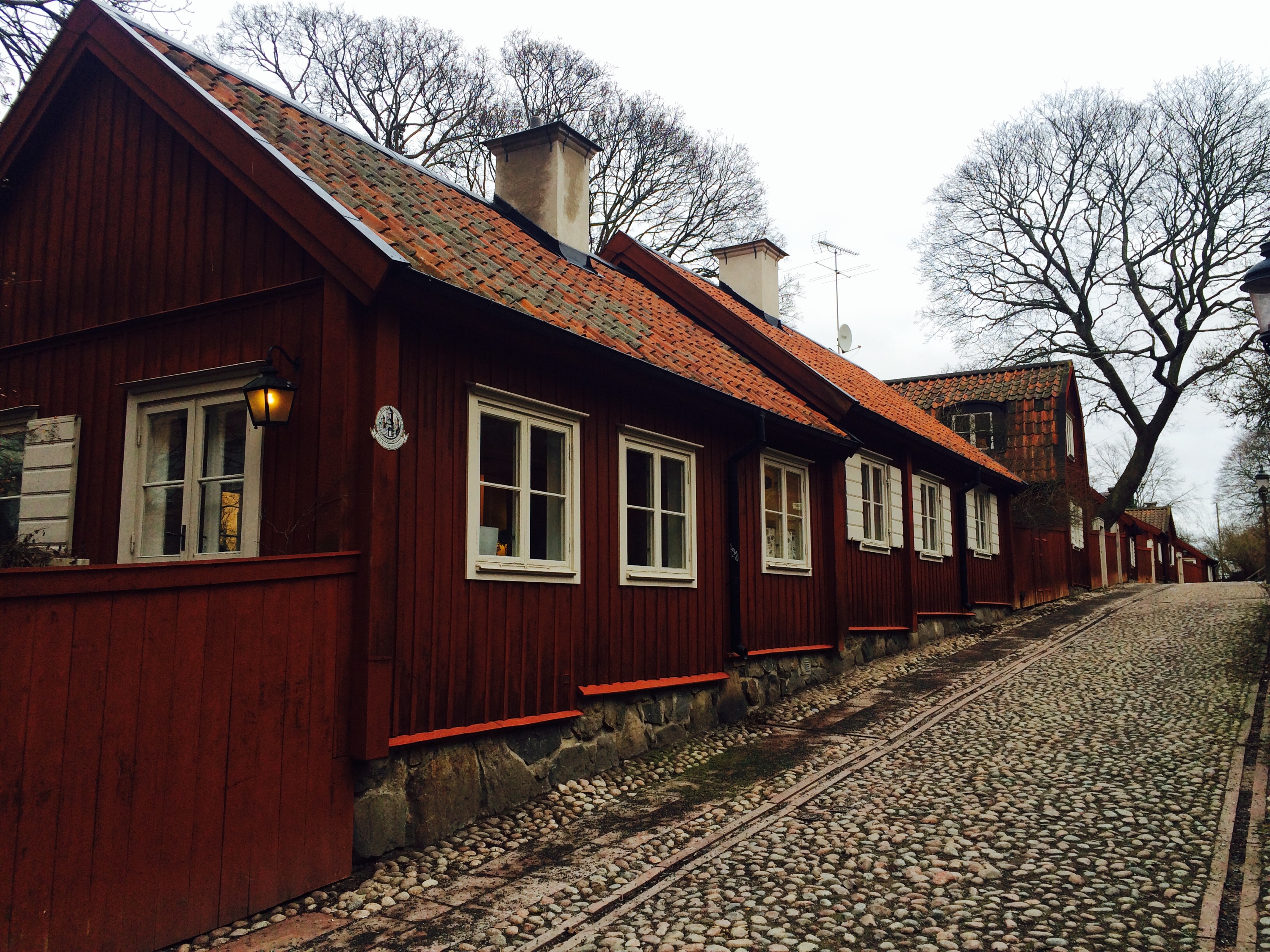
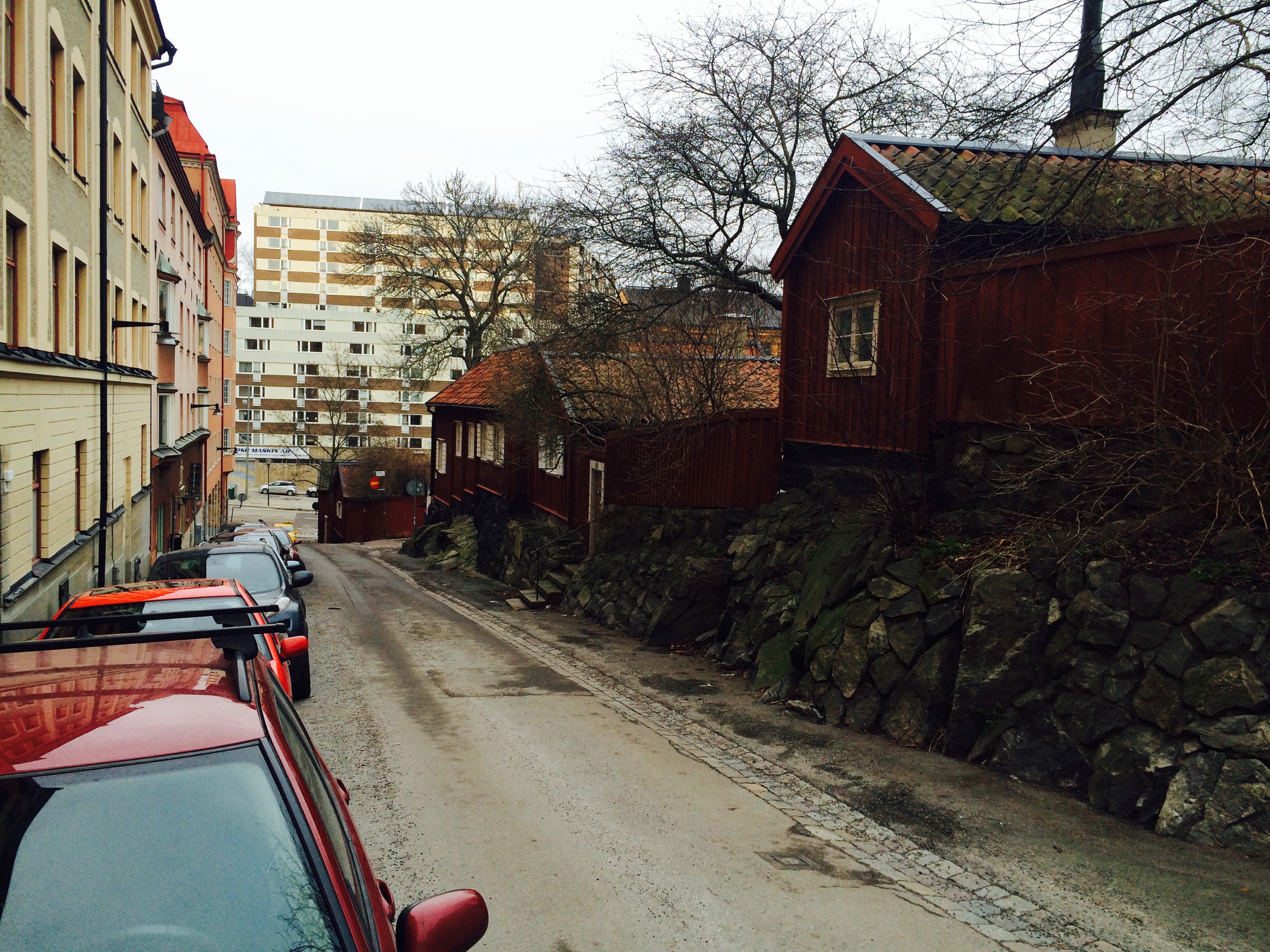
On the island of Södermalm, there is a cluster of old red, wooden houses perched amongst blocks of flats from the twentieth century. Most of these houses originate from the 1700’s and were homes to workers in the nearby tar yard and the docks. These were stinky, tough and perilous jobs. And, just like today, Stockholm was rapidly growing and people migrated into the city in droves. And just like today, there was a housing crisis even then. In the 1800’s and 1900’s these small, red houses were so overcrowded and filthy that they became dilapidated and dangerous.

Eventually in 1956, the government decided to renovate and improve the living standards for the poverty-stricken residents.

Today, the area is protected due to its cultural relevance and is still a residential area for a lucky few.

So next time you’re out walking, lift your eyes up. Look at the buildings around you – what does it tell you about your city’s earlier dwellers?

Swedish Long Friday, English Good Friday

Today is Long Friday in Sweden, Good Friday in English-speaking countries. If you hold to the Christian belief, it’s the day Jesus was crucified on Golgata, outside of Jerusalem.

Why the differences in names for this day? In English-speaking countries, there are differences of opinions as to why it’s called Good Friday. Some people claim Good is an old English word meaning Holy – so Holy Friday. Others say it’s a development of the word God. And other theories say it is good because it is the day Jesus, dying on his cross, was victorious over sin, death and the devil and took upon him all the sins of Mankind. Heavy stuff.

In Sweden, it is called Long Friday as it was said to be a day of mourning for the long day of suffering that Jesus endured will being crucified.

In Sweden, as in the UK, today is a public holiday, people don’t need to dress in black anymore and all the shops and places of entertainment are open. Some people go to church, some paint eggs and decorate Easter trees, some prepare food for Easter Saturday.

I think it’s interesting to know the origins of our traditions. Often these origins are long forgotten. But understanding the history helps put things into perspective as we celebrate in the way we prefer, traditions that have been followed for centuries before and centuries to come.

20140418-082902.jpg

20140418-085041.jpg

Sweden 2014 – two hundred years of peace?

20131230-084644.jpg

So it’s soon the start of a new year – 2014. Another year of sublime and strange Swedish things.

Over Christmas the Swedish King mentioned something in his speech, something that is repeated in the media. For Sweden, 2014 marks the 200th year of peace. In 1814, Sweden signed a treaty with Norway thereby giving them independence. And Sweden, it is claimed, haven’t been at war since then. 200 years of peace is something that the media is proud of.

But hang on a minute. Sweden was ‘neutral’ in the Second World War, but still allowed German troops to cross the nation as they occupied Norway and the country sold iron to Germany for their weapon industry.

In 1961, Sweden was involved in the war in Congo, in the 1990’s in Bosnia and, as we speak, Swedish armed forces are active in Afghanistan and the Libyan Civil War.

Maybe it’s semantic, but is there actually any difference between being in a war and being at war?

The illusion of the collective Swede

welfare state

Is the notion of the collective Swede just an illusion?

Sweden is famous around the world for its welfare state – the system of tax that provides for the country’s citizens from the cradle to the grave. This system was introduced by politicians from Sweden’s social democratic history and I think that it’s great that it exists. Many assume that the Welfare state is the product of collective thinking and solidarity. Maybe it is. But I’d like to offer an alternative perspective.  

In collective-oriented societies, individuals operate within the context of what is best for the group, even if that means surpressing their individual needs. In exchange for this, they receive loyalty and support from the other members of the group.  

In Sweden, it would be easy to look at the welfare state and relate it to the above definition of a collective. In Sweden, citizens comply to the tax laws and in exchange they are taken care of in times of need.

But let’s look at the welfare state through the lens of individualism instead. According to research, Swedes are amongt the most individualistic countries in the world. Individualistic from the perspective of self-development, self-expression, right to live life the way I want to, self actualization,, freedom to make individual choices about my life. Amongst Swedes, it is very important to have individual choice, to the point that some people feel violated if they experience another person has in some way limited their choices, however minor that might seem.

 So what about the Welfare state? In Sweden, the strong individualistic drive of the citizens created a system in which they don’t have to take responsibility for the group. Once tax is paid, the state takes care of the unemployed, the sick, the elderly so the citizens don’t have to, and consequently people can go about their lives fulfilling their individual dreams and satisfying their individual needs.

When you look at it this way, Sweden’s Welfare state is not an exercise in social solidarity. It’s an exercise in pure individualism.

So is the notion of the collective Swede just an illusion?

The Nobel Death Prize

image

We are currently in the times of  Nobel prize announcements. Pakistani schoolgirl Malala did not win the peace prize but she has left an indelible mark on our collective memories. She will certainly be remembered. 

But why is there a peace prize in the first place? Well the story goes like this. Alfred Nobel, the inventor of dynamite, woke up one day to his own obituary in the newspaper. Mistakenly, the paper had declared him dead, when in fact it was his brother. As a title for the obituary, the newspaper had written a rather unflattering ‘the angel of death is dead’ and that Alfred Nobel had made it possible to kill more people than anyone who had ever lived. 

Suddenly he understood this is how he would be remembered and, to change it, he founded the Nobel Prizes. Now his name is synonymous with science, literature and peace.

It makes for an interesting reflection. If we could read our own obituary, would we be proud of what we read? Would we also change our behaviours to influence the memory of us and, if so, why not do it now?