The month the world shrank

The existence and the spreading of the Corona virus in the last few weeks cannot have passed anybody by. In the earlier stages of the virus, flights were cancelled in and out of China, then we were advised to avoid other countries in South East Asia. Then Iran? And Italy? Should we also soon avoid Gothenburg?
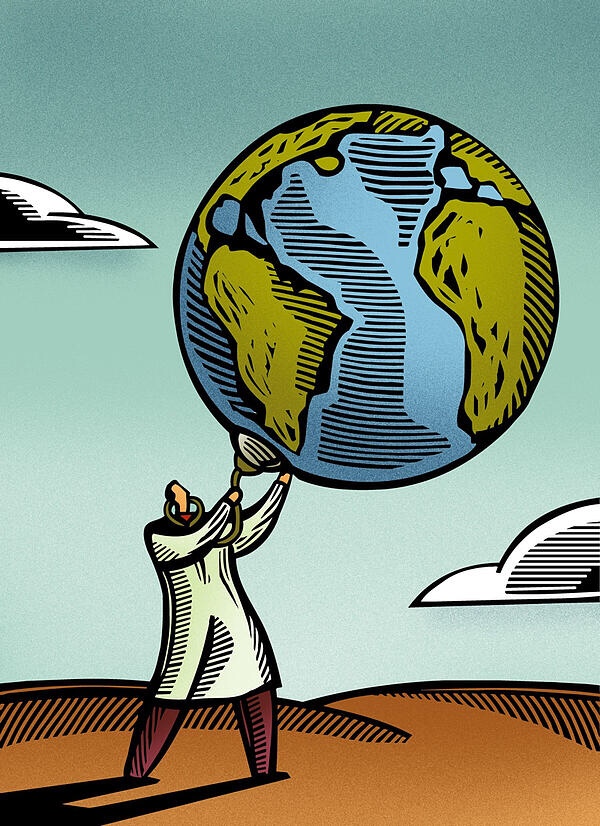
The world went from a wide open planet of international travel to a closed place where we are advised to stay put. In under a month, the world shrank.

How might this impact Sweden and the Swedes? Well, business is certainly affected. Imports are stuck in China. Events are cancelled. Employees returning from affected areas are told to stay home for two weeks, in a corporately-imposed quarantine. And this might just be the beginning.

What about the Swedes themselves? Swedes are well-known for being travelers. The people of this small, cold nation set out all over the world in search of sun, warmth, light, and adventure. Will it be so easy to tell them to stop traveling? Some would say it is impossible. You can take away many things from a Swede, but don’t touch their overseas holiday. For some, it is almost perceived as a human right to travel to warmer climates. I would say how easy it is to get Swedes to stop traveling depends on how any possible travel ban is imposed.

In general, Swedes value rules. And, in general, they follow them: traffic rules, laws, deadlines and agreements. In comparative cultural research one of the frameworks that is often used is the contrast between rules/task and relationships. Simply put, some societies value rules over relationships, thinking that rules should be followed irrespective of the relationship between people. Others value relationships over rules, often seeing the rule more as a recommendation.

Consistently in research, Sweden comes out as oriented towards the rules-side of the spectrum. While this is of course a generalization, it suggests that Swedes tend to take to rules and regulations very easily, tend to prioritize them, and tend to value them. When Sweden legislated against smoking in restaurants, people’s behavior fell into line over night. It wasn’t the case in many other countries. In the EU, Sweden is one of the countries that has applied most of the EU legislation on a local level. When participating in tenant association meetings, Swedes rely heavily on the house charter to understand what is right and wrong behaviour. A customer of mine refused a friendly lunch (in my mind to build relationship) because the company had issued a decree against corruption. None of this might be the case in other countries where a higher premium is put on individual relationships and circumstances, rather than what it says in the rule book.

So will Swedes stop traveling? If it is legislated, yes. If it becomes an official ban, then most Swedes will probably follow it. The practical nature of the Swede will understand its importance. The logic of the solution will prevail. However, if it just comes as a suggestion, left to the whims of the individual, then most Swedes will probably keep traveling. They will avoid the worst areas, and reroute to somewhere they perceive as safer.

You can take a lot of things away from a Swede, but don’t touch their overseas holiday.
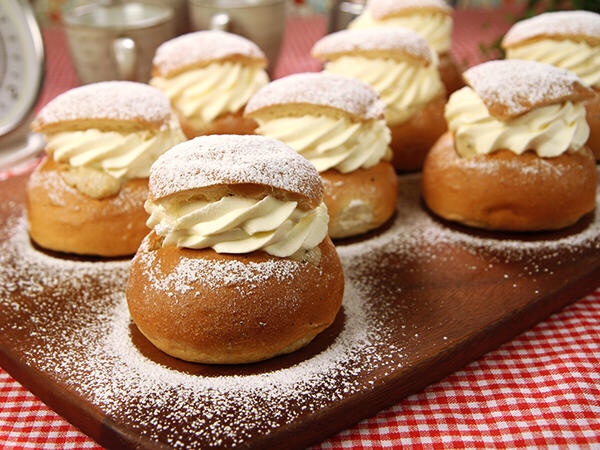
Fatty Tuesday – Swedish style!

Today it’s ‘Fat Tuesday’ in Sweden, known as Shrove Tuesday or Mardi Gras around the world.

While in the UK we eat pancakes (today is even called Pancake Day) and in Latin America they scoff down fried bread, Swedes celebrate by eating the traditional cream Lent bun – the ‘semla’.

I’m also clearly going to indulge. In fact, my mouth is watering just writing this post. The semla is a creamy bun filled with delicious almond paste. They were eaten traditionally in Sweden to commemorate the start of Lent and the great Fast, leading up to Easter. In the south of Sweden, they still refer to them as ‘fastlagsbullar’ – Shrovetide buns.

Nowadays however, semlas are usually sold anytime between Christmas and Easter. I just love them. I could eat a barrel load. But I’d end up looking like a barrel if I did. I love the taste of them, and the feeling of luxurious indulgence. I also love the knowledge that as you take a bite into a creamy semla, you are biting into over 500 years’ history of Scandinavian baking.

The word ‘semla’ comes from the Latin ‘simila’ which means fine flour and originally referred just to the bun without any filling. As long ago as the 1500’s, bakers started to hollow out the middle of the bun and fill it with cream and butter. As ingredients became more available, bakers started adding almond and cardemon and the type of semla that we know today developed towards the end of the 1800’s. After rationing of sugar and dairy products ceased at the end of WW2, the semla took off and became very popular.

Nowadays the semla trend has reached new heights. Every year bakers around the country try to launch new types of semla, with their own spin on it -for example, the semla wrap, the semla burger, the semla layer cake, the semla cocktail, the chocolate semla, the vanilla semla, the lactose-free, gluten-free vegan semla. But I’m a traditionalist in this matter. Give me a round fluffy cardemon-scented wheat bun brimming over with whipped cream and almond paste.

And give it to me NOOOOWWW!!!

Swedish politics for the uninitiated

For those of you unfamiliar with the Swedish political system, here is a quick crash course.

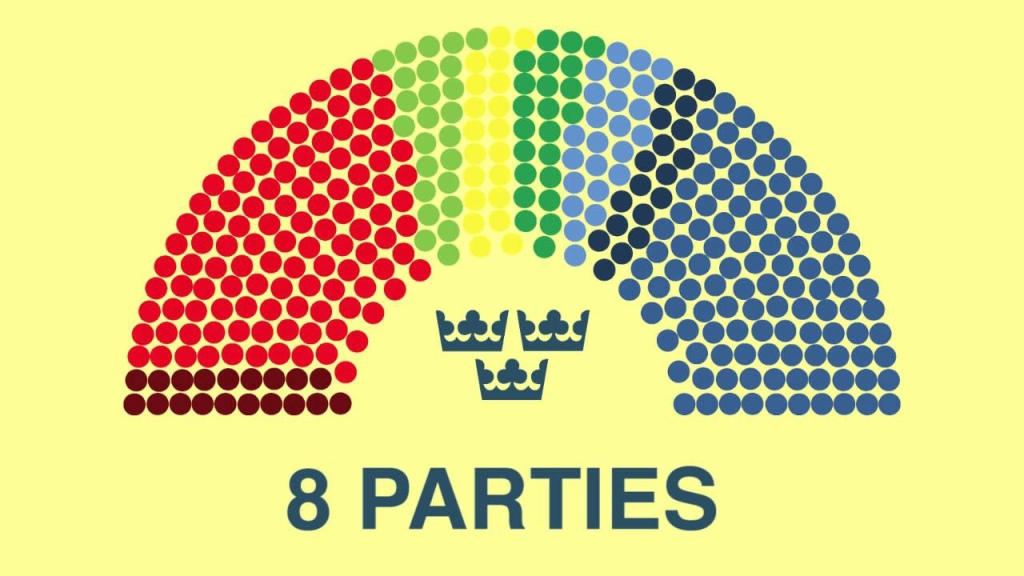
Sweden is governed by a democratically elected government, led by a Prime Minister. Legislation is proposed by the government and decided by a multi-party parliament. The system of election to parliament is one of proportional representation. This means that there are several smaller parties, and sometimes they end up holding the balance of power. To hold one of the parliament’s 349 seats, parties must have a minimum of 4% of the vote. This barrier was put in place to prevent very small parties getting in.

Every four years, in September, a General Election is held in Sweden. At the same time, elections for the 290 local council authorities, and 20 county authorities are held. Sweden had a 87.18% voter turn-out in the last election in 2018, which shows a strong democratic interest from the electorate.

There are currently 8 parties in the Swedish Parliament. In the last election, the Social Democrats (left of center) gained the largest percentage of the vote – 28.26%. The next largest party was the Moderate (Conservative) party with 19.84%. Since proportional representation is the method, no single party receives their own mandate in Swedish politics. This means a process of discussion, negotiating and wheeling-dealing with smaller parties is required to gain majority, come over 50% and to gain a position of government.

Sweden’s current government took a very long time to finalise. After each general election, the Speaker of the House announces the preliminary Prime Minister, initially the leader of the party with the most votes. This person then has the task of forming a government and getting it passed through parliament. After the last election, the government was finally approved after an enormous 129 days of negotiation. It is a minority government led by the Social Democrats and containing the Greens (4.41%). It is supported by 3 opposition parties – the Left Party (8%), the Center Party (8.61%) and the Liberals (5.49%). This is a very unusual coalition which has shuffled around the political map and brought together parties with many opposing views. Some people think of it as an unholy and unsustainable grouping. However, despite their different political ideologies, this middle-ground alliance are united in one ambition – keeping the right-wing nationalistic party Sweden Democrats (17.53%) out of government.

It remains to be seen how long this alliance will hold, and indeed what will happen in the next election in 2 years time. It seems that Sweden might be caught in the jaws of political populism. In a recent opinion poll, the nationalists Sweden Democrats came out as number 1.

So is Sweden in a conservative renaissance – will the next coalition government be conservative-right wing?

Time will tell.

Sweden’s Swexit?

In the aftermath of Brexit on Friday at midnight, I now cherish my Swedish passport even more. It is the Swedish passport that provides me with the free movement and international access that I so strongly believe in. And it is the membership in the EU that, in my opinion, gives us strength, community and a chance for peace. From living in Sweden, I have learned an important lesson – ‘tillsammans är vi starkare’ – together, we are stronger.

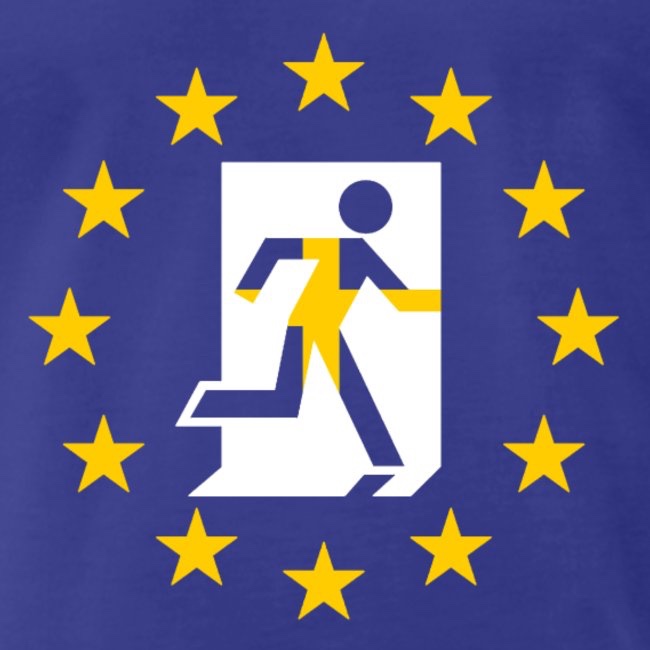
Watching the officials remove the Union Jack from the EU Parliament display, I noticed that it was positioned next to Sweden’s blue and yellow flag. It got me thinking that if Sweden was to leave the EU, it would be called a Swexit. But what could it be called in Swedish? Which one sits most comfortably on the tongue?

  • Svutgång
  • Svorti
  • Svutträde
  • Svupplösning
  • Svavgång

Hopefully, it will never happen. It would be truly swawful.

Sweden’s romance with Germany

Sweden has many connections with Germany throughout its long history. As a nod to the growing German readership I have, I thought I would list a few of those connections.

German language influence

The Swedish language belongs to the North Germanic branch of the Germanic languages. Many words in Swedish are similar in German. I remember when I was on a trip to Hamburg, I could understand a lot of what was written in the German paper Der Spiegel. This was not because I speak any German, but because I speak Swedish. In fact the word ‘spiegel’, meaning mirror, is ‘spegel’ in Swedish. A friend of mine, originally from Rostock in Germany, learned Swedish very quickly. When I asked her how she had done it, she responded rather matter-of-factly that ‘Swedish is just German light’.

German merchants

In Stockholm’s Old Town there is an imposing church whose large Gothic spire dominates the skyline. This church is called ‘Tyska kyrkan’ – the German Church. During the 1500’s there were a lot of German merchants trading and living in Stockholm. In fact, they made up about half of the population. The King wanted to attract and keep as many Germans as possible, so he gave them attractive tax breaks and, in 1571, awarded them the right to start their own parish and place of worship. The church that we see today was finished in 1886, after restoration after a large fire. The German Church today holds services in German, and still serves Stockholm’s much smaller German population. Sweden today has still a lot of German merchants, in the form of large retail chains. Big players include the food chain Lidl, shoe shop Deichmann, home electronics retailer MediaMarkt and DIY store Bauhaus.

German Queens

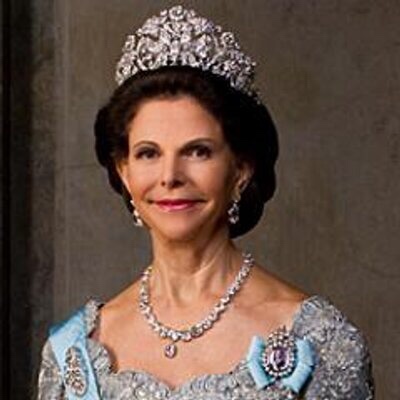
Sweden’s current queen, Queen Silvia, originates from Heidelberg. Her German accent resonates clearly when she speaks Swedish. But she’s not the only connection the Swedish Royal House has with Germany. In fact, the King’s mother was also German – Princess Sibylla – from Gotha. And both his grandmothers. And, well, throughout history the Swedish Royal House has been peppered with German aristocracy and royalty. According to Wikipedia, 22 of Sweden’s monarchs were of German descent. So, one could probably say that the Swedish royals are more German than anything else.

German tourists

Sweden is an extremely popular destination for German tourists who are attracted by the forests, lakes, open spaces, cute red cottages and fresh air. German tourists spend approximately 3,000,000 hotel nights in Sweden according to the Swedish Tourism Institute. Sweden’s three main cities are popular destinations, as well as Skåne, which is the closest county to Germany. Due to the fame of writer Astrid Lindgren, her birthplace village of Vimmerby in Småland is also very well visited. Sweden’s attractiveness is also thanks to a long-running German tv show. Since 2003, the show ‘Inga Lindström’ has entertained Germans with an idyllic, romantic image of Sweden. The program is a series of stories set in Sweden, where the characters speak German, but have Swedish-sounding names, and the attractive Sweden that is depicted makes German tourists want to flock here in droves.

German sausages

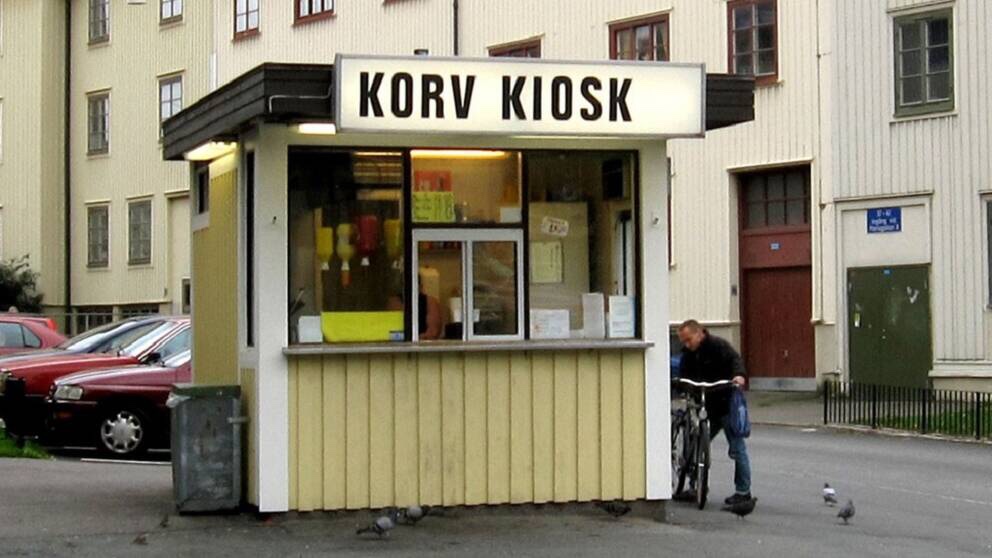
Although food trucks are a standing feature in Sweden’s current street food culture, the original fast food place was, and is, the sausage kiosk. One can not underestimate how much Swedes love their hot dogs and they eat them late at night, for a quick lunch, at sport events, in cars, at weddings, barbecues, communal cleaning days, shopping excursions. You name it. The sausage is ever-present. Evidence exists that sausage-like foods were eaten by the Vikings, but it was in Frankfurt, Germany that the sausage was really developed as a snack. This food culture arrived in Sweden, via USA, in the 1800’s and has remained a firm favourite ever since. Even Sweden’s own patented sausage, the Falukorv, apparently came into existence by German immigrants training the Swedes in how to make them. Sweden’s leading hot dog brand is called Sibylla. Named after the current King’s German mother, this was said to be an honour and not born out of ridicule.

So, there you have it. Germany and Sweden have very close ties linguistically, socially, politically, in royalty, in business, in tourism and, even on the street corners.

Are Swedes Nordic or Scandinavian?

This question seems to confuse people in other parts of the world and the description ‘Nordic’ and ‘Scandinavian’ are often mistakenly used interchangeably.

Simply put, Scandinavia consists of Sweden, Denmark and Norway and is largely a geographical description. The Nordic region seems less clear but is a cultural description and consists of Sweden, Denmark, Norway, Finland and Iceland. The political organisation The Nordic Council also includes the autonomous territories of Faroe Islands, Greenland and the Åland Islands. So all Scandinavians are Nordic, but not not all Nordic people are Scandinavian.

Then, to confuse things slightly, there are the FennoScandinavian countries which include Scandinavia, Finland and Karelia, but minus Denmark. Then there are the Baltic States which are Estonia, Latvia and Lithuania. So, although Sweden is on the Baltic Sea, it is not a Baltic State.

So, in summary, Swedes are Scandinavians, Nordics and FennoScandinavians but not Baltics.

Watching the Swedes Advent Calendar – Dec 24: Kalle Anka

Thank you for reading Watching the Swedes Advent Calendar. Today, we have come to the end. In Sweden, Christmas Eve, 24 December, is the big day for presents, food and festivities.

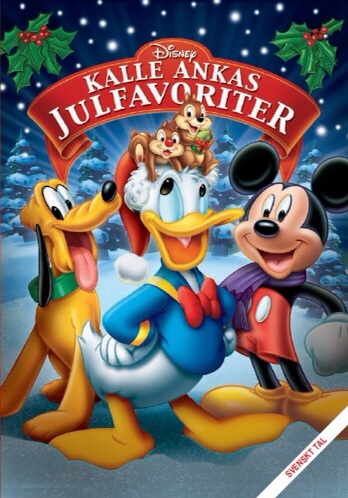
So here is the final word: Kalle Anka. This is the Swedish name for Donald Duck – a Disney character with a strong, and unexpected, connection to Swedish Christmas.

Traditional Christmas celebrations on Christmas Eve in Sweden get off to a slow start usually. It all begins with a Christmas breakfast, consisting of rice porridge, wort bread, ham and Christmas cheese, amongst other things. After breakfast, some people go for a walk, some go to church, others begin the preparation for the Christmas julbord.

When to eat julbord differs from family to family. For some, it’s at lunch time, for others it more towards late afternoon. One surprising time marker is Kalle Anka (Donald Duck).

Every Christmas Eve since 1960, the Disney show ‘From All of Us to All of You’ featuring Donald Duck and his friends has been broadcasted on Swedish television. Always at 3pm. Every single year. A very weird tradition for someone like me who grew up listening to the Queen’s speech on Christmas Day at 3pm. In the UK we have the Queen. In Sweden, Donald Duck.

So the discussion in Swedish homes is ‘should we eat before or after Kalle?’.

Today, Kalle Anka is watched as a sentimental tradition, or as background noise on Christmas Eve. But in the 1960’s when it began, it was the only time of the year that cartoons were shown on tv, so it was a Christmas treat. Since it’s been broadcast for almost 60 years, it is an integral part of what many Swedes associate with Christmas.

After Kalle Anka och julbord, it’s time for a visit from Tomten with gift-giving. This is followed usually by more food and drink. Some people conclude the day with a Midnight service at their local church.

Christmas is, like many places around the world, a time of overconsumption. Enormous amounts of food are left over and eaten during the following days. In Sweden, Christmas Day and Boxing Day are both Public holidays – and the official end of Christmas is January 13th. Then it is time to traditionally throw out the Christmas tree. The lights in the windows have usually disappeared by February.

And as the daylight slowly returns to Sweden, people start planning for lighter and warmer time of the year. And Christmas fades into memory…until next December.

Watching the Swedes Advent Calendar – Dec 23: Dan före dopparedagen

Welcome to the Watching the Swedes Advent Calendar. Every day, I will open a window containing a Swedish word that has something to do with Christmas and its approaching weeks.

Today’s word is ‘Dan före dopparedan‘ – which translates somewhat curiously as the day before dipping day. Or, the day before Christmas.

I always thought that the name ‘dopparedan’ (dipping day) for Christmas Eve was somehow a reference to John the Baptist.

But I was wrong.

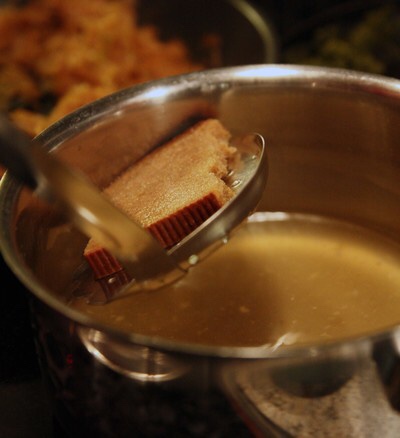
It actually comes from the old Swedish tradition of dipping and drenching bread in the stock juices in which the ham has cooked, and eating it. This traditional practice was called dopp i grytan and originated in agricultural communities. People dipped their bread as a little snack while they made final preparations for the celebrations later in the evening. Some people still do this today.

Because Christmas Eve was called ‘dopparedagen’, the 23rd Dec became known as ‘dan före dopparedagen’ – the day before the day of dipping bread.

Today’s ‘dan före dopparedan’ is more to do with making the final stressful arrangements for tomorrow. Final baking is done, last-minute Christmas presents are bought, a visit to Systembolaget (alcohol shop) is made.

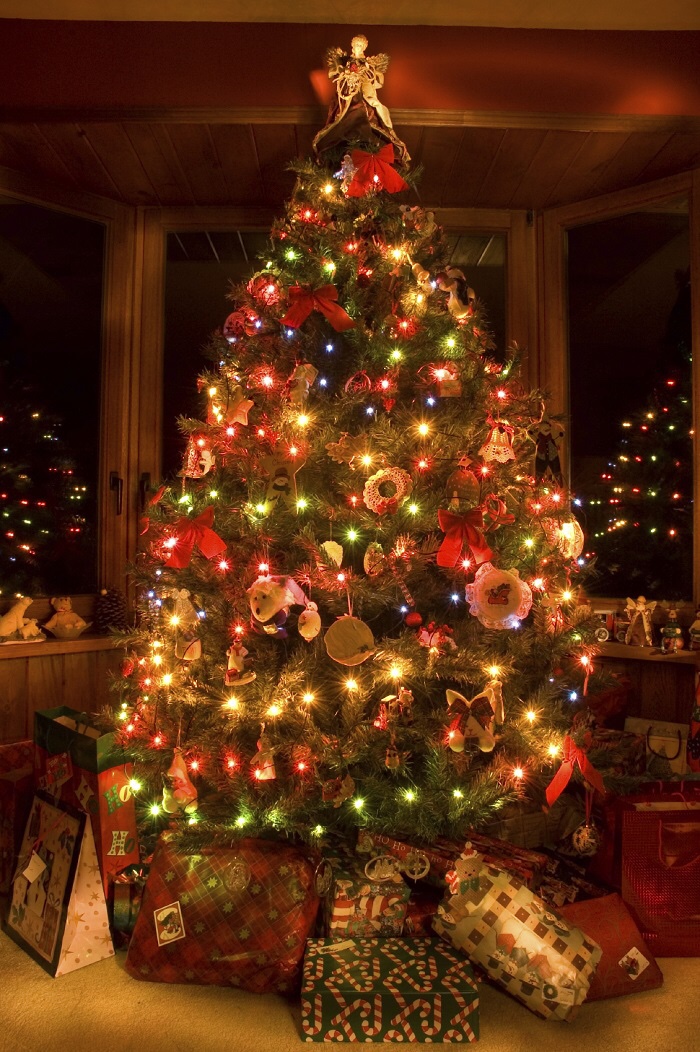
And then, darkness and calmness descends over houses and homes all around the country. The evening before Christmas Eve is called ‘uppersittarkväll’ and Swedish families traditionally gather to wrap presents, play tv bingo, play games and write Christmas present rhymes. It is also the evening when traditionally people put up final decorations and dress the Christmas tree, although this happens earlier for many families.

Once everything is finalized, hopefully there is a moment of relaxation to be had with a glass of warm glögg and a pepparkaka.

And then, it’s time to head off to bed in anticipation for the big day tomorrow – dipping day!

Watching the Swedes Advent Calendar – Dec 22: Tomten

Welcome to the Watching the Swedes Advent Calendar. Every day, I will open a window containing a Swedish word that has something to do with Christmas and its approaching weeks.

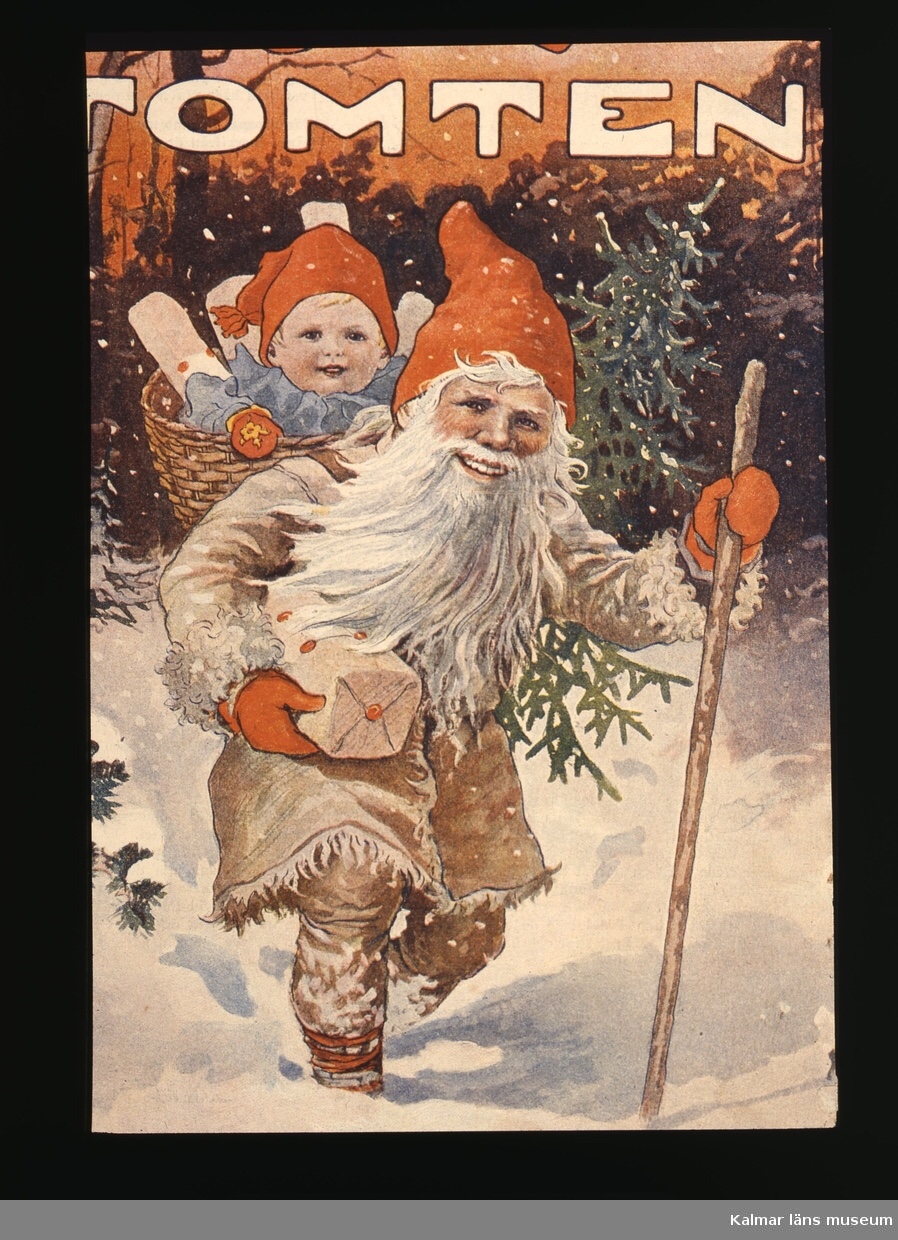
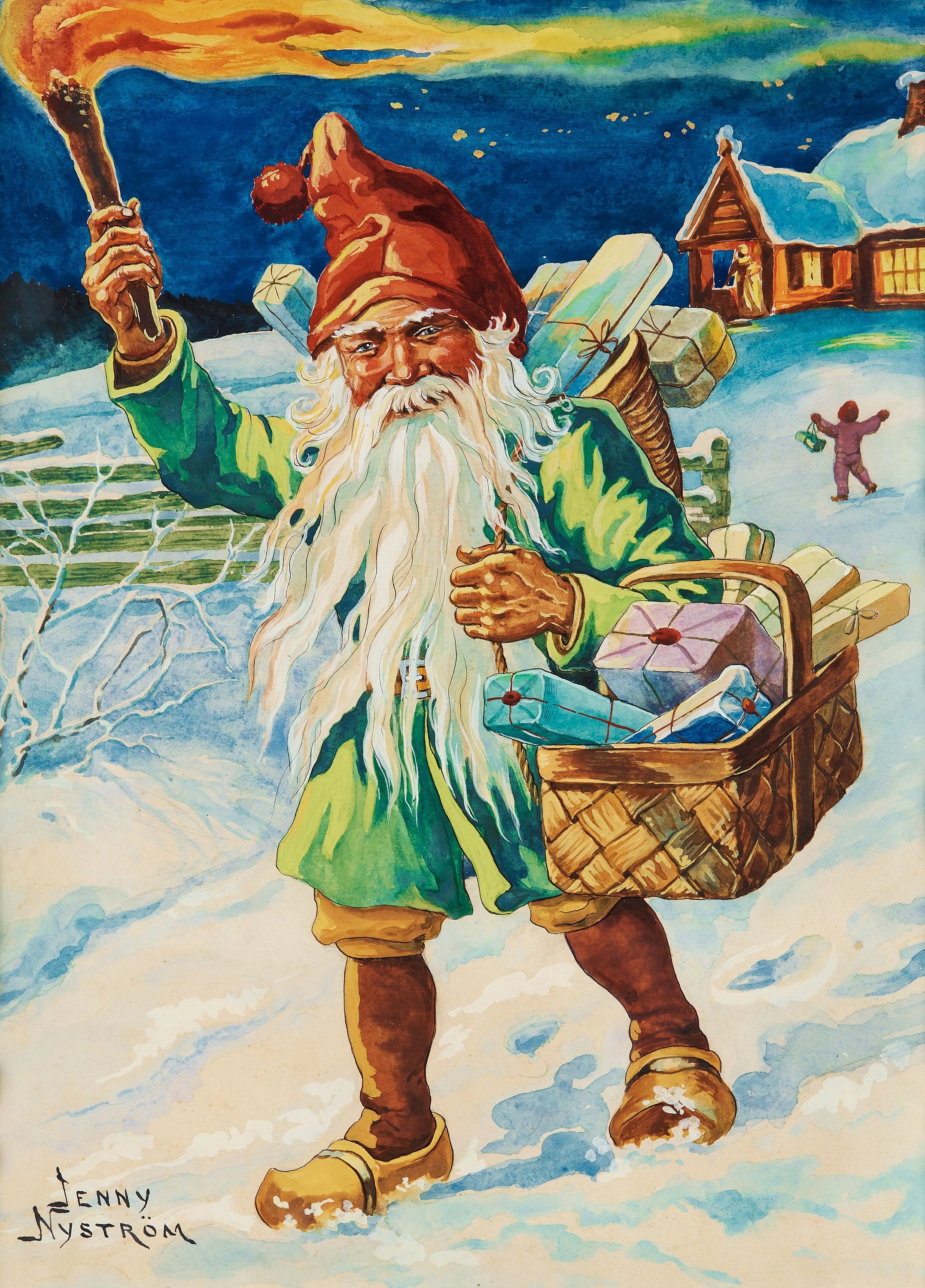
Today’s word is ‘Tomten‘ – who is the Swedish equivalent of Santa Claus.

Around the world, Santa is based on the mythology of St Nikolas – the Greek/Turkish patron saint who’s legend morphed in the USA from the Dutch immigrants’ Sinterklaas to the jolly figure who rewards good children that we see today.

The Swedish symbol of Tomten is partially based on St Niklas and the American depiction of Santa Claus. However, he is also based on a goat and a mythical sprite.

Let’s travel back to rural Sweden hundreds of years ago. Here, in the countryside, Tomten was a kind of sprite (hob, gnome, pixie) who lived on the farm and made sure that the farm had good luck. Tomten was described as a little bearded man, dressed in sackcloth and with a beard. He usually lived in the barn and was shy, mischievous, and irritable – and also vengeful. To keep Tomten happy, the farmer would leave out rice porridge for him to eat – a food that became known as ‘tomtegröt’ and that is still eaten for Christmas breakfast in Sweden today.

With industrialization in the late 1800’s, Sweden started to become inspired by the German St Nicholas, and in modern minds he merged with the rural sprite to become ‘jultomte’ – the gift-bearing sprite.

Popular Christmas cards by Swedish artist Jenny Nyström depicted this new version of Tomten in 1874 and strongly influenced the Swedish way of seeing jultomte. He was dressed in red hat, with a fluffy white beard. He is also seen to have many little helpers – known as ‘tomtenissar’ (a kind of elf).

And in 1881, a poem by Viktor Rydberg called Tomten strongly cemented his transformation and associated the figure with mid-winter and Christmas time.

Prior to this concept of Jultomte/Tomten, gifts were brought in Sweden by the Christmas goat.

In Sweden today, Tomten arrives on Christmas Eve, usually in the late afternoon. He delivers gifts to families, usually with the introduction of ‘Ho, Ho, Ho are there any good children here?’

Strangely, he always seems to arrive just when a member of the family (often dad) has gone out to the shops or gone for a walk.

Watching the Swedes Advent Calendar – Dec 21: Julvärd

Welcome to the Watching the Swedes Advent Calendar. Every day, I will open a window containing a Swedish word that has something to do with Christmas and its approaching weeks.

Today’s word is ‘Julvärd‘ which translates as Christmas host.

The term Christmas host is not referring to the religious bread that represents the body of Christ. Although you’d be forgiven for thinking so at this time of the year.

No, the Christmas host is a personality on tv who guides the viewers through the proceedings on Christmas Eve.

For 27 years the ‘julvärd’ was the same person – a man called Arne Weise – and he is, for many Swedes, eternally associated with Christmas Eve.

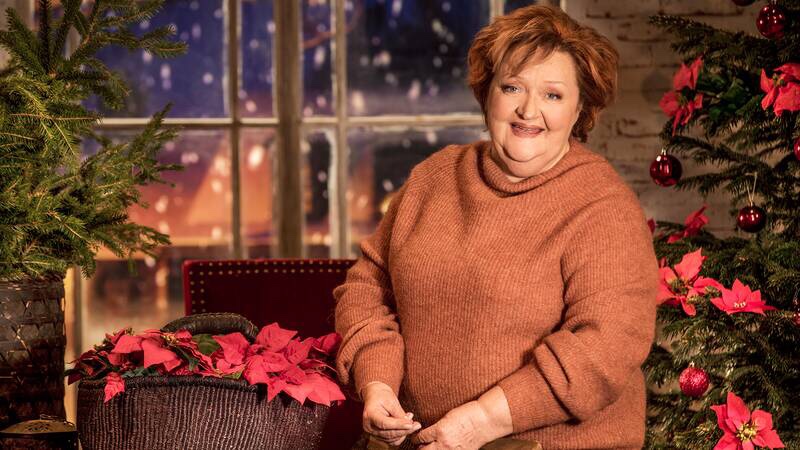
But since 2003, a new host is announced every year and it is considered a great honour to be given the role. This year the ‘julvärd’ is popular actor, comedian and singer Marianne Mörck.

While the role of ‘julvärd’ might seem trivial, it is actually very important. The Christmas host is present throughout the whole day and introduces the programs. He or she also talks about the value of Christmas and what it means. And not least, the ‘julvärd’ keeps lonely people company by inviting themselves into living rooms up and down the country.

This year’s host says in the trailer – ‘no matter who you are, where you live, or how old you are, I hope you will let me spend Christmas with you.’