Swedish Monsters: 7) Näcken

When I was at the open-air museum Skansen, I heard a story about trolls. This got me thinking about other mythological creatures and monsters that inhabit Sweden. And a new series was born!

Today – Näcken.

Summer is a time associated with bathing. But if you are bathing in-land, in a lake or stream or beck, keep an eye open for Näcken!

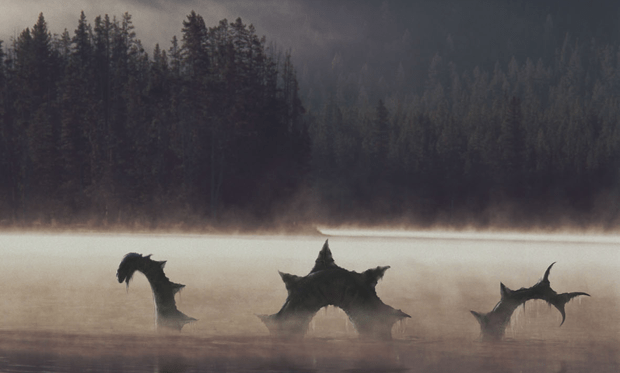
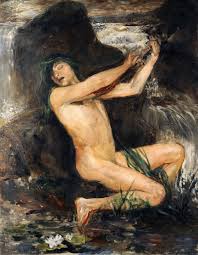
Näcken is a mythological creature in the shape of a naked man. He sits by waterways, or on lily pads, and plays beautiful music, often on a fiddle, but sometimes on a flute. With this music, he lures innocents into the water where they drown.

In certain legends, it is believed that Näcken can change his shape into, for example, a dragon, a worm or a beautiful white horse called Bäckahästen. As Bäckahästen, Näcken entices children to ride on his back and he carries them out the water to drown them. It doesn’t matter how many children there are, Bäckahästen’s back simply grows longer to accommodate them.

The name Näcken doesn’t come from the word ‘näck’ meaning naked in Swedish, as one might think. It comes from the Nordic word ‘nykr’ which meant ‘sea monster’ or ‘hippopotamus’.

So if you see a naked man playing a fiddle by the edge of a waterway – flee!

Painting: Ernst Josephson Strömkarlen

Swedish Monsters: 3) Storsjöodjuret – The Great Lake Monster

When I was at the open-air museum Skansen, I heard a story about trolls. This got me thinking about other mythological creatures and monsters that inhabit Sweden. And a new series was born!

Today – Storsjöodjuret.

This monster is thought to inhabit the depths of Storsjön, a 300m deep lake in county Jämtland in the middle of Sweden. It has several names in English, such as Storsie, a play on the name Nessie – the more-famous Loch Ness Monster in Scotland.

This Swedish lake monster is first mentioned in a 1635 manuscript. Later folk legends claimed the Great Lake monster was created by trolls and that it was a cat-headed creature with a black snake-like body.

There have been around 500 people who have claimed to have witnessed the beast since the 19th century, giving varying details, some claiming a dog-like head, others saying it has humps and fins. Its average length is said to be around 10m. The most recent sighting was 2008, when a film crew claimed to have captured it on film.

On the southernmost tip of Lake Storsjön lies Svenstavik. Inside the local library there is an interactive research and visitor´s center for all curious to know more about the monster.  The center is always standby in case there is a monster sighting via the monitors on the bottom of lake Storsjön. There are also films of true witnesses telling their stories.

At the museum Jamtli in Östersund visitors can go sliding through the belly of Storsjöodjuret downstairs to the exhibitions. In the Storsjöodjurs exhibition there are, among other things, the giant iron trap that was once used to attempt to catch the Storsjöodjur. The trap was then baited with a pig, but with no success.

There are 8 official Monster Observation Spots around the lake, positioned in places where eye witnesses have claimed to have seen the beast.

So is it true or not? Who, knows.. but despite the viewings and the legends, Swedes are not afraid to bathe in the lake. One of the most popular spots is Trönö Sandy Beach 30km outside Söderhamn.

Although people seem to believe that the monster is friendly, and rather shy, would you bathe there?

The cultural diversity of the tea cake

Ever seen those cakes that are whipped meringue domes, or peaks, coated with a thin, crisp layer of chocolate? Sometimes with a biscuit base, sometimes not? In Swedish, if they have a biscuit bottom, they are called ‘mums-mums’. Without the biscuit bottoms they can be called ‘chokladbollar’.

If you’re Swedish, I am about to blow your mind! Those little chocolate domes are, in Scotland, called tea cakes!

In Sweden, a tea cake is something quite different. It is a kind of sweetened bread bun made with wheat and milk. It is often used to make ham or cheese sandwiches.

But the disagreement on what a tea cake doesn’t end there. In England, a tea cake is also something else. Although there are regional differences, it is generally a soft yeast-based bun, filled with dried fruits, such as sultanas, and eaten toasted with melted butter.

In USA, a tea cake is, yet again, something else. It is a large, hard cookie made from wheat and sugar. In Russia, it is also a cookie – but containing nuts.

In Ireland, a tea cake is a fluffy butter cake, as it in Australia – although there it is often flavoured with, eg, cinnamon, and apple.

Who knew that the humble tea cake could present so much diversity? One thing they have in common though, is that they are traditionally enjoyed as a sweet accompaniment to a cup of tea. Apart from the Swedish one that is- which is sandwich bread to probably enjoy with a cup of coffee.

50 Swedish words for snow

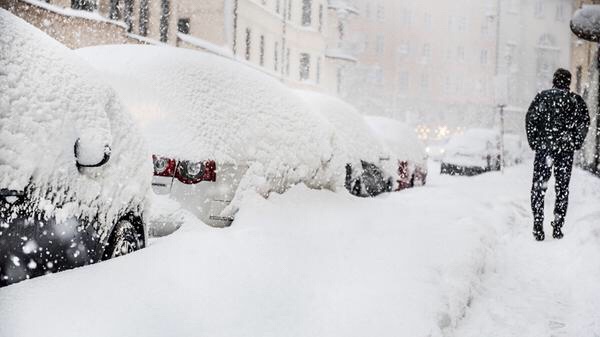
A massive amount of snow has landed in Sweden, so I thought it’s worth sharing this list again.

Not surprisingly when living in a country where it snows a lot, people start to see differences and nuances in the type of snow, whereas in English the word might just be an unsatisfactory ‘snow’.

The Swedish language makes it easy to join words together to describe these nuances.

Here is a list of 50 Swedish words related to snow.

1) Blötsnö – wet, slushy snow
2) Drivsnö – snow that is blown into troublesome snow drifts
3) Aprilsnö – snow in April, according to superstition, signifies plenty of food for the coming season
4) Hårdsnö – compacted hard snow
5) Konstsnö – artificial snow
6) Kramsnö – squeezy snow, perfect for making snowballs
7) Julesnö – snow at Christmas
8) Klabbsnö – wet, warm snow for building snowmen
9) Kolsyresnö – frozen carbondioxide
10) Kornsnö – small white snow breadcrumbs
11) Lappvante – thick, falling snow
12) Lössnö – snow that can loosen and be dangerous
13) Majsnö – surprising and unwelcome snow in May
14) Modd – snow that has partly melted due to salt
15) Natursnö – real snow (as opposed to artificial)
16) Nysnö – fresh snow, crisp and white
17) Pudersnö – powder snow
18) Rekordsnö – an unusual amount of snow, breaking previous snow records
19) Slask – slushy snow mixed with rain and dirt on the ground
20) Snö – snow
21) Snöblandat regn – snow mixed with rain
22) Muohta – the Sami word for snow (it is said the Sami actually have 200 words for snow!)
23) Snörök – faint particles of snow that look like smoke
24) Yrsnö – snow being whipped around by the wind in all directions
25) Åsksnö – snow that pours down during a thunder storm

26) Snökanon – the word for the snow canon that creates artificial snow on ski slopes has also come to mean a sudden blast of snow that suddenly hits a place, and feels like snow has been dumped on you.

27) Jungfrusnö – virgin snow

28) Snösmocka – a huge amount of snow

29) Snötäcke – snow on the ground

30) Sjösnö – snow over the sea that can roll in over land

31) Snöfall – snow in the air

32) Flingsnö – snow with larger crystals

33) Skarsnö – a crispy surface on a blanket of snow

34) Packsnö – thickly packed snow

35) Pärlsnö – snow like small pearls that hurts when it hits your face

36) Snöglopp – wet snow mixed with rain

37) Spårsnö – snow that allows footprints to be formed

38) Fjöcksnö – a light, fluffy snow

39) Flister – snow the consistency of salt that stings the face when it falls

40) Flaksnö – a sheet of snow

41) Upplega – snow on the upper side of a tree branch

42) Firn – liquid-like snow that can initiate an avalanche

43) Fimmel – sandy snow that falls at low temperatures

44) Själja – a thin layer of ice on top of the snow that resembles glass

45) Knarrsnö – crispy snow that creaks when you walk on it

46) Snöfyk – wet snow

47) Torrsnö – dry snow

48) Månsilver – a poetic word to describe the dusting of snow

49) Snöis – snow on cold water that forms an icy solid surface

50) Stöp – a mixture of snow and ice resembling porridge that forms on top of cold water

So, let it snow! Let it snow! Let it snow!
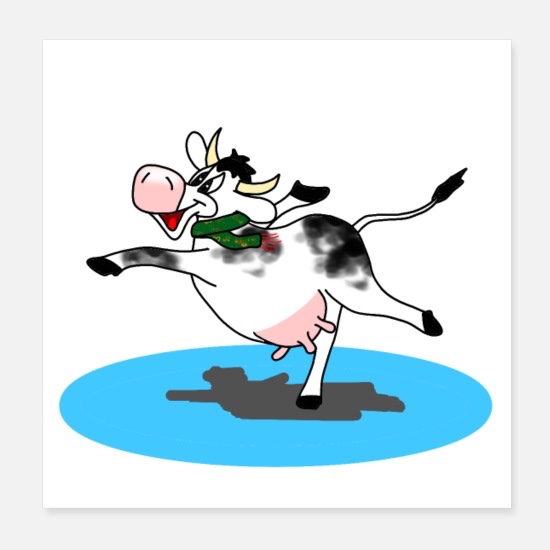
Swedish expression: ’There is no cow on the ice’.

With all the frozen lakes at the moment, I am reminded of the Swedish expression ‘Det är ingen ko på isen’ or ’there’s no cow on the ice’. This expression is used to mean there is ‘ no need for worry’ or ‘don’t be concerned’. So, where does the expression originate?

Well, like many Swedish expressions, this one also has a rural origin.

In the old days, farmers that had no running water would take their cows down to the lake to drink. As long as the cows stayed on land, and didn’t venture onto the frozen waters, there was no risk of them falling through the ice and drowning.

In fact, the expression is an abbreviation of the longer saying ‘there’s no cow on the ice as long as their rear end is on land’. (Det är ingen ko på isen så länge stjärten är i land.) As long as they had a firm footing, they could rescue themselves if the ice broke around the periphery of the lake.

So it would seem that the original meaning of the saying might have been ‘there is no need for worry as long as you take precautions.’

Advent Calendar – Dec 23: Dan före dopparedan

Window 23. Today’s words are ‘Dan före dopparedan‘ – which translate somewhat curiously as ‘the day before dipping day’. Or, the day before Christmas.

I always thought that the name ‘dopparedan’ (dipping day) for Christmas Eve was somehow a reference to John the Baptist.

But I was wrong.

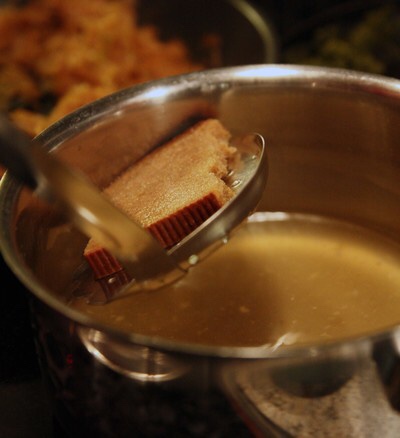
It actually comes from the Medieval Swedish tradition of dipping and drenching bread in the stock juices in which the Christmas ham has cooked, and eating it.

This traditional practice is called ‘dopp i grytan’ and originated in agricultural communities. People dipped their bread as a little snack while they made final preparations for the celebrations later in the evening. Some people still do this today.

Because Christmas Eve was called ‘dopparedagen’, the 23rd Dec became known as ‘dan före dopparedan’ – the day before the day of dipping bread.

Today’s ‘dan före dopparedan’ is more to do with making the final stressful arrangements for tomorrow. Final baking is done, last-minute Christmas presents are bought, a visit to Systembolaget (alcohol shop) is made. Long queues are to be expected.

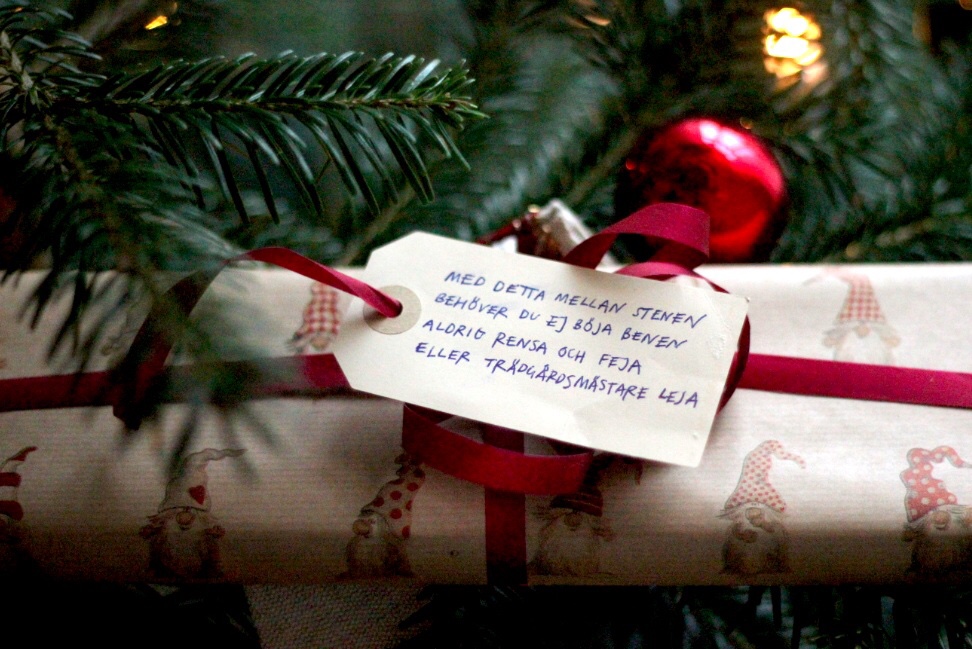
And then, darkness and calmness descends over houses and homes all around the country. The evening before Christmas Eve is called ‘uppersittarkväll’ and Swedish families traditionally gather to wrap presents, play tv bingo, play games and write Christmas present rhymes.

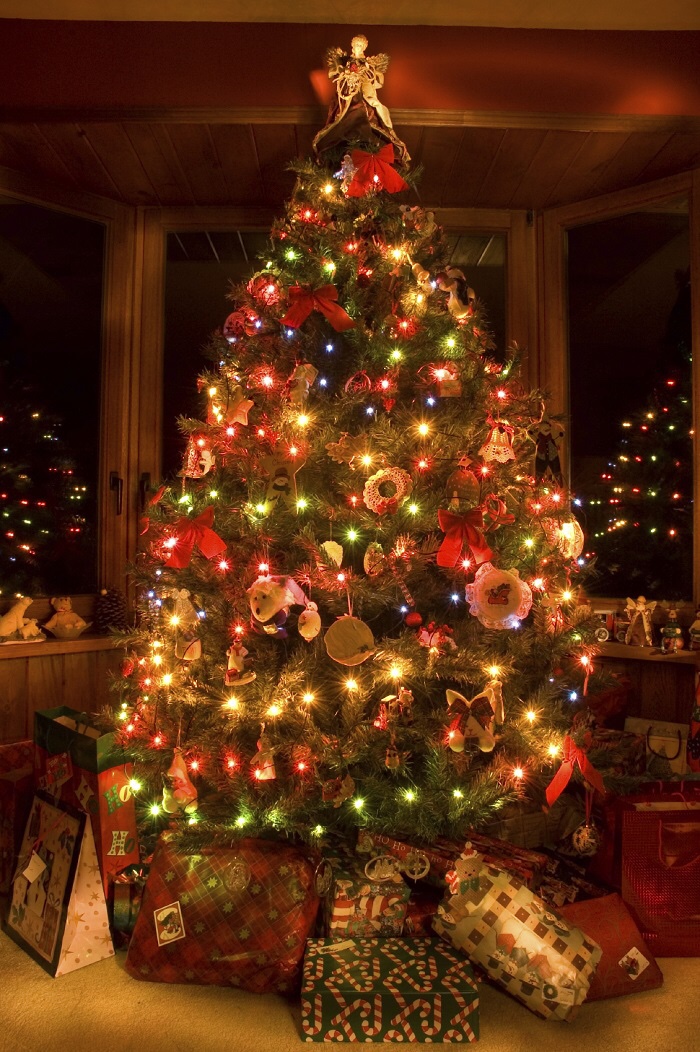
It is also the evening when traditionally people put up final decorations and dress the Christmas tree, although this happens earlier for many families.

Once everything is finalized, hopefully there is a moment of relaxation to be had with a glass of warm glögg and a pepparkaka.

And then, it’s time to head off to bed in anticipation for the big day tomorrow – dipping day!

Advent Calendar – Dec 19: Julklappsrim

Window 19. Today’s word is ‘Julklappsrim‘ which translates as ‘Christmas present rhyme’

If you receive a gift at Christmas time,

You’ll find in Sweden that it comes with a rhyme.

The packets are wrapped, the present to hide

And a poem describes all the contents inside.

You see, Swedes write poems on the label

Sometimes direct, sometimes a fable.

They sit in a workshop creating their verse,

It needs to be brief, but not at all terse.

The poem is read, the packet ripped open

And you see what you got, but it still leaves you hopin’

For a phone or a trip or a book about crime,

Wrapped up with a Swedish Christmas rhyme.

Advent Calendar – Dec 11: Nubbe

Window 11. Today’s word is ‘Nubbe‘ which is the colloquial word for an alcoholic shot known as snaps.

Nubbe, or snaps, is a really popular drink that Swedes enjoy at Christmas time. At its base, it is a strong spirit (30-38% alcohol content) called ‘brännvin’ which is distilled from potatoes or grain.

It can be plain and colourless, or flavoured with herbs and spices. Sometimes it can be sweet and infused with, for example blackcurrant, elderflower or raspberry. Others can be so bitter they make your toes curl – flavoured with for example aniseed, wort or wormwood. If it includes caraway or dill, it can according to EU patent protection be called akvavit.

A mouthful-size of ‘brännvin’ is called a snaps or a nubbe and it is drunk out of small glasses. Usually it is consumed when eating traditional food, and may also be accompanied by a ‘snapsvisa’ – a drinking song.

One popular drinking song at Christmas is called ‘Hej Tomtegubbar‘ which translates roughly as:

‘Hello goblins, fill your glasses and let’s be jolly together.

Hello goblins, fill your glasses and let’s be jolly together.

Our time is brief upon the earth, with many troubles and little mirth

Hello goblins, fill your glasses and let’s be jolly together.

After a few snapses, the party atmosphere usually begins – with more singing and speeches. For Swedes, snaps is such an important tradition that it is drunk not only at Christmas but at most festive times – such as Easter, Midsummer and autumn’s crayfish party.

According to The Swedish alcohol monopoly, Swedes have been flavouring their ‘brännvin’ since the 1500’s and the word ‘Nubbe’ as a slang word for snaps turned up first in 1892.

19 Swedish words for rain

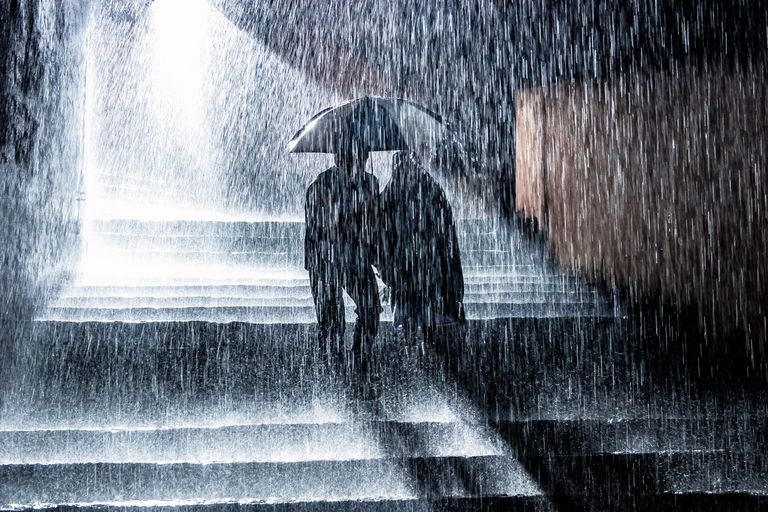
It feels like it has rained for ever in Stockholm this summer. We awaken to rain, we walk in the rain, we come home in the rain, and we go to bed to the sound of the rain. Around the country, rivers have broken their banks, streets are flooded, roads collapsed and trains derailed.

I guess to some degree the wetness is positive as it is replenishing the water magazines that have dried out, and soaking the forest beds to prevent any potential fires.

In English, we have lots of words for rain, with some fun ones such as drizzle, mizzle, sleet, spit and ‘ache and pain’.

So I became curious about how many Swedish rain-related words there are – other than the word for rain – ‘regn’. Here are 18 that I found:

  1. Duggregn – a light rain, spit
  2. Dusk – drizzle
  3. Snöblandad regn – sleet
  4. Hällregn – heavy rain, pouring down
  5. Ösregn – torrential rain
  6. Skyfall – sudden heavy rain, a cloud burst
  7. Skur – shower
  8. Störtregn – heavy rain, a downpour
  9. Skval – constant, uninterrupted rain
  10. Sommarregn – light, summer rain
  11. Regnby – rain shower
  12. Slagregn – heavy rain, a deluge
  13. Glopp – rain with large snow flakes in
  14. Arlaregn – refreshing morning rain
  15. Strilregn – steady rain
  16. Nederbörd – precipitation
  17. Dagsregn – precipitation
  18. Rotblöta – a large amount of rain, usually in the summer
  19. Spöregn – very heavy rain

So the next time, look out of the window and see what word best describes the rain outside. It might at least give you a few seconds of distraction in this wet drudge.

Any other Swedish words for rain that you’d like to add to the list?

When Swedes go to bed

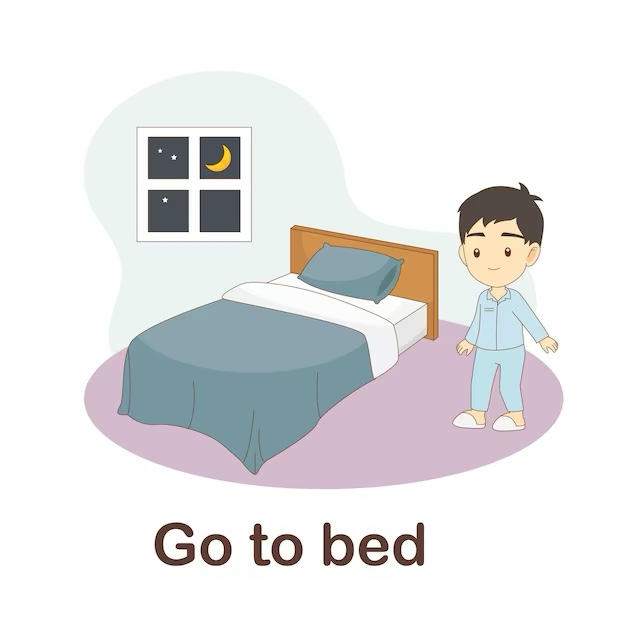
In English, we have lots of ways to say that we are going to bed to sleep: ‘up the wooden hill to Bedfordshire’, ‘hit the hay’, ‘beddybies’, ‘hit the sack‘ to mention a few. And it turns out, so do the Swedes. ‘Gå till sängs’ ( go to bed) is probably the most common, and literal. Here are a few other examples:

’Dags att koja’ – time to go to bed (Koja is a small hut, or a bunk on a boat)

‘Nu ska jag gå lägga mig’ – now I’m going to lie down

‘krypa till kojs’ – creep to the hut / bunk

‘Knyta sig’ – knot yourself – similar to curl up

‘Slagga’ – similar to crash out

What other expressions for going to bed do you know?