Advent Calendar – Dec 16: Julbord

Window 16. Today’s word is ‘Julbord‘ which literally translates as Christmas table.
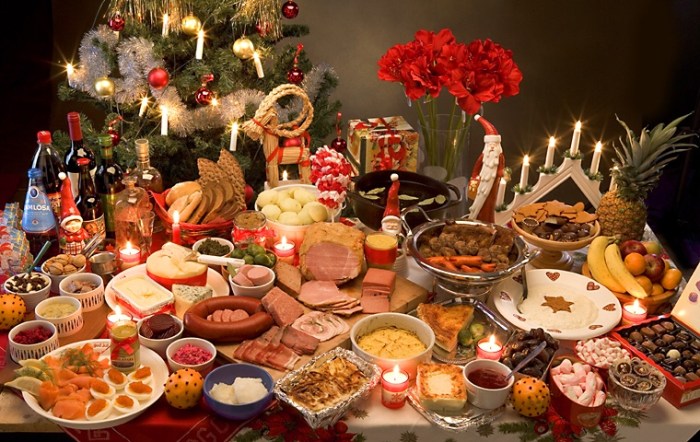
The word ‘smörgåsbord’ (buffet) is one of the words from the Swedish language to have the biggest international reach. The ‘julbord’ or Christmas table is the ‘smörgåsbord’ that is traditionally eaten in homes and restaurants on Christmas Eve – the day Swedes celebrate Christmas.

In the lead up to Christmas, organisations often take their employees out somewhere for a ‘julbord’.

The ‘julbord’ is an interesting concept – a potpourri of dishes, hot and cold. Not all Swedes enjoy everything on the table, but the dishes still have to be present in the name of tradition.

So, what’s on the Swedish ‘julbord’? Here are some common savoury dishes:

  • Julskinka – Christmas ham
  • Inlagd sill – pickled herring of various sorts
  • Köttbullar – Swedish meatballs
  • Prinskorvar – cocktail sausages
  • Janssons frestelse – potato and anchovy gratin called Jansson’s temptation
  • Gravad lax – cured spiced salmon
  • Kallrökt lax – cold-smoked salmon
  • Varmrökt lax – warm-smoked salmon
  • Kalvsylta – jellied veal
  • Knäckebröd och ost – crispbread and cheese
  • Sillsallad – herring salad
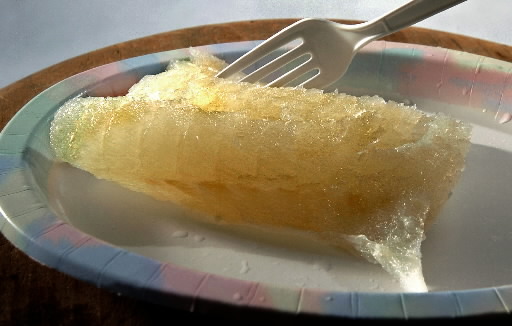
  • Lutfisk – whitefish in lye
  • Dopp i grytan – ‘dip in the pot’ – bread dipped in the broth that the meat is cooked in
  • Cabbage of various colours – most commonly red
  • Vörtbröd – Christmas bread flavoured with wort
  • Julost – Christmas Edam cheese
  • Revbensspjäll – spare ribs
  • Ägghalvor – halved boiled eggs topped with shrimp or caviar

The ‘julbord’ is a banquet, and its history dates back hundreds of years. Around the country there are regional variants to the standard dishes. For example, in county Skåne, they often add eel, and in Bohuslän they add ‘äggost’ – egg cheese! Many regions around Sweden have brown beans and different local sausages on the their Christmas buffet.

All of this food is traditionally washed down with beer, julmust, and snaps.

You have to be careful not to overindulge, if possible, because afterwards comes coffee and dessert. A traditional dessert is called Ris a la Malta, which is fluffy rice in whipped cream and tangerines. At Christmas tables organised in restaurants, they normally have a ‘gottebord’ which is another smörgåsbord consisting solely of sweets and desserts. Common contents are toffee, fudge, gingerbread biscuits, marzipan, ‘lussekatter’, dried fruits, cheese, and chocolates.
Advent Calendar – Dec 14: Lussekatt

Window 14. Today’s word is ‘Lussekatt‘ which is a traditional saffron bun.

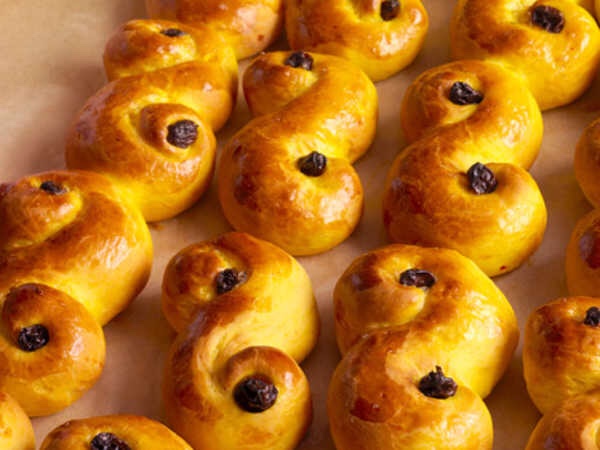
The sight and smell of the lussekatt screams Advent and Christmas in Sweden. The lussekatt, is a rich, spiced yeast-leavened sweet bun that is flavoured with saffron and usually contains raisins. In fact, saffron is a very popular ingredient at Christmas time with a whole cornucopia of baked goods being spiced with the expensive substance.

The lussekatt buns are baked into many shapes, of which the most common is a reversed S-shape. They are traditionally eaten during Advent, and especially on Saint Lucy’s Day, December 13. This could be the reason why it is called ‘lusse’ – a derivative of Lucy. However, there is a more sinister explanation.

In one theory, the lussekatt has its origins in Germany in the 1600’s. According to legend at that time, the devil used to appear as a cat, to torment children. To counteract this, people baked buns and colored them bright yellow to mimic the sun and scare away the devil. In West Sweden, the saffron buns were referred to as Devil’s buns (‘döbelskatt’) and the theory is that the name Lussekatt, comes from the word Lucifer. And the shape? Could it reflect a cat’s tail, or even the devil’s tongue?

Whatever the origin, the lussekatt remains a clear favourite in Sweden to eat at Christmas with pepparkaka and washed down with glögg.

If you’d like to bake your own lussekatt, you can find a recipe here

Advent Calendar – Dec 11: Nubbe

Window 11. Today’s word is ‘Nubbe‘ which is the colloquial word for an alcoholic shot known as snaps.

Nubbe, or snaps, is a really popular drink that Swedes enjoy at Christmas time. At its base, it is a strong spirit (30-38% alcohol content) called ‘brännvin’ which is distilled from potatoes or grain.

It can be plain and colourless, or flavoured with herbs and spices. Sometimes it can be sweet and infused with, for example blackcurrant, elderflower or raspberry. Others can be so bitter they make your toes curl – flavoured with for example aniseed, wort or wormwood. If it includes caraway or dill, it can according to EU patent protection be called akvavit.

A mouthful-size of ‘brännvin’ is called a snaps or a nubbe and it is drunk out of small glasses. Usually it is consumed when eating traditional food, and may also be accompanied by a ‘snapsvisa’ – a drinking song.

One popular drinking song at Christmas is called ‘Hej Tomtegubbar‘ which translates roughly as:

‘Hello goblins, fill your glasses and let’s be jolly together.

Hello goblins, fill your glasses and let’s be jolly together.

Our time is brief upon the earth, with many troubles and little mirth

Hello goblins, fill your glasses and let’s be jolly together.

After a few snapses, the party atmosphere usually begins – with more singing and speeches. For Swedes, snaps is such an important tradition that it is drunk not only at Christmas but at most festive times – such as Easter, Midsummer and autumn’s crayfish party.

According to The Swedish alcohol monopoly, Swedes have been flavouring their ‘brännvin’ since the 1500’s and the word ‘Nubbe’ as a slang word for snaps turned up first in 1892.

Advent Calendar – Dec 7: Julskinka

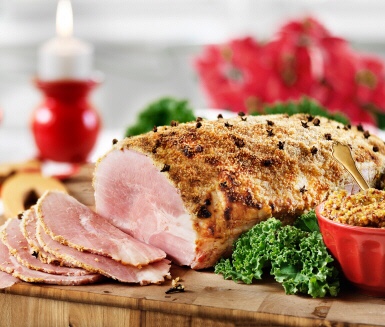
Window 7: Today’s word is ‘Julskinka‘ which translates as ‘Christmas ham’ and is pronounced yule-hwinka (ish).

In the UK, I grew up eating roast turkey at Christmas. But in Sweden, it’s all about the ham!

Swedes have been eating Christmas ham during the festive season since the 1600’s and many people consider it an obligatory part of the Christmas meal.

Originally it was a dish eaten only by the upper classes and rich farmers, but somewhere in the 1800’s in made it onto the tables of the broader population.

The tradition of eating ham is thought to have evolved from the pagan ritual of sacrificing a wild boar known as a sonargöltr to Frey, the Norse god of fertility, during the harvest festival. This was later adapted by the Christians and aligned with St Stephen’s Day which falls on December 26th.

Traditionally the cured ham is oven baked or boiled before it is coated in mustard and breadcrumbs and grill roasted. Here is a recipe.

The ham is mostly eaten with mustard and apple sauce. And the cold leftovers are eaten for days afterwards, often on crisp bread.

The Christmas ham is traditional in many other Northern European countries such as Finland, Estonia and Poland and even some parts of the USA and Australia.

Many people these days don’t eat meat, and therefore reject ham. However, to mimic the Christmas tradition, there are plenty of veggie options available including roasts made of cauliflower, soya, Quorn and other plant-based ingredients. As a non meat-eater myself, I usually make a festive mushroom and chestnut Wellington as my centerpiece on the Christmas table.

Advent Calender Dec 2 – Pepparkaka

Every day leading up to Christmas, I will open a window containing a Swedish word that has something to do with the festive season.

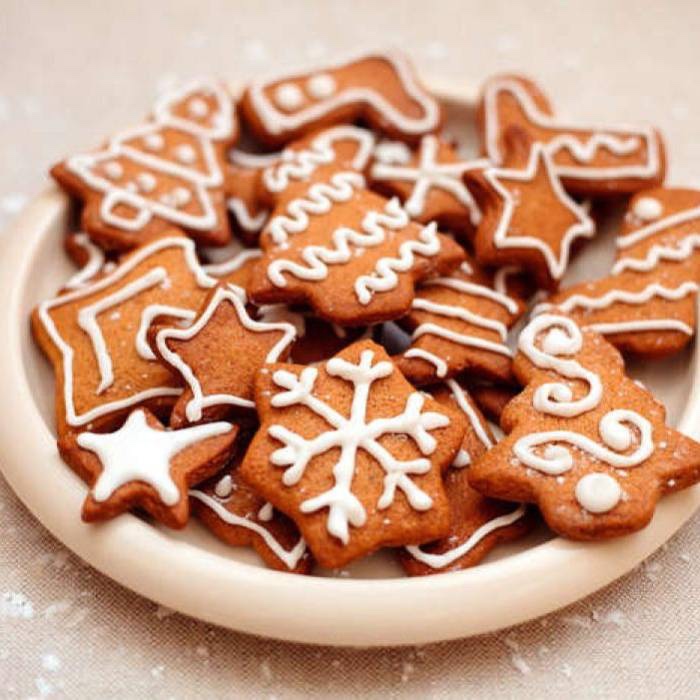
Today’s word is ‘pepparkaka‘, which translates as gingerbread.

Other than glögg, nothing else is more synonymous with the Swedish festive season than pepparkaka (gingerbread).

The Swedish version of gingerbread comes in the form of thin crispy biscuits flavoured with cinnamon, cardamon, ginger and cloves. Formed in different shapes such as hearts, trees, and stars, gingerbread is eaten plain or decorated with icing. Many people buy squeezy blue cheese in a tube and squirt it onto the biscuit before consumption. Some people build gingerbread houses as part of their Christmas decorations.

Making your own pepparkaka is a cosy a Christmas tradition – here is a typical recipe. However, most people buy their gingerbread ready-made.

Pepparkaka has been associated with Christmas in Sweden since the 1800’s but was eaten much earlier than that. The first documented record of pepparkaka in Sweden is from 1335 for a royal wedding. In a recipe from the 1400’s, gingerbread included pepper, which could be why it has the name pepparkaka. But nobody is really sure.

Ever wondered why Swedish people are so nice? Well, the answer lies in an old myth – apparently the very eating of pepparkaka is what makes you nice.

Swedish cinnamon bun day

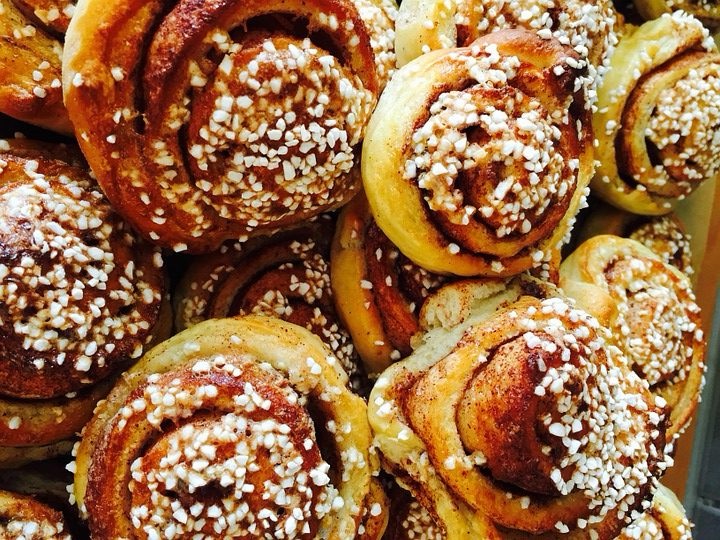
Today, Oct 4, is the day that Swedes up and down the country celebrate that most Swedish of foods – the cinnamon bun.

The cinnamon bun – kanelbulle- was invented in Sweden in the 1920’s and sold in bakeries. In the 1950’s, as ingredients, such as sugar and cinnamon, became more affordable, people started to bake them at home.

In 1999, Oct 4 was crowned as National Cinnamon Bun Day. At least 9,000,000 buns are consumed during the day.

Swedish cinnamon bun day

Today, Oct 4, is the day that Swedes up and down the country celebrate that most Swedish of foods – the cinnamon bun.

The cinnamon bun – kanelbulle- was invented in Sweden in the 1920’s and sold in bakeries. In the 1950’s, as ingredients, such as sugar and cinnamon, became more affordable, people started to bake them at home.

In 1999, Oct 4 was crowned as National Cinnamon Bun Day. At least 9,000,000 buns are consumed during the day.

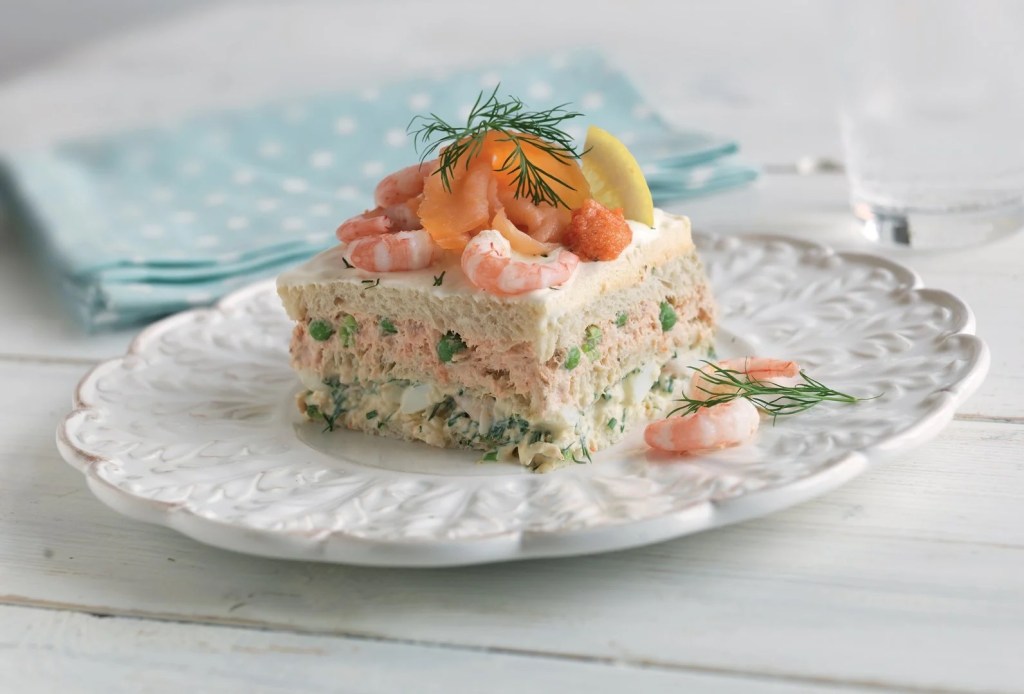
The Swedish sandwich cake

You’ve probably heard of the word smorgasbord. It is a Swedish word that we borrow in English for a plentiful buffet of food. It stems from the Swedish word for sandwich – ‘smörgås’.

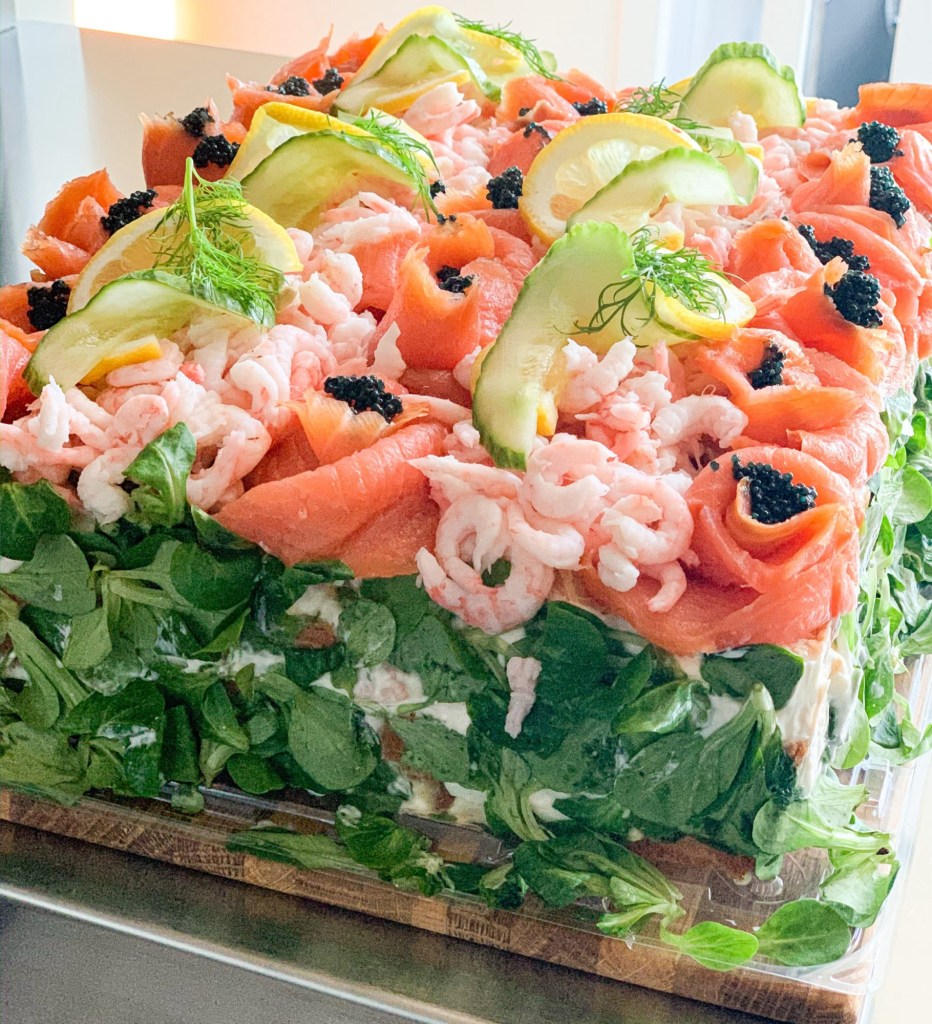
So while smorgasbord might be known to you, I am doubting that ’smörgåstårta’ is as familiar. The ’smörgåstårta’ translates as ‘sandwich cake’, and it is a dish served at celebratory events such as birthdays, anniversaries, weddings and even funerals. It has an almost iconic status in Sweden.

The Swedish sandwich cake is not a sweet dish. It is a cake-shaped dish built in layers of bread. Between each layer of bread is a variety of fillings, for example ham, beef, shrimps, salmon, vegetables. It is full of egg and mayonnaise and is garnished with various vegetables or herbs such as dill, caviar, cucumber and radishes. It looks like a layered cream cake and is sliced and served cold like a cake.

The smörgåstårta first was mentioned in a newspaper in 1934, and quickly grew in popularity through the decades. It easily took hold as Sweden had a tradition of eating open sandwiches, and of considering a sandwich a meal in itself. The sandwich cake became an elevated version of this and was considered to be luxurious – and it still is today. It even has its own day of celebration – 13 November is smörgåstårta’s day!

The sandwich cake has been imported from Sweden and become popular in other countries in the north – being a festive sight in Finland, Estonia and Iceland.

As you can imagine, a slice of sandwich cake is very filling. Its creamy consistency and rich ingredients make it difficult to stomach more than two servings for most people. This usually results in smörgåstårta being eaten for lunch for several days afterwards.

If you’re interested in making one, here’s a recipe in English: Swedish sandwich cake

The top 5 most disgusting Swedish foods

Like everything, food is a very personal preference. Swedish food in general is great, I think. That said, here is my list of the 5 most revolting foods that Sweden has produced.

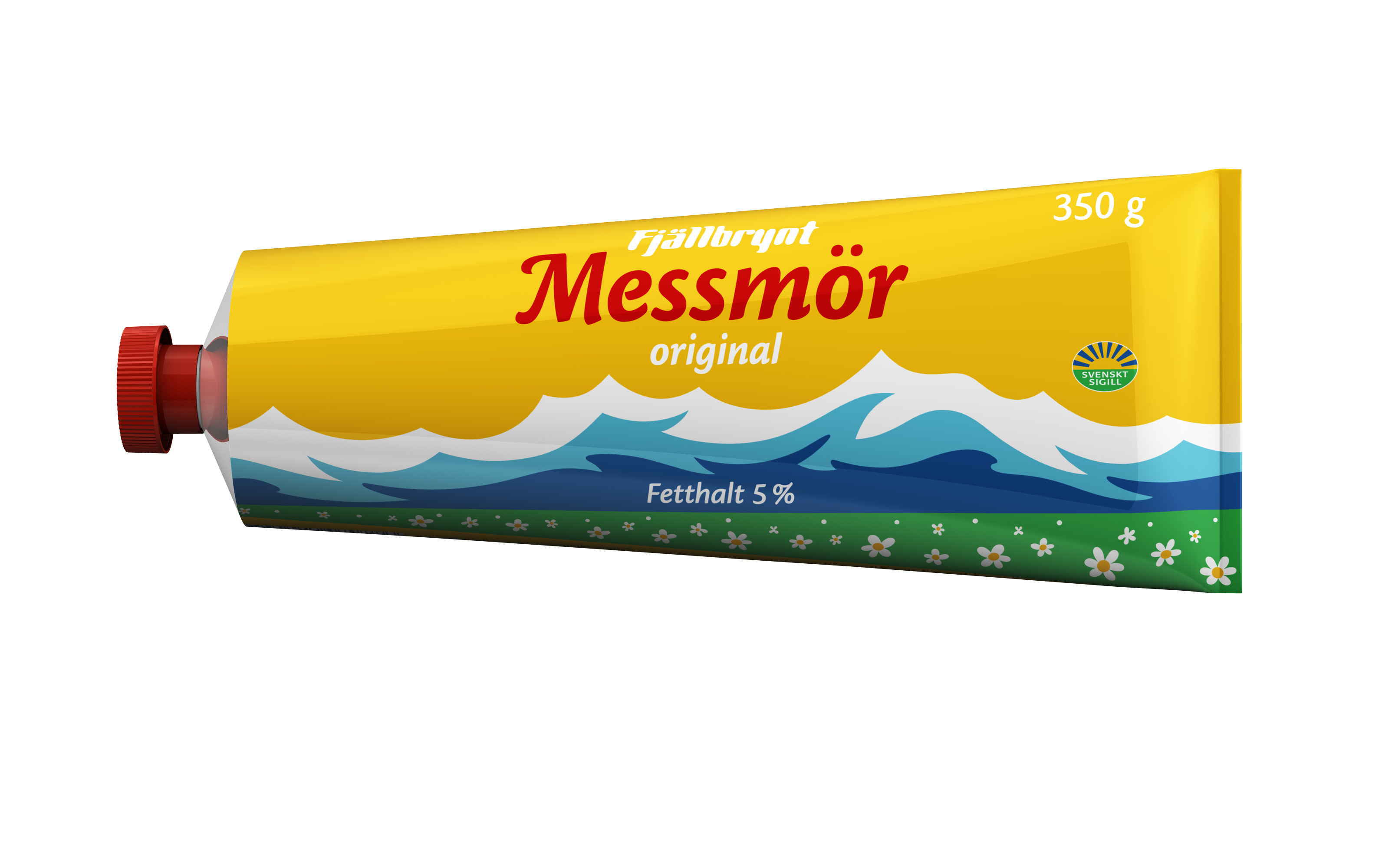
messmor_350g_original_front Messmör – Soft whey butter

Translated as soft whey butter, this disgusting sandwich topping and comes in two delightful choices: goat milk-based and cow milk-based. Whey is pressed out from cheese and then boiled until it caramlises and gets an unappetising brown colour. It looks nasty and tastes revolting.

blodspoppa

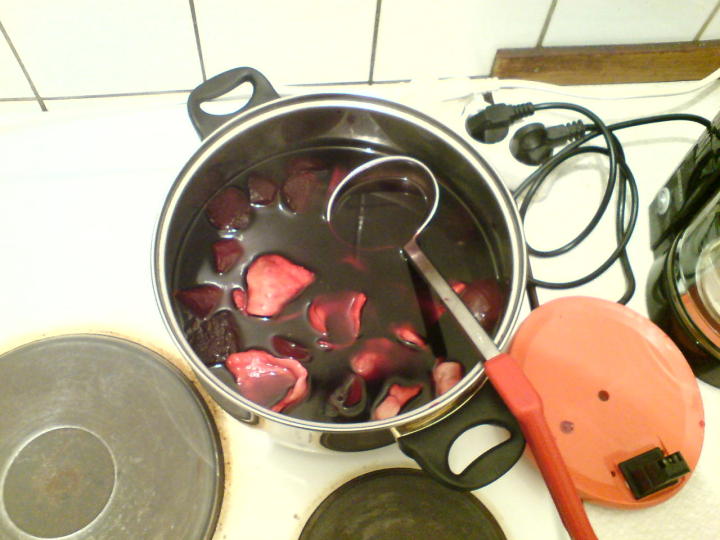
Svartsoppa – Black soup

Black soup is a soup made of goose blood which is thickened and flavoured with stock, syrup, wine, cognac, vinegar, cloves, ginger and pepper. It is traditionally eaten with a roast goose dinner and it dates back to the Renaissance period. Historically, it was a useful source of iron.

palt

Palt

Palt is a kind of potato dumpling stuffed with boiled pork. The dumpling is boiled in very salty water. It is normally eaten with butter and lingonberry jam and some Swedes drink milk when they eat it to help it slink down the throat.

surströmming

Surströmming – fermented Baltic herring

This offensive dish consists of herring that is caught just prior to spawning and packed into a tin of brine to ferment. The fermentation starts from an enzyme in the spine of the fish, together with bacteria. Hydrogen sulphide is produced in the tin. Sounds appetizing? The salt in the brine allows the bacteria responsible for rotting to thrive. This bacteria prospers and decomposes the fish, making it sour. When the tin is opened, the contents release a strong and sometimes overwhelming odour which smells like human excrement. The dish is ordinarily eaten outdoors as the reek will fill out an entire building if eaten indoors. The fish is usually eaten on crispbread, or rolled in thin bread, with potatoes and sour cream. This way of preparing food was historically a process of preserving food in order to survive through the winter. But in modern-day Sweden, it is so unnecessary – now we have fridges!!!

lutefisk-akta

Lutfisk – Sodium Hydroxide fish

Imagine your mouth full of jelly. Wobbly, quivering jelly. Now add a creamy sauce to that consistency. Slush it round in the mouth. Now add the flavour of fish! And there you have it! Lutfisk! This revolting food is a dish consisting of dried whitefish prepared with lye (deadly sodium hydroxide) and a sequence of particular treatments. The first treatment is to soak the dried stockfish in cold water for five to six days. The saturated stockfish is then soaked in cold water and lye for an additional two days. The fish swells during this soaking, and produces a jelly-like consistency. When this treatment is finished, the fish (saturated with lye) is caustic and therefore poisonous. To make the fish edible, a final treatment of yet another four to six days of soaking in cold water is needed. Eventually, the lutfisk is ready to be boiled and then served with a creamy spiced white sauce and potatoes. This has to be the most vile thing I have ever eaten, it is truly repugnant. The good news is however that Lutfisk is a Christmas dish, so it only ever gets dumped infront of you once a year! Thank Santa for small mercies!

Other food in Sweden that is definitely an acquired taste: Kalles kaviar (fish roe paste), inlagd sill (pickled herring), grisfötter i gelé (pig trotters in jelly), fiskbullar (fish quenelles in sauce), hamburger kött (horse meat), falukorv (a processed-meat sausage), långfil (fermented, coagulated milk).

Any others you can think of?

The cultural diversity of the tea cake

Ever seen those cakes that are whipped meringue domes, or peaks, coated with a thin, crisp layer of chocolate? Sometimes with a biscuit base, sometimes not? In Swedish, if they have a biscuit bottom, they are called ‘mums-mums’. Without the biscuit bottoms they can be called ‘chokladbollar’.

If you’re Swedish, I am about to blow your mind! Those little chocolate domes are, in Scotland, called tea cakes!

In Sweden, a tea cake is something quite different. It is a kind of sweetened bread bun made with wheat and milk. It is often used to make ham or cheese sandwiches.

But the disagreement on what a tea cake doesn’t end there. In England, a tea cake is also something else. Although there are regional differences, it is generally a soft yeast-based bun, filled with dried fruits, such as sultanas, and eaten toasted with melted butter.

In USA, a tea cake is, yet again, something else. It is a large, hard cookie made from wheat and sugar. In Russia, it is also a cookie – but containing nuts.

In Ireland, a tea cake is a fluffy butter cake, as it in Australia – although there it is often flavoured with, eg, cinnamon, and apple.

Who knew that the humble tea cake could present so much diversity? One thing they have in common though, is that they are traditionally enjoyed as a sweet accompaniment to a cup of tea. Apart from the Swedish one that is- which is sandwich bread to probably enjoy with a cup of coffee.