Window 6: Today’s word is ‘Julmarknad‘ which translates as ‘Christmas Market’
A popular recurring event during the weeks leading up to Christmas in Sweden is the Julmarknad – the Christmas Market.
Christmas markets are a very cosy affair. Here you can walk around and enjoy the smell of glögg and roasted chestnuts. You can listen to the sound of Christmas carols echoing through the air. You can bathe in the lights and decorations strewn around the marketplace. And you can see traditional handicrafts and locally produced goods on sale, such as scarves, hats, festive food and decorations. If you’re lucky, snow is tumbling down and crunching under foot. The whole thing feels like being momentarily caught in a giant snow globe.
Christmas markets have been around in Sweden since the 1800’s and take place up and down the country on town squares, in gardens, in museums, farms, barns, greenhouses, castles, garden centers and stately homes.
In Stockholm, the most popular markets are in Skansen and on the main square in the Old Town. The Royal Palace of Drottningholm and Taxinge Castle outside Stockholm are also popular, as is the small picture-postcard town of Sigtuna about an hour north of the capital.
In Gothenburg, the market at Liseberg is a popular experience and in Malmö head to the market on Gustav Adolf Square.
Every day, I will open a window containing a Swedish word that has something to do with Christmas and the festive season.
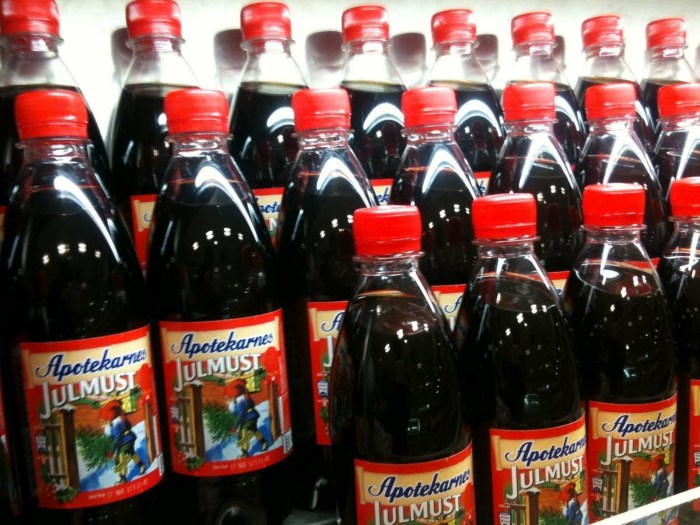
Today’s word is ‘Julmust‘ which is a fizzy Christmas beverage.
I would venture to say every Swede likes to drink at least one glass of julmust at Christmas. However, according to statistics it is even more!
Apparently, Swedes drink an average of 5 litres per person of the fizzy drink during December. The alcohol-free bottled soft drink comes in different sizes, fully sugared and also in diet form.
Said to include over 30 ingredients, its actual recipe is top secret, only known to three people. Despite all the cloak and dagger stuff, the connoisseur can detect the flavour of hops and malt. The taste is reminiscent of the old-fashioned ‘Dandelion and Burdock’ drink for those of you that understand that British reference.
Julmust was invented by a teetotaler and sales began in 1910 as an alternative to ale and port. Although intended to be alcohol-free, the drink can be mixed with gin, vodka, rum or Jägermeister to make Christmassy cocktails. When blended with porter or stout and other ingredients, it creates a classic Christmas drink called Mumma.
I have even drunk julmust mixed with red wine – a so called Kalimusto. I recommend trying the experience – although it actually is a fairly unpleasant one!
If you live outside of Sweden and want to try julmust, head to your nearest Ikea! Called Vintersaga, they sell the beverage in 500ml bottles.
Every day, I will open a window containing a Swedish word that has something to do with Christmas and the festive season.
Today’s word is ‘Julkalendern‘ which translates as ‘Christmas Calendar’
Julkalendern is a television series broadcast on Swedish TV every day in December leading up to Christmas Eve. It is a popular and heavily-anticipated program that children and adults traditionally watch at 7.15 in the morning (or on line). Typically each episode is 15 minutes long, and every year there is a new story.
The first Julkalendern was broadcast in 1960 and was called ‘Titteliture’. In 2016, a competition was held to vote for the all-time favourite Julkalendern. It was won by a series called ‘Sune’s Christmas’ (1991) followed by ‘The Mystery at Greveholm’ (1996), ‘Time of the Trolls’ (1979) and ‘The old woman who shrunk to the size of a teaspoon’ (1967).
This year, the series is a continuation of 1979’s ‘Time of the Trolls’ – ‘ Legend of the Mountain Troll. ‘
Today, the first of Advent, the light shines strong in the darkness.
Since the 1930’s Swedes have decorated their homes with lights from the first of Advent. The tradition was inspired from Germany, where the Advent star had been a popular decoration since the 1880’s. The star symbolizes the star of Bethlehem that guided the three wise men to the stable, where the baby Jesus lay in a manger.
Today, the star has lost most of its religious symbolism. In Sweden, illuminated advent stars are hung in windows. On window ledges, electric advent candles are placed. Gardens and balconies are decorated with fairy lights. On tables, four candles are positioned and one is lit every Sunday up until Christmas. Small candles, often red, are dotted about the home. Some people change curtains and populate their homes with small gnomes and fragrant flowers.
Since November is often a grim month, the collective advent decoration is a welcome arrival as light is spread into the murky places. From the dark street, it is lovely to see windows lit up in every apartment.
This weekend is also the starting signal for the Swedish ‘glöggfest’. People go to each other’s homes and drink ‘glögg’ (mulled wine), eat gingerbread and saffron buns. It is a very cosy time of year.
Every day, I will open a window containing a Swedish word that has something to do with the festive season.
Today’s word is ‘Gävlebocken‘ which translates as ‘The Gävle Goat’.
This strange tradition takes place in the Swedish town of Gävle. Every year, since 1966, a giant handcrafted straw goat is built up. And almost every year, it gets burned to the ground by a pyromaniac.
One year, it was even burned down before its inauguration. Consequently, the local authority have increased security and have managed to prevent the burning for the last three years.
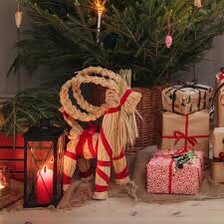
The symbol of the goat is a traditional Christmas decoration in Sweden, called a ‘julbock’ – a Christmas goat. Usually made of straw, a goat is placed under the Christmas tree or small goats are hung from the branches. The symbol of the goat has ancestry in Scandinavia far back in Nordic mythology and, up to the 1800’s, it was the goat who brought presents during the festive season. A kind of precursor to Santa Claus.
So although the Christmas goat has endured for centuries, it remains to be seen if the Gävle goat survives until the New Year.
Welcome to the Watching the Swedes Advent Calendar 2023
Every day before Christmas, I will open a window containing a Swedish word that has something to do with the festive season. Today’s word is the fantastic-to-say ‘glögg‘. (Pronounced ‘glugg’)
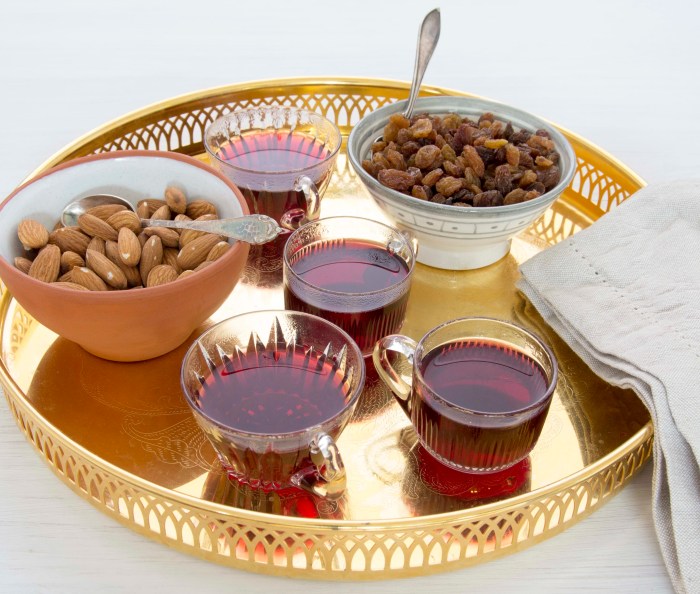
Glögg is festive Swedish mulled wine: heated wine, most commonly red, with spices. It is drunk together with almonds and raisins added in. And it is delicious!
Glögg is very popular, having been drunk in Sweden around Christmas since the 1890’s. However, the earliest record of drinking heated wine dates back to the 1500’s.
The word glögg comes from the Old Swedish word ‘glödg’, and the verb ‘glögda’ – to heat up. This, in turn, has its origins in the verb glöder (to glow).
Some make their own glögg, here is a typical recipe. Glögg can be with, or without, alcohol.
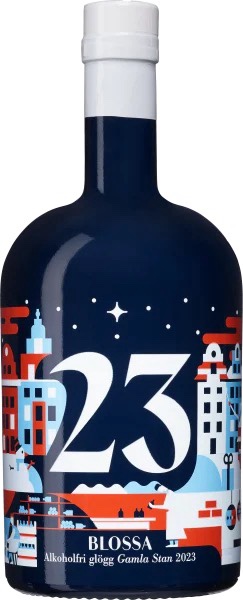
However, most Swedes buy their glögg ready-made in a bottle. In addition to the traditional flavours, each year a new flavour of the nectar is released and there’s always a debate regarding its success. This year’s glögg (2023) is called Gamla Stan (Old Town) and is an infusion of raspberry and hops. Yummy!
Today is the official last day of Christmas in Sweden. Known as ‘Tjugondedag jul’ (twentieth day of Christmas) or ‘tjugodag Knut’ (twentieth day Knut), it marks the twentieth, and final, day of the festive season.
The name ‘Knut’ comes from the fact that today is St Knut’s Day in Sweden – commemorating the Danish king who was assassinated in 1131. One of laws Knut introduced was that nobody should fast during twenty days of Christmas, and that January 13 was the official end of the period.
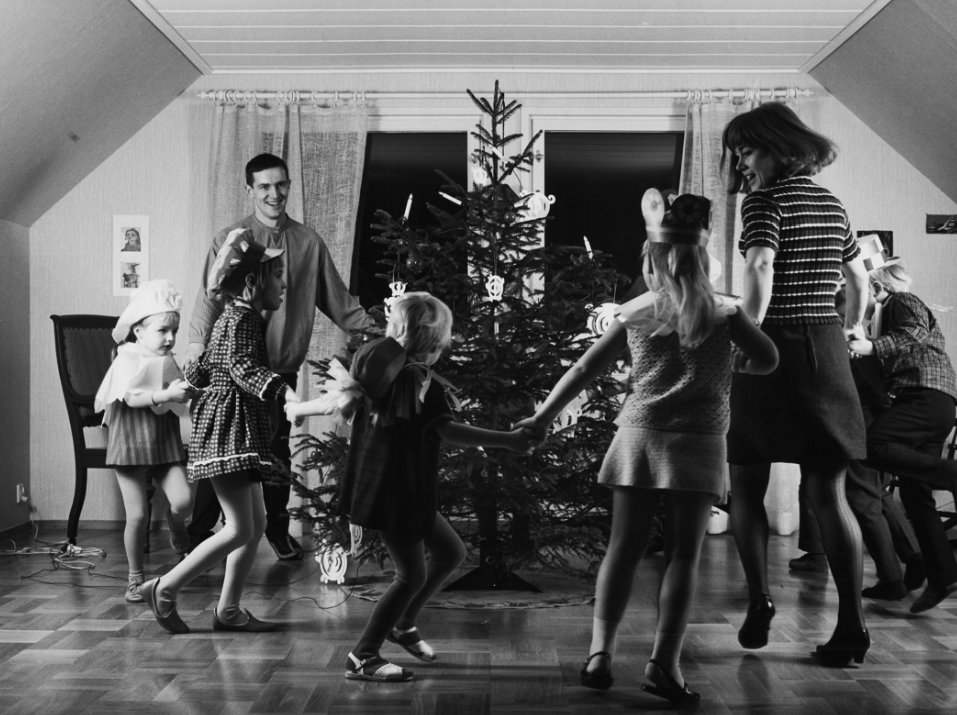
In Sweden, today is the day when Christmas should be ‘danced out’. Traditionally, the Christmas tree is removed in a process called ‘julgransplundring’ (Christmas tree plundering), in which Swedes remove decorations, eat the edible ones, dance around the tree and throw it out. This is known as the St Knut’s Party and originated in the mid 1800’s.
On a more practical note, the discarded Christmas trees are gathered by the local councils and burned to provide heating or used on the traditional bonfires in April.
Swedish is often a very literal language. Today, the 26th December, is a good example of that.
In the UK, the 26th December is known as ‘Boxing Day’. In many countries it’s St Stephen’s day – in Finland, it’s ‘Stefani Day’. In Ireland it’s ‘Wren’s Day’. In South Africa, it’s the ‘Day of Goodwill’.
Long before the Christianity swept over Europe, the Norse people celebrated the Midwinter Solstice in a festival called Yòl. (Yule/jul). Eventually this festival blended with Christmas and gave us many of the traditions we have today.
So, what are 5 ways in which the Norse traditions impacted Christmas?
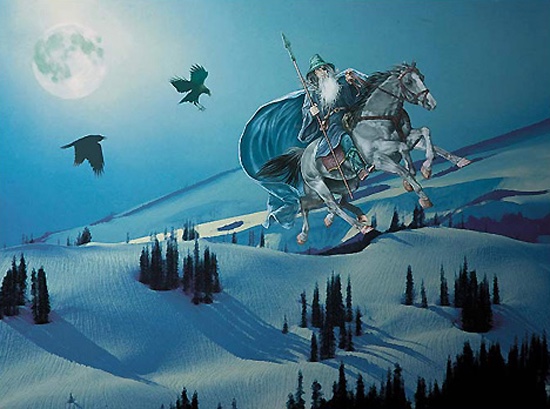
1) Father Christmas – Odin, King of the Norse Gods, was a bearded old man in a hat and cloak. He rode Sleipnir – an 8-legged horse – across the night sky and delivered gifts to those below. This morphed into the Christian St Nicholas, and 8 reindeer to complete the saga of Santa.
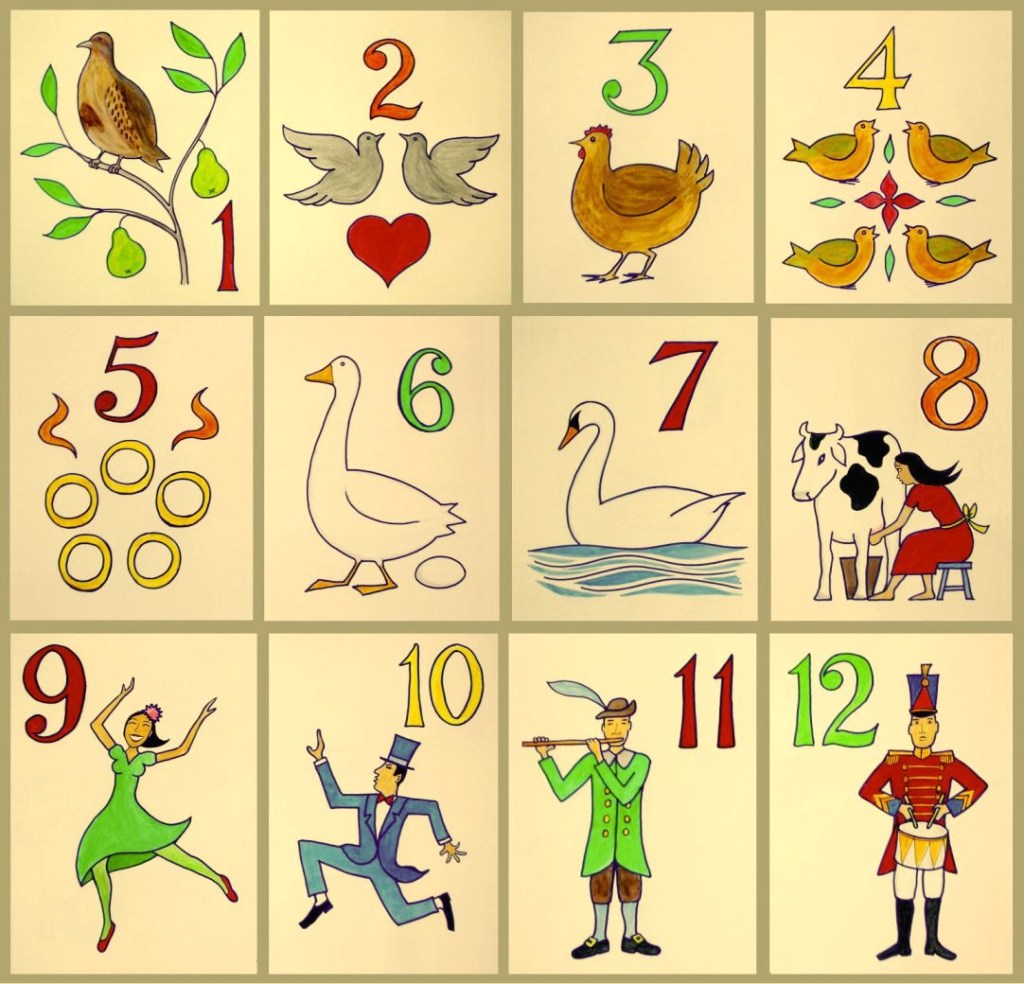
2) The Twelve Days of Christmas – the ancient Norse celebrated their midwinter festival for twelve days, beginning on the day of the winter solstice. It was believed that Odin rode the sky for these 12 days so it was forbidden to hang out laundry in case he got entangled. This was known as ‘the Great Hunt’.
3) Christmas Tree – many of us know that the indoor Christmas tree originates in Germany and was made popular in the Victorian era. However, it in fact pre-dates this. The Norse people believed that evergreens were the divine plant of their sun God Balder (the son of Odin) because they remained green though-out the winter. They took this as a sign that spring was advancing. To encourage the oncoming season, they would decorate the branches of the trees with ornaments, runes and offerings of food. With Christianity, these decorations became stars, and other biblical symbols.
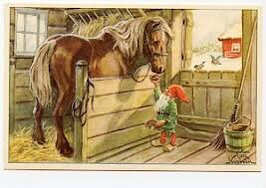
4) Christmas Elf – no story of Santa’s workshop is complete without his little helpers. In Norse mythology, there is the ‘nisse’ or ‘tomte’. These little creatures were small, bearded and wore little pointy hats. They were believed to live in the barns in the farmstead and they would guard the property and the inhabitants, and even fix broken things. They were loyal and industrious but you had to treat them with respect, otherwise their vengeance would be swift and angry. They also loved playing practical jokes and mischief, rather like the elves in Santa’s workshop. The word ‘elf’ comes from the Norse word álfar, which means ‘concealed people’.
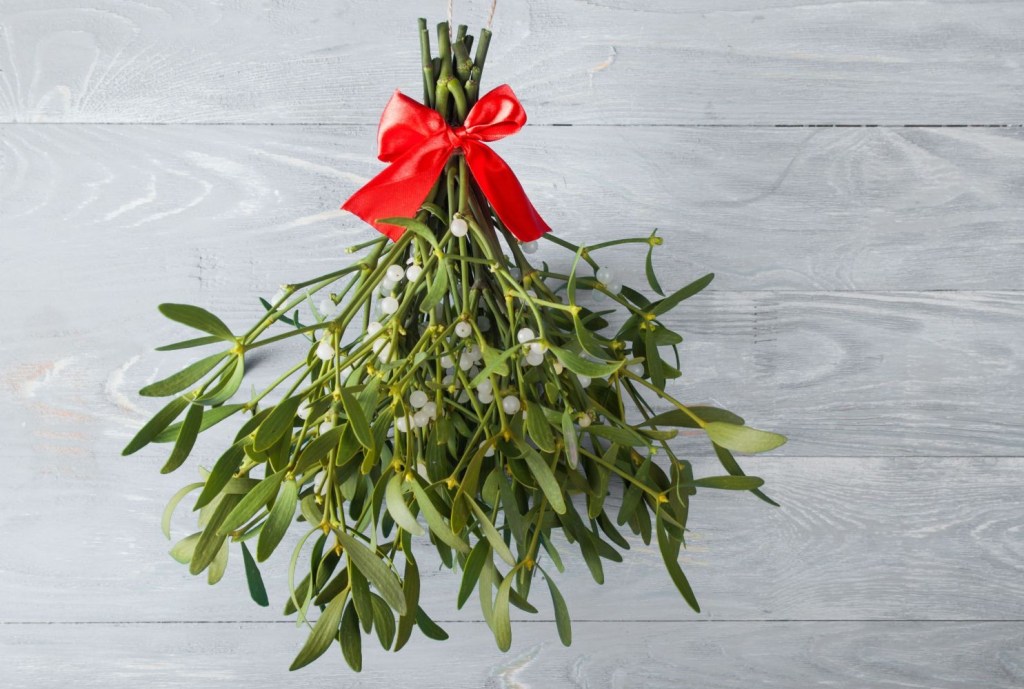
5) Mistletoe – ever kissed somebody under the mistletoe? In doing so, you have fulfilled a Norse legend. In the legend, the God Balder had been prophesied to die. His mother, Frigg, in desperation, secured an oath from everything that they would not hurt him. However, she forgot to ask the mistletoe. The envious God Loki carved an arrow out of mistletoe and killed Balder. Frigg’s tears of sorrow fell onto the mistletoe turning the red berries white, and resurrected her son. She then vowed to kiss anybody who passed underneath it, and the plant came to represent love and renewal.
Another Norse influence on our Christmas celebrations is the Christmas Goat. The goat has lost its significance in most countries, but is still a symbol in Scandinavia, where it is a decoration made of straw. The goat originates in Norse tradition from the kid goat that was sacrificed in honour of Njord, the God of the Sea, the Weather and Prosperity. Later on, in Sweden, the Yule goat was believed to be an invisible spirit that would appear before Christmas to make sure that the holiday preparations were done correctly. Eventually, the goat took on the role of the gift giver, instead of or together with Santa Claus (called Jultomten in Swedish).
Other traditions that originate from the Norse jòl are the Christmas Ham, the Yule Log, the Yule Wreath, and Christmas caroling, or ‘wassailing’.
So, while the message of Christmas is the Christian story, many of the surrounding symbols and traditions are in fact from another source altogether.
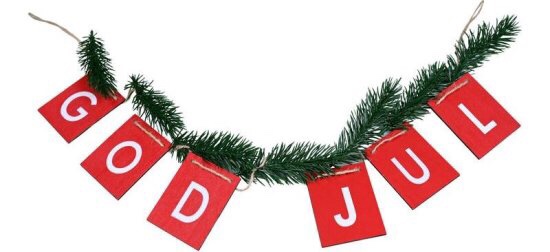
While the English word Christmas (Christ’s mass), and the German Weihnachen (Holy Night) are clearly connected to the celebrated Christian birth, the Swedish word ‘Jul’ has a much more vague origin.
Like with the English word ‘yule’, experts do not fully agree on where it originates. However, it is deemed likely that it comes from the Proto-Germanic word ‘jehwla’ which could have meant ‘party’ or ‘celebration’.
The word was taken early into the Nordics via the Old Finnish language in the form of ‘juhla’ meaning ‘festival’, and then again as ‘joulu’ meaning ‘jul’. There was already a big celebration of the winter solstice and the winter hunt around this time that was given the name ‘jol’ in Old Norse.
After the surge of Christianity through Europe in the 900’s, England and Germany aligned their word for Christmas, but in the Nordics they kept word ‘jul’. Instead they scheduled their pagan celebrations to occur at the same time as the Christian one, and eventually the two melted together. In the Nordic countries, we still see elements of the pagan ‘jol’ at Christmas time with the ‘Christmas goat’ for example.
In Sweden, Denmark and Norway, Christmas is called ‘jul’. In Finland, it is called ‘joulou’. In Iceland it is called ‘Jol’ and in Estonia, ‘joulud’.




 Watching the Swedes