Advent Calendar Dec 1 – Glögg

Welcome to the Watching the Swedes Advent Calendar 2024

Every day before Christmas, I will open a window containing a Swedish word that has something to do with the festive season. Today’s word is the fantastic-to-say ‘glögg‘. (Pronounced ‘glugg’)

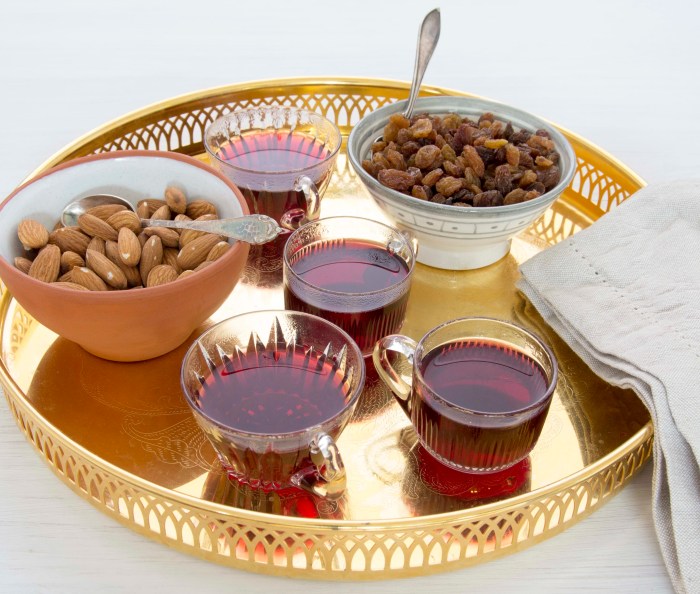
Glögg is festive Swedish mulled wine: heated wine, most commonly red, with spices. It is drunk together with almonds and raisins added in. And it is delicious!

Glögg is very popular, having been drunk in Sweden around Christmas since the 1890’s. However, the earliest record of drinking heated wine dates back to the 1500’s.

The word glögg comes from the Old Swedish word ‘glödg’, and the verb ‘glögda’ – to heat up. This, in turn, has its origins in the verb glöder (to glow).

Some make their own glögg, here is a typical recipe. Glögg can be with, or without, alcohol.

However, most Swedes buy their glögg ready-made in a bottle. In addition to the traditional flavours, each year a new flavour of the nectar is released and there’s always a debate regarding its success. This year’s glögg (2024) is called Edinburgh and is an infusion of dried fruit, cinnamon, orange, vanilla and whisky. raspberry and hops. Yummy!

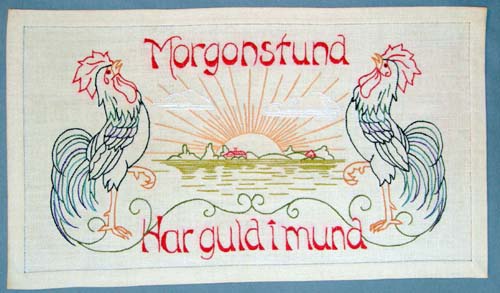
Swedish saying: ’morgonstund har guld i mund’

A saying you might hear early risers in Sweden use is ‘morgonstund har guld i mund’ which means the same as the English ‘the early bird catches the worm’. In other words, people who get up early, get a lot acheived.

It is borrowed from the German saying with the same meaning and exists in many other languages.

There is some disagreement on what the saying actually refers to. According to various sources, it translates as ’early morning has gold in its hand’ with ‘mund’ being an old word for ‘hand’. Others say that ‘mund’ refers to ‘mouth’ – making the saying ‘early morning has gold in its mouth’.

The Swedish word for ‘mouth’ is ‘mun’ and one theory is that it was changed to ‘mund’ to simply rhyme with ‘morgonstund’.

We will probably never know the actually origin. like many sayings, the real explanation is lost in the mists of time.

Where do the names of Swedish weekdays come from?

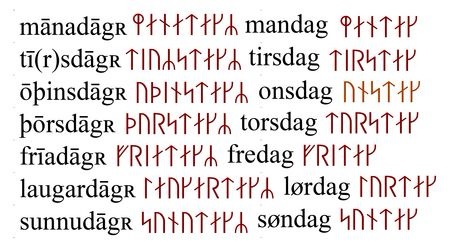
All of the Swedish weekdays, and several of them in English, stem from Norse mythology. Additionally all, but one, are named after the Gods and Goddesses of that period.

  • Måndag – Monday – named after the Norse God ‘Måne’, which means moon.
  • Tisdag – Tuesday- named after the Norse God ‘Tyr’, a God of War. This relates to the Roman God of War – Mars – in Germanic ‘Tui’.
  • Onsdag – Wednesday – named after the Norse God ‘Oden’, the King God of Wisdom, War and Death. In Germanic, the God was called Woden.
  • Torsdag – Thursday – named after the Norse God ‘Thor’, the God of Thunder
  • Fredag – Friday – named after the Norse Goddess ‘Freya’ or ‘Frigg’, the Goddess of Love and Fertility (also by the way Oden’s wife)
  • Lördag – Saturday – named not after a god, but after the Norse tradition of bathing – called ‘att löga sig’. The English Saturday stems from the Roman God Saturn.
  • Söndag – Sunday – named after the Nordic Goddess of the Sun – ‘Sol’ or ‘Sunna’.

If you’re interested in knowing how to pronounce the Swedish days of the week, check out this little film, and put your dancing shoes on!

https://www.youtube.com/watch?v=Q6cDiYruUK4

Why Swedes celebrate on the ‘afton’ (eve)

In the UK, we celebrate ‘Days’ such as Christmas Day & Easter Day. In Sweden, these days are the bank holidays but there is also a tradition of celebrating on the Eve. In fact, it is the Eve ( ‘afton’) that is the big celebration time. Yesterday, for example, was Easter Eve and it is typically yesterday that families meet for the big meal with the traditional food.

There’s påskafton, Valborgsmässoafton, Midsommarafton, julafton, nyårsafton, trettondagsafton. Why is this? Surely it can’t just be to get extra holiday?

Well, actually it originates from a time before the mechanical clock. In that period, a new day began at sunset rather than at midnight as it does now. In the Medieval times there was an expression – ‘vid kväll ska dag leva’ – which means something like ‘in the evening, shall the day live.’

Scandinavians held onto this tradition even after clocks were invented, and this is why they celebrated their important days the evening before. Now the evenings have, for practicalities sake, become day time activities.

That’s why Swedes celebrate on the ‘Afton’. Oh yeah, and for the extra day off work.

50 Swedish words for snow

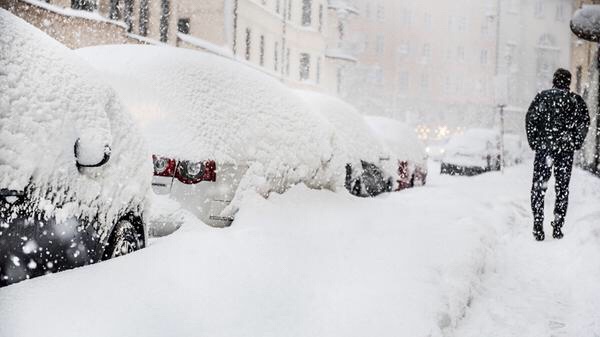
A massive amount of snow has landed in Sweden, so I thought it’s worth sharing this list again.

Not surprisingly when living in a country where it snows a lot, people start to see differences and nuances in the type of snow, whereas in English the word might just be an unsatisfactory ‘snow’.

The Swedish language makes it easy to join words together to describe these nuances.

Here is a list of 50 Swedish words related to snow.

1) Blötsnö – wet, slushy snow
2) Drivsnö – snow that is blown into troublesome snow drifts
3) Aprilsnö – snow in April, according to superstition, signifies plenty of food for the coming season
4) Hårdsnö – compacted hard snow
5) Konstsnö – artificial snow
6) Kramsnö – squeezy snow, perfect for making snowballs
7) Julesnö – snow at Christmas
8) Klabbsnö – wet, warm snow for building snowmen
9) Kolsyresnö – frozen carbondioxide
10) Kornsnö – small white snow breadcrumbs
11) Lappvante – thick, falling snow
12) Lössnö – snow that can loosen and be dangerous
13) Majsnö – surprising and unwelcome snow in May
14) Modd – snow that has partly melted due to salt
15) Natursnö – real snow (as opposed to artificial)
16) Nysnö – fresh snow, crisp and white
17) Pudersnö – powder snow
18) Rekordsnö – an unusual amount of snow, breaking previous snow records
19) Slask – slushy snow mixed with rain and dirt on the ground
20) Snö – snow
21) Snöblandat regn – snow mixed with rain
22) Muohta – the Sami word for snow (it is said the Sami actually have 200 words for snow!)
23) Snörök – faint particles of snow that look like smoke
24) Yrsnö – snow being whipped around by the wind in all directions
25) Åsksnö – snow that pours down during a thunder storm

26) Snökanon – the word for the snow canon that creates artificial snow on ski slopes has also come to mean a sudden blast of snow that suddenly hits a place, and feels like snow has been dumped on you.

27) Jungfrusnö – virgin snow

28) Snösmocka – a huge amount of snow

29) Snötäcke – snow on the ground

30) Sjösnö – snow over the sea that can roll in over land

31) Snöfall – snow in the air

32) Flingsnö – snow with larger crystals

33) Skarsnö – a crispy surface on a blanket of snow

34) Packsnö – thickly packed snow

35) Pärlsnö – snow like small pearls that hurts when it hits your face

36) Snöglopp – wet snow mixed with rain

37) Spårsnö – snow that allows footprints to be formed

38) Fjöcksnö – a light, fluffy snow

39) Flister – snow the consistency of salt that stings the face when it falls

40) Flaksnö – a sheet of snow

41) Upplega – snow on the upper side of a tree branch

42) Firn – liquid-like snow that can initiate an avalanche

43) Fimmel – sandy snow that falls at low temperatures

44) Själja – a thin layer of ice on top of the snow that resembles glass

45) Knarrsnö – crispy snow that creaks when you walk on it

46) Snöfyk – wet snow

47) Torrsnö – dry snow

48) Månsilver – a poetic word to describe the dusting of snow

49) Snöis – snow on cold water that forms an icy solid surface

50) Stöp – a mixture of snow and ice resembling porridge that forms on top of cold water

So, let it snow! Let it snow! Let it snow!
Swedish expression: ’There is no cow on the ice’.

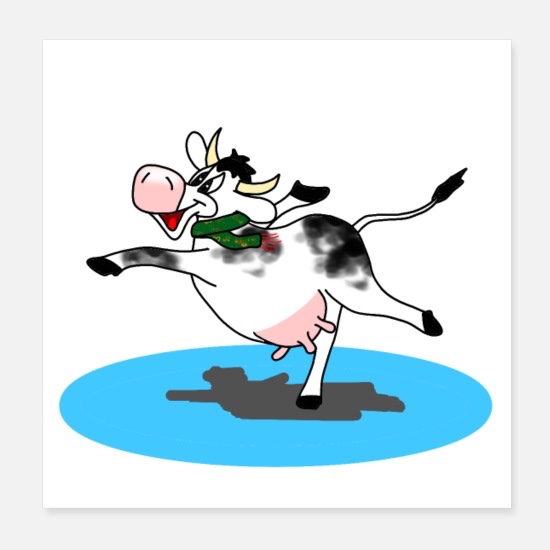
With all the frozen lakes at the moment, I am reminded of the Swedish expression ‘Det är ingen ko på isen’ or ’there’s no cow on the ice’. This expression is used to mean there is ‘ no need for worry’ or ‘don’t be concerned’. So, where does the expression originate?

Well, like many Swedish expressions, this one also has a rural origin.

In the old days, farmers that had no running water would take their cows down to the lake to drink. As long as the cows stayed on land, and didn’t venture onto the frozen waters, there was no risk of them falling through the ice and drowning.

In fact, the expression is an abbreviation of the longer saying ‘there’s no cow on the ice as long as their rear end is on land’. (Det är ingen ko på isen så länge stjärten är i land.) As long as they had a firm footing, they could rescue themselves if the ice broke around the periphery of the lake.

So it would seem that the original meaning of the saying might have been ‘there is no need for worry as long as you take precautions.’

Swedish expression: ’There is no cow on the ice’.

With all the frozen lakes at the moment, I am reminded of the Swedish expression ‘Det är ingen ko på isen’ or ’there’s no cow on the ice’. This expression is used to mean there is ‘ no need for worry’ or ‘don’t be concerned’. So, where does the expression originate?

Well, like many Swedish expressions, this one also has a rural origin.

In the old days, farmers that had no running water would take their cows down to the lake to drink. As long as the cows stayed on land, and didn’t venture onto the frozen waters, there was no risk of them falling through the ice and drowning.

In fact, the expression is an abbreviation of the longer saying ‘there’s no cow on the ice as long as their rear end is on land’. (Det är ingen ko på isen så länge stjärten är i land.) As long as they had a firm footing, they could rescue themselves if the ice broke around the periphery of the lake.

So it would seem that the original meaning of the saying might have been ‘there is no need for worry as long as you take precautions.’

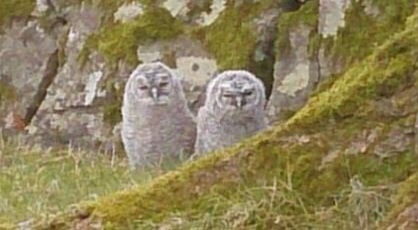
Swedish expression: ‘to suspect owls in the moss’

In English, when we suspect something isn’t quite right we ‘smell a rat’ or say something is ‘fishy’. In Swedish, they suspect ‘owls in the moss’.

The expression – ‘att ana ugglor i mossen’ – has a Danish origin. The original saying dates to the 1600’s and was ‘det är ulve i mosen’ which translates as ‘there’s a wolf in the moss’. The expression makes sense and was used when a dangerous situation was suspected.

So, how did a wolf turn into an owl? There are two theories. One theory is that it happened as a mistake. The sound of the Danish word for wolf ‘ulve’ was misheard as ‘uggla’ the word for owl – and the creature hiding in the moss became a wise bird rather than a viscous predator.

Another theory is that the saying was consciously changed when wolves disappeared from Denmark. The wolf was replaced by an owl because it hoots a warning at the presence of danger.

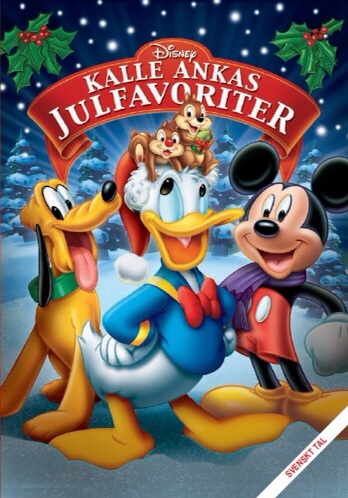
Advent Calendar – Dec 24: Kalle Anka

Window 24. As I am following the Swedish system of advent calendars, today is the last window, not the 25th as in the UK. So here is the final word: Kalle Anka. This is the Swedish name for Donald Duck – a Disney character with a strong, and unexpected, connection to Swedish Christmas.

Traditional Christmas celebrations on Christmas Eve in Sweden get off to a slow start usually. It all begins with a Christmas breakfast, consisting of rice porridge, wort bread, ham and Christmas cheese, amongst other things. After breakfast, some people go for a walk, some go to church, others begin the preparation for the Christmas julbord (buffet).

When to eat julbord differs from family to family. For some, it’s at lunch time, for others it more towards late afternoon. One surprising time marker is Kalle Anka (Donald Duck).

Every Christmas Eve since 1960, the Disney show ‘From All of Us to All of You’ featuring Donald Duck and his friends has been broadcasted on Swedish television at 3pm (now 3.05pm). Every single year. A very weird tradition for someone like me who grew up listening to the Queen’s speech on Christmas Day at 3pm. In the UK we have the monarch. In Sweden, Donald Duck.

So the discussion in Swedish homes is ‘should we eat before or after Kalle?’.

Today, Kalle Anka is watched as a sentimental tradition, or as background noise on Christmas Eve. But in the 1960’s when it began, it was the only time of the year that cartoons were shown on tv, so it was a Christmas treat. Since it’s been broadcast for almost 60 years, it is an integral part of what many Swedes associate with Christmas.

After Kalle Anka och julbord, it’s time for a visit from Tomten with gift-giving. This is followed usually by more food and drink. Some people conclude the day with a Midnight service at their local church.

Christmas is, like many places around the world, a time of overconsumption. Enormous amounts of food are left over and eaten during the following days.

In Sweden, Christmas Day and Boxing Day are both Public holidays – and the official end of Christmas is January 13th. Then it is time to traditionally throw out the Christmas tree. The lights in the windows have usually disappeared by February.

And as the daylight slowly returns to Sweden, people start planning for the lighter and warmer time of the year. And Christmas fades into memory…until next December.

Advent Calendar – Dec 23: Dan före dopparedan

Window 23. Today’s words are ‘Dan före dopparedan‘ – which translate somewhat curiously as ‘the day before dipping day’. Or, the day before Christmas.

I always thought that the name ‘dopparedan’ (dipping day) for Christmas Eve was somehow a reference to John the Baptist.

But I was wrong.

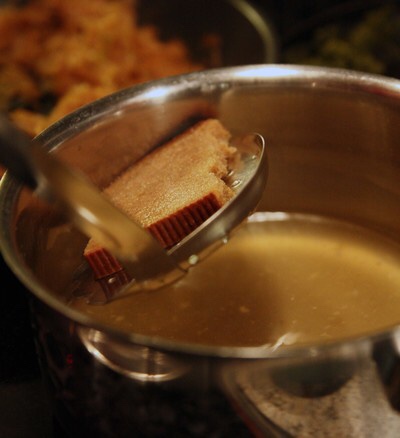
It actually comes from the Medieval Swedish tradition of dipping and drenching bread in the stock juices in which the Christmas ham has cooked, and eating it.

This traditional practice is called ‘dopp i grytan’ and originated in agricultural communities. People dipped their bread as a little snack while they made final preparations for the celebrations later in the evening. Some people still do this today.

Because Christmas Eve was called ‘dopparedagen’, the 23rd Dec became known as ‘dan före dopparedan’ – the day before the day of dipping bread.

Today’s ‘dan före dopparedan’ is more to do with making the final stressful arrangements for tomorrow. Final baking is done, last-minute Christmas presents are bought, a visit to Systembolaget (alcohol shop) is made. Long queues are to be expected.

And then, darkness and calmness descends over houses and homes all around the country. The evening before Christmas Eve is called ‘uppersittarkväll’ and Swedish families traditionally gather to wrap presents, play tv bingo, play games and write Christmas present rhymes.

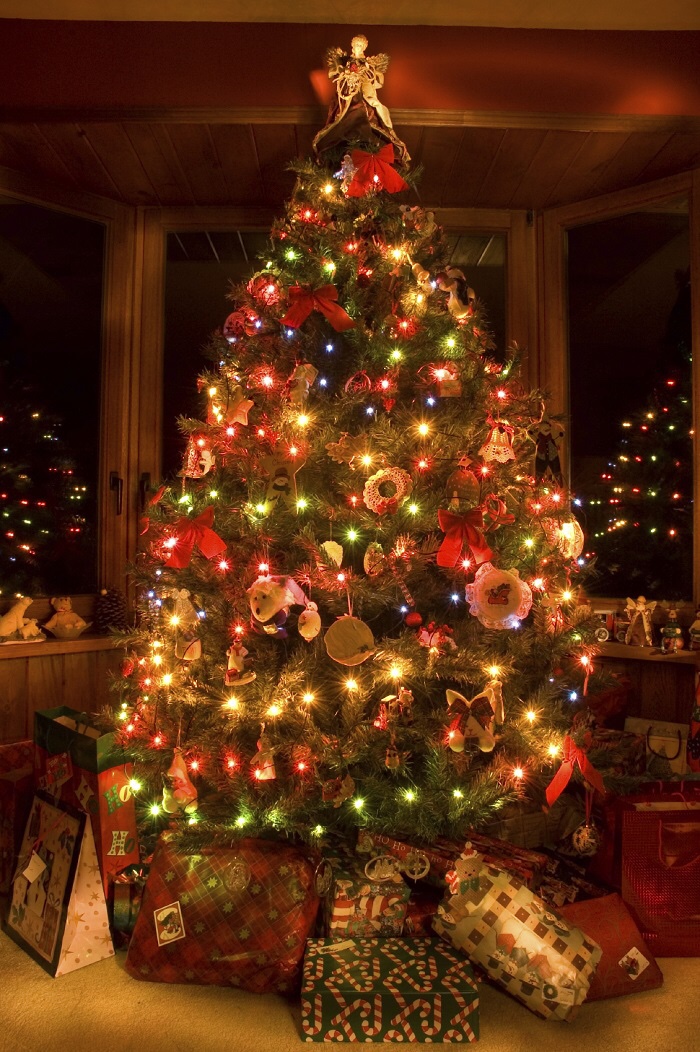
It is also the evening when traditionally people put up final decorations and dress the Christmas tree, although this happens earlier for many families.

Once everything is finalized, hopefully there is a moment of relaxation to be had with a glass of warm glögg and a pepparkaka.

And then, it’s time to head off to bed in anticipation for the big day tomorrow – dipping day!