How I have been Swedified 


After my last blog about Swedish geography, somebody commented that it is hysterical that there is a place in Sweden called Norrbotten. 
This got me thinking. 

When first moving to Sweden and learning the language, I saw all sorts of funny words which made me giggle. Now, some two decades later, I don’t even see those funny words any more – I have been Swedified. 

  • ‘Plopp’ to me is a chocolate bar, and nothing else
  • ‘Puss’ is a kiss and not a little kitty or a body part
  • ‘Kiss’ isn’t a romantic exchange between consenting people. Kiss is urine
  • ‘Slut’ is simply the end of something
  • ‘Avfart’ on a motorway is just the exit 
  • ‘Rea’ is a sale and not an old British singer 
  • ‘Kök’ and ‘kock’ are the kitchen and the chef, not a body part
  • I don’t even see the squidginess of the ‘slutspurt’ any more. All I see is that it’s the end of the sale. 
  • I don’t titter any more when someone says ‘shit’ to describe the putty around the window or the number six is the same as ‘sex’. 
  • ‘Prick’ is a dot and not an insult 

It is with a smidgen of regret that I guess I have been integrated – at least linguistically! 

10 musts in Summer Stockholm 

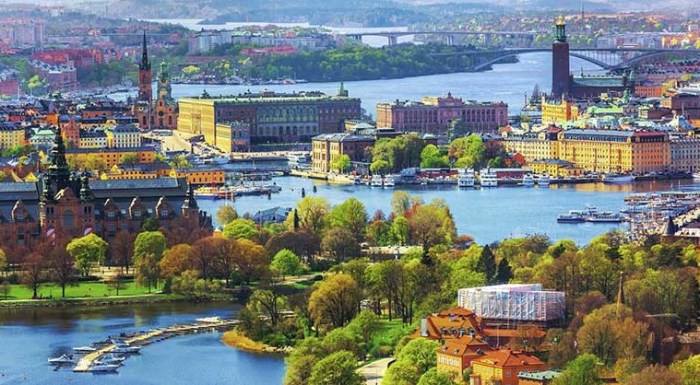
Thinking of visiting Stockholm this summer? For me, Stockholm in the summer is very much about relaxing, sunbathing, swimming and enjoying good food and drinks. As a resident of over 20 years, here are my top ten musts. Enjoy!

1) The Southside of Söder. Take the underground to Skanstull and walk down to the water’s edge. Walk along the lakeside all the way to Hornstull. This is a favourite walk for Stockholmers, which takes you past boatyards, cosy cafes, cute allotments, beaches, bathing jetties and apartments.

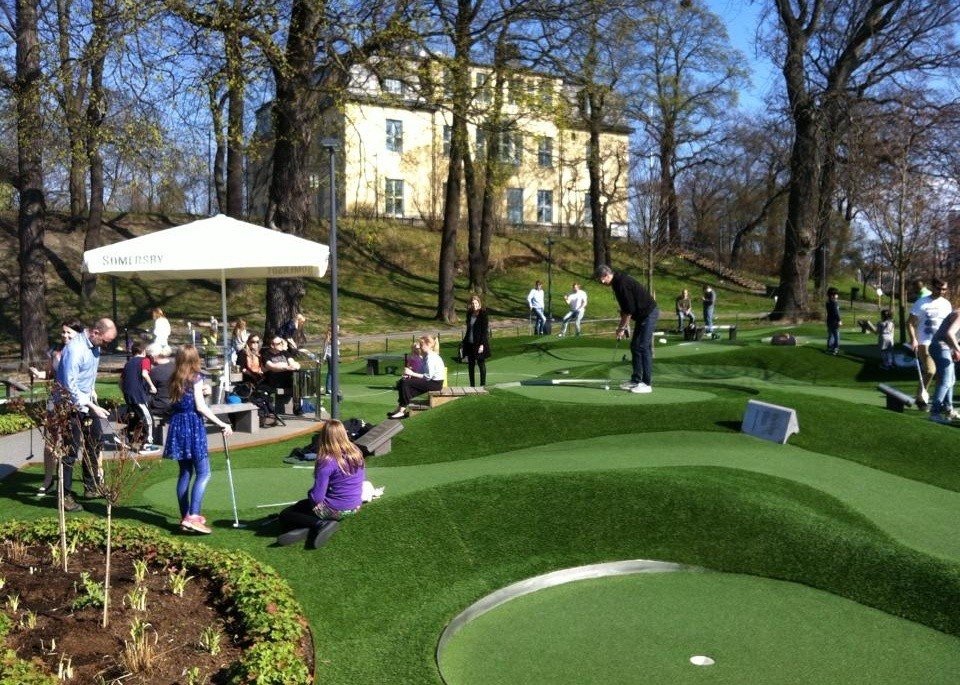
2) Golfbaren. Take the underground to Kristineberg and go to the mini golf course called Golfbaren. Practice your putting while drinking wine.

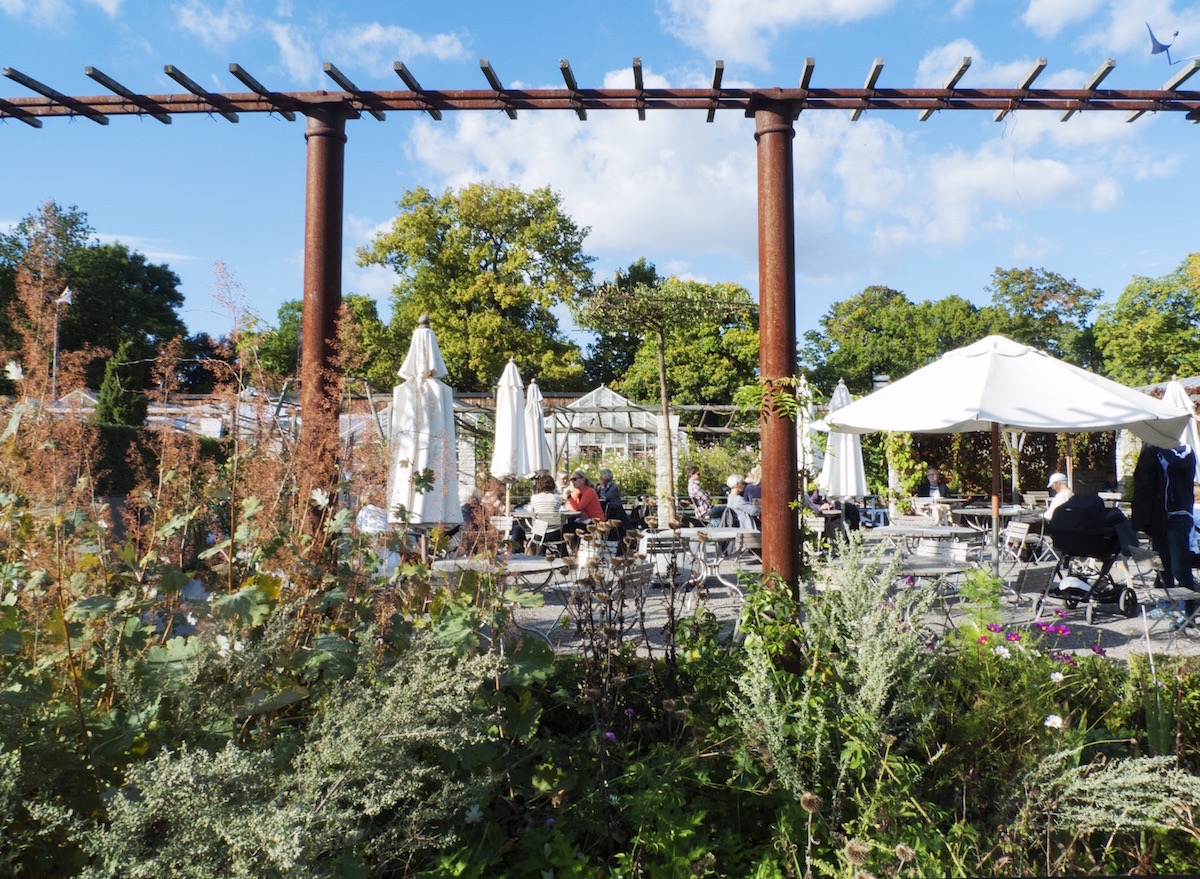
3) Djurgården. Stockholm’s museum island is well worth a visit. Full of parks, interesting museums, restaurants, beaches, a zoo, grand houses, a fairground, amongst other things. Lovely to visit specific places or just go for a walk. One tip is to head left after crossing the bridge and go to Rosenlunds nurseries and garden cafe.

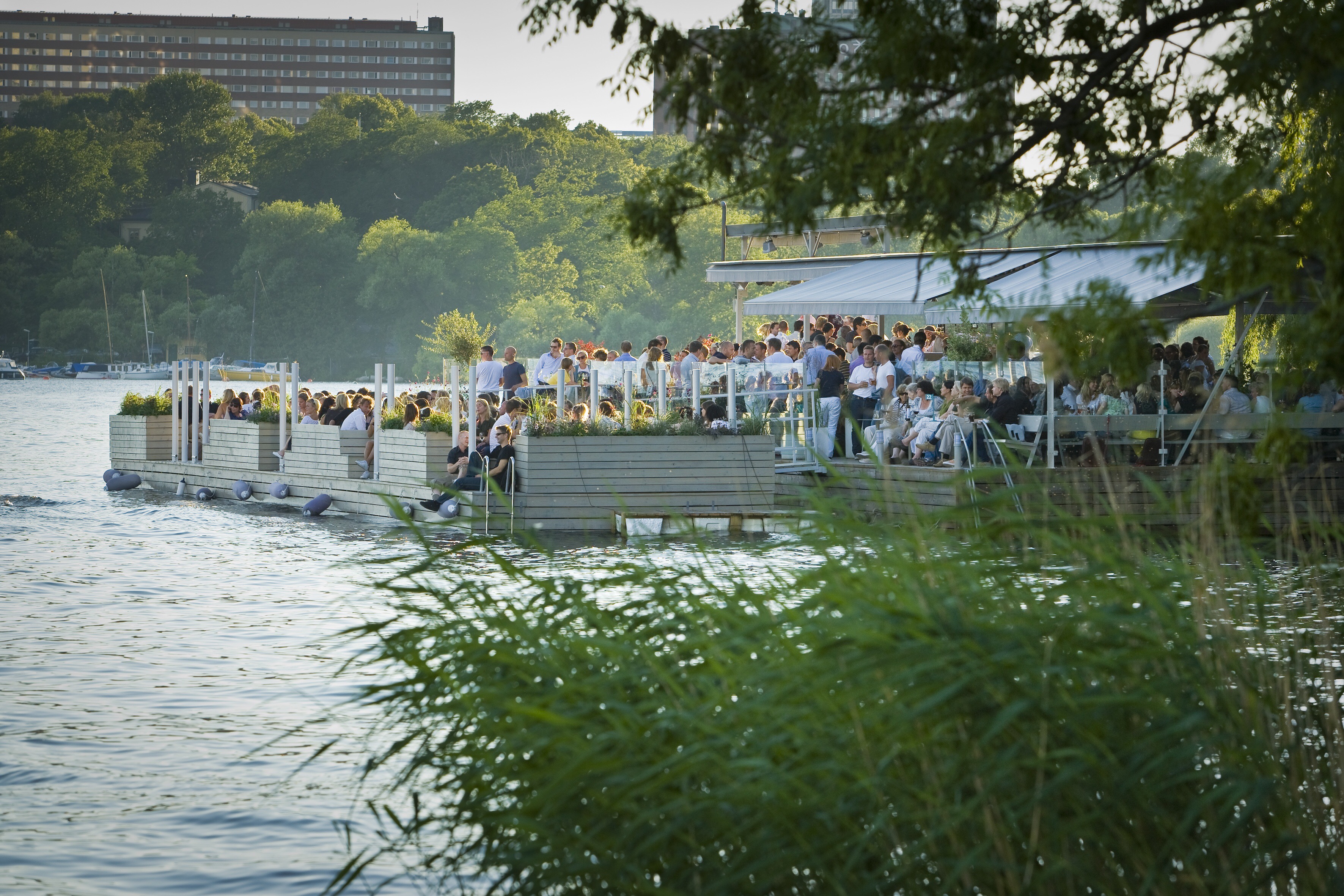
4) Mälarpaviljongen. On the water’s edge on the island of Kungsholmen, this is a floating bar lounge. It’s a Stockholm favourite with nice food, relaxing surroundings and cool house music. The pretty walk from Rålhomshovs park to the city hall goes past this venue. Reach by taking the underground to Rådhuset or Fridhemsplan.

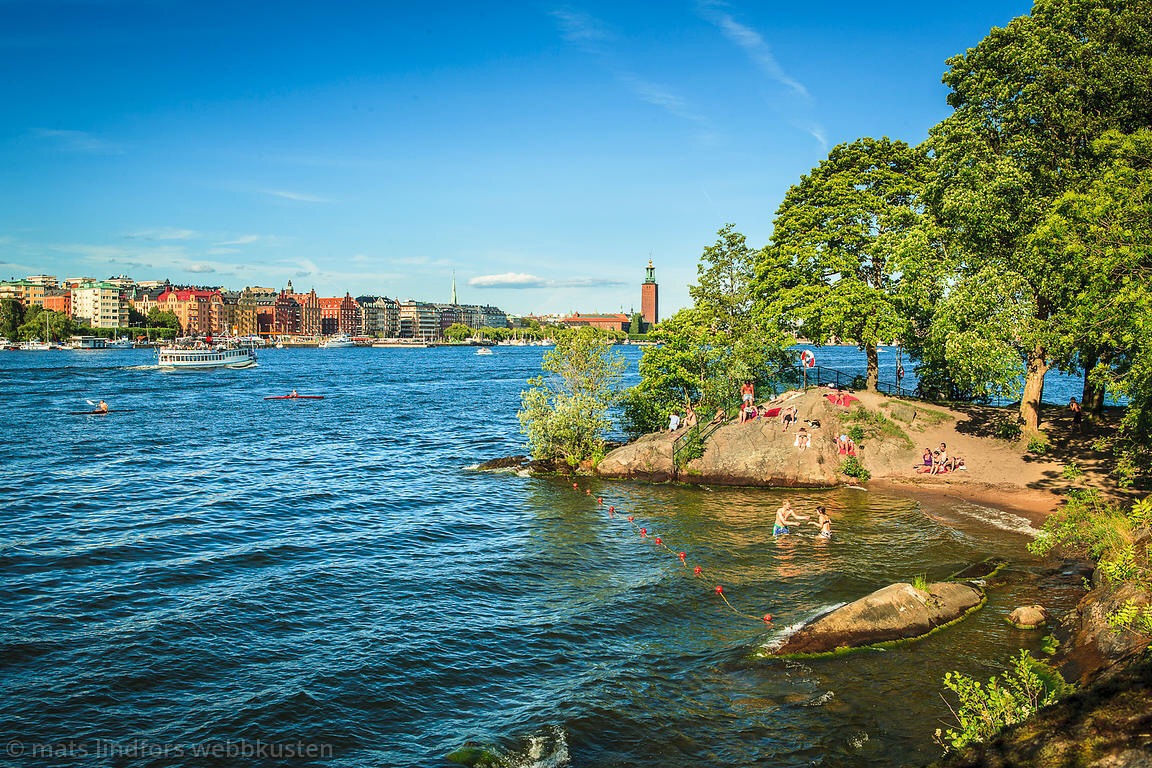
5) Långholmen prison island. Once housing a prison, this island is now a perfect place for a stroll and a bite to eat. It is also a great place for bathing from one of its many beaches and water access points. Also a walk from here over the large bridge, Västerbron, gives commanding views of the city. Reach Långholmen by taking the underground to Hornstull.

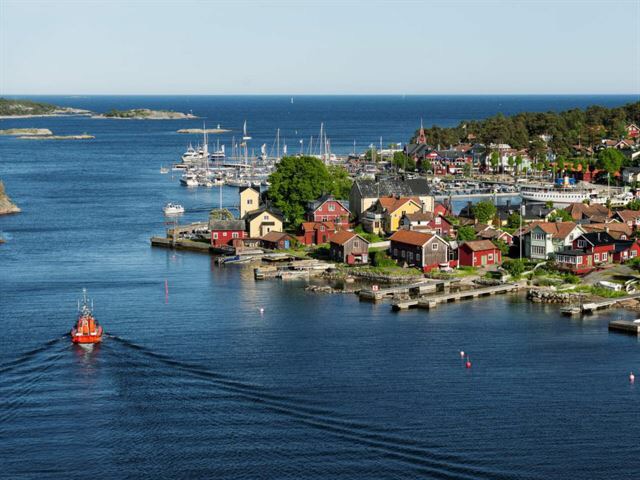
6) Stockholm Archipelago. Take a boat ride out to the archipelago. Amongst the thousands of islands, there are opportunities to disembark and eat, drink, sunbathe, swim and relax. If you don’t want to get off the boat, book a table at the boat’s restaurant and enjoy a great meal as the islands slip gracefully past.

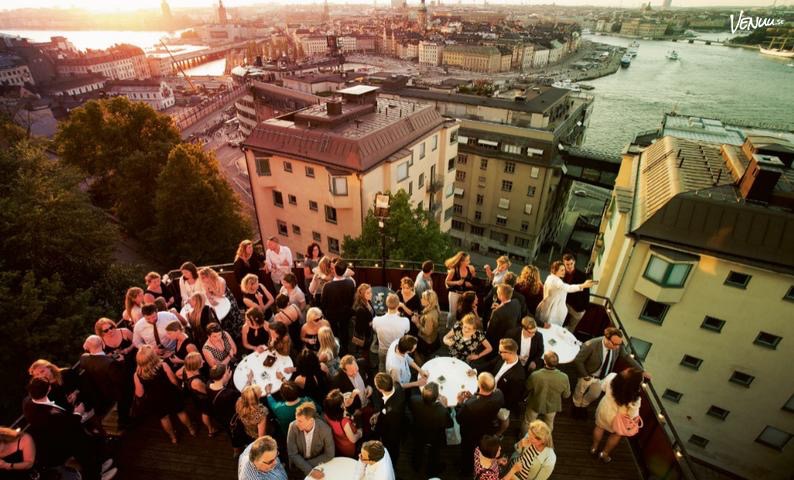
7) Champagne terrace. Take the underground to Slussen and walk up to Söder Theater. At the top of the theatre there is a champagne bar with an amazing terrace and a spectacular view over the whole of Stockholm. Stand here on a warm summer’s evening drinking in the sights.

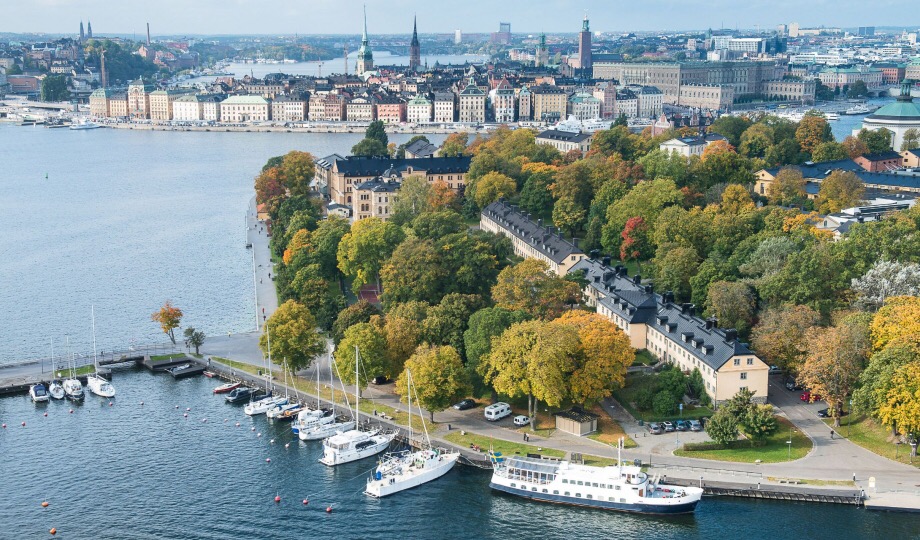
8) Skeppsholmen. In the middle of Stockholm harbour lies the island of Skeppsholmen. Perfect for a walk by the water’s edge or bathing and eating. The island also houses various museums, including the Modern Museum. The terrace of Skeppsholmens hotel is very relaxing for a glass of rose wine.

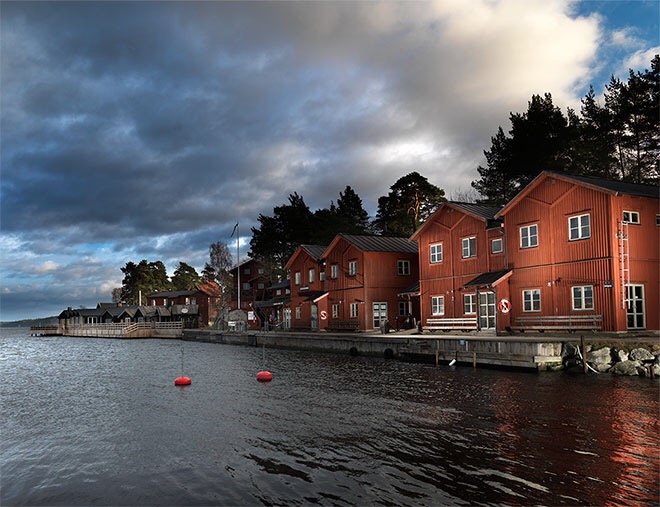
9) Fjäderholmarna. Take a 20 minute boat ride from Slussen to the islands of Fjäderholmarna. Swim, sunbathe and enjoy something to eat and drink. A ‘day trip’ that doesn’t feel like it’s miles away.

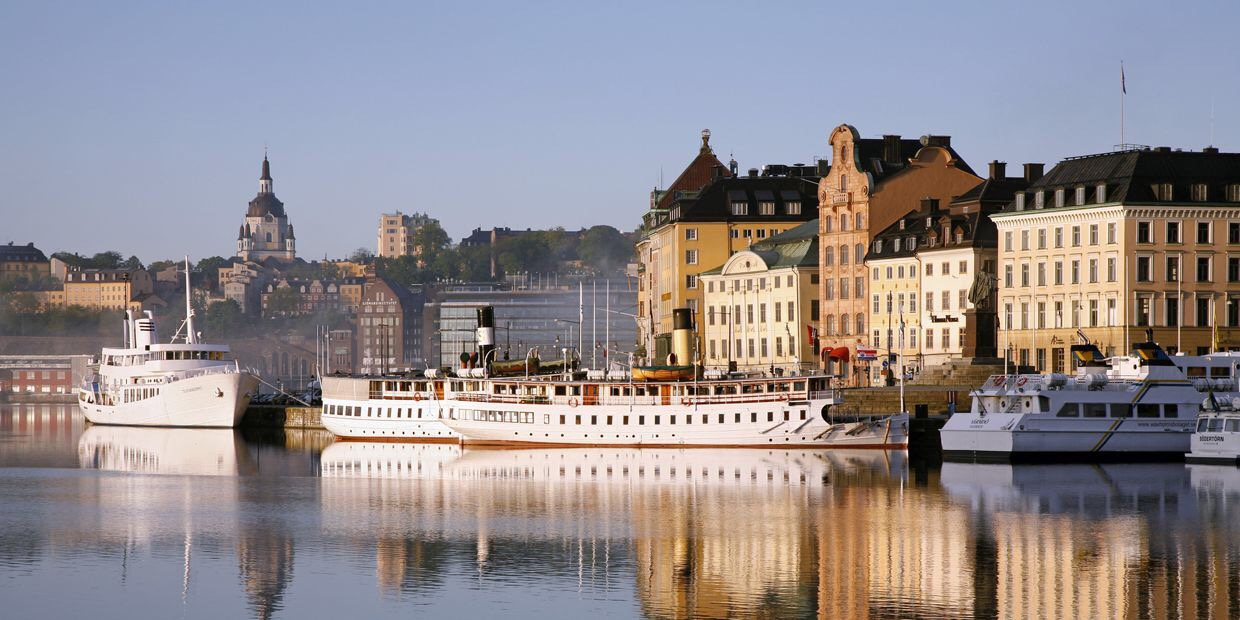
10) Gamla Stan. If staying urban is your thing, then head for the Old Town. Full of shops, eateries, historic buildings, narrow alleyways, this part of town still has its fair share of sun traps and access to water. Restaurants on the harbour side have lovely views over the water and the city’s boat life.

Your helpful Guide to Surviving Midsummer in Sweden 

midsommar

With Midsummer rapidly approaching, it is worth planning for your survival. Midsummer’s Eve is the craziest custom in the Swedish calender and the time of the year when Swedes go a little bonkers.

As a non-Swede, get ready to brace yourself. And follow this simple survival guide to make sure you make it to Midsummer’s Day in one piece.

  1. Greet like a Swede. In Sweden it is considered polite to greet everybody individually, even if you plan to never speak to them again or remember their name. The appropriate way is as follows, shake hands and look direct in eyes, say ‘hej’ followed by your name. They will do the same. If you are feeling adventurous, follow it up with a ‘trevligt’ or even a ‘Glad Midsommar’. Job done. Now you can hit the booze.
  2. Snaps is not the same as a shot. A lot of alcohol gets drunk on Midsummer’s Eve, especially beer and snaps  With the popularity of shots in recent years, it’s easy to make the mistake that Swedish snaps is the same thing. Believe me, it is not. Snaps can be up to 40% proof, considerably more than your normal shot. So, go easy and sip the snaps or see yourself slipping sideways off your chair before the dessert has even been put on the table.
  3. Take tissue. Midsummer’s Eve is a looong day and you probably will need the loo at some point. The trouble is, so will everybody else – to the detriment of the supply of toilet paper. There’s a big chance you will be seeking relief in the woods so come equipped with the appropriate amounts of paper for your needs.
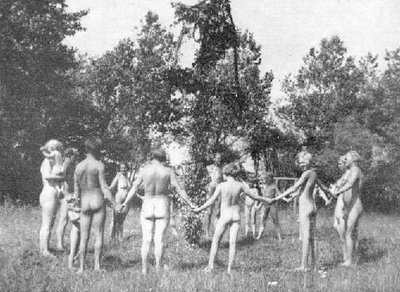
  4. If shy, bring swimwear. Bathing in the icy June waters is a common activity at Midsummer. Swedes generally are not afraid of showing a bit of genital when they do this. If you are, then come prepared with swimwear and a towel.
  5. Shelve your maturity. Part of Midsummer is dancing around the maypole, playing silly games, pretending to be a frog, participating in competitions. To survive this, it helps to conjour up your inner child and forget you are an adult for a while.
  6. Rubbers will save the day. Given the amount of alcohol consumed at Midsummer, it is no surprise that the most babies in Sweden are made on this day. If you don’t want to join the ranks of parents, remember to put in on before you put it in.
  7. Throw in the thermals. Perhaps you think it’s going to be sunny and warm on Midsummer’s Eve? Well, think again. It is not unusual that temperatures fall into single figures and that pesky rain pours down onto the smorgasbord. So bring a jumper, a rain jacket and even thermals to enhance your experience.
  8. Same, but different. Don’t expect culinary excesses on Midsummer’s Eve. The food is exactly the same as is eaten at Christmas and Easter, with a few small exceptions – strawberries and new potatoes.
  9. Learn a drinking song. On Midsummer’s Eve, food and alcohol is accompanied by Swedish drinking songs.  Learn one in advance and shine at the table. Even better sing one in your own language and you are guaranteed to use those rubbers you packed just for the occasion.
  10. Argue over the rules. At Midsummer a popular Swedish garden game is called kubb. Involving the throwing of sticks, everybody seems to have their own understanding of the way to play. If you want to feel really Swedish, make sure you start an argument about the rules.

That’s it! Follow this guide and you are sure to have a wonderous Midsummer’s Eve in Sweden. Glad Midsommar!

10 musts in Summer Stockholm 

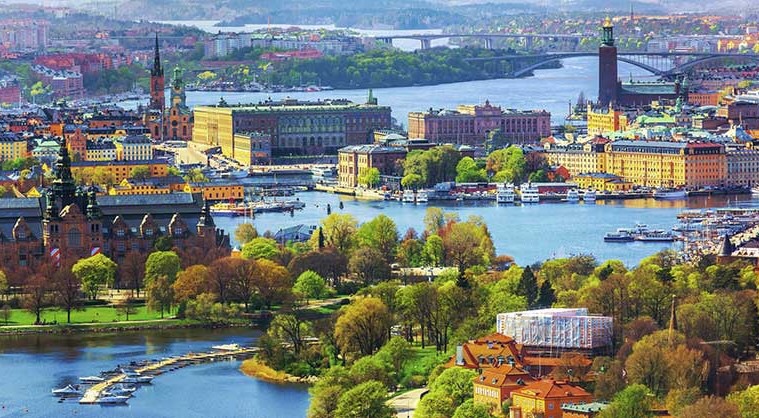
Thinking of visiting Stockholm this summer? For me, Stockholm in the summer is very much about relaxing, sunbathing, swimming and enjoying good food and drinks. As a resident of over 20 years, here are my top ten musts. Enjoy!

1) The Southside of Söder. Take the underground to Skanstull and walk down to the water’s edge. Walk along the lakeside all the way to Hornstull. This is a favourite walk for Stockholmers, which takes you past boatyards, cosy cafes, cute allotments, beaches, bathing jetties and apartments.

2) Golfbaren. Take the underground to Kristineberg and go to the mini golf course called Golfbaren. Practice your putting while drinking wine.

3) Djurgården. Stockholm’s museum island is well worth a visit. Full of parks, interesting museums, restaurants, beaches, a zoo, grand houses, a fairground, amongst other things. Lovely to visit specific places or just go for a walk. One tip is to head left after crossing the bridge and go to Rosenlunds nurseries and garden cafe.

4) Mälarpaviljongen. On the water’s edge on the island of Kungsholmen, this is a floating bar lounge. It’s a Stockholm favourite with nice food, relaxing surroundings and cool house music. The pretty walk from Rålhomshovs park to the city hall goes past this venue. Reach by taking the underground to Rådhuset or Fridhemsplan.

5) Långholmen prison island. Once housing a prison, this island is now a perfect place for a stroll and a bite to eat. It is also a great place for bathing from one of its many beaches and water access points. Also a walk from here over the large bridge, Västerbron, gives commanding views of the city. Reach Långholmen by taking the underground to Hornstull.

6) Stockholm Archipelago. Take a boat ride out to the archipelago. Amongst the thousands of islands, there are opportunities to disembark and eat, drink, sunbathe, swim and relax. If you don’t want to get off the boat, book a table at the boat’s restaurant and enjoy a great meal as the islands slip gracefully past.

7) Champagne terrace. Take the underground to Slussen and walk up to Söder Theater. At the top of the theatre there is a champagne bar with an amazing terrace and a spectacular view over the whole of Stockholm. Stand here on a warm summer’s evening drinking in the sights.

8) Skeppsholmen. In the middle of Stockholm harbour lies the island of Skeppsholmen. Perfect for a walk by the water’s edge or bathing and eating. The island also houses various museums, including the Modern Museum. The terrace of Skeppsholmens hotel is very relaxing for a glass of rose wine.

9) Fjäderholmarna. Take a 20 minute boat ride from Slussen to the islands of Fjäderholmarna. Swim, sunbathe and enjoy something to eat and drink. A ‘day trip’ that doesn’t feel like it’s miles away.

10) Gamla Stan. If staying urban is your thing, then head for the Old Town. Full of shops, eateries, historic buildings, narrow alleyways, this part of town still has its fair share of sun traps and access to water. Restaurants on the harbour side have lovely views over the water and the city’s boat life.

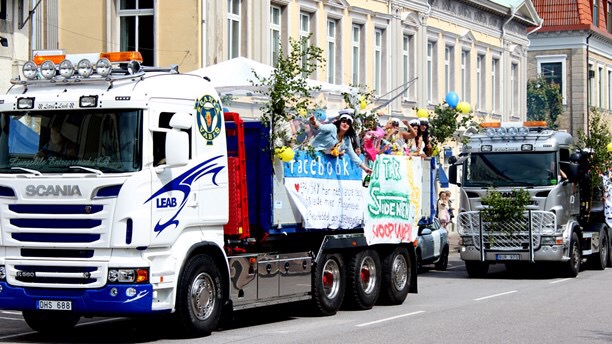
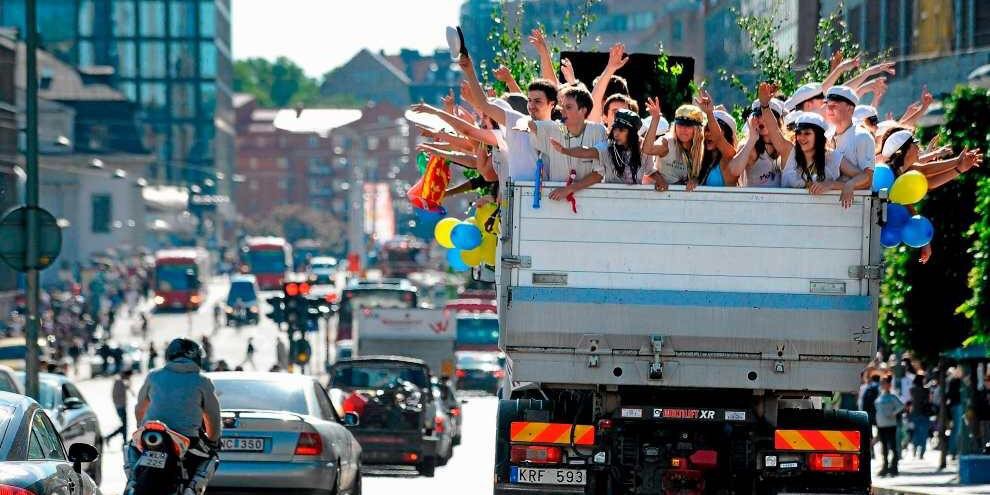
Swedish students on a truck 


This time of the year, a common sight on the streets of Sweden is students on trucks. Dressed in traditional white caps, and bolstered with alcohol, the students jump up and down to the booming music from loud speakers concealed in the vehicle. They scream and shout and spray beer on each other and sometimes unsuspecting pedestrians. They are celebrating the end of their school career. Most of them are 19 years old and have just graduated from Sixth Form College/High School. 
Every year the media reports accidents and injuries, which is not entirely unexpected. And trucks have been banned from certain roads and areas in the towns. 

In Sweden, doing ‘studenten’, as it’s called in Swedish, is a major rite of passage into adult life. The youngsters finish their last day at school, come running out of the building to be greeted by waiting parents and families. They then climb aboard their trucks for their lap of honour. After that they go around to each other’s homes where each family usually arranges a reception to honour the newly-graduated student. 

It is a common sight on the streets of Sweden and a refreshing reminder of the hopefulness of youth. 

Sweden’s fickle weather Gods

aprilväder

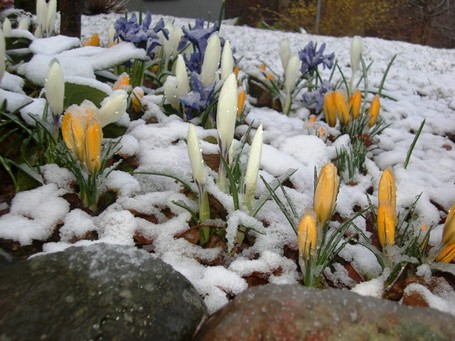
Living in a country with such distinct seasons, the subject of the weather is always up for discussion. In Sweden, there is a concept known as ‘aprilväder’ or April weather. This term describes the unpredictability and fickleness of the Nordic weather gods in the month of April.

Just in the few minutes I have been sitting here looking out of my window, the sun has been shining, it has snowed, the sun has shone again, it has clouded over and got windy and then snowed again. A week ago it was around 15 degrees celsius. Now it’s around 4.

April is often a frustrating month for Swedes.

Periods of sunny, warming weather tantalise the nation and lull them into a false sense of security. Once people have put away their winter coats and folded their thick jumpers up onto the top shelf, the snow hits again and ice forms on roads. Cars with their summer tires slip and slide along and people in their short, thin spring jackets freeze, get a cold and have to call sick in to work.

You’d think we’d be used to it by now. But no. It seems to be an annual phenomenon. Maybe it’s a reflection of that most human of emotions – hope. Every year we hope that the spring has finally arrived. And usually those hopes are dashed in a flurry of snow and a plummet of the themometer.

And as I sit here and look out, it has started snowing yet again. The warm weather seems very far away.

But hope lives on and I console myself that with every snowflake that falls, we are one snowflake closer to Spring!

Why I am so proud to be watching the Swedes


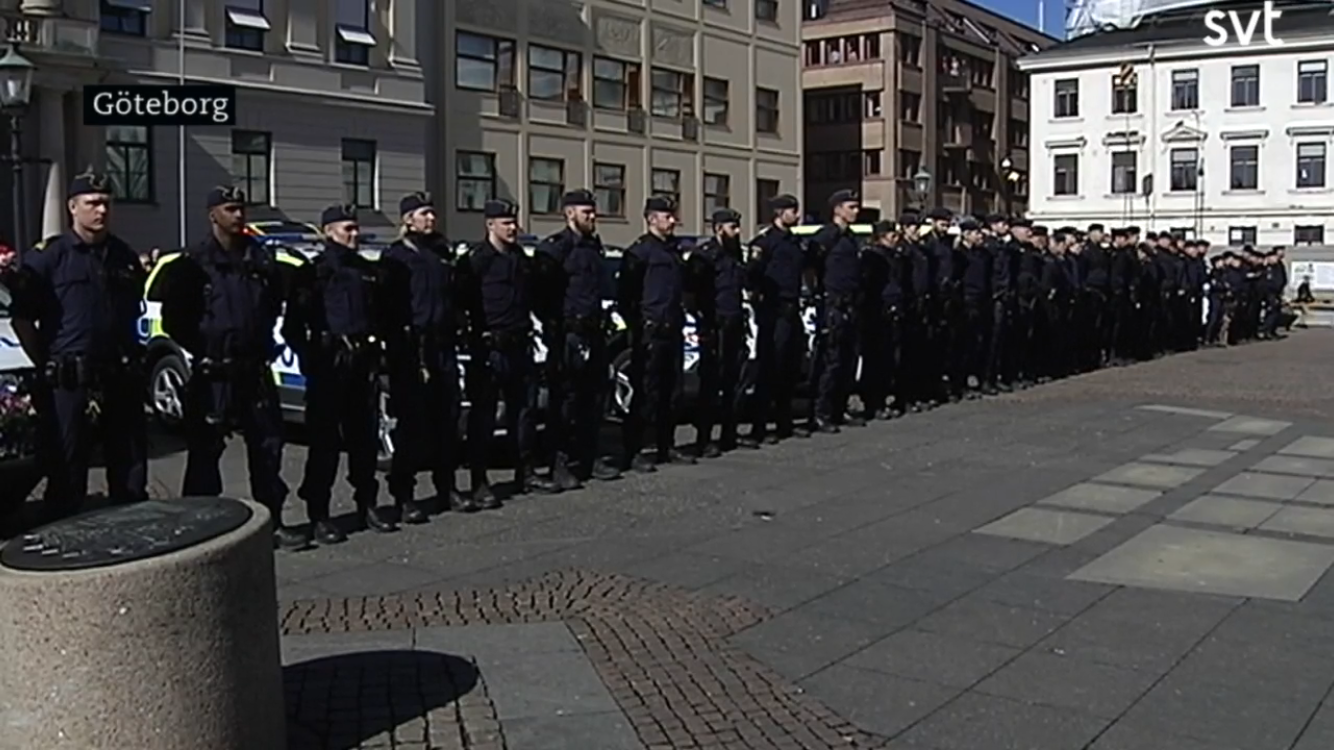
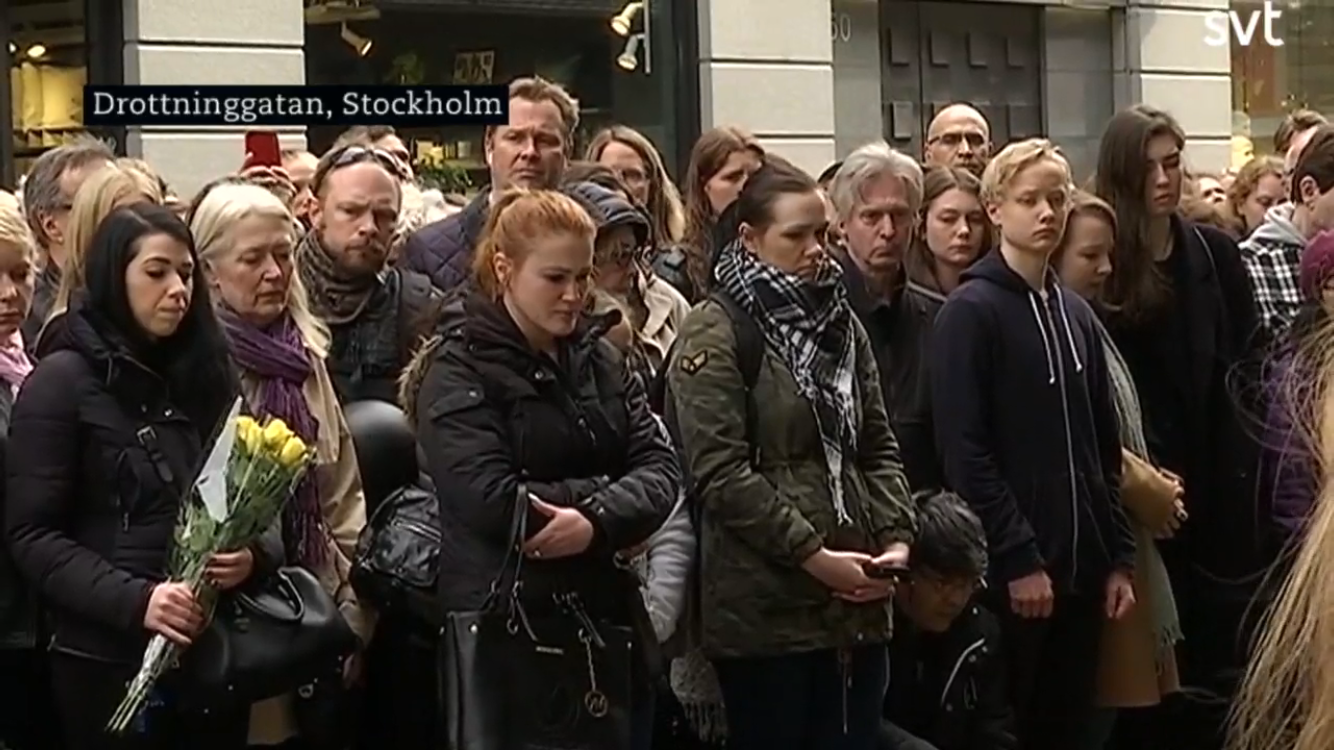
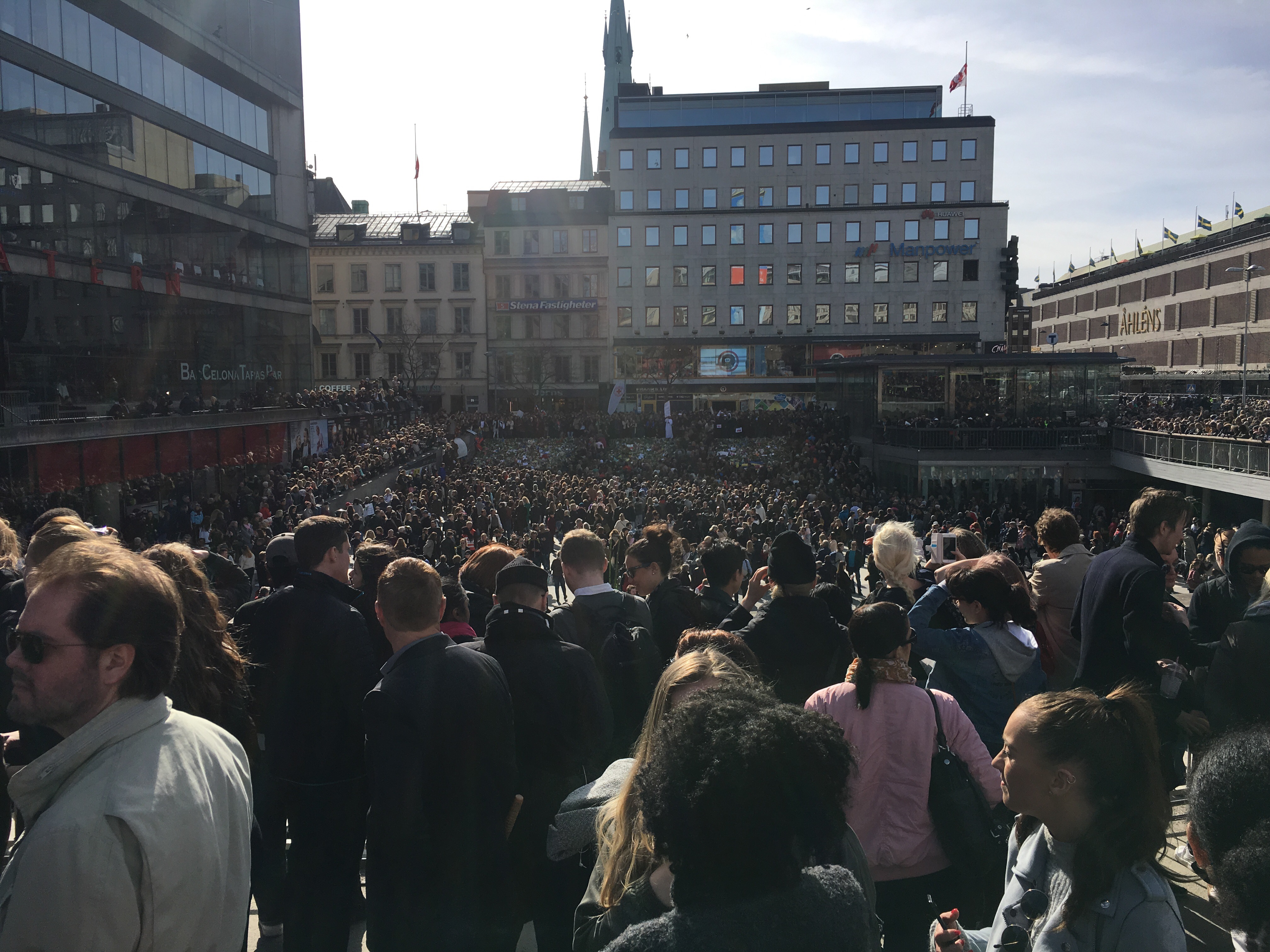
A young woman with a pushchair walks past me and pins a pink rose onto the wire fence. She stops a moment to reflect, clearly taken by the gravity of the moment. A middle-aged couple huddle together holding tightly onto their teenage son. A woman wearing a hijab gently puts a consoling hand on a crying stranger’s shoulder as she passes silently by. 

There are tens of thousands of people gathered here on Sergel’s Torg Plaza in Stockholm but the noise level is subdued. A respectful silence hangs in the air. The sun is high and shines down on us on this, the warmest day of the year so far. 

A few meters from here, 48 hours ago, 4 people lost their lives in a terrorist attack, and many more were injured. Amongst the murdered victims were a Belgian tourist, a British man living in Stockholm and two Swedes, one of which was a 11 year old girl on her way home from school. 

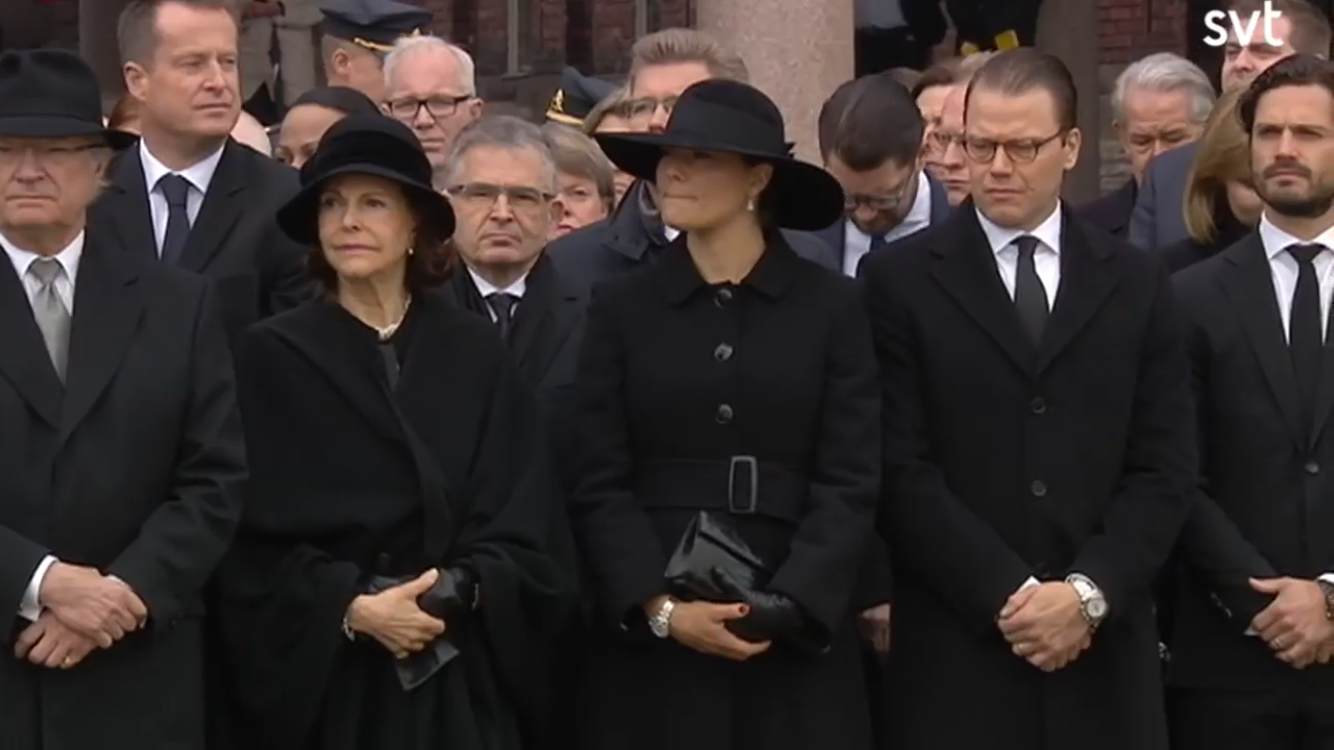
Today, Stockholmers are gathered in a ‘Love manifestation’ vigil to pay their respects to the victims and their families. The place is packed with people of all ethnic, religious, political and social backgrounds. But today none of this matters, they are united as one. 

I have never been more proud to be watching the Swedes as I am at this moment. When faced with a national trauma, what do these people do? Do they meet it with fear? No, they meet it with love. It is almost palpable at this moment. And with their love, they beat terrorism. 

Minutes after the terrorist attack, the hashtag #openstockholm appeared on which people opened their hearts to each other. They offered sanctuary, support, a sofa for the night, a lift home, food to anyone who needed it. They responded with love, not fear. 

The day after, they went in their droves to the location of the attack and attached flowers to a fence and lit candles. They hugged emergency workers and covered a police car with flowers to show their gratitude. They responded with love, not fear. 

And today, they came in their tens of thousands to show that they are not afraid. They listened to inspirational speeches and moving music. They took back the streets and they did it with love, not fear. 

I’ve spent many years writing about these people – the Swedes. I write sometimes in despair, sometimes in frustration but often with fondness and humor. But today I write with pride. An immense pride. 

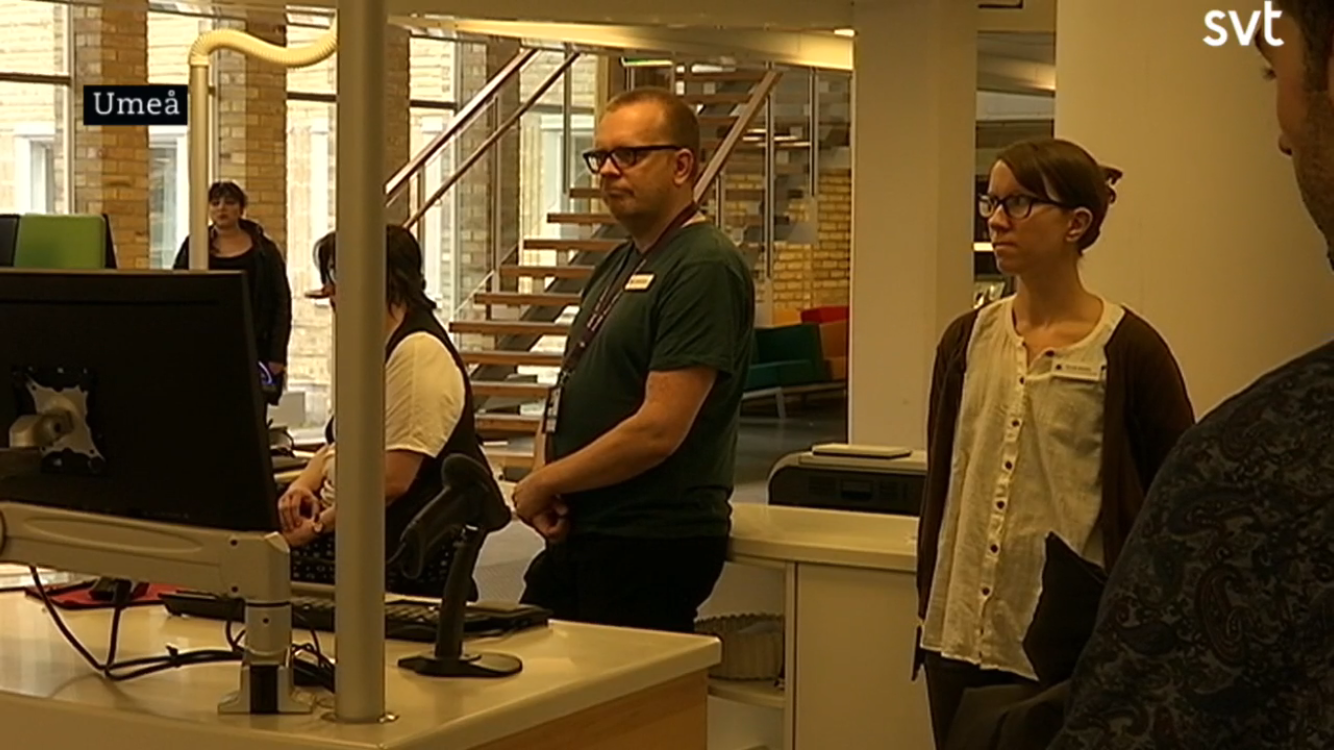
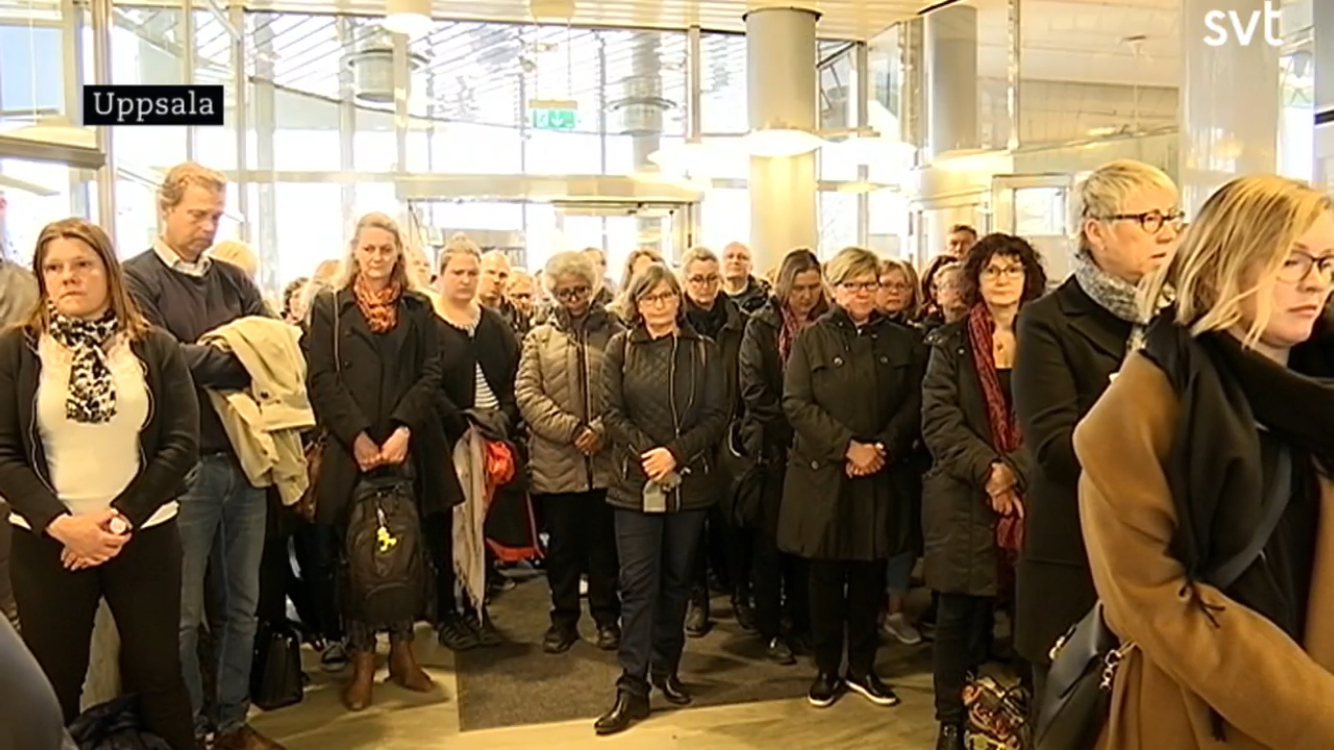
As I linked arms with a stranger, an old white-haired lady, and participated in a one-minute silence, I felt inspirited. I was a part of something larger than myself. I don’t know what it was, but it was significant: a meaningful moment in Sweden’s history that will affect the national psyche for a long time to come. 

One of the speakers at the vigil encouraged people to continue to open their hearts and their doors. Showing solidarity and keeping Stockholm an open city is a priority. But this is something we can only achieve if we do it together. 

The final quote of the vigil summed everything up. A quote from Martin Luther King – 

Darkness can not drive out darkness; only light can do that. Hate cannot drive out hate; only love can do that.’


Segregation on a Swedish school bus

school bus

In Sweden, the school system contains many independant schools run with a specific focus such as music, sport, art or specific religions. They should all follow the national curriculum and, in the case of religious schools, they should teach but not preach.

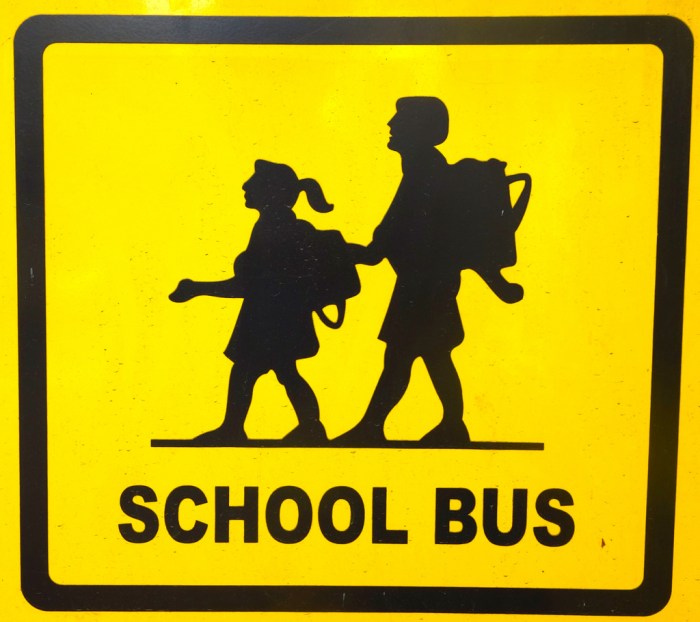
Yesterday, it was revealed that a Stockholm junior school with an islamic orientation has been segregating children on the school bus – boys go through the front entrance and sit at the front, girls go in the rear entrance and sit at the back of the bus. The headmaster of the school has claimed to be unaware of this. This act of segregation has caused a hot debate in Sweden about the ‘islamifying of Sweden’, ‘gender apartheid’ and comments such as it being ‘unSwedish’.

The Swedish Schools Inspectorate are planning on investigating the school further to see if any other ‘undemocratic activities’ are taking place. The Inspectorate has previously allowed segregated classrooms and gender-separated sport lessons.

What can we learn from this?

When this kind of occurance happens in society, it is a great opportunity to reflect on what we learn from it. What is our immediate reaction when we hear examples like this?

  • Do we run straight to the barracades and start defending our cultural heritage?
  • Do we condemn the occurance as, for example, undemocratic or unacceptable?
  • Do we weigh up the pros and cons and try to arrive at a balanced conclusion?
  • Do we think people are allowed to do whatever they want, so anything goes?

All of these are perfectly normal reactions, and one is not better than the other. Obviously, we react in different ways.

I think that these occurances in society provide us with a great opportunity to discuss intercultural competence. Being interculturally competent is generally defined as having an open mindset and the cultural sensitivity to see different perspectives so that one is able to flexibly adapt ones behaviours accordingly. But that doesn’t necessarily mean it’s about accepting that anything is ok. Intercultural competence can also mean balancing up the various perspectives and standing up for what one thinks is acceptable.

Intercultural competence differs significantly from racism and nationalism. Racism and nationalism focus on others being of lower value than myself or the place I come from. Intercultural competence is about accepting everybody’s perspectives are equally as valid – no matter how tough they are and even if I personally don’t agree with some of them.

So how do we arrive at this place of understanding that all perspectives are equally as valid? We can ask ourselves a simple, but complex, question:

‘What do they think is good about segregating boys and girls on a school bus?’

If we can arrive at the answer(s) to that question, we are becoming more interculturally aware and more interculturally competent. We are seeing the situation from their perspective and not only our own. We are presuming they have a good reason, from their perspective, for their behaviour, rather than immediately judging or condemning it.

Once we have reflected over that, we can decide what we personally think. Does it change our point of view? Can we accept their behaviour more easily? Or does it make me hold my view even more stongly? In that situation, we can say something like:

‘I understand why you think it’s good to segregate boys and girls. I understand your perspective. However, I disagree with it. And here in Sweden, we believe in equal treatment of all regardless of their gender, which is why that behaviour is not something we as a society can accept.’

Compared this to the more reactionary ‘the Islamists are trying to take over Sweden!’ and ‘this country is going down the drain’, you see how the ability to perspectives-take creates a more open, less fearful debate.

It is my belief that if we approach occurances like this in a more interculturally competent way, and try to perspectives-take, we can create a society built on mutual understanding and respect for prevailing values rather than a society built on fear and suspicion.

And that has to be a good thing moving forward, doesn’t it?


Top ten English words originally from Swedish

moped

As we all know, language is organic and we constantly borrow and interchange words between languages. The word kiosk is for example originally Turkish, restaurant is French, gnu is African Knoisan and alcohol is Arabic.

But what words has Sweden contributed with that have been adpoted into English, and even into other languages?

Well, there are a few…

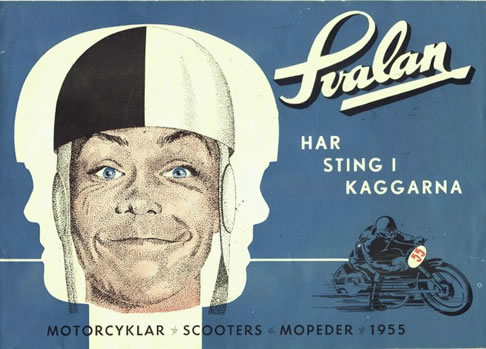
  1. Moped – comes from ‘trampcykel med motor och pedaler’
  2. Smorgasbord – from the Swedish ‘smörgåsbord’ meaning buffet
  3. Gravlax – from the Swedish ‘gravad lax’ meaning cured salmon
  4. Ombudsman – a Swedish word meaning representative
  5. Orienteering – from Sweden’s ‘orientering’
  6. Tungsten – Heavy stone in Swedish
  7. Monday, Tuesday, Wednesday, Thursday, Friday, Saturday, Sunday – ok, technically Norse but partially Sweden!
  8. To glean – from the Swedish dialectal verb ‘att glena’
  9. Gauntlet – from Sweden’s ‘gatlopp’
  10. Canoodle – debated, but likely to be from Sweden’s word for fornicate – ‘knulla’

This list is probably incomplete. Any other words you would like to add?