Advent Calender Dec 6: Julmarknad

Window 6: Today’s word is ‘Julmarknad‘ which translates as ‘Christmas Market’

A popular recurring event during the weeks leading up to Christmas in Sweden is the Julmarknad – the Christmas Market.

Christmas markets are a very cosy affair. Here you can walk around and enjoy the smell of glögg and roasted chestnuts. You can listen to the sound of Christmas carols echoing through the air. You can bathe in the lights and decorations strewn around the marketplace. And you can see traditional handicrafts and locally produced goods on sale, such as scarves, hats, festive food and decorations. If you’re lucky, snow is tumbling down and crunching under foot. The whole thing feels like being momentarily caught in a giant snow globe.

Christmas markets have been around in Sweden since the 1800’s and take place up and down the country on town squares, in gardens, in museums, farms, barns, greenhouses, castles, garden centers and stately homes.

In Stockholm, the most popular markets are in Skansen and on the main square in the Old Town. The Royal Palace of Drottningholm and Taxinge Castle outside Stockholm are also popular, as is the small picture-postcard town of Sigtuna about an hour north of the capital.

In Gothenburg, the market at Liseberg is a popular experience and in Malmö head to the market on Gustav Adolf Square.

For information in Swedish about Christmas markets, check http://www.julmarknad.nu
Advent Calendar Dec 5: Julmust

Every day, I will open a window containing a Swedish word that has something to do with Christmas and the festive season.

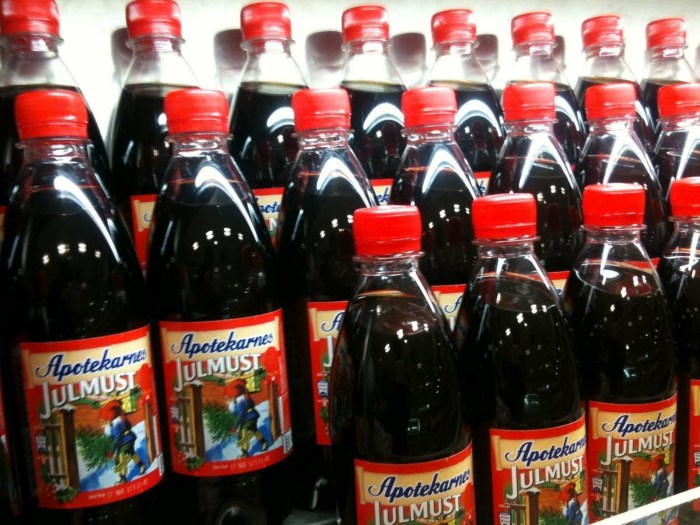
Today’s word is ‘Julmust‘ which is a fizzy Christmas beverage.

I would venture to say every Swede likes to drink at least one glass of julmust at Christmas. However, according to statistics it is even more!

Apparently, Swedes drink an average of 5 litres per person of the fizzy drink during December. The alcohol-free bottled soft drink comes in different sizes, fully sugared and also in diet form.

Said to include over 30 ingredients, its actual recipe is top secret, only known to three people. Despite all the cloak and dagger stuff, the connoisseur can detect the flavour of hops and malt. The taste is reminiscent of the old-fashioned ‘Dandelion and Burdock’ drink for those of you that understand that British reference.

Julmust was invented by a teetotaler and sales began in 1910 as an alternative to ale and port. Although intended to be alcohol-free, the drink can be mixed with gin, vodka, rum or Jägermeister to make Christmassy cocktails. When blended with porter or stout and other ingredients, it creates a classic Christmas drink called Mumma.

I have even drunk julmust mixed with red wine – a so called Kalimusto. I recommend trying the experience – although it actually is a fairly unpleasant one!

If you live outside of Sweden and want to try julmust, head to your nearest Ikea! Called Vintersaga, they sell the beverage in 500ml bottles.

Advent Calendar Dec 4: Julkalendern

Every day, I will open a window containing a Swedish word that has something to do with Christmas and the festive season.

Today’s word is ‘Julkalendern‘ which translates as ‘Christmas Calendar’

Julkalendern is a television series broadcast on Swedish TV every day in December leading up to Christmas Eve. It is a popular and heavily-anticipated program that children and adults traditionally watch at 7.15 in the morning (or on line). Typically each episode is 15 minutes long, and every year there is a new story.

The first Julkalendern was broadcast in 1960 and was called ‘Titteliture’. In 2016, a competition was held to vote for the all-time favourite Julkalendern. It was won by a series called ‘Sune’s Christmas’ (1991) followed by ‘The Mystery at Greveholm’ (1996), ‘Time of the Trolls’ (1979) and ‘The old woman who shrunk to the size of a teaspoon’ (1967).

This year, the series is a continuation of 1979’s ‘Time of the Trolls’ – ‘ Legend of the Mountain Troll. ‘

Advent Calendar Dec 3: Gävlebocken

Every day, I will open a window containing a Swedish word that has something to do with the festive season.

Today’s word is ‘Gävlebocken‘ which translates as ‘The Gävle Goat’.

This strange tradition takes place in the Swedish town of Gävle. Every year, since 1966, a giant handcrafted straw goat is built up. And almost every year, it gets burned to the ground by a pyromaniac.

One year, it was even burned down before its inauguration. Consequently, the local authority have increased security and have managed to prevent the burning for the last three years.

The symbol of the goat is a traditional Christmas decoration in Sweden, called a ‘julbock’ – a Christmas goat. Usually made of straw, a goat is placed under the Christmas tree or small goats are hung from the branches. The symbol of the goat has ancestry in Scandinavia far back in Nordic mythology and, up to the 1800’s, it was the goat who brought presents during the festive season. A kind of precursor to Santa Claus.

So although the Christmas goat has endured for centuries, it remains to be seen if the Gävle goat survives until the New Year.

You can see a live feed of the goat on https://www.visitgavle.se/sv/gavlebocken

Its inauguration ceremony takes place today.

Sweden’s Lucia Celebration

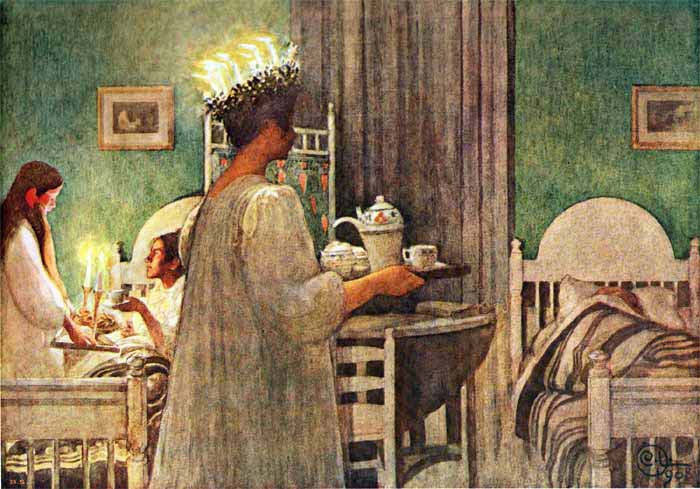
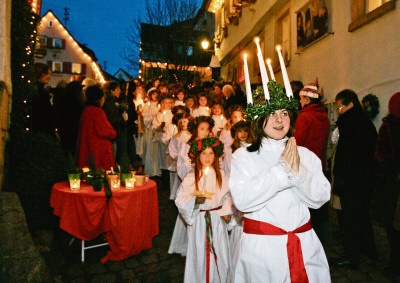
At the darkest time of the year, Santa Lucia (St Lucy) pays us a visit early in the morning on December 13th. Lucia has candles in her hair and is surrounded by her handmaidens and boys, and shines light into the dark depths of our spirits. And slowly, slowly, the day awakens.

Santa Lucia is believed to have been a Sicilian saint who suffered a martyr’s death in Syracuse, Sicily around AD 310. She was seeking help for her mother’s long-term illness at the shrine of Saint Agnes, in her native Sicily, when an angel appeared to her in a dream beside the shrine. As a result of this, Lucia became a devout Christian and refused to compromise her virginity in marriage.

Officials threatened to drag her off to a brothel if she did not renounce her Christian beliefs, but were unable to move her, even with a thousand men and fifty oxen pulling. So they stacked materials for a fire around her instead and set light to it, but she would not stop speaking.

One of the soldiers stuck a spear through her throat to stop her, but to no effect. Soon afterwards, the Roman consulate in charge was hauled off to Rome on charges of theft from the state and beheaded. Lucia was able to die only when she was given the Christian sacrement.

The tradition of Santa Lucia is said to have been brought to Sweden via Italian merchants and the idea of lighting up the dark appealed so much that the tradition remained. The current tradition of having a white-dressed woman with candles in her hair appearing on the morning of the Lucia day started in the area around Lake Vänern in the late 18th century and spread slowly to other parts of the country during the 19th century.

The modern tradition of having public processions in the Swedish cities started in 1927 when a newspaper in Stockholm elected an official Lucia for Stockholm that year. The initiative was then followed around the country through the local press. Today most cities in Sweden appoint a Lucia every year. Schools elect a Lucia and her maids among the students. The regional Lucias will visit shopping malls, old people’s homes and churches, singing and handing out gingerbread.

Not only does Lucia represent tradition, but there is also a symbolic meaning. Never more important than this year when the world is in turmoil. So remember, it might be cold and dark right now, but after the darkness comes the light.

Advent Calendar – Dec 24: Kalle Anka

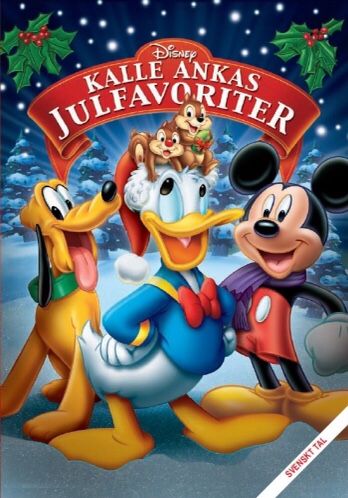
Window 24. As I am following the Swedish system of advent calendars, today is the last window, not the 25th as in the UK. So here is the final word: Kalle Anka. This is the Swedish name for Donald Duck – a Disney character with a strong, and unexpected, connection to Swedish Christmas.

Traditional Christmas celebrations on Christmas Eve in Sweden get off to a slow start usually. It all begins with a Christmas breakfast, consisting of rice porridge, wort bread, ham and Christmas cheese, amongst other things. After breakfast, some people go for a walk, some go to church, others begin the preparation for the Christmas julbord.

When to eat julbord differs from family to family. For some, it’s at lunch time, for others it more towards late afternoon. One surprising time marker is Kalle Anka (Donald Duck).

Every Christmas Eve since 1960, the Disney show ‘From All of Us to All of You’ featuring Donald Duck and his friends has been broadcasted on Swedish television at 3pm. Every single year. A very weird tradition for someone like me who grew up listening to the Queen’s speech on Christmas Day at 3pm. In the UK we have the Queen. In Sweden, Donald Duck.

So the discussion in Swedish homes is ‘should we eat before or after Kalle?’.

Today, Kalle Anka is watched as a sentimental tradition, or as background noise on Christmas Eve. But in the 1960’s when it began, it was the only time of the year that cartoons were shown on tv, so it was a Christmas treat. Since it’s been broadcast for almost 60 years, it is an integral part of what many Swedes associate with Christmas.

After Kalle Anka och julbord, it’s time for a visit from Tomten with gift-giving. This is followed usually by more food and drink. Some people conclude the day with a Midnight service at their local church.

Christmas is, like many places around the world, a time of overconsumption. Enormous amounts of food are left over and eaten during the following days.

In Sweden, Christmas Day and Boxing Day are both Public holidays – and the official end of Christmas is January 13th. Then it is time to traditionally throw out the Christmas tree. The lights in the windows have usually disappeared by February.

And as the daylight slowly returns to Sweden, people start planning for the lighter and warmer time of the year. And Christmas fades into memory…until next December.

Advent Calendar – Dec 23: Dan före dopparedan

Window 23. Today’s words are ‘Dan före dopparedan‘ – which translate somewhat curiously as ‘the day before dipping day’. Or, the day before Christmas.

I always thought that the name ‘dopparedan’ (dipping day) for Christmas Eve was somehow a reference to John the Baptist.

But I was wrong.

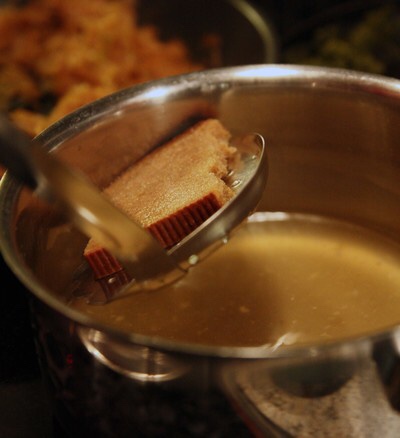
It actually comes from the Medieval Swedish tradition of dipping and drenching bread in the stock juices in which the Christmas ham has cooked, and eating it.

This traditional practice is called ‘dopp i grytan’ and originated in agricultural communities. People dipped their bread as a little snack while they made final preparations for the celebrations later in the evening. Some people still do this today.

Because Christmas Eve was called ‘dopparedagen’, the 23rd Dec became known as ‘dan före dopparedan’ – the day before the day of dipping bread.

Today’s ‘dan före dopparedan’ is more to do with making the final stressful arrangements for tomorrow. Final baking is done, last-minute Christmas presents are bought, a visit to Systembolaget (alcohol shop) is made. Long queues are to be expected.

And then, darkness and calmness descends over houses and homes all around the country. The evening before Christmas Eve is called ‘uppersittarkväll’ and Swedish families traditionally gather to wrap presents, play tv bingo, play games and write Christmas present rhymes.

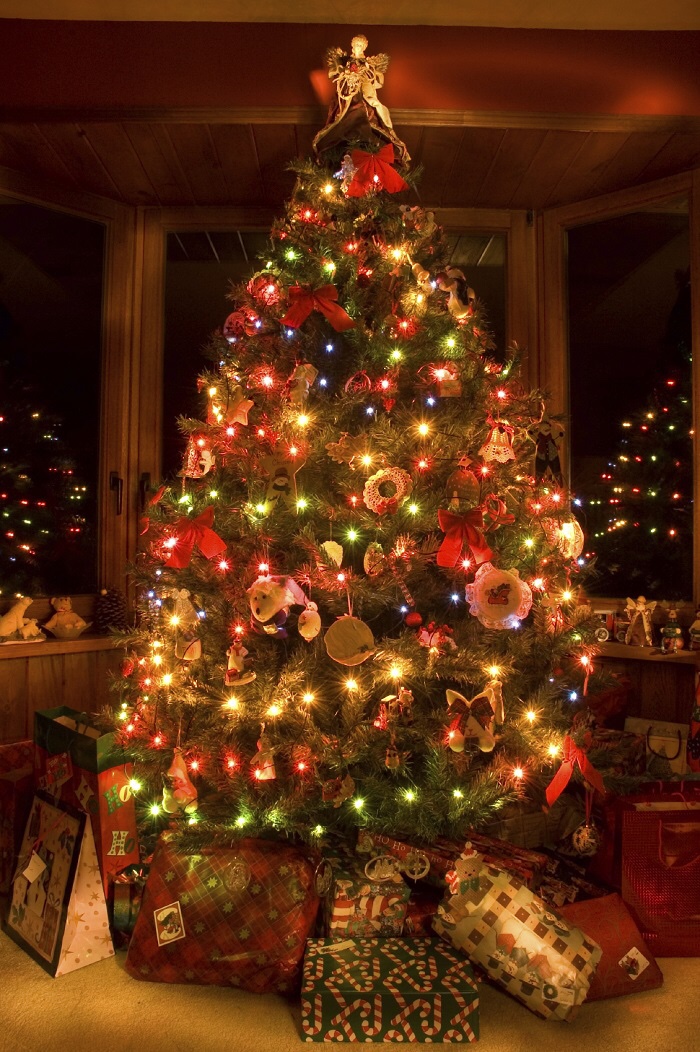
It is also the evening when traditionally people put up final decorations and dress the Christmas tree, although this happens earlier for many families.

Once everything is finalized, hopefully there is a moment of relaxation to be had with a glass of warm glögg and a pepparkaka.

And then, it’s time to head off to bed in anticipation for the big day tomorrow – dipping day!

Advent Calendar – Dec 22: Tomten

Window 22. Today’s word is ‘Tomten‘ – who is the Swedish equivalent of Santa Claus.

Around the world, Santa is based on the mythology of St Nikolas – the Greek/Turkish patron saint who’s legend morphed in the USA from the Dutch immigrants’ Sinterklaas to the jolly figure who rewards good children that we see today.

The Swedish symbol of Tomten is partially based on St Niklas and the American depiction of Santa Claus. However, he is also based on a goat and a mythical sprite.

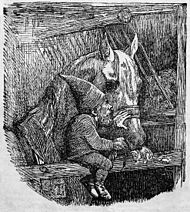
Let’s travel back to rural Sweden hundreds of years ago. Here, in the countryside, Tomten was a kind of sprite (hob, gnome, pixie) who lived on the farm and made sure that the farm had good luck.

Tomten was described as a little man, dressed in sackcloth and with a beard. He usually lived in the barn and was shy, mischievous, and irritable – and also vengeful. To keep Tomten happy, the farmer would leave out rice porridge for him to eat – a food that became known as ‘tomtegröt’ and that is still eaten for Christmas breakfast in Sweden today.

With industrialization in the late 1800’s, Sweden started to become inspired by the German St Nicholas, and in modern minds he merged with the rural sprite to become ‘jultomte’ – the gift-bearing sprite.

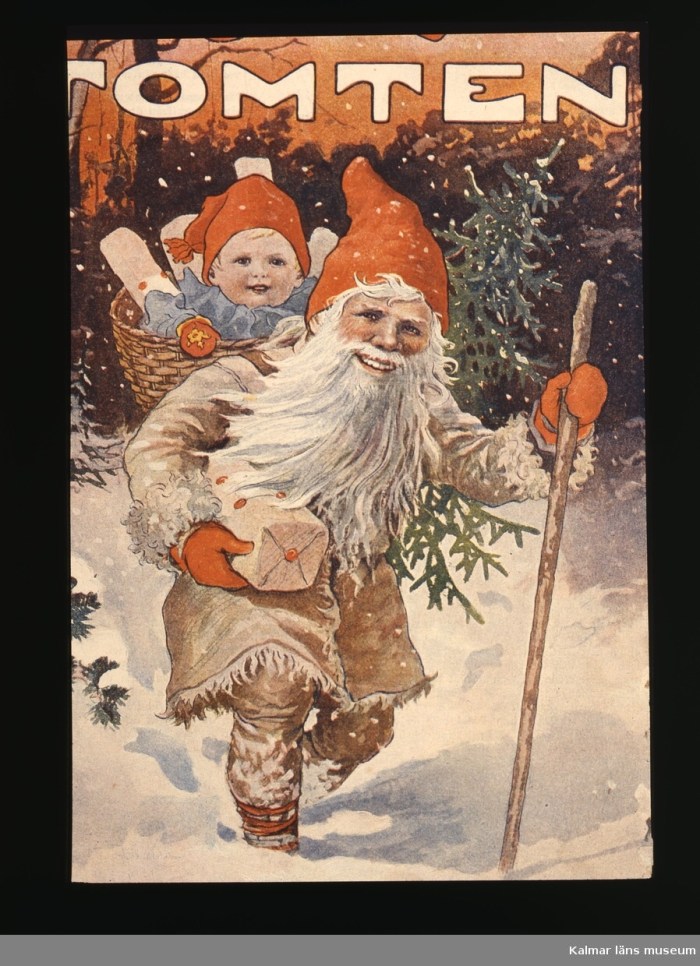
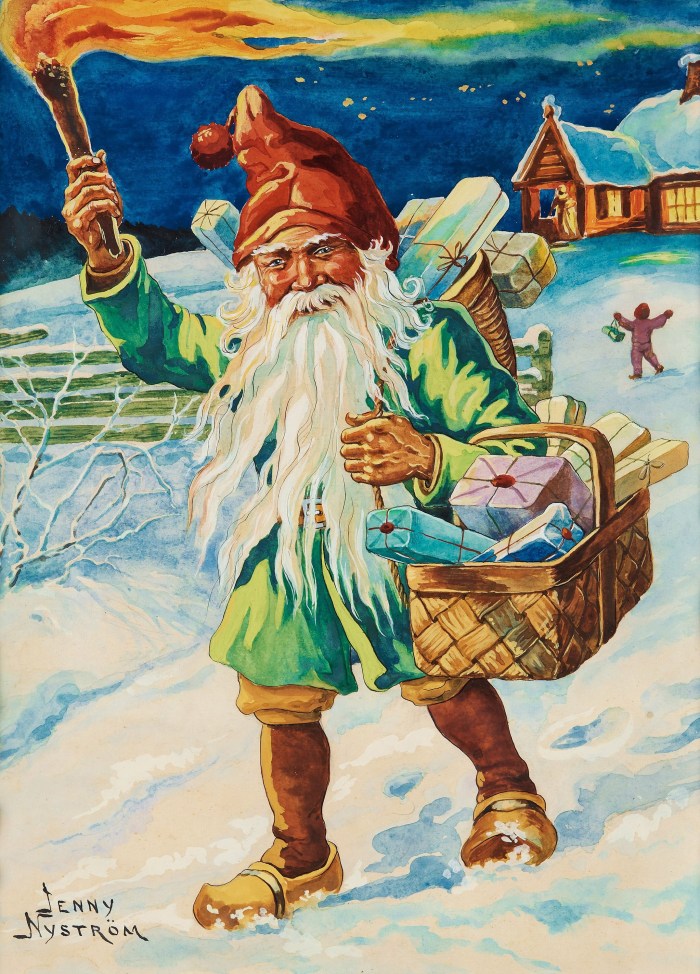
Popular Christmas cards by Swedish artist Jenny Nyström depicted this new version of Tomten in 1874 and strongly influenced the Swedish way of seeing jultomte. He was dressed in red hat, with a fluffy white beard. He is also seen to have many little helpers – known as ‘tomtenissar’ (a kind of elf).

And in 1881, a poem by Viktor Rydberg called Tomten strongly cemented his transformation and associated the figure with mid-winter and Christmas time.

Prior to this concept of Jultomte/Tomten, gifts were brought in Sweden by the Christmas goat. Straw goats are still a part of Christmas decorations in Sweden and can be found hanging in Christmas trees or standing at the foot of the tree.

In Sweden today, Tomten arrives on Christmas Eve, usually in the late afternoon. He delivers gifts to families, usually with the introduction of ‘Ho, Ho, Ho are there any good children here?’

Strangely, he always seems to arrive just when a member of the family (often dad) has gone out to the shops or gone for a walk.

Advent Calendar – Dec 22: Tomten

Window 23. Today’s word is ‘Tomten‘ – who is the Swedish equivalent of Santa Claus.

Around the world, Santa is based on the mythology of St Nikolas – the Greek/Turkish patron saint who’s legend morphed in the USA from the Dutch immigrants’ Sinterklaas to the jolly figure who rewards good children that we see today.

The Swedish symbol of Tomten is partially based on St Niklas and the American depiction of Santa Claus. However, he is also based on a goat and a mythical sprite.

Let’s travel back to rural Sweden hundreds of years ago. Here, in the countryside, Tomten was a kind of sprite (hob, gnome, pixie) who lived on the farm and made sure that the farm had good luck.

Tomten was described as a little man, dressed in sackcloth and with a beard. He usually lived in the barn and was shy, mischievous, and irritable – and also vengeful. To keep Tomten happy, the farmer would leave out rice porridge for him to eat – a food that became known as ‘tomtegröt’ and that is still eaten for Christmas breakfast in Sweden today.

With industrialization in the late 1800’s, Sweden started to become inspired by the German St Nicholas, and in modern minds he merged with the rural sprite to become ‘jultomte’ – the gift-bearing sprite.

Popular Christmas cards by Swedish artist Jenny Nyström depicted this new version of Tomten in 1874 and strongly influenced the Swedish way of seeing jultomte. He was dressed in red hat, with a fluffy white beard. He is also seen to have many little helpers – known as ‘tomtenissar’ (a kind of elf).

And in 1881, a poem by Viktor Rydberg called Tomten strongly cemented his transformation and associated the figure with mid-winter and Christmas time.

Prior to this concept of Jultomte/Tomten, gifts were brought in Sweden by the Christmas goat. Straw goats are still a part of Christmas decorations in Sweden and can be found hanging in Christmas trees or standing at the foot of the tree.

In Sweden today, Tomten arrives on Christmas Eve, usually in the late afternoon. He delivers gifts to families, usually with the introduction of ‘Ho, Ho, Ho are there any good children here?’

Strangely, he always seems to arrive just when a member of the family (often dad) has gone out to the shops or gone for a walk.

Advent Calendar – Dec 21: Julvärd

Window 21. Today’s word is ‘Julvärd‘ which translates as Christmas host.

The term Christmas host is not referring to the religious bread that represents the body of Christ. Although you’d be forgiven for thinking so at this time of the year.

No, the Christmas host is a personality on tv who guides the viewers through the proceedings on Christmas Eve.

For 27 years the ‘julvärd’ was the same person – a man called Arne Weise – and he is, for many Swedes, eternally associated with Christmas Eve.

But since 2003, a new host is announced every year and it is considered a great honour to be given the role. This year the ‘julvärd’ is popular tv chef Tareq Taylor.

While the role of ‘julvärd’ might seem trivial, it is actually very important. The Christmas host is present throughout the whole day and introduces the programs. He or she also talks about the value of Christmas and what it means. And not least, the ‘julvärd’ keeps lonely people company by inviting themselves into living rooms up and down the country.

The ‘Julvärd’ can be seen on SVT – Sweden’s Public Service Television – and is usually broadcast live.