Are Swedes masochists?

A quick look at a definition of ‘Masochistic Personality Disorder’ tells us that it is ‘A pervasive pattern of self-defeating behavior. The person may often avoid or undermine pleasurable experiences, be drawn to situations or relationships in which they will suffer, and prevent others from helping them’.

There are a few characteristics:

– they choose situations that lead to disappointment, failure, or mistreatment even when better options are clearly available
– they respond with depression, guilt, or a behavior that produces pain
– they incite angry or rejecting responses from others and then feel hurt, defeated, or humiliated
– they reject opportunities for pleasure

I don’t know why, but my mind jumps to Saturday nights in February/March. The annual torture known as ‘Melodifestivalen’ is broadcast as Swedes attempt to select the song to represent them at Eurovision. People compulsively throw themselves into their sofas and watch the drivel that spews out in front of them. One piece of questionable music after another. They watch attentively, they vote.

And then they complain. They complain about the overriding bad quality. They complain about the winning songs. They complain about the host’s dress or hairdo. They complain that the best song didn’t get through. They complain about the dance routines. They complain on social media, during brunch and when they’re out on their Sunday walk.

But yet, the following week they’re there again watching the next episode of this 6-week long debacle.

So are Swedes masochists? Hell, yes!!

IMG_4994

Stand up for Swedes

IMG_4978

Last night I went to see a hilariously funny stand up comedian called Al Pitcher. From New Zealand, this fast-thinking, quick-talking ironist talks about his family life in Sweden, what he finds fascinating about Swedes, why he loves them and how they dumbfound him. In his one man show at Rival on Mariatorget, he bounced between naked toddlers to poisonous ticks, from helping old ladies in a Stockholm suburb to his exploits in the isolated regions of Norrland. He even made the town of Flen sound semi-interesting by describing his dancing a jig to Swedish folk music when he was there.

It was a pleasure to spend a couple of hours in the company of Al Pitcher. If you get a chance to see his up-coming shows, I highly recommend it. You can get more information at http://www.alpitcher.se or likewise http://www.alpitcher.com You can also follow him on Facebook.

Swedes – look up!!

IMG_4975

I shared the bus journey this morning with ten other people. Of these ten people, 8 of them had their heads buried in their mobile phones. White headphones on, they were captivated by their little screens. Reading the news, playing a game, updating their statuses was more important than what was going on physically around them.

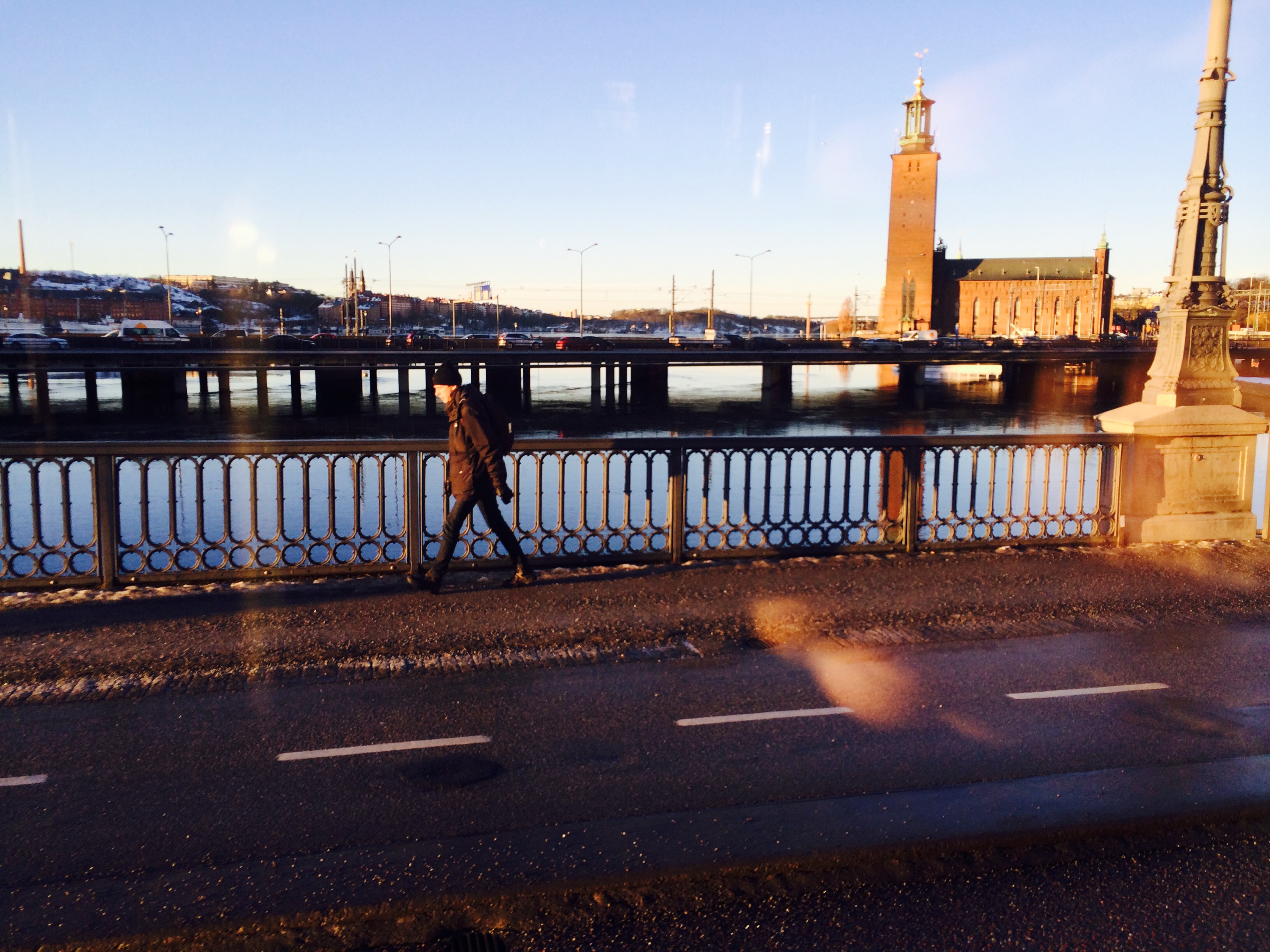
Outside the sun was shining, the sky was blue and Stockholm looked fantastic. It was a lovely morning, full of energy and light. But these 8 people completely missed it. Think what we all miss when we get sucked into our screens rather than observing the environment around us. Think of the beauty we do not encounter, or the opportunities we miss.

So I’d like to issue a challenge. Next time you’re on the bus, or the tube, or the train – look up! Who knows what you might discover.

Sunny Stockholm Sunday

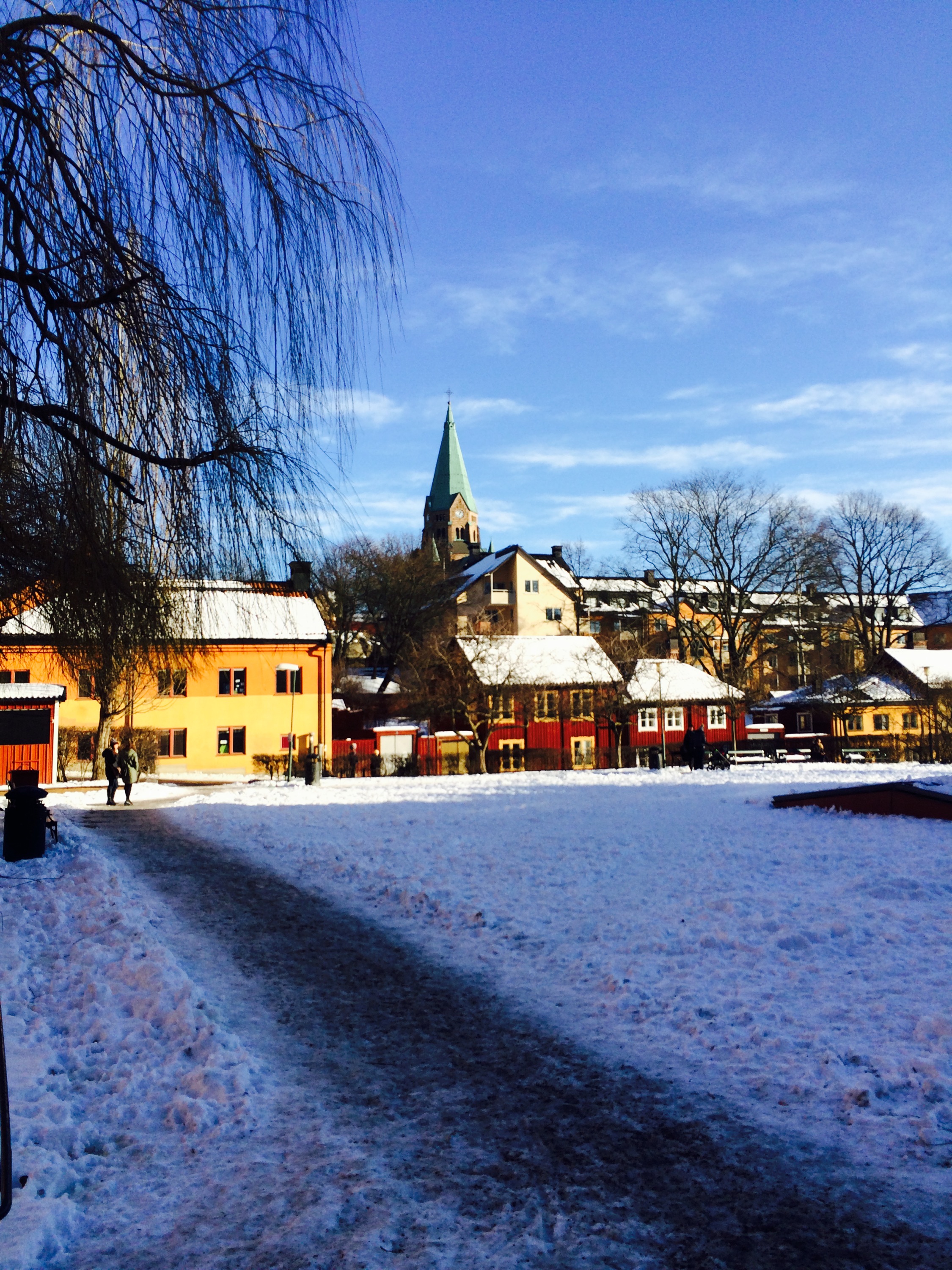
Facebook is today inundated with photographs of the great outdoors. After a long, dark autumn the sun is shining brightly over Stockholm and the sky is royally blue. Photos of people on skis, frozen lakes, rust-colored facades, glistening trees, ice crystals, chilly dogs, and snow-covered rooves abound. Like hibernating bears, the people of the Swedish capital emerge from their lairs when the sun appears. And at this time of the year, a cold, bright white sun is the perfect remedy to the winter blues. Stockholm is a breath-takingly beautiful city on these crisp, February days. So, it’s just to put on the woolly hat, the scarf, gloves, thick coat and winter boots and head outside for your shot of beauty and vitamin boost.

Here’s a picture from my walk:

IMG_4964

Playa del Ingles – Swedish invasion

2015/01/img_4911.png

Currently enjoying a week in the sun on Gran Canaria. It’s altogether a very Spanish experience. Er, well, maybe not.

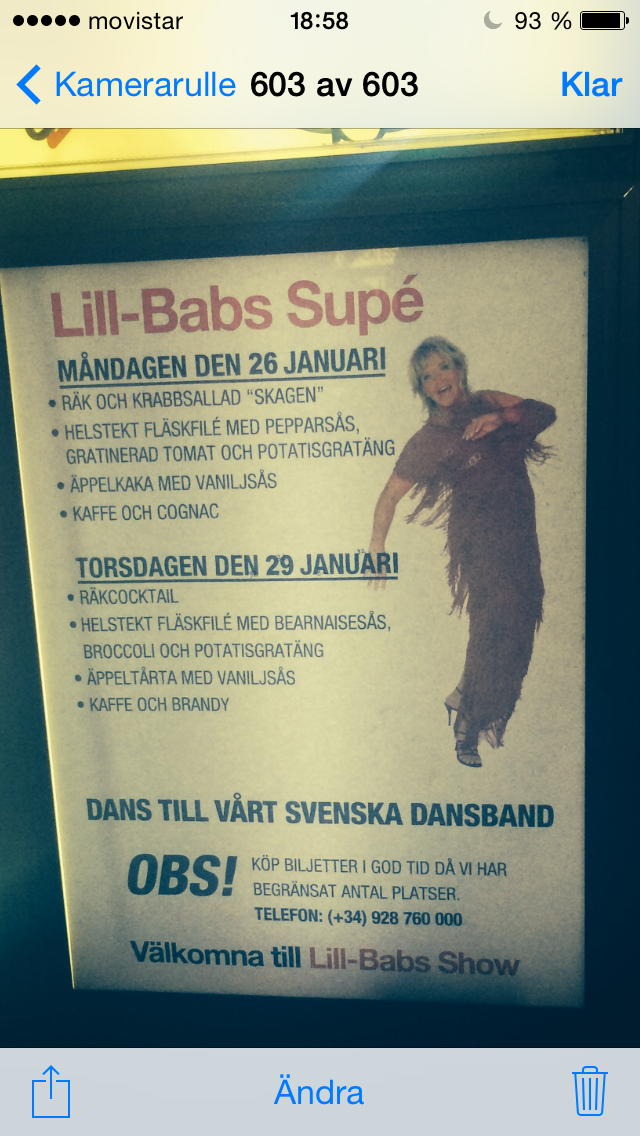
Yesterday evening we headed off to a well-known dance palace called Playa del Sol. The reason it’s well known is because it is a Swedish oasis, in the middle of the tourist sprawl. A restaurant and dance club, this is where Swedes, mostly of an older generation, come to eat Swedish food, drink cheaply, listen to orchestra music and strictly come dancing. The place has certainly seen better days, with it’s tired decor, faded colors and jaded staff.

Last night a Swedish legend was performing. The 75 odd year old Lill-Babs is Sweden’s equivalent to the UK’s Cilla Black and she’s still going strong. The show was sold out and her white haired audience of regulars went wild as she crooned to her classic hits from previous decades. Her energy and her saucy jokes had the audience agog. They were in the palm of her hand.

For me, this was a fantastic cultural experience – a mixture of fascination, sentimentality and horror. But mostly I was a witness to how a singer can create a life long following of loyal and loving fans through her hard work and professionalism.

Lill-Babs is really proof that the show does go on. And it goes on and on and on in this little Swedish dance paradise on a small island far away in the Atlantic Ocean.

Reading the city

2015/01/img_4867.jpg

2015/01/img_4866.jpg

2015/01/img_4868.jpg

One of the best things about walking around a city is that you can read the layers of architecture which gives you an insight into the lives and times of current and earlier city residents.

And Stockholm is no exception.

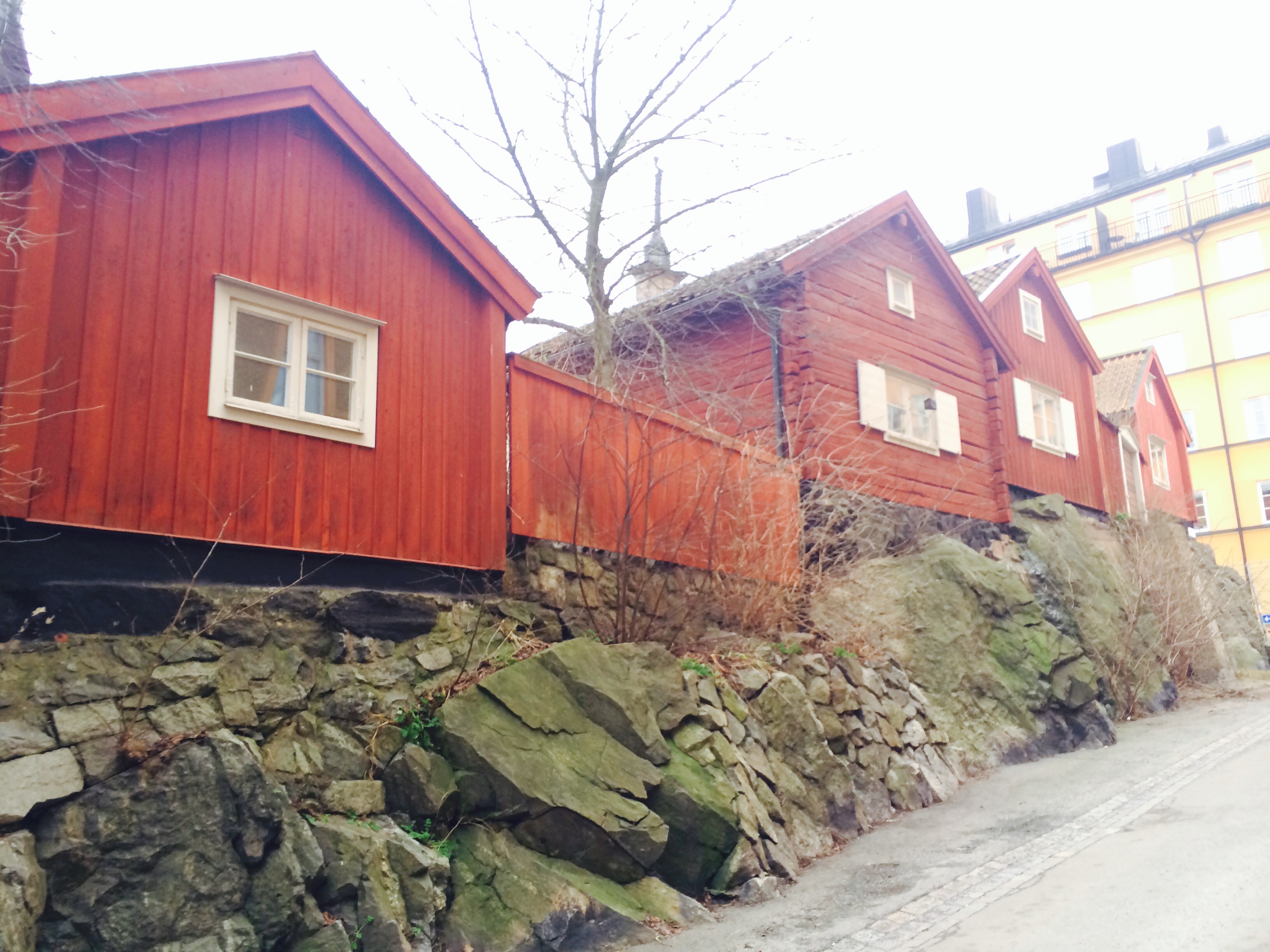
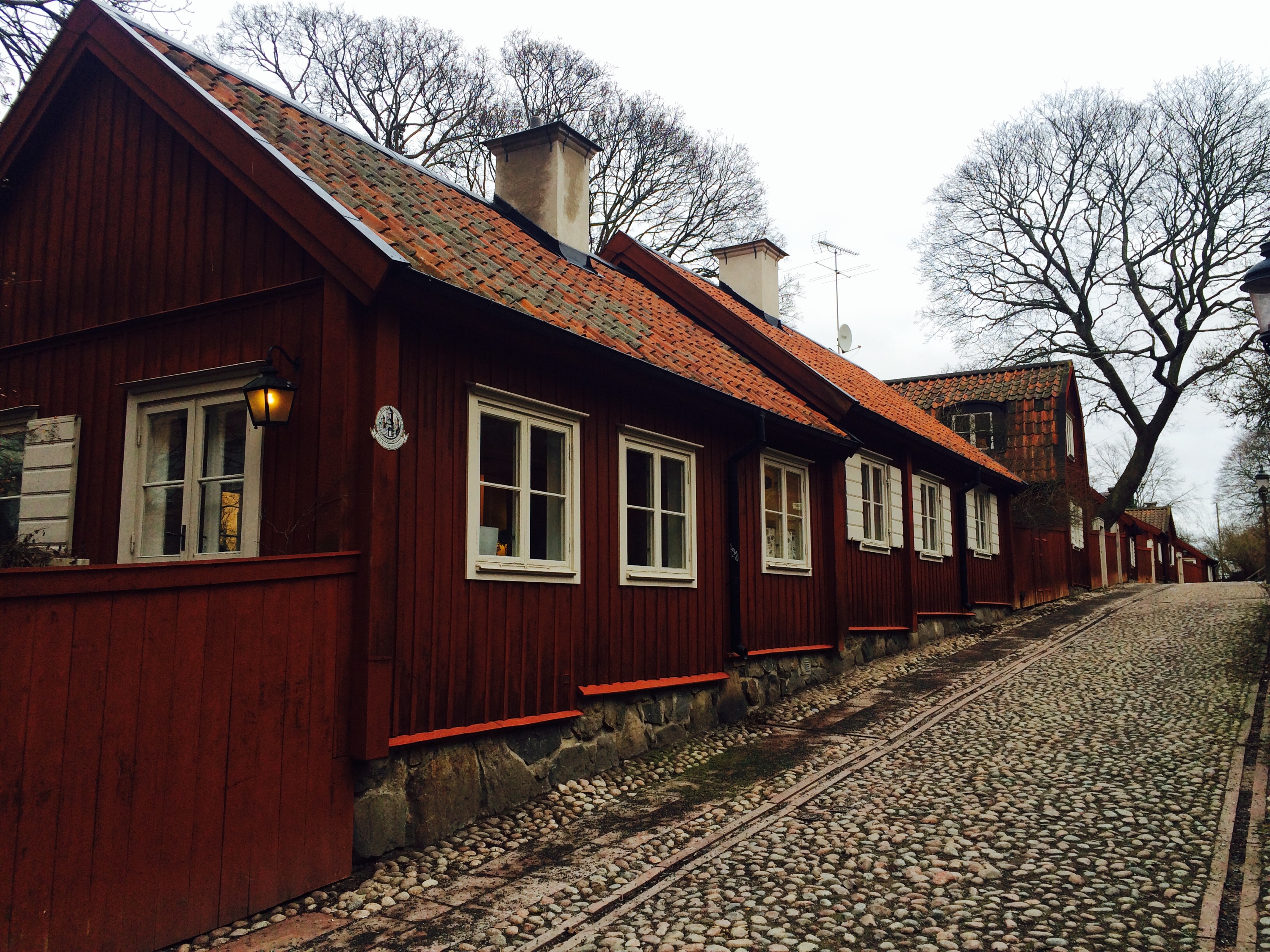
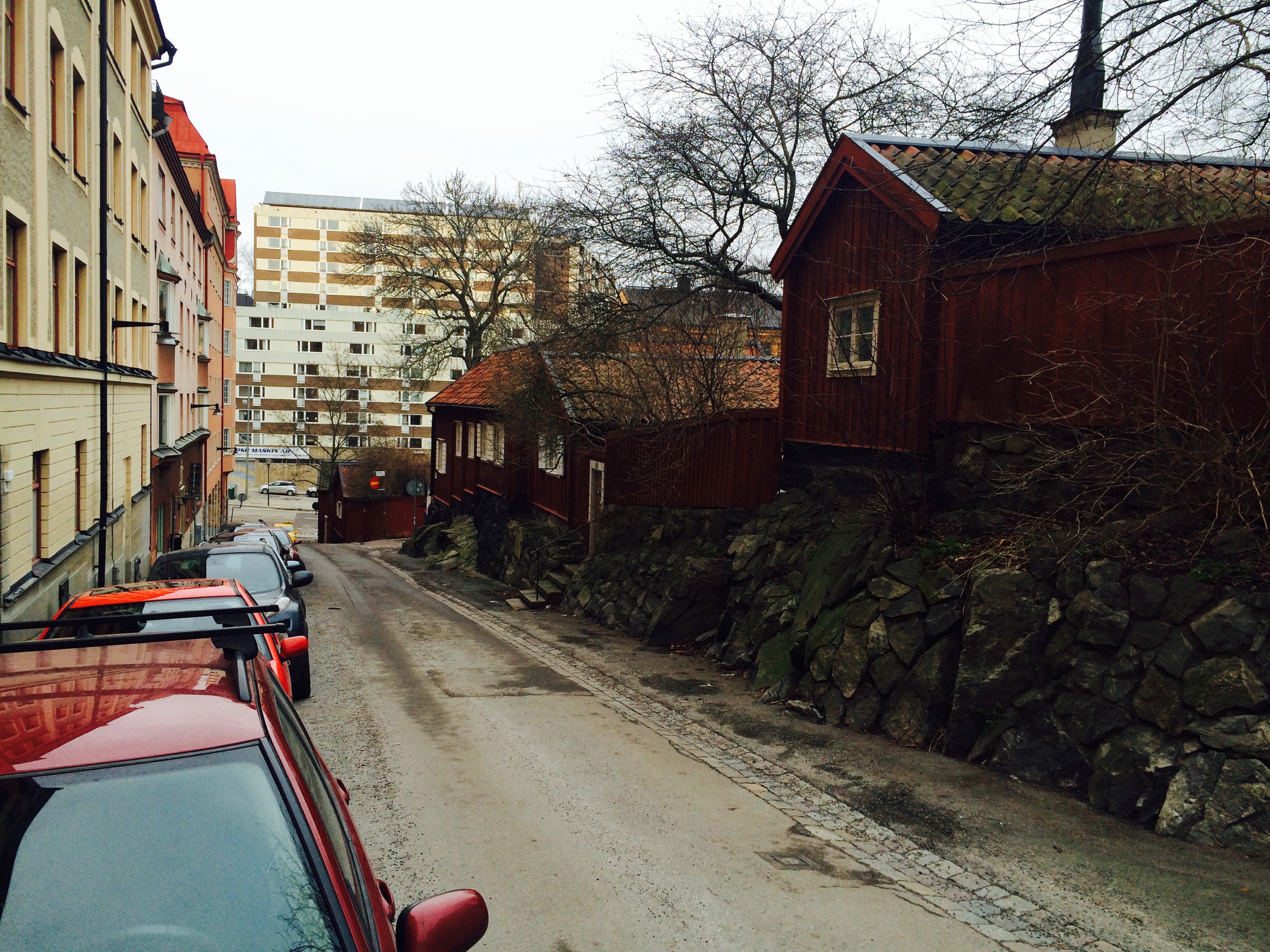
On the island of Södermalm, there is a cluster of old red, wooden houses perched amongst blocks of flats from the twentieth century. Most of these houses originate from the 1700’s and were homes to workers in the nearby tar yard and the docks. These were stinky, tough and perilous jobs. And, just like today, Stockholm was rapidly growing and people migrated into the city in droves. And just like today, there was a housing crisis even then. In the 1800’s and 1900’s these small, red houses were so overcrowded and filthy that they became dilapidated and dangerous.

Eventually in 1956, the government decided to renovate and improve the living standards for the poverty-stricken residents.

Today, the area is protected due to its cultural relevance and is still a residential area for a lucky few.

So next time you’re out walking, lift your eyes up. Look at the buildings around you – what does it tell you about your city’s earlier dwellers?

Happy Swedes? That’s the question.

happy swede

Yesterday, I ran a seminar on Swedish culture and I got a thought-provoking question from an audience member. It was a question I have never had before.

‘Are Swedes happy with what they are?’ was the question. Somewhat taken aback, I tried to answer the question in the best way I could based on my interpretation of it. I talked about anthropologists are yet to find a culture that thinks their way is wrong. Every culture thinks their way is the right way – otherwise they wouldn’t do things the way they do them. Being culturally competent is about understanding that there are lots of right ways.

After the seminar, I thought more about the question – are Swedes happy with what they are? It resonates around my head still. How happy is the average Swede? How happy is the average person in general? I sincerely hope that most people are happy and living lives that fulfill and enrich them. I hope they are living lives where they can be grateful for what they have and not envious about what they don’t have. I hope they are living lives where they can be the best they can be, surrounded by people they like and free to make the best choices for themselves. I hope their lives are full of life. For me that’s happiness. And in Sweden, that’s the life I am able to live.

So at least I’m happy to be the way I am – in Sweden!

Swedes – the world’s best bosses?

worlds best boss

If you are Swedish, I would like some help from you.

I am carrying out some informal research into what Swedes perceive to be the best management qualities and behaviours. There’s a lot of research out there, but a lot of it is old. I’d like to get some contemporary and fresh input. And I need your help.

If you’d like to help me, please answer the following two questions in the comments field below:

1) What do you think are the most important qualities of a good manager?

2) What do you think are the most important behaviours of a good manager (in relation to you and your work)?

List as many qualities/behavours as you want.

Thank you very much for your help!!

Swedish healthcare – best i test!

2015/01/img_4860.jpg

I’ve always been a fan of Swedish healthcare. Socialised since the 1940’s but publically funded to some degree since the 1700’s, Sweden’s public health care is cheap, egalitarian and of high quality. At least that’s how I’ve always experienced it.

Living in Stockholm though, it seems like the best hospitals are not here. Nor are they in the other large cities such as Malmö or Gothenburg. According to the Medical newspaper ‘Dagens Medicin’, the best hospitals in the three classes ‘university hospital’, ‘medium sized hospital’ and ‘small hospital’ are in the towns of Linköping, Jönköping and Oskarshamn respectively.

So now we know where to head to if we need the best quality healthcare in Sweden.