Advent Calendar – Dec 7: Julskinka

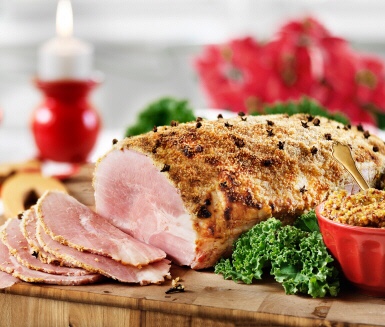
Window 7: Today’s word is ‘Julskinka‘ which translates as ‘Christmas ham’ and is pronounced yule-hwinka (ish).

In the UK, I grew up eating roast turkey at Christmas. But in Sweden, it’s the ham that counts!

Swedes have been eating Christmas ham during the festive season since the 1600’s and many people consider it an obligatory part of the Christmas meal.

Originally it was a dish eaten only by the upper classes and rich farmers, but somewhere in the 1800’s in made it onto the tables of the general public.

The tradition of eating ham is thought to have evolved from the German pagan ritual of sacrificing a wild boar known as a sonargöltr to Frey, the Norse god of fertility, during the harvest festival. This was later adapted by the Christians and aligned with St Stephen’s Day which falls on December 26th.

Traditionally the cured ham is oven baked or boiled before it is coated in mustard and breadcrumbs and grill roasted. Here is a recipe.

The ham is mostly eaten with mustard and apple sauce. And the cold leftovers are eaten for days afterwards, often on crisp bread.

The Christmas ham is traditional in many other Northern European countries such as Finland, Estonia and Poland and even some parts of the USA and Australia.

Many people these days don’t eat meat, and therefore reject ham. However, to mimic the Christmas tradition, there are plenty of veggie centerpieces available including roasts made of soya, Quorn and other plant-based ingredients.

Advent Calender Dec 6: Julmarknad

Window 6: Today’s word is ‘Julmarknad‘ which translates as ‘Christmas Market’

A popular recurring event during the weeks leading up to Christmas in Sweden is the Julmarknad – the Christmas Market.

Christmas markets are a very cosy affair. Here you can walk around and enjoy the smell of glögg and roasted chestnuts. You can listen to the sound of Christmas carols echoing through the air. You can bathe in the lights and decorations strewn around the marketplace. And you can see traditional handicrafts and locally produced goods on sale, such as scarves, hats, festive food and decorations. If you’re lucky, snow is tumbling down and crunching under foot. The whole thing feels like being momentarily caught in a giant snow globe.

Christmas markets have been around in Sweden since the 1800’s and take place up and down the country on town squares, in gardens, in museums, farms, barns, greenhouses, castles, garden centers and stately homes.

This year, Christmas markets are back with a vengeance after last year’s Covid restrictions. But remember, even if you are outdoors and even if it’s cold – keep your distance.

In Stockholm, the most popular markets are in Skansen and on the main square in the Old Town. The Royal Palace of Drottningholm and Taxinge Castle outside Stockholm are also popular, as is the small picture-postcard town of Sigtuna about an hour north of the capital.

In Gothenburg, the market at Liseberg is a popular experience and in Malmö head to the market on Gustav Adolf Square.

For information in Swedish about Christmas markets, check http://www.julmarknad.nu

Advent Calendar Dec 5: Julmust

Every day, I will open a window containing a Swedish word that has something to do with Christmas and the festive season.

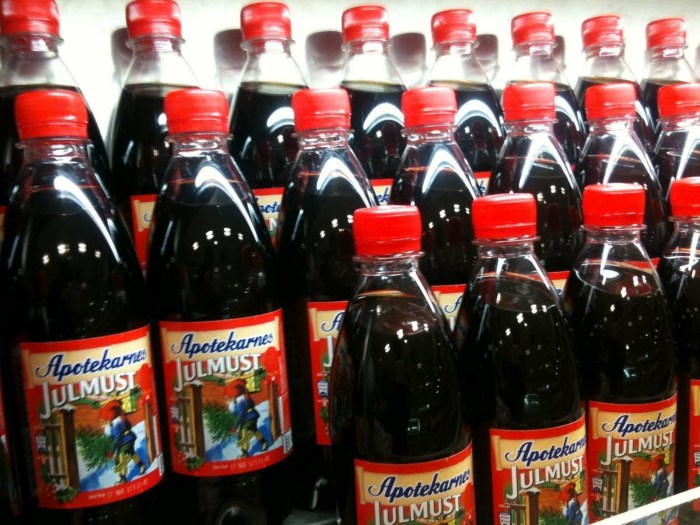
Today’s word is ‘Julmust‘ which is a fizzy Christmas beverage.

I would venture to say every Swede likes to drink at least one glass of julmust at Christmas. However, according to statistics it is even more!

Apparently, Swedes drink an average of 5 litres per person of the fizzy drink during December. The alcohol-free bottled soft drink comes in different sizes, fully sugared and also in diet form.

Said to include over 30 ingredients, its actual recipe is top secret, only known to three people. Despite all the cloak and dagger stuff, the connoisseur can detect the flavour of hops and malt. The taste is reminiscent of the old-fashioned ‘Dandelion and Burdock’ drink for those of you that understand that British reference.

Julmust was invented by a teetotaler and sales began in 1910 as an alternative to ale and port. Although intended to be alcohol-free, the drink can be mixed with gin, vodka, rum or Jägermeister to make Christmassy cocktails. When blended with porter or stout and other ingredients, it creates a classic Christmas drink called Mumma.

I have even drunk julmust mixed with red wine – a so called Kalimusto. I recommend trying the experience – although it actually is a fairly unpleasant one!

If you live outside of Sweden and want to try julmust, head to your nearest Ikea! Called Vintersaga, they sell the beverage in 500ml bottles.

And so it is Advent – Swedish style


Today, the first of Advent, the light shines strong in the darkness.

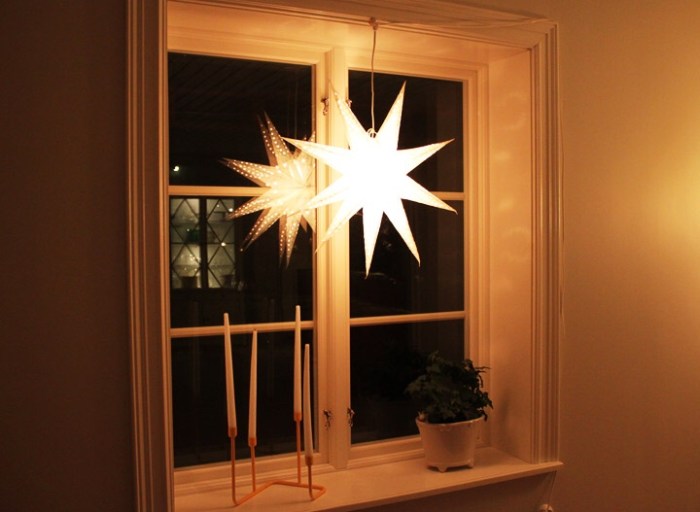
Swedes decorate their houses, apartments and windows with lights. From ceilings, illuminated stars are hung. On window ledges, electric advent candles are placed. On tables, four candles are positioned and one is lit every Sunday up until Christmas. Small candles, often red, are dotted about the home. Some people change curtains and populate their homes with small gnomes and flowers.

Since November is a grim month, the collective advent decoration is a welcome arrival as light is spread into the murky places. From the dark street, it is lovely to see windows lit up in every apartment.

This weekend is also the starting signal for the Swedish ‘glöggfest’. People go to each other’s homes and drink ‘glögg’ (mulled wine), eat gingerbread and saffron buns. It is a very cosy time of year.

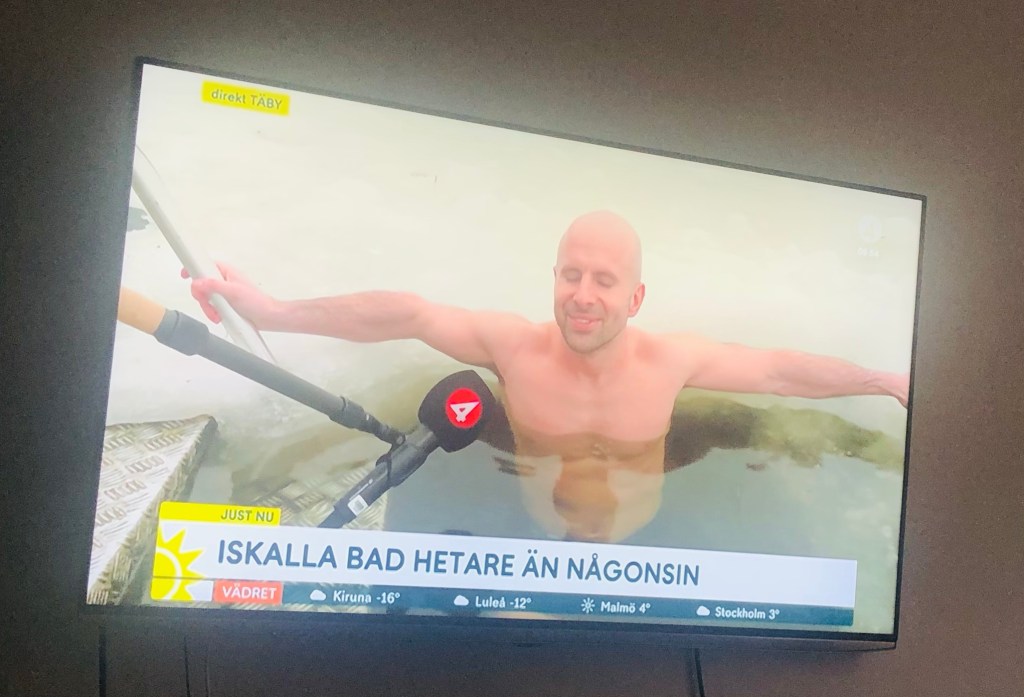
Swedish ice batheing

This winter, taking an outdoor ice bath has become very fashionable in Sweden. Disrobing and lowering yourself into frozen lakes at below zero temperatures is considered very healthy for the body and its ability to repair itself.

Spring has now arrived and the ice is melting but die hards are still squeezing the last out of the ice batheing season. Like this guy featured on TV, who regularly sits in the frozen lake – for 20 minutes at a time!

This may seem like a long time, but actually it is nothing compared to the world record. The world record for ice submersion is held by Austrian Josef Koerbel who, in 2020, held himself under ice for 2 hours and 30 minutes. In his case, it was in an ice box on a public square in the town of Melk.

Brrrr.

So, what about you? Do you feel enticed by the concept of plunging into the chilly depths to take an ice bath? Or would you rather keep yourself wrapped up warm and toasty on the bank of the lake?

20 Swedish words for rain

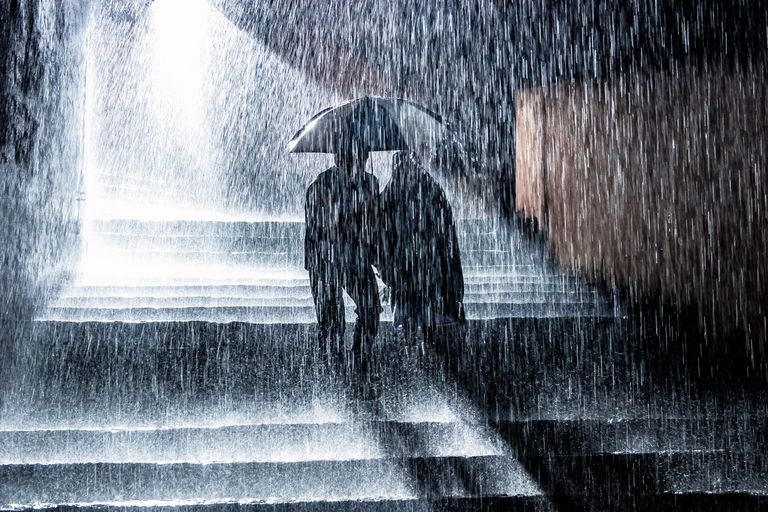
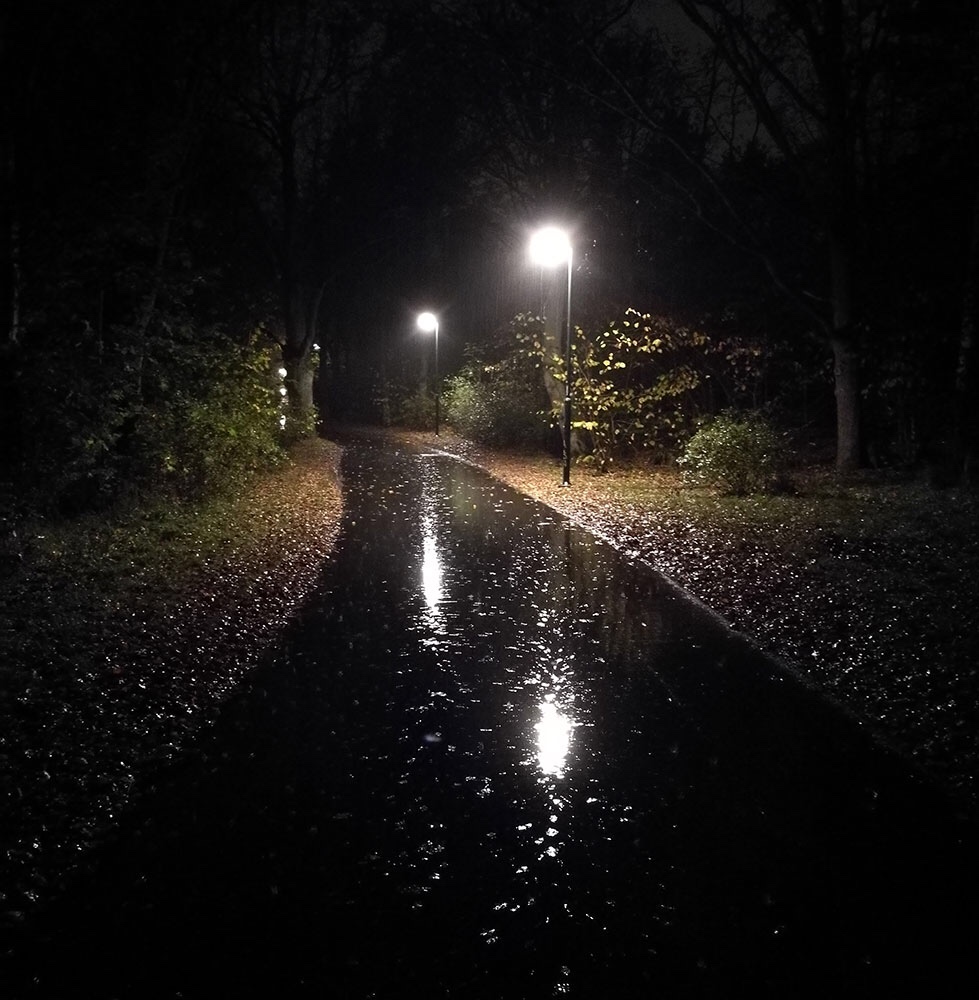
It feels like it has rained for ever in Stockholm. We awaken to rain, we walk in the rain, we come home in the rain, and we go to bed to the sound of the rain.

I guess the wetness is positive as it is replenishing the water magazines that have dried out, and soaking the forest beds to extinguish any lingering embers from the forest fires.

But it is so boring and a bit depressing. In English, we have lots of words for rain, with some fun ones such as drizzle, mizzle, sleet, spit and ‘ache and pain’.

So I became curious about how many Swedish words there are. Here are 20 that I found:

  1. Regn – rain
  2. Duggregn – a light rain, spit
  3. Dusk – drizzle
  4. Snöblandad regn – rain mixed with snow, sleet
  5. Hällregn – heavy rain, pouring down
  6. Ösregn – torrential rain
  7. Skyfall – sudden heavy rain, a cloud burst
  8. Skur – shower
  9. Störtregn – heavy rain, a downpour
  10. Skval – constant, uninterrupted rain
  11. Sommarregn – light, summer rain
  12. Regnby – rain shower
  13. Slagregn – heavy rain, a deluge
  14. Glopp – rain with large snow flakes in
  15. Arlaregn – refreshing morning rain
  16. Strilregn – steady rain
  17. Nederbörd – precipitation
  18. Dagsregn – precipitation
  19. Regndroppe – rain drop
  20. Rotblöta – a large amount of rain, usually in the summer

So the next time, look out of the window and see what word best describes the rain outside. It might at least give you a few seconds of distraction in this November drudge.

November in Sweden

Probably the least fun month of the year, what do you associate with month of November? I think of:

  • Darkness
  • Cold
  • Wind
  • Netflix
  • Intense work schedule
  • Darkness
  • Take away food
  • Red wine
  • Darkness
  • Tiredness
  • Rain
  • Candles
  • Jumper
  • Bad skin
  • Thick jackets
  • Warm shoes
  • Anticipation (for the festive season)

Oh….did I mention darkness?

What do you associate with November?

Swedish Saints, Souls and shimmering cemeteries

Swiping through social media channels, it’s clear to see that dressing up as witches, vampires and other ghoulish things has become increasing popular in Sweden. Halloween parties are scheduled, not just on the 31st October, but at any time over the few weeks at the end of October and beginning of November.

I’m casting no shade over the masquerade, but personally I am much more enchanted by the traditional Swedish way of celebrating this time of year – it is so serene and reflective.

In Sweden, the first Saturday in November is All Saints’ Day – not necessarily November 1st as in most other countries. In 1983, the Sunday after All Saints’ Day was given the official name All Souls’ Day to separate between the saints and the dead.

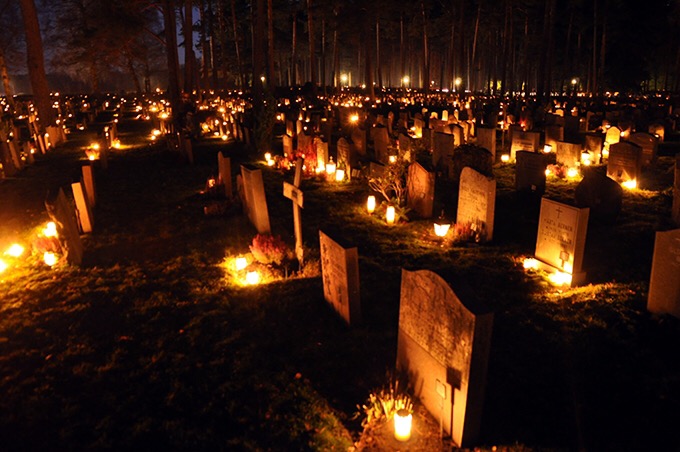
Since the 1800’s Swedes have, during this weekend, made pilgrimage to graveyards up and down the country to decorate the graves with candle light.

It is a beautiful experience to walk through the churchyards this weekend. In pitch black November, it is a shimmering reminder of those who have gone before us. Individual graves blink in the Nordic darkness, and memory groves blaze with the collective light of hundreds of flames.

If you are in Sweden today, go to a cemetery. If you happen to be in Stockholm, head for the Forest graveyard (Skogskyrkogården) for a specifically spectacular experience. 

Swedish ‘Ski shooting’ – the king of the hybrids

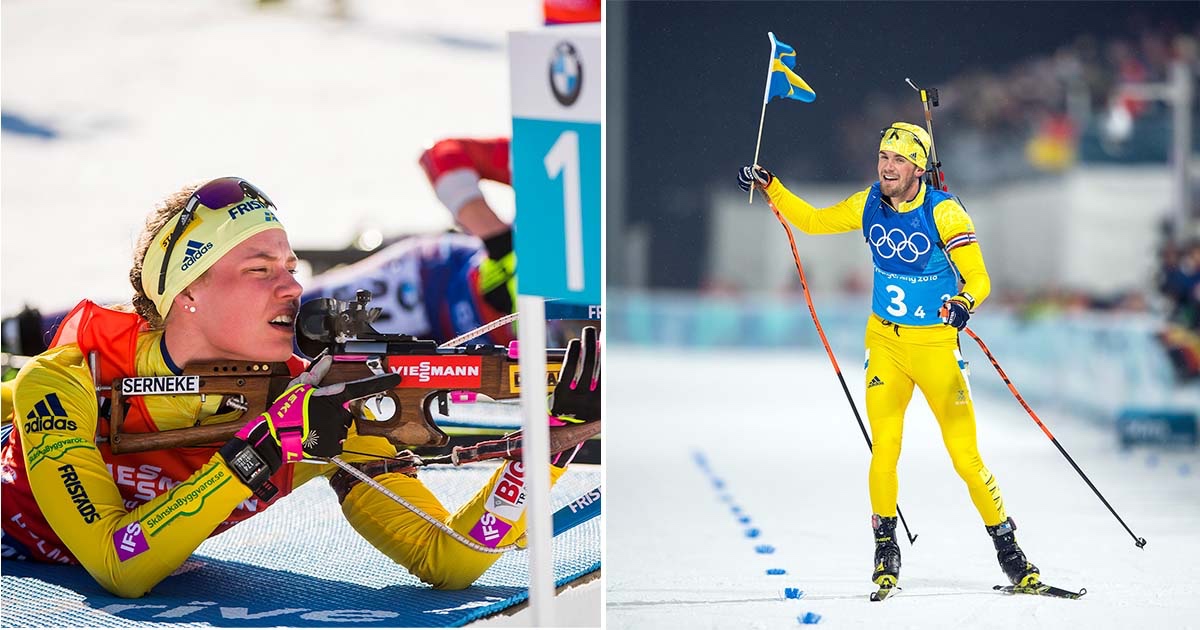
In the Swedish town of Östersund, the World Championships in biathlon is currently taking place. For the uninitiated of you, the biathlon is a winter sport that combines cross-country skiing and rifle shooting. In Swedish, it is called ‘skidskytte’ – literally ‘ski shooting’. The sport is a race where the contestant with the shortest total time wins. Depending on the competition, missed shots result in extra distance or time being added to the contestant’s total.

The biathlon is an example of a hybrid sport – one which combines two or more sports in order to create a new sport. Waterpolo, which combines swimming and handball, is another example. Biathlon is the king of the hybrids as it is the only one to be recognised as an Olympic sport.

As usual, I got curious about what other hybrid sports exist. So I did some research. Here are some of the, according to me, funniest ones:

Bossaball – combines the many elements of volleyball, football, gymnastics and the Brazilian martial art Capoeira. Strangely, it is played on an inflatable field with 2 trampolines at each side of the net. These allow players per side to bounce high to spike or touch the ball.

Chess boxing – weirdly combines the sport of boxing with games of chess in alternating rounds. Chess boxing fights have been organized since early 2003.

Darchery – combines darts and archery, using crossbows and arrows typically used for archery, but the target is a dart board.

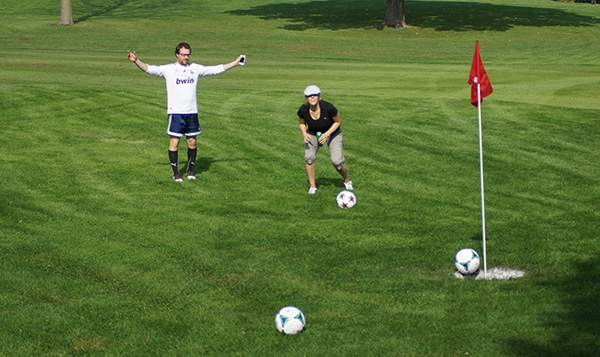
Footgolf – combines football with golf. Players kick a football into large holes placed around a golf course.

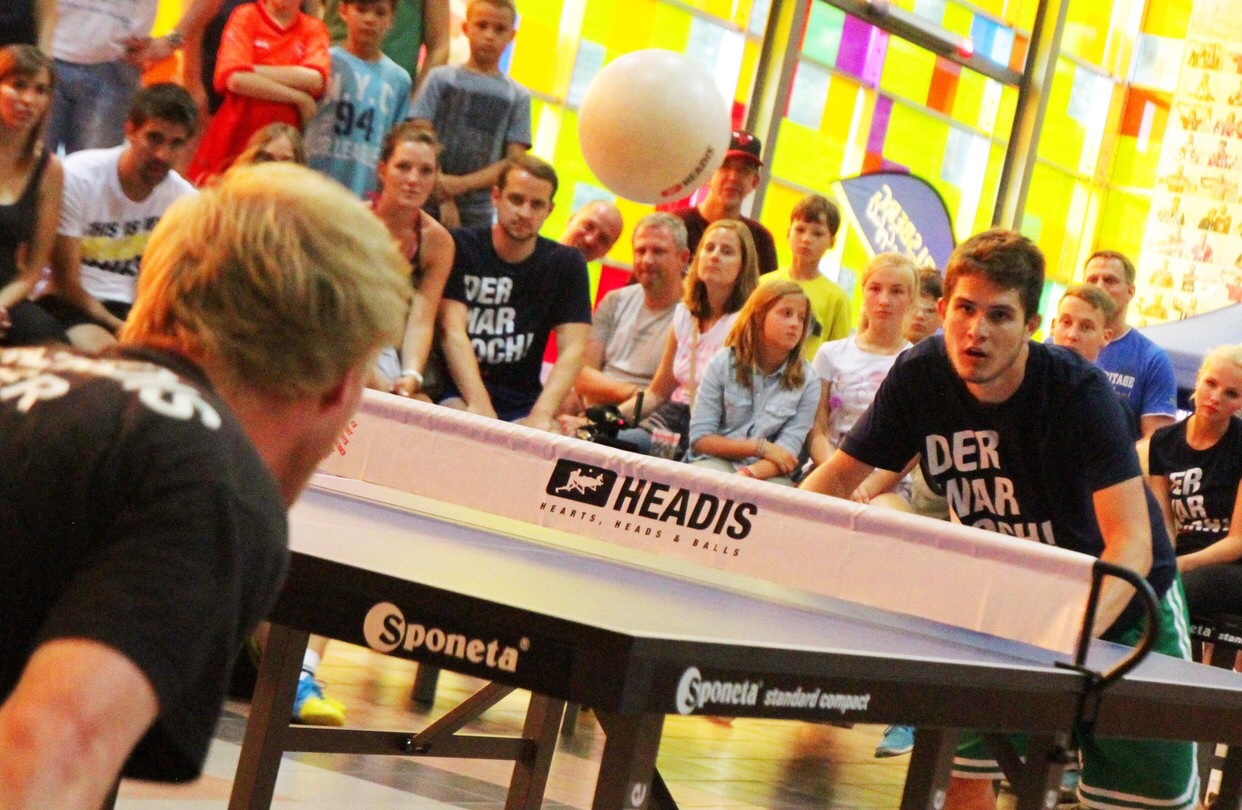
Headis – combines table tennis and football. Players use their heads to hit a football across the table tennis table and net. Sounds exhausting.

Kronum – combines handball, football, basketball and rugby played on a circular field with four goals at each end.

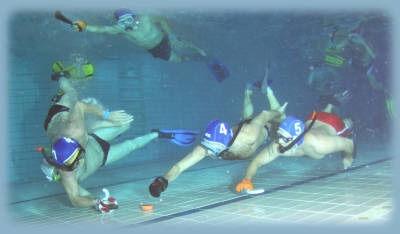
Octopush – combines swimming, diving and hockey. Players try to push around a hockey puck at the bottom of a swimming pool. The goal is to shoot the puck with a small, curved piece of wood into the opposing team’s goal.     

Do you play any of these sports? Or do you play another hybrid sport? Let me know!

Please share this post if you liked it, and follow me on Insta #watchingtheswedes

6 reasons why Swedes take Eurovision so seriously

We are in the middle of the Eurovision qualification rounds (known colloquially as ‘Mello’) in Sweden – three weeks in, three weeks to go. This extended selection period occupies every Saturday night for 6 weeks, and results in the song and artist who will represent the country in the big final in Israel.

People gather up and down the country to have ‘Mello’ parties. Social media and traditional media are full of comments about the bad quality of the contestants this year (and every year). People are raging that the wrong songs are voted to move on in the league table.

Nobody, and I mean nobody takes their Eurovision (ESC) more seriously than the Swedes.

But why is that? Here are a few theories:

Brightening up the winter blues. Mello comes during the deepest, darkest, dreariest time of the year. The glittery colourfulness of Mello brightens up February and early March, when nothing much else happens.

Reliving the glory days. ABBA’s legacy is a constant reminder to Swedes that they once reached long-lasting global fame and it all started at ESC. Every year is a hunt for the next big thing, when the international light will shine once more on this little country in the north.

Organized ‘religion‘. Sweden is, relatively speaking, not a religious country. So the human need for organising ourselves into a collective manifests itself in other ways. Hockey and football become a form of organized religion. And ‘Mello’ is another variation on the same theme. Ask Swedes why they like Mello and many use the word ‘folk fest’ – a ‘national party for the people.’

Swedish traditions. Sweden is a country that is good at holding on to traditions – crayfish parties, snaps songs, semla cream buns, Easter trees – to name just a few. Therefore it is easy for this society to absorb, and structure, new traditions. Halloween is now a thing here. So is Valentine’s Day. So Mello becomes another tradition and slots nicely into the national calendar.

Vicarious extrovertism. Swedes are not generally known for being outgoing and extroverted, although there are of course exceptions. This means that Mello becomes so attractive, as it’s an opportunity for Swedes to live vicariously through the ‘crazy’ performers who dance around in sequins and funny outfits. It’s also an opportunity to push your own boundaries and wear a glittery hat or a pink feather boa. And all under organised, acceptable conditions.

Love of music. Because some Swedes actually like the music.

Which theory is most accurate do you think? Do you have another theory?