The Koran burnings in Sweden – legal, but unethical?

More than 90,000 articles have been written about the Koran burnings that are occurring in Sweden. The burnings have led to an escalated terrorist threat, international public protests, storming of embassies, burning of the Swedish flag, and condemnation from everyone from Turkey’s Erdogan to the Pope.

For many people outside Sweden it is hard to understand why the burnings are being permitted. The bottom line is that it is not against the law. The question is why is it not against the law.

It all boils down to understanding Sweden’s version of freedom of speech, expression and demonstration. In Sweden, you are allowed to publicly comment on, demonstrate against and criticize anything. Sweden’s centuries-old democracy is built on this.

Powers such as the royal family, industry giants or organized religions cannot legally stop or influence this. In secular Sweden, religion has no influence over politics. However, you are free to follow any religion you want, and this right is protected by law. Likewise you are free to criticize any religion you want.

With this understanding, you can see how the burning of books, including any religious scripture is allowed and not, per se, limited only to the Koran.

So you have to separate the law from ethics. Is it ethical? Maybe not. Is it illegal? No. This is why the Swedish government condemns the action but at the same time defends the right to self expression.

That said, there are other laws in Sweden that restrict public speech. For example, if it is considered hate speech, or incitement to violence, or against the interests of national security.

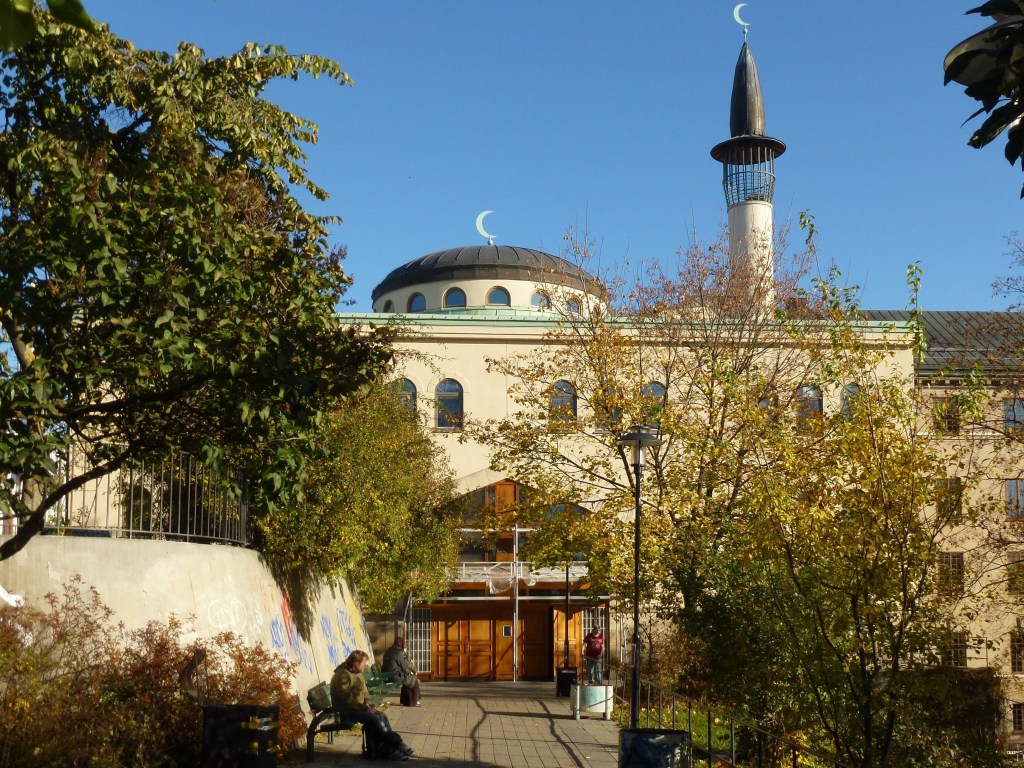
In the case of recent Koran burnings, outside a mosque on the first day of Eid, or outside the embassies of Muslim countries, and with today’s political instability, one can seriously question the police’s choice to allow such demonstrations to occur. Many Swedes say that it shows a poor sense of judgement and disregard for public safety and national security. But it isn’t illegal, and is fully in line with freedom of speech and demonstration.

Swedish law often looks at intent. At this could be the case with the Koran burnings moving forward. What is the intent of the demonstrators? Personally, I see it as a obvious provocation, an attempt to destabilize Swedish society and a direct insult to all the Swedish Muslims residing in the country.

Denmark has recently suggested a law change, based on the fact that the intent behind the action is malicious. The legislation will prohibit the inappropriate handling of objects with essential religious significance for a religious community. The Minister of Justice says ‘I fundamentally believe there are more civilised ways to express one’s views than burning things.’ I’m sure he is right. Changing the law isn’t about bowing down to the extremist demands of other nations, but showing respect for the diverse citizens of one’s own country.

Maybe it is time for Sweden to follow suit?

What are your thoughts on this current debate?

Swedish soccer success!

The FIFA Women’s World Cup in Football (soccer) is currently taking place in Australia and New Zealand, and Sweden is doing really well. Next week, the Swedish team plays in the semifinal, and will hopefully qualify for the final, where a gold medal looks possible. Understandably, football fever is taking over in Sweden and Swedes are very proud of what the team has achieved.

Sweden is a strong football nation. Together with ice hockey, football is probably the favourite spectator sport in the country. The biggest arena in Sweden – Friends Arena – in Solna, Stockholm, can hold over 52,000 spectators at a match.

The sport was brought to Sweden from England in the 1800’s and the first match between two Swedish teams took place in Gothenburg in 1892 between Örgryte and Lyckans Soldater. The Swedish Football Association was founded in 1904.

In Sweden, there are roughly 240,000 licensed players (approximately 56,000 women and 184,000 men) with another 240,000 youth players. There are around 3,200 active clubs fielding over 8,500 teams, which are playing on the 7,900 pitches available in the country.

The world’s largest and most international youth football tournament – the Gothia Cup – takes place in Gothenburg, Sweden. Each year, around 1700 teams from 80 nations take part and they play 4500 games on 110 pitches. One year, my nephew actually came over from London with his team and participated.

Sweden has its own domestic league and has achieved some international success of the years, despite being a relatively small country. These include, for the men’s team, one World Cup silver and two bronzes, as well as an Olympic gold medal in 1948.

The women’s team have also succeeded in taking, amongst others, World Cup silver in 2003, European gold in 1984, and Olympic silver in 2016 and 2020. They are eagerly trying to top this with a gold in 2023!

So, fingers crossed that Sweden can make it the whole way next week! ‘Heja Sverige!’

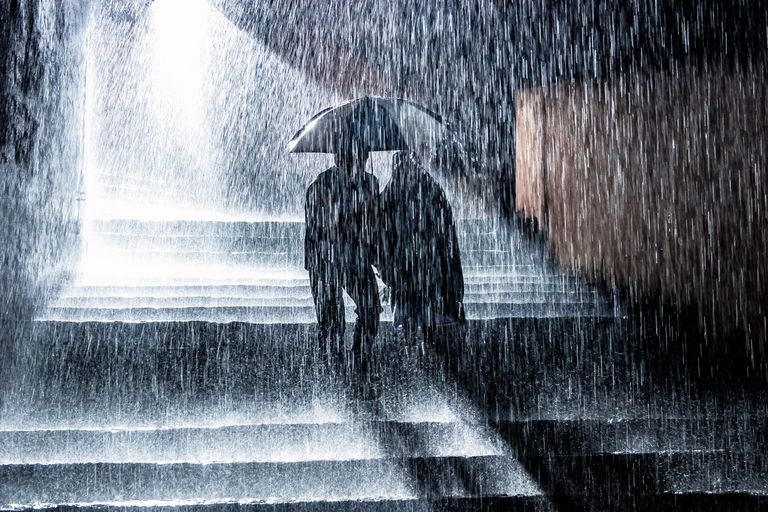
19 Swedish words for rain

It feels like it has rained for ever in Stockholm this summer. We awaken to rain, we walk in the rain, we come home in the rain, and we go to bed to the sound of the rain. Around the country, rivers have broken their banks, streets are flooded, roads collapsed and trains derailed.

I guess to some degree the wetness is positive as it is replenishing the water magazines that have dried out, and soaking the forest beds to prevent any potential fires.

In English, we have lots of words for rain, with some fun ones such as drizzle, mizzle, sleet, spit and ‘ache and pain’.

So I became curious about how many Swedish rain-related words there are – other than the word for rain – ‘regn’. Here are 18 that I found:

  1. Duggregn – a light rain, spit
  2. Dusk – drizzle
  3. Snöblandad regn – sleet
  4. Hällregn – heavy rain, pouring down
  5. Ösregn – torrential rain
  6. Skyfall – sudden heavy rain, a cloud burst
  7. Skur – shower
  8. Störtregn – heavy rain, a downpour
  9. Skval – constant, uninterrupted rain
  10. Sommarregn – light, summer rain
  11. Regnby – rain shower
  12. Slagregn – heavy rain, a deluge
  13. Glopp – rain with large snow flakes in
  14. Arlaregn – refreshing morning rain
  15. Strilregn – steady rain
  16. Nederbörd – precipitation
  17. Dagsregn – precipitation
  18. Rotblöta – a large amount of rain, usually in the summer
  19. Spöregn – very heavy rain

So the next time, look out of the window and see what word best describes the rain outside. It might at least give you a few seconds of distraction in this wet drudge.

Any other Swedish words for rain that you’d like to add to the list?

Why does Sweden still need Pride?

This week is Stockholm Pride. It culminates on Saturday with a huge parade. The event celebrates 25 years this year, and some people question if it is still needed or relevant.

The answer, unfortunately, is more than ever.

But we’ll come to that later.

Currently there are 73 Pride festivals in Sweden during the year. From Arctic Pride way up in the north to Malmö Pride in the south, it is possible to celebrate throughout the year.

This indicates that many Swedes seem to have embraced the concept of Pride with open arms. There is, of course, a commercial benefit but the main reason seems to be that LGBT+ Pride resonates well with the societal Swedish values of equality, tolerance and acceptance.

However, like everything, it has its opponents.

Sweden’s current conservative government is in power, solely with the support of a right-wing populistic party. This party has consistently attacked LGBT people and the Pride movement. For example, this week, one of their politicians tweeted that Pride legitimizes pedophilia.

It is comments like this that plant the seeds of aggressive counter demonstrations, homophobic, anti-Pride propaganda and personal physical attacks. LGBT+ people are still regularly abused, discriminated against and attacked in Sweden. And if we lift our eyes to the broader world, we see examples of LGBT + rights being restricted or removed, and same sex relations being criminalized and punishable with the death penalty.

This is why Pride is still needed, not only as a celebration, but as a political manifestation of human rights.

If you’d like to know where a Pride is near you, go to http://www.svenskapride.se which collects all the Swedish events in one place.

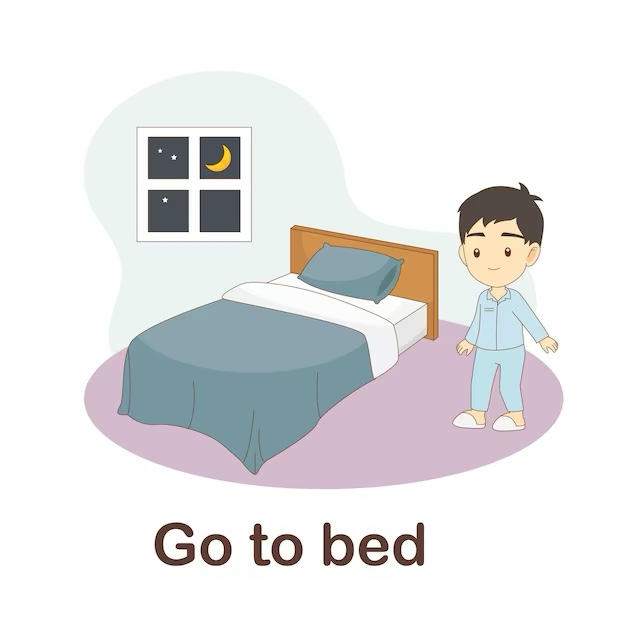
When Swedes go to bed

In English, we have lots of ways to say that we are going to bed to sleep: ‘up the wooden hill to Bedfordshire’, ‘hit the hay’, ‘beddybies’, ‘hit the sack‘ to mention a few. And it turns out, so do the Swedes. ‘Gå till sängs’ ( go to bed) is probably the most common, and literal. Here are a few other examples:

’Dags att koja’ – time to go to bed (Koja is a small hut, or a bunk on a boat)

‘Nu ska jag gå lägga mig’ – now I’m going to lie down

‘krypa till kojs’ – creep to the hut / bunk

‘Knyta sig’ – knot yourself – similar to curl up

‘Slagga’ – similar to crash out

What other expressions for going to bed do you know?

Is Sweden Islamophobic?

More than 90,000 articles have been written about the Koran burning in Stockholm that occurred last week. Many of these articles are declaring Sweden as Islamophobic. The action has led to international public protests, storming of embassies, burning of the Swedish flag, and condemnation from everyone from Turkey’s Erdogan to the Pope.

So, is this true? Is liberal-minded, egalitarian Sweden, in fact Islamophobic? Like everything the answer lies in your definition, and perspective.

It all boils down to understanding Swedish freedom of speech. In Sweden, you are allowed to publicly comment on, demonstrate against and criticize anything.

Influential powers such as the royal family, industry giants or organized religions cannot legally stop or influence this.

In Sweden, you are free to follow any religion you want. Likewise you are free to criticize any religion you want. That is the basis of democracy in Sweden.

With this understanding, you can see how the burning of any religious scripture is allowed and not, per se, limited only to the Koran.

So you have to separate the law from ethics. This is why the Swedish government condemns the action but at the same time defends self expression.

That said, there are other laws in Sweden that restrict public speech. For example, if it is considered hate speech, or incitement to violence, or against the interests of national security.

In the case of the recent Koran burning, outside a mosque on the first day of Eid, and with today’s political instability, one can seriously question the police’s choice to allow a such a demonstration to occur. Personally, I think it shows a poor sense of judgement and disregard for public safety and national security. But it wasn’t illegal, and fully in line with freedom of speech.

So, is Sweden islamophobic? From this one action, no. If you want to burn a bible or the tora, you can. Is Sweden Islamophobic in other regards? Maybe. Were the actions of the individual demonstrator islamophobic? Maybe, although he himself is Muslim. He claims his action to be politically motivated.

Time will tell what the outcome is of this. The man who carried out the act is currently living under police security, and amongst other things is being charged with starting a fire during a fire ban.

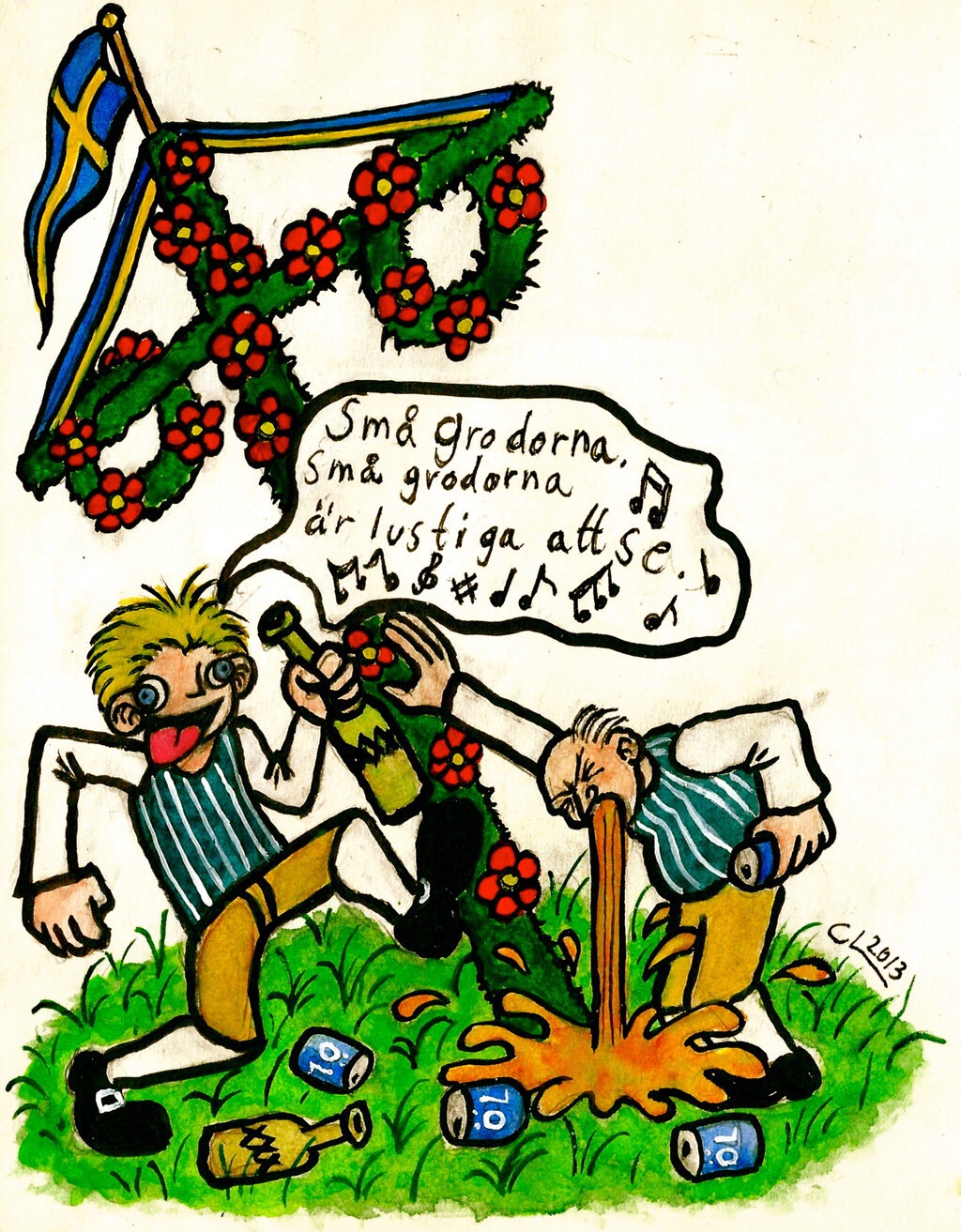
11 hacks for surviving Swedish midsummer

With Midsummer arriving on Friday, it is time to start planning for your survival. Midsummer’s Eve is the craziest custom in the Swedish calender and the time of the year when Swedes go a little bonkers. As a non-Swede, get ready to brace yourself. Here are a few hacks to make sure you make it to Midsummer’s Day in one piece.

Greet like a Swede. In Sweden it is considered polite to greet everybody individually, even if you plan to never speak to them again or remember their name. The appropriate way is to stand 1-2 meters away, look directly in their eyes, say ‘hej’ followed by your name. They will do the same. You might even give a small wave or shake hands if you are comfortable doing so. If you are feeling adventurous, follow up your ‘Hej’ with a ‘trevligt’ or even a ‘Glad Midsommar’. Job done. Now you can hit the booze.

Snaps is not the same as a shot. A lot of alcohol gets drunk on Midsummer’s Eve, especially beer and snaps With the popularity of shots in recent years, it’s easy to make the mistake that Swedish snaps is the same thing. Believe me, it is not. Snaps can be up to 40% proof, considerably more than your normal shot. So, go easy and sip the snaps or see yourself slipping sideways off your chair before the strawberry dessert has even been put on the table.

Take tissue. Midsummer’s Eve is a looong day and you probably will need the loo at some point. The trouble is, so will everybody else – to the detriment of the supply of toilet paper. There’s a big chance you will be seeking relief in the woods so come equipped with the appropriate amounts of paper for your needs.

If shy, bring swimwear. Bathing in the icy June waters is a common activity at Midsummer. Swedes generally are not afraid of skinny dipping when they do this. If you are, then come prepared with swimwear and a towel.

Shelve your maturity. Part of Midsummer is dancing around the maypole, playing silly games, pretending to be a frog, participating in competitions. To survive these activities, it helps to conjour up your inner child and forget you are an adult for a while.

Protect yourself. Given the amount of alcohol consumed at Midsummer, it is no surprise that the many babies in Sweden are made on this day. It you don’t want to join the ranks of parents, remember to put it on before you put it in.

Throw in the thermals. It looks like it might be super sunny and warm this Midsummer’s Eve. One of the warmest ever! But it is good to be prepared. It is not unusual that temperatures fall into single figures and that pesky rain pours down onto the smorgasbord. So bring a jumper, a rain jacket and even thermals to enhance your experience.

Don’t expect culinary miracles on Midsummer’s Eve. The food is exactly the same as is eaten at Christmas and Easter, with a few small summery exceptions – strawberries, cream, dill and new potatoes. Remember to use hand disinfectant before you attack the buffet.

Learn a drinking song. On Midsummer’s Eve, food and alcohol is accompanied by Swedish drinking songs. Learn one in advance and shine at the table. Even better sing one in your own language and you are guaranteed to use those rubbers you packed just for the occasion. For me, ‘what shall we do with the drunken sailor’ works every time.

Argue over the rules. At Midsummer a popular Swedish garden game is called kubb. Involving the throwing of sticks, everybody seems to have their own understanding of the way to play. If you want to feel really Swedish, make sure you start an argument about the rules.

Take pills. Of varying types. Allergy pills are good because there are flowers everywhere: on the table, in the maypole, on peoples’ heads. Pain killers are good as a lot of snaps is consumed. Indigestion pills are good as the food is oily, fatty, acidic, smoky and rich. The after day pill is good, well… because…

That’s it! Follow this guide and you are sure to have a wonderous Midsummer’s Eve in Sweden.

Glad Midsommar!

Please share this post to help others get ready for the big day!

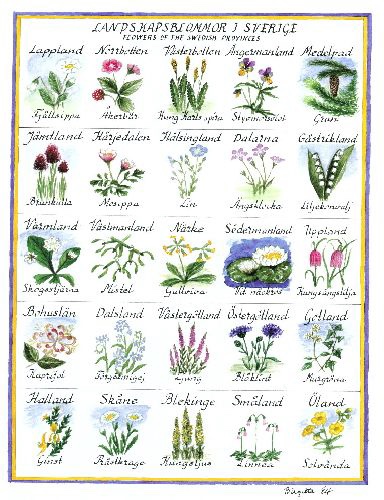
Swedish Province flowers

Since 1908, each of Sweden’s 25 provinces (landskap) has its own animal, coat of arms, flag and flower to define its identity.

Stockholm, for example, is on the border of two provinces – Uppland and Södermanland. The flower of Uppland is the beautiful ‘kungsängslilja’ (snake’s head fritillary). Södermanland has the floating ‘vit näkros’ (white water lily).

Other official provincial flowers include heather, daisy, honeysuckle, forget-me-not, lily of the valley, cowslip and, interestingly in Blekinge, they have the English oak.

Some provinces have been in disagreement for over 100 years on which flower to settle on – so they have two. To see the full list, go to the following link: http://www.ugglemor1.se/Hembygd/sweden-flowers.htm or https://swedesinthestates.com/swedens-provincial-flowers/

In 2021, Sweden’s new national flower was chosen in a public vote. The winner? The colourful and ubiquitous harebell, also known as the small bluebell (in Swedish Blåklocka’.)

I’m from County Durham in the UK, where we have the vivid spring gentian as our county flower. The UK national flower is, since the 1400’s, the Tudor rose.

What’s the national or provincial/county flower where you come from?

The Finnish island where everyone speaks Swedish

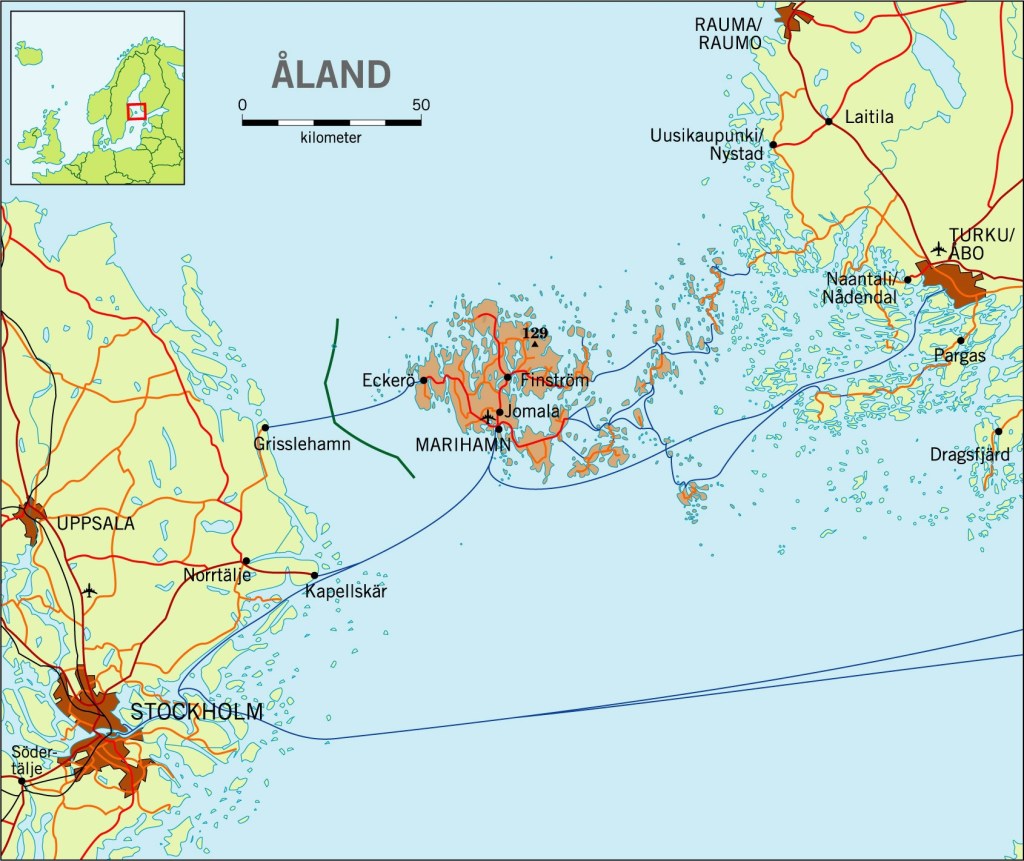
I am currently on an island in the Baltic Sea, at the mouth of the Bay of Bothnia. It is a Finnish island called Åland. The island is about 170 km from Stockholm and 160 km from Åbo in Finland. Åland consists of Fasta Åland on which 90% of the population resides and about 6,500 skerries and islands, of which 60–80 are inhabited. The capital city, where I am, is called Mariehamn where around 15,000 people live.

So how come the official language of Åland is Swedish?

The island was originally a part of the Swedish Empire, but has also belonged to Russia, France, Germany and Sweden again, before becoming a part of Finland. After much conflict, the League of Nations decided in 1920 that, although belonging to Finland, the island would be independent and self-governing. By law, Åland is politically neutral and entirely demilitarised, and residents are exempt from conscription. Åland was granted extensive autonomy by new legislation of the same name in 1951 and 1991. Åland remains exclusively Swedish-speaking by this act.

Speaking to the locals, the accent sounds like an interesting blend of Swedish, Finnish and Gotlandic (another Baltic island).

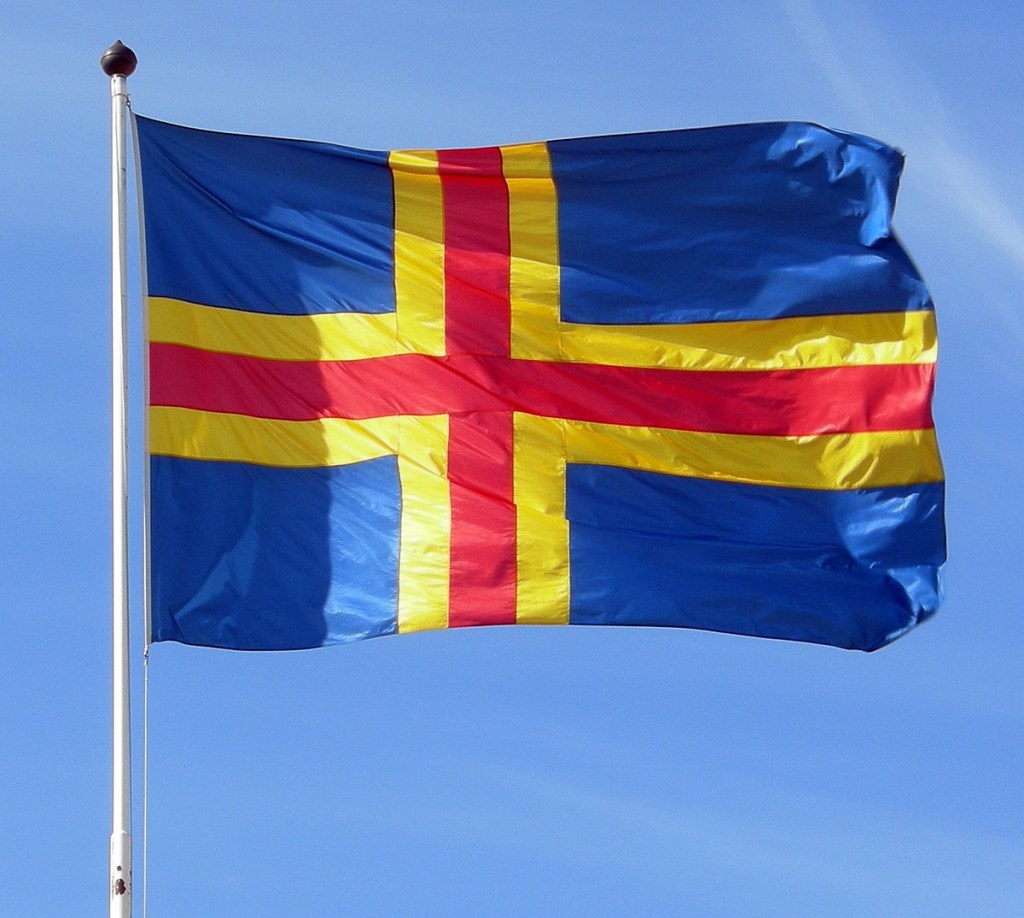
Åland, as an autonomous region, has its own parliament, police force, bank, postal service and flag. It is also a tax-free zone, and is a daily stopping point for ferries from Sweden and Finland where passengers are able to buy duty-free alcohol, tobacco and other goods. In fact, about 2 million people a year visit Åland, but usually only to switch boats. I have to confess this has been the way for me also. This trip is the first time I’ve actually ventured into the town and further onto this beautiful island.

Where Swedish names originate

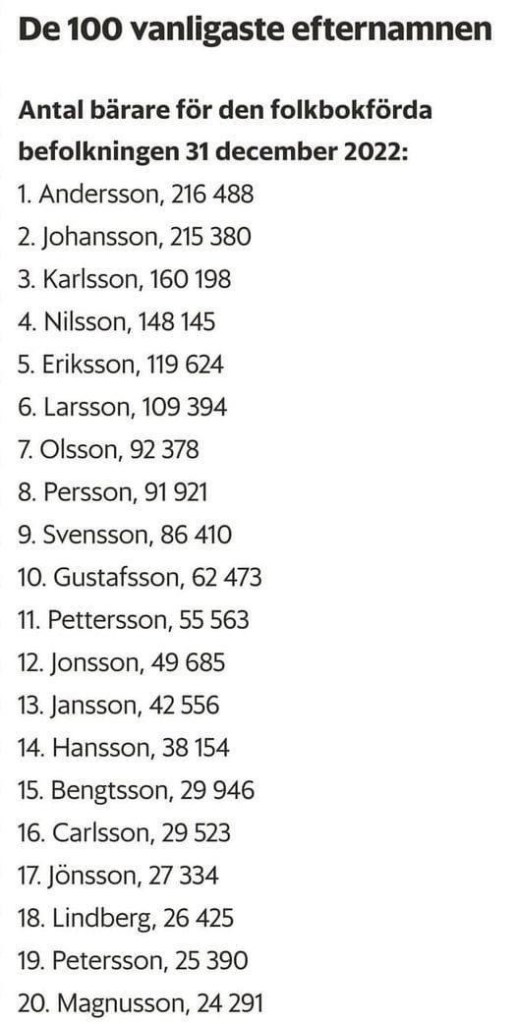
19 of the top 20 surnames in Sweden end with ‘son’. Where does this name come from?

Over 120 years ago, most Swedish surnames were patronymic – a surname formed by adding -son to someone’s father’s name, and it means “son of.” Someone named Fredrik Andersson, for instance, was Fredrik, son of Anders. This type of name was also sometimes created with the addition of the suffix -dottir, or -dotter meaning daughter; someone named Selma Torsdotter would have been Selma, the daughter of Tor. However this is rare – due to the patriarchal structure of society at the time.

When laws eventually required all families in the various Scandinavian countries to decide on a heritable last name — one that would pass down intact instead of changing every generation — many families adopted a current name as their hereditary surname. This is known as a “frozen patronymic.”

Sweden passed the Names Adoption Act in 1901, requiring all citizens to have heritable surnames that are passed down to each generation.

Most people took a patronymic surname to pass down, and as we see, patronymics are still the most common Swedish names.

Some Swedish families took names referring to places or things in nature, such as Lindberg (lime mountain), Engström (meadow stream) or Blomqvist (flower twig).

Other Swedish surnames came from trades such as Åkerman (ploughman) or Möller (miller), or from the military such as Skold (shield) or Svärd (sword).

Another source of Swedish names up to about the 18th century were Latinized names, which were based on place of birth – such as Floderus (from Floda).

Many names today end with ‘ander’ – Wallander, Wikander, Nylander – this comes from the Greek word for ‘man’.