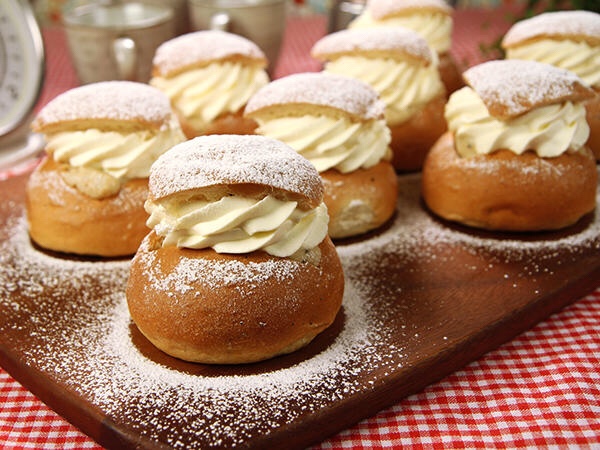
It’s Fatty Tuesday – Swedish style!

Today it’s ‘Fat Tuesday’ in Sweden, known as Shrove Tuesday or Mardi Gras around the world. While in the UK we eat pancakes and in Latin America they scoff down fried bread, Swedes celebrate by eating the traditional cream Lent bun – the ‘semla’. I’m also clearly going to indulge. In fact, my mouth is watering just writing this blog.

The semla is a creamy bun filled with delicious almond paste. They were eaten traditionally in Sweden to commemorate the start of Lent and the great Fast. In the south of Sweden, they still refer to them as ‘fastlagsbullar’ – Shrovetide buns. Nowadays however, semlas are usually sold anytime between Christmas and Easter.

I just love them. I could eat a barrel load. But I’d end up looking like a barrel if I did. I love the taste of them, and the feeling of luxurious indulgence. I also love the knowledge that as you take a bite into a creamy semla, you are biting into over 500 years’ history of Scandinavian baking.

The word ‘semla’ comes from the Latin ‘simila’ which means fine flour and originally referred just to the bun without any filling. As long ago as the 1500’s, bakers started to hollow out the middle of the bun and fill it with cream and butter. As ingredients became more available, bakers started adding almond and cardemon and the type of semla that we know today developed towards the end of the 1800’s. After rationing of sugar and dairy products ceased at the end of WW2, the semla took off and became very popular.

Nowadays the semla trend has reached new heights. Every year bakers around the country try to launch new types of semla, with their own spin on it -for example, the semla wrap, the semla burger, the semla layer cake, the semla cocktail, the chocolate semla, the vanilla semla, the lactose-free, gluten-free vegan semla.

All delicious I’m sure, but I’m a traditionalist in this matter. Give me a round fluffy cardemon-scented wheat bun brimming over with whipped cream and almond paste.

And give it to me NOOOOWWW!!!
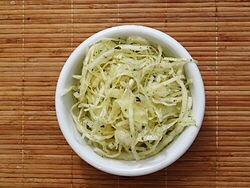
Swedish pizza – with cabbage! 


If you want a cultural food experience in Sweden – order a pizza. When you do, you will also experience a very strange bedfellow. In Sweden, pizza is served with complimentary salad, in both restaurants and take aways. This salad is called creatively –  ‘pizza salad’ and is made of cabbage. It is a kind of coleslaw with white wine vinegar, salt, pepper and oil. It’s fresh, crispy and a bit weird. 

This odd combination is as far as I know only offered in the Nordic countries and its origin is a bit unclear. One theory is that when the first pizzerias opened in Sweden, the traditional tomato salad wasn’t an option due to the climate in the winter. So, subsequently they decided to use a more available, local vegetable – the cabbage – inspired by the Croatian salad ‘kupus salata’. 

Whatever it’s origin, the pizza salad is so ingrained in the Swedish mentality, it’s become a cultural ‘classic’.  In fact, it’s hard to imagine a pizza without cabbage salad in Sweden. 

10 musts in Summer Stockholm 

Thinking of visiting Stockholm this summer? For me, Stockholm in the summer is very much about relaxing, sunbathing, swimming and enjoying good food and drinks. As a resident of over 20 years, here are my top ten musts. Enjoy!

1) The Southside of Söder. Take the underground to Skanstull and walk down to the water’s edge. Walk along the lakeside all the way to Hornstull. This is a favourite walk for Stockholmers, which takes you past boatyards, cosy cafes, cute allotments, beaches, bathing jetties and apartments.

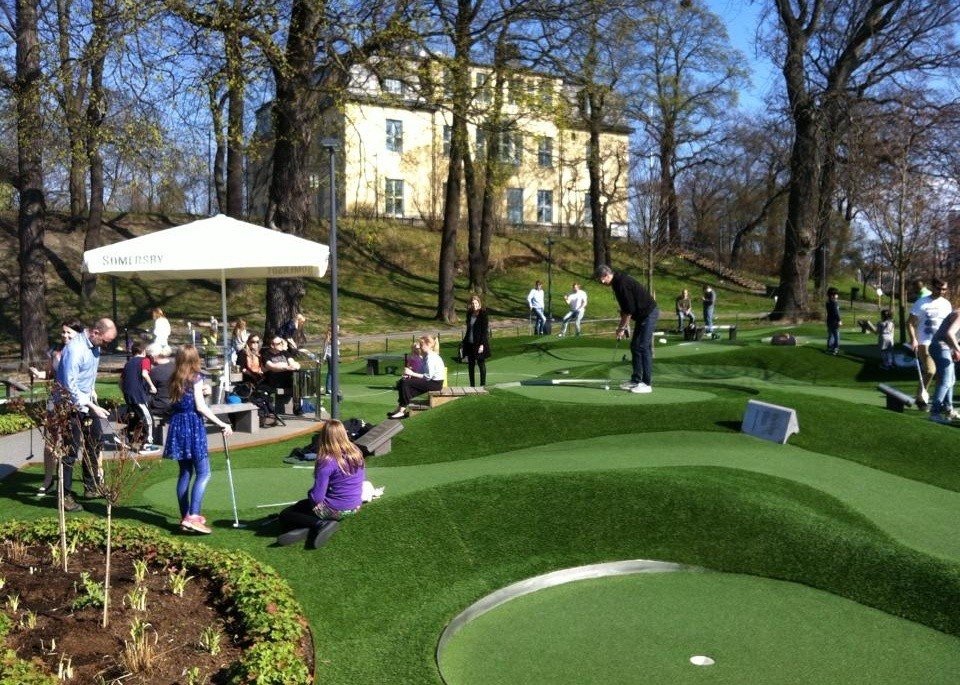
2) Golfbaren. Take the underground to Kristineberg and go to the mini golf course called Golfbaren. Practice your putting while drinking wine.

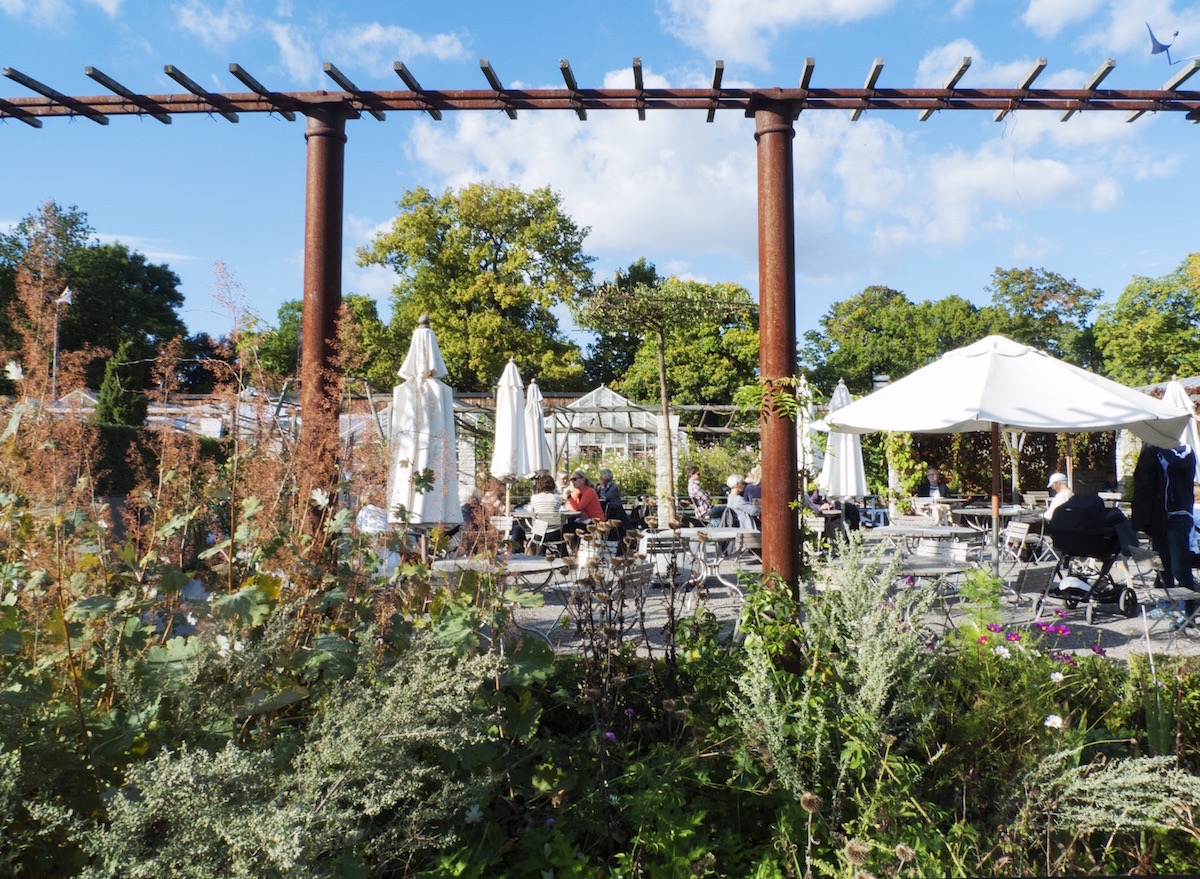
3) Djurgården. Stockholm’s museum island is well worth a visit. Full of parks, interesting museums, restaurants, beaches, a zoo, grand houses, a fairground, amongst other things. Lovely to visit specific places or just go for a walk. One tip is to head left after crossing the bridge and go to Rosenlunds nurseries and garden cafe.

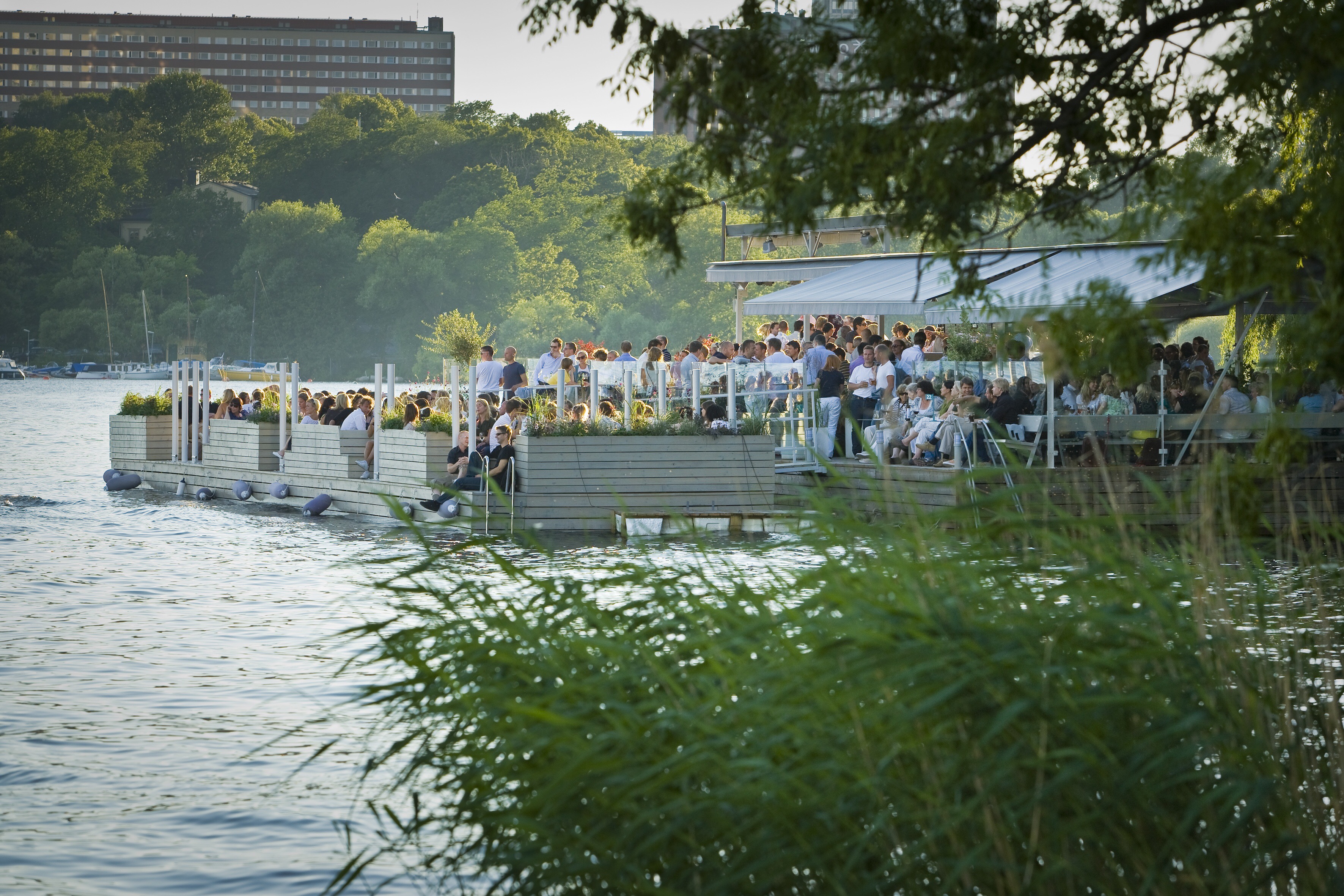
4) Mälarpaviljongen. On the water’s edge on the island of Kungsholmen, this is a floating bar lounge. It’s a Stockholm favourite with nice food, relaxing surroundings and cool house music. The pretty walk from Rålhomshovs park to the city hall goes past this venue. Reach by taking the underground to Rådhuset or Fridhemsplan.

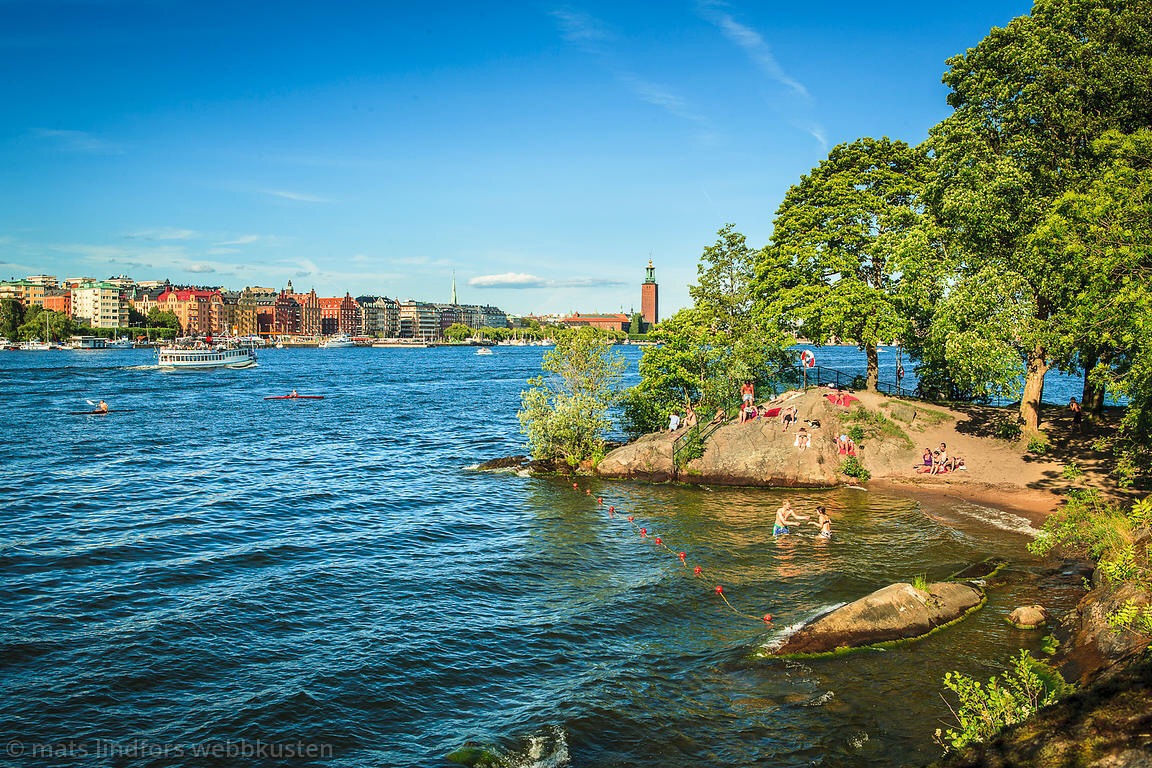
5) Långholmen prison island. Once housing a prison, this island is now a perfect place for a stroll and a bite to eat. It is also a great place for bathing from one of its many beaches and water access points. Also a walk from here over the large bridge, Västerbron, gives commanding views of the city. Reach Långholmen by taking the underground to Hornstull.

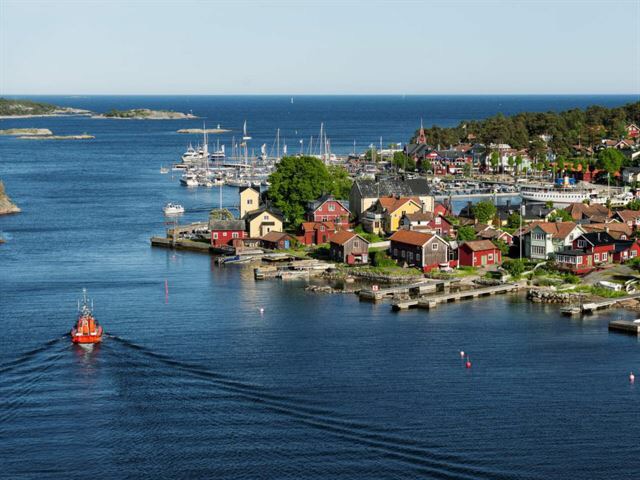
6) Stockholm Archipelago. Take a boat ride out to the archipelago. Amongst the thousands of islands, there are opportunities to disembark and eat, drink, sunbathe, swim and relax. If you don’t want to get off the boat, book a table at the boat’s restaurant and enjoy a great meal as the islands slip gracefully past.

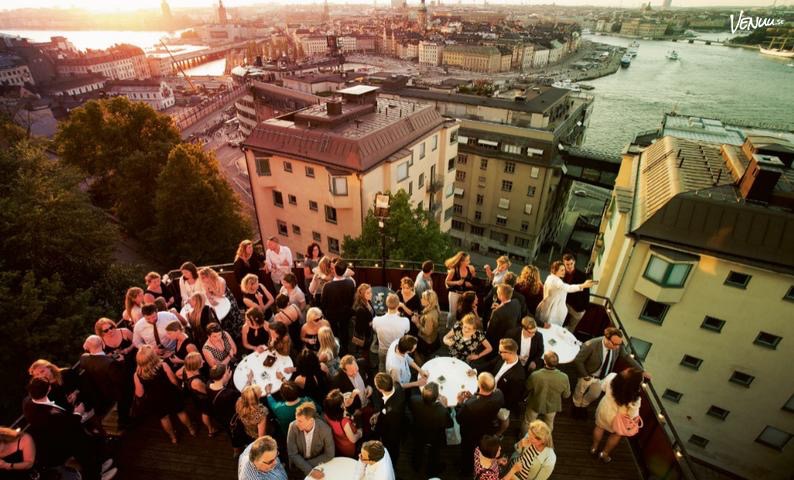
7) Champagne terrace. Take the underground to Slussen and walk up to Söder Theater. At the top of the theatre there is a champagne bar with an amazing terrace and a spectacular view over the whole of Stockholm. Stand here on a warm summer’s evening drinking in the sights.

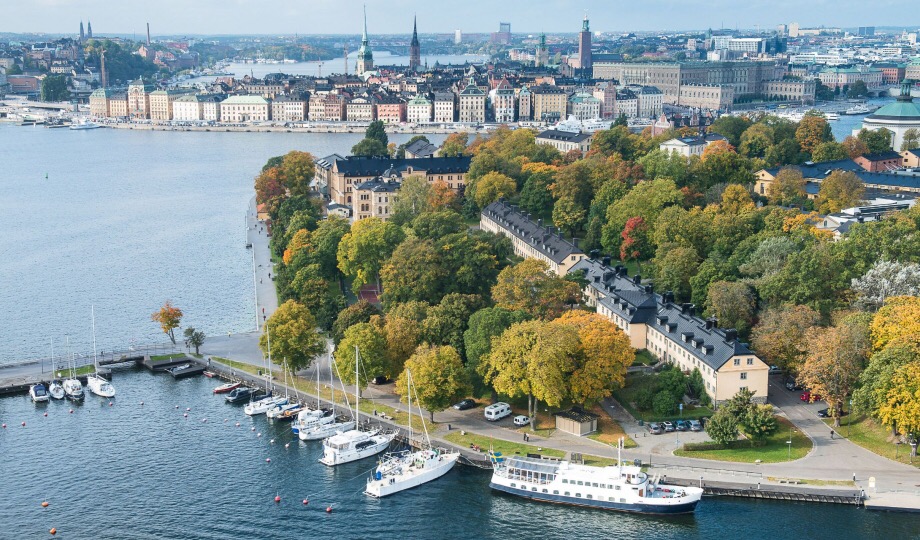
8) Skeppsholmen. In the middle of Stockholm harbour lies the island of Skeppsholmen. Perfect for a walk by the water’s edge or bathing and eating. The island also houses various museums, including the Modern Museum. The terrace of Skeppsholmens hotel is very relaxing for a glass of rose wine.

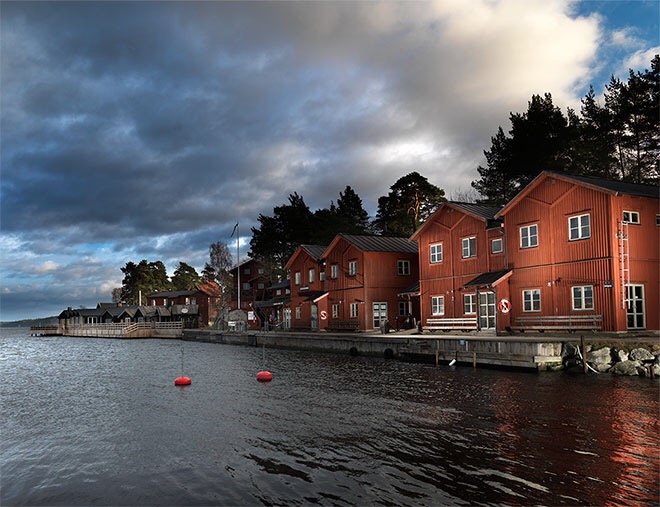
9) Fjäderholmarna. Take a 20 minute boat ride from Slussen to the islands of Fjäderholmarna. Swim, sunbathe and enjoy something to eat and drink. A ‘day trip’ that doesn’t feel like it’s miles away.

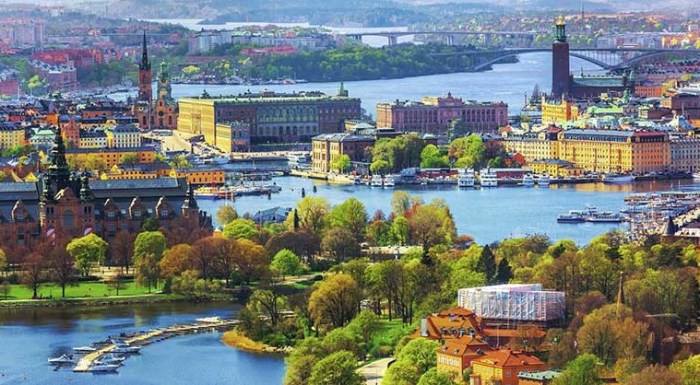
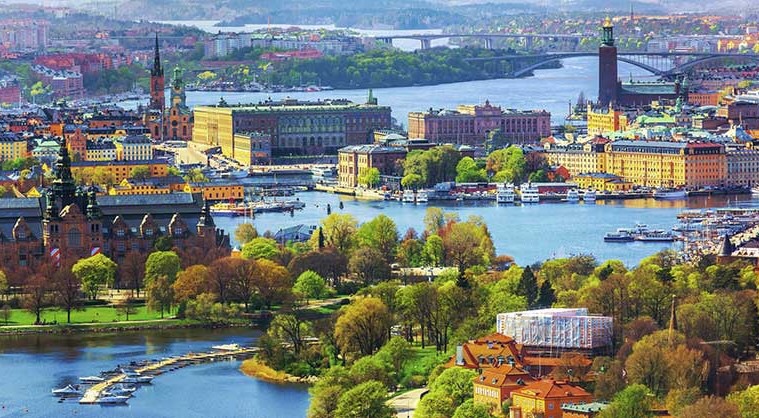
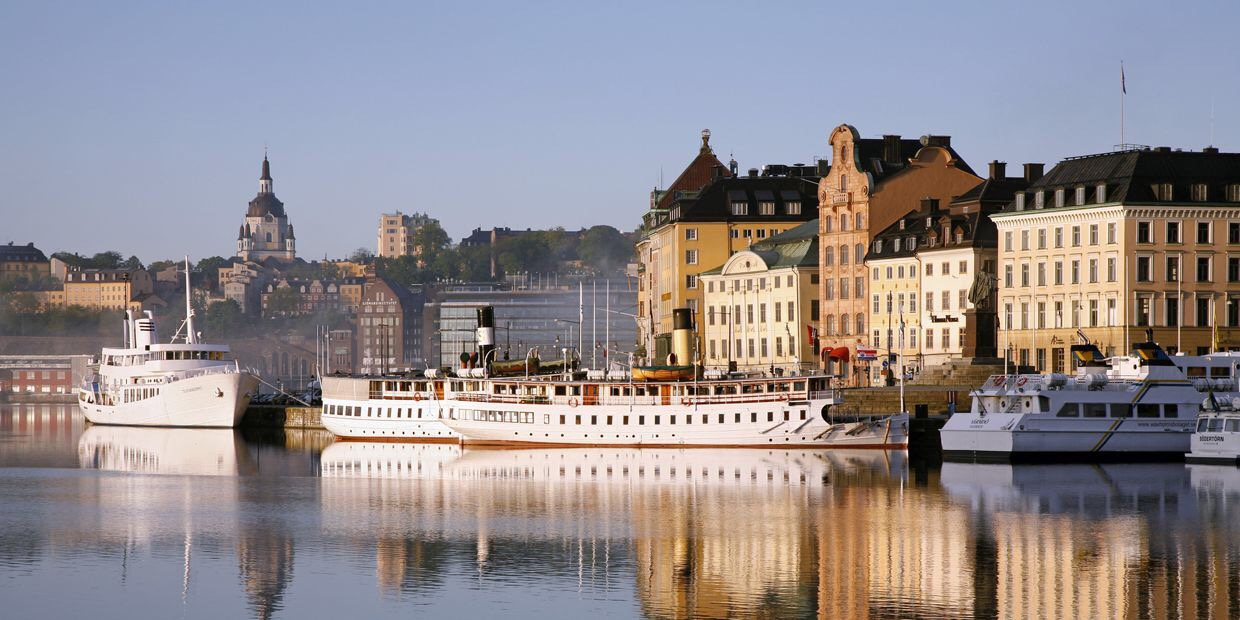
10) Gamla Stan. If staying urban is your thing, then head for the Old Town. Full of shops, eateries, historic buildings, narrow alleyways, this part of town still has its fair share of sun traps and access to water. Restaurants on the harbour side have lovely views over the water and the city’s boat life.

10 musts in Summer Stockholm 

Thinking of visiting Stockholm this summer? For me, Stockholm in the summer is very much about relaxing, sunbathing, swimming and enjoying good food and drinks. As a resident of over 20 years, here are my top ten musts. Enjoy!

1) The Southside of Söder. Take the underground to Skanstull and walk down to the water’s edge. Walk along the lakeside all the way to Hornstull. This is a favourite walk for Stockholmers, which takes you past boatyards, cosy cafes, cute allotments, beaches, bathing jetties and apartments.

2) Golfbaren. Take the underground to Kristineberg and go to the mini golf course called Golfbaren. Practice your putting while drinking wine.

3) Djurgården. Stockholm’s museum island is well worth a visit. Full of parks, interesting museums, restaurants, beaches, a zoo, grand houses, a fairground, amongst other things. Lovely to visit specific places or just go for a walk. One tip is to head left after crossing the bridge and go to Rosenlunds nurseries and garden cafe.

4) Mälarpaviljongen. On the water’s edge on the island of Kungsholmen, this is a floating bar lounge. It’s a Stockholm favourite with nice food, relaxing surroundings and cool house music. The pretty walk from Rålhomshovs park to the city hall goes past this venue. Reach by taking the underground to Rådhuset or Fridhemsplan.

5) Långholmen prison island. Once housing a prison, this island is now a perfect place for a stroll and a bite to eat. It is also a great place for bathing from one of its many beaches and water access points. Also a walk from here over the large bridge, Västerbron, gives commanding views of the city. Reach Långholmen by taking the underground to Hornstull.

6) Stockholm Archipelago. Take a boat ride out to the archipelago. Amongst the thousands of islands, there are opportunities to disembark and eat, drink, sunbathe, swim and relax. If you don’t want to get off the boat, book a table at the boat’s restaurant and enjoy a great meal as the islands slip gracefully past.

7) Champagne terrace. Take the underground to Slussen and walk up to Söder Theater. At the top of the theatre there is a champagne bar with an amazing terrace and a spectacular view over the whole of Stockholm. Stand here on a warm summer’s evening drinking in the sights.

8) Skeppsholmen. In the middle of Stockholm harbour lies the island of Skeppsholmen. Perfect for a walk by the water’s edge or bathing and eating. The island also houses various museums, including the Modern Museum. The terrace of Skeppsholmens hotel is very relaxing for a glass of rose wine.

9) Fjäderholmarna. Take a 20 minute boat ride from Slussen to the islands of Fjäderholmarna. Swim, sunbathe and enjoy something to eat and drink. A ‘day trip’ that doesn’t feel like it’s miles away.

10) Gamla Stan. If staying urban is your thing, then head for the Old Town. Full of shops, eateries, historic buildings, narrow alleyways, this part of town still has its fair share of sun traps and access to water. Restaurants on the harbour side have lovely views over the water and the city’s boat life.

What is Sweden’s National Dish?

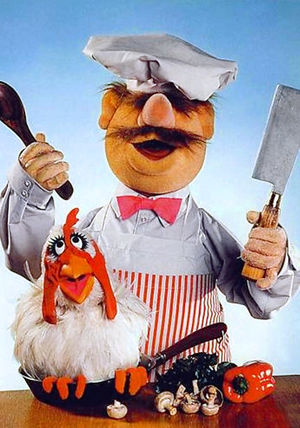
swedishchef

If you’ve ever wondered what Sweden’s National Dish is, now is the time to take part in a competition hosted by radio station P3. So far, the folowwing have been eliminated: falafel, swede, ‘plankstek’ (literally steak on a plank) and ‘palt’ (dumplings).

What is left to vote for are the following:

  • ‘Smörgåstårta’ (sandwich cake) versus ‘Sill och potatis’ (pickled herring and boiled potatoes)
  • ‘Köttbullar’ (meatballs) versus ‘Blodpudding’ (black pudding)
  • ‘Tacos’ versus ‘Falukorv med makaroner´ (sausage with macaroni)
  • ‘Kebabpizza’ versus ‘varmkorv’ (hot dog)

If you’d like to vote, here’s the link: VoteforSwedenNationalDish

So, what do you think? What is Sweden’s National Dish?

Don’t choke on the almond

And so it is Christmas. Like many places around the world, Sweden celebrates on Christmas Eve. Festivities throughout the day include eating the Christmas ham, receiving a visit from Santa, opening presents, drinking, playing board games and eating more. 

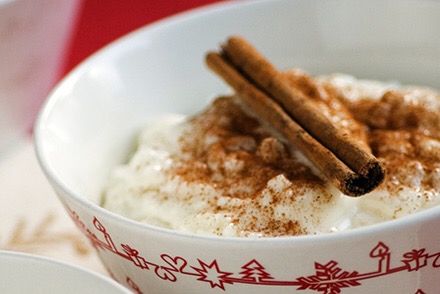
But the day usually kicks off with a steaming bowl of rice porridge. This delightful dish is made of rice, milk, sugar and cinnamon. Deep inside the porridge, there is often an almond. Presuming you don’t choke on it, if you find the almond it means you will be married during the following year. In the south of Sweden, and in Denmark, Norway and Iceland, the person finding the almond receives a gift. During the 1920’s it became trendy in Sweden to replace the almond with a ‘porridge doll’ made of porcelain and hide that in the porridge instead. 

Really superstitious people will even leave a bowl of porridge outside tonight to appease the house gnome who, according to legend, can make your cows dry up if he’s pissed off. 

But hopefully nobody should be pissed off on a day like today. And with family and friends gathered around a twinkling Christmas tree, a bowl of steaming hot rice porridge is a great way to kick off a lovely day. 


Swedes ban rice

  
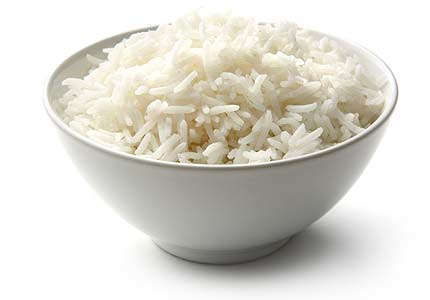
Just when you thought it safe to go back into the kitchen, the Swedish Food Health and Safety Board announced today that rice is killing us. This white staple apparently has the deadly chemical arsenic in it. 

People who eat rice more than four times a week are strongly advised to cut back and parents who reach for the convenient rice cake to appease their children should stop it immediately. 

While I’m sure this is thoroughly well-founded, it’s a bit hard to take seriously as over the years we’ve been warned about eating most foodstuffs in one way or another. 

From a global perspective, to the east of us, there are entire nations who build their cuisine on rice. And to my, granted limited, knowledge, I don’t believe arsenic poisoning is the biggest cause of death there. 

Stockholm A-Z: eXpat community

IMG_4412.JPG

There are thousands of expats living in Stockholm from a variety of countries. Seduced by the allure of the city and its inhabitants many decide to stay after initially intending to love here for only a short while. As expat life can feel isolating sometimes, there are many expat organisations and clubs catering to the needs of this group such as http://www.internations.org, http://www.meetup.com/stockholmexpat and the American Women’s Club.

And then there’s the pubs. One pub where you will typically find an expat crowd from Europe and English-speaking countries is The Tudor Arms in Östermalm. Founded in 1969, this pub won the 2009 Best English Pub in the World competition run by the UK’s Daily Telegraph newspaper for its genuine atmosphere, entertainment and pub grub.

On Södermalm, a popular joint is the Southside Irish Pub with its live music and pub quiz nights. Not far from here are the Oliver Twist, the Bishop’s Arms and Accurat – other pubs popular with British expats.

Many club nights are also arranged in Stockholm which attract people from for example South America and African countries.

Speciality food shops exist throughout Stockholm to appeal to the expat crowd and interested Swedes. Asian supermarkets in the Hötorget area are a good example, and the British sausage has had a renaissance via Taylor’s and Jones butchers on Kungsholmen. In the suburbs of Tensta, Skärholmen and Rinkeby great foods shops selling international produce can be found.

To tune into expat life in Stockholm, visit the Expat’s very own newspaper http://www.thelocal.se

Come dine with me, my place 7.30

ImageImage

As a Brit, I sometimes experience differences between myselves and Swedes. But this has never been more apparent than in the two TV cooking shows ‘Come Dine with Me’ in English and its equivalent Swedish program *Halv åtta hos mig’ (My place, 7.30).

Watching these two shows, many differences are obvious. The shows shine a very clear light on the differences between the UK and Sweden. The shows have the same format and are part of the same franchised concept, but cultural differences make them into two totally different programs.

The educationally entertaining Swedish program has the following:

  1. A focus on the food and the interesting recipes
  2. Polite, if somewhat stilted conversation, mostly about the food
  3. A female narrator that is slighty, but not too, sarcastic
  4. Participants who are friendly and polite and seem to have things in common with each other
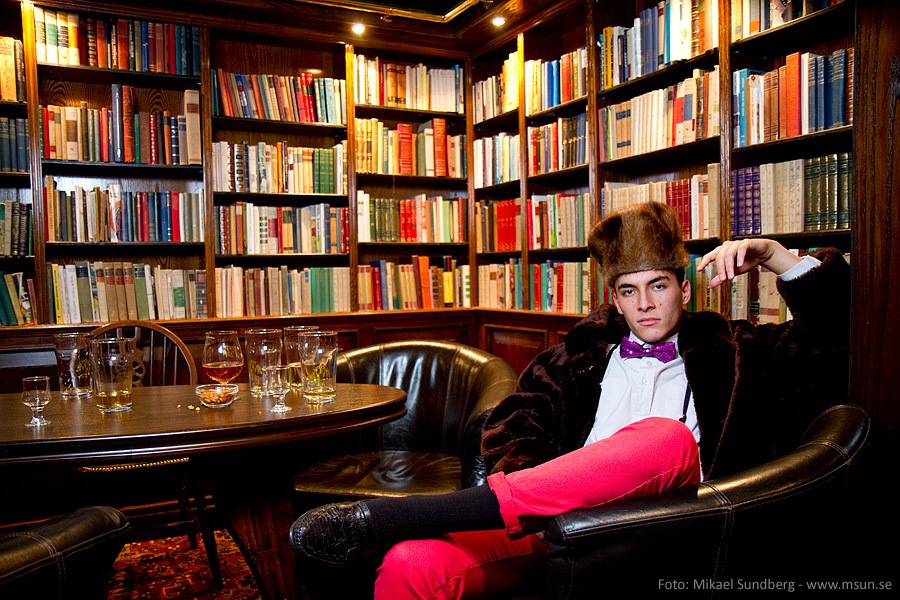
  5. Participants ‘dressed up’ very nicely for the occasion
  6. Homes that are Nordically cool, clean and well-organized
  7. Carefully selected wine for the dinner, and not too much alcohol so that participants can focus on the food

The hysterical British version has the following:

  1. A focus on getting drunk and arguing with each other, the food is secondary
  2. Confrontational, loud conversation (as people are drunk) about all subjects under the sun, often toilets and sex and very little about the food
  3. A male narrator that is a complete bitch about the contestants and personally attacks the participants’ appearance
  4. Participants who have been cast for the show as they are complete opposites, very opinionated and at each others’ throats from the very first evening
  5. Participants often wearing themed fancy dress, such as prostitutes, Alice in Wonderland, disco, bling, pirates, gangsters. Often lots of short skirts and cleavage.
  6. Homes that are quirky at best, and unhygenic at worst
  7. Wine, wine, wine, vodka, gin, wine, wine, wine

Now what cultural conclusions can we draw about the Swedes and the Brits from these differences?

If you liked this blog, please share it!