Provocative Swedish artist is killed

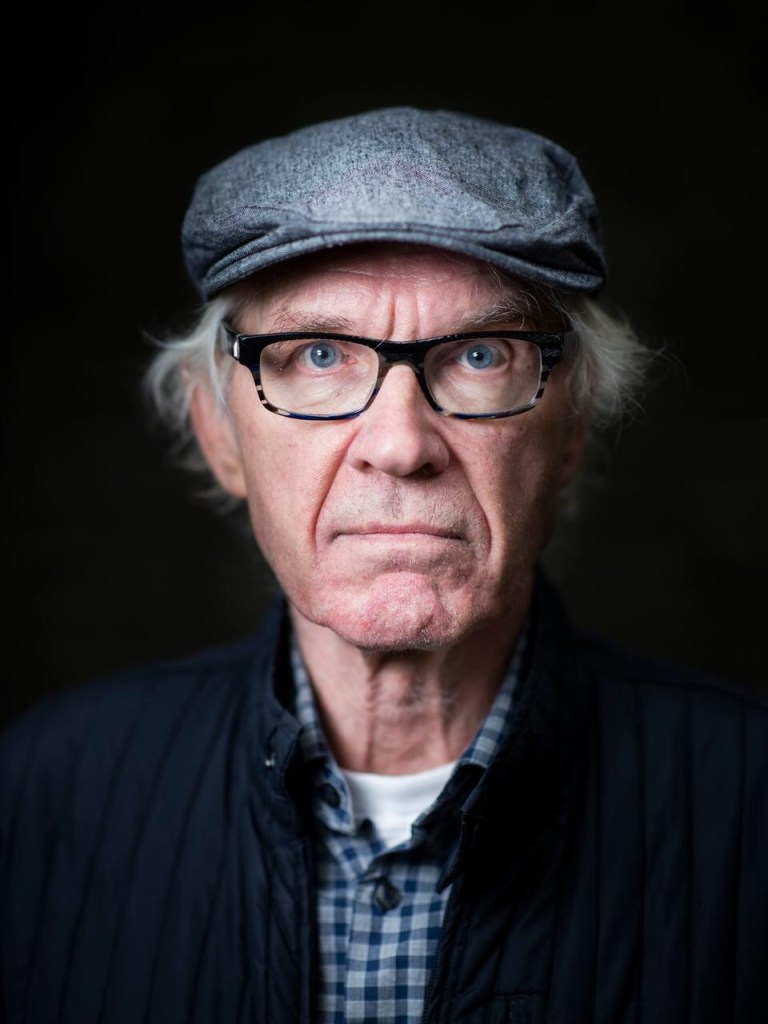
On Sunday, Lars Vilks, a controversial Swedish artist was killed in a car crash on a motorway in Sweden. Police are investigating the death for suspicious circumstances. It seems as if a tire exploded causing his car to break the central barrier and crash head on into an oncoming lorry. In the vehicle with him were two policemen – his protection.

Lars Vilks had 24-hour police protection as he was living under a fatwa issued by al Qaida. The price on his head was 100,000 USD and an extra 150, 000 if the perpetrator slit his throat.

The fatwa was a response to a series of drawings that Lars Vilks produced in 2007 in a local art show. His pictures depicted the prophet Muhammad, something that is considered blasphemous in anti-iconic Islamic tradition. To create double impact, Vilks depicted the prophet as a so-called ‘roundabout dog’ – a type of street art in Sweden. Depicting the prophet as a dog was deemed extra offensive. It caused such a local and international response that some newspapers in Sweden printed some of his drawings in articles about freedom of speech – causing even more fury.

The whole Lars Vilks case generated huge debate around issues of freedom of speech, respect, art, censorship, religious influence and terror. Throughout the years, he was the victim of many attacks and murder attempts, including bombing and arson.

The catalyst for Vilks’ work was the ‘Jyllands-Posten Muhammad cartoons controversy’ which began after the Danish newspaper Jyllands-Posten published 12 editorial cartoons in 2005. Most of the pictures showed Muhammad. The newspaper announced that this was a debate about criticism of Islam and self-censorship. Muslim groups in Denmark complained, and the issue eventually led to protests around the world, including violent demonstrations, deaths and riots in some Muslim countries.

Vilks saw the specific response to his cartoons as part of the artwork itself. All of the consequences, all the reactions, all of the outrage and all of the violence was an integral part of the art, and a political comment. By that definition, even this blog has become a part of the artwork.

One can, however, wonder if he thought it was worth it in the end.

Lars Vilks was 75 when he died, and he produced a great deal of other work during the decades. He was always conceptual and often controversial and the debate he contributed to will continue long after his death.

Swedish attitudes to birth control

Today, 26 September, is World Contraception Day, which hopes to spread the word and raise awareness about contraception and safe sex. The aim is to help each new generation of adults make informed decisions until every pregnancy in the world is a planned one.

Contraception is Sweden is widely accepted, as there is little or no religious or social stigma around the subject of birth control. Over 90% of women have used some form of contraception in their life time. Common forms of ‘female’ birth control are the pill, the coil and hormone rings. The condom is also very commonly used.

Like in many other countries, the pill was seen as a vehicle for sexual liberation of women in the 1960’s. However, today, it is used less frequently in Sweden than in other neighboring countries as emphasis has been placed more on its negative side effects. Approximately one third of women in Sweden regularly use this type of contraception.

Contraceptive counseling is free in Sweden, although contraceptives themselves are not. You need a prescription, except for condoms and emergency contraception, such as the morning after pill, which are sold over the counter.

Controlling unwanted childbirth has been successful in Sweden, although there is still work to be done. According to the Swedish Statistics Center, 512 children were born to teenage mothers in 2020. Compare this to 6,198 children born to the same age group in 1973.

The Swedish priest who refuses to marry heterosexuals


Swedish priest, Lars Gårdefeldt, is taking a stand against discrimination in the Swedish church. Since 2009, same sex couples have been legally allowed to marry within the relatively-liberal Church of Sweden.

However, there is a loophole. Priests are not obliged to marry a couple if they have conscientious objections to the union. Under this rule, clergy can turn away same-sex couples if they are morally opposed.

Lars Gårdefeldt sees this as bigoted and discriminatory. In response, he is refusing to marry opposite-sex couples. He says that if some priests can turn away same-sex couples, then he, by the same reasoning, can turn away heterosexuals.

He is regretful that he needs to carry out this action, but he wants to highlight the reprehensibility of the situation. He believes the only way forward is that the loophole is removed and that the Church of Sweden does not recruit anti-gay priests in the future.

On social media, Lars Gårdefeldt has been met by positive comments and a fair amount of criticism. Some of the negative comments, unsurprisingly, are hateful and extremely offensive.

Heterosexuals who feel violated by his decision are experiencing exclusion for perhaps the first time. Maybe, if they could take a step back from their own outrage, and reflect on how that feels, they could use this experience to understand what it is like to be on the receiving end of discrimination. Maybe they can empathize with minority groups who have to navigate discrimination their entire lives.

To quote Lars Gårdefeldt, maybe they could actually realise ’the absurdity of refusing marriage to two consulting adults.’

After snaps cometh headache

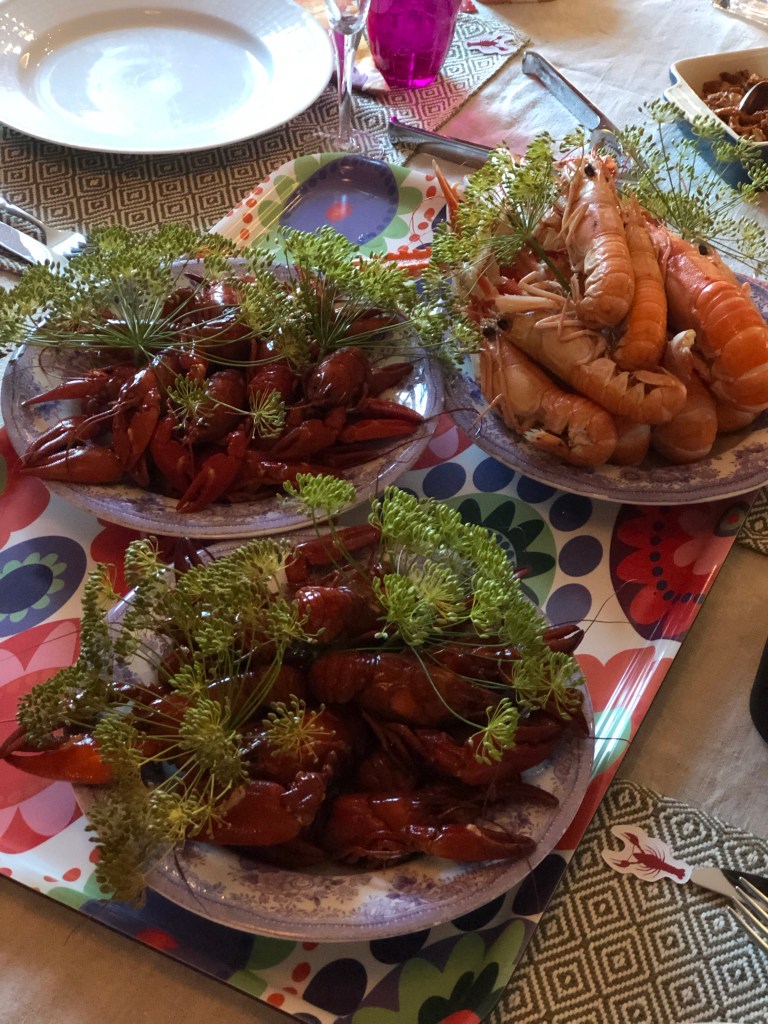
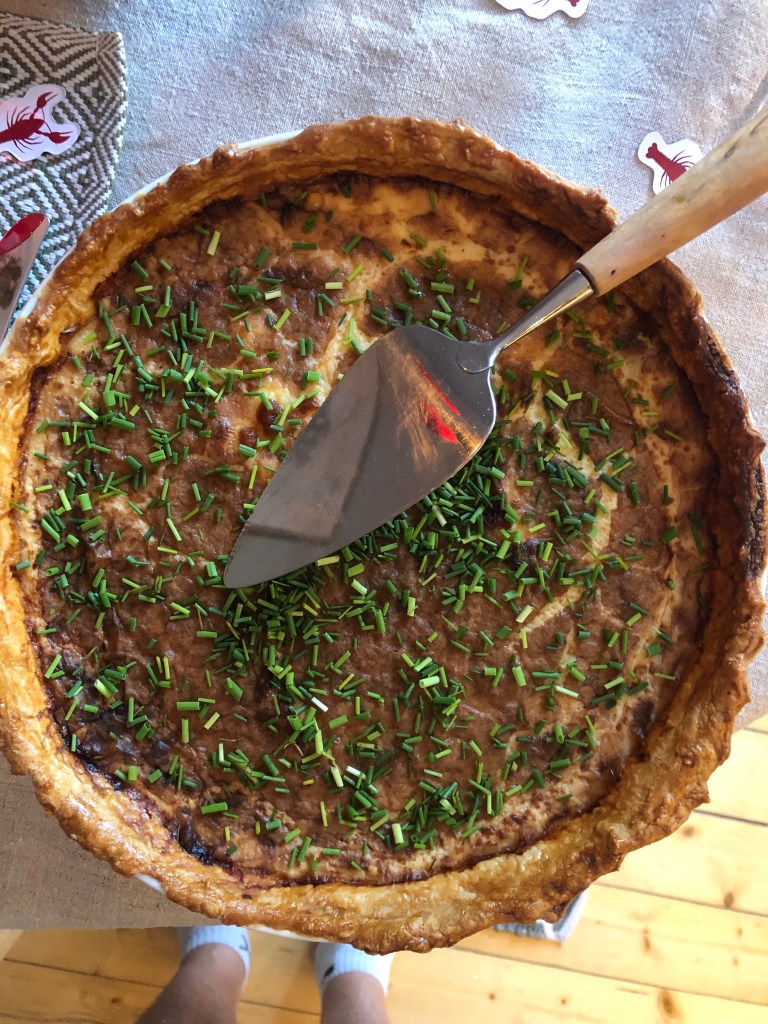
This time of the year is the traditional crayfish party in Sweden. These small red crustaceans are usually eaten with Västerbottens cheese pie. Of course, crayfish parties don’t have to involve alcohol, but the traditional approach is to wash it all down with copious amounts of snaps and beer.

Throughout the years, I’ve been to my fair share of crayfish parties. I was at one last night. The bon ami, the snaps songs, the silly paper hats and the noisy, messy slurping make it, for me, one of the best festivities in the Swedish calendar.

One thing is certain though. The day after a crayfish party, one feels a little….delicate. After snaps cometh headache.

A snaps is a small glass of ‘burnt wine’ – or brännvin in Swedish. Brännvin is a spirit distilled from potatoes or grain with a high alcohol contented at least 37.5%. So it is not the same as a shot! It can be plain and colourless, or flavoured with herbs and spices. Brännvin includes vodka and akvavit, but akvavit is always flavoured with caraway and dill.

Brännvin has been in Sweden since around the late 1400’s and is an integral part of Swedish custom. It has been given many different names throughout history. Some synonyms are: ‘eldvatten’ (fire water), ‘jodlarsaft’ (yodel juice), ‘hojtarolja’ (shouting oil), ‘polarvätska’ (polar liquid), and ’spånken’ (originating in the Latin and Greek word for mushroom – spongia).

If you’re ever here, you should try it. But take it carefully!

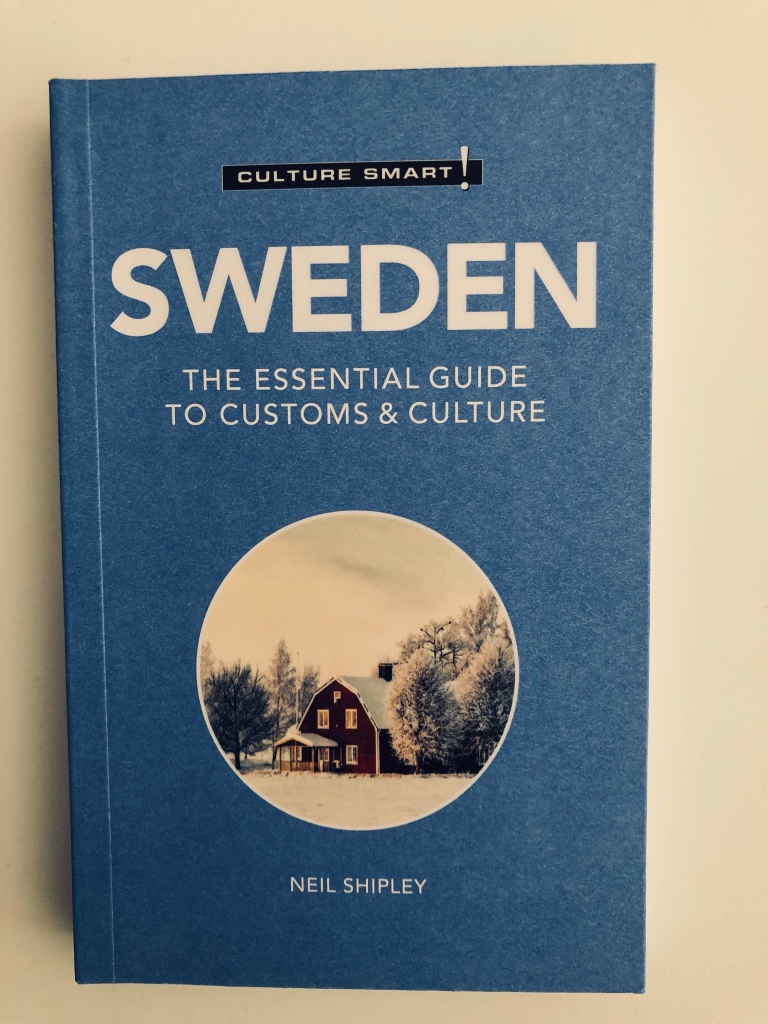
My Essential Guide to Sweden

In 2020, I was approached by the publishers behind the respected Culture Smart series to see if I would write a book about Swedish culture. I accepted and, finally, it is here! I am proud to join their staff of authors! Available soon to buy on Amazon, or via me. Just pm me if you’d like a copy. Today’s a good day!!!

The immigrant as burden. A Swedish masterclass in scapegoating.

The leader of the Swedish Moderate party aims to win the next election. To do this, he is taking further steps to the right to appeal to the conservative and nationalistic trend that is currently sweeping the country. It is his only way to grab the power he so desperately craves. This little man, with big ambition. In his most recent speech, he said that ‘immigration has become a burden for Sweden’.

What he really means is that immigrants have become a burden. Human beings. He isn’t talking about immigrants like his three adopted daughters from China. Oh no, they are raised as ‘proper Swedes’.

He isn’t either talking about white, privileged European immigrants like myself. Oh no, he’s referring to dark-skinned people, many who have had to fight for their survival, and who come to this country with nothing. According to him, it is these people of colour that are dragging the country down.

That is what he means. Make no mistake.

Racism, nationalism and fear are rapidly on the rise in Sweden, fueled by the lies of politicians like this man. His facts are wrong and his rhetoric exaggerated. Immigration is actually at an all time low in Sweden. The country currently has the strictest immigration laws it has ever had. But still this man and these ideas are gaining traction.

His party, and his right-wing lackies, supported by the media, have succeeded in associating Sweden’s current ills with immigrants: economic imbalance, crime, security. ‘Immigrant as criminal’ is not a new argument, it is a successful argument that echoes from our not-so-distant European history. It doesn’t seem to matter that it’s misleading and incorrect.

We humans seem to always want a scapegoat. This concept comes from the Bible’s Leviticus, in which a goat is designated to be cast out into the desert to carry away the sins of the community. Scapegoating can be traced as far back as the 24th century BC. We think we are so advanced in Sweden but we are not. We still fall for the lies of charismatic politicians and we still look for easy scapegoats. Blaming all the immigrants is the predictable option. A casebook example.

On Facebook, there is a group called ‘Nysvenskar i Sverige’ (New Swedes in Sweden). I urge you to join it. It is a refreshing counterbalance to the veiled xenophobia in main stream media and politics. The group is full of people who have moved to Sweden and who are telling their stories. Each person demonstrates how they are an asset to this country, and far from a burden on society. They work, they pay taxes to the Swedish state and they contribute. They end their texts with ‘I am not a burden’.

There are also Swedish-born people in the group. One person called Anna writes this:

I am plus 40 and was born in Sweden to Swedish parents. I have previously been unemployed for 6 months, I have been on sick leave due to cancer, several times. I have used the health care system to its max. I have three kids, all in state subsidized school. We receive parental benefit. Need I go on? NO!

I do not have to prove that I am a burden on society. Why should I also have to prove I am an asset? No. A handful of people have the need to call people a burden. We are ALL a ‘burden’ more than once in our lives. It is the blend of everything that makes us people. Nationality has nothing to do with how you are as a human. Those who think otherwise should educate themselves and go out into the world. Sincerely, A Human. Who happened to be born in Sweden.

I couldn’t have said it better myself.

Please share this post. Please join the FB group. Please make your voice heard.

Swedish Americans and American Swedes

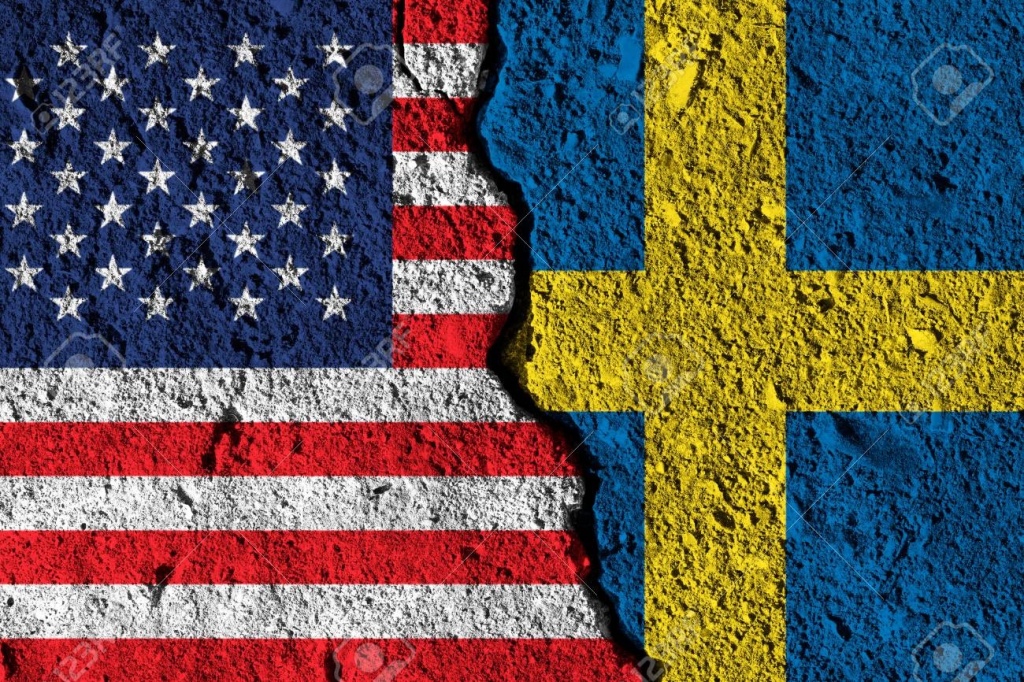
Happy 4th July – Independence Day in the USA! Since 1776, Americans have been celebrating this day as the day they gained independence from Great Britain. Since 1938, it has been a paid public holiday. This got me thinking about the relationship between Sweden and the USA.

According to Statistics Sweden, there are approximately 49,000 American citizens living in Sweden. I know 6 of them – Lynn, Alex, Ruthie, Scott, Brian and Chris. The majority of Americans in Sweden live in the bigger cities of Stockholm and Gothenburg. There are various groups and societies to bring Americans together, such as the Swedish American Chamber of Commerce and The American Women’s Club.

Sweden and America have a long political relationship, with Sweden being the second country, after France, to officially acknowledge America’s independence in the 1700’s. Since then, the relationship has been smooth, with a couple of hiccups during the presidencies of Olof Palme and later Donald Trump. Today, the USA is Sweden’s third largest trade partner, and American-owned companies make up the largest number of foreign companies in Sweden.

Many Americans have family ties to Sweden due to the mass emigration of Swedes to the USA in 1885-1912. In fact, this is such a significant part of Sweden’s history that there is a tv program called ‘Allt för Sverige’ which helps Americans trace their Swedish Ancestry.

At the end of the 19th century 1.3 million Swedes fled famine and persecution in Sweden for a new life in the USA. This was a third of the population at the time. These Swedish Americans were mostly of Lutheran faith and settled primarily in the Mid West.

Prior to this, in 1638, the first Swedish settlers founded New Sweden, around Delaware. It only lasted 17 years before being absorbed into New Netherland and ceased to be a Swedish colony.

In 1639, Swedish settler Jonas Bronck settled a colony around the area of today’s New York. The settlement grew and flourished, and today is called The Bronx – after its original Swedish founder.

According the American Community survey, Swedish Americans and descendants make up around 2% of the US population today. Around 56,000 people still speak Swedish in their homes.

Some famous Americans of Swedish descent include: Emma Stone, Scarlet Johansson, Candice Bergen, Val Kilmer, Michelle Pfeiffer, Julia Roberts, Uma Thurman, Peggy Lee, Steven Soderbergh and George W Bush.

Not many Americans have reached such fame in Sweden, however. One is Don Cherry, the jazz musician from Oklahoma who fathered artists Neneh and Eagle Eye Cherry. Another is Armand Duplantis from Louisiana, the American-Swedish pole vaulting world champion. A third one is LaGaylia Frazier, a singer and tv personality from Miami.

Sex working in Sweden

Today, June 2, is International Sex Workers’ Day. It is celebrated today because on 2 June, 1975, 100 sex workers occupied the Sant-Nizier Church in Lyon, France to express anger about their exploitative living conditions and work culture. The Church was brutally raided by the police forces on 10 June. This action became a national movement and the day is now recognised in Europe and worldwide.

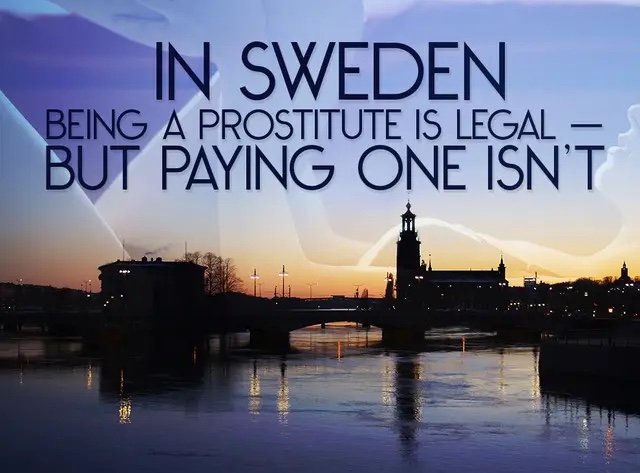
In 1999, Sweden was unique in the world with the introduction of a ‘Sex Purchase Act’. The act makes it illegal to purchase sex but not to sell it. Under this law, it is the customer that is the criminal but not the sex worker, who is considered to already be in a vulnerable position. The law is based on the principle that prostitution is an act of violence against women. The ‘Swedish Model’ has been duplicated and adapted in the other Scandinavian countries as well as Canada, Ireland and France.

The Swedish Sex Purchase Act stands as a complete opposite to the laws in Germany and the Netherlands where the purchasing of sex services is legalized. Proponents of the Swedish law would at this is why Germany and the Netherlands have become European hotspots for sex tourism and trafficking.

However, many organisations, including Amnesty International, WHO and Human Rights Watch oppose the Swedish model. They suggest instead that legalization improves the sex worker’s access to health care, their ability to report crime and ability to organize themselves in, for example, unions. They also claim that the sex worker is not always a victim of the situation and that the Swedish law forces them into risky behavior and contributes to their poverty.

Despite the criticism, the Swedish law stands strong and does not look like it will be changed anytime soon. It seems that most Swedes agree with the law, based on the belief that nobody has the right to buy another person’s body.

What do you think?

Swedish hits 7: Wake Me Up

Sweden is one of the world’s largest exporters of pop music and has a huge industry of songwriters and musicians. Today we look at the infectious dance hit Wake Me Up by legendary Swedish producer, songwriter and DJ – Avicii.

Written by Avicii et al, Wake Me Up was released in 2013 and was the highest charting dance track of the decade. It peaked at number 1 in 22 countries and was in the top 10 in many more. This thumping dance song was the first ever dance/electronic song to sell over 4 million copies in the USA. The vocals on the track are written and sung by American soul singer Aloe Blacc.

In 2014, the song passed 200 million streams on Spotify, making it the most streamed song ever at that time. To date, the song’s YouTube video has been watched almost 2 billion times!

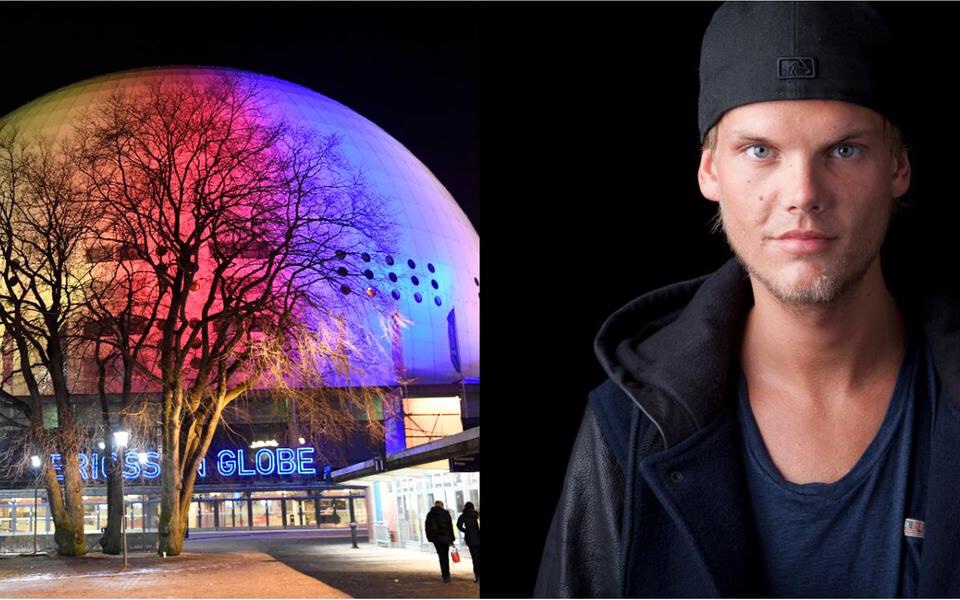
Avicii, whose real name was Tim Bergling suffered from depression and committed suicide in 2018. He left a legacy of many hit songs such as Hey Brother, Without You and Addicted to You. As such he is the fifth most successful artist from Sweden in terms of record sales.

In May 2021, Stockholm’s Globe Arena changed its name and is now officially called the Avicii Arena. This isn’t only a tribute to Avicii but also a symbol for an initiative that works to prevent mental illness among young people throughout the country. Avicii Arena will be the beacon of hope and meeting place for the initiative. Hopefully it will help to wake us all up.

Swedish icons 21: Lasse-Maja, a legendary criminal

In my local park, there is a little urban zoo where you can see goats, sheep, rabbits, hens and two portly pigs. The hog is called Lasse and the sow is called Maja. They are named after a man called Lasse-Maja – a legendary name in Swedish culture.

It struck me, however, that I’ve only really heard his name – I didn’t really know who he was. So I researched him. And I was met by a story that was fascinating and tragic in equal measure.

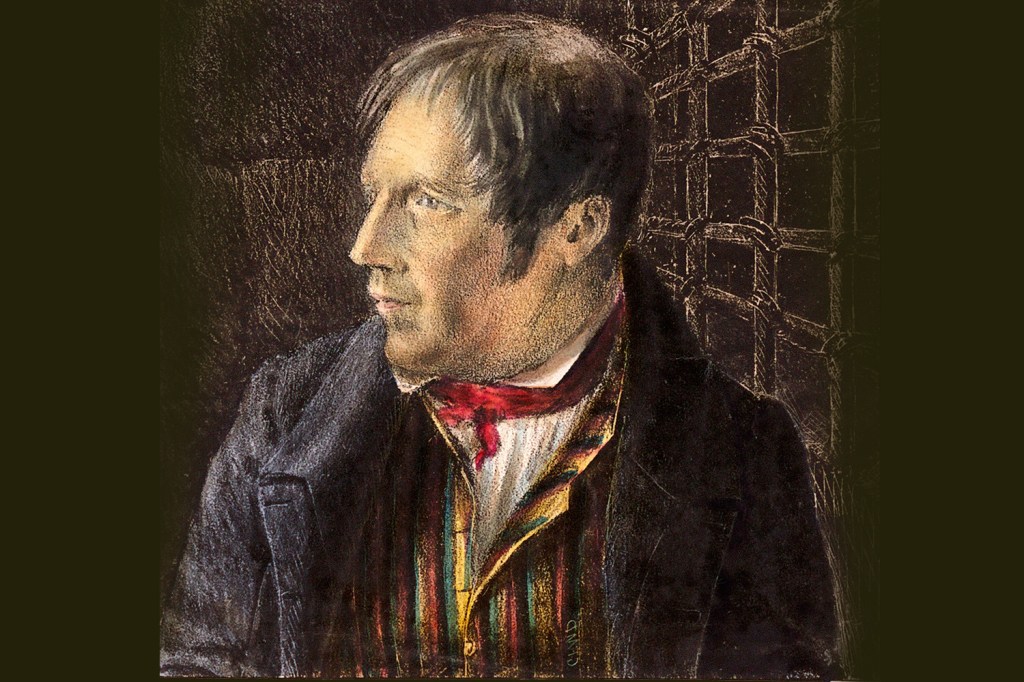
Lars Larsson, later Molin, was born in 1785, and went on to become one of Sweden’s most notorious criminals. He wrote a sensational autobiography about his escapades in 1833 and this book was extremely popular because it contained adventure and, not least, explicit sex scenes. It still continues to fascinate Swedes, with the latest publication coming out in 2016.

So, why the nickname Lasse-Maja? Lasse is a man’s name, and Maja is a female name. Well, he was given this gender-combined name because he periodically lived as a woman. He often dressed as a man when he committed his crimes, as it was more comfortable. However, he lived long periods as a woman and supported himself as a maid, housekeeper and prostitute. By today’s terms, he probably would have identified as transgender. His book is one of the few 19th Century works to describe the transgender experience, which added to its mystique and popularity. In this article, I will use the pronoun ‘he’ for ease.

Lasse-Maja’s life was one of poverty and misery. He was a serial liar and petty thief who was arrested over 30 times and frequently escaped. He became notorious amongst citizens and was written about in newspapers. However, in 1812 he stole silver from a church in Järfälla, just outside of Stockholm. He was captured, sentenced to life and shipped off to the fortress prison on the west coast island of Marstrand. He even managed to escape from this military building on one occasion, but was later caught and returned.

Lasse-Maja was an inventive and guileful person and quickly gained a position of privilege in the prison. He made sure that his reputation spread to the outside world, and convinced the authorities to arrange for tourists to visit him and hear his elaborate stories. His celebrity became so large that he was even given an audience by Crown Prince Oscar.

In 1839 he was pardoned, probably because of the popularity of his book. He traveled the country telling his stories and died in Arboga in 1845, where he is buried today. Several books and films depict his life, and in the fortress prison there is a plaque to commemorate him. He also has a walking trail, a skerry, a tv show, a pre-school and a hotel named after him.

Lasse-Maja would probably never have been remembered in Swedish culture if it wasn’t for the autobiography, the female clothing and his skill for self promotion. Popular culture depicts him as a happy-go-lucky, cheeky, lovable rogue. However, Lasse-Maja was no Robin Hood – the truth is that his life was extremely tough and without much joy. He lived a life of crime, deceit and despair.

Today, it is hard to really know Lasse-Maja’s truth. He was a first class liar, manipulator and fabulator. However, one thing is certain; Lasse-Maja holds the position of the most famous transperson in Swedish history.