Every day, I will open a window containing a Swedish word that has something to do with Christmas and the festive season.
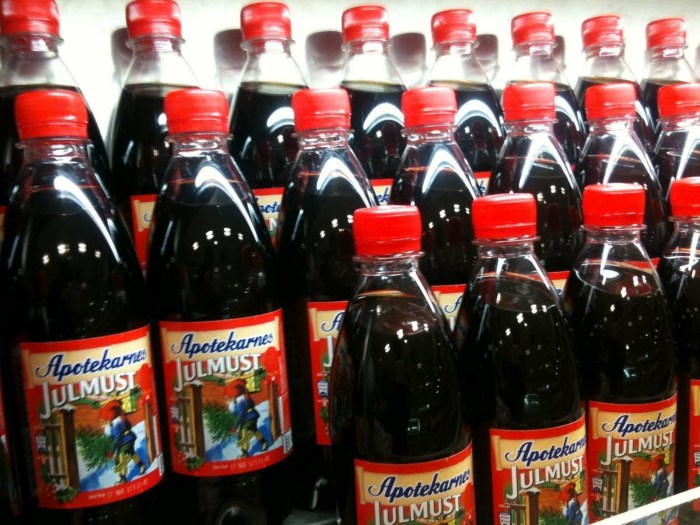
Today’s word is ‘Julmust‘ which is a fizzy Christmas beverage.
I would venture to say every Swede likes to drink at least one glass of julmust at Christmas. However, according to statistics it is even more!
Apparently, Swedes drink an average of 5 litres per person of the fizzy drink during December. The alcohol-free bottled soft drink comes in different sizes, fully sugared and also in diet form.
Said to include over 30 ingredients, its actual recipe is top secret, only known to three people. Despite all the cloak and dagger stuff, the connoisseur can detect the flavour of hops and malt. The taste is reminiscent of the old-fashioned ‘Dandelion and Burdock’ drink for those of you that understand that British reference.
Julmust was invented by a teetotaler and sales began in 1910 as an alternative to ale and port. Although intended to be alcohol-free, the drink can be mixed with gin, vodka, rum or Jägermeister to make Christmassy cocktails. When blended with porter or stout and other ingredients, it creates a classic Christmas drink called Mumma.
I have even drunk julmust mixed with red wine – a so called Kalimusto. I recommend trying the experience – although it actually is a fairly unpleasant one!
If you live outside of Sweden and want to try julmust, head to your nearest Ikea! Called Vintersaga, they sell the beverage in 500ml bottles.
Today, the first of Advent, the light shines strong in the darkness.
Since the 1930’s Swedes have decorated their homes with lights from the first of Advent. The tradition was inspired from Germany, where the Advent star had been a popular decoration since the 1880’s. The star symbolizes the star of Bethlehem that guided the three wise men to the stable, where the baby Jesus lay in a manger.
Today, the star has lost most of its religious symbolism. In Sweden, illuminated advent stars are hung in windows. On window ledges, electric advent candles are placed. Gardens and balconies are decorated with fairy lights. On tables, four candles are positioned and one is lit every Sunday up until Christmas. Small candles, often red, are dotted about the home. Some people change curtains and populate their homes with small gnomes and fragrant flowers.
Since November is often a grim month, the collective advent decoration is a welcome arrival as light is spread into the murky places. From the dark street, it is lovely to see windows lit up in every apartment.
This weekend is also the starting signal for the Swedish ‘glöggfest’. People go to each other’s homes and drink ‘glögg’ (mulled wine), eat gingerbread and saffron buns. It is a very cosy time of year.
Every day, I will open a window containing a Swedish word that has something to do with the festive season.
Today’s word is ‘Gävlebocken‘ which translates as ‘The Gävle Goat’.
This strange tradition takes place in the Swedish town of Gävle. Every year, since 1966, a giant handcrafted straw goat is built up. And almost every year, it gets burned to the ground by a pyromaniac.
One year, it was even burned down before its inauguration. Consequently, the local authority have increased security and have managed to prevent the burning for the last three years.
The symbol of the goat is a traditional Christmas decoration in Sweden, called a ‘julbock’ – a Christmas goat. Usually made of straw, a goat is placed under the Christmas tree or small goats are hung from the branches. The symbol of the goat has ancestry in Scandinavia far back in Nordic mythology and, up to the 1800’s, it was the goat who brought presents during the festive season. A kind of precursor to Santa Claus.
So although the Christmas goat has endured for centuries, it remains to be seen if the Gävle goat survives until the New Year.
Every day leading up to Christmas, I will open a window containing a Swedish word that has something to do with the festive season.
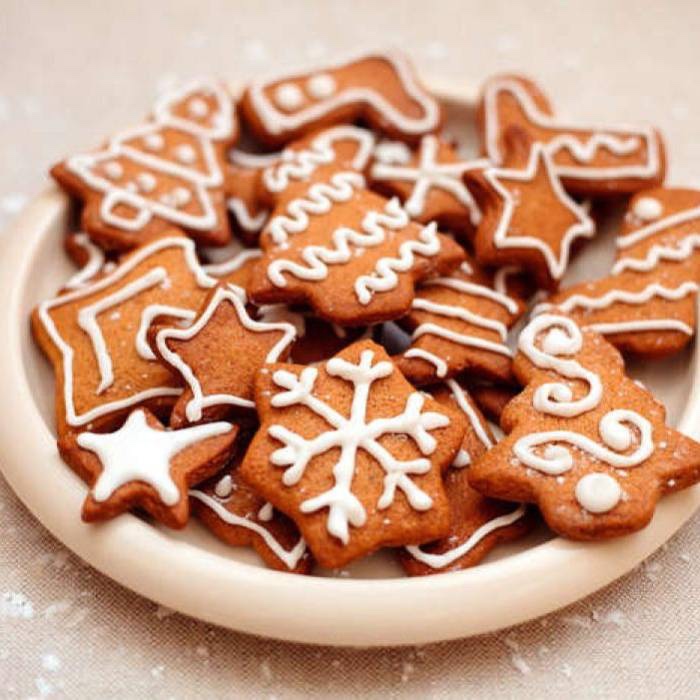
Today’s word is ‘pepparkaka‘, which translates as gingerbread.
Other than glögg, nothing else is more synonymous with the Swedish festive season than pepparkaka (gingerbread).
The Swedish version of gingerbread comes in the form of thin crispy biscuits flavoured with cinnamon, cardamon, ginger and cloves. Formed in different shapes such as hearts, trees, and stars, gingerbread is eaten plain or decorated with icing. Many people buy squeezy blue cheese in a tube and squirt it onto the biscuit before consumption. Some people build gingerbread houses as part of their Christmas decorations.
Making your own pepparkaka is a cosy a Christmas tradition – here is a typical recipe. However, most people buy their gingerbread ready-made.
Pepparkaka has been associated with Christmas in Sweden since the 1800’s but was eaten much earlier than that. The first documented record of pepparkaka in Sweden is from 1335 for a royal wedding. In a recipe from the 1400’s, gingerbread included pepper, which could be why it has the name pepparkaka. But nobody is really sure.
Ever wondered why Swedish people are so nice? Well, the answer lies in an old myth – apparently the very eating of pepparkaka is what makes you nice.
Welcome to the Watching the Swedes Advent Calendar 2023
Every day before Christmas, I will open a window containing a Swedish word that has something to do with the festive season. Today’s word is the fantastic-to-say ‘glögg‘. (Pronounced ‘glugg’)
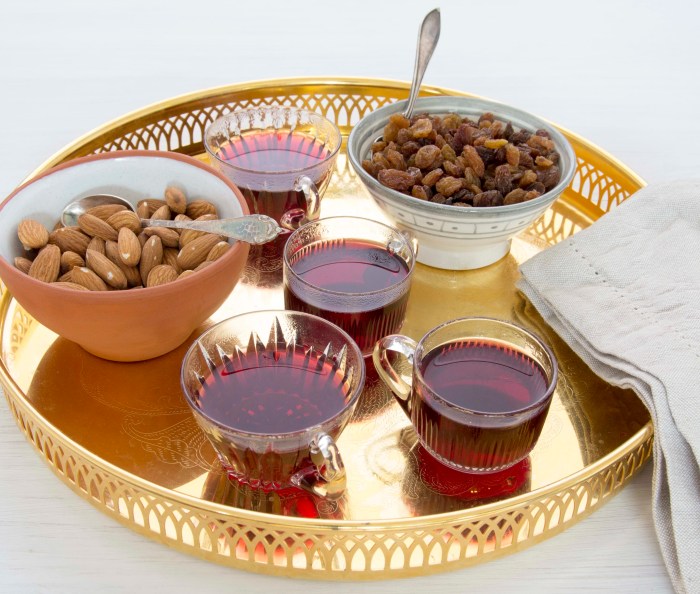
Glögg is festive Swedish mulled wine: heated wine, most commonly red, with spices. It is drunk together with almonds and raisins added in. And it is delicious!
Glögg is very popular, having been drunk in Sweden around Christmas since the 1890’s. However, the earliest record of drinking heated wine dates back to the 1500’s.
The word glögg comes from the Old Swedish word ‘glödg’, and the verb ‘glögda’ – to heat up. This, in turn, has its origins in the verb glöder (to glow).
Some make their own glögg, here is a typical recipe. Glögg can be with, or without, alcohol.
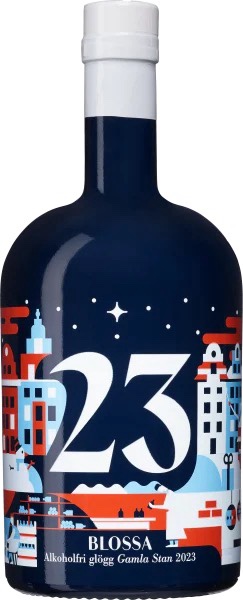
However, most Swedes buy their glögg ready-made in a bottle. In addition to the traditional flavours, each year a new flavour of the nectar is released and there’s always a debate regarding its success. This year’s glögg (2023) is called Gamla Stan (Old Town) and is an infusion of raspberry and hops. Yummy!
With Midsummer arriving on Friday, it is time to start planning for your survival. Midsummer’s Eve is the craziest custom in the Swedish calender and the time of the year when Swedes go a little bonkers. As a non-Swede, get ready to brace yourself. Here are a few hacks to make sure you make it to Midsummer’s Day in one piece.
Greet like a Swede. In Sweden it is considered polite to greet everybody individually, even if you plan to never speak to them again or remember their name. The appropriate way is to stand 1-2 meters away, look directly in their eyes, say ‘hej’ followed by your name. They will do the same. You might even give a small wave or shake hands if you are comfortable doing so (remnant of the pandemic). If you are feeling adventurous, follow up your ‘Hej’ with a ‘trevligt’ or even a ‘Glad Midsommar’. Job done. Now you can hit the booze.
Snaps is not the same as a shot. A lot of alcohol gets drunk on Midsummer’s Eve, especially beer and snaps With the popularity of shots in recent years, it’s easy to make the mistake that Swedish snaps is the same thing. Believe me, it is not. Snaps can be up to 42% alcohol, considerably more than your normal shot. So, go easy and sip the snaps or see yourself slipping sideways off your chair before the strawberry dessert has even been put on the table.
Take tissue. Midsummer’s Eve is a looong day and you probably will need the loo at some point. The trouble is, so will everybody else – to the detriment of the supply of toilet paper. There’s a big chance you will be seeking relief in the woods so come equipped with the appropriate amounts of paper for your needs.
If shy, bring swimwear. Bathing in the icy June waters is a common activity at Midsummer. Swedes generally are not afraid of skinny dipping when they do this. If you are, then come prepared with swimwear and a towel.
Shelve your maturity. Part of Midsummer is dancing around the maypole, playing silly games, pretending to be a frog, participating in competitions. To survive these activities, it helps to conjour up your inner child and forget you are an adult for a while.
Protect yourself. Given the amount of alcohol consumed at Midsummer, it is no surprise that many babies in Sweden are made on this day. It you don’t want to join the ranks of parents, remember to put it on before you put it in.
Throw in the thermals. It looks like it might be super sunny and warm this Midsummer’s Eve. But it is good to be prepared. It is not unusual that temperatures fall into single figures and that pesky rain pours down onto the smorgasbord. So bring a jumper, a rain jacket and even thermals to enhance your experience.
Don’t expect culinary miracles on Midsummer’s Eve. The food is exactly the same as is eaten at Christmas and Easter, with a few small summery exceptions – strawberries, cream, dill and new potatoes. Remember to use hand disinfectant before you attack the buffet.
Learn a drinking song. On Midsummer’s Eve, food and alcohol is accompanied by Swedish drinking songs. Learn one in advance and shine at the table. Even better sing one in your own language and you are guaranteed to use those rubbers you packed just for the occasion. For me, ‘what shall we do with the drunken sailor’ works every time.
Argue over the rules. At Midsummer a popular Swedish garden game is called kubb. Involving the throwing of sticks, everybody seems to have their own understanding of the way to play. If you want to feel really Swedish, make sure you start an argument about the rules.
Take pills. Of varying types. Allergy pills are good because there are flowers everywhere: on the table, in the maypole, on peoples’ heads. Pain killers are good as a lot of snaps is consumed. Indigestion pills are good as the food is oily, fatty, acidic, smoky and rich. The after day pill is good, well… because…
That’s it! Follow this guide and you are sure to have a wonderous Midsummer’s Eve in Sweden.
Glad Midsommar!
Please share this post to help others get ready for the big day!
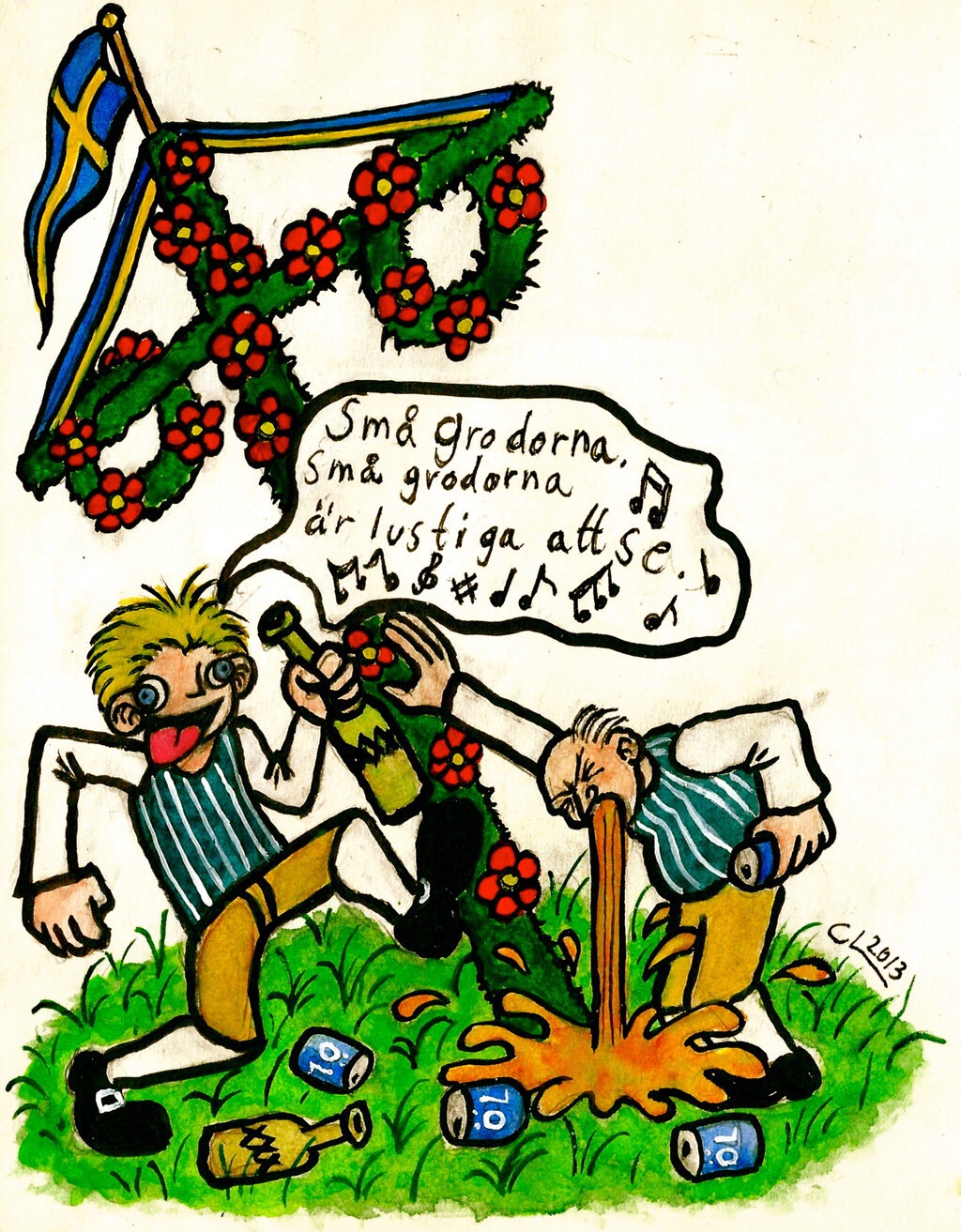
With Midsummer arriving on Friday, it is time to start planning for your survival. Midsummer’s Eve is the craziest custom in the Swedish calender and the time of the year when Swedes go a little bonkers. As a non-Swede, get ready to brace yourself. Here are a few hacks to make sure you make it to Midsummer’s Day in one piece.
Greet like a Swede. In Sweden it is considered polite to greet everybody individually, even if you plan to never speak to them again or remember their name. The appropriate way is to stand 1-2 meters away, look directly in their eyes, say ‘hej’ followed by your name. They will do the same. You might even give a small wave or shake hands if you are comfortable doing so. If you are feeling adventurous, follow up your ‘Hej’ with a ‘trevligt’ or even a ‘Glad Midsommar’. Job done. Now you can hit the booze.
Snaps is not the same as a shot. A lot of alcohol gets drunk on Midsummer’s Eve, especially beer and snaps With the popularity of shots in recent years, it’s easy to make the mistake that Swedish snaps is the same thing. Believe me, it is not. Snaps can be up to 40% proof, considerably more than your normal shot. So, go easy and sip the snaps or see yourself slipping sideways off your chair before the strawberry dessert has even been put on the table.
Take tissue. Midsummer’s Eve is a looong day and you probably will need the loo at some point. The trouble is, so will everybody else – to the detriment of the supply of toilet paper. There’s a big chance you will be seeking relief in the woods so come equipped with the appropriate amounts of paper for your needs.
If shy, bring swimwear. Bathing in the icy June waters is a common activity at Midsummer. Swedes generally are not afraid of skinny dipping when they do this. If you are, then come prepared with swimwear and a towel.
Shelve your maturity. Part of Midsummer is dancing around the maypole, playing silly games, pretending to be a frog, participating in competitions. To survive these activities, it helps to conjour up your inner child and forget you are an adult for a while.
Protect yourself. Given the amount of alcohol consumed at Midsummer, it is no surprise that the many babies in Sweden are made on this day. It you don’t want to join the ranks of parents, remember to put it on before you put it in.
Throw in the thermals. It looks like it might be super sunny and warm this Midsummer’s Eve. One of the warmest ever! But it is good to be prepared. It is not unusual that temperatures fall into single figures and that pesky rain pours down onto the smorgasbord. So bring a jumper, a rain jacket and even thermals to enhance your experience.
Don’t expect culinary miracles on Midsummer’s Eve. The food is exactly the same as is eaten at Christmas and Easter, with a few small summery exceptions – strawberries, cream, dill and new potatoes. Remember to use hand disinfectant before you attack the buffet.
Learn a drinking song. On Midsummer’s Eve, food and alcohol is accompanied by Swedish drinking songs. Learn one in advance and shine at the table. Even better sing one in your own language and you are guaranteed to use those rubbers you packed just for the occasion. For me, ‘what shall we do with the drunken sailor’ works every time.
Argue over the rules. At Midsummer a popular Swedish garden game is called kubb. Involving the throwing of sticks, everybody seems to have their own understanding of the way to play. If you want to feel really Swedish, make sure you start an argument about the rules.
Take pills. Of varying types. Allergy pills are good because there are flowers everywhere: on the table, in the maypole, on peoples’ heads. Pain killers are good as a lot of snaps is consumed. Indigestion pills are good as the food is oily, fatty, acidic, smoky and rich. The after day pill is good, well… because…
That’s it! Follow this guide and you are sure to have a wonderous Midsummer’s Eve in Sweden.
Glad Midsommar!
Please share this post to help others get ready for the big day!
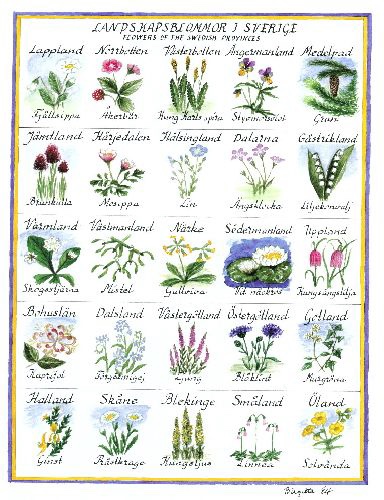
Since 1908, each of Sweden’s 25 provinces (landskap) has its own animal, coat of arms, flag and flower to define its identity.
Stockholm, for example, is on the border of two provinces – Uppland and Södermanland. The flower of Uppland is the beautiful ‘kungsängslilja’ (snake’s head fritillary). Södermanland has the floating ‘vit näkros’ (white water lily).
Other official provincial flowers include heather, daisy, honeysuckle, forget-me-not, lily of the valley, cowslip and, interestingly in Blekinge, they have the English oak.
In 2021, Sweden’s new national flower was chosen in a public vote. The winner? The colourful and ubiquitous harebell, also known as the small bluebell (in Swedish Blåklocka’.)
I’m from County Durham in the UK, where we have the vivid spring gentian as our county flower. The UK national flower is, since the 1400’s, the Tudor rose.
What’s the national or provincial/county flower where you come from?
On 6 June 1523, Gustav Vasa was crowned King of Sweden. He was one of the few survivors of the Stockholm Bloodbath, in which his father and 80 other nobles were murdered, Game of Thrones style.
He ruled the country until 1560. During his reign, he released Sweden from the Kalmar Union consisting of Sweden, Denmark and Norway. He also turned Sweden from a catholic country into a Protestant one, with the monarch and not the pope as head of the church.
6 June is another significant day in Swedish history – on 6 June 1809 the country signed a new constitution. This lay the foundation for Sweden’s current status as an independent democracy and was in place until 1974.
The constitution returned political power to the parliament after King Gustav IV Adolph was deposed in a military coup in 1809. He was the last Swedish monarch to rule over Finland. After him, the crown passed not to his children but to his uncle, Charles XIII. Charles had no legitimate heir, which set into motion the quest for a successor. This was found the following year in the person of Jean-Baptiste Bernadotte, the first monarch of the present royal family.
For these two reasons, Sweden celebrates its National Day today – June 6th. It was declared in 1983, and was first celebrated as a public holiday in 2005. And this year celebrates 500 years of independence!
The day is celebrated with various events up and down the country.
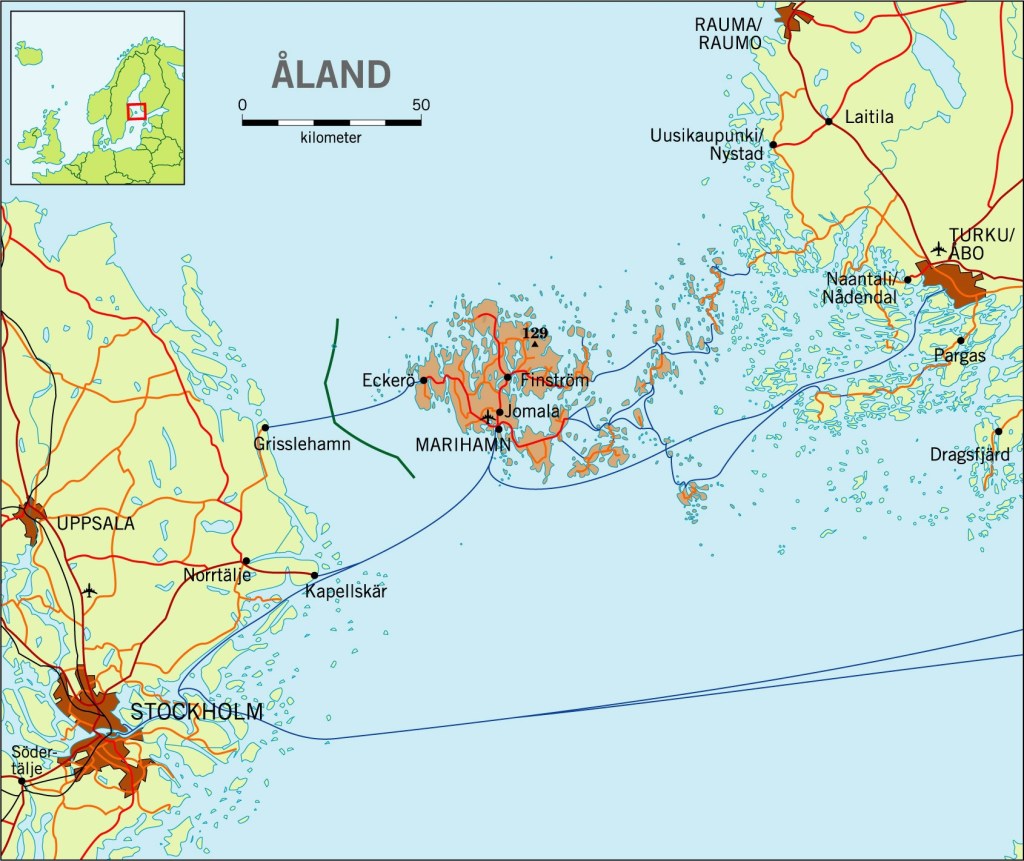
I am currently on an island in the Baltic Sea, at the mouth of the Bay of Bothnia. It is a Finnish island called Åland. The island is about 170 km from Stockholm and 160 km from Åbo in Finland. Åland consists of Fasta Åland on which 90% of the population resides and about 6,500 skerries and islands, of which 60–80 are inhabited. The capital city, where I am, is called Mariehamn where around 15,000 people live.
So how come the official language of Åland is Swedish?
The island was originally a part of the Swedish Empire, but has also belonged to Russia, France, Germany and Sweden again, before becoming a part of Finland. After much conflict, the League of Nations decided in 1920 that, although belonging to Finland, the island would be independent and self-governing. By law, Åland is politically neutral and entirely demilitarised, and residents are exempt from conscription. Åland was granted extensive autonomy by new legislation of the same name in 1951 and 1991. Åland remains exclusively Swedish-speaking by this act.
Speaking to the locals, the accent sounds like an interesting blend of Swedish, Finnish and Gotlandic (another Baltic island).
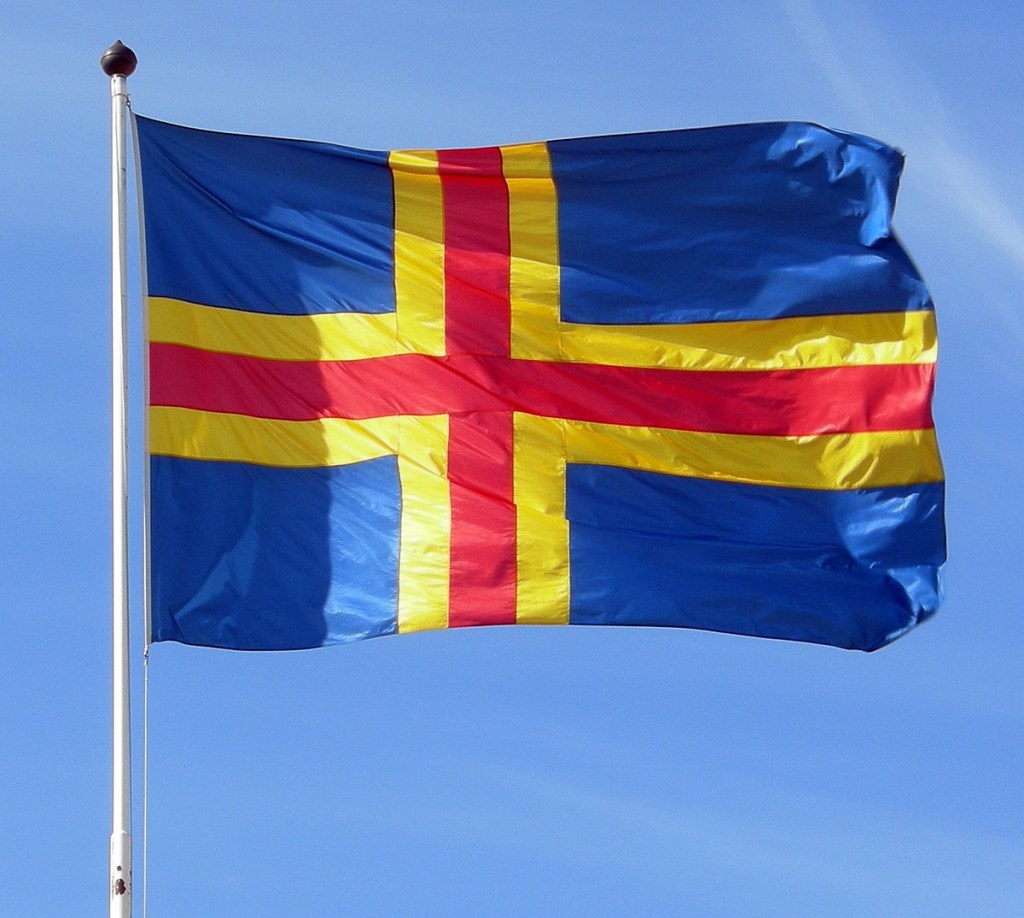
Åland, as an autonomous region, has its own parliament, police force, bank, postal service and flag. It is also a tax-free zone, and is a daily stopping point for ferries from Sweden and Finland where passengers are able to buy duty-free alcohol, tobacco and other goods. In fact, about 2 million people a year visit Åland, but usually only to switch boats. I have to confess this has been the way for me also. This trip is the first time I’ve actually ventured into the town and further onto this beautiful island.