Today is called Long Friday in Swedish – ‘Långfredag’. It commemorates the long day and the long suffering that Jesus endured on the cross, according to Christian teachings. It is a public holiday, and for many years, everything was closed in Sweden making the day long and boring for many people. Now, most things are open, even the middle of a flaming, raging pandemic.
Good Friday is a day of cooking, shopping and going for walks. Some people attend church services. Tomorrow, Easter Saturday, is the normal day of celebration when Swedes gather to eat from a bulging smörgåsbord. Typical food includes variations of salmon, egg, herring and lamb. Dark Easter beer is consumed and snaps is knocked back.
In English, this day used to be called Long Friday also, but at some point in history it changed to Good Friday. Good in this context means Holy. According to the Daily Mash this is ‘still stupid. You don’t get much worse days than being flogged, nailed to a cross, then stabbed. And that includes your annual performance review. It’s like calling funerals ‘Happy Burying Nana Day’.
Did you know that today is ‘Dymmelonsdag’ – Clapper Wednesday? It is part of Sweden’s ‘Stilla Veckan’, which literally translates as ‘tranquil week’ or ’quiet week’. It is historically intended to be a week of reflection and melancholy leading up to Easter. In English this week is known as Holy Week and every day has a special name.
Last Sunday, the Sunday before Easter, is called ’Palmsöndag’ – Palm Sunday. According to scripture, it commemorates Jesus’ triumphant arrival into Jerusalem. The crowds threw palm branches in front of him as he approached.
The Monday before Easter is commonly called Blå Måndag – Blue Monday – although it can have other names. The Tuesday before Easter is called ‘Vittisdagen’ (White Tuesday). Both Blue Monday and White Tuesday were originally four weeks before Easter. At some point in history, they were moved to describe the Monday and Tuesday before Easter instead. Blue Monday refers to the colour that church rooms were painted on this day. Since White Tuesday is an old name for Shrove Tuesday, Fettisdag in Swedish, it probably refers to the flour that was used to make the Lent buns.
That takes us to today – the Wednesday before Easter – ‘Dymmelonsdag’. This literally translates as ‘Clapper Wednesday’. The clapper that this is referring to is a wooden clapper that was traditionally put inside the church bells on this day so that the chimes would have a more subdued, mournful sound during Easter weekend.
The Thursday before Easter is called ‘Skärtorsdag’ in Swedish. This translates as ‘Clean Thursday’ and refers to the ritual of Jesus washing the feet of the disciples before the Last Supper. In English, this day is called Maundy Thursday.
The Friday is called Good Friday in English – from an obsolete meaning of the word good as being holy. In Old English, this day was called Long Friday, which is the name that was adopted in Swedish – ‘Långfredag’.
And finally, the weekend arrives consisting of Holy Saturday which is called ’Påskafton’ in Swedish – Easter Eve. Then comes ‘Påskdagen’ – Easter Sunday, and ‘Annandag påsk’ (literally second day Easter) – Easter Monday in English.
So Clapper Wednesday is not about fervent clapping, or going like the clappers, or getting the clap. Instead, take a moment of quiet reflection on this, the most holy of Wednesdays.
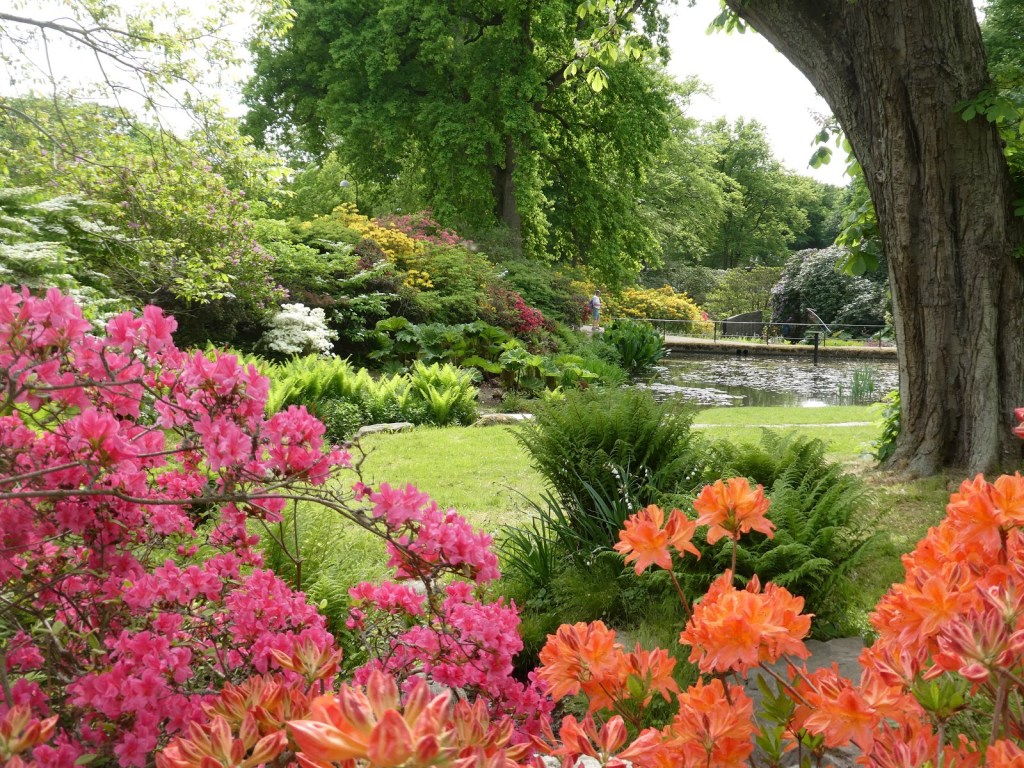
Today, 30 March, is International ‘Take a walk in the park’ Day. While some residents in some locked down countries might not appreciate the irony of it, here in Sweden it is fully possible to celebrate today by stepping out into one of the many green areas.
Take a Walk in the Park Day was founded to celebrate small excursions and the difference they can make to our mental, physical and emotional health.
In Sweden, there are thousands of parks and 30 official National Parks. What kind of park you prefer is of course a matter of taste. However, according to our friends on the internet, the three most beautiful parks in the country are Sofiero slottsträdgårdar in Helsingborg, Hagaparken in Stockholm and Boulognerskogen in Gävle. I’m sure there are a lot of people with other opinions.
Sweden also has a tradition of the ‘Folkpark’ which is a place for entertainment, cabaret, theatre, relaxation and enjoying the great outdoors. Folkpark’s had their heydey in the 1940’s-1960’s where artists would play on the stages and there would be party party and dance. The first Folkpark was built in Hällefors in 1796. Today they still exist, but have faced a lot of competition from festivals, arenas and other outdoor entertainment spaces.
For most urban dwellers around the world, the parks are the lungs of the city. And it’s the same in Sweden’s built up regions. Living in Stockholm, I am so lucky to have many parks and green areas within easy walking distance.
So, depending on where you live, and your time zone, it might not be too late. Put on your shoes and step out into your street, and go take a walk in the park. After all, today is ‘Take a Walk in the Park Day’.
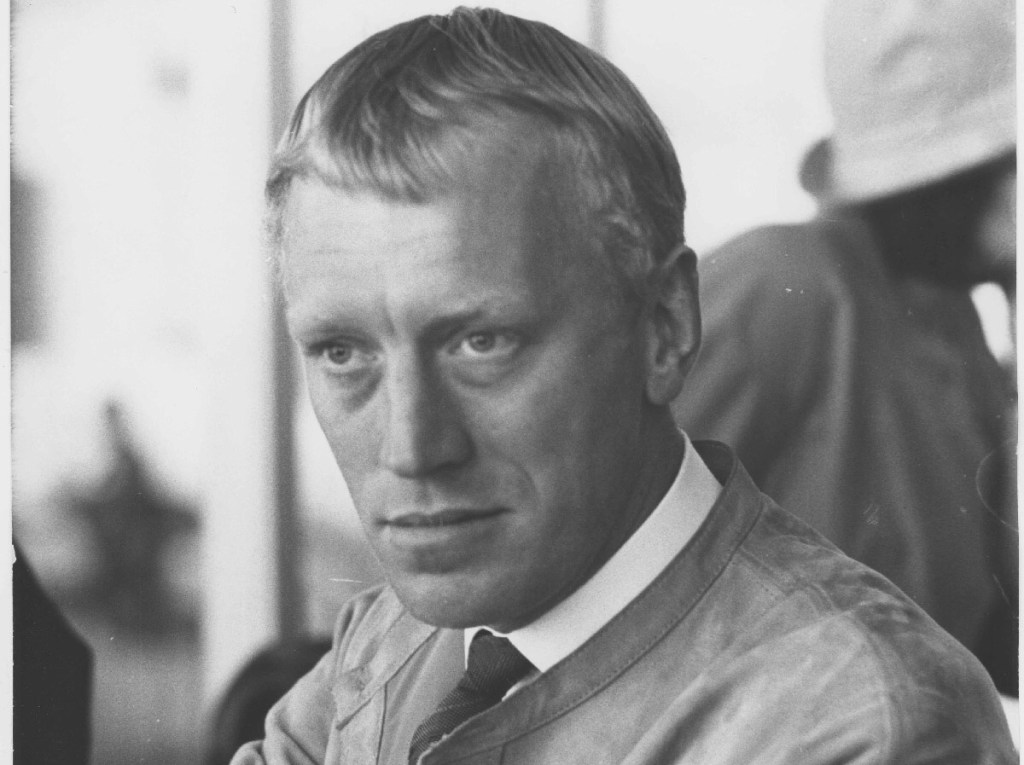
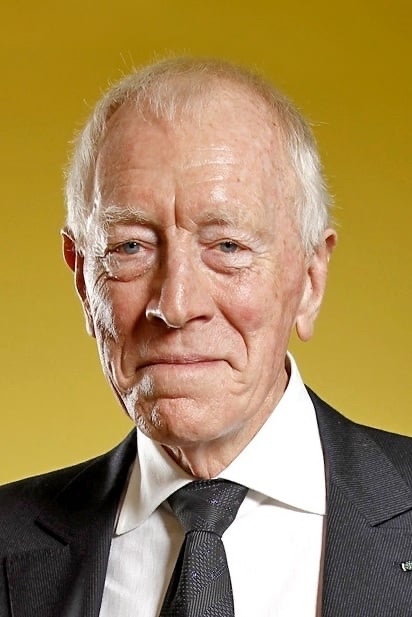
What words can be used to describe Swedish acting legend Max von Sydow’s career? Extensive? Impressive? Formidable? Whatever the word, there is no doubt that this man, whose career spanned 70 years, is a true Swedish icon.
In 1929, Carl Adolph von Sydow was born into an academic family in the university town of Lund. In early adult life, he moved to Stockholm to start studying at Sweden’s Royal Dramatic Theater in Stockholm. Here, he also took the name Max as people kept spelling his name incorrectly.
Max von Sydow’s career spanned theater, television, many genres and over 150 movies. To some he is known as an Ingemar Bergman actor, and especially known for playing chess with death in The Seventh Seal. In total, he starred in 11 Bergman films.
To others he’s known as the actor who played Karl Oskar in the epic Swedish film series The Emigrants about poor Swedes who emigrate from Småland, Sweden, to Minnesota in the mid-19th century.
To mention some other films, he starred in classics such as The Greatest Story Ever Told, The Exorcist, Flash Gordon, Pelle the Conqueror, Dune, Hannah and Her Sisters, The Quiller Memorandum, Minority Report, Never Say Never Again, Shutter Island, Robin Hood and Star Wars: The Force Awakens. Younger generations might remember him as the enigmatic Three-Eyed Raven in HBO’s Game of Thrones.
Max von Sydow had a enormously successful international career. But it wasn’t always destined to be so. Early on, he was satisfied with his life in Sweden, and consequently turned down iconic roles such as Captain Von Trapp in The Sound of Music and Dr No.
Towards the end of his life, Max von Sydow became a French citizen and had to relinquish his Swedish passport. He died in Provence and was survived by his wife and four sons.
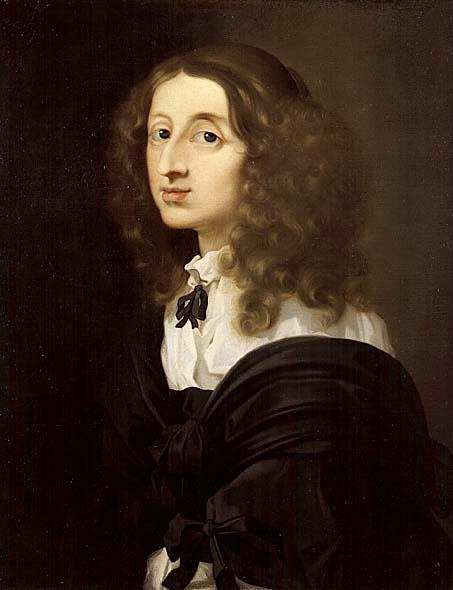
Great Britain has its strident Queen Elisabeth I, France has its flamboyant Marie Antoinette and Russia has its legendary Catherine the Great. For Sweden, there is one Queen to measure up against them in icon status – the notorious Queen Christina.
Born 1626, Christina was the Queen of Sweden from 1632 to 1654, although the country was governed by a regency council until she reached the age of 18.
She is known to have been an independent, outspoken and untraditional woman, and as such has ignited the imagination of novelists, play-writes and film makers throughout history.
Christina’s father was Gustav II Adolph, one of Sweden’s warrior kings, a military commander credited with the rise of Sweden as a great European power. He wanted Christina to be raised in the same way a boy would be – so Christina was an unorthodox and controversial person already at an early age. She studied 10 hours per day, could hunt and fight, was knowledgeable in politics and could speak seven languages other than Swedish.
This learned young woman who was ‘masculine’ and ‘rough around the edges’, was a great sponsor of the arts. Wanting to turn Stockholm into a centre of learning and culture, she attracted many great minds to her court. This was, however, very expensive and eventually the dream died – gaining her a reputation for being wasteful and extravagant in the process.
She was also a peace maker, negotiating peace that ended the 30 Year War. Under her reign, Sweden settled New Sweden in the USA, which is today in the area of Joe Biden’s hometown Delaware.
However, she is mostly remembered for three main things. Firstly, her refusal to marry. Secondly, her unprecedented abdication in 1654. And thirdly, her scandalous conversion to Catholicism.
Christina expressed a distaste for marriage and felt pressure to provide an heir. She realised that if she married she would effectively hand power to her husband. She is quoted as saying ‘I am unsuited for marriage.’ In today’s terms, she would have been defined as lesbian, and she had several mistresses – the most important one being Ebba Sparre, who she called ‘La Belle Comtesse.’
She gave up the throne partly because of her refusal to marry, but mostly due to her increasing unpopularity and pending religious conversion. After her abdication, she shook off the shackles of court protocol and dressed more frequently in male clothes. Historians often describe Christina as unattractive and androgynous in her physical appearance. Whether this is true, or whether her ‘ugly’ appearance was exaggerated in order to undermine her position is unknown. After her cousin took over the throne, Christina quickly left Sweden and ultimately settled in Italy. Although she made several attempts to regain power in Europe, she never succeeded and eventually died in Rome aged 62.
Queen Christina’s funeral was held at St Peters Basilica, reflecting her provenance, prominence and influence. She is one of only three women to buried in the Vatican. That alone is enough to earn her icon status.
In several countries, I would not be allowed to freely write what I want in this blog. Many nations are fighting for press freedom and against censorship – some of them not very far away. Thankfully, Sweden has solved this issue of media independence. Everyone is free to express themselves in writing, provided they do not publicly defame another person or commit an illegal act.
Obviously, Sweden didn’t always have freedom of the press. In the early days of print, Swedes fought many battles against censorship and limitations on the printed word. However, things changed when, on 2 December 1766, Sweden became the first country in the world to write freedom of the press into the constitution. The Swedish Freedom of the Press Act also allowed public access to information, which made it legal to publish and read public documents.
The Act that applies today actually came into effect in 1949. Today, laws cover press ethics, disputes, freedom of expression over digital media and protection of the individual and of whistleblowers.
Compared with other countries in the EU, Sweden is the 3rd best country in terms of media independence, preceded by Finland and Denmark. Sweden holds the 4th position on a global scale, the number one country being Norway.
According to Reporters without Borders, one reason that Sweden isn’t ranked higher is that over 50% of local media is owned only by five major companies. These control the editorial line and job security.
Additionally, one third of Swedish journalists claim they self censor due to threats and harassment from trolls, violent groups, heads of overseas states and security forces. Very few perpetrators are sentenced.
Zarah Leander was a legendary Swedish singer and actor born in 1907 in the town of Karlstad. She was enormously famous in her day, a huge star and a scandalous provocateur. With her robust, characteristic deep voice, Zarah Leander was one of highest selling international recording artists prior to 1945.
Although a famous and popular film and cabaret artist in Sweden, she made her fortune in wartime Germany. Between 1936 and 1943, she was contracted by the German Universum Film corporation and starred in ten highly successful films. For the Germans of that time, she was a mega star – a box office sensation. She has been strongly criticized for participating in Nazi propaganda, although she vehemently denied that she supported the party.
It seems like she walked a hazardous line between entertainment and politics; she didn’t socialize with German officers, nor take part in Nazi party functions. Propaganda Minister Joseph Goebbels called her an ‘enemy of the state’, and once upon meeting her said ‘Zarah? Isn’t that a Jewish name?’ Her iconic response was ‘What about Joseph?!’
In 1943, she retreated to Sweden and died in 1981 of a stroke. Throughout her time in Sweden, she was considered highly controversial, partly because of her association with Nazi Germany and partly because of accusations against her for being a Soviet Agent operating under the name ‘Stina-Rose’. Naturally, she went to her grave denying all allegations.
After her return to Sweden, she eventually made a come back. She released hit songs, and performed in successful films and cabarets and, once again, reclaimed her mantle of prima donna supreme.
Zarah Leander was a fascinating woman, a legendary artist and a true diva. She is buried just outside the town of Norrköping, opposite the Zarah Leander Museum.
The signature song she is most associated with in Sweden is called ‘Vill ni se en stjärna, se på mig’ – ’If you want to see a star, look at me’. Many impersonators and drag queens have mimicked her melodramatic performance in this song. You can listen to it below.
Yesterday was St Patrick’s Day! I hope you remembered to wear something green, even if you didn’t leave your living room. Normally St Patrick’s Day is celebrated in Sweden, like many places around the world, with noisy, boozy parties. This year of course was different. Public gatherings in Sweden are limited to 8 people, which makes a somewhat subdued party, not up to the standards of a real St Patrick’s Day bash.
The relationship between Sweden and Ireland is a good one. According to Sweden’s Central Bureau of Statistics, there are 2892 Irish people living in Sweden. Ireland has an embassy on Blasieholmen in Stockholm. Sweden has a consulate in Dublin, and honorary consulates in Limerick and Galway. There is a Swedish-Irish society that was founded in 1949 by a group of Swedish friends interested in Ireland. According to their website, ‘the society has been building friendships between the two countries, promoting Irish culture in Sweden and has gradually also become a hub for Irish and Swedish-Irish in Sweden. We organise events throughout the year and membership is open to everyone who shares our interests!’
For the purposes of doing business, there is a Swedish-Irish Chamber of Commerce. This is a not-for-profit organisation dedicated to building a professional community to promote and strengthen commercial collaboration, development and exchange between Swedish and Irish businesses.
Classic Irish pubs in Stockholm include The Liffey, The Auld Dub and O’Connells. In Gothenburg there’s the Dubliner and the Irish Embassy, and Malmö has Fagan’s and The Shamrock. Normally these places would be packed to bursting, and rocking to the sound of the fiddle on St Patrick’s Day. Hopefully next year will see a return to normal.
Selma Lagerlöf was a legendary Swedish author, born in 1858 in the county of Värmland. Today, 16th March, is the anniversary of her death in 1940.
Selma Lagerlöf is considered to be one of the most groundbreaking female writers in the Nordics. Three of her many novels are ‘The Wonderful Journey of Nils’, ‘Jerusalem’ and ‘Gösta Björling’s Saga’. Her works have been translated into 50 languages.
In 1909, she was the first woman, and Swede, to win the Nobel Prize for Literature. Five years later, in 1914, she was invited to join the highly-respected Swedish Academy – the body that chooses the Nobel prize for Literature. In doing so, she became the first woman to sit at the table.
In 1991, she was the first woman to appear on a Swedish bank note. The 20 crown note, referred to as a ‘Selma’, was removed from circulation in 2016 and she was replaced with an image of another iconic writer Astrid Lindgren.
She was highly politicized, leading the fight for women’s suffrage in Sweden and an active critic of nazism and the persecution of the Jews. She never married, and had two long-standing partnerships with two women. Love between people of the same sex was illegal in her day, but their passion was undeniably clear in a series of letters that became public knowledge in the 1990’s.
Selma Lagerlöf was born into a privileged middle class in a large house called Mårbacka, which today is open for visitors. Around Sweden, there are several statues of her, as well as one in Minneapolis in the USA. When planet Venus was discovered, the larger craters were named after famous significant women. One of them is called Lagerlöf, reflecting the size of her legacy.
Selma Lagerlöf died aged 81. She is buried in the churchyard at Östra Ämtervik not far from her family home.
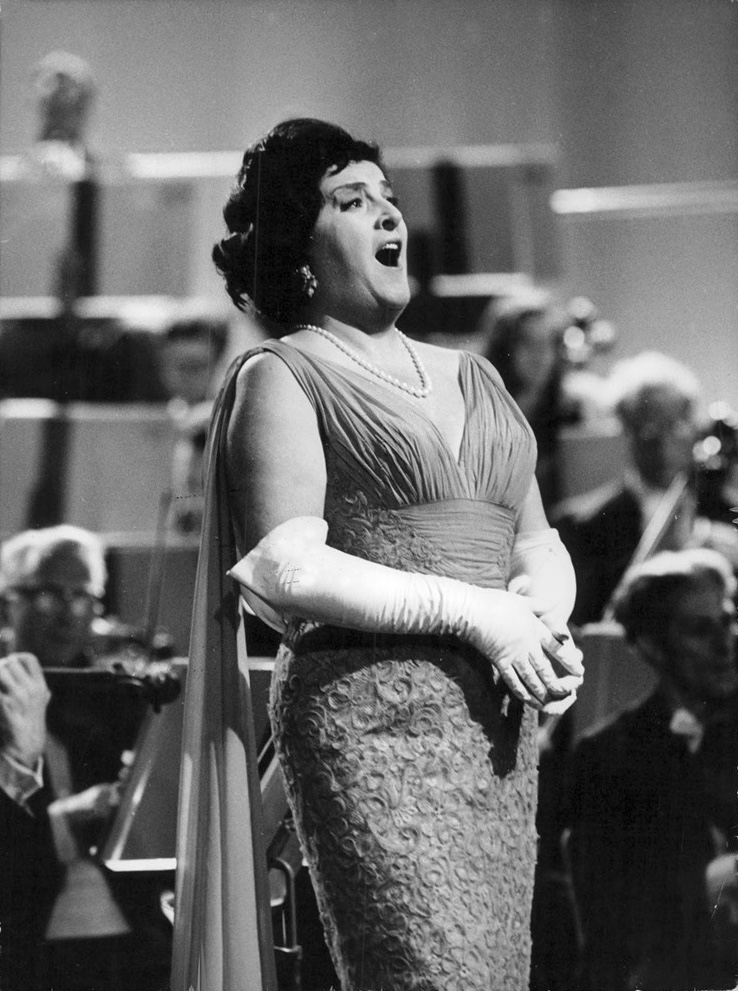
The diva of all divas, Swedish opera singer Birgit Nilsson was born 1918 in the county of Skåne in southern Sweden. She had an impressive global operatic career spanning decades, and was most known for her performances of Wagner and Strauss.
She had a belter of a voice – the New York Times referred to it as ‘a voice of impeccable trueness and impregnable stamina’. She was like an Olympian athlete, and with her enormously powerful voice, she became the most famous Wagnerian soprano of her time. During her career she played most of the significant roles for a soprano, such as Aida, Tosca, Electra, Brunhilde, Turandot and Salome.
Birgit Nilsson received numerous prestigious awards, one of which was Court Singer to the Swedish Royal Court. Once, asked what was her favourite role, she answered: “Isolde made me famous. Turandot made me rich“.
Birgitta Nilsson was often called ‘La Nilsson’ and, although she wasn’t considered difficult, she was notorious for her assertiveness, directness and her wit. When asked what it was like to sing Isolde with an unattractive male colleague, she responded : “I just close my eyes and think of Plácido Domingo.” When answering a question about her rival Joan Sutherland and if her bouffant hair was real, she gave the iconic response: “I don’t know, I haven’t pulled it yet.’’
Birgit Nilsson died in county Skåne in 2005, at the grand age of 87. She had no children but left an huge musical legacy behind her.