Warring neighbours: Sweden and Finland


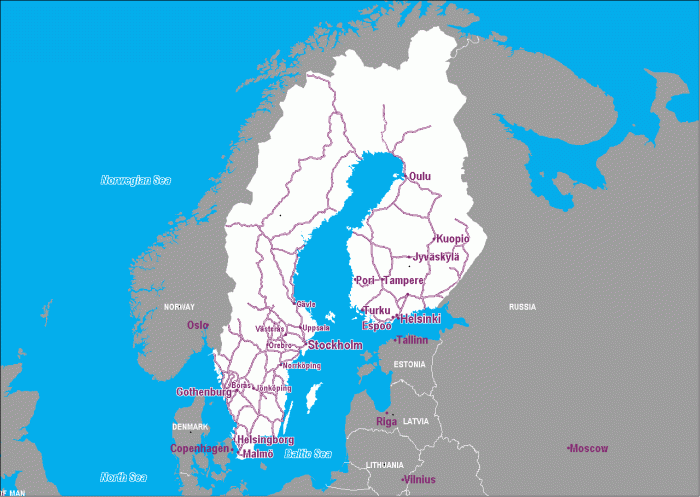
finland-sweden-map,0

Many neighbouring countries around the world have had their fair share of conflict. Some countries are currently at war or teetering on the brink.

Thankfully, Sweden and the other Nordic countries have lived in peace with each other for centuries. However, Sweden and Finland still battle it out every year in an athletics competition between the two nations – the best type of neighbourly conflict. In Swedish, this is called ‘Finnkamp’ and in Finland it is called ‘Sverigekampen’. This year it is currently taking place in Stockholm.

The first Finnkamp took place in 1925 for men, and 1951 for women and it has taken olace every year, with a few exceptions for organisational disagreements and WWII. It is highly competitive, although friendly, and is a classic track and field event.

In total there have been78 annual competitions for the men and Finland leads 45-31 over Sweden. For the women, there have been 67 competitions and Sweden holds the lead at 41 to Finland’s 25. Let’s see how it ends up this year!

If you want to see the end of it, make your way down to Stadion in Stockholm today to catch the final events.


Amazing immigrants in Sweden: Part 2 Shori Zand

Shori-Zand-500x500

Negativity. Fear. Concern. These are some of the reactions many Swedes are experiencing about the influx of immigrants to Sweden in the last couple of years. So, I became curious to learn about some of those individuals who came here as refugees or immigrants to make a better life for themselves. People with roots somewhere else who built a home here and who contributed to Swedish society in a positive way.

For the next seven days, I will celebrate these people. My hope is that we can lift our eyes from the challenges of immigration and understand what useful contributions these people can make to society if given the chance. To our society. Our Sweden

Part 2: Shori Zand, midwife and entrepreneur from Iran

Giving her sons a safer and more prosperous life was Shori Zand’s motvation when she arrived in Sweden in 1987. At the age of 25, she arrived with her husband, two small sons and three suitcases. And nothing else – except ambition.

In Iran, Shori had worked as a nurse so, once she had a command of the Swedish language, she re-trained to be a nurse in Sweden and then ultimately, a midwife.

In 2000, thanks to the relaxation of healthcare laws in Sweden, Shori saw an opportunity to open a midwife clinic in Linköping. By 2010 she had a healthcare organisation that turned over 400 million Swedish kronor. Providing care in maternity, elderly care, mammography, neurology, gynocology and hearing rehabilitation, Shori’s company ‘Avesina’ employed a staff of  1200 people.

Shori Zand is often referred to as a role model for female entrepreneurs. Apart from her successes with Avesina, she has won an array of prizes, been on the boards of ‘Svensk Näringsliv’, TLV and Nutek as well as advising the Swedish government in IT and being Vice President of the Swedish Organisation for Healthcare Entrepreneurs.

Shori Zand arrived in Sweden with almost nothing. She is now an integrated, respected and accomplished businesswoman who has enabled care for thousands of Swedes. She has also created jobs – for over a thousand people – and undeniably contributed to Sweden’s economy and society.

Starving children in a Stockholm museum 

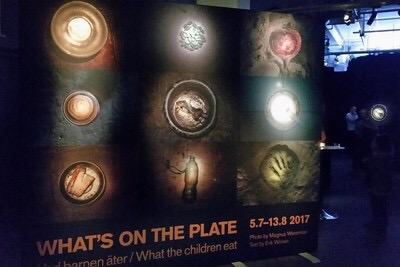
Stockholm’s Photography Museum is, in my opinion, one of the world’s best museums for seeing photographic art. If you haven’t been, I recommend one of the current exhibitions called ‘What’s on the Plate’ by Magnus Wennman and Erik Wiman. I saw it today and it is no easy exhibition to see. In fact it is very difficult to stomach. 

In picture and text, you see very recent depictions of starving children around the world and what they are forced to eat in order to survive. The exhibition asks for donations towards Save the Children. It is well worth a visit and runs until 13 August 2017. 

It is a sobering and humbling experience and a reminder of the overindulgence of our daily lives and the vast gap between the ‘haves’ and the ‘have-nots’. 
For more information: http://www.fotografiska.eu

How I have been Swedified 


After my last blog about Swedish geography, somebody commented that it is hysterical that there is a place in Sweden called Norrbotten. 
This got me thinking. 

When first moving to Sweden and learning the language, I saw all sorts of funny words which made me giggle. Now, some two decades later, I don’t even see those funny words any more – I have been Swedified. 

  • ‘Plopp’ to me is a chocolate bar, and nothing else
  • ‘Puss’ is a kiss and not a little kitty or a body part
  • ‘Kiss’ isn’t a romantic exchange between consenting people. Kiss is urine
  • ‘Slut’ is simply the end of something
  • ‘Avfart’ on a motorway is just the exit 
  • ‘Rea’ is a sale and not an old British singer 
  • ‘Kök’ and ‘kock’ are the kitchen and the chef, not a body part
  • I don’t even see the squidginess of the ‘slutspurt’ any more. All I see is that it’s the end of the sale. 
  • I don’t titter any more when someone says ‘shit’ to describe the putty around the window or the number six is the same as ‘sex’. 
  • ‘Prick’ is a dot and not an insult 

It is with a smidgen of regret that I guess I have been integrated – at least linguistically! 

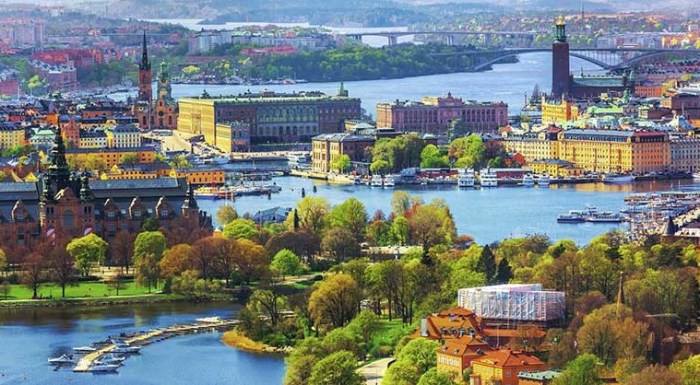
10 musts in Summer Stockholm 

Thinking of visiting Stockholm this summer? For me, Stockholm in the summer is very much about relaxing, sunbathing, swimming and enjoying good food and drinks. As a resident of over 20 years, here are my top ten musts. Enjoy!
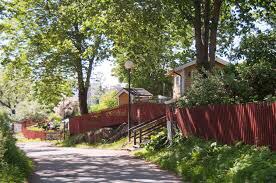
1) The Southside of Söder. Take the underground to Skanstull and walk down to the water’s edge. Walk along the lakeside all the way to Hornstull. This is a favourite walk for Stockholmers, which takes you past boatyards, cosy cafes, cute allotments, beaches, bathing jetties and apartments.
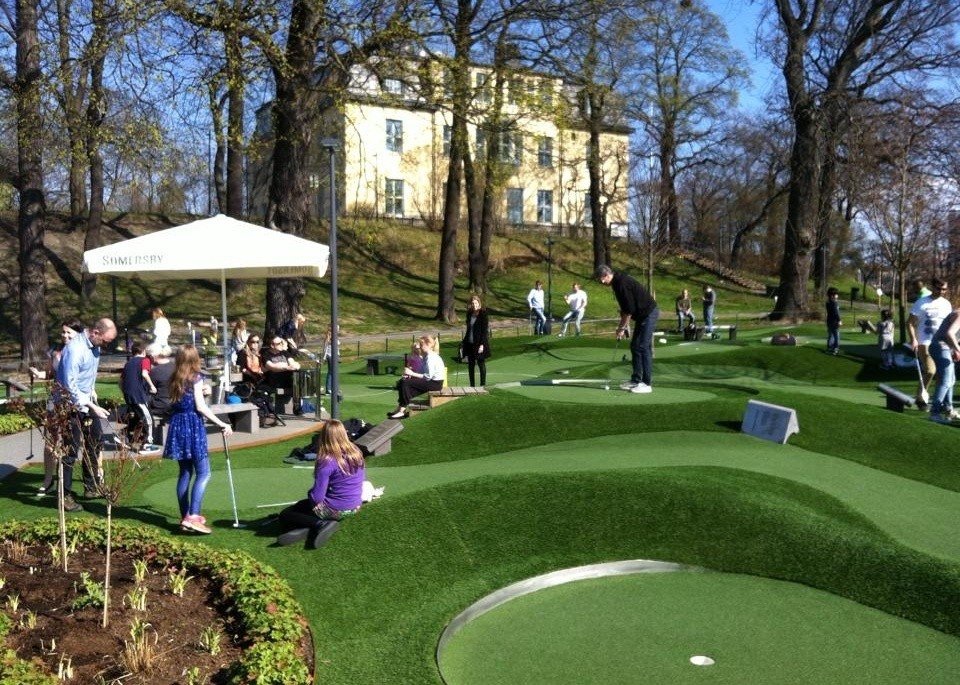
2) Golfbaren. Take the underground to Kristineberg and go to the mini golf course called Golfbaren. Practice your putting while drinking wine.

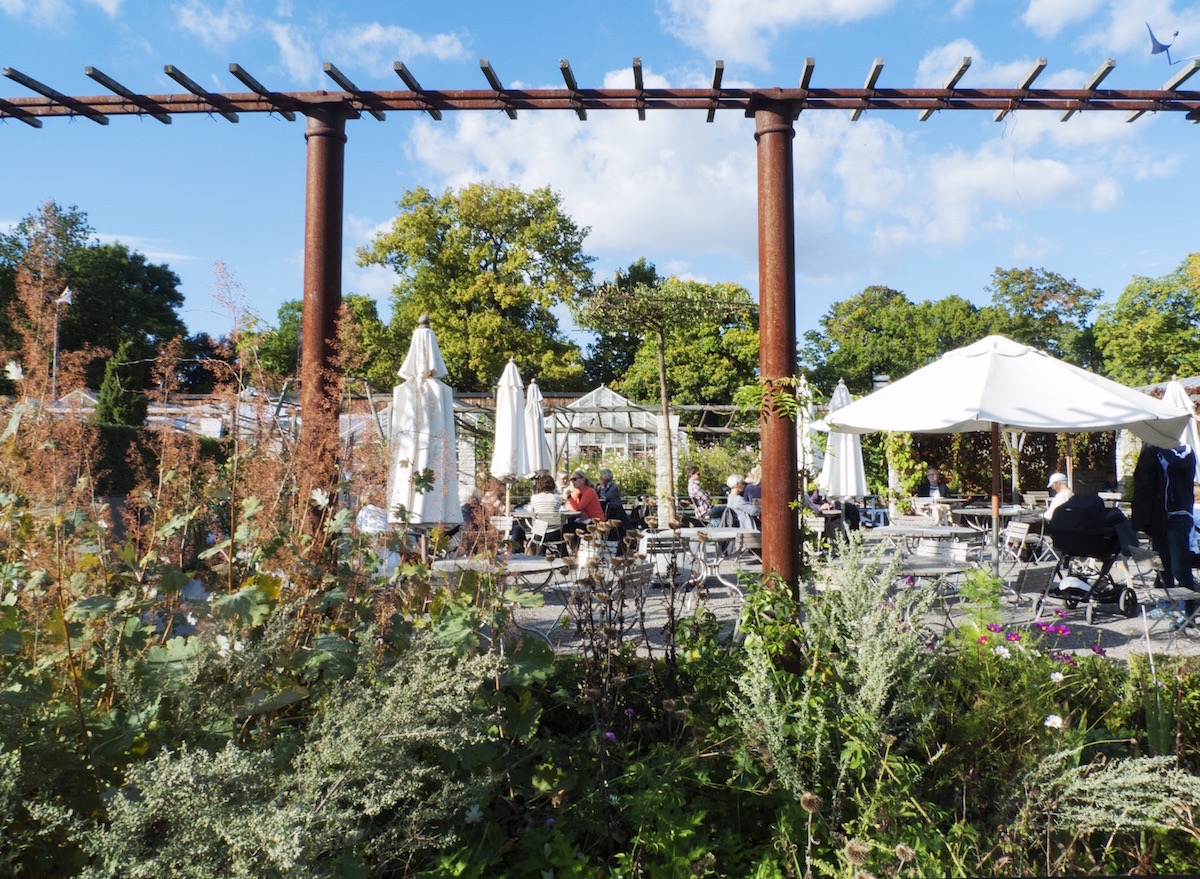
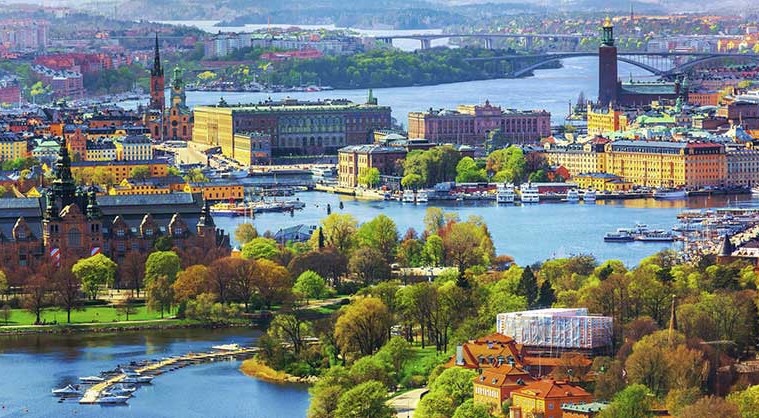
3) Djurgården. Stockholm’s museum island is well worth a visit. Full of parks, interesting museums, restaurants, beaches, a zoo, grand houses, a fairground, amongst other things. Lovely to visit specific places or just go for a walk. One tip is to head left after crossing the bridge and go to Rosenlunds nurseries and garden cafe.

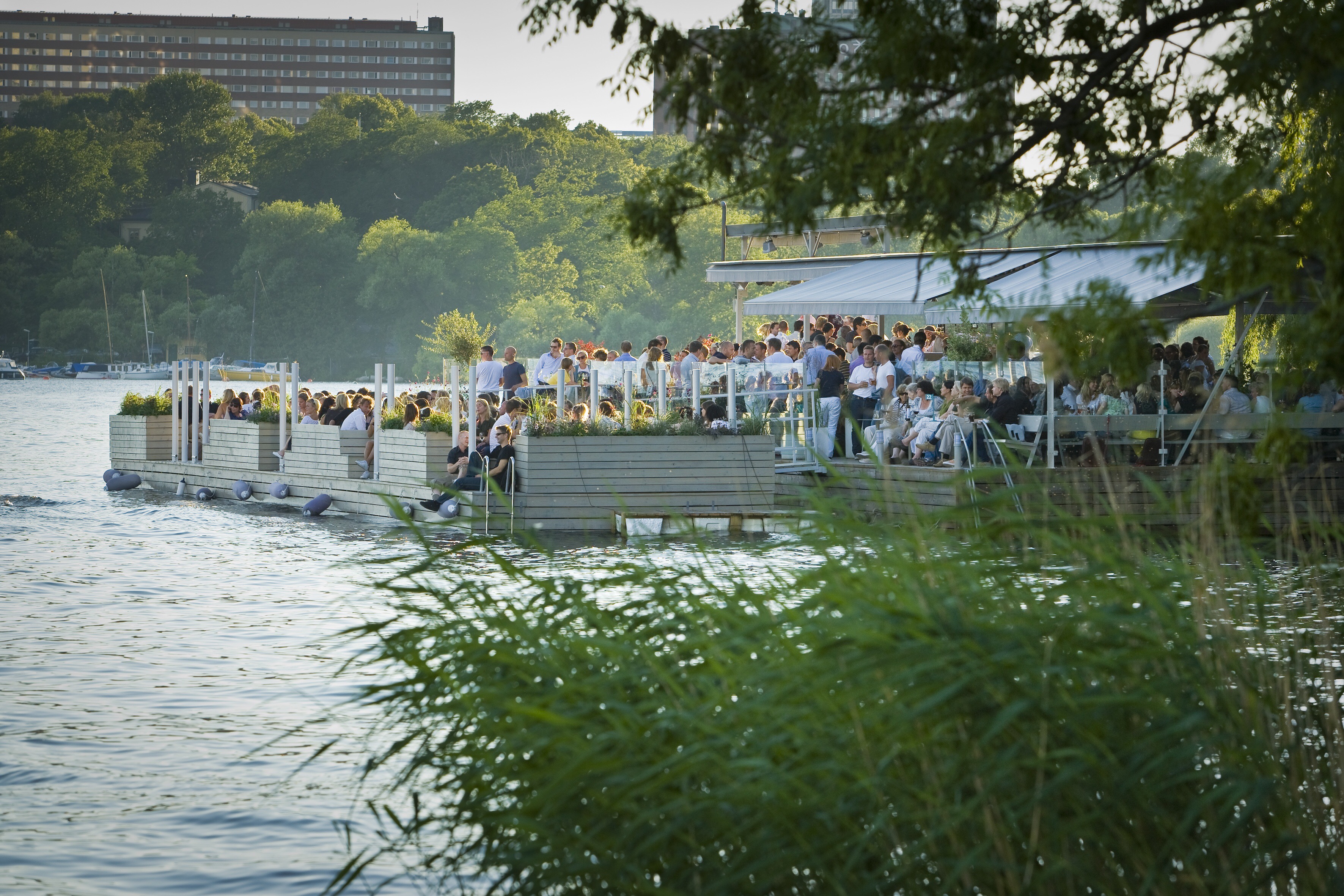
4) Mälarpaviljongen. On the water’s edge on the island of Kungsholmen, this is a floating bar lounge. It’s a Stockholm favourite with nice food, relaxing surroundings and cool house music. The pretty walk from Rålhomshovs park to the city hall goes past this venue. Reach by taking the underground to Rådhuset or Fridhemsplan.

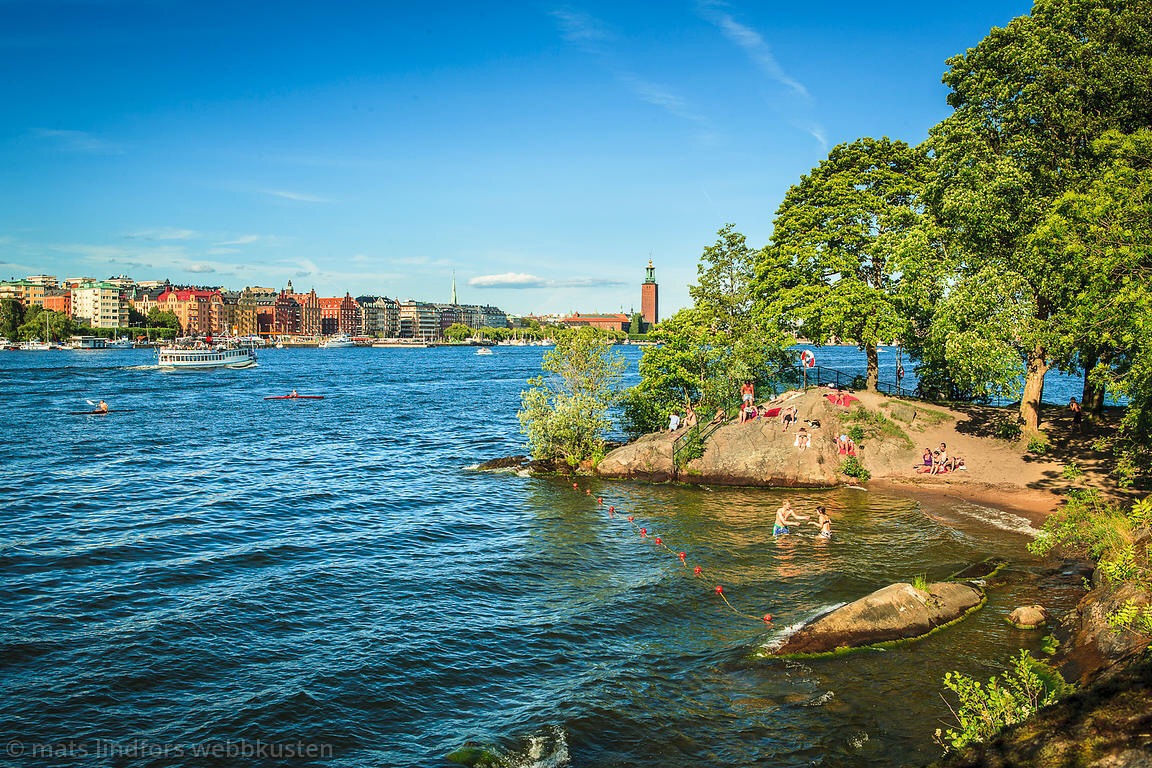
5) Långholmen prison island. Once housing a prison, this island is now a perfect place for a stroll and a bite to eat. It is also a great place for bathing from one of its many beaches and water access points. Also a walk from here over the large bridge, Västerbron, gives commanding views of the city. Reach Långholmen by taking the underground to Hornstull.
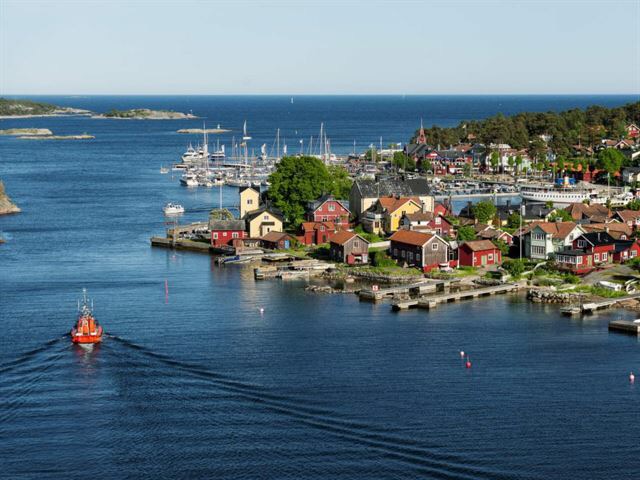
6) Stockholm Archipelago. Take a boat ride out to the archipelago. Amongst the thousands of islands, there are opportunities to disembark and eat, drink, sunbathe, swim and relax. If you don’t want to get off the boat, book a table at the boat’s restaurant and enjoy a great meal as the islands slip gracefully past.
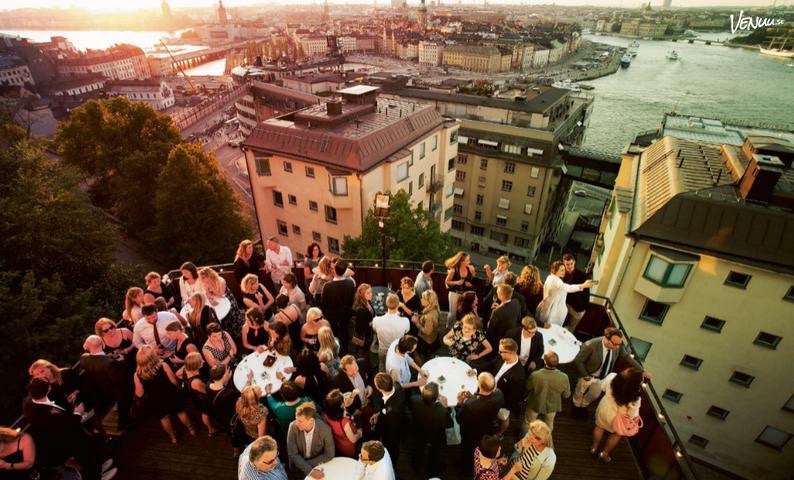
7) Champagne terrace. Take the underground to Slussen and walk up to Söder Theater. At the top of the theatre there is a champagne bar with an amazing terrace and a spectacular view over the whole of Stockholm. Stand here on a warm summer’s evening drinking in the sights.
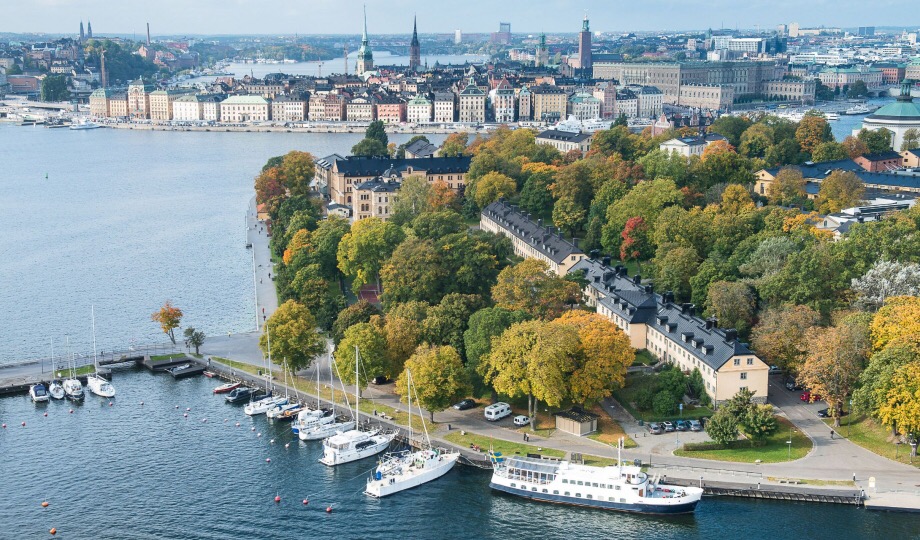
8) Skeppsholmen. In the middle of Stockholm harbour lies the island of Skeppsholmen. Perfect for a walk by the water’s edge or bathing and eating. The island also houses various museums, including the Modern Museum. The terrace of Skeppsholmens hotel is very relaxing for a glass of rose wine.

9) Fjäderholmarna. Take a 20 minute boat ride from Slussen to the islands of Fjäderholmarna. Swim, sunbathe and enjoy something to eat and drink. A ‘day trip’ that doesn’t feel like it’s miles away.

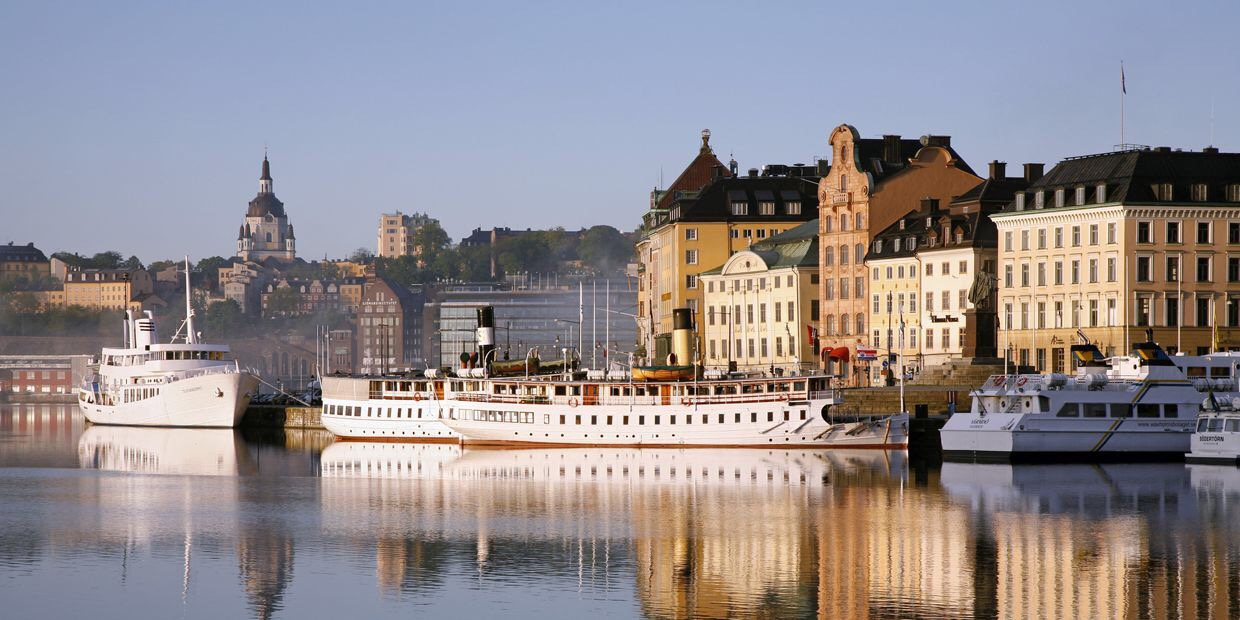
10) Gamla Stan. If staying urban is your thing, then head for the Old Town. Full of shops, eateries, historic buildings, narrow alleyways, this part of town still has its fair share of sun traps and access to water. Restaurants on the harbour side have lovely views over the water and the city’s boat life.
Your helpful Guide to Surviving Midsummer in Sweden 

midsommar

With Midsummer rapidly approaching, it is worth planning for your survival. Midsummer’s Eve is the craziest custom in the Swedish calender and the time of the year when Swedes go a little bonkers.

As a non-Swede, get ready to brace yourself. And follow this simple survival guide to make sure you make it to Midsummer’s Day in one piece.

  1. Greet like a Swede. In Sweden it is considered polite to greet everybody individually, even if you plan to never speak to them again or remember their name. The appropriate way is as follows, shake hands and look direct in eyes, say ‘hej’ followed by your name. They will do the same. If you are feeling adventurous, follow it up with a ‘trevligt’ or even a ‘Glad Midsommar’. Job done. Now you can hit the booze.
  2. Snaps is not the same as a shot. A lot of alcohol gets drunk on Midsummer’s Eve, especially beer and snaps  With the popularity of shots in recent years, it’s easy to make the mistake that Swedish snaps is the same thing. Believe me, it is not. Snaps can be up to 40% proof, considerably more than your normal shot. So, go easy and sip the snaps or see yourself slipping sideways off your chair before the dessert has even been put on the table.
  3. Take tissue. Midsummer’s Eve is a looong day and you probably will need the loo at some point. The trouble is, so will everybody else – to the detriment of the supply of toilet paper. There’s a big chance you will be seeking relief in the woods so come equipped with the appropriate amounts of paper for your needs.
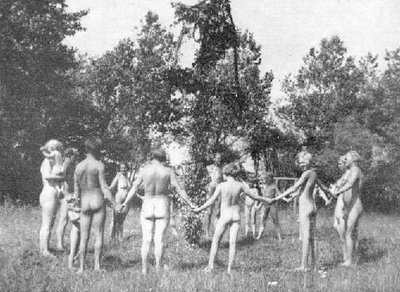
  4. If shy, bring swimwear. Bathing in the icy June waters is a common activity at Midsummer. Swedes generally are not afraid of showing a bit of genital when they do this. If you are, then come prepared with swimwear and a towel.
  5. Shelve your maturity. Part of Midsummer is dancing around the maypole, playing silly games, pretending to be a frog, participating in competitions. To survive this, it helps to conjour up your inner child and forget you are an adult for a while.
  6. Rubbers will save the day. Given the amount of alcohol consumed at Midsummer, it is no surprise that the most babies in Sweden are made on this day. If you don’t want to join the ranks of parents, remember to put in on before you put it in.
  7. Throw in the thermals. Perhaps you think it’s going to be sunny and warm on Midsummer’s Eve? Well, think again. It is not unusual that temperatures fall into single figures and that pesky rain pours down onto the smorgasbord. So bring a jumper, a rain jacket and even thermals to enhance your experience.
  8. Same, but different. Don’t expect culinary excesses on Midsummer’s Eve. The food is exactly the same as is eaten at Christmas and Easter, with a few small exceptions – strawberries and new potatoes.
  9. Learn a drinking song. On Midsummer’s Eve, food and alcohol is accompanied by Swedish drinking songs.  Learn one in advance and shine at the table. Even better sing one in your own language and you are guaranteed to use those rubbers you packed just for the occasion.
  10. Argue over the rules. At Midsummer a popular Swedish garden game is called kubb. Involving the throwing of sticks, everybody seems to have their own understanding of the way to play. If you want to feel really Swedish, make sure you start an argument about the rules.

That’s it! Follow this guide and you are sure to have a wonderous Midsummer’s Eve in Sweden. Glad Midsommar!

10 musts in Summer Stockholm 

Thinking of visiting Stockholm this summer? For me, Stockholm in the summer is very much about relaxing, sunbathing, swimming and enjoying good food and drinks. As a resident of over 20 years, here are my top ten musts. Enjoy!

1) The Southside of Söder. Take the underground to Skanstull and walk down to the water’s edge. Walk along the lakeside all the way to Hornstull. This is a favourite walk for Stockholmers, which takes you past boatyards, cosy cafes, cute allotments, beaches, bathing jetties and apartments.

2) Golfbaren. Take the underground to Kristineberg and go to the mini golf course called Golfbaren. Practice your putting while drinking wine.

3) Djurgården. Stockholm’s museum island is well worth a visit. Full of parks, interesting museums, restaurants, beaches, a zoo, grand houses, a fairground, amongst other things. Lovely to visit specific places or just go for a walk. One tip is to head left after crossing the bridge and go to Rosenlunds nurseries and garden cafe.

4) Mälarpaviljongen. On the water’s edge on the island of Kungsholmen, this is a floating bar lounge. It’s a Stockholm favourite with nice food, relaxing surroundings and cool house music. The pretty walk from Rålhomshovs park to the city hall goes past this venue. Reach by taking the underground to Rådhuset or Fridhemsplan.

5) Långholmen prison island. Once housing a prison, this island is now a perfect place for a stroll and a bite to eat. It is also a great place for bathing from one of its many beaches and water access points. Also a walk from here over the large bridge, Västerbron, gives commanding views of the city. Reach Långholmen by taking the underground to Hornstull.

6) Stockholm Archipelago. Take a boat ride out to the archipelago. Amongst the thousands of islands, there are opportunities to disembark and eat, drink, sunbathe, swim and relax. If you don’t want to get off the boat, book a table at the boat’s restaurant and enjoy a great meal as the islands slip gracefully past.

7) Champagne terrace. Take the underground to Slussen and walk up to Söder Theater. At the top of the theatre there is a champagne bar with an amazing terrace and a spectacular view over the whole of Stockholm. Stand here on a warm summer’s evening drinking in the sights.

8) Skeppsholmen. In the middle of Stockholm harbour lies the island of Skeppsholmen. Perfect for a walk by the water’s edge or bathing and eating. The island also houses various museums, including the Modern Museum. The terrace of Skeppsholmens hotel is very relaxing for a glass of rose wine.

9) Fjäderholmarna. Take a 20 minute boat ride from Slussen to the islands of Fjäderholmarna. Swim, sunbathe and enjoy something to eat and drink. A ‘day trip’ that doesn’t feel like it’s miles away.

10) Gamla Stan. If staying urban is your thing, then head for the Old Town. Full of shops, eateries, historic buildings, narrow alleyways, this part of town still has its fair share of sun traps and access to water. Restaurants on the harbour side have lovely views over the water and the city’s boat life.

Swedish students on a truck 


This time of the year, a common sight on the streets of Sweden is students on trucks. Dressed in traditional white caps, and bolstered with alcohol, the students jump up and down to the booming music from loud speakers concealed in the vehicle. They scream and shout and spray beer on each other and sometimes unsuspecting pedestrians. They are celebrating the end of their school career. Most of them are 19 years old and have just graduated from Sixth Form College/High School. 
Every year the media reports accidents and injuries, which is not entirely unexpected. And trucks have been banned from certain roads and areas in the towns. 

In Sweden, doing ‘studenten’, as it’s called in Swedish, is a major rite of passage into adult life. The youngsters finish their last day at school, come running out of the building to be greeted by waiting parents and families. They then climb aboard their trucks for their lap of honour. After that they go around to each other’s homes where each family usually arranges a reception to honour the newly-graduated student. 

It is a common sight on the streets of Sweden and a refreshing reminder of the hopefulness of youth. 

Sweden’s fickle weather Gods

aprilväder

Living in a country with such distinct seasons, the subject of the weather is always up for discussion. In Sweden, there is a concept known as ‘aprilväder’ or April weather. This term describes the unpredictability and fickleness of the Nordic weather gods in the month of April.

Just in the few minutes I have been sitting here looking out of my window, the sun has been shining, it has snowed, the sun has shone again, it has clouded over and got windy and then snowed again. A week ago it was around 15 degrees celsius. Now it’s around 4.

April is often a frustrating month for Swedes.

Periods of sunny, warming weather tantalise the nation and lull them into a false sense of security. Once people have put away their winter coats and folded their thick jumpers up onto the top shelf, the snow hits again and ice forms on roads. Cars with their summer tires slip and slide along and people in their short, thin spring jackets freeze, get a cold and have to call sick in to work.

You’d think we’d be used to it by now. But no. It seems to be an annual phenomenon. Maybe it’s a reflection of that most human of emotions – hope. Every year we hope that the spring has finally arrived. And usually those hopes are dashed in a flurry of snow and a plummet of the themometer.

And as I sit here and look out, it has started snowing yet again. The warm weather seems very far away.

But hope lives on and I console myself that with every snowflake that falls, we are one snowflake closer to Spring!