
It’s 4am and I can’t sleep. One of those nights with a million thoughts churning around in my mind. Outside, the city of Stockholm is quiet. Daylight is starting to slowly break. As I lie here, a question about Sweden pops into my head. Something I’ve never thought of before.
Where does the English name ‘Sweden’ come from?
I should be sleeping, but I decide to google for the answer and I am catapulted into the world of historical research, language theory and ethno-cultural writing. And now I have the explanation and hopefully I can sleep.
Would you like to know? Here’s what I found:
The English name for Sweden was loaned from Dutch in the 17th century to refer to Sweden as an emerging power. Before Sweden’s imperial expansion, Early Modern English used Swedeland.
The Old English name of Sweden was Sweoland or Sweorice, land or realm of the Sweonas – the Germanic tribes of the Sviar. The name of the Sviar itself is derived from a proto-Norse Swihoniz, presumably a self-designation containing the Germanic reflexive ‘swe’ – one’s own, self”.
The modern English name Sweden
was loaned from Dutch. It is based on Zweden, the Dutch name of Sweden, and in origin the dative plural of Zwede. It has been in use in English from about 1600, first recorded in Scottish Swethin, Swadne.
So there you go. Perhaps I can now zleep. Zzzzzzz.

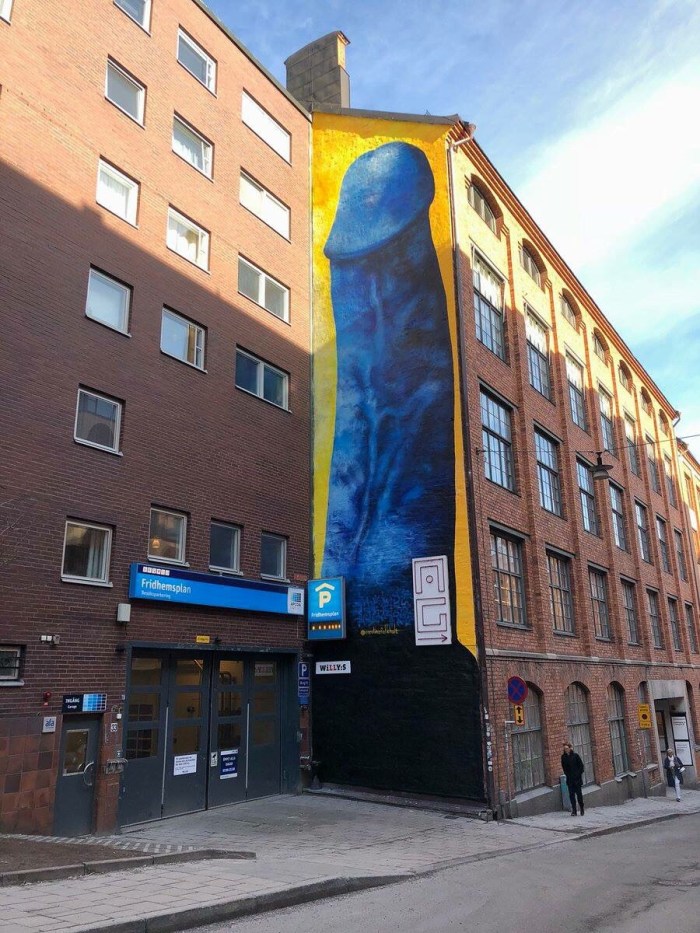
 There’s one stereotype of Swedes that seems like it will never go away – the stereotype that Swedes are sexually liberated. This impression started after the wave of Swedish films that came out in the 1960’s and which were considered erotic by the rest of the world. Equal gender rights, contraception, abortion rights and a relaxed attitude to nudity have reinforced this stereotype. Perpetuating it further over the decades is the regular supply of seductive and physically attractive Swedes in the media – Britt Ekland, Ulrika Jonsson, Anita Ekberg, Maud Adams, Dolph Lundgren, Victoria Silvstedt, Alexander Skarsgård to name a few.

 Watching the Swedes