Christ Flying Day – a Swedish holiday

Today is Ascension Day, and it is a public holiday in Sweden. The Swedish word for today is Kristi himmelsfärdsdagen or Kristiflygare, which translates loosely as Christ Flying Day. Yet another example of the literalness of the Swedish language, this day signifies the bible story of Jesus Christ ascending (or flying) to heaven.

Unlike some countries that moved the celebration to the following Sunday, Sweden celebrates Ascension Day on the actual Thursday. This gives rise to another Swedish concept – the ‘squeeze day’. Since Thursday is a holiday, and Saturday is a work-free day for most, Friday gets squeezed between them and is also taken as a day off by most people. That makes this weekend a lovely long weekend, often signifying the beginning of summer. In previous times, today was also called ‘barärmdagen’ – or ‘bare arm day’ – as women started to wear clothes that exposed their arms.

This weekend is not religiously observed by most Swedes. Being a secular country, time is usually spent outdoors if the weather permits. Some Swedes go to their summer houses, or sail the waterways on their boats. Others meet friends, sit in outdoor cafes, or carry out sporting activities. In years when travel is permitted, this is also a popular weekend to fly off for a four-day break in, for example, Barcelona, Nice or Palma.
Stupid Swedes

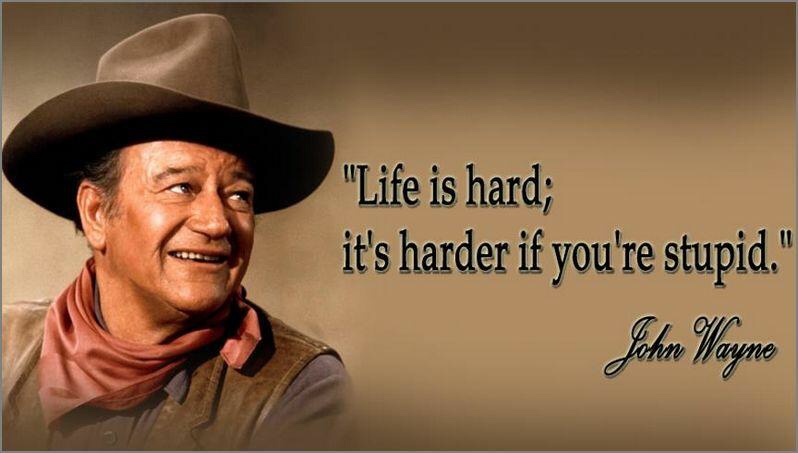
Sitting with some friends yesterday, we discussed why the Swedish word ’korkad’ (corked) means stupid. After much research, we couldn’t find an answer but we guessed it had something to do with the fact that cork is empty, light and flighty. Another thought was once you have uncorked a bottle and drunk it, it is an empty vessel.

We might not have found the origin of the word ‘korkad’ but we did find lots of expressions in Swedish to call somebody stupid. Here are 15 of them!

1) Bakom flötet – behind the float (fishing)

2) Tjockskallig – thick skulled

3) Tappad bakom en vagn – dropped behind a carriage

4) Tappad i backen – dropped on the ground

5) Ut och cyklar – out cycling

6) Dum i huvudet – stupid in the head

7) Fårskalle – sheep skull

8) Obegåvad – ungifted

9) Har inte alla hästar i stallet/hemma – doesn’t have all his/her horses in the stable / at home

10) Inte den vassaste kniven i lådan – not the sharpest knife in the drawer

11) Hjulet snurrar men hamstern är död – the wheel is turning but the hamster is dead

12) Född i farstun – born in the porch

13) Har inte alla kottar i granen – doesn’t have all the cones on his/her fir tree

14) Jubelidiot – celebrated idiot

15) Hissen går inte hela vägen upp – the lift doesn’t go all the way to the top floor

Then there are lots of words like ‘korkad’ that are fun to say and all mean stupid. For example, ’trög, bombad, knasig, knäpp, puckad, pantad, pundig, beng, bläng, boll, ding, fläng, prillig, stollig, svagsint, rubbad, koko, blåst’.

Who knew there were so many ways to call somebody stupid in Swedish? I tend to just say ‘dum’ but I’m now going to practice a few more of these words and expressions.

Swedish cartoons – a bear, an elk, a cool dog and a hotdog

Today, May 5th, is International Cartoonists’ Day, designed to celebrate this specific craft and art form. For all of us, cartoons are part of the tapestry of our lives, and it’s hard to imagine a media landscape without them. This isn’t surprising given that the art form as we know it today – in newspaper, magazine and film – goes back around 170 years.

Although hand-drawn stories originated in the Middle Ages, the satirical and humouristic form we know today started in 1843 in the British Punch magazine. The longest-running newspaper cartoon strip is called The Katzenjammer Kids, known as Knoll and Tott in Swedish. This strip has been published in the American Humorist since 1897. The earliest animated cartoon for film is considered to be Fastasmagorie by French cartoonist Émile Cohl, drawn in 1908. It wasn’t until 20 years later that the first Disney film – Steamboat Willy – appeared, featuring the very familiar Mickey Mouse

So what about Sweden? What is Sweden’s history of cartoons? Cartoon strips in Sweden started in the late 1800’s/early 1900’s. The oldest cartoon strip that is still being published today is 91:a, which started in 1932. In Sweden, international cartoons have been very popular. Although originating abroad, their names are usually Swedified. For example, Donald Duck is Kalle Anka, Popeye is Karl-Alfred and Fred Basset is Laban. The Finnish cartoon Mumin is also very popular. There are, however, some strips that have been drawn by talented Swedish cartoonists. Here are a few:

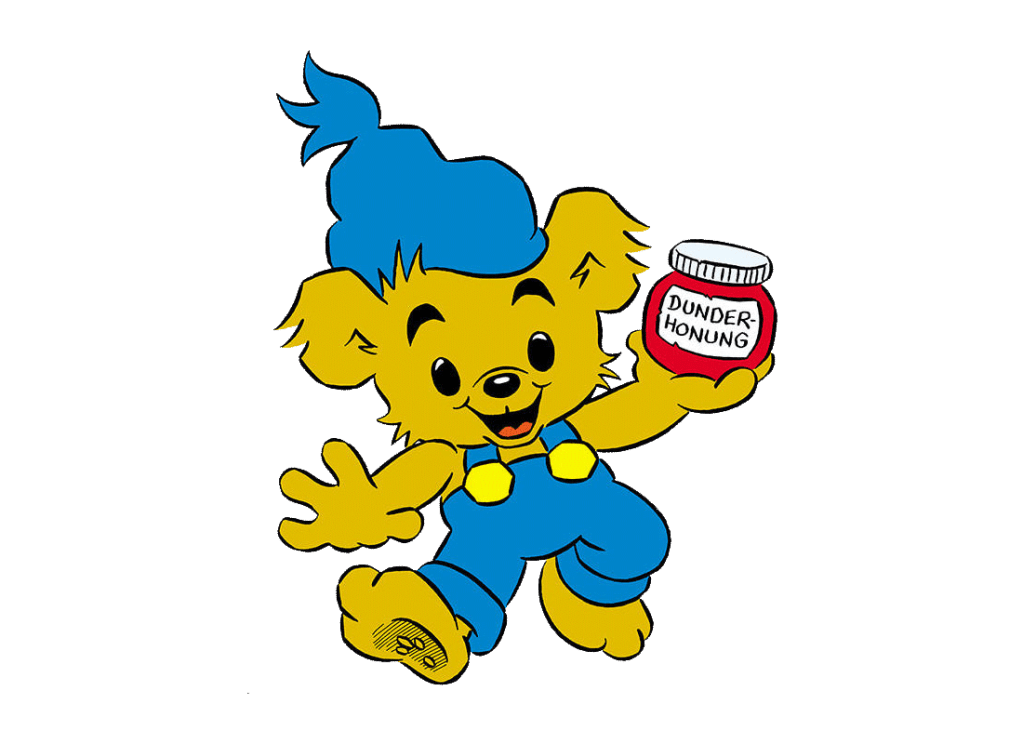
1) Bamse. The most successful cartoon from Sweden. Bamse is the world’s strongest bear, who eats honey and is best friends with a rabbit (Lilla Skutt) and a tortoise (Skalman). Drawn by Rune Andreasson, Bamse has his own comic strip, magazine and films. When Swedes give each other a strong hug, they call it a ‘Bamse hug’.

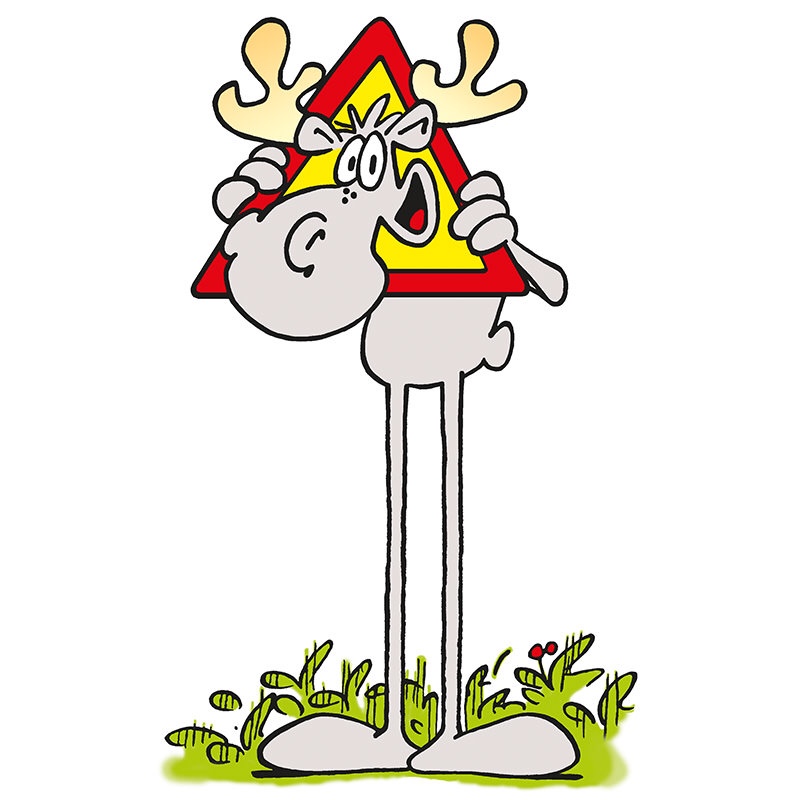
2) Hälge. A melancholy elk drawn by Lars Mortimer. Hälge is constantly on the run from Hunter Edwin and his dog Blixten, who he manages to outwit season after season.

3) Rocky. Cartoonist Martin Kellerman created this autobiographical character aimed at the adult reader. Rocky is a cool dog, the same age as Kellermann and is also a cartoonist. The character is philosophical, satirical and critical and has even been converted into theatre.

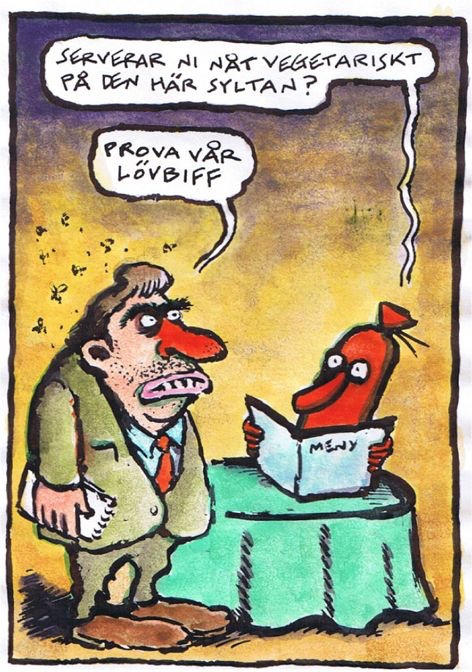
4. Assar. A satirical comic strip that appeared in Swedish newspaper DN, drawn by Ulf Lundqvist. Assar is a talking hot dog who has escaped the hot dog stand and lives in a depressed village populated with small-minded residents. Many of the later stories focused more on these residents than on Assar himself.

All of the examples are successful strips drawn by men. There are several acclaimed female cartoonists in Sweden also. Lena Ackebo and Nina Hemingsson are probably the most well known. Both are satirical cartoonists, with distinctive style. They draw a variety of players, and do not restrict themselves to portraying the antics of one particular named character.

Lena Ackebo cartoon
Nina Hemingsson cartoon

What other Swedish cartoonists deserve a mention? Please let me know below!

Why is May 1st celebrated in Sweden?

In Sweden, and in many other countries, May 1st has been embraced as the International Workers’ Day. In 1938, May 1st became Sweden’s first non-religious public holiday and has been an important celebration of labourers and the working classes since then.

But why specifically May 1st?

The answer is found in a massacre in the USA. On 1 May 1886, laborers in Chicago went out on strike for an 8 hour working day. On 4 May 1886, Chicago police and the demonstrators clashed and 11 people died. The event is called the Haymarket massacre. Seven of the demonstrators were sentenced to death, despite lack of evidence. To commemorate the massacre, the socialist organization suggested that 1 May should become day of demonstrations every year.

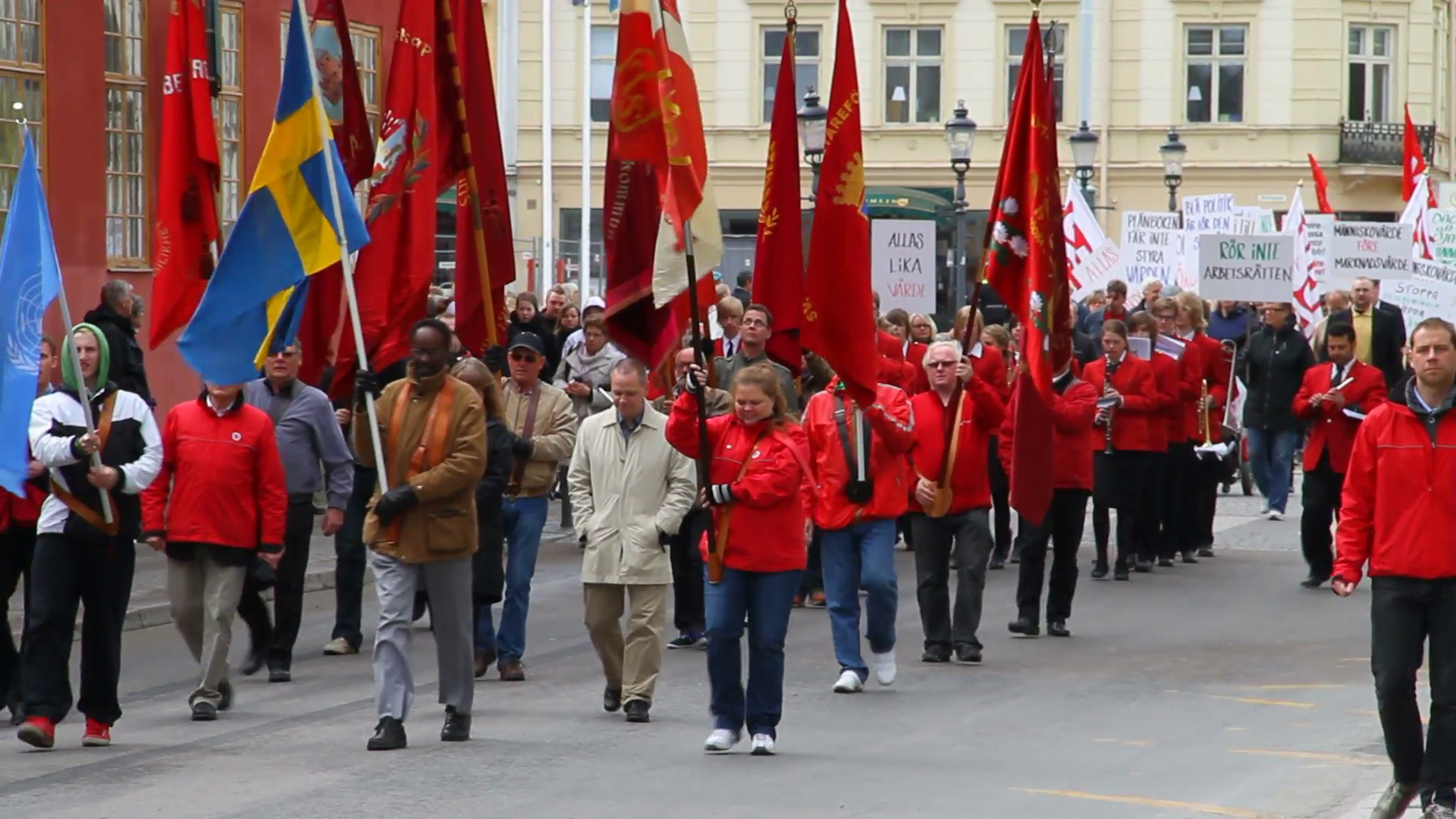
Around Sweden, traffic is shut off, huge flag-waving demonstrations are held and people gather to hear speeches from their politicians and representatives. Since the demonstrations are most commonly from the political left, the streets are awash with bright red flags and banners. However, this year, like 2020, is different. As large public gatherings are banned, the speeches are instead broadcast from a studio over Facebook and YouTube.

Contrary to the stereotype, not everybody in Sweden supports left wing political groups. Many Swedes lean towards the centre or the right. For them, today is just a day off work – an opportunity to perhaps nurse hangovers from the festivities of the previous evening or to relax, watch Netflix, go for a walk and enjoy the day.

Swedish icons 19: Nils Dardel

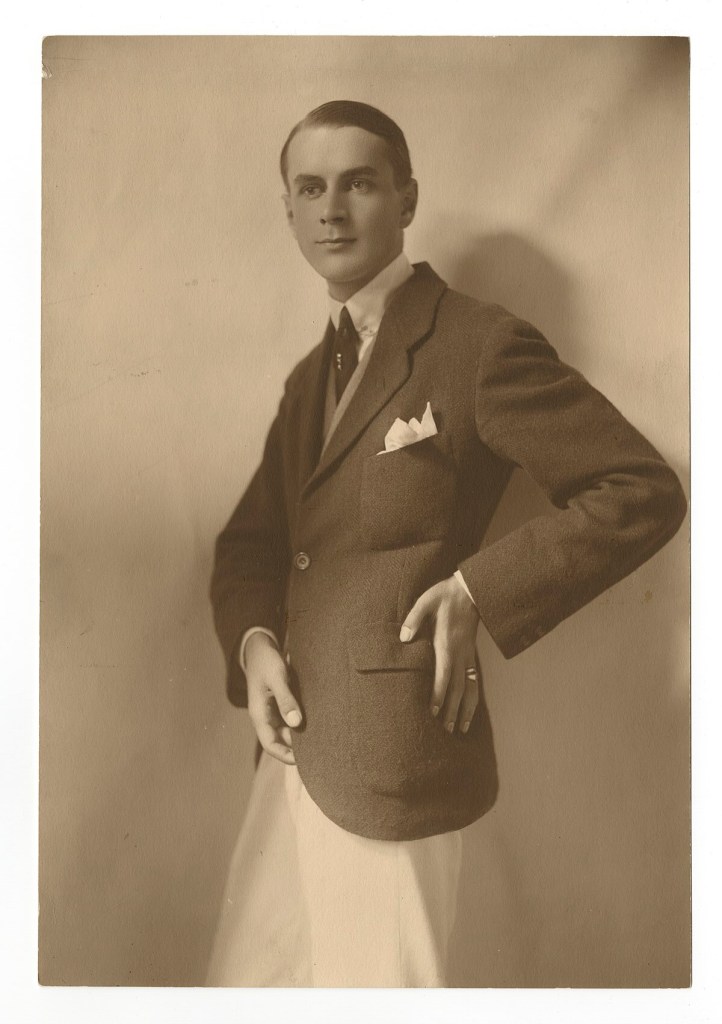
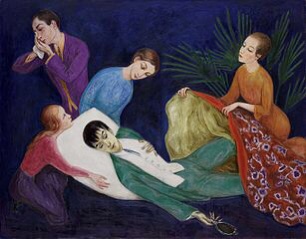
Nils von Dardel was born in 1888 in Bettna, Södermannland. He is considered one of Sweden’s most important post impressionist artists and his painting ‘Vattenfall’ is the most expensive modernistic Swedish painting ever to be sold at auction.

Born into a wealthy, cultural elite, Nils Dardel was able to spend his life as a nomad. On his travels around Europe, USA, Peru, Mexico, Asia, he painted people from varying backgrounds and all types of situations. He lived a self-destructive hedonistic lifestyle, which is apparent in several of his works , especially those from his pre-war burlesque Paris era.

His paintings are often very colourful and depict eccentricity and ambiguous sexuality. One of his famous paintings is ‘The Dying Dandy’ which today hangs in Stockholm’s Modern Museum, and is perhaps one of the most recognisable pieces of art from Sweden. Some of his other paintings are today on display around Sweden as well as in Paris, Oslo and Hamburg.

For 12 years, Nils Dardel was married to painter and author Thora Dardel although, given his hectic and bohemian lifestyle, he had affairs with both men and women. Together, they had one child – Ingrid – also herself an artist. She, in turn, became mother to two contemporary and acclaimed artists Henry Unger and Nils Ekwall.

Nils Dardel died of a heart attack in 1953 in the artist hotel The Beaux Arts on 44th Street in New York. He is buried on the island of Ekerö outside Stockholm.

21 ways to die in Swedish

Yesterday was the sombre funeral of Prince Philip in St George’s Chapel in Windsor, UK. In the House of Nobility in Stockholm, his coat of arms was also hung as he was a member of the noble Swedish Serafimer order.

All this got me thinking about the different ways you can describe somebody dying. In English, we have expressions like ‘bite the dust’, ‘pop your clogs’, ‘join the choir’, ‘go to meet your maker’, ‘kick the bucket’ and ‘shuffle off your mortal coil’. I wondered how many words or expressions there are in Swedish – and I found 21!

Att dö – to die

Att avlida – to die

Att gå ur tiden – literally to ’go out of time’

Att gå bort – to ’go away’

Att somna in – to ’sleep in’

Att trilla av pinn – to fall off the stick

Att stupa – to fall (often in battle)

Att gå i graven – to go to the grave

Att gå hädan – to go away

Att samlas till sina förfäder – to be gathered by your ancestors

Att ta ned skylten – to ‘take down the sign’

Att kola vippen – untranslatable, meaning to die

Att bita i gräset – to bite the grass

Att duka under – to go under

Att dra sitt sista andetag – to take your final breath

Att vinkla upp tofflorna – to point up your slippers

Att dra på sig träfracken – to put on your wooden suit

Att ge upp andan – to give up breathing

Att krepera – to die

Att lämna jordelivet – to leave this earthly life

Att kila vidare – to die, to ‘run onwards’

Can you think of any more expressions or words to add to this list?

Sweden’s Patrik Day

Today, 16 April, is Patrikdag – Patrik Day in Sweden. Not to be confused with the Irish St Patrick’s Day and nothing to do with partying, drinking and dancing.

No, this day is to with agriculture, and crops. In Sweden’s old agrarian society, spring was an intensive time. It was important to sow at the right moment in order to have a successful harvest. In the southern-most county of Skåne farming calendar, Patrik Day was marked as being the last day to sow. If it was too cold, and the ground too hard, then the tradition was to sow inside the barn. In other more northern parts, this was the absolute last day to begin ploughing the fields.

The name Patrik comes from the Swedish tradition of giving each day a name. Yesterday was Olivia, tomorrow is Elias. And today is Patrik Day.

Gun salutes in the UK and Sweden

To mark the recent death of the UK’s Prince Philip, a 41-gun salute was held across Great Britain yesterday. For many, it seemed like an odd number. So, why 41?

In both the UK and Sweden, gun salutes mark special royal occasions and the number of rounds fired depends on the place and occasion. The basic salute in both countries is 21 rounds.

In the UK, however if fired from a royal park, an extra 20 rounds are added – making 41. At the Tower of London 62 rounds are fired on British royal anniversaries (the basic 21, plus a further 20 because the Tower is a Royal Palace and Fortress, plus another 21 for the City of London.)

The most shots have been given from the Tower when the late Duke of Edinburgh’s birthday (62 shots) coincided with the Queen’s official birthday (62 shots). This gave a total of an annoying 124 shots booming out over the city.

So, does Sweden always have 21 shots?

No, not always. When a Royal birth takes place and the infant is the firstborn to either the reigning monarch or to the heir to the throne, an extra 21 rounds (for a total of 42) are added to the normal salute. Additionally, 19-gun salutes are used for heads of government, cabinet ministers and ambassadors.

Another gun salute consists of two rapid gunshots only. This is used by the military and was fired to identify a Swedish ship entering a harbour or on the battle field to identify the Swedish troops. This signal is called the ‘Svensk Lösen’ – the Swedish Signal. This salute is today fired on special occasions, usually within the armed forces.

21-gun salutes in Sweden occur on:

  • 28 January – the King’s Name Day
  • 30 April – the King’s birthday
  • 6 June – Sweden’s National Day
  • 14 July – Crown Princess Victoria’s birthday
  • 8 August – Queen Silvia’s Name Day
  • 23 December – Queen Silvia’s birthday.

So, why is 21 standard?

Well, it originated in British maritime tradition. Historically, ships would fire 7 shots as they approached a foreign harbour. As ships usually had seven cannons on board, this was to show they had disarmed themselves and declare the vessel to be no threat on entry.

The military on land could store more gunpowder and therefore could reload their cannons more quickly. The tradition became that they would fire three shots for every one shot made at sea – hence 21 shots – as a sign of welcome and peace.

Interestingly in Sweden’s neighbouring country, Denmark, the gun salute given to majesties is 27. Could this be based on the same thinking? 3 x 9 shots?

International Romani Day-Roma in Sweden

Today, 8 April, is International Romani Day. It marks the first World Romani Congress that was held in London in 1971, making today the 50th occasion it has been celebrated. The day exists to shine a light on the ongoing persecution and abuse that the Roma population of the world has been forced to endure throughout history.

The Romani originate from northern India. They are dispersed, and their most concentrated populations are located in Europe, and Western Asia, since around 1007. Nobody really knows why the Roma left India in the first place, as no records were kept. However theories abound: from early persecution based on caste, to banishment from angering the king, and religious war.

The estimated 12 million Roma are consequently a nomadic people with no land to call their own. Their mobility and the fact that they lived in temporary camps contributed through the centuries to associations with poverty and accusations of high rates of crime. The discomfort that others felt about their presence led to perceptions of the Roma as antisocial, unsophisticated or even dangerous. Partly for this reason, discrimination against the Romani people has continued to the present day.

Romani have existed in Sweden since at least the 1500’s and today they are classed as one of Sweden’s five national minority groups (together with Jews, Sami, Swedish Finns and Tornedalers). Romani chib has the status of official minority language.

Over the centuries, the people of Sweden discriminated against, marginalised and excluded its Roma population. For 40 years, Sweden had a legal policy of enforced sterilization of people to avoid ‘unacceptable offspring’. Much suggests that Roma women were particularly subjected to this abuse, and mostly it was involuntary. Sweden removed this law in 1976. The Pew Research Poll of 2016 found that 42% of Swedes held strong anti-Roma views (compared to 82% in Italy, and 37% in Holland).

A Romani political activist in Sweden was Singoalla Millon, who died in 2020, and spent her entire life fighting for education, housing and acceptance. Another was Katarina Taikon who dedicated herself to improving conditions for Romani people in Sweden. She tried to convince the Swedish government to see the Romani as political refugees. She died in 1995. Today, the politician Soraya Post has worked as an EU politician defending the rights of the Romani and other minorities.

In 2012, the Swedish government introduced an 20-year equal opportunities strategy for Roma people. The strategy includes objectives and measures within several areas such as schooling, employment; housing, health, social care, culture and language. Of course, discrimination and marginalization are still very real in Sweden, but this is at least a step in the right direction.

‘Pingis’ in Sweden

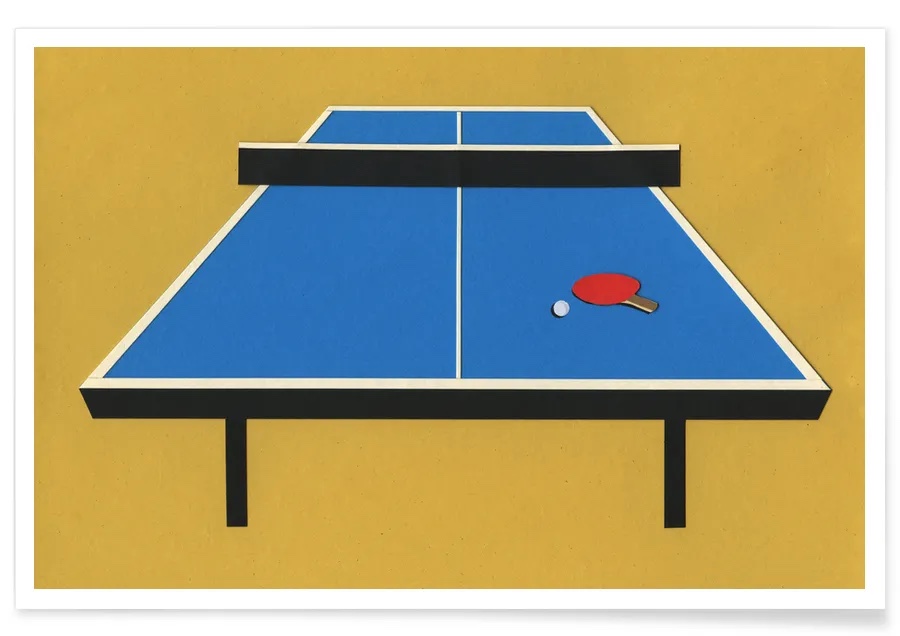
Today is International Table Tennis Day, or Ping Pong as it is also called – a name originating from the Mandarin Ping Pang Qiu. In Sweden, table tennis has the nickname ‘pingis’. Table tennis is a popular sport in Sweden, from sport centers, to community centers, offices, games rooms, and on an international level of competition. The game was first played in the 1890’s, with the first Swedish championship organised in 1925.

Although elite table tennis is dominated by the Chinese, Sweden has had some success over the years. Probably the best Swedish player through history is Jan-Ove Waldner. Known as ‘The Evergreen Tree’ in China, Waldner had an extraordinary successful and long career. He won a total of 20 Gold, 17 Silver and 9 Bronze medals in the Olympics, World and European Championships. Jörgen Persson, Kjell Johansson, Marie Svensson and Stellan Bengtsson are other successful ping pong athletes.

On a non-elite level, the game of ‘rundpingis’ is popular in Sweden. This is knock-out ping pong played in large groups where people run around the table and hit one shot each. Another popular pastime is outside table tennis, with many parks building tables and nets out of weather-proof iron.

So, today’s the day to grab a racket and play a round of table tennis. Who knows, maybe you’ll be the next pingis star in pingis heaven!