Is it a fish, is it a whale, is it a submarine?

IMG_4443.JPG

In Stockholm’s archipelago, a military operation is ongoing. Reports/suspicions of underwater activity in Swedish territory have led to this. Residents claim to have sighted a surface submarine and the general finger is pointing towards Russian involvement – not surprising given their recent actions.

But the thing is, no submarine is found. Now in the 6th day of hunting, the insufficient Swedish navy ships keep drawing blanks. Does this mean there is no submarine? Maybe. But it definitely puts the spotlight on Sweden’s inadequate military power and it’s subsequently inability to defend itself in an armed conflict.

So is this a wake up call? It’s definitely a dilemma for pacifistic Sweden.

Time to build up Sweden’s military defence that was politically dismantled during the last decade? Or time to invest more into diplomatic dialogue to avoid potential territorial confrontation?

What side of the fence do you land?

Swedish social control or just health consciousness?

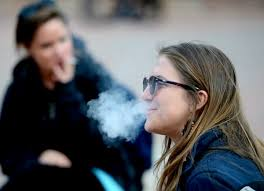
smoking outdoors

For a long time, there has been a ban on smoking Indoors in public places in Sweden. A new law is now being prepared to ban smoking also in outdoor public places such as bus stops, beaches, parks and even on people’s private balconies.

It’s unclear as yet if this law will pass but it’s an interesting case of Swedish beaurocratic imposition on the freedoms of the individual. Those for the ban claim the argument of health consciusness and respect for others in the public environment. They also claim that public spaces will become more accessible for people who today cannot move freely in public spacers such as asthmatics. Those against the ban claim that this is the state ínvolving themselves in something that is about individual choice and that barbecuing should also be banned in public spaces by the same argument.

Those for the ban suggest that it is easier to deal with unpleasant smoking habits if the law is on your side. For example, if a neighbour smokes on their balcony, and this smoke rises up into your apartment, it’s easier to get them to stop by throwing the law book at them.

Culturally, I think this is interesting. Is this about facilitating dialogue? I don’t believe so.

I think it’s more about the Swedish tendency to want to create law and legislation to solve interpersonal problems.

Do Swedish good looks make good politics?

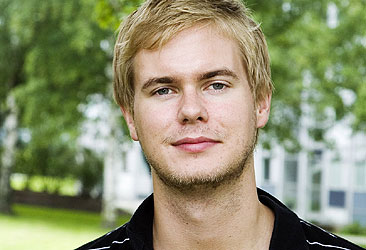
Sweden’s New Public Health Minister, Gabriel Wikström, has created a storm on social media due to his good looks. Called ‘the handsome minister’ he’s getting a great deal of attention. Here’s my blog from the end of last year in which I listed Sweden’s top 10 handsome politicians. Gabriel Wikström didn’t make the list then. Maybe it should be revised?

It doesn’t come as a surprise that looks count in politics. We all know that PR people try to pimp their candidates so that they look more attractive and gain votes. We all know that, although politics is all about the issues, a winning smile doesn’t hurt. At the weekend, some friends and I designed a list of Sweden’s most handsome politicians. We came up with the Top Ten! This list is in no way objectively researched but purely the subjective reflections and objectifications of this little international group. So, here’s the list!

Position 10 – Tomas Tobé. Moderaterna Tomas_Tobe_0000149000

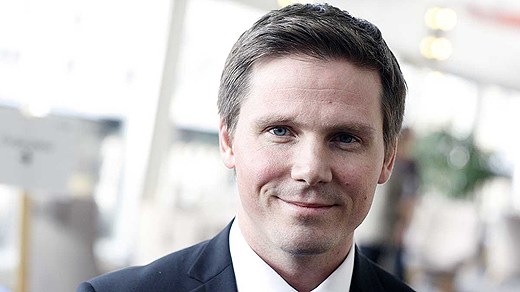
Position 9 – Erik Ullenhag, Folkpartiet
erik ullenhag

Position 8 – Christopher Fjällner, Moderaterna
christopher fjallner

Position 7 – Ardalan Shekarabi, Social Demokraterna
Shekarabi_Ardalan

Position 6 – Hans Lindberg, Social Demokraterna
hans lindberg

Position 5 – Gustav Fridolin, Miljöpartiet
gustav fridolin

Position 4 – Ali Esbati, Vänsterpartiet
ali esbati

Position 3 – Hampus Magnusson, Moderaterna
Hampus-med-Lars2

Position 2 – Hans Linde, Vänsterpartiet
02_Hans-Linde-192

Position 1 – Jan Eliasson, Social Demokraterna
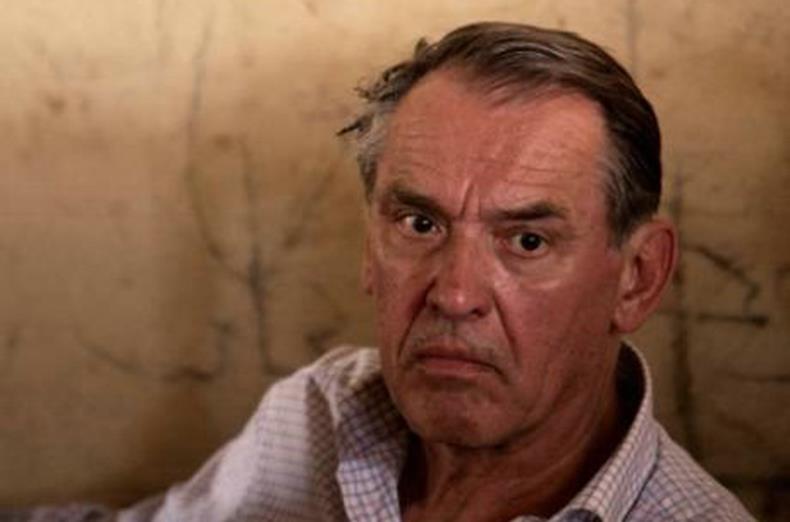
jan eliasson

Stockholm A-Z: ÅÄÖ

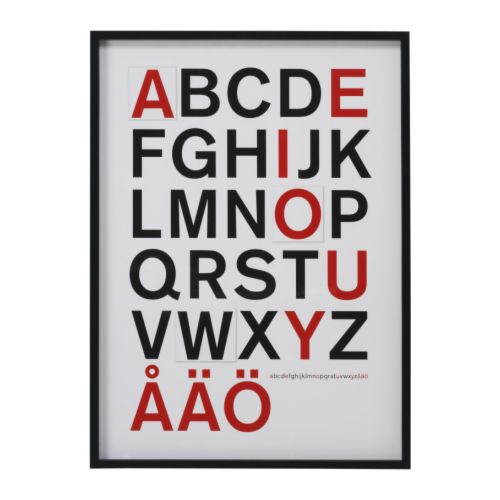
A-Z doesn’t stop here. No, not in Sweden. As if the Swedish language isn’t difficult enough to learn, there are three more letters of the alphabet to contend with: Å, Ä and Ö.

Å is pronounced like ‘or’
Ä is pronounced like ‘air’
Ö is pronounced like ‘urr’

These letters are partly what gives the Swedish language its distinctive sound and can be a bit difficult for foreign learners to get their brains and mouths around.

Interestingly, the letter Ö is also a word – Island. Think about that if you head into the archipelago and see many of the place names ending with ö.

IMG_4415.JPG

Stockholm A-Z: Zombie invasion

IMG_4296.PNG

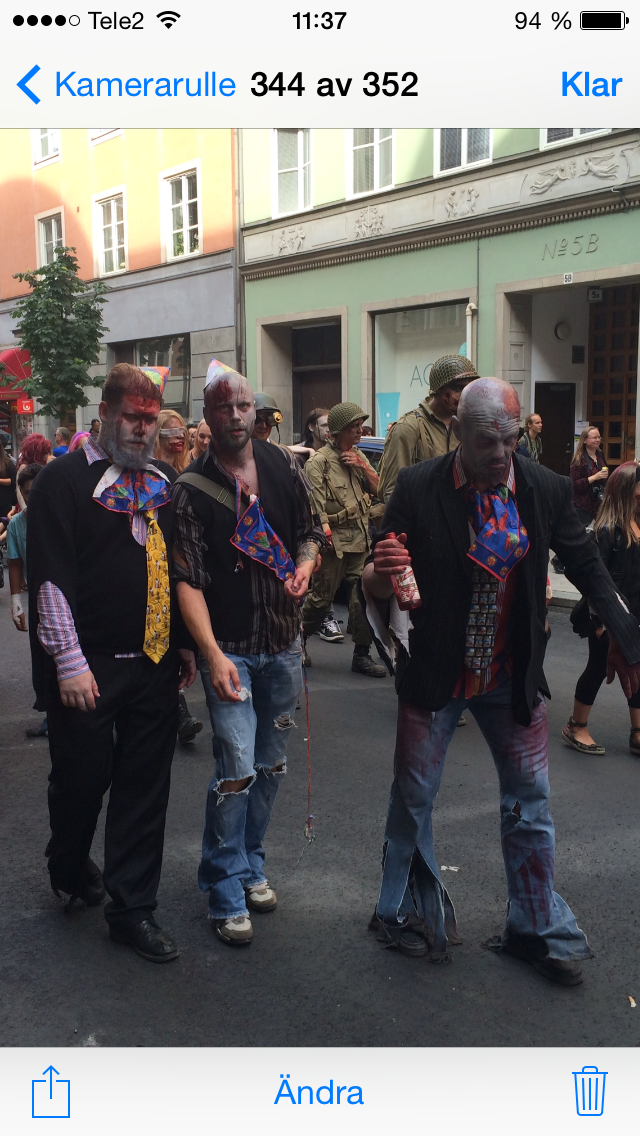
At some point in August, Stockholm becomes a fearful place. Hordes of zombies invade the city and bystanders should be careful not to get in the way. Starting in Östermalm, the zombies limp to a nearby underground station, where they travel the tube and arrive on Södermalm. Zombie nurses, zombie soldiers, zombie children, zombie clowns swarm out of the station and onto the street. Another sombre walk and they arrival at the zombie park to mingle and eat flesh. It’s a scary sight, not for the faint of heart.

There are many festivals and parades in Stockholm, many of them taking place in the light summer months. Stockholm Pride on the first Saturday in August and the May Day parades on May 1st are probably the largest parades to watch. Another parade is ‘Stockholm Cruising’ also on the first Saturday in August where hundreds of vintage cars and rockabillies cruise along Sveavägen in Vasastan. ‘Shockholmen’ on the first Saturday in November in Kungsträdgården is Scandinavia’s largest Halloween parade. Like the zombie walk, it’s also a scary experience.

There are masses of festivals going on in Stockholm all year. Whether you’re a beer drinker, a music follower, a fetischist, a poetry aficionado, a theatre buff, a choir lover or a stand up fan there is something for everybody. More information can be found on http://www.festivalinfo.se

Stockholm A-Z: Yumpin’ Yimminy

IMG_4413.JPG

In 1941, a Hollywood movie was released starring Vaudeville actor El Brendel. The movie was about a simple Swedish immigrant who unknowingly becomes assistant to a jewel thief. As an expression of surprise, he exclaims ‘Yumpin’ Yimminy!’ instead of the phrase ‘Jumping Jimminy’ which was popular at the time. This, of course, was a way of ridiculing the Swedish difficulty of pronouncing J and similar jokes highlighting this are for example ‘do you have any use (ie juice) for my wife?’

The Swedish language that we see on signs can still today provide us with some giggles. It’s useful to know what some of the words mean when you’re visiting Stockholm.

Infart – this sounds painful, but it’s the Swedish word for entrance (usually for vehicles)
Utfart – the word for exit (usually for vehicles)
Ned – on the underground, this means down
Rea – not a singer but the Swedish word for Sale
Slutrea – not a tarty singer but a Final Sale
Slutspurt – rather unappealing word that means end of Sale rush
Realisation – oh my god!! It’s a sale!
T – banan – not a funny shaped banana but the underground metro (Tunnelbana)
Mynt – not fresh breath tablets, but coins
Kök – pronounced ‘shurk’, this means kitchen and nothing else
Herrtoalett – confusingly not her toilet but his toilet. Herr in this context is the Swedish word for Gents
Drag – not a suggestion to wear women’s clothes but a suggestion to pull a door open
Tryck – push the door
Väg – nothing female, just the Swedish word for road

Stockholm A-Z: eXpat community

IMG_4412.JPG

There are thousands of expats living in Stockholm from a variety of countries. Seduced by the allure of the city and its inhabitants many decide to stay after initially intending to love here for only a short while. As expat life can feel isolating sometimes, there are many expat organisations and clubs catering to the needs of this group such as http://www.internations.org, http://www.meetup.com/stockholmexpat and the American Women’s Club.

And then there’s the pubs. One pub where you will typically find an expat crowd from Europe and English-speaking countries is The Tudor Arms in Östermalm. Founded in 1969, this pub won the 2009 Best English Pub in the World competition run by the UK’s Daily Telegraph newspaper for its genuine atmosphere, entertainment and pub grub.

On Södermalm, a popular joint is the Southside Irish Pub with its live music and pub quiz nights. Not far from here are the Oliver Twist, the Bishop’s Arms and Accurat – other pubs popular with British expats.

Many club nights are also arranged in Stockholm which attract people from for example South America and African countries.

Speciality food shops exist throughout Stockholm to appeal to the expat crowd and interested Swedes. Asian supermarkets in the Hötorget area are a good example, and the British sausage has had a renaissance via Taylor’s and Jones butchers on Kungsholmen. In the suburbs of Tensta, Skärholmen and Rinkeby great foods shops selling international produce can be found.

To tune into expat life in Stockholm, visit the Expat’s very own newspaper http://www.thelocal.se

Stockholm A-Z: Wine and Whisky

IMG_4411.JPG

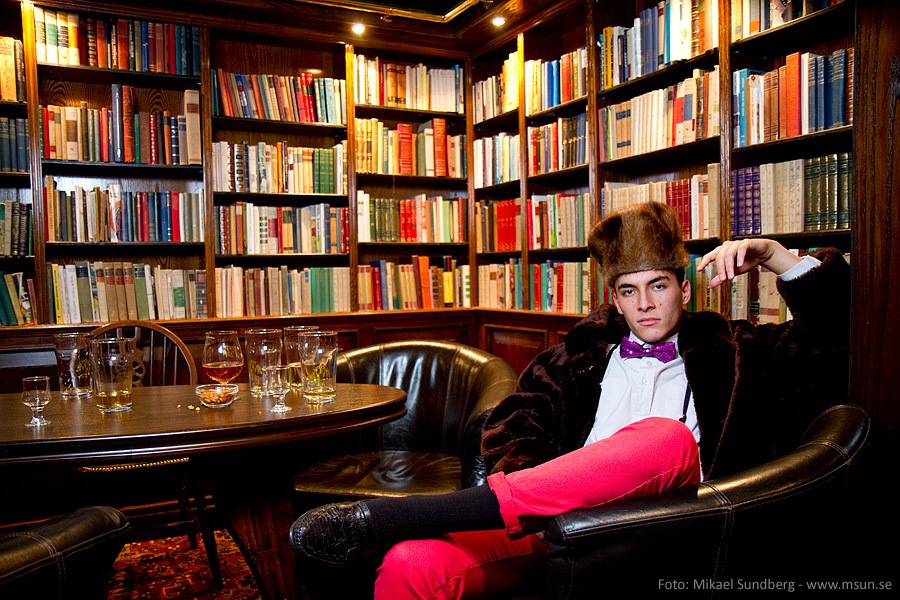
When visiting Sweden, people are often struck by the system for purchasing alcohol. In bars and restaurants everything goes as expected but if you want to buy a bottle of, for example, wine or whisky then this is done in the state-owned alcohol shops known as Systembolaget. These shops have restricted opening hours closing at 6 or 7pm on weekdays and 2 or 3pm on Saturdays. On Sundays and Public Holidays they are closed. Only in Finland, Iceland, Norway and the Faro Islands do they have similar concepts.

Sweden’s alcohol monopoly started in the 1800’s and the national company Systembolaget was formed in 1955.

Systembolaget has a retail network of circa 426 stores, around 25 in Stockholm. The company has an interesting mandate from the Swedish state – to help limit the medical and social harm caused by alcohol and thereby improve public health. This explains why access to alcohol is restricted through the number of stores, opening hours and retail rules, and why the corporation is aims not to maximise its profit. In other words, the alcohol monopoly is highly socio-political -its foremost aim is to stop people consuming alcohol, or at least to consume it responsibly.

Although strange for many visitors, it’s a concept that seems to work – Swedes consume on average 9.1 litres of pure alcohol per person annually. How long this state monopoly is allowed to last is however a question decided by the politicians on national and EU level and an important factor is the how strong the support of the Swedish people is. Systembolaget is loved by some and hated by others. On the one hand you have the limitation to individual freedom of choice, lack of accessibility and lack of competition. On the other hand, you have a very broad product range, knowledgeable wine experts and a brand-independent consumer environment.

However you look at it, Systembolaget has economic significance in Sweden. It employs many people, spawns an industry of wine merchants, turns over billions of crowns a year, contributing to the state income.

So if you want to buy a bottle of alcohol head down to your nearest Systembolaget. Just not on a Sunday.

Stockholm A-Z: Vasa

IMG_4410.JPG

It’s amazing that a country like Sweden, known for its technological success and innovative thinking, is also proud owner of one of history’s most epic fails. The Vasa ship, built in the 1700’s was supposed to be the grandest, most fear-instilling vessel of its time. It included an unprecedented 64 canons and was reflective of the great warrior king Gustav Vasa.

The problem is the ship never made it to battle. In fact, it didn’t even make it out of the harbour. The Vasa ship sank on its maiden voyage in 1628 right to the bottom of the Baltic Sea. However, because of the brackish nature of the water, the Vasa didn’t rot and in the 1980’s was able to be miraculously salvaged – a case of achievement winning over failure. Today, the boat is housed in the stunning Vasa Museum on Djurgården. If you only see one museum in Stockholm, this is the one to see.

You don’t have to be a lover of maritime history to enjoy it. Just reflect over how the people of Stockholm, centuries later, overcame defeat and humiliation and restored their pride. If nothing else, the Vasa Museum is a celebration of modern innovation and tenacity as much as it medieval delusions of grandeur.

Stockholm A-Z: Under ground city

IMG_4409.JPG

Deep under the bowels of Stockholm runs a comprehensive underground system taking travellers quickly around the centre and out to the suburbs. Stockholm’s underground (Tunnelbana) dates from year 1933 and consists of three lines: blue, red and green with all lines passing through the middle point of T-Centralen, Central Station. The underground is a perfect way to get around in a city where the climate can be challenging for half of the year. However, being tucked under the earth doesn’t mean a lost opportunity. In fact, Stockholm’s underground is said to be the world’s longest art gallery with 90 of the 100 stations being decorated with mosaic, paintings or sculptures. The blue line is by far the most interesting with eye-popping Kungsträdgården, Solna and Rådhuset being of particular interest.