Swedish Americans and American Swedes

Happy 4th July – Independence Day in the USA! Since 1776, Americans have been celebrating this day as the day they gained independence from Great Britain. Since 1938, it has been a paid public holiday. This got me thinking about the relationship between Sweden and the USA.

According to Statistics Sweden, there are approximately 49,000 American citizens living in Sweden. I know 6 of them – Lynn, Alex, Ruthie, Scott, Brian and Chris. The majority of Americans in Sweden live in the bigger cities of Stockholm and Gothenburg. There are various groups and societies to bring Americans together, such as the Swedish American Chamber of Commerce and The American Women’s Club.

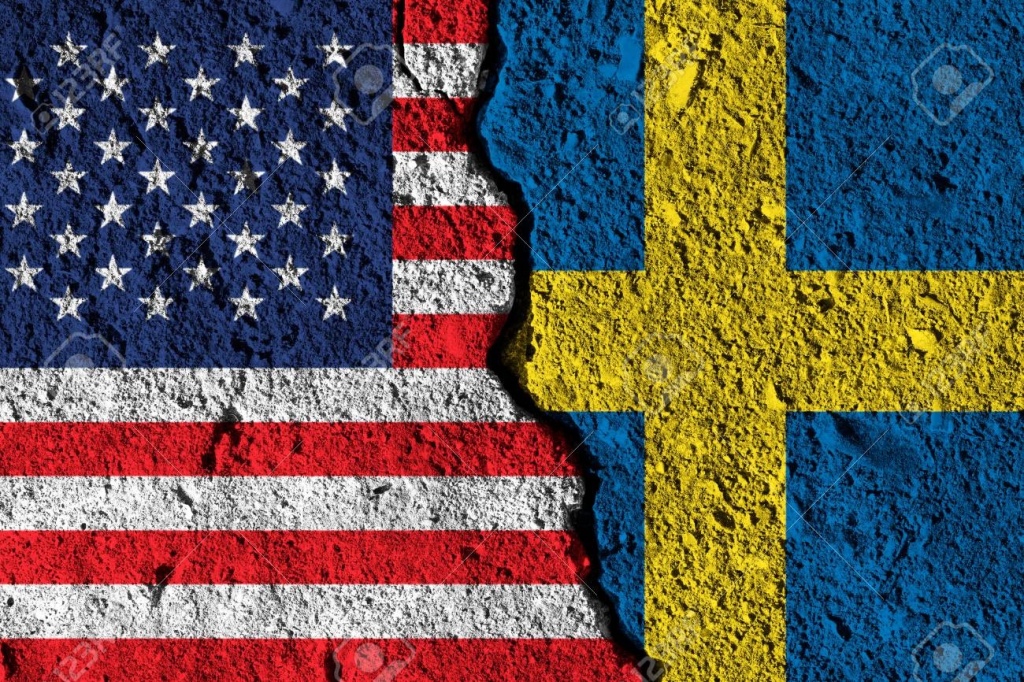
Sweden and America have a long political relationship, with Sweden being the second country, after France, to officially acknowledge America’s independence in the 1700’s. Since then, the relationship has been smooth, with a couple of hiccups during the presidencies of Olof Palme and later Donald Trump. Today, the USA is Sweden’s third largest trade partner, and American-owned companies make up the largest number of foreign companies in Sweden.

Many Americans have family ties to Sweden due to the mass emigration of Swedes to the USA in 1885-1912. In fact, this is such a significant part of Sweden’s history that there is a tv program called ‘Allt för Sverige’ which helps Americans trace their Swedish Ancestry.

At the end of the 19th century 1.3 million Swedes fled famine and persecution in Sweden for a new life in the USA. This was a third of the population at the time. These Swedish Americans were mostly of Lutheran faith and settled primarily in the Mid West.

Prior to this, in 1638, the first Swedish settlers founded New Sweden, around Delaware. It only lasted 17 years before being absorbed into New Netherland and ceased to be a Swedish colony.

In 1639, Swedish settler Jonas Bronck settled a colony around the area of today’s New York. The settlement grew and flourished, and today is called The Bronx – after its original Swedish founder.

According the American Community survey, Swedish Americans and descendants make up around 2% of the US population today. Around 56,000 people still speak Swedish in their homes.

Some famous Americans of Swedish descent include: Emma Stone, Scarlet Johansson, Candice Bergen, Val Kilmer, Michelle Pfeiffer, Julia Roberts, Uma Thurman, Peggy Lee, Steven Soderbergh and George W Bush.

Not many Americans have reached such fame in Sweden, however. One is Don Cherry, the jazz musician from Oklahoma who fathered artists Neneh and Eagle Eye Cherry. Another is Armand Duplantis from Louisiana, the American-Swedish pole vaulting world champion. A third one is LaGaylia Frazier, a singer and tv personality from Miami.
Something surprising about Swedish Midsummer

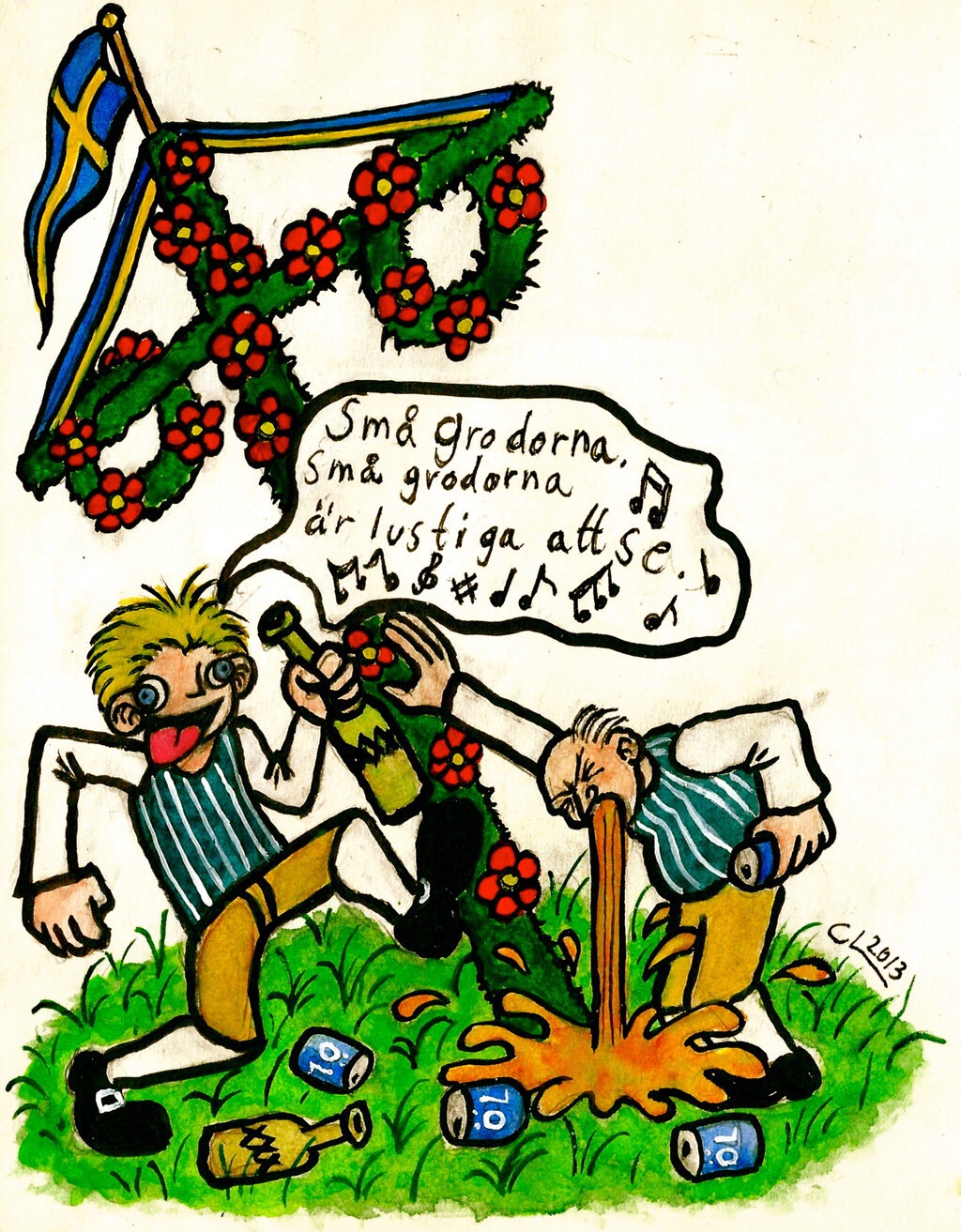
These days, Midsummer Day is a flexible holiday practically celebrated on a Saturday sometime between 20 and 26 June. This means that Midsummer Eve, one of the biggest festivities in the Swedish calendar, is always on a Friday. In the case of 2021, that’s tomorrow.

Bit did you know that this has only been since 1953? Prior to 1952, Midsummer Day was always celebrated today – the 24th June – coinciding with John the Baptist’s birthday. This was regardless of the day of the week it landed on. So today’s strong association with Midsummer being a long weekend is actually only around 70 years old

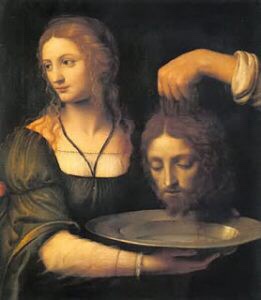
John the Baptist was a person who foresaw the birth of Jesus. He is considered a prophet in several of the world’s religions. He was a prolific preacher whose severed head was notoriously presented on a silver platter to Salome. His birthday has been celebrated since 300 AD on June 24 in many countries around the world.

An interesting fact is that Midsummer Day is still associated with John the Baptist in the other Scandinavian countries. For example, in Finland it is not called Midsummer but Juhannus. In Iceland, it is Jònsmessa. And in Denmark and Norway – Sankt Hans.

11 hacks for surviving Swedish midsummer

With Midsummer’s Eve arriving on Friday , it is time to start planning for your survival. Midsummer’s Eve is the craziest custom in the Swedish calender and the time of the year when Swedes go a little bonkers. As a non-Swede, get ready to brace yourself.

This year, like last, it is important to wash hands regularly, avoid totally new contacts and keep a physical distance from others. Apart from these guidelines, here are a few more hacks to make sure you make it to Midsummer’s Day in one piece.

Greet like a Swede. In Sweden it is considered polite to greet everybody individually, even if you plan to never speak to them again or remember their name. The appropriate way in corona times is to stand 1-2 meters away, look directly in their eyes, say ‘hej’ followed by your name. They will do the same. You might even give a small wave or touch elbow to elbow. If you are feeling adventurous, follow up your ‘Hej’ with a ‘trevligt’ or even a ‘Glad Midsommar’. Job done. Now you can hit the booze.

Snaps is not the same as a shot. A lot of alcohol gets drunk on Midsummer’s Eve, especially beer and snaps With the popularity of shots in recent years, it’s easy to make the mistake that Swedish snaps is the same thing. Believe me, it is not. Snaps can be up to 40% proof, considerably more than your normal shot. So, go easy and sip the snaps or see yourself slipping sideways off your chair before the strawberry dessert has even been put on the table.

Take tissue. Midsummer’s Eve is a looong day and you probably will need the loo at some point. The trouble is, so will everybody else – to the detriment of the supply of toilet paper. There’s a big chance you will be seeking relief in the woods so come equipped with the appropriate amounts of paper for your needs.

If shy, bring swimwear. Bathing in the June waters is a common activity at Midsummer and this year it seems like the water is warm. Swedes generally are not afraid of skinny dipping when they do this. If you are, then come prepared with swimwear and a towel.

Shelve your maturity. Part of Midsummer is dancing around the maypole, playing silly games, pretending to be a frog, participating in competitions. This year, the activities are hopefully adapted to corona. To survive these activities, it helps to conjour up your inner child and forget you are an adult for a while.

Protect yourself. Given the amount of alcohol consumed at Midsummer, it is no surprise that the most babies in Sweden are made on this day. It remains to be seen, however, if this year people are keeping their distance. If you don’t keep your distance, and don’t want to join the ranks of parents, remember to put it on before you put it in.

Throw in the thermals. It looks like it might be super sunny and warm this Midsummer’s Eve. One of the warmest ever! But it is good to be prepared. It is not unusual that temperatures fall into single figures and that pesky rain pours down onto the smorgasbord. So bring a jumper, a rain jacket and even thermals to enhance your experience.

Don’t expect culinary miracles on Midsummer’s Eve. The food is exactly the same as is eaten at Christmas and Easter, with a few small summery exceptions – strawberries, cream, dill and new potatoes. Remember to use hand disinfectant before you attack the buffet.

Learn a drinking song. On Midsummer’s Eve, food and alcohol is accompanied by Swedish drinking songs. Learn one in advance and shine at the table. Even better sing one in your own language and you are guaranteed to use those rubbers you packed just for the occasion. For me, ‘what shall we do with the drunken sailor’ works every time.

Argue over the rules. At Midsummer a popular Swedish garden game is called kubb. Involving the throwing of sticks, everybody seems to have their own understanding of the way to play. If you want to feel really Swedish, make sure you start an argument about the rules.

Take pills. Of varying types. Allergy pills are good because there are flowers everywhere: on the table, in the maypole, on peoples’ heads. Pain killers are good as a lot of snaps is consumed. Indigestion pills are good as the food is oily, fatty, acidic, smoky and rich. The after day pill is good, well… because…

That’s it! Follow this guide and you are sure to have a wonderous Midsummer’s Eve in Sweden, even though we are still in the pandemic.

Glad Midsommar!

Please share this post to help others get ready for the big day!

Impending crisis in Sweden’s parliament

This week, the Swedish Left Party withdrew their support for the minority Social Democrat government over a rent control argument. This lead to the extreme right party calling for a vote of no-confidence in the Prime Minister and his government, with the conservatives and Christian Democrats jumping on the bandwagon.

On Monday at 10.00, the vote will happen. Currently there is a majority for no-confidence, which would mean the government would topple throwing Sweden into a chaotic parliamentary state. Just what we do not need when we are still fighting the consequences of a pandemic.

If this happens, the Prime Minister can step down and let the parliament sort out a new government. Given that it took four months to sort out a government after the last election, we have even more unnecessary chaos to look forward to.

A more likely alternative is that a new election will be held in three months. This is also unnecessary as next year 2022 is an election year anyway. This means we would have an election in September and then again next September. I’m sure most people don’t want this.

It is so irresponsible of our political leaders, left and right. Throwing Sweden into a parliamentary crisis one year before an election is short-sighted, opportunistic and disrespectful. They have turned parliament into a circus.

A new election costs approximately 400 million Swedish crowns. This is tax payers money that should be spent on helping the economy recover from the effects of the pandemic – not on solving a petty battle between our childish MP’s. Additionally, public sector workers will have to remove their focus from currently important issues to instead organizing and administering an extra election.

If politicians don’t agree with each other, fine. That is why we have budgeted general elections. Let the planned election of 2022 reflect the will of the people. Let the current government continue its work.

How to be a parent in Sweden

Back in the days when we could fly, we all used to find ourselves sharing airport space with lots of other people. This led to me developing a specific skill. Wherever I was in the world, I could always identify the Swedish families. It wasn’t to do with language or looks or fashion style. No, it was to do with parenting.

If there was a child, or children, sprinting around the airport without the supervision of an adult – they were without a doubt Swedish. If kids were screaming at top volume without parental intervention – Swedish. If restaurant queues were building up because a kid couldn’t decide what to eat – invariably Swedish. In an airport, the Swedish parenting style was on show for everybody to see.

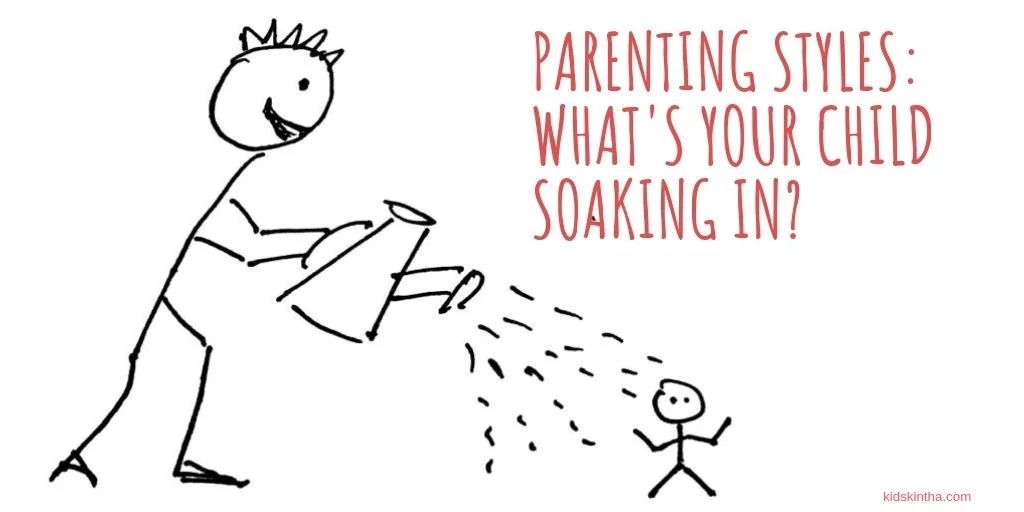
Swedish parenting is child-centric and comparatively free. It can be perceived as permissive and hands-off. Most parents adopt a communicative style with their children, which can seem to the untrained eye that this means there are no boundaries and no consequences. Children are from an early age involved in decisions that affect them, which is in contrast to a more authoritative and punitive style of parenting found in other countries. This leads to a population where self expression and independence is important

Here are 5 typical parenting behaviours in Sweden:

1) Egalitarian parenting. In Sweden, parents get 480 days of paid parental leave to share and, in heterosexual relationships, 90 of those are non-transferable days for fathers only. This is intended to achieve a more equal division of child-rearing responsibilities. This often extends into the division of duties in the home. So both men an women cook, clean, change nappies and stay home with sick children. For Swedes, it’s a no brainier.

2) Cosiness and cuddling. Friday evenings are reserved for family time. Called ‘fredagsmys’, or Friday coziness, it is when families curl up under a blanket, light candles and watch a film or series together—all while eating tacos, pizza, crisps and sweets. It is not unusual for kids to sleep in their parents’ bed until they reach double digits.

3) Right to Day Care. Every child in Sweden has a right to attend day care from one year old. Day care is subsidised and cheap. At Day Care, the kids spend most of their time playing—academia usually begins in earnest around 6 years old. The other reason for organised child care is so that parents can quickly return to the tax-paying workforce – and collectively finance child care and rest of the welfare state.

4) No spanking. Hitting a child is unthinkable – and illegal – in Sweden. Sweden was the first country in the world to ban spanking and all corporal punishment in 1979. As mentioned before, Swedes apply communicative style of parenting and discipline their children by talking and reasoning with them.

5) Go outside. Outdoorsiness starts early with parents leaving their children outside to sleep in their prams in sub zero temperatures. The crisp air is thought to be good for them. In schools, kids go outside and play every day—regardless of the weather. Some day care solutions are set outdoors with kids spending all day every day in the woods. In the summer, it’s not unusual to see naked kids on the beaches, reflecting Sweden’s relaxed attitude to nudity. Sports and being outdoors are highly prioritised in Sweden. Fresh air, and getting dirty, are considered healthy.

So back to those Swedish kids in the airport. Sure, they justifiably could be seen as unruly, disrespectful and unsupervised. But in equal measure, their behaviour can be a result of a flexible, free parental style that encourages independence and self sufficiency from an early age.

The Swedish Death Penalty

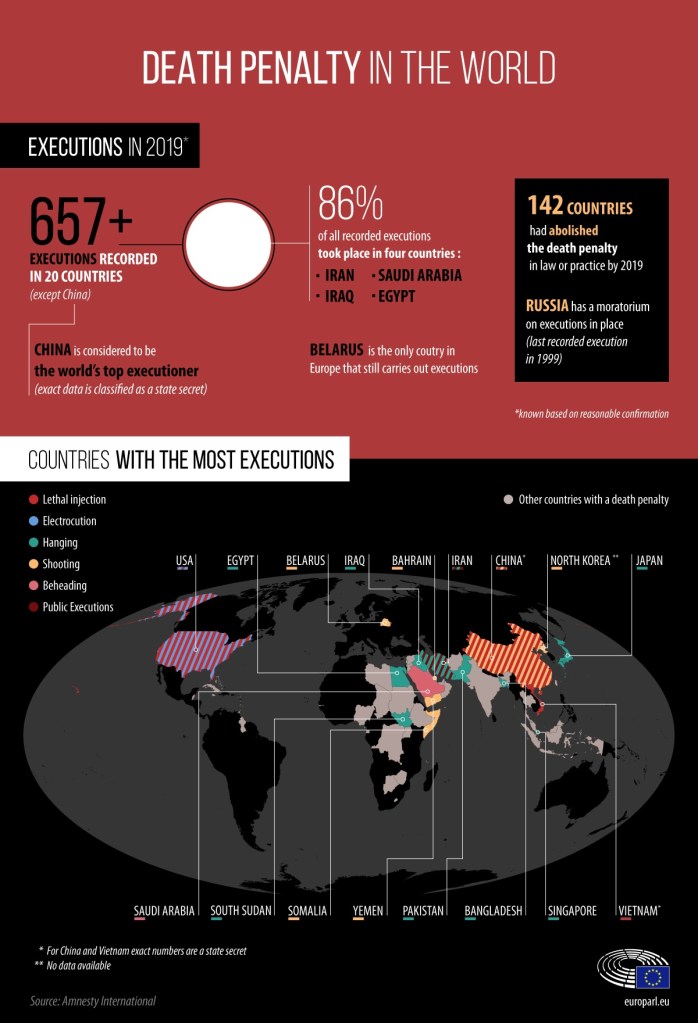
The name Bridget Bishop might not mean anything to you – unless you are seriously into history. On this day, June 10th, in 1692 Bridget Bishop was the first woman to be hanged during the Salem Witch Trials in Massachusetts. In total 19 women were accused of witchcraft and hanged and many others were persecuted. Capital punishment still exists in the USA, with lethal injection and electrocution as the favoured methods. In 2020, 17 executions were carried out in the USA.

In Sweden, capital punishment was legal until 1973, although an execution was last enacted in 1910 on murderer Johan Alfred Ander. The last death penalty was actually given in 1927 but the sentence was changed to hard labour. In 1917, Hilda Nilsson, a child murderer, was sentenced to death. She escaped execution, however, by committing suicide. That meant that the last woman to be executed in Sweden was murderer Anna Månsdotter in 1890.

At the time of its abolition in 1973, beheading was the legal method of execution. Today capital punishment, corporal punishment and torture are all outlawed in Sweden.

Interestingly, 110 countries have completely abolished capital punishment like Sweden. However, over 60% of the world’s population live in countries where the death penalty still exists, such as USA, China, India, Nigeria, Saudi Arabia, Iran and Japan.

Swedish National Day – a new king, an old king and a new constitution

On 6 June 1523, Gustav Vasa was crowned king. He was one of the few survivors of the Stockholm Bloodbath, in which his father and 80 other nobles were murdered, Game of Thrones style. He ruled the country until 1560. During his reign, he released Sweden from the Kalmar Union consisting of Sweden, Denmark and Norway. He also turned Sweden from a catholic country into a Protestant one, with the monarch and not the pope as head of the church.

The 6 June is another significant day in Swedish history – on 6 June 1809 the country signed a new constitution. This lay the foundation for Sweden’s current status as an independent democracy. and was in place until 1974. The constitution returned political power to the parliament after King Gustav IV Adolph was deposed in a military coup in 1809. He was the last Swedish monarch to rule over Finland. After him, the crown passed not to his children but to his uncle, Charles VIII. Charles had no legitimate heir, which set into motion the quest for a successor. This was found the following year in the person of Jean-Baptiste Bernadotte, the first monarch of the present royal family.

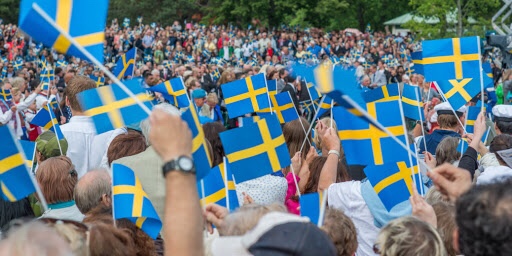
For these two reasons, Sweden celebrates its National Day today – June 6th. It was declared in 1983, and was first celebrated as a public holiday in 2005.

Normally, the day is celebrated with various events up and down the country but this year much is cancelled, due to the ongoing pandemic and restrictions on public gatherings.

As a replacement http://www.sweden.se are carrying out a digital event. It can be seen at facebook.com/swedense from 10.00 CET. Check it out!

Sex working in Sweden

Today, June 2, is International Sex Workers’ Day. It is celebrated today because on 2 June, 1975, 100 sex workers occupied the Sant-Nizier Church in Lyon, France to express anger about their exploitative living conditions and work culture. The Church was brutally raided by the police forces on 10 June. This action became a national movement and the day is now recognised in Europe and worldwide.

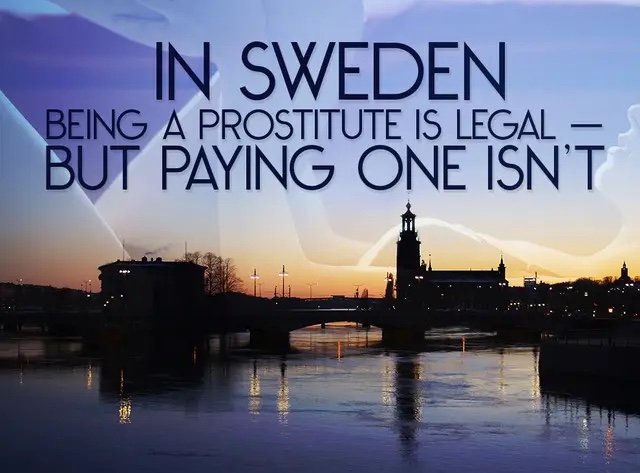
In 1999, Sweden was unique in the world with the introduction of a ‘Sex Purchase Act’. The act makes it illegal to purchase sex but not to sell it. Under this law, it is the customer that is the criminal but not the sex worker, who is considered to already be in a vulnerable position. The law is based on the principle that prostitution is an act of violence against women. The ‘Swedish Model’ has been duplicated and adapted in the other Scandinavian countries as well as Canada, Ireland and France.

The Swedish Sex Purchase Act stands as a complete opposite to the laws in Germany and the Netherlands where the purchasing of sex services is legalized. Proponents of the Swedish law would at this is why Germany and the Netherlands have become European hotspots for sex tourism and trafficking.

However, many organisations, including Amnesty International, WHO and Human Rights Watch oppose the Swedish model. They suggest instead that legalization improves the sex worker’s access to health care, their ability to report crime and ability to organize themselves in, for example, unions. They also claim that the sex worker is not always a victim of the situation and that the Swedish law forces them into risky behavior and contributes to their poverty.

Despite the criticism, the Swedish law stands strong and does not look like it will be changed anytime soon. It seems that most Swedes agree with the law, based on the belief that nobody has the right to buy another person’s body.

What do you think?

Swedish hits 8: Now You’re Gone

Sweden is one of the world’s largest exporters of pop music and has a huge industry of songwriters and musicians. Today we look at the Euro dance hit ‘Now You’re Gone’ by singer, producer and DJ – Basshunter. Did you know he was Swedish?

In 2006, Jonas Erik Altberg, known as Basshunter, released a song in Sweden called ‘Boten Anna’. The song became a massive hit and reached number 1 in Sweden and many other European countries.

In 2008, an English version was released. The title was ‘Now You’re Gone’, and it shot to number 1 in the UK and is the second longest Swedish song to remain in that position on the British chart. Only . ABBA’s ‘Dancing Queen’ has been number 1 longer. Eventually he was dethroned by Duffy’s mega hit ‘Mercy’. The YouTube video to ‘Now You’re Gone’ has been viewed over 200 million times.

Basshunter was more famous in the UK, and around the world, than many Swedes might realise – in 2010 he was asked to participate in the British Celebrity Big Brother. In the end, he came fourth. He carried out several sold-out tours in Europe, UK, NZ and Australia. He also performed at the Sochi Olympics in 2014.

Although he released 6 albums, he never achieved as viral a success as ‘Now You’re Gone’.

Swedish hits 7: Wake Me Up

Sweden is one of the world’s largest exporters of pop music and has a huge industry of songwriters and musicians. Today we look at the infectious dance hit Wake Me Up by legendary Swedish producer, songwriter and DJ – Avicii.

Written by Avicii et al, Wake Me Up was released in 2013 and was the highest charting dance track of the decade. It peaked at number 1 in 22 countries and was in the top 10 in many more. This thumping dance song was the first ever dance/electronic song to sell over 4 million copies in the USA. The vocals on the track are written and sung by American soul singer Aloe Blacc.

In 2014, the song passed 200 million streams on Spotify, making it the most streamed song ever at that time. To date, the song’s YouTube video has been watched almost 2 billion times!

Avicii, whose real name was Tim Bergling suffered from depression and committed suicide in 2018. He left a legacy of many hit songs such as Hey Brother, Without You and Addicted to You. As such he is the fifth most successful artist from Sweden in terms of record sales.

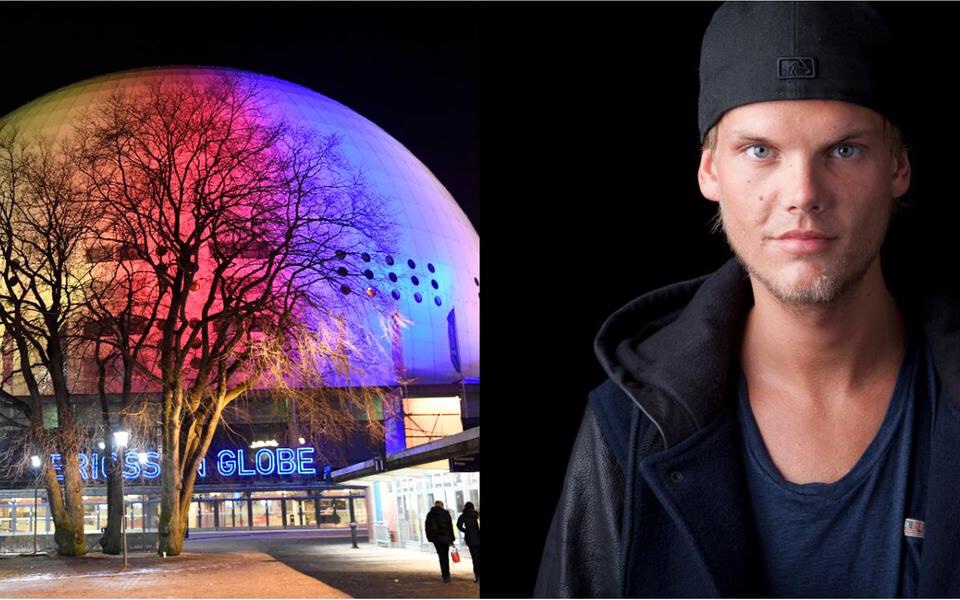
In May 2021, Stockholm’s Globe Arena changed its name and is now officially called the Avicii Arena. This isn’t only a tribute to Avicii but also a symbol for an initiative that works to prevent mental illness among young people throughout the country. Avicii Arena will be the beacon of hope and meeting place for the initiative. Hopefully it will help to wake us all up.