The long Midsummer weekend is drawing to a close in Sweden. Known as “Midsommar”, it is one of the most significant and widely celebrated holidays in the country. Its history blends ancient pagan traditions with later Christian influences and remains a vital part of Swedish cultural identity.
The origins of Midsummer in Sweden are rooted in pre-Christian solstice celebrations. Ancient peoples marked the summer solstice, the longest day of the year, with rituals to honour nature, fertility, and the sun. These rituals often involved dancing, feasting, and the lighting of bonfires, believed to ward off evil spirits and ensure a good harvest.
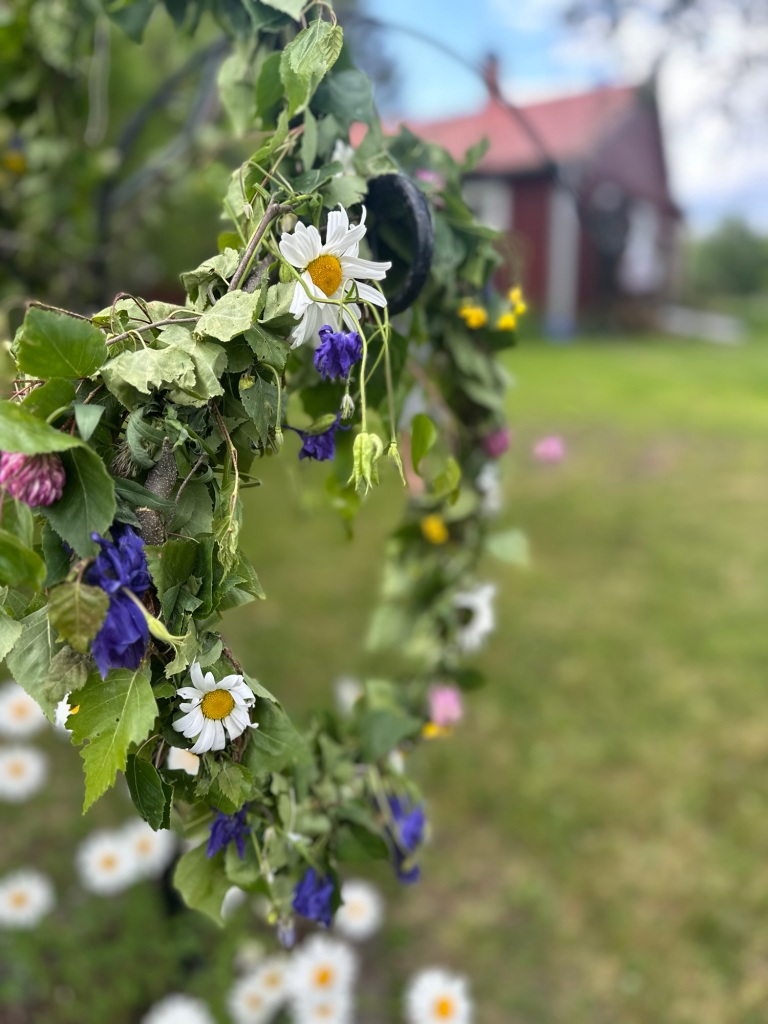
Flowers and greenery played an important role, symbolising fertility and the power of nature at its peak. It was also a time associated with magic and love, when people believed that plants had healing powers and that dreams could foretell the future—especially for young women seeking to glimpse their future husbands.
With the spread of Christianity in Scandinavia during the early Middle Ages, many pagan customs were adapted into the Christian calendar. The Church linked Midsummer celebrations to the feast of St John the Baptist, celebrated on 24 June. As a result, Swedish Midsummer traditionally falls around this date, although in modern times it is observed on the Friday between 19 and 25 June, followed by Midsummer Day on the Saturday.
Despite this Christian connection, the festival retained much of its pagan character, particularly the focus on nature and fertility, rather than religious observance.
Today, Midsummer remains the major secular celebration in Sweden. It marks the unofficial start of the summer holidays, when many Swedes leave cities for the countryside or their summer cottages (sommarstugor).
The festival is a strong symbol of national identity, with its emphasis on community, connection to nature, and timeless traditions. It is a day when Swedes of all ages participate in shared customs that span generations.

 When you hear the word ‘caviar’, you probably get an instant picture in your head – a picture of jewelled fish eggs, vodka, champagne, Russia and luxuriousness.
 Watching the Swedes