Sweden – a peaceful society awash with violence

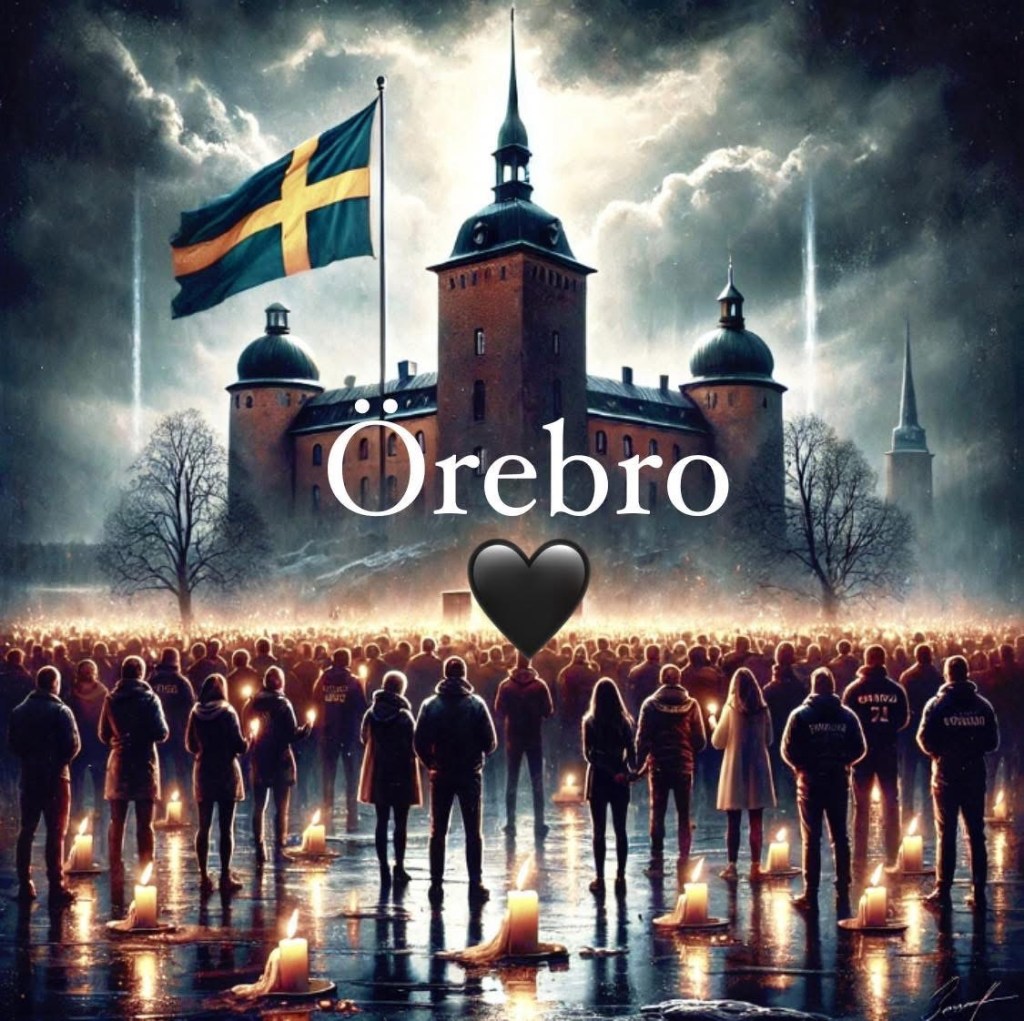
Yesterday in the town of Örebro in Sweden, 10 people were killed in a despicable school shooting. While this kind of attack is rare in Sweden, it follows a rapidly escalating period of terrible bombings, gang shootings and other hate crimes in society. In 2025, so far, there has been at least one crime of this type reported on the news every day.

Politicians, police and the population in general are devastated. It seems like authorities have lost control, and it is not easy to fix, as it has been going on a long time. However, it is resolvable – with the right strategies and the right investments.

I was curious on how AI might solve the problem, so I asked the question. And this is what I got. Definitely food for thought, and many good suggestions for concrete action.

Stopping a wave of shootings and bombings requires a multi-layered approach that addresses both immediate threats and the deeper causes of violence. Here are some key strategies:

1. Immediate Security Measures

• Increase Law Enforcement Presence: Deploy more police in high-risk areas to deter attacks.

• Improve Intelligence Gathering: Strengthen surveillance, monitoring of extremist groups, and cooperation between law enforcement agencies.

• Gun and Explosive Control: Tighten regulations on firearms, ammunition, and bomb-making materials.

2. Addressing Root Causes

• Social and Economic Programs: Address poverty, unemployment, and lack of opportunities that may push individuals toward violence.

• Education and Awareness: Promote education programs that counter radicalization and teach conflict resolution.

• Mental Health Support: Provide access to counseling and mental health services to identify and assist individuals at risk.

• De-radicalization Programs: Engage with communities to rehabilitate individuals influenced by extremist ideologies.

3. Political and Legal Reforms

• Strengthen Laws Against Violence: Enforce strict penalties for illegal weapons possession, terrorist activities, and hate crimes.

• Promote Dialogue and Mediation: Encourage political and community leaders to engage in discussions that prevent extremism and violence.

• Fight Corruption: Ensure law enforcement and government agencies operate transparently to maintain public trust.

4. Long-Term Cultural Shifts

• Promote Nonviolence and Tolerance: Through media, education, and religious institutions, promote peaceful coexistence.

• Strengthen Community Bonds: Encourage local communities to work together in preventing violence.

• Regulate Social Media Misinformation: Work with tech companies to prevent the spread of extremist propaganda.

A society that combines strong security measures with social reforms and long-term cultural changes has the best chance of stopping a wave of shootings and bombings.
‘Pingis’ in Sweden

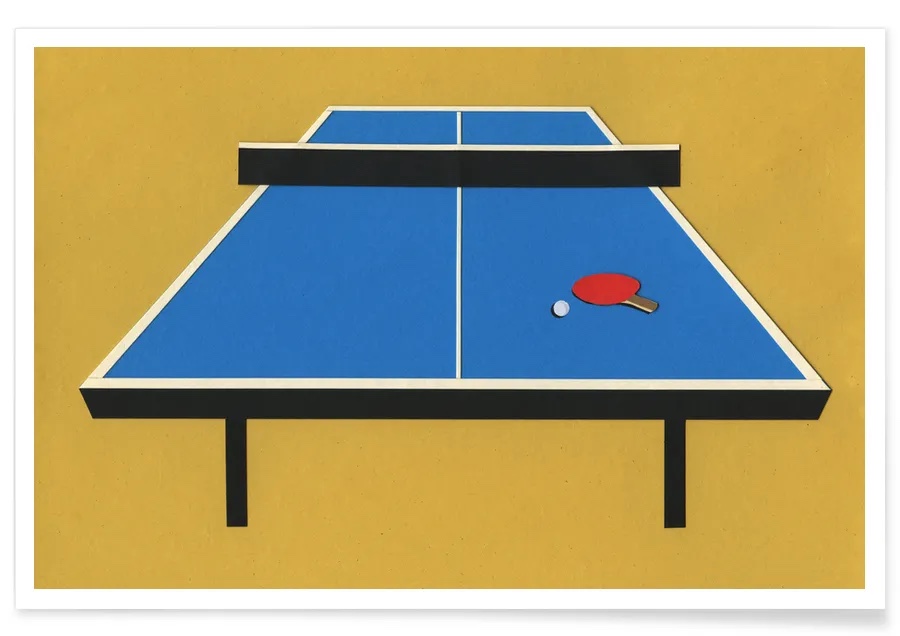
Yesterday, Sweden qualified for the final in team table tennis at the Paris Olympics. This is following the unexpected silver won by Truls Möregård in table tennis singles. And table tennis fans up and down Sweden are going crazy!

Table Tennis, or Ping Pong as it is also called – a name originating from the Mandarin Ping Pang Qiu – has the nickname ‘pingis’ in Swedish. It is a very popular sport in Sweden, with the first game played in the 1890’s, and the first Swedish championship organised in 1925.

Although elite table tennis is generally dominated by the Chinese, Sweden has had some success over the years. Probably the best Swedish player through history is Jan-Ove Waldner. Known as ‘The Evergreen Tree’ in China, Waldner had an extraordinary successful and long career. He won a total of 20 Gold, 17 Silver and 9 Bronze medals in the Olympics, World and European Championships. Jörgen Persson, Kjell Johansson, Marie Svensson and Stellan Bengtsson are other successful ping pong athletes.

On a non-elite level, the game of ‘rundpingis’ is popular in Sweden. This is knock-out ping pong played in large groups where people run around the table and hit one shot each. Another popular pastime is outdoors table tennis, with many parks building tables and nets out of weather-proof iron.

So, if you feel inspired by the current Olympic successes, grab a racket and go play a round of table tennis. Who knows, maybe you’ll be the next pingis star in pingis heaven!

Where Swedish names originate

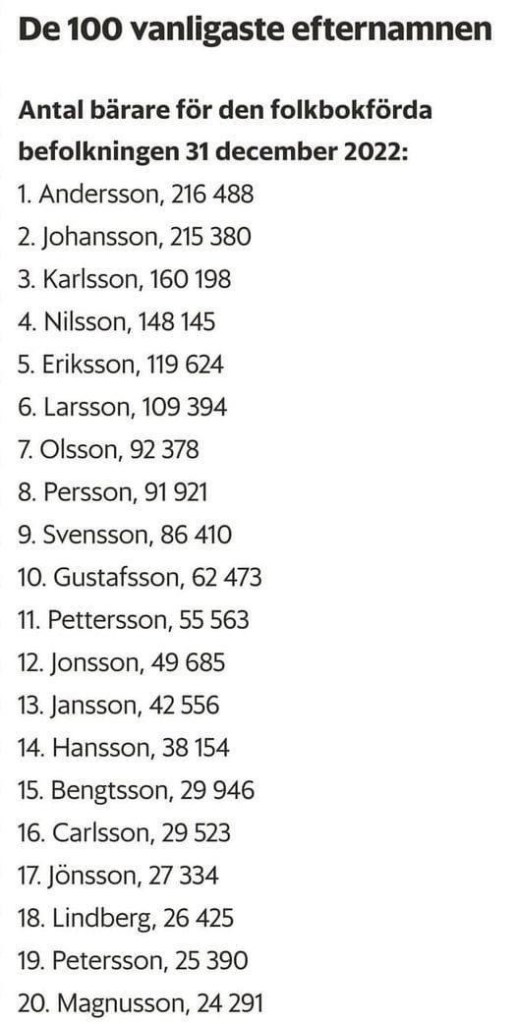
19 of the top 20 surnames in Sweden end with ‘son’. Where does this name come from?

Over 120 years ago, most Swedish surnames were patronymic – a surname formed by adding -son to someone’s father’s name, and it means “son of.” Someone named Fredrik Andersson, for instance, was Fredrik, son of Anders. This type of name was also sometimes created with the addition of the suffix -dottir, or -dotter meaning daughter; someone named Selma Torsdotter would have been Selma, the daughter of Tor. However this is rare – due to the patriarchal structure of society at the time.

When laws eventually required all families in the various Scandinavian countries to decide on a heritable last name — one that would pass down intact instead of changing every generation — many families adopted a current name as their hereditary surname. This is known as a “frozen patronymic.”

Sweden passed the Names Adoption Act in 1901, requiring all citizens to have heritable surnames that are passed down to each generation.

Most people took a patronymic surname to pass down, and as we see, patronymics are still the most common Swedish names.

Some Swedish families took names referring to places or things in nature, such as Lindberg (lime mountain), Engström (meadow stream) or Blomqvist (flower twig).

Other Swedish surnames came from trades such as Åkerman (ploughman) or Möller (miller), or from the military such as Skold (shield) or Svärd (sword).

Another source of Swedish names up to about the 18th century were Latinized names, which were based on place of birth – such as Floderus (from Floda).

Many names today end with ‘ander’ – Wallander, Wikander, Nylander – this comes from the Greek word for ‘man’.

Sweden’s 3 wisest men

Today is Twelfth Night, called ‘Trettondagsafton’ in Swedish. Tomorrow is Epiphany and in Sweden, like many places around the world, it is a National Holiday – ‘Trettondagen’. (6 January)

In Sweden, not a lot happens on this day. Unlike the southern parts of Europe where it is the beginning of the carnival season, in the frozen north it is just another day off.

The day celebrates the arrival of the three wise men to Bethlehem to visit the savior in his cradle. These three wise men are said to represent the three continents of Europe, Africa and Asia.

This got me thinking about Sweden’s three wisest living men. Here is my triad – a highly subjective list of names! Who would you add to this list?

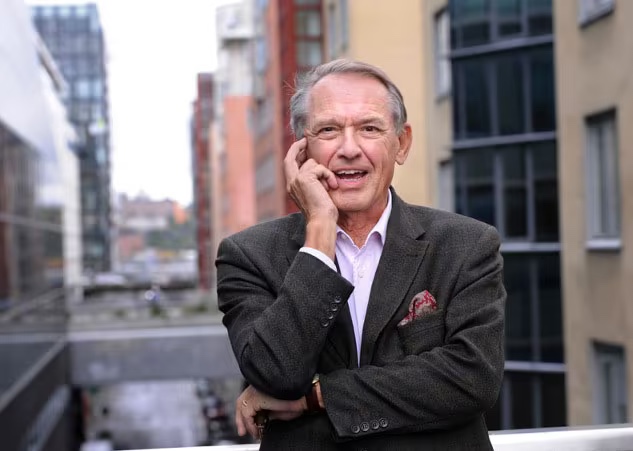
Wise man number 1 – Jan Eliasson. A Swedish diplomat who has been Deputy Secretary-General of the United Nations, Sweden’s Foreign Minister and the Chairman of the International Peace Research Institute. He has worked to resolve conflict in Iran, Iraq, Somalia, Kongo, Sudan, Israel – amongst others. Since 2017, there is a Global Leadership Prize named after him.

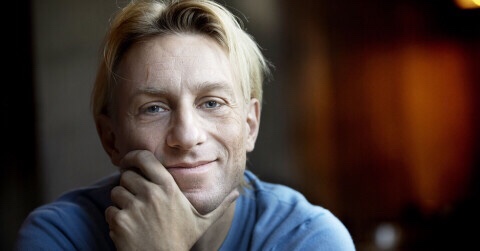
Wise man number 2 – Anders Hansen. A Swedish psychiatrist, doctor and brain expert. He has written numerous books on how our brain works and led several tv programs on the subject. He has been given several awards, amongst them the Mensa Prize. He is an ambassador for Generation Pep – a non profit organisation that focuses on the mental health and well-being of young people.

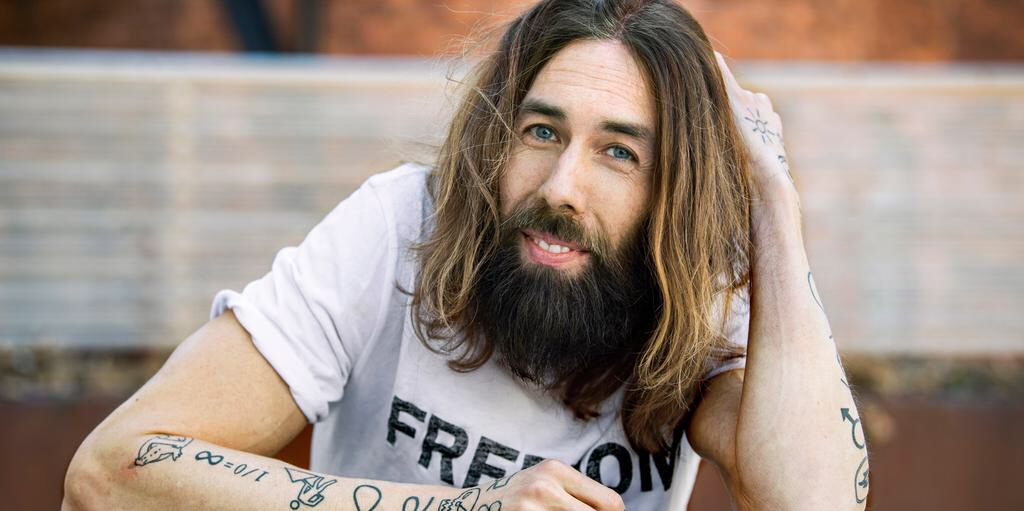
Wise man number 3 – Micael Dahlen. A Swedish economist, and Professor at Stockholm School of Economics. His most popular books are Kaosologi, Nextopia and Monster. Kaosologi is about how to change habits, Nextopia is about what he calls ‘expectation society’ and Monster is about his research and interviews with 5 serial killers. He is the only Swede to have interviewed Charles Manson. He is on the board of numerous organisations and has won many awards. He is a popular lecturer, and advisor.

While these three wise men wouldn’t bring gold, frankincense and myrrh, they would bring peace-keeping, mental health and mind-boggling theories.

Riots on the streets of Sweden

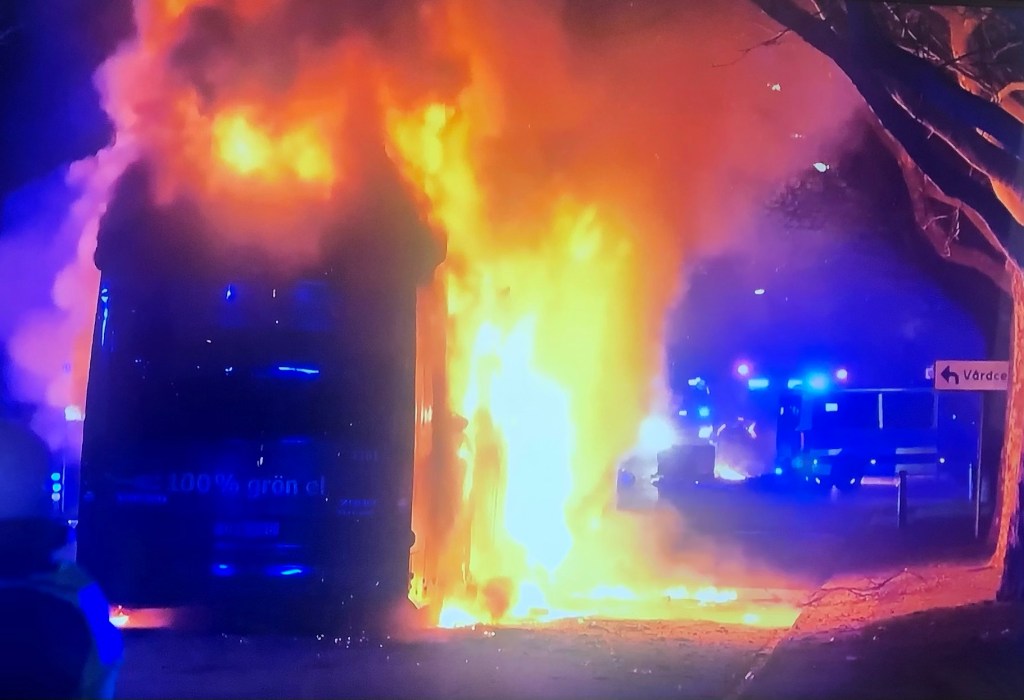
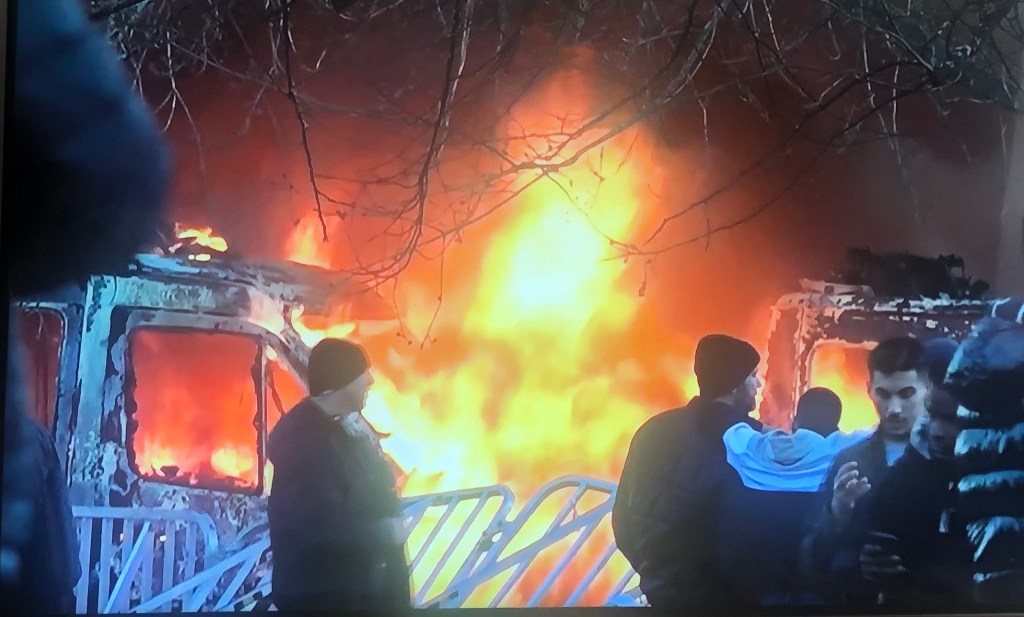
Over the Easter weekend, there were several riots in different parts of Sweden in which participants violently attacked the police and other emergency services. Screaming, trashing, burning, destroying, threatening and killing.

The riots were in response to anti-Islam events organised by radical, far-right Danish party Stram Kurs (Hard Line). The leader Rasmus Paladan, who is half Swedish, had been given permission to hold public rallies and burn the Qur’an.

While it is not illegal in Sweden to burn a religious scripture of any denomination, it is a clear and fully-intended provocation, leading to public outcry and reaction.

Let me be clear – I in no way condone the criminal actions of the rioters. They need to be identified, and prosecuted. I also do not condone the burning of the Qur’an. It is a senseless and racist affront intended only to aggravate.

The whole situation has put Swedish politicians in a pickle. Like most democratic countries, the concept of freedom of speech is central. Everybody has the right to say what they think, even if it is heinous. As a democracy, we have to accept it. We meet our combatants in debate and not in violent action.

So, the question becomes is burning the Islamic scripture an expression of this democratic right? Or is it incitement of hate, which is illegal in Sweden?

The politicians have skilfully dodged the question and passed it on to the police, to whom Rasmus Paladan has applied for permission to continue his tour of Sweden, despite ongoing public unrest.

It will be interesting to see what happens next in this historical moment in Swedish history.

The most common names in Sweden

According to svenskanamn.se, here are the most common names for men and for women in Sweden. If you’re living in Sweden, chances are you’re called one of these names – if not, you’ve definitely met one!

Most common names for men in order of frequency: Erik, Karl, Lars, Anders and Johan

Most common names for women in order of frequency: Maria, Anna, Margareta, Elisabeth, Eva.

The website also lists the most common surnames: Andersson, Johansson, Karlsson, Nilsson, Eriksson.

So technically, Erik and Maria Andersson are the most common names in Sweden.

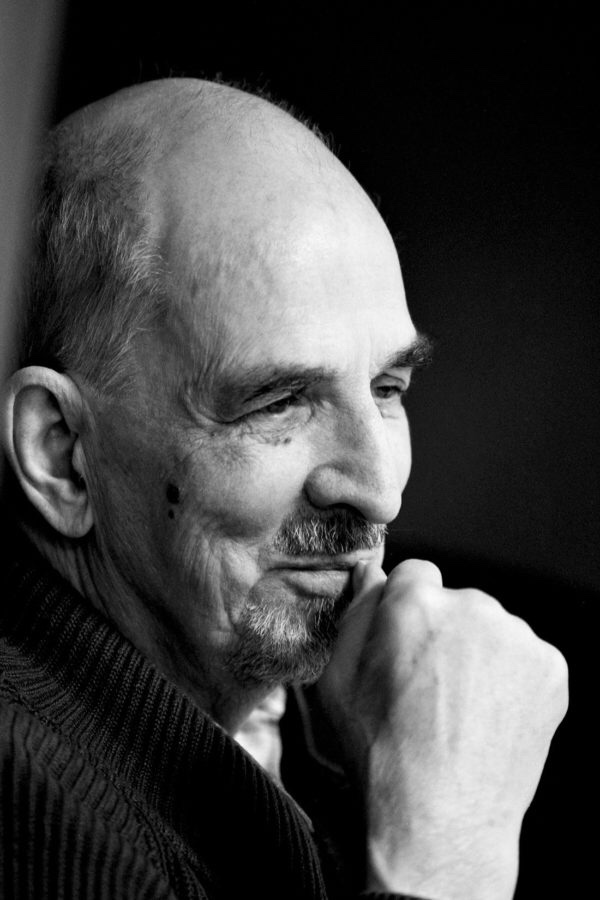
Swedish icons: Ingmar Bergman

One of the most influential film directors of all time, Ingmar Bergman was born in 1918 in Uppsala, Sweden. He directed over 60 films, such as the classics ‘The Seventh Seal’, ‘Persona’, ‘Smiles of a Summer Night’, ‘Scenes from a Marriage’ and ‘Wild Strawberries’.

His films were often experimental and very dark, melancholy and miserable and many of them required patience to watch. He was nominated numerous times for an Oscar and won three times for Best Foreign Language film – ‘The Virgin Spring’, ‘Through a Glass Darkly’ and ‘Fanny and Alexander’.

He developed a legendary company of actors whom he frequently worked with, including great names such as Bibi Andersson, Max von Sydow, Liv Ullmann and Harriet Andersson.

Ingmar Bergman lived a stormy life and was notoriously hard to work and live with. He was frequently accused of being overbearing and misogynistic. Married five times, and with many other romantic connections, he fathered nine children, one of whom is the prominent Norwegian writer Linn Ullmann.

Bergman died in 2007 aged 89 in his home on the small Baltic island of Fårö, where he is buried. On Fårö today, there is a cultural center called the Bergman Center that focuses on his life and artistic achievements. Every year, they host the five-day long Bergman Week filled with film, discussions, drama, music and lectures.

For more information see: http://www.bergmancenter.se