Swedish malice on the underground

Travelling on the underground, I overhead a Swedish conversation between two people – one of them a spiteful 30-something woman. I say spiteful because she spent the entire journey demeaning and mocking their colleagues. It’s not often I hear such blatant malice so I became curious and listened carefully. Apparently, everyone in the office was a loser, annoying, boring and/or stupid. Nice person, I thought. However, one thing in particular triggered my curiosity.

As she spewed bile, she referred scornfully to one of their colleagues as ‘ you know Annika, she’s short, dumpy and wears office dresses’

What the hell is an ‘office dress’?!

I don’t care too much for that woman on the underground. But I do care about knowing what an ‘office dress’ is and why it’s degrading!

Can anybody can enlighten me, please do!

Sweden’s badass king

Today, 30th November is an important day in Swedish history.

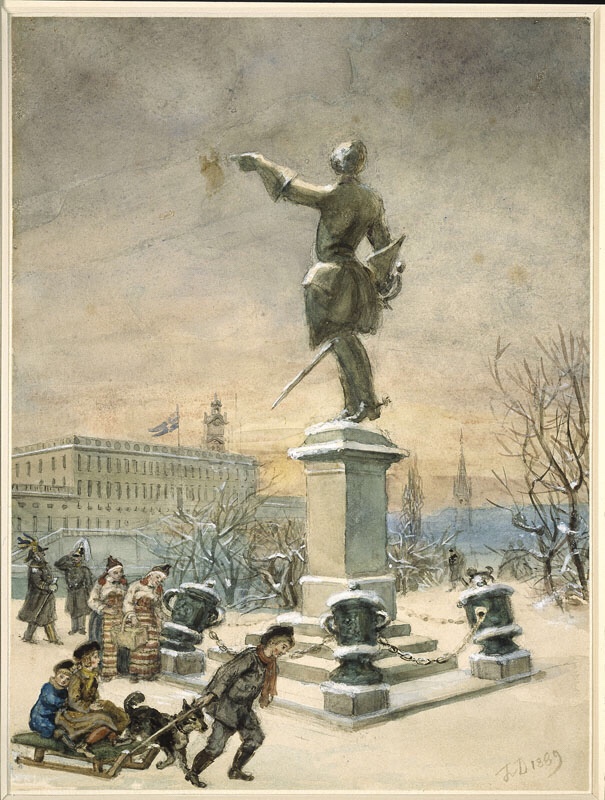
And it all revolves around a stoical King, whose statue can be seen in Stockholm’s Kungsträdgården Park.

Today, Sweden is a peaceful country and hasn’t been at war for over 200 years. But it wasn’t always so. Once upon a time, Sweden was a great power, a military giant with a much larger territory than it has today. And the King of the statue – Charles XII – had a lot to do with it. If you see the statue, he is pointing his finger east. And there is a good explanation for this.

Charles (Karl) was king in Sweden 1697-1718 and a bit of a badass. Apparently never registering physical pain, in the space of a few years, he transformed the small nation of Sweden into a formidable power, crushing his enemies under him. And then he lost it all. At this time, Sweden covered modern day Norway, Finland and other Baltic regions such as Lavonia.

Charles ascended to the throne age 15 and his youth was subsequently exploited by neighbours Denmark, Poland and Lithuania who decided to snatch land from him. In retaliation, he quashed Denmark’s invasion of Sweden and put an ally on the throne. Then, he responded to Russia’s attempt to occupy Livonia and Estonia, and won a sweeping victory at the battle of Narva, under the cover of a blizzard.

After later defeating Poland and Lithuania, he then turned his sights again on Russia. Like his statue, he pointed East. This was a mistake. Up until now, it seems like he just retaliated but this time he waged a war. Hubris perhaps? It was to be his downfall.

Unfortunately for Charles, Peter the Great had regrouped and, in a grueling cold battle, the Russians beat the shit out of the Swedes. Rather like what happens on the ice hockey rink today. Charles fled to the Ottoman Empire but made himself unpopular there so fled back to Sweden, riding across Europe on horseback in just 14 days. Obviously not on the same horse.

Back in Sweden, he saw his nation crumble. Russia took Finland. Denmark took other Baltic regions.

On Nov 30th, 1718 he was shot and killed in modern day Norway, thus marking the short period of Sweden as a great European power. The ‘Swedish empire’ crumbled and territory was taken.

In modern day democratic, peaceful Sweden, Charles XII is sometimes criticized as a blood thirsty tyrant. His war-mongering contradicts strongly with the Swedish Brand of today. But history is history. Rewritten, retold and reinterpreted.

Whatever Charles was, there is no doubt he was a hard core ass kicker. On a historical website I found, the writer describes Charles XII in the following way:

‘Charles was pretty badass.  He completely abstained from alcohol and sex and was pretty much uncomfortable doing anything other than leading his troops to victory or being stoic as fuck.  He lived fast, died young and when he went down he took the entire fucking country of Sweden with him.  What more can you ask for from a historical badass?’

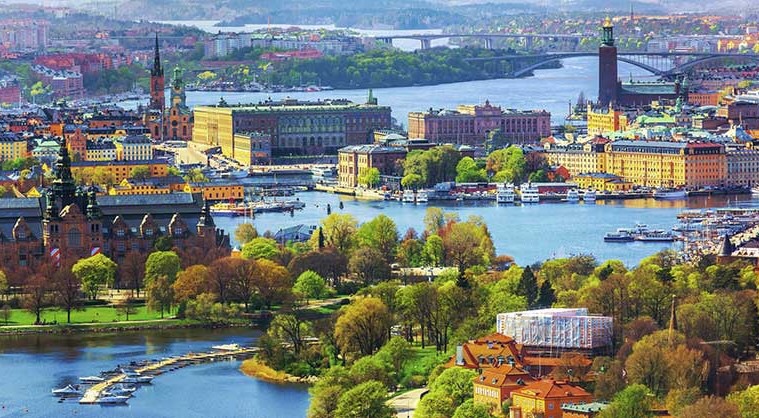
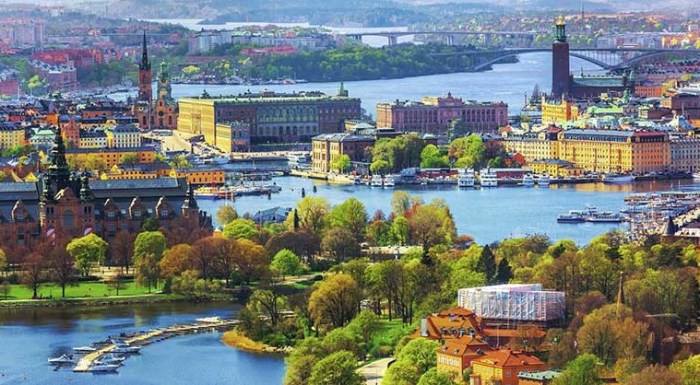
10 musts in Summer Stockholm 

Thinking of visiting Stockholm this summer? For me, Stockholm in the summer is very much about relaxing, sunbathing, swimming and enjoying good food and drinks. As a resident of over 20 years, here are my top ten musts. Enjoy!

1) The Southside of Söder. Take the underground to Skanstull and walk down to the water’s edge. Walk along the lakeside all the way to Hornstull. This is a favourite walk for Stockholmers, which takes you past boatyards, cosy cafes, cute allotments, beaches, bathing jetties and apartments.

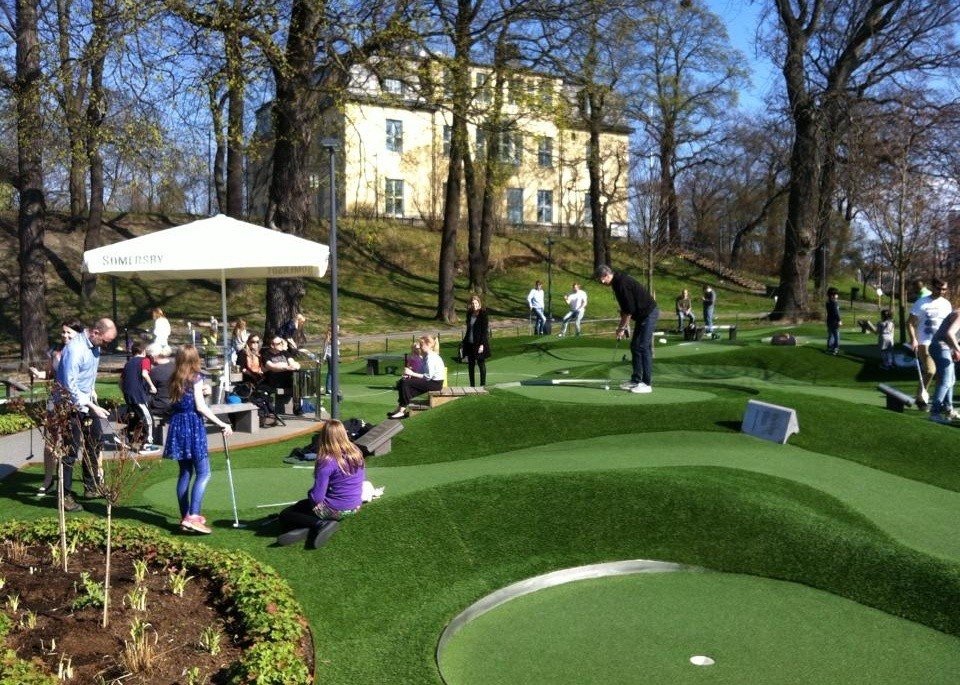
2) Golfbaren. Take the underground to Kristineberg and go to the mini golf course called Golfbaren. Practice your putting while drinking wine.

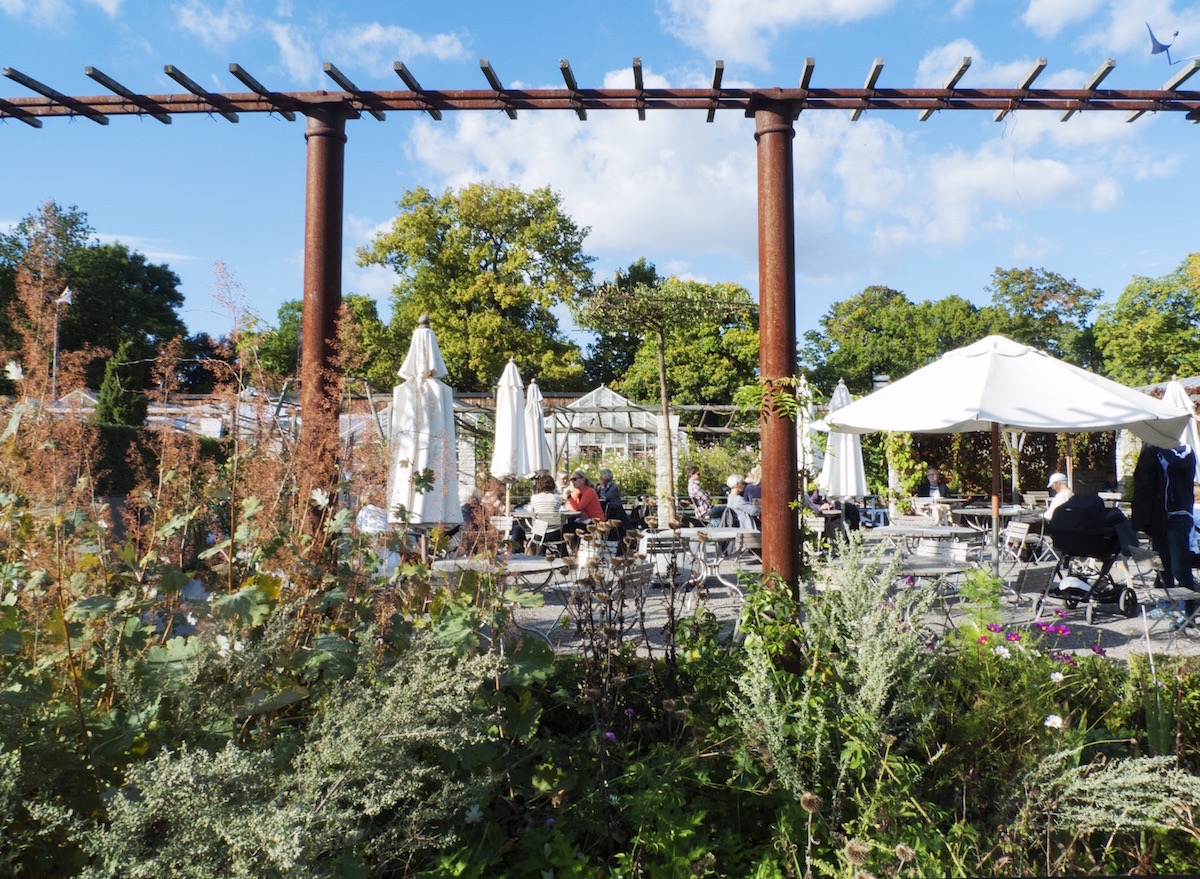
3) Djurgården. Stockholm’s museum island is well worth a visit. Full of parks, interesting museums, restaurants, beaches, a zoo, grand houses, a fairground, amongst other things. Lovely to visit specific places or just go for a walk. One tip is to head left after crossing the bridge and go to Rosenlunds nurseries and garden cafe.

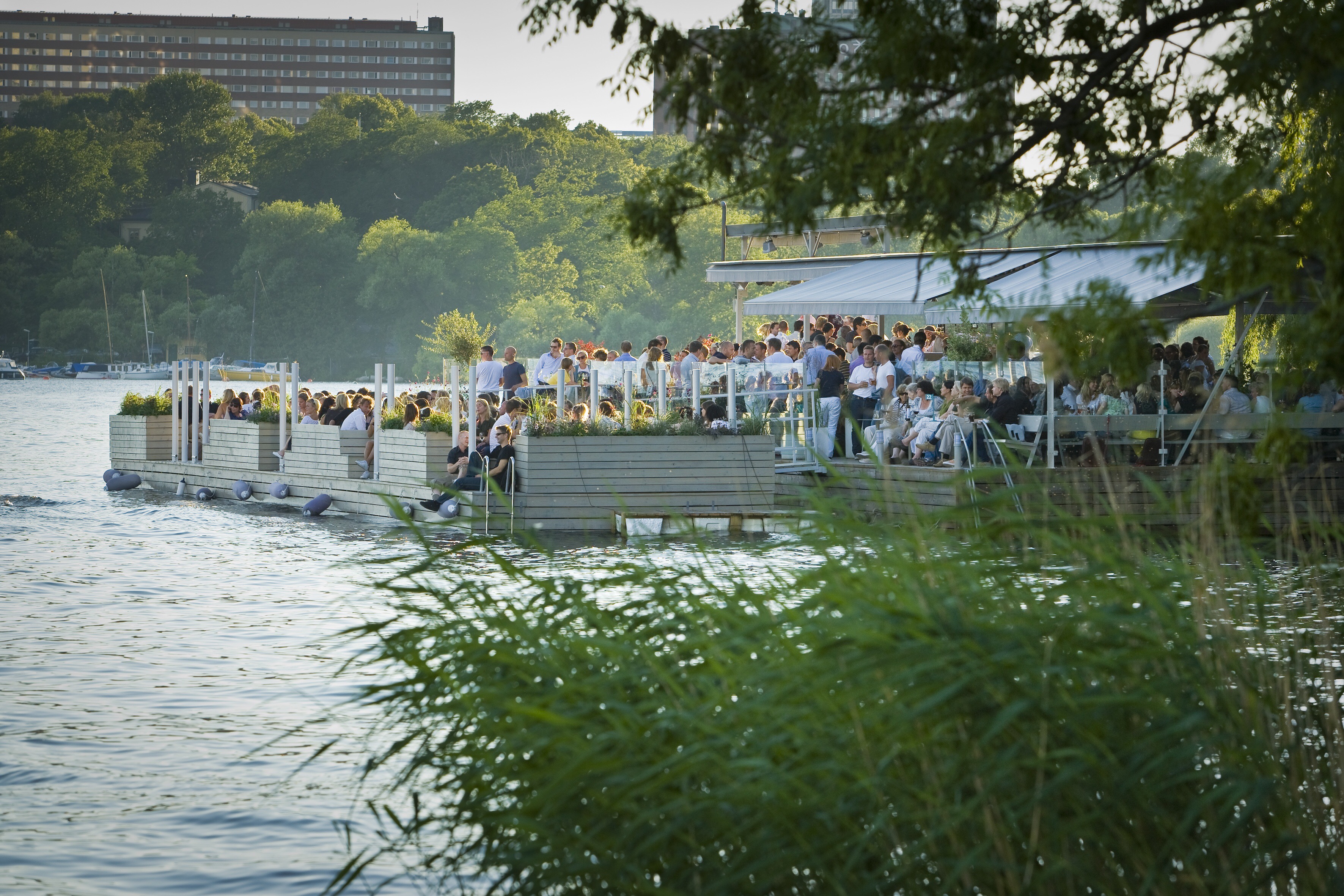
4) Mälarpaviljongen. On the water’s edge on the island of Kungsholmen, this is a floating bar lounge. It’s a Stockholm favourite with nice food, relaxing surroundings and cool house music. The pretty walk from Rålhomshovs park to the city hall goes past this venue. Reach by taking the underground to Rådhuset or Fridhemsplan.

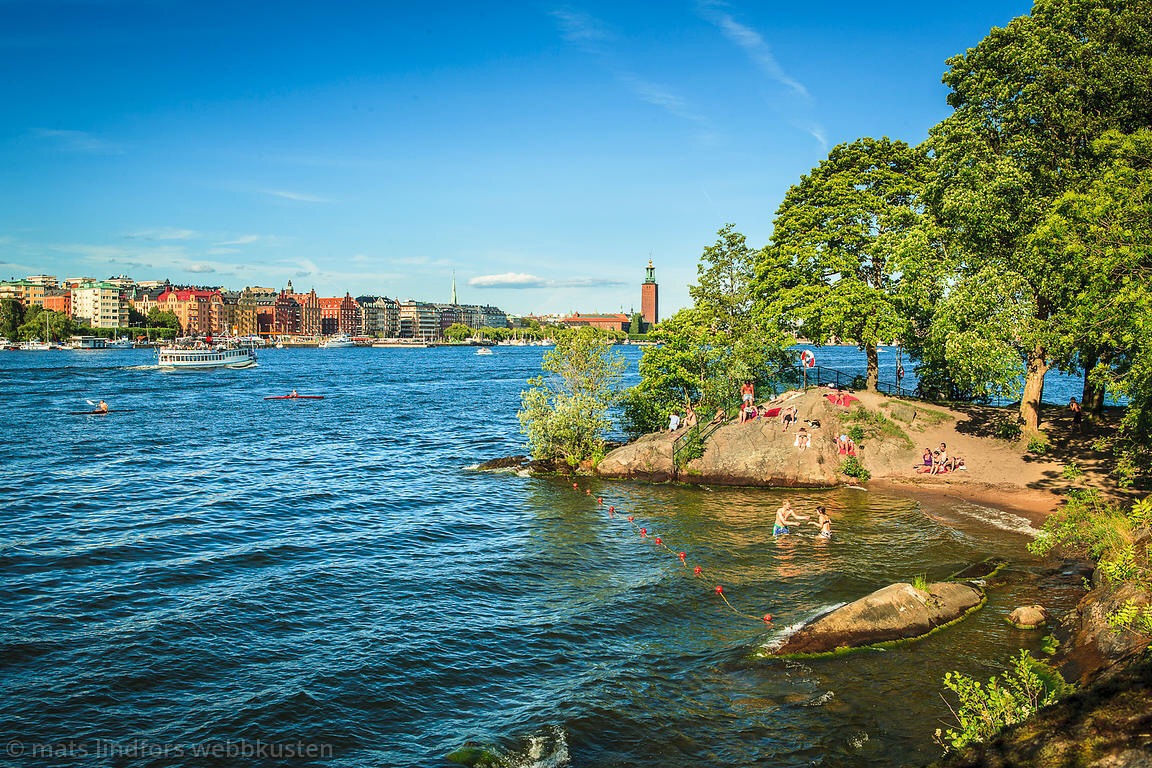
5) Långholmen prison island. Once housing a prison, this island is now a perfect place for a stroll and a bite to eat. It is also a great place for bathing from one of its many beaches and water access points. Also a walk from here over the large bridge, Västerbron, gives commanding views of the city. Reach Långholmen by taking the underground to Hornstull.

6) Stockholm Archipelago. Take a boat ride out to the archipelago. Amongst the thousands of islands, there are opportunities to disembark and eat, drink, sunbathe, swim and relax. If you don’t want to get off the boat, book a table at the boat’s restaurant and enjoy a great meal as the islands slip gracefully past.

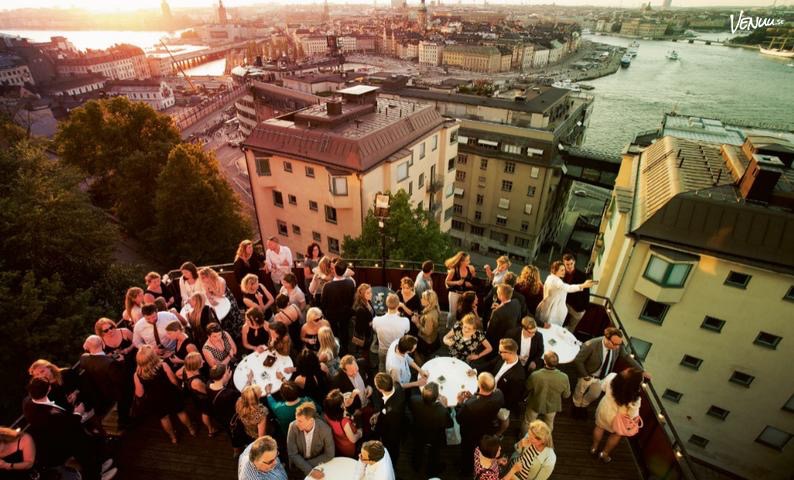
7) Champagne terrace. Take the underground to Slussen and walk up to Söder Theater. At the top of the theatre there is a champagne bar with an amazing terrace and a spectacular view over the whole of Stockholm. Stand here on a warm summer’s evening drinking in the sights.

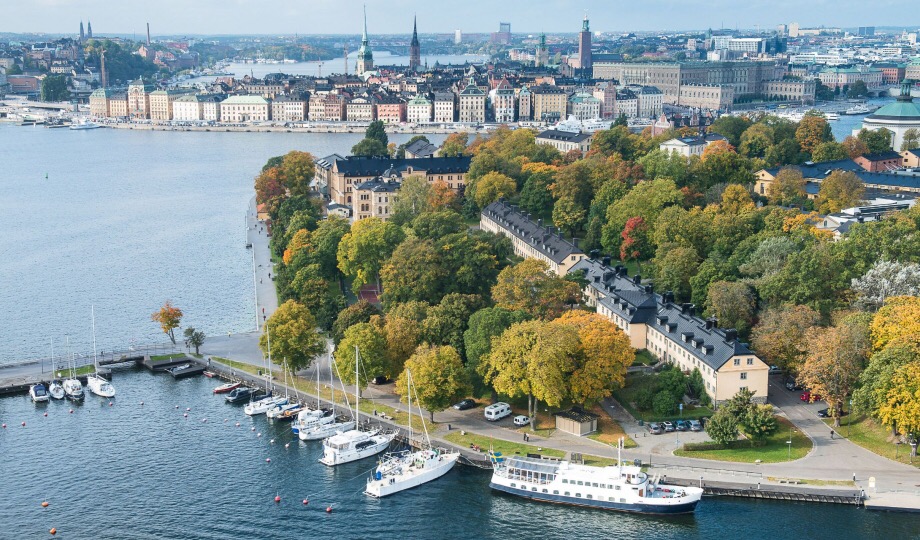
8) Skeppsholmen. In the middle of Stockholm harbour lies the island of Skeppsholmen. Perfect for a walk by the water’s edge or bathing and eating. The island also houses various museums, including the Modern Museum. The terrace of Skeppsholmens hotel is very relaxing for a glass of rose wine.

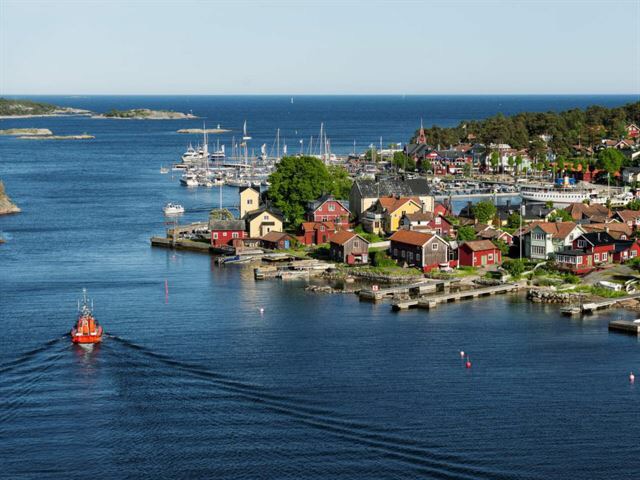
9) Fjäderholmarna. Take a 20 minute boat ride from Slussen to the islands of Fjäderholmarna. Swim, sunbathe and enjoy something to eat and drink. A ‘day trip’ that doesn’t feel like it’s miles away.

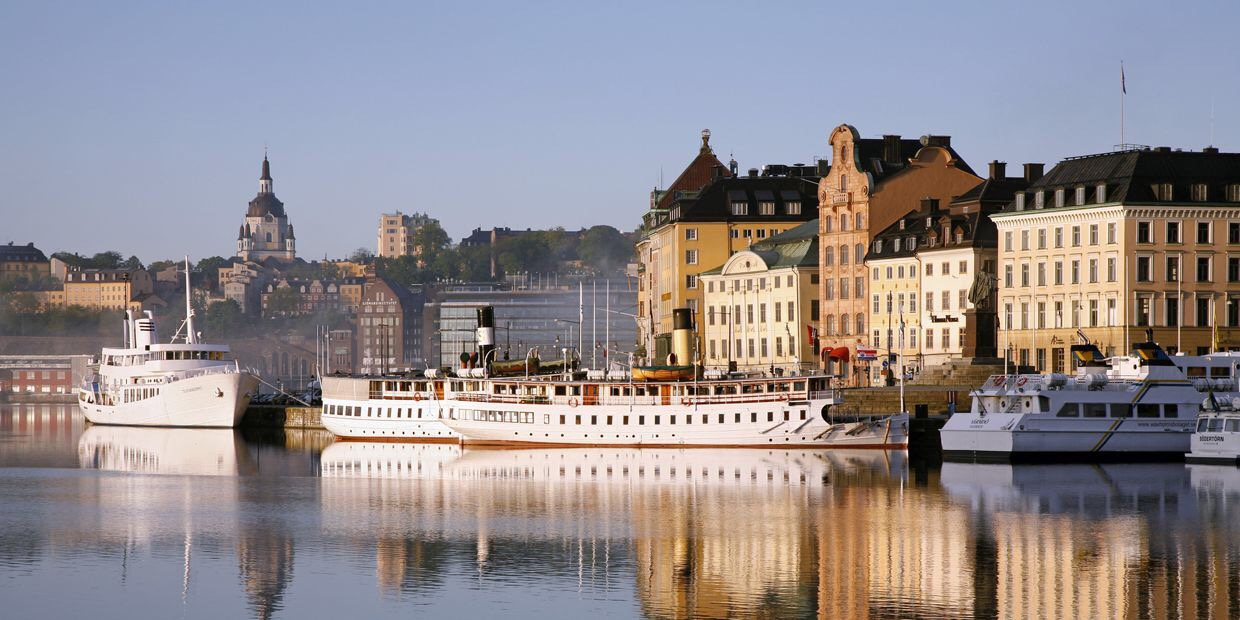
10) Gamla Stan. If staying urban is your thing, then head for the Old Town. Full of shops, eateries, historic buildings, narrow alleyways, this part of town still has its fair share of sun traps and access to water. Restaurants on the harbour side have lovely views over the water and the city’s boat life.

10 musts in Summer Stockholm 

Thinking of visiting Stockholm this summer? For me, Stockholm in the summer is very much about relaxing, sunbathing, swimming and enjoying good food and drinks. As a resident of over 20 years, here are my top ten musts. Enjoy!

1) The Southside of Söder. Take the underground to Skanstull and walk down to the water’s edge. Walk along the lakeside all the way to Hornstull. This is a favourite walk for Stockholmers, which takes you past boatyards, cosy cafes, cute allotments, beaches, bathing jetties and apartments.

2) Golfbaren. Take the underground to Kristineberg and go to the mini golf course called Golfbaren. Practice your putting while drinking wine.

3) Djurgården. Stockholm’s museum island is well worth a visit. Full of parks, interesting museums, restaurants, beaches, a zoo, grand houses, a fairground, amongst other things. Lovely to visit specific places or just go for a walk. One tip is to head left after crossing the bridge and go to Rosenlunds nurseries and garden cafe.

4) Mälarpaviljongen. On the water’s edge on the island of Kungsholmen, this is a floating bar lounge. It’s a Stockholm favourite with nice food, relaxing surroundings and cool house music. The pretty walk from Rålhomshovs park to the city hall goes past this venue. Reach by taking the underground to Rådhuset or Fridhemsplan.

5) Långholmen prison island. Once housing a prison, this island is now a perfect place for a stroll and a bite to eat. It is also a great place for bathing from one of its many beaches and water access points. Also a walk from here over the large bridge, Västerbron, gives commanding views of the city. Reach Långholmen by taking the underground to Hornstull.

6) Stockholm Archipelago. Take a boat ride out to the archipelago. Amongst the thousands of islands, there are opportunities to disembark and eat, drink, sunbathe, swim and relax. If you don’t want to get off the boat, book a table at the boat’s restaurant and enjoy a great meal as the islands slip gracefully past.

7) Champagne terrace. Take the underground to Slussen and walk up to Söder Theater. At the top of the theatre there is a champagne bar with an amazing terrace and a spectacular view over the whole of Stockholm. Stand here on a warm summer’s evening drinking in the sights.

8) Skeppsholmen. In the middle of Stockholm harbour lies the island of Skeppsholmen. Perfect for a walk by the water’s edge or bathing and eating. The island also houses various museums, including the Modern Museum. The terrace of Skeppsholmens hotel is very relaxing for a glass of rose wine.

9) Fjäderholmarna. Take a 20 minute boat ride from Slussen to the islands of Fjäderholmarna. Swim, sunbathe and enjoy something to eat and drink. A ‘day trip’ that doesn’t feel like it’s miles away.

10) Gamla Stan. If staying urban is your thing, then head for the Old Town. Full of shops, eateries, historic buildings, narrow alleyways, this part of town still has its fair share of sun traps and access to water. Restaurants on the harbour side have lovely views over the water and the city’s boat life.

What the f***! Was moving to Sweden a mistake?


I clearly remember thinking this to myself on May 13th 1995.  

I was at the airport waiting for a flight to London – my first visit home after moving to Sweden the previous autumn. 
Over the loudspeaker I heard an announcement. My flight was delayed. Due to snow. Yes, snow! Outside the window, snow billowed down on the runway and visibility was limited. In May! ‘What the f***!?’ I recall thinking. ‘Is this what it’s like here? I think I might have made a massive mistake moving here’. Eventually the flight took off and I landed two hours later in the British capital. There, in London, the sun was shining and people were walking around in shorts, t-shirts and shades. This, of course, cemented my concern. 

Now it seems as if history might be repeating itself. Yesterday it snowed in Stockholm. And haled. In May. Ok, not May 13th. But May 9th! Today more snow is forecast. And I am wondering if we’re going to break my 1995 record for the latest snowfall in Stockholm!? (Although the actual record seems to be June 12th in 1982). 

But I have learned something after 20 years in Sweden. If there is one thing we can rely on, it is that the weather does change. Have faith! The claws of winter are soon released and spring will finally and definitively be upon us. 

Why I am so proud to be watching the Swedes


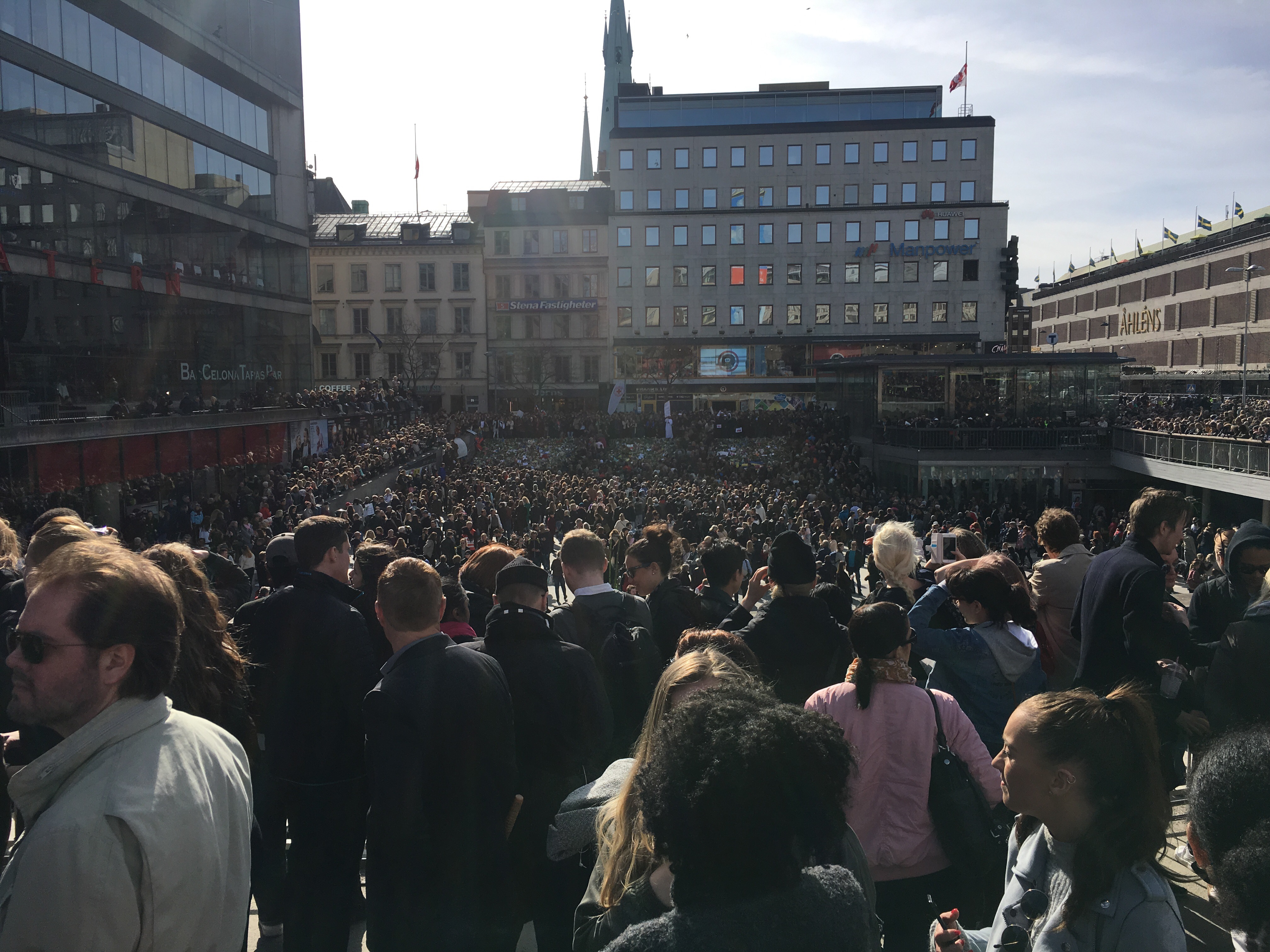
A young woman with a pushchair walks past me and pins a pink rose onto the wire fence. She stops a moment to reflect, clearly taken by the gravity of the moment. A middle-aged couple huddle together holding tightly onto their teenage son. A woman wearing a hijab gently puts a consoling hand on a crying stranger’s shoulder as she passes silently by. 

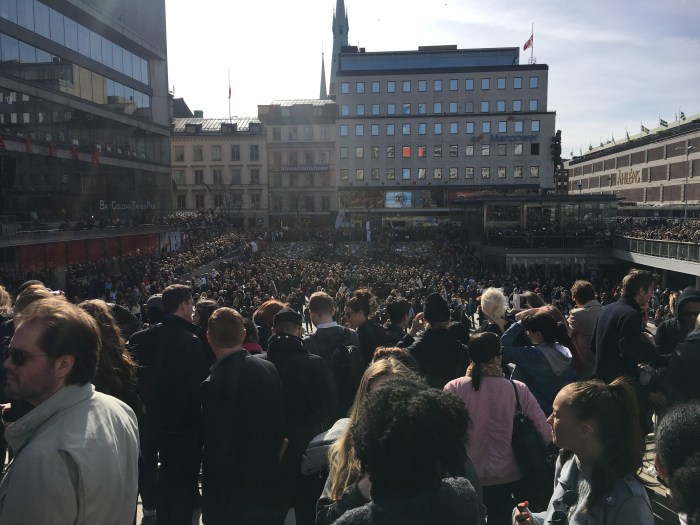
There are tens of thousands of people gathered here on Sergel’s Torg Plaza in Stockholm but the noise level is subdued. A respectful silence hangs in the air. The sun is high and shines down on us on this, the warmest day of the year so far. 

A few meters from here, 48 hours ago, 4 people lost their lives in a terrorist attack, and many more were injured. Amongst the murdered victims were a Belgian tourist, a British man living in Stockholm and two Swedes, one of which was a 11 year old girl on her way home from school. 

Today, Stockholmers are gathered in a ‘Love manifestation’ vigil to pay their respects to the victims and their families. The place is packed with people of all ethnic, religious, political and social backgrounds. But today none of this matters, they are united as one. 

I have never been more proud to be watching the Swedes as I am at this moment. When faced with a national trauma, what do these people do? Do they meet it with fear? No, they meet it with love. It is almost palpable at this moment. And with their love, they beat terrorism. 

Minutes after the terrorist attack, the hashtag #openstockholm appeared on which people opened their hearts to each other. They offered sanctuary, support, a sofa for the night, a lift home, food to anyone who needed it. They responded with love, not fear. 

The day after, they went in their droves to the location of the attack and attached flowers to a fence and lit candles. They hugged emergency workers and covered a police car with flowers to show their gratitude. They responded with love, not fear. 

And today, they came in their tens of thousands to show that they are not afraid. They listened to inspirational speeches and moving music. They took back the streets and they did it with love, not fear. 

I’ve spent many years writing about these people – the Swedes. I write sometimes in despair, sometimes in frustration but often with fondness and humor. But today I write with pride. An immense pride. 

As I linked arms with a stranger, an old white-haired lady, and participated in a one-minute silence, I felt inspirited. I was a part of something larger than myself. I don’t know what it was, but it was significant: a meaningful moment in Sweden’s history that will affect the national psyche for a long time to come. 

One of the speakers at the vigil encouraged people to continue to open their hearts and their doors. Showing solidarity and keeping Stockholm an open city is a priority. But this is something we can only achieve if we do it together. 

The final quote of the vigil summed everything up. A quote from Martin Luther King – 

Darkness can not drive out darkness; only light can do that. Hate cannot drive out hate; only love can do that.’

Ski crazy Swedes


Tonight the skiing World Cup came to Sweden where, in Stockholm, elite skiers competed in parallel slalom. It was fun to be there, on the packed stands and see all the Swedish flags waving as Swedish skiers Hargin and Hansdotter competed. The competition took place on Hammarbybacken, which is a ski slope in the city. 
Hammarbybacken is a man-made ski resort built from rubble and refuse, towering in the southern part of Stockholm city. Building commenced in the 1950’s and finished in 1990. At 93.5 meters high, it’s a popular weekend destination for outdoorsy Stockholmers. And tonight, there were around 8000 of them there, cheering and shouting into the cold January night. 

The Swedish skiers didn’t win. But the spectators left the event having witnessed a fantastic winter sport event in their very own capital city. 

Wilkommen, bienvenue, welcome – to Sweden….

Cabaret_Trio

Last night I went to a performance of ‘Cabaret’ at Stockholm’s ‘Stadsteatern’. Starring popular singer, Sarah Dawn Finer, the story never felt more relevant. Set in and around the decadent Kit Kat Club, the familiar story depicts the slow and insidious growth of Nazism in pre-war Germany. As Hitler’s politics start to become more accepted, life initially goes on as usual inside the nightclub. But slowly, even the performers  cannot ignore the hardening attitudes, the anti-semitism and what is necessary to survive.  As the Nazis rise to power, and ‘Germanness’ falls into focus, the characters have to make a choice: stay or go.

One of the main characters is an American author based in Berlin. As he is confronted by the rise of Nazism he stands up against it saying ‘if you don’t stand against it, you stand with it’. Somewhat remniscent of a US President in a speech against terrorism, this hit a raw nerve. Just because we are not actively and vocally against something, does it really mean that we are for it? Is it that black and white?

As right-wing politics yet again take hold in Europe, what can we learn from the past? If we stand by and say nothing, do nothing, are we in effect accepting it? Are we saying it’s ok? And if we don’t stand up for others, who will stand up for us when we need it?

In the musical Cabaret, we see the nightclub as a metaphor of Berlin, slowly falling more and more under the influence of dark powers. We see the characters numb themselves in alcohol and we see one main character bend to the norms of society by demonstratively removing his makeup – stripped of his uniqueness and his humanity.

Never has it felt more relevant than today. ‘You are not German’ is today expressed as ‘You are not European‘ or ‘You are not Swedish’. And as I was consumed in the musical, I thought to myself, can we do it differently this time? Can we beat the negative forces in society and come out of it victorious? Or are condemned to repeat the mistakes of the past?

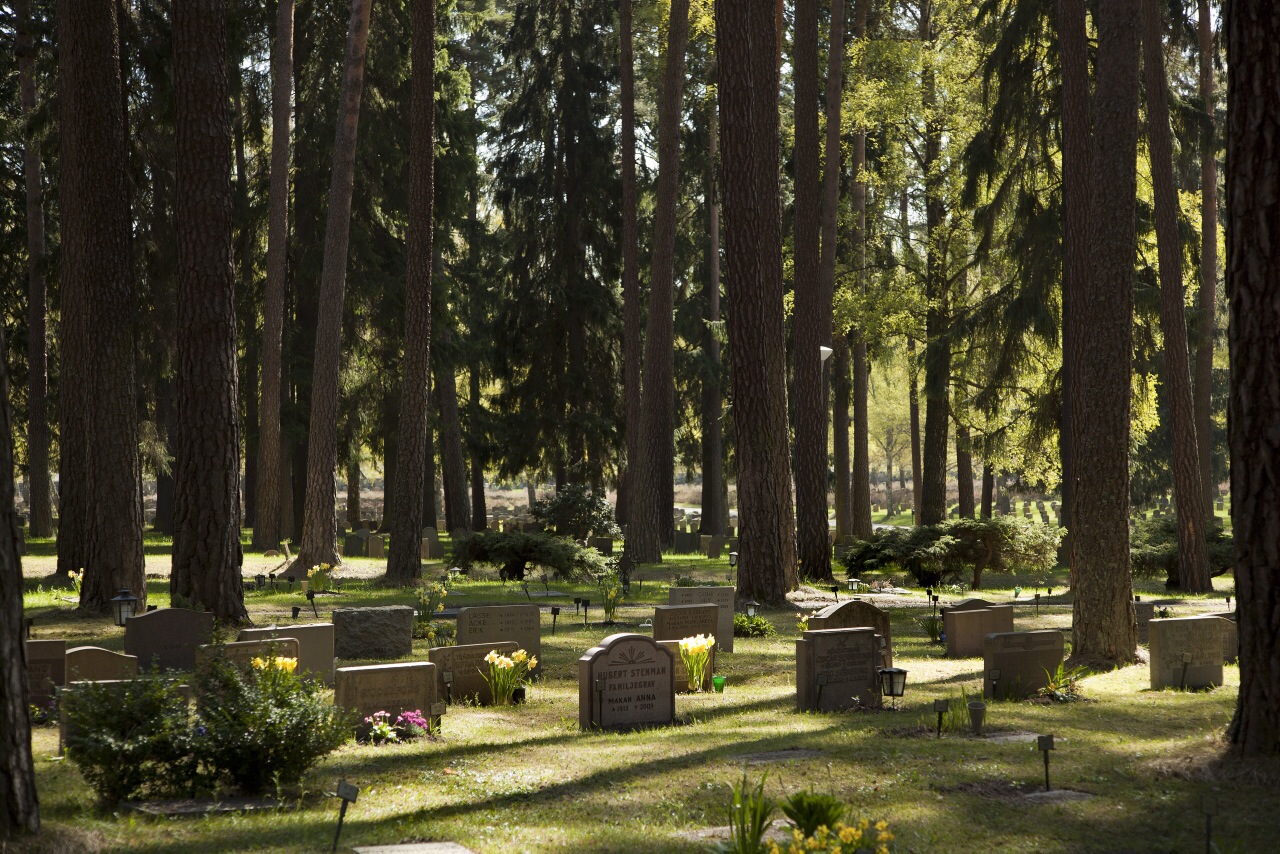
Sweden’s forest cemetery 

  
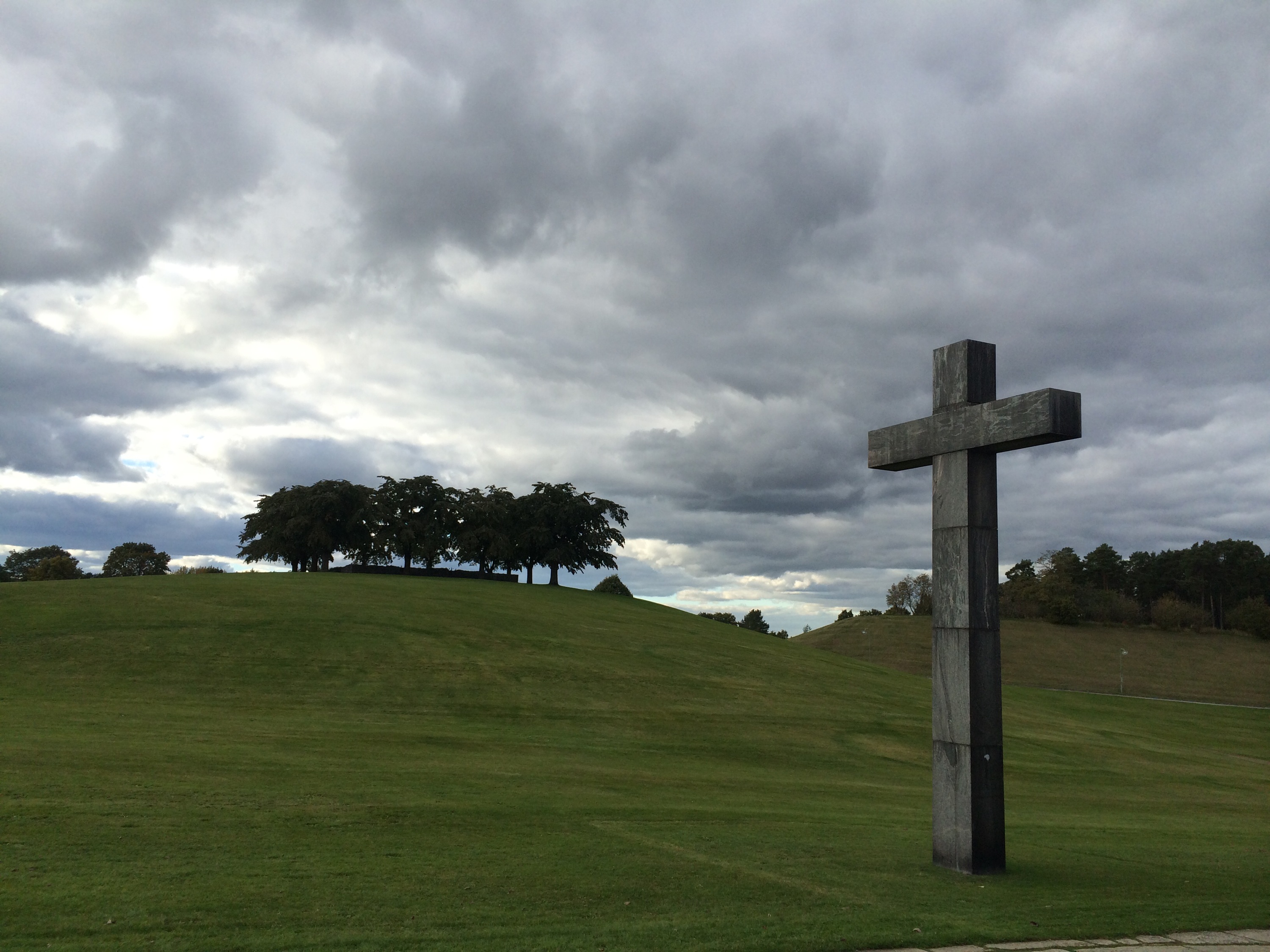
Today I visited a peaceful, magical place in Stockholm – Skogskyrkogården – the Forest Cemetery. 

Built between 1919 and 1940, this location combines a burial ground with a chapel of rest and a coniferous forest.

Listed since 1994 as a World Heritage Site, the Forest Cemetery is a wonderfully serene place to say goodbye, to remember or just to visit. 
  

Sweden lessons 3: crossing the road

herr garman

In Sweden, crossing the road can be a risky affair.  Consider yourself warned.

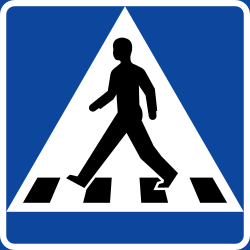
The first thing is that you look to the left to cross the road. You do this preferably at a crossing, indicated by the white and blue sign of the crossing gentleman known as ‘Herr Gårman’. Crossings with traffic lights are a little easier, as the green figure chirps a high-pitched signal to indicate it is safe to cross.

However,  pelican crossings are treacherous. Approach them with great caution.  Cars and bikes are legally supposed to stop to let pedestrians across, but not all do. So the way to do it like this:

  1. Approach the crossing with assertiveness, maybe a little spring in your step
  2. Pause casually on the pavement at the crossing, looking to the left
  3. Lift a leg, either will do, and dangle it out over the crossing. This signals your willingness to cross
  4. Try to make eye contact with the approaching driver
  5. Step gingerly out into the road as you notice the driver slows down
  6. Avoid the bloody cyclists who bomb along the road and who don’t think that normal traffic rules apply to them and who think that they own the road and that you as a pedestrian have to get out of their way and not the other way around and if you don’t pay attention they will literally mow you down as you stand on the pelican crossing.
  7. Success! You reached the other side!


If you like what I write, please share this blog.