Is Sweden Islamophobic?

More than 90,000 articles have been written about the Koran burning in Stockholm that occurred last week. Many of these articles are declaring Sweden as Islamophobic. The action has led to international public protests, storming of embassies, burning of the Swedish flag, and condemnation from everyone from Turkey’s Erdogan to the Pope.

So, is this true? Is liberal-minded, egalitarian Sweden, in fact Islamophobic? Like everything the answer lies in your definition, and perspective.

It all boils down to understanding Swedish freedom of speech. In Sweden, you are allowed to publicly comment on, demonstrate against and criticize anything.

Influential powers such as the royal family, industry giants or organized religions cannot legally stop or influence this.

In Sweden, you are free to follow any religion you want. Likewise you are free to criticize any religion you want. That is the basis of democracy in Sweden.

With this understanding, you can see how the burning of any religious scripture is allowed and not, per se, limited only to the Koran.

So you have to separate the law from ethics. This is why the Swedish government condemns the action but at the same time defends self expression.

That said, there are other laws in Sweden that restrict public speech. For example, if it is considered hate speech, or incitement to violence, or against the interests of national security.

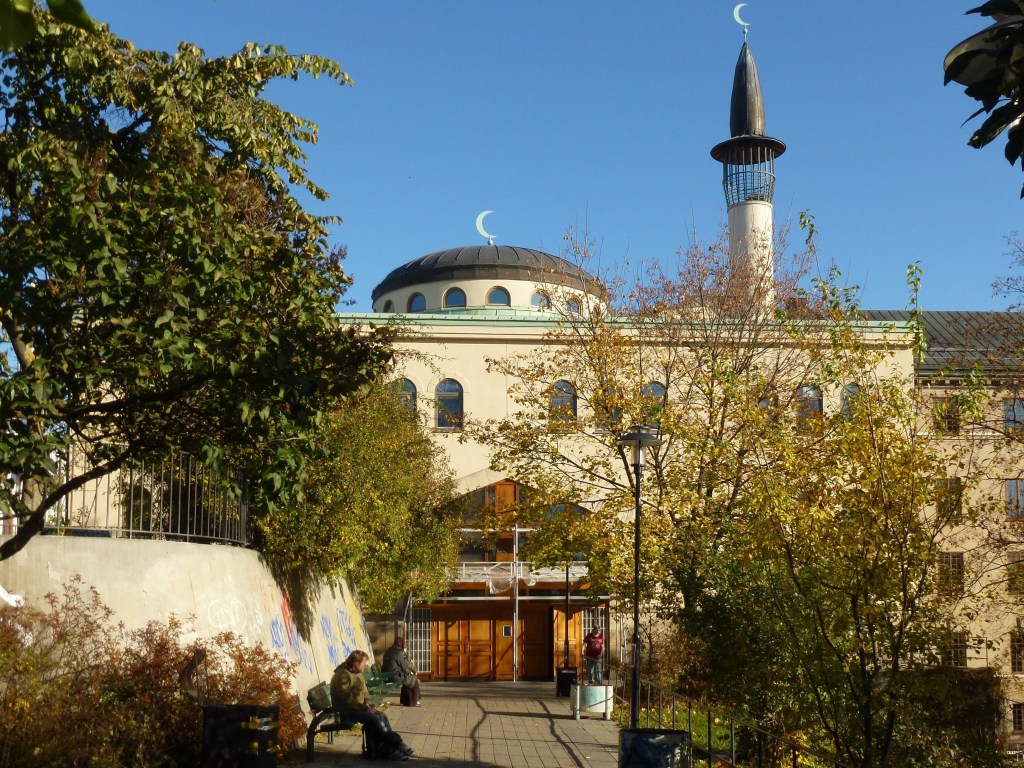
In the case of the recent Koran burning, outside a mosque on the first day of Eid, and with today’s political instability, one can seriously question the police’s choice to allow a such a demonstration to occur. Personally, I think it shows a poor sense of judgement and disregard for public safety and national security. But it wasn’t illegal, and fully in line with freedom of speech.

So, is Sweden islamophobic? From this one action, no. If you want to burn a bible or the tora, you can. Is Sweden Islamophobic in other regards? Maybe. Were the actions of the individual demonstrator islamophobic? Maybe, although he himself is Muslim. He claims his action to be politically motivated.

Time will tell what the outcome is of this. The man who carried out the act is currently living under police security, and amongst other things is being charged with starting a fire during a fire ban.
Provocative Swedish artist is killed

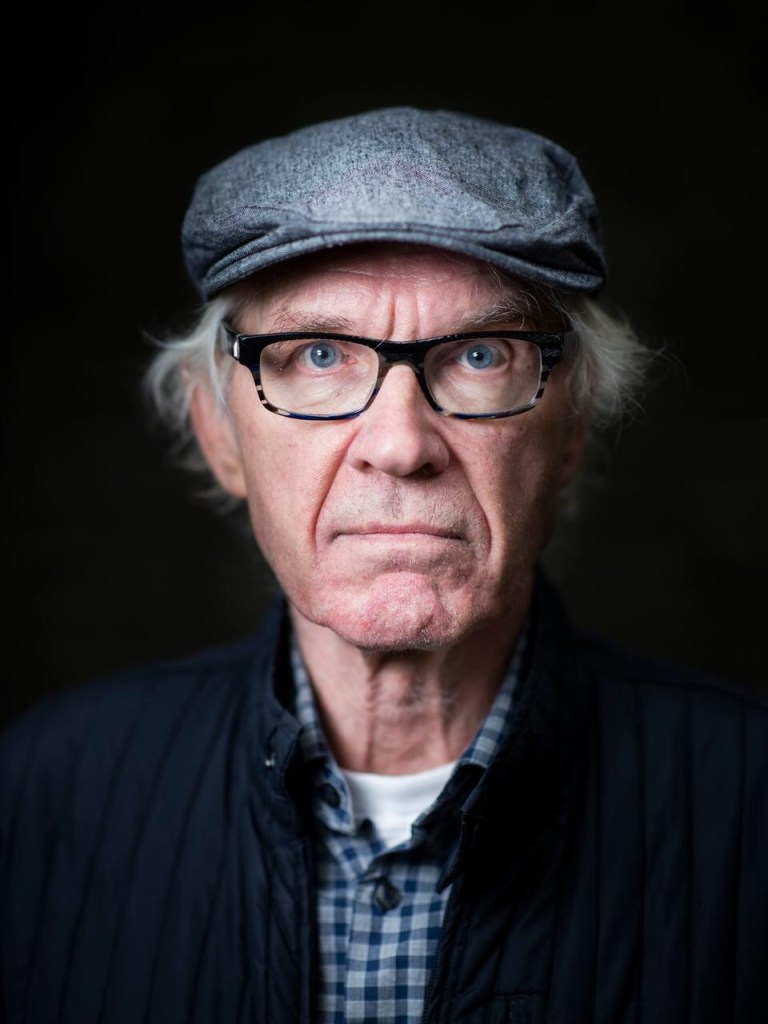
On Sunday, Lars Vilks, a controversial Swedish artist was killed in a car crash on a motorway in Sweden. Police are investigating the death for suspicious circumstances. It seems as if a tire exploded causing his car to break the central barrier and crash head on into an oncoming lorry. In the vehicle with him were two policemen – his protection.

Lars Vilks had 24-hour police protection as he was living under a fatwa issued by al Qaida. The price on his head was 100,000 USD and an extra 150, 000 if the perpetrator slit his throat.

The fatwa was a response to a series of drawings that Lars Vilks produced in 2007 in a local art show. His pictures depicted the prophet Muhammad, something that is considered blasphemous in anti-iconic Islamic tradition. To create double impact, Vilks depicted the prophet as a so-called ‘roundabout dog’ – a type of street art in Sweden. Depicting the prophet as a dog was deemed extra offensive. It caused such a local and international response that some newspapers in Sweden printed some of his drawings in articles about freedom of speech – causing even more fury.

The whole Lars Vilks case generated huge debate around issues of freedom of speech, respect, art, censorship, religious influence and terror. Throughout the years, he was the victim of many attacks and murder attempts, including bombing and arson.

The catalyst for Vilks’ work was the ‘Jyllands-Posten Muhammad cartoons controversy’ which began after the Danish newspaper Jyllands-Posten published 12 editorial cartoons in 2005. Most of the pictures showed Muhammad. The newspaper announced that this was a debate about criticism of Islam and self-censorship. Muslim groups in Denmark complained, and the issue eventually led to protests around the world, including violent demonstrations, deaths and riots in some Muslim countries.

Vilks saw the specific response to his cartoons as part of the artwork itself. All of the consequences, all the reactions, all of the outrage and all of the violence was an integral part of the art, and a political comment. By that definition, even this blog has become a part of the artwork.

One can, however, wonder if he thought it was worth it in the end.

Lars Vilks was 75 when he died, and he produced a great deal of other work during the decades. He was always conceptual and often controversial and the debate he contributed to will continue long after his death.