How I have been Swedified 


After my last blog about Swedish geography, somebody commented that it is hysterical that there is a place in Sweden called Norrbotten. 
This got me thinking. 

When first moving to Sweden and learning the language, I saw all sorts of funny words which made me giggle. Now, some two decades later, I don’t even see those funny words any more – I have been Swedified. 

  • ‘Plopp’ to me is a chocolate bar, and nothing else
  • ‘Puss’ is a kiss and not a little kitty or a body part
  • ‘Kiss’ isn’t a romantic exchange between consenting people. Kiss is urine
  • ‘Slut’ is simply the end of something
  • ‘Avfart’ on a motorway is just the exit 
  • ‘Rea’ is a sale and not an old British singer 
  • ‘Kök’ and ‘kock’ are the kitchen and the chef, not a body part
  • I don’t even see the squidginess of the ‘slutspurt’ any more. All I see is that it’s the end of the sale. 
  • I don’t titter any more when someone says ‘shit’ to describe the putty around the window or the number six is the same as ‘sex’. 
  • ‘Prick’ is a dot and not an insult 

It is with a smidgen of regret that I guess I have been integrated – at least linguistically! 

Dividing up Sweden 


Today I thought I was in one region of Sweden, but I was reminded by a Swedish friend that I was in fact somewhere else. This dividing up of Sweden is not easy to get a grip of. 
Sweden is divided into 3 regions: Norrland, in the North, Svealand in the middle and Götaland at the bottom. These regions have no official purpose, except making it easier for weather readers to present their forecasts. 

Within each region, there are many counties (landskap). Sweden has in fact 25 counties, with Lapland being the most northern and Skåne being the most southern. These counties have their own coats of arms, flowers, and often traditional clothing. 

In 1634, the administrative responsibilities for justice, roads, hospitals etc were removed from the counties and given to an organisation of ‘län’ – administrative counties. There are 20 of these in Sweden. There can be more than one county in the area covered by a ‘län’. For example Södermannsland ‘län’ includes the counties of Södermannland, Uppland and Närke. Each ‘län’ has a main city of residence, where the county government (länsstyrelsen) is based and the governer (landshövding) has his/her residence. For Södermannland, this is Nyköping. 

Within each administrative county there are local councils (Kommun) who are responsible for social services on a local level. There are 290 of these in Sweden today. 

So when traveling through Sweden, you will be in a region, a county, an administrative county and a council at the same time. No wonder it’s hard to know where you are sometimes! 

Why Nazis are welcome to Gotland 


When I went to university in the U.K., there was a policy called ‘no platform’. This meant that students were allowed to demonstrate, hold rallies and meetings about any subject they liked except with one agenda – racist. The university claimed it was democratic but also allowed ‘no platform for racists’. I personally do not hold right-wing views, but this policy never sat easily with me as I saw the clear paradox that it created and it raised the question of what a democracy is. This is a question that raises its head very frequently in today’s culturally and politically polarized society. 

One very recent example in Sweden is the annual politics week that finishes today on the Baltic island of Gotland. This is a week where political parties gather and debate the current political landscape of the country. It’s a tradition that started in 1968 under the initiative of legendary leader Olof Palme. This year, for the first time, a Nazi group were allowed to participate  with a tent and speeches. They, course, were condemned by all parties and many voices to ban them were heard – ‘no platform for Nazis’. 

This is the dilemma for any modern democracy. If democracy means that everybody has the right to exercise their own ideas and beliefs, then society can not ban or intervene when people have the ‘wrong’ beliefs. We can’t just stop somebody from participating because we don’t like their point of view. It is different of course if they are breaking the law. But being a nazi is not breaking the law in Sweden, just as it is not illegal to be a civil rights activist, a communist or a feminist campaigner. 

We shouldn’t forget the very foundation of a democratic society means the right to hold whatever belief we want and go wherever we want with whoever we want. That is our liberty. If we start to infringe on it with bans, or ‘no platform’ policies, we are heading down a slippery slope of state control, elitism and autocracy. 

For me, Nazis should not be forbidden to go to Gotland. To ban them is to undermine our democracy. Threatening behavior, nazi symbolism, Hitler salutes, encitement of violence are however illegal and should not be accepted or allowed. 

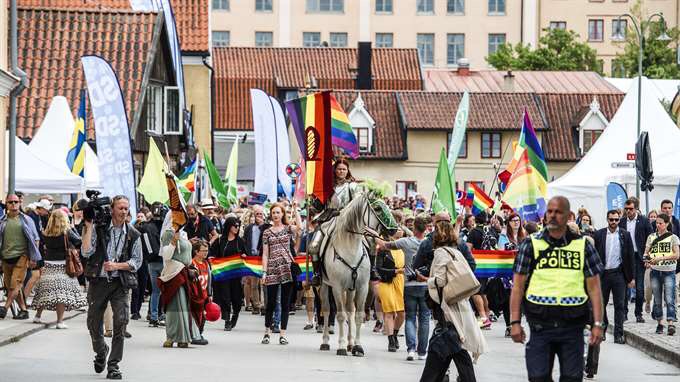
It is in the shadow that their presence casts that a counter balance can be demonstrated. And exactly that happened on Gotland in the form of a well-visited Diversity Parade. Thousands of people marched for a plurastic society and in protest of the views propagated by right wing parties. This was a fantastic manifestation representing the majority of Swedes. And this could only happen in a democratic society. 

Don’t get me wrong, I am not undermining anybody’s discomfort or fear. I am sure that the presence of the Nazis was horrible to experience. But if history has shown us anything it is that we cannot put our heads in the sand and ignore these destructive forces. We must face them head on in debate, in demonstration, in democracy and in massive, massive resistence. 

Battle of the Swedish generations

angry-old-lady

Strolling into work this morning, I was behind an elderly lady who was walking along and taking in the beautiful views.

Behind me I heard a stressed voice. Suddenly, a pushchair rushed past me steered by a stressed young mother wearing designer sneakers. She was talking loudly on her iPhone, via her ‘hands-free’, her aim set on accomplishing this conversation and arriving at her destination rapidly and without delay. She forced on past me and I watched as she approached the elderly lady from behind.

At the exact moment she swished past, the old lady took a small step to the left and was almost mowed down. The young mother didn’t react, she just kept walking forward, talking loudly on her phone with full egocentric focus. I don’t even think she noticed she had almost ploughed into the pensioner –  it seemed that to her the elderly lady was invisible.

The old lady stopped in her tracks and then raised her head in the direction of the woman, now scurrying into the distance. She opened her mouth and shouted loudly:

‘Men kära lilla! Förlåt att jag existerar!’ (Well, my dear. Sorry that I exist)

As I walked within earshot, the old lady muttered under her breath – ‘jävla kärring!’ (fucking bitch)

10 musts in Summer Stockholm 

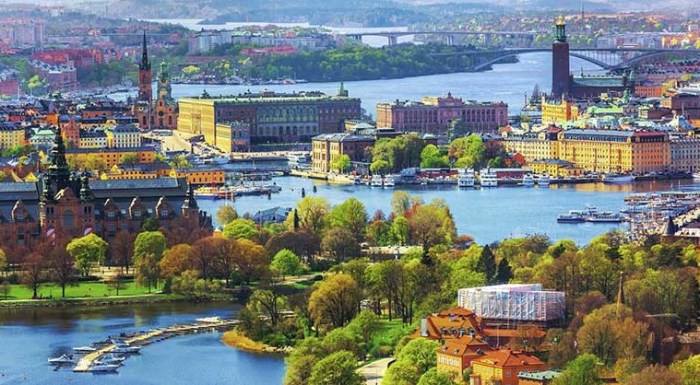
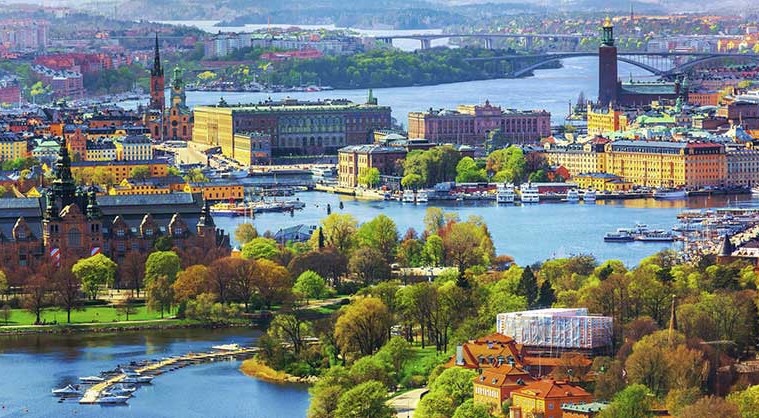
Thinking of visiting Stockholm this summer? For me, Stockholm in the summer is very much about relaxing, sunbathing, swimming and enjoying good food and drinks. As a resident of over 20 years, here are my top ten musts. Enjoy!
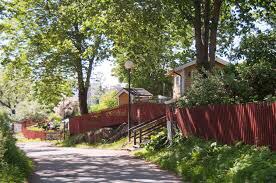
1) The Southside of Söder. Take the underground to Skanstull and walk down to the water’s edge. Walk along the lakeside all the way to Hornstull. This is a favourite walk for Stockholmers, which takes you past boatyards, cosy cafes, cute allotments, beaches, bathing jetties and apartments.
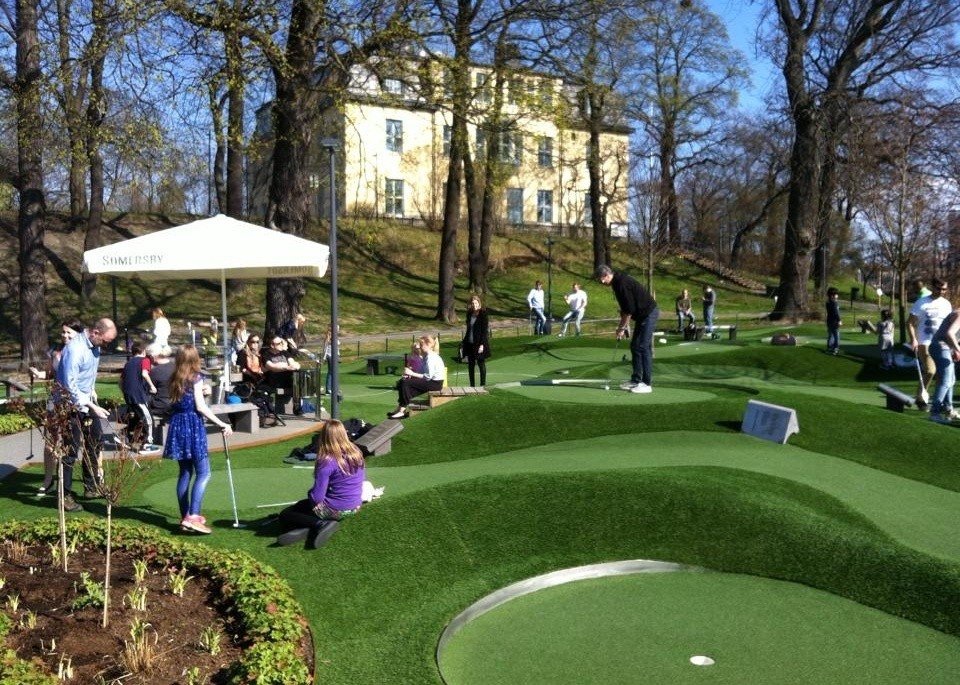
2) Golfbaren. Take the underground to Kristineberg and go to the mini golf course called Golfbaren. Practice your putting while drinking wine.

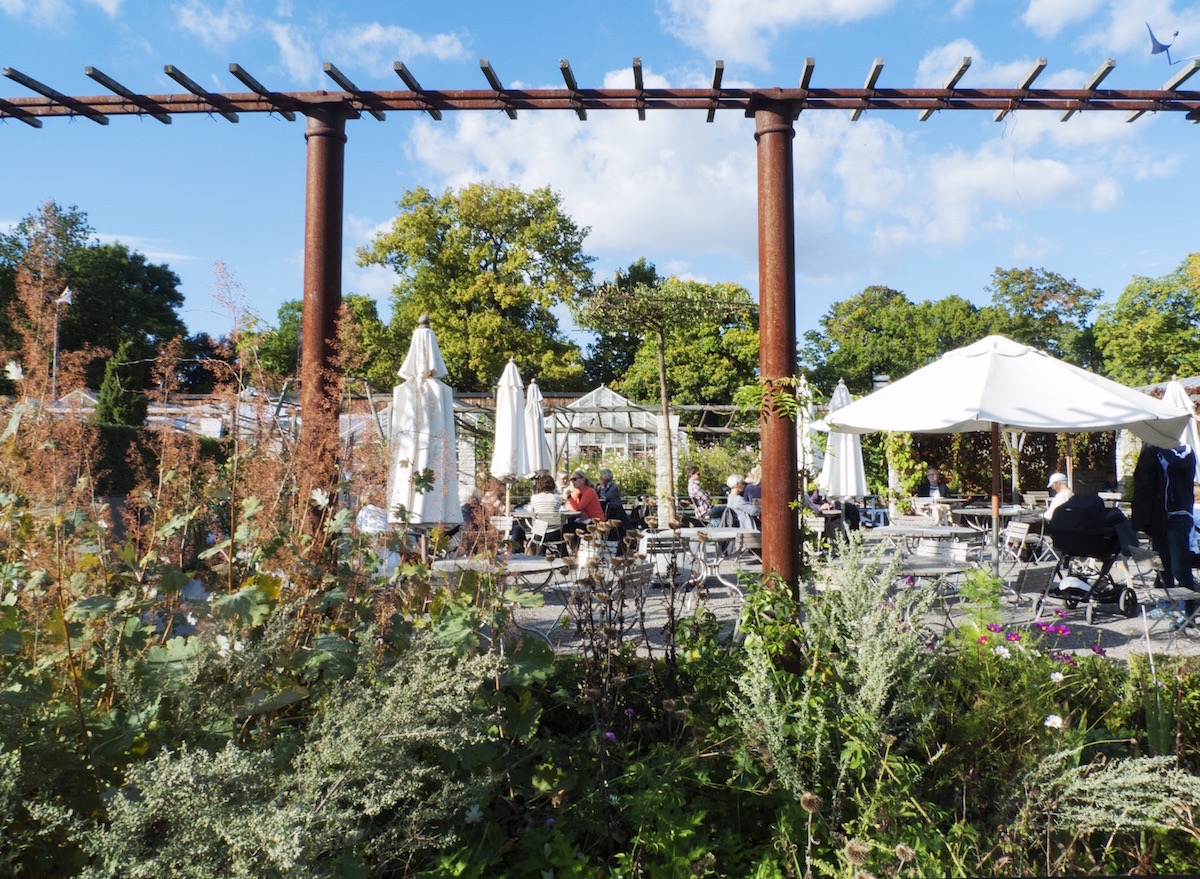
3) Djurgården. Stockholm’s museum island is well worth a visit. Full of parks, interesting museums, restaurants, beaches, a zoo, grand houses, a fairground, amongst other things. Lovely to visit specific places or just go for a walk. One tip is to head left after crossing the bridge and go to Rosenlunds nurseries and garden cafe.

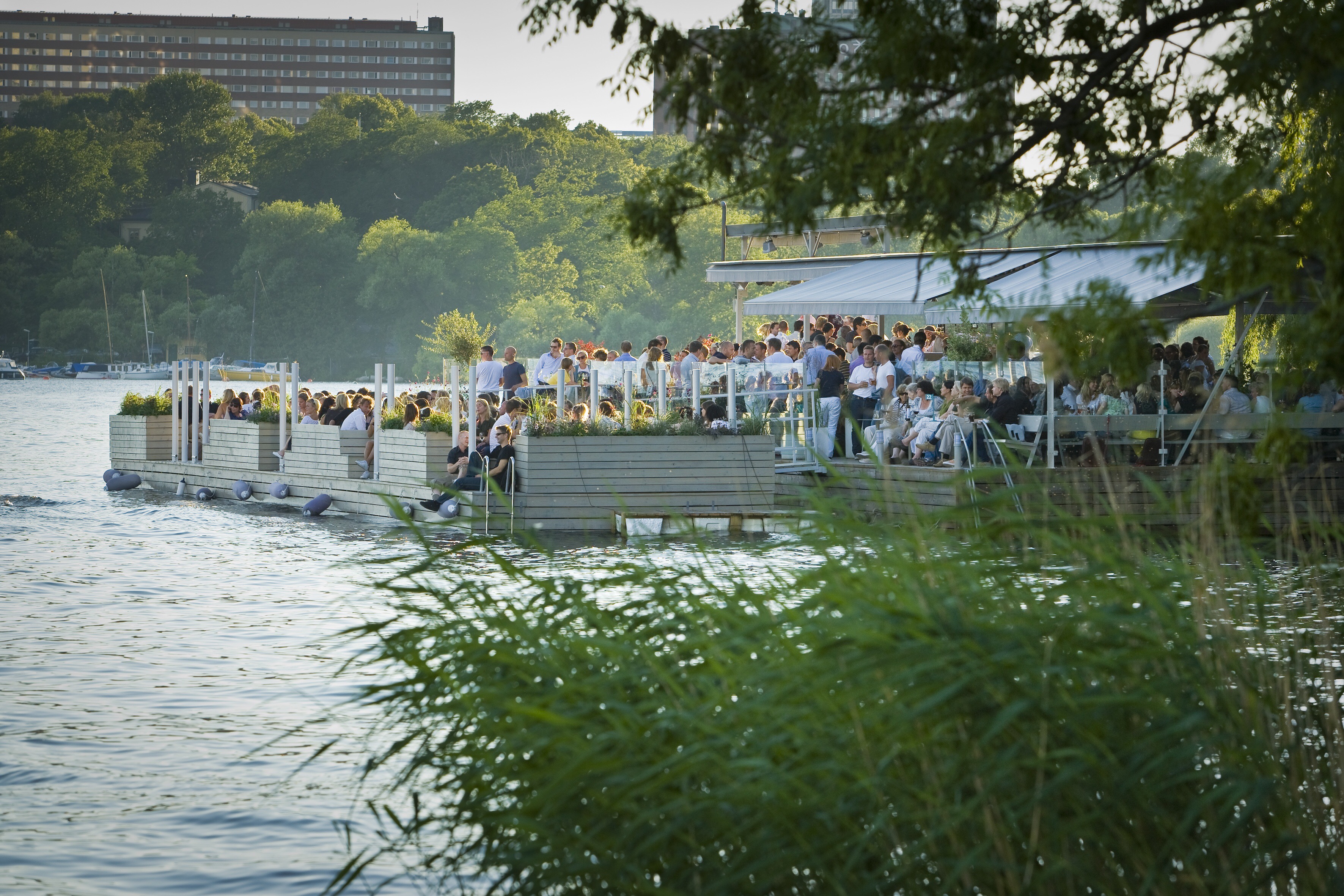
4) Mälarpaviljongen. On the water’s edge on the island of Kungsholmen, this is a floating bar lounge. It’s a Stockholm favourite with nice food, relaxing surroundings and cool house music. The pretty walk from Rålhomshovs park to the city hall goes past this venue. Reach by taking the underground to Rådhuset or Fridhemsplan.

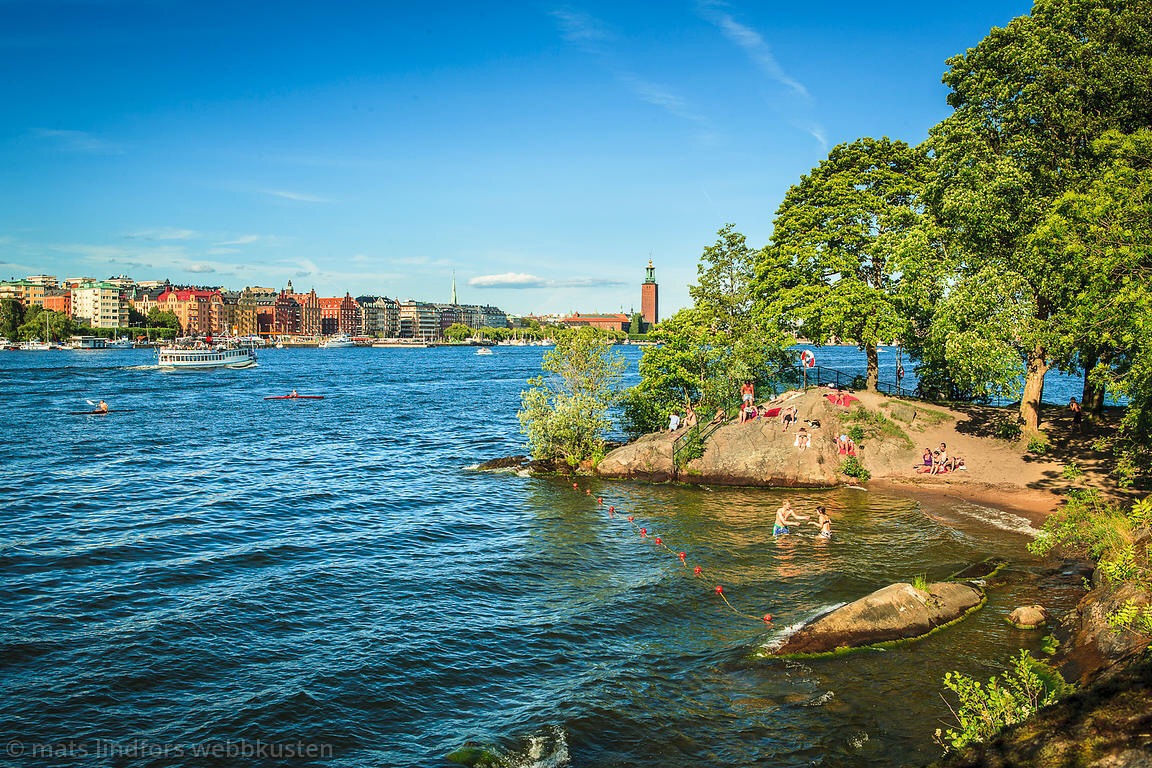
5) Långholmen prison island. Once housing a prison, this island is now a perfect place for a stroll and a bite to eat. It is also a great place for bathing from one of its many beaches and water access points. Also a walk from here over the large bridge, Västerbron, gives commanding views of the city. Reach Långholmen by taking the underground to Hornstull.
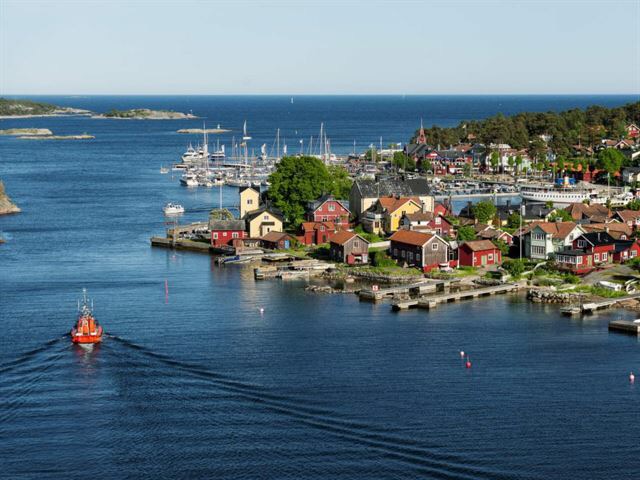
6) Stockholm Archipelago. Take a boat ride out to the archipelago. Amongst the thousands of islands, there are opportunities to disembark and eat, drink, sunbathe, swim and relax. If you don’t want to get off the boat, book a table at the boat’s restaurant and enjoy a great meal as the islands slip gracefully past.
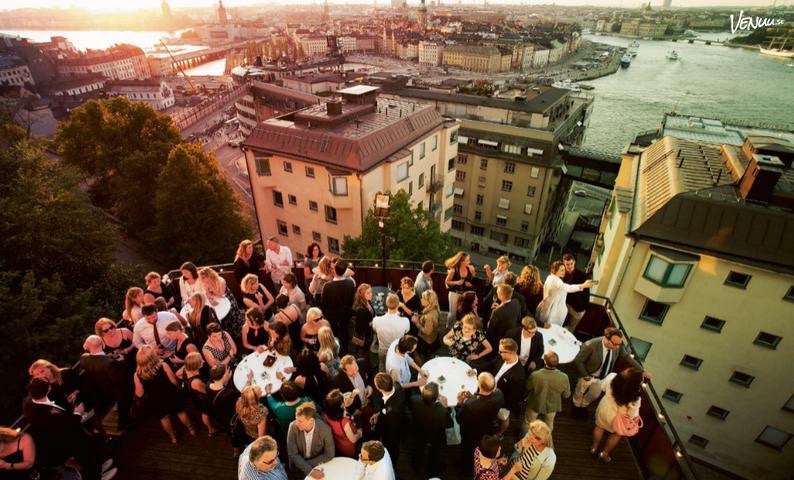
7) Champagne terrace. Take the underground to Slussen and walk up to Söder Theater. At the top of the theatre there is a champagne bar with an amazing terrace and a spectacular view over the whole of Stockholm. Stand here on a warm summer’s evening drinking in the sights.
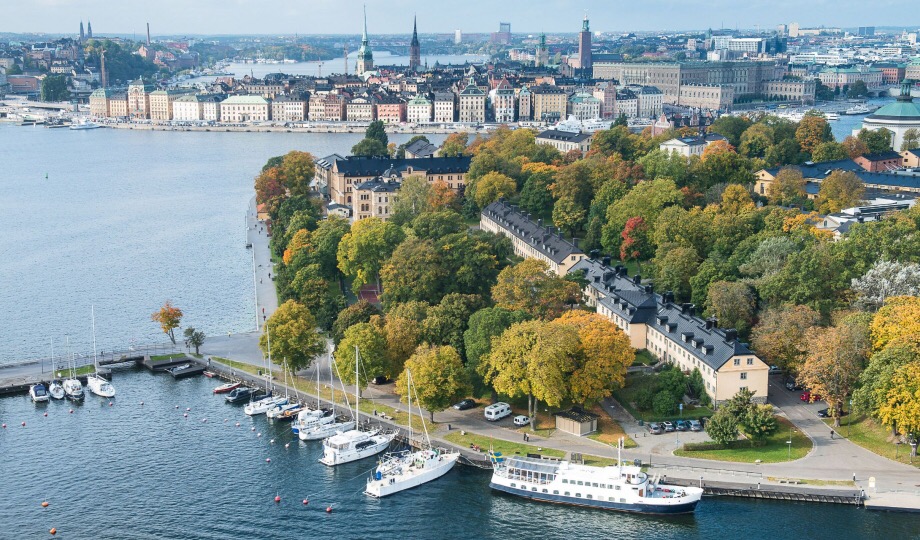
8) Skeppsholmen. In the middle of Stockholm harbour lies the island of Skeppsholmen. Perfect for a walk by the water’s edge or bathing and eating. The island also houses various museums, including the Modern Museum. The terrace of Skeppsholmens hotel is very relaxing for a glass of rose wine.

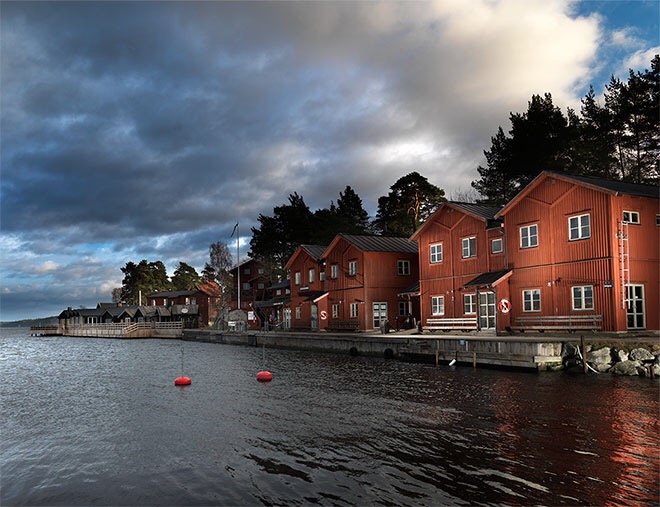
9) Fjäderholmarna. Take a 20 minute boat ride from Slussen to the islands of Fjäderholmarna. Swim, sunbathe and enjoy something to eat and drink. A ‘day trip’ that doesn’t feel like it’s miles away.

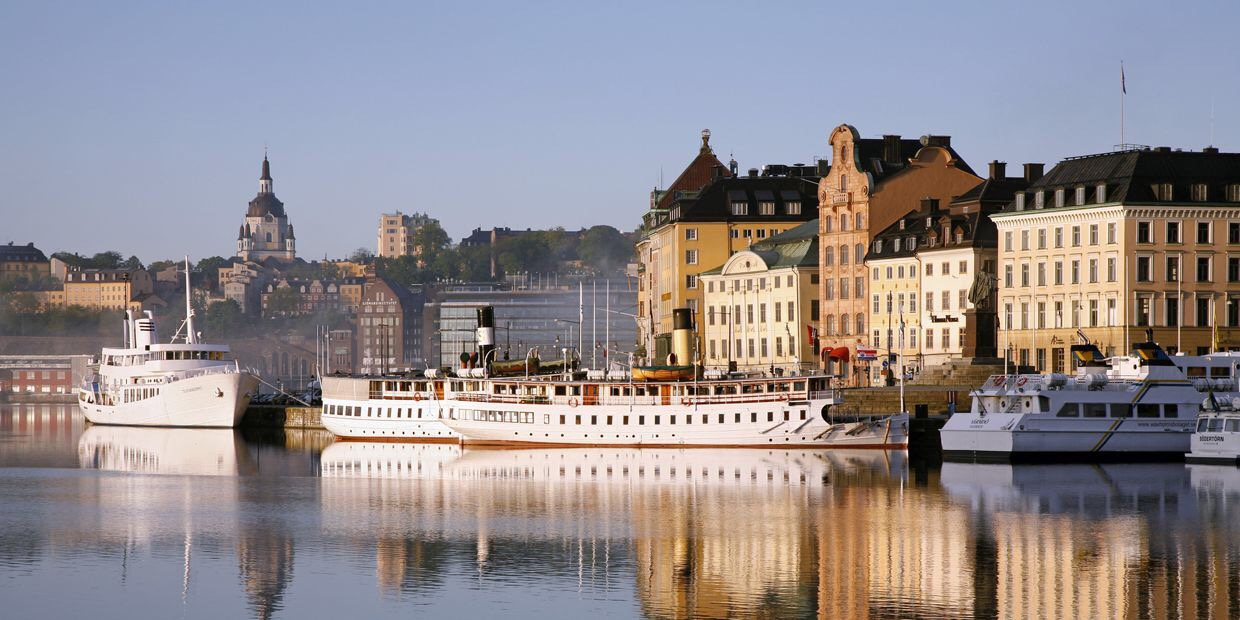
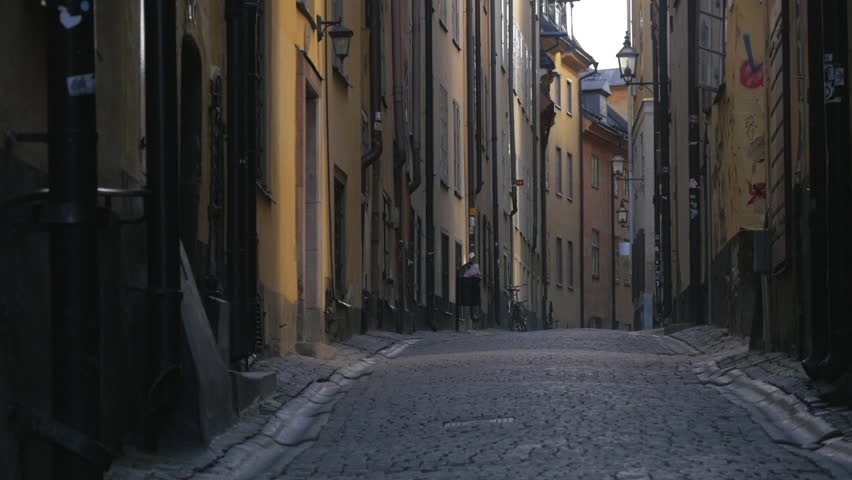
10) Gamla Stan. If staying urban is your thing, then head for the Old Town. Full of shops, eateries, historic buildings, narrow alleyways, this part of town still has its fair share of sun traps and access to water. Restaurants on the harbour side have lovely views over the water and the city’s boat life.
Your helpful Guide to Surviving Midsummer in Sweden 

midsommar

With Midsummer rapidly approaching, it is worth planning for your survival. Midsummer’s Eve is the craziest custom in the Swedish calender and the time of the year when Swedes go a little bonkers.

As a non-Swede, get ready to brace yourself. And follow this simple survival guide to make sure you make it to Midsummer’s Day in one piece.

  1. Greet like a Swede. In Sweden it is considered polite to greet everybody individually, even if you plan to never speak to them again or remember their name. The appropriate way is as follows, shake hands and look direct in eyes, say ‘hej’ followed by your name. They will do the same. If you are feeling adventurous, follow it up with a ‘trevligt’ or even a ‘Glad Midsommar’. Job done. Now you can hit the booze.
  2. Snaps is not the same as a shot. A lot of alcohol gets drunk on Midsummer’s Eve, especially beer and snaps  With the popularity of shots in recent years, it’s easy to make the mistake that Swedish snaps is the same thing. Believe me, it is not. Snaps can be up to 40% proof, considerably more than your normal shot. So, go easy and sip the snaps or see yourself slipping sideways off your chair before the dessert has even been put on the table.
  3. Take tissue. Midsummer’s Eve is a looong day and you probably will need the loo at some point. The trouble is, so will everybody else – to the detriment of the supply of toilet paper. There’s a big chance you will be seeking relief in the woods so come equipped with the appropriate amounts of paper for your needs.
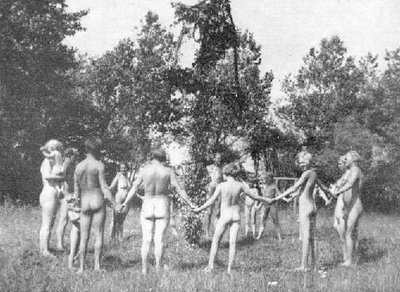
  4. If shy, bring swimwear. Bathing in the icy June waters is a common activity at Midsummer. Swedes generally are not afraid of showing a bit of genital when they do this. If you are, then come prepared with swimwear and a towel.
  5. Shelve your maturity. Part of Midsummer is dancing around the maypole, playing silly games, pretending to be a frog, participating in competitions. To survive this, it helps to conjour up your inner child and forget you are an adult for a while.
  6. Rubbers will save the day. Given the amount of alcohol consumed at Midsummer, it is no surprise that the most babies in Sweden are made on this day. If you don’t want to join the ranks of parents, remember to put in on before you put it in.
  7. Throw in the thermals. Perhaps you think it’s going to be sunny and warm on Midsummer’s Eve? Well, think again. It is not unusual that temperatures fall into single figures and that pesky rain pours down onto the smorgasbord. So bring a jumper, a rain jacket and even thermals to enhance your experience.
  8. Same, but different. Don’t expect culinary excesses on Midsummer’s Eve. The food is exactly the same as is eaten at Christmas and Easter, with a few small exceptions – strawberries and new potatoes.
  9. Learn a drinking song. On Midsummer’s Eve, food and alcohol is accompanied by Swedish drinking songs.  Learn one in advance and shine at the table. Even better sing one in your own language and you are guaranteed to use those rubbers you packed just for the occasion.
  10. Argue over the rules. At Midsummer a popular Swedish garden game is called kubb. Involving the throwing of sticks, everybody seems to have their own understanding of the way to play. If you want to feel really Swedish, make sure you start an argument about the rules.

That’s it! Follow this guide and you are sure to have a wonderous Midsummer’s Eve in Sweden. Glad Midsommar!

10 musts in Summer Stockholm 

Thinking of visiting Stockholm this summer? For me, Stockholm in the summer is very much about relaxing, sunbathing, swimming and enjoying good food and drinks. As a resident of over 20 years, here are my top ten musts. Enjoy!

1) The Southside of Söder. Take the underground to Skanstull and walk down to the water’s edge. Walk along the lakeside all the way to Hornstull. This is a favourite walk for Stockholmers, which takes you past boatyards, cosy cafes, cute allotments, beaches, bathing jetties and apartments.

2) Golfbaren. Take the underground to Kristineberg and go to the mini golf course called Golfbaren. Practice your putting while drinking wine.

3) Djurgården. Stockholm’s museum island is well worth a visit. Full of parks, interesting museums, restaurants, beaches, a zoo, grand houses, a fairground, amongst other things. Lovely to visit specific places or just go for a walk. One tip is to head left after crossing the bridge and go to Rosenlunds nurseries and garden cafe.

4) Mälarpaviljongen. On the water’s edge on the island of Kungsholmen, this is a floating bar lounge. It’s a Stockholm favourite with nice food, relaxing surroundings and cool house music. The pretty walk from Rålhomshovs park to the city hall goes past this venue. Reach by taking the underground to Rådhuset or Fridhemsplan.

5) Långholmen prison island. Once housing a prison, this island is now a perfect place for a stroll and a bite to eat. It is also a great place for bathing from one of its many beaches and water access points. Also a walk from here over the large bridge, Västerbron, gives commanding views of the city. Reach Långholmen by taking the underground to Hornstull.

6) Stockholm Archipelago. Take a boat ride out to the archipelago. Amongst the thousands of islands, there are opportunities to disembark and eat, drink, sunbathe, swim and relax. If you don’t want to get off the boat, book a table at the boat’s restaurant and enjoy a great meal as the islands slip gracefully past.

7) Champagne terrace. Take the underground to Slussen and walk up to Söder Theater. At the top of the theatre there is a champagne bar with an amazing terrace and a spectacular view over the whole of Stockholm. Stand here on a warm summer’s evening drinking in the sights.

8) Skeppsholmen. In the middle of Stockholm harbour lies the island of Skeppsholmen. Perfect for a walk by the water’s edge or bathing and eating. The island also houses various museums, including the Modern Museum. The terrace of Skeppsholmens hotel is very relaxing for a glass of rose wine.

9) Fjäderholmarna. Take a 20 minute boat ride from Slussen to the islands of Fjäderholmarna. Swim, sunbathe and enjoy something to eat and drink. A ‘day trip’ that doesn’t feel like it’s miles away.

10) Gamla Stan. If staying urban is your thing, then head for the Old Town. Full of shops, eateries, historic buildings, narrow alleyways, this part of town still has its fair share of sun traps and access to water. Restaurants on the harbour side have lovely views over the water and the city’s boat life.
Bringing politics to the people


politikerveckan

If the election in the UK and USA has shown us anything, it is this. Bring politics closer to the people and you will win.

In the USA, it meant successfully manipulating the beliefs of the disillusioned and the sceptical.

In the UK, it meant focusing on the issues closest to people’s hearts and putting a fire under the asses of young voters.

Politicians in Sweden are, in my opinion, too often remote from the electorate and their reality. This is with one notable distinction in a quickly-growing, right-wing, populist party. This party has now taken the position as the second largest party in Sweden and poses a real threat to the other established parties and their ability to form governments in the future.

Every summer in Sweden, politicians hold a politics week on the island of Gotland in the Baltic Sea. This week brings together all the parties and they discuss and debate the current issues at hand, all televised to a broader Swedish public. I am all for politics and media debates but recently the Gotland Politics Week sits a little uneasy with me. In many ways, it is fantastic but it has moved far from its initial intention of putting politics in focus for the ordinary person. Today, it is more of an elitist gathering of lobbyists, journalists, aides and corporate partners standing in tents sipping free rose wine and partying until the early hours. How can people of the electorate relate to this? How can they even participate when, for example. it costs a lot to travel to remote Gotland and is difficult to find affordable accomodation?

As an alternative to this, a new Politics Week has risen. Initiators from the Stockholm suburbs have decided to bring politics to the people and have arranged a week of political debate and discussion on a football field.

On their website, they write:

‘The purpose of Järva Politics Week is to reduce the distance between politicians and citizens, create better conditions for ordinary people to engage themselves in politics, and put the issues of the local residents on the political agenda. This week gives politicians the opportunity to put forward their policies on exclusion, education, security and marketplace integration directly to the groups who are most impacted.’

It seems like all of the parties have accepted the invitation and most of the party leaders will attend this event to hold a speech.

Hopefully, in the suburbs, looking the real electorate in the eyes, they will realise what is needed to create positive integration, positive change and a positive future for everybody in Sweden.

Swedish students on a truck 


This time of the year, a common sight on the streets of Sweden is students on trucks. Dressed in traditional white caps, and bolstered with alcohol, the students jump up and down to the booming music from loud speakers concealed in the vehicle. They scream and shout and spray beer on each other and sometimes unsuspecting pedestrians. They are celebrating the end of their school career. Most of them are 19 years old and have just graduated from Sixth Form College/High School. 
Every year the media reports accidents and injuries, which is not entirely unexpected. And trucks have been banned from certain roads and areas in the towns. 

In Sweden, doing ‘studenten’, as it’s called in Swedish, is a major rite of passage into adult life. The youngsters finish their last day at school, come running out of the building to be greeted by waiting parents and families. They then climb aboard their trucks for their lap of honour. After that they go around to each other’s homes where each family usually arranges a reception to honour the newly-graduated student. 

It is a common sight on the streets of Sweden and a refreshing reminder of the hopefulness of youth. 

What the f***! Was moving to Sweden a mistake?


I clearly remember thinking this to myself on May 13th 1995.  

I was at the airport waiting for a flight to London – my first visit home after moving to Sweden the previous autumn. 
Over the loudspeaker I heard an announcement. My flight was delayed. Due to snow. Yes, snow! Outside the window, snow billowed down on the runway and visibility was limited. In May! ‘What the f***!?’ I recall thinking. ‘Is this what it’s like here? I think I might have made a massive mistake moving here’. Eventually the flight took off and I landed two hours later in the British capital. There, in London, the sun was shining and people were walking around in shorts, t-shirts and shades. This, of course, cemented my concern. 

Now it seems as if history might be repeating itself. Yesterday it snowed in Stockholm. And haled. In May. Ok, not May 13th. But May 9th! Today more snow is forecast. And I am wondering if we’re going to break my 1995 record for the latest snowfall in Stockholm!? (Although the actual record seems to be June 12th in 1982). 

But I have learned something after 20 years in Sweden. If there is one thing we can rely on, it is that the weather does change. Have faith! The claws of winter are soon released and spring will finally and definitively be upon us.